How Local Conditions Play In
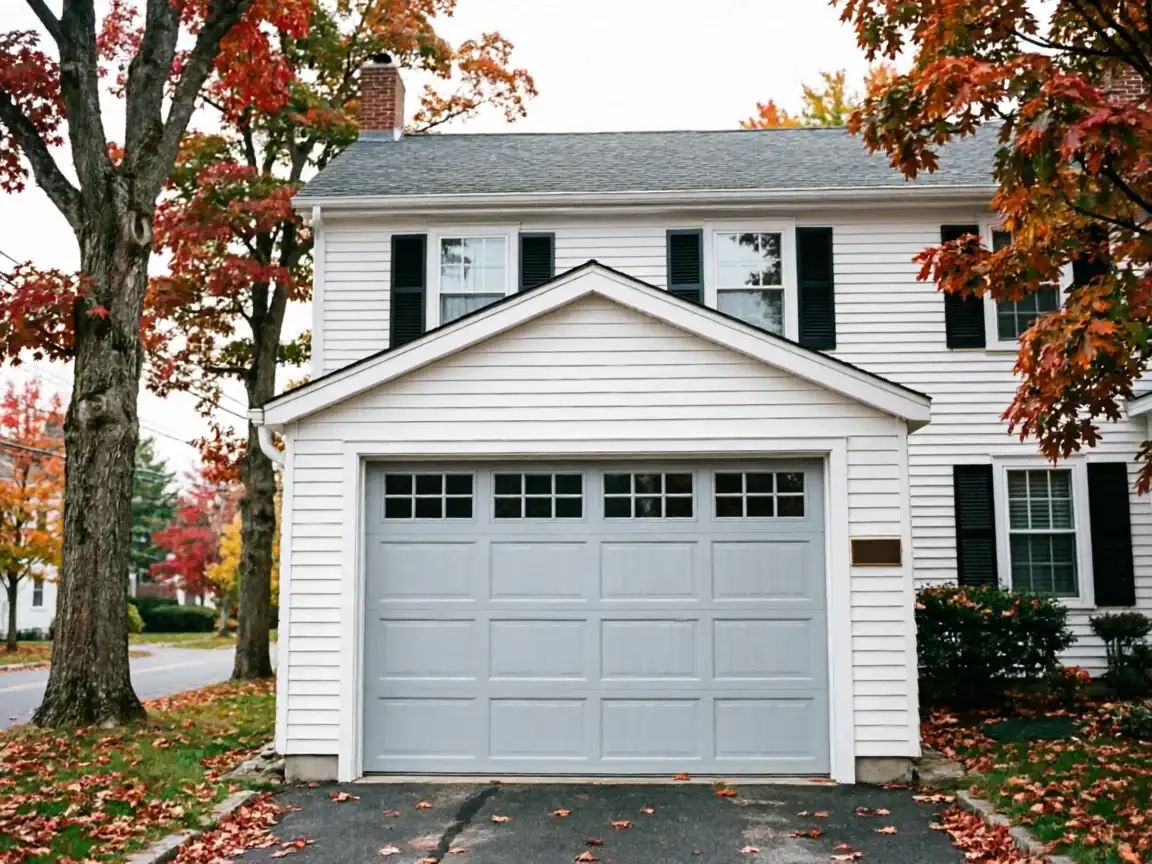
Most houses around Greensburg went up between 1938 and 1985, with the median build year sitting at 1950. That matters more than people think when you're shopping for a replacement door, because openings framed in that era were built for one-piece or early sectional doors, not the wider steel sectional units sold new today. That pre-1960 stock shows up across 53 named areas in the Greensburg service territory, not just the borough itself, so if your house sits anywhere in that range, odds are your jamb width and header height run narrower than a door built in the last twenty years expects.
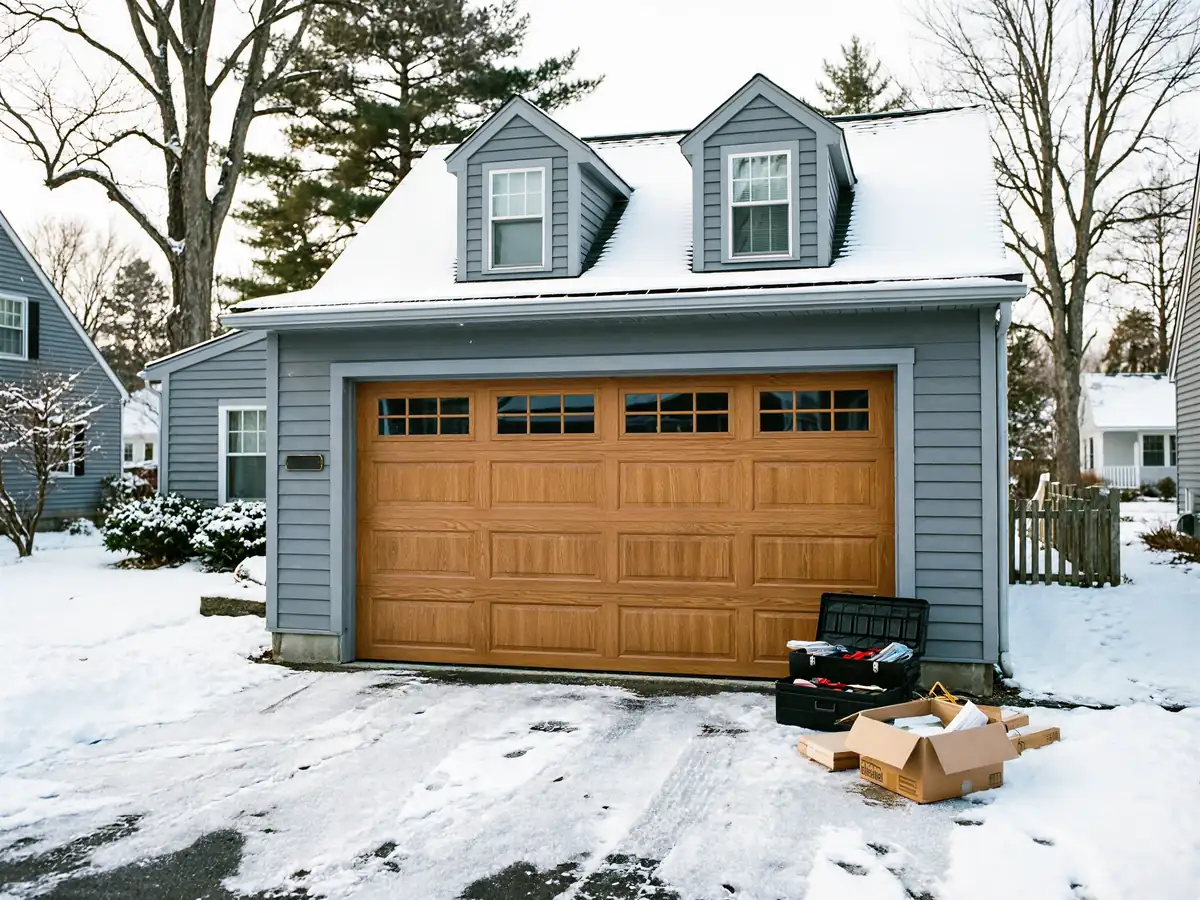
Then there's the weather. Greensburg sits in a climate band rated cold and severe, which means the insulation rating on your new door isn't optional here. A single-layer steel door with no thermal break will frost on the inside, sweat when the temperature swings, and eventually bind on the track as the panel flexes in the cold. If you're replacing rather than repairing, this is the point where the old door's shortcomings and the climate's demands line up and force a real decision instead of a patch job.
When Waiting Is Fine
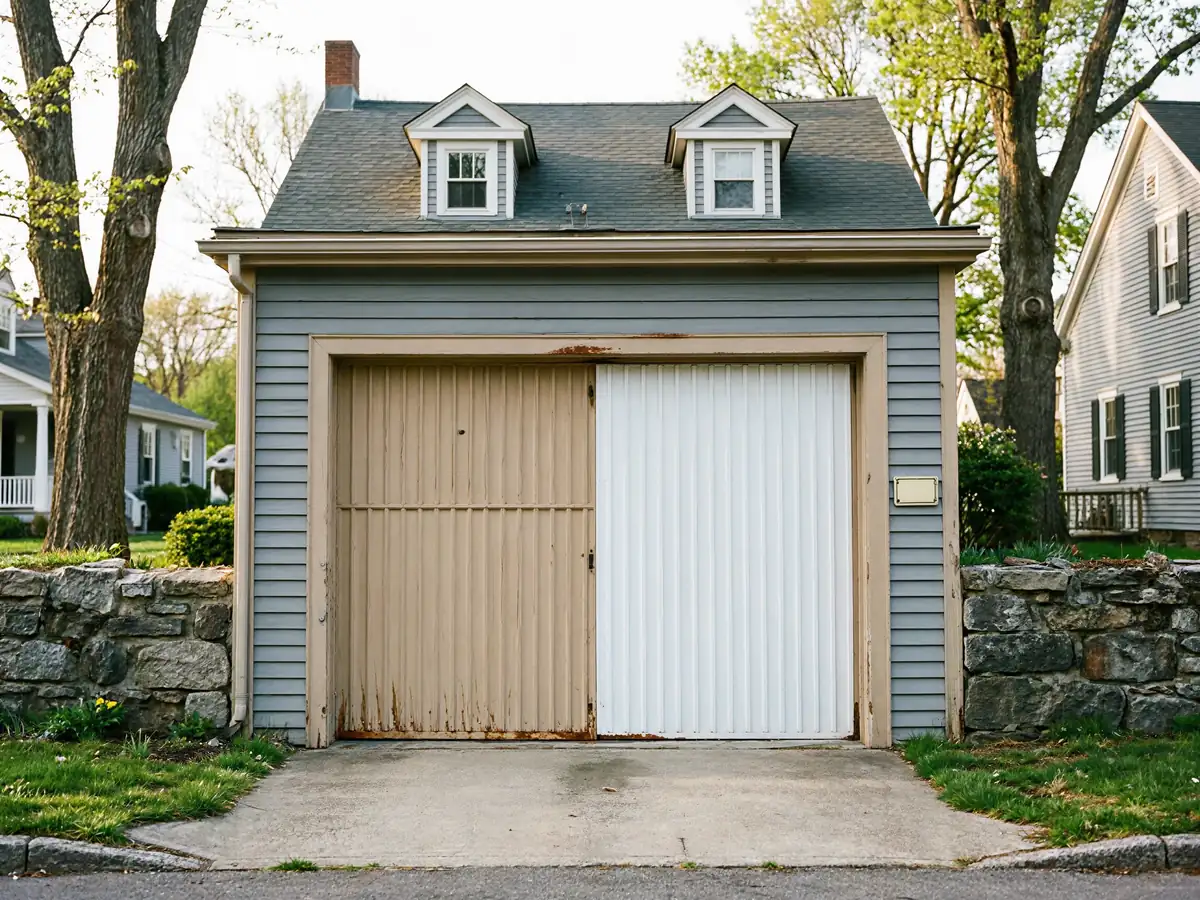
Not every old door needs to come out. If the panels are straight, the springs are balanced, and the only issue is a worn weatherstrip or a noisy roller, you're looking at a repair, not a replacement - and that's the honest call to make even though a new door is the bigger job and the bigger invoice. Where I tell people to hold off on replacing: a door that's cosmetically rough but still seals and runs quiet, especially on a house where the opening itself is original to that 1938-1985 build window and would need custom framing work to accept a modern standard-size unit.
Where waiting stops making sense is when the door is single-layer steel or old wood with no insulation at all, given the cold and severe climate rating for this area. At that point you're paying a heating bill penalty every winter the old door stays in. I won't tell a homeowner to replace a door that's structurally fine just because it's old - that's not a repair call, that's a sales pitch, and it isn't honest work.
What Most People Get Wrong
The biggest mistake I see is someone measuring their existing opening and assuming a standard off-the-shelf door will drop right in
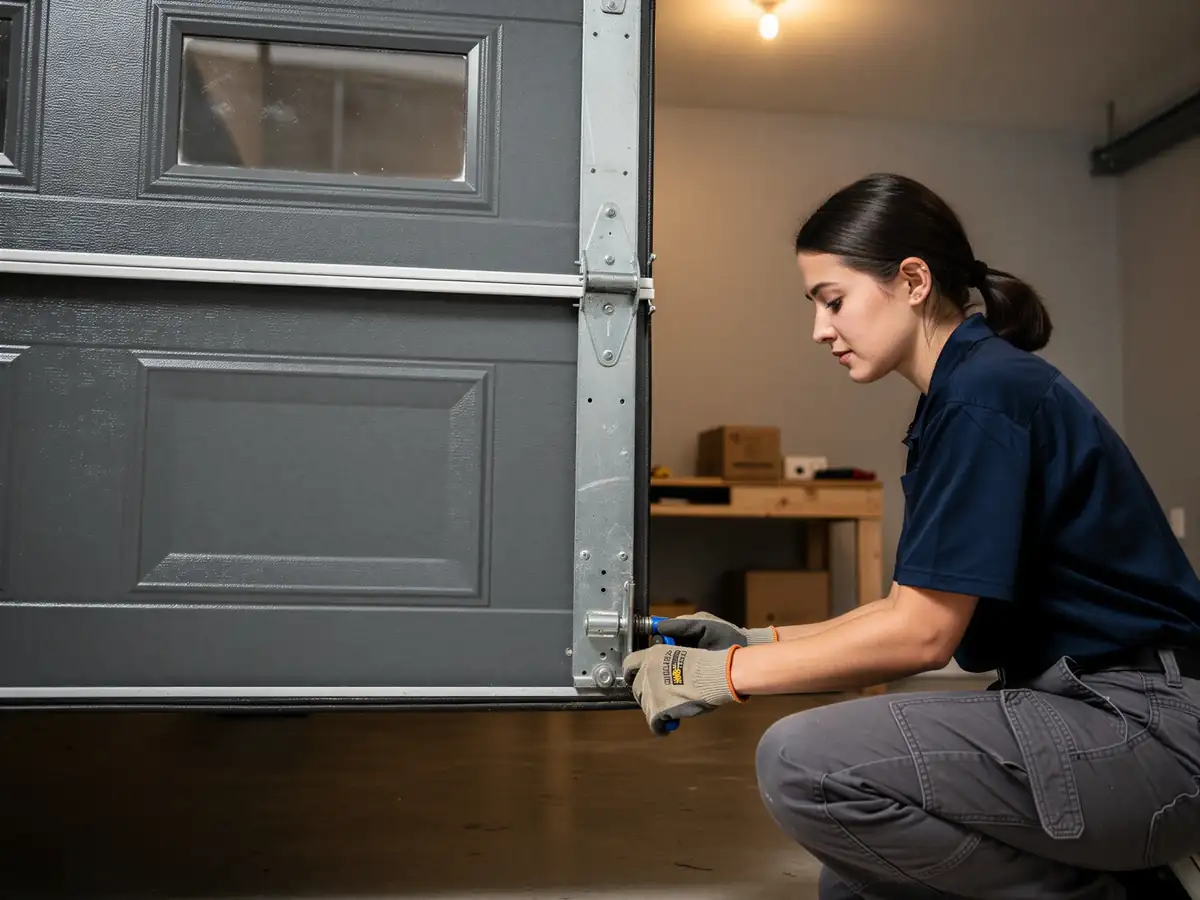
Given how much of the housing stock here predates 1960, that assumption fails more often than it holds. Framing, header clearance, and track position were done by hand to whatever the original door needed, and a new door built to current standard dimensions can require real carpentry before it fits - not a huge job, but not a non-issue either.
The second mistake is buying on sticker price alone and ignoring the insulation rating
Which matters directly because of the cold and severe climate classification for this area. A cheaper, uninsulated door costs less up front and more every January after that. With median household income in the Greensburg area at $55,909, the jump from a basic steel door to a heavier insulated model is a real budget line, and it deserves to be weighed against the heating cost difference over the years you'll own the door, not treated as an afterthought at checkout.
The Situation
Across the Greensburg service area there are roughly 83,379 households and 44,139 owner-occupied houses, most sitting on that same mid-century frame that defines this part of western Pennsylvania. That's the backdrop for every replacement door conversation we have - not a generic suburb, but a specific stretch of older housing stock spread across towns like Jeannette, Youngwood, New Stanton, Latrobe, and Mount Pleasant, each a few miles out from the borough itself.
If you're in one of those outlying areas rather than Greensburg proper, the same framing-age and climate logic applies, since the 1938-1985 build window and the cold-climate rating cover the wider territory, not just the center of town. What changes house to house is the condition of the opening and whether the existing frame can take a standard modern door or needs work first. That's not something I can tell you from a distance - it's a measurement-and-look job, and it's the first thing I'd do before quoting a replacement rather than guessing at it.