How We Fix It
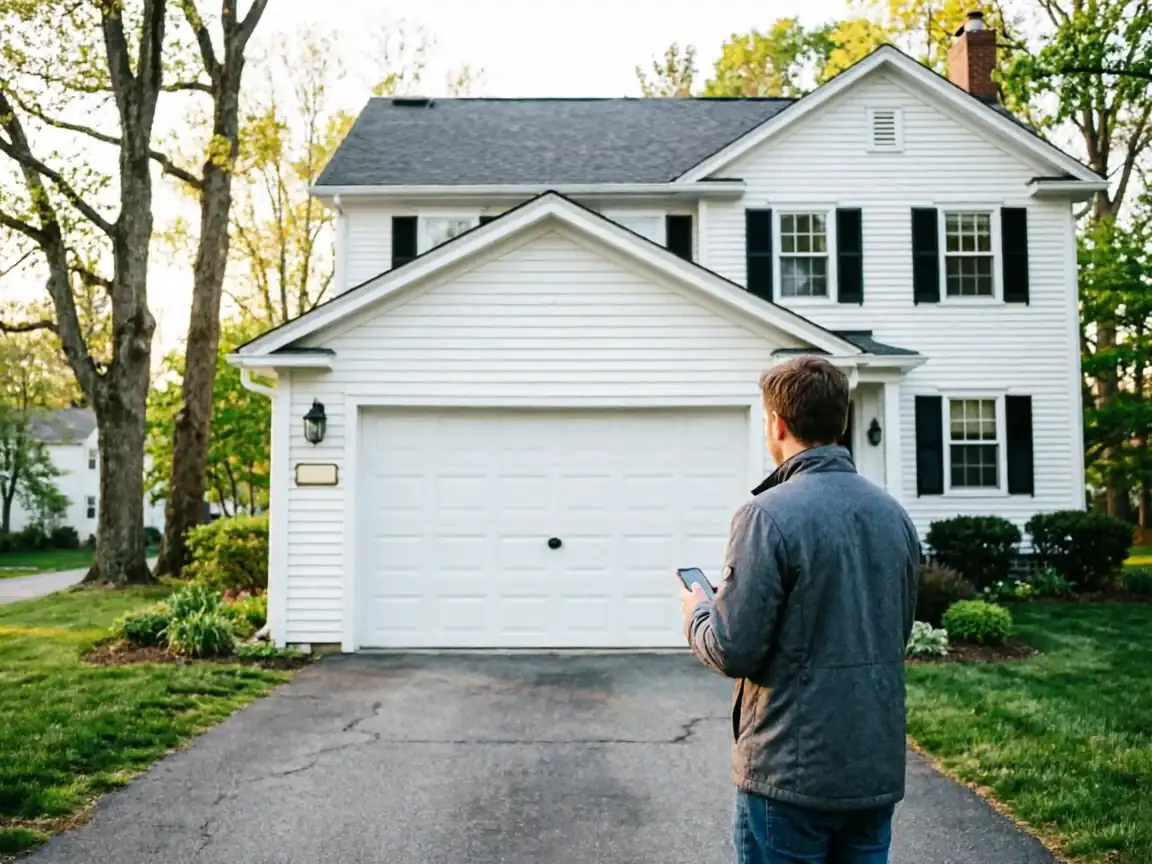
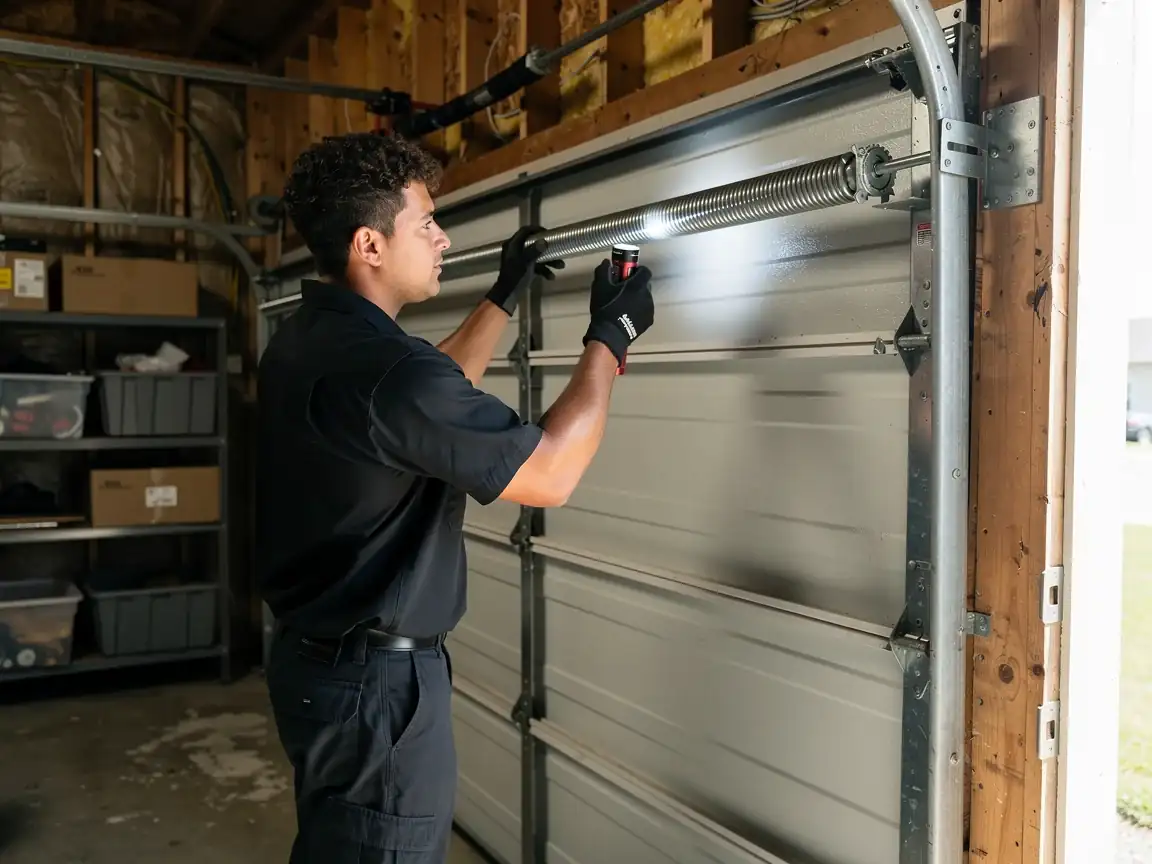
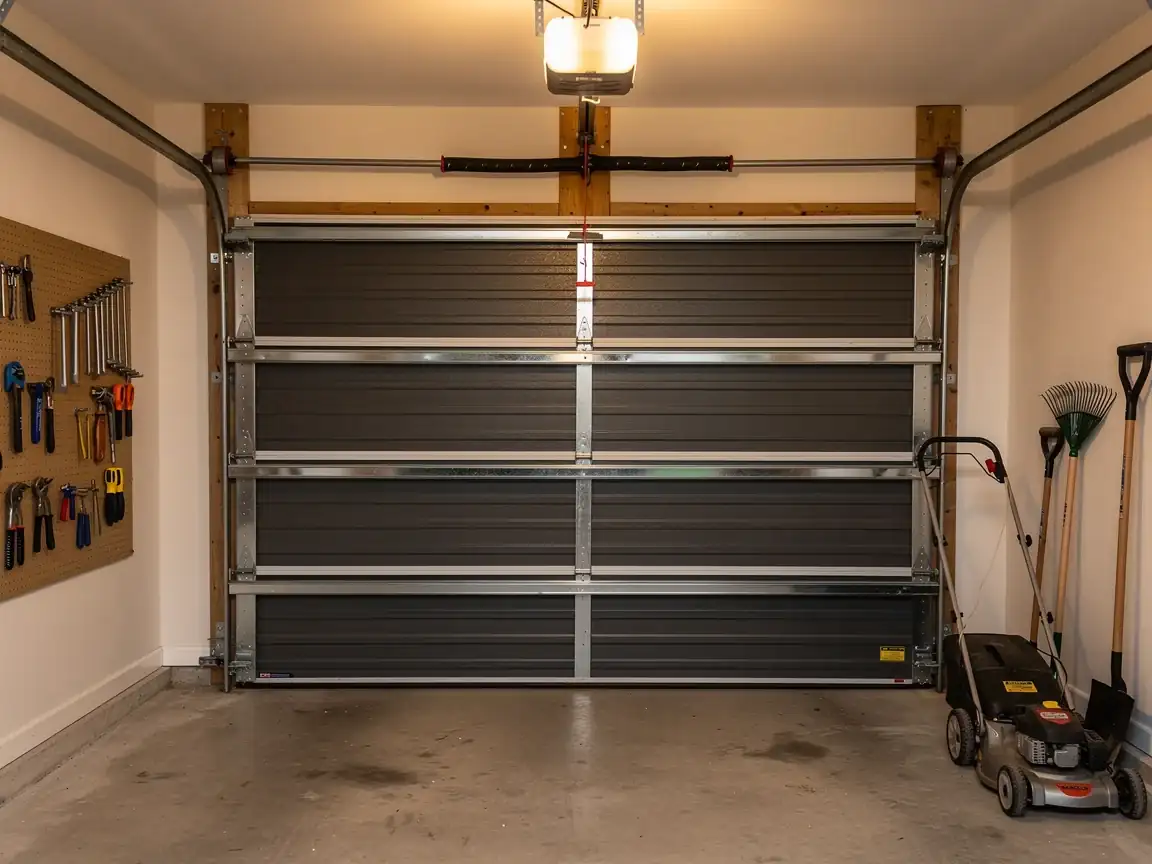
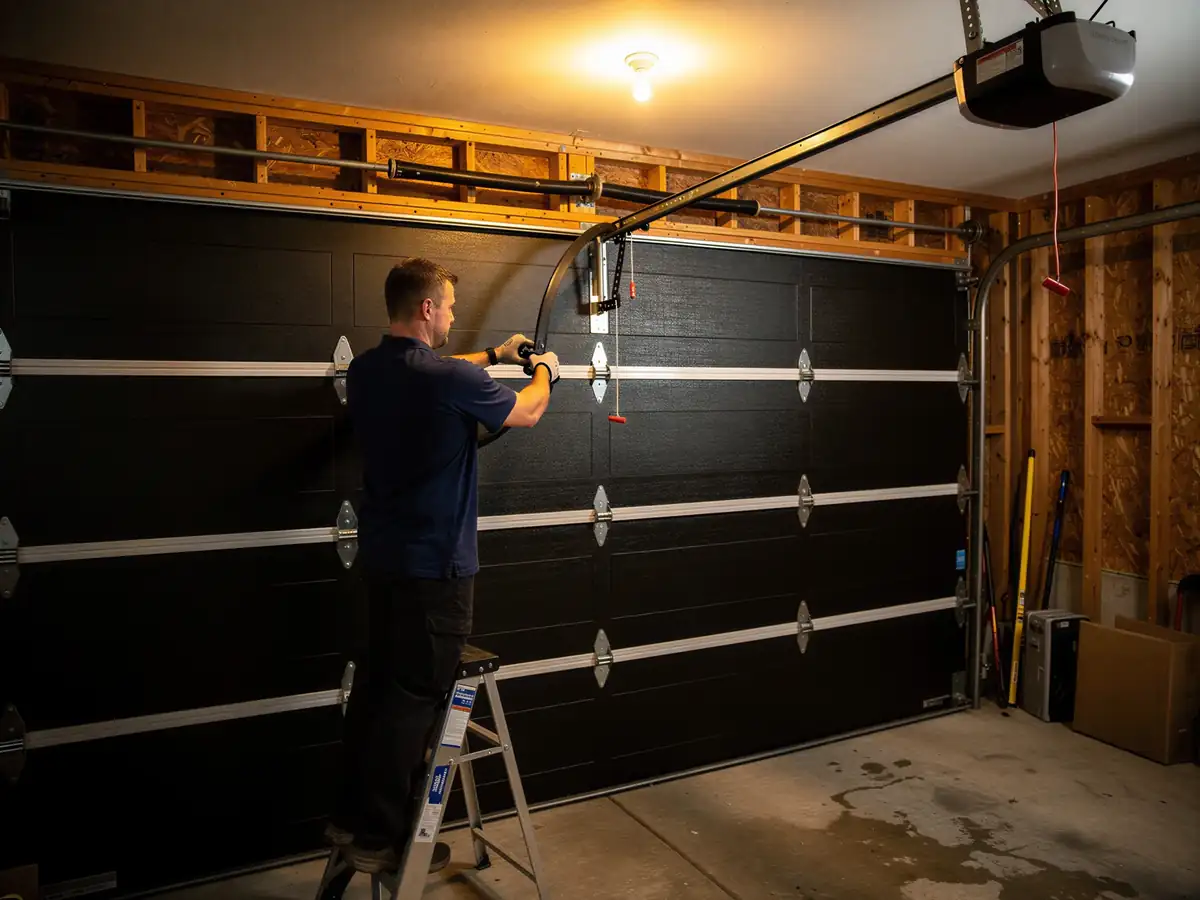
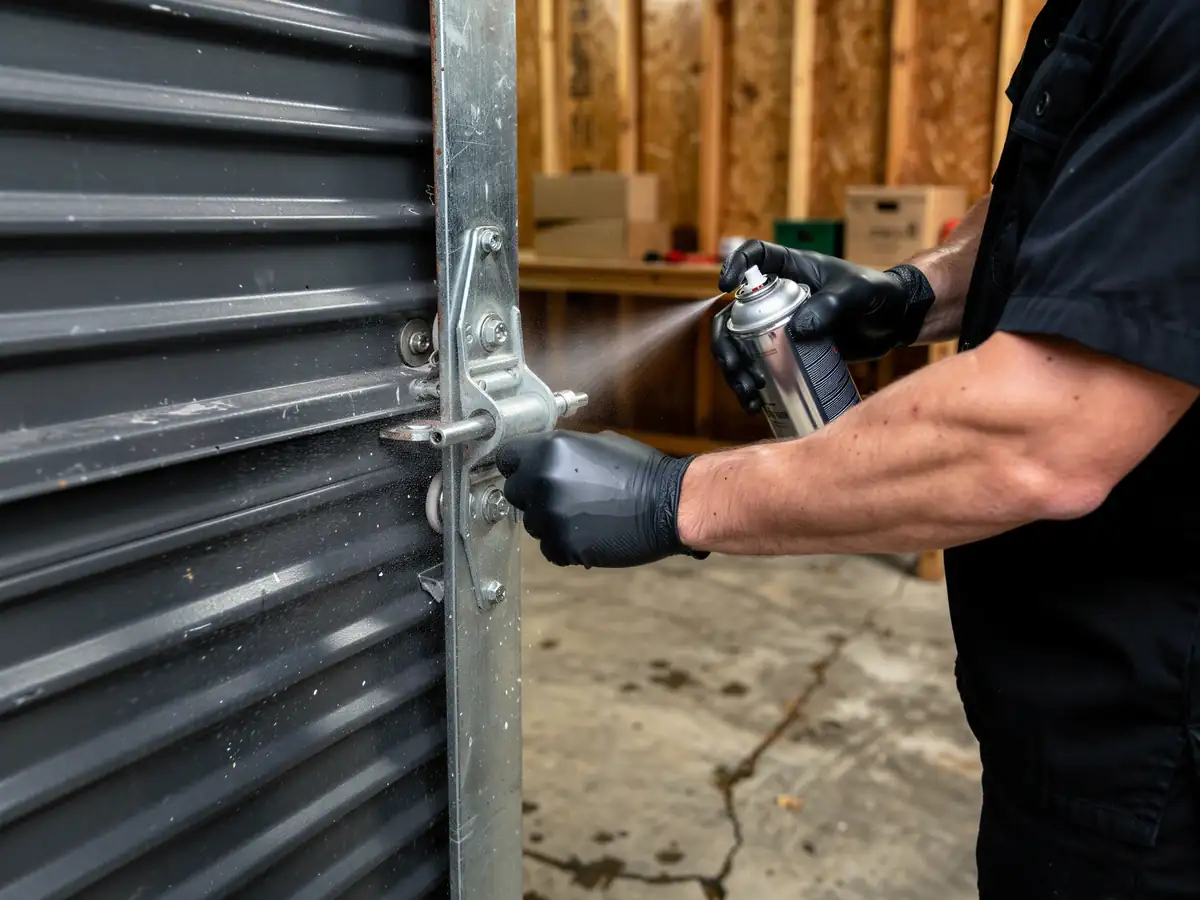
When we install a new door in Greensburg, the first thing we check is what's already bolted to the framing. Most of the houses in this part of the county were built between 1938 and 1985, with a lot of that stock clustered right around 1950. That means the opening is often framed for a door and track style nobody manufactures anymore, and the jamb itself may have settled or shifted over seven decades. We measure the rough opening, check headroom and backroom clearance, and confirm the track style will clear the framing before we ever order a door.
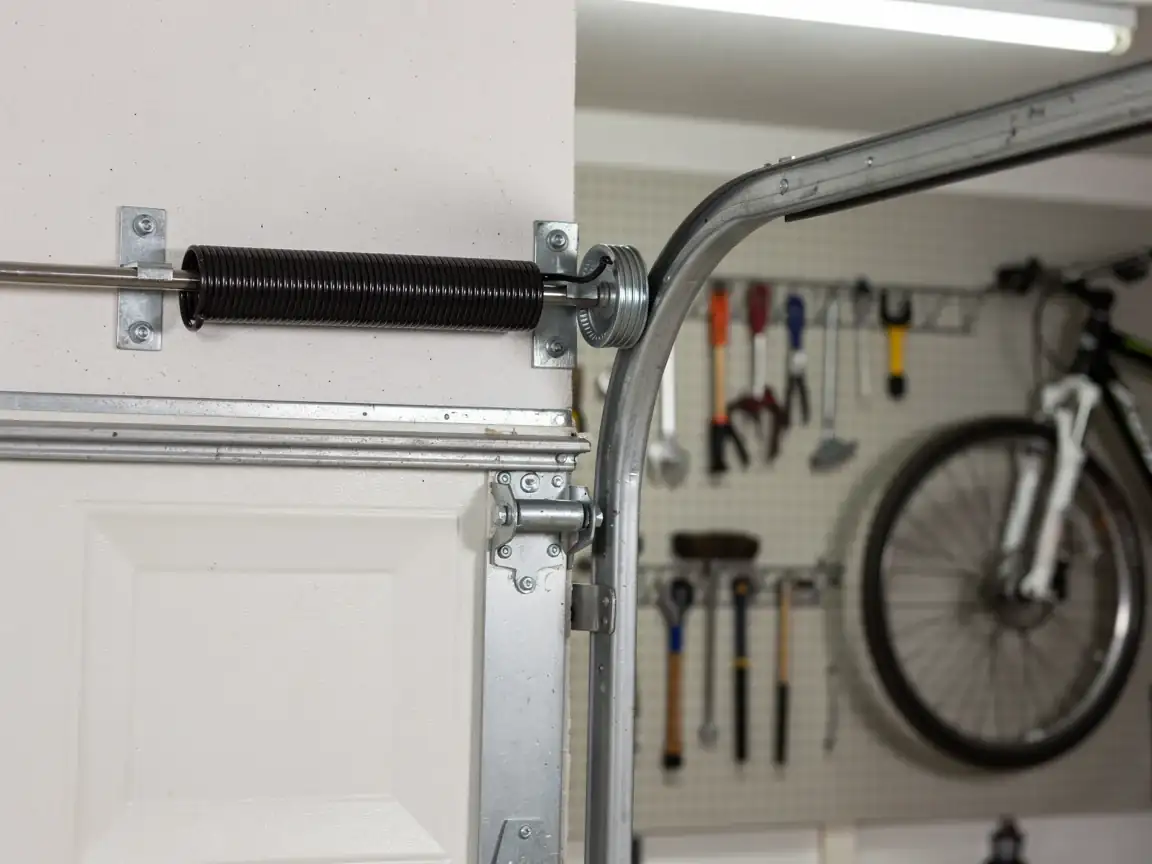
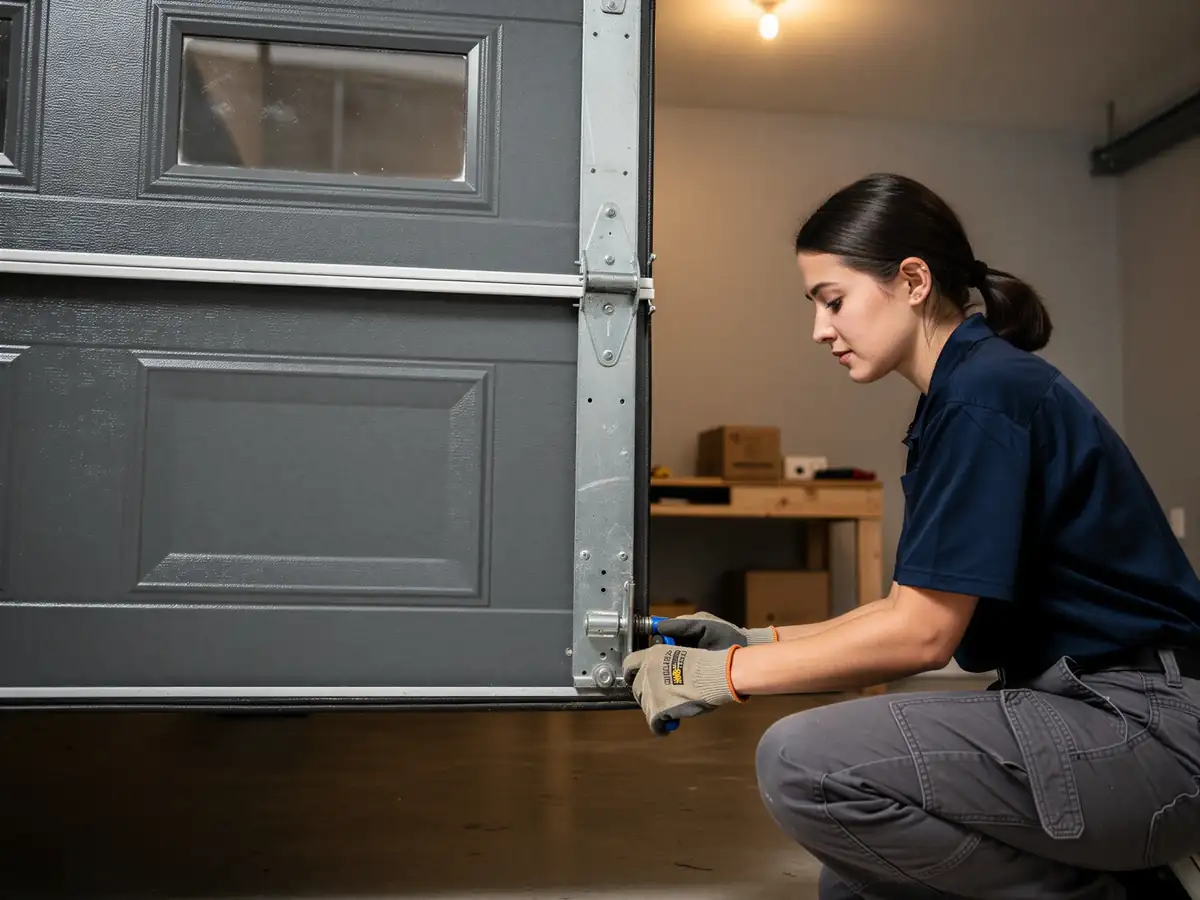
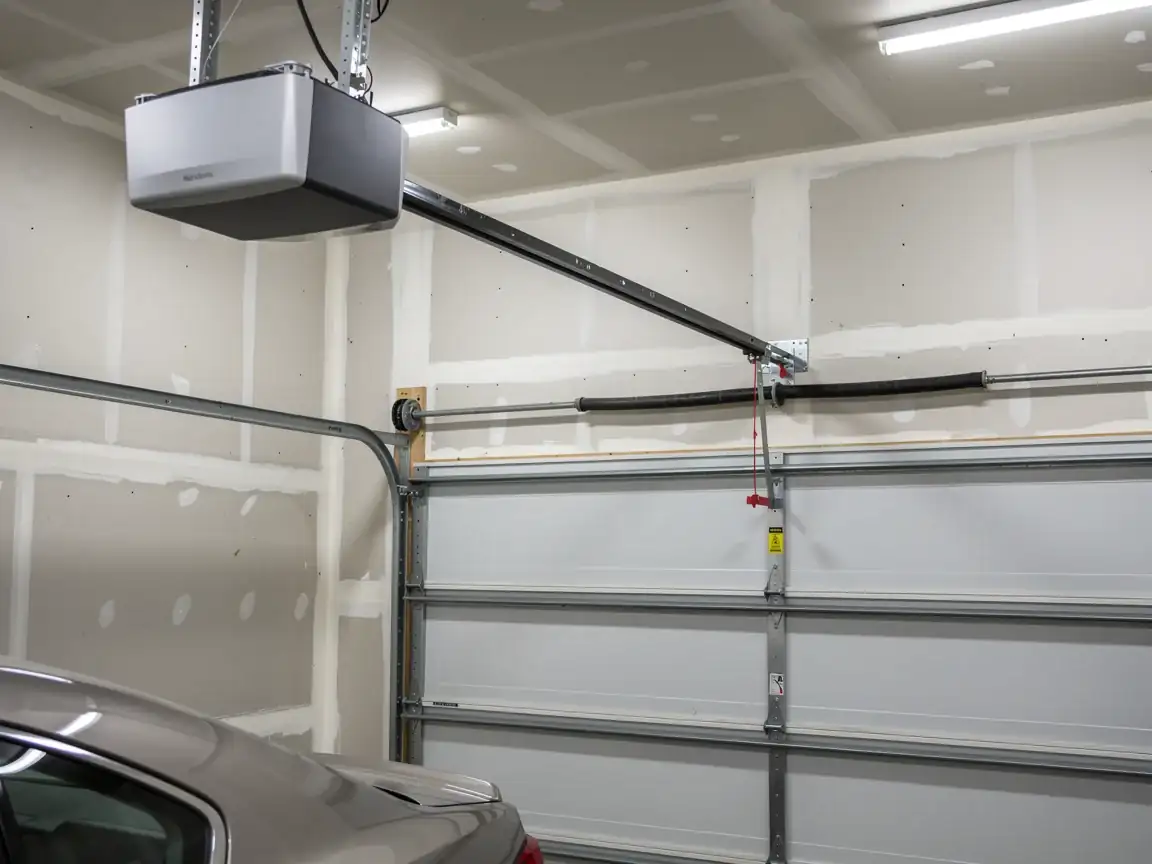
Because this area sits in a severe cold climate band, we spec doors with a wind load and insulation rating that holds up through a real winter, not just a mild one - that means weighting R-value and bottom seal choice, not just picking the cheapest panel. We set new jambs square where the old framing has racked, run new torsion hardware sized to the door weight, and balance the door before we ever hand over the opener remote. On a lot of these older houses that means some carpentry at the opening before the door itself goes up, which we flag during the estimate, not after.
What Causes It Around Here
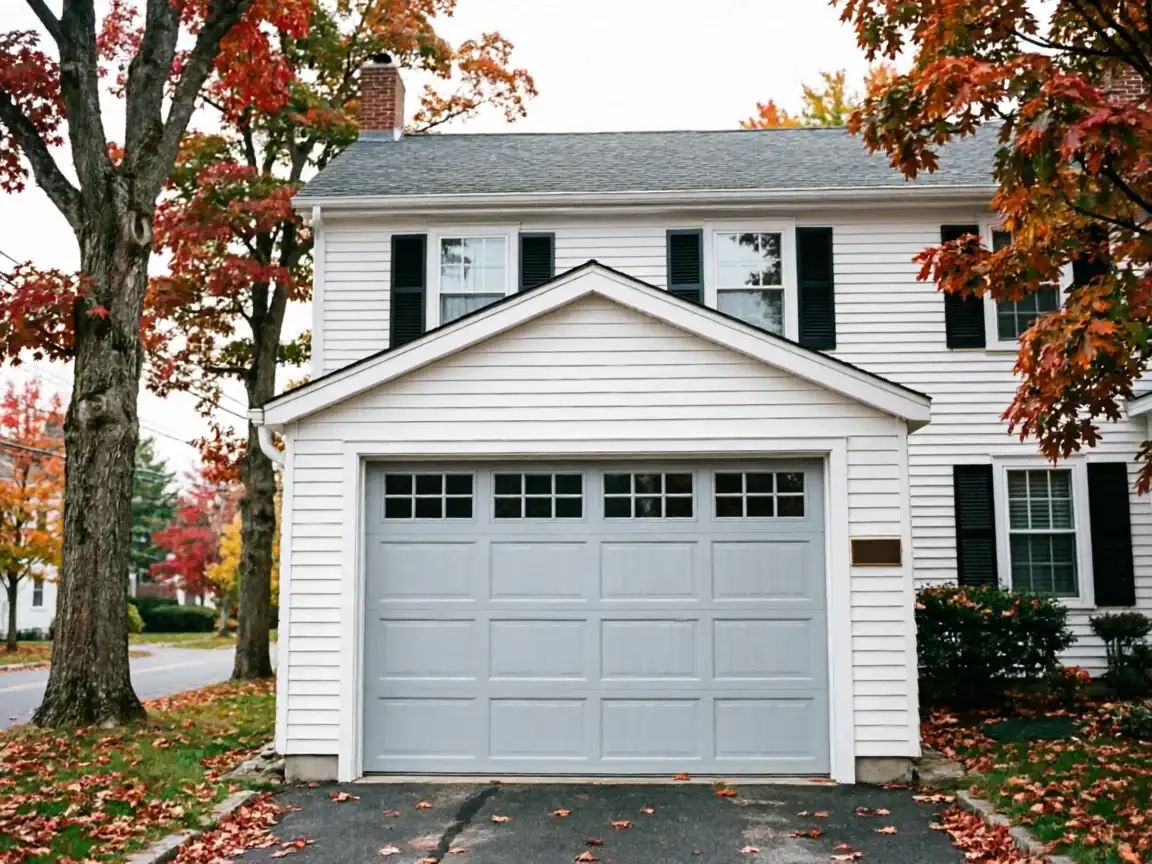
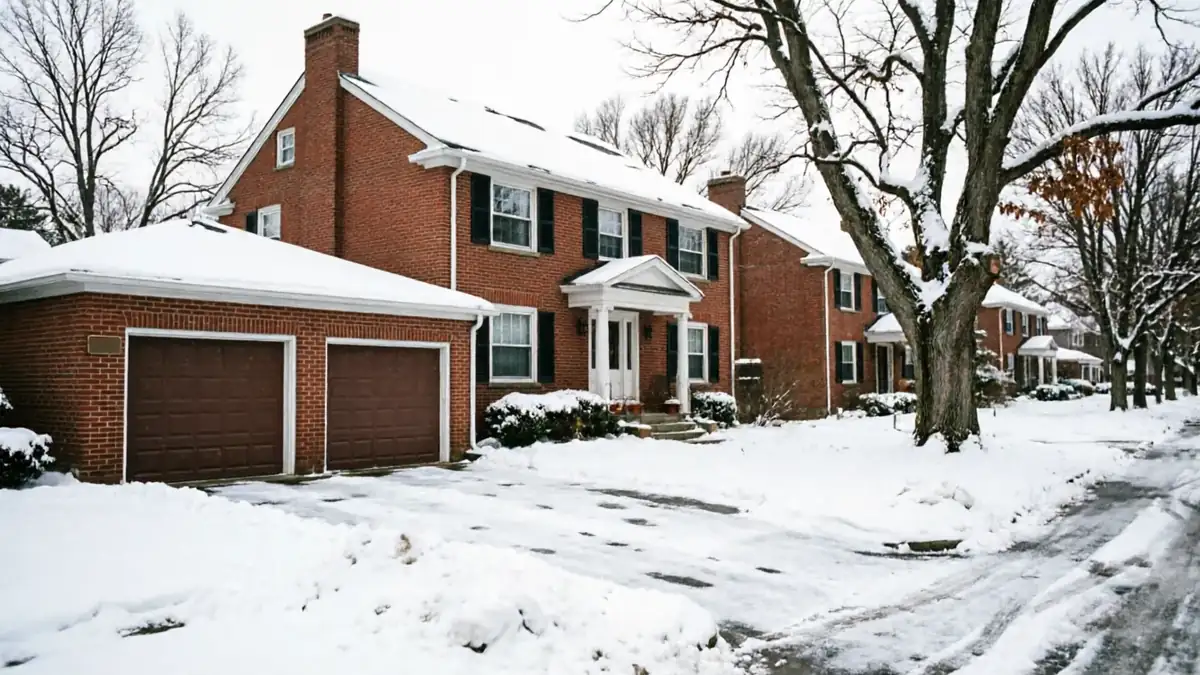
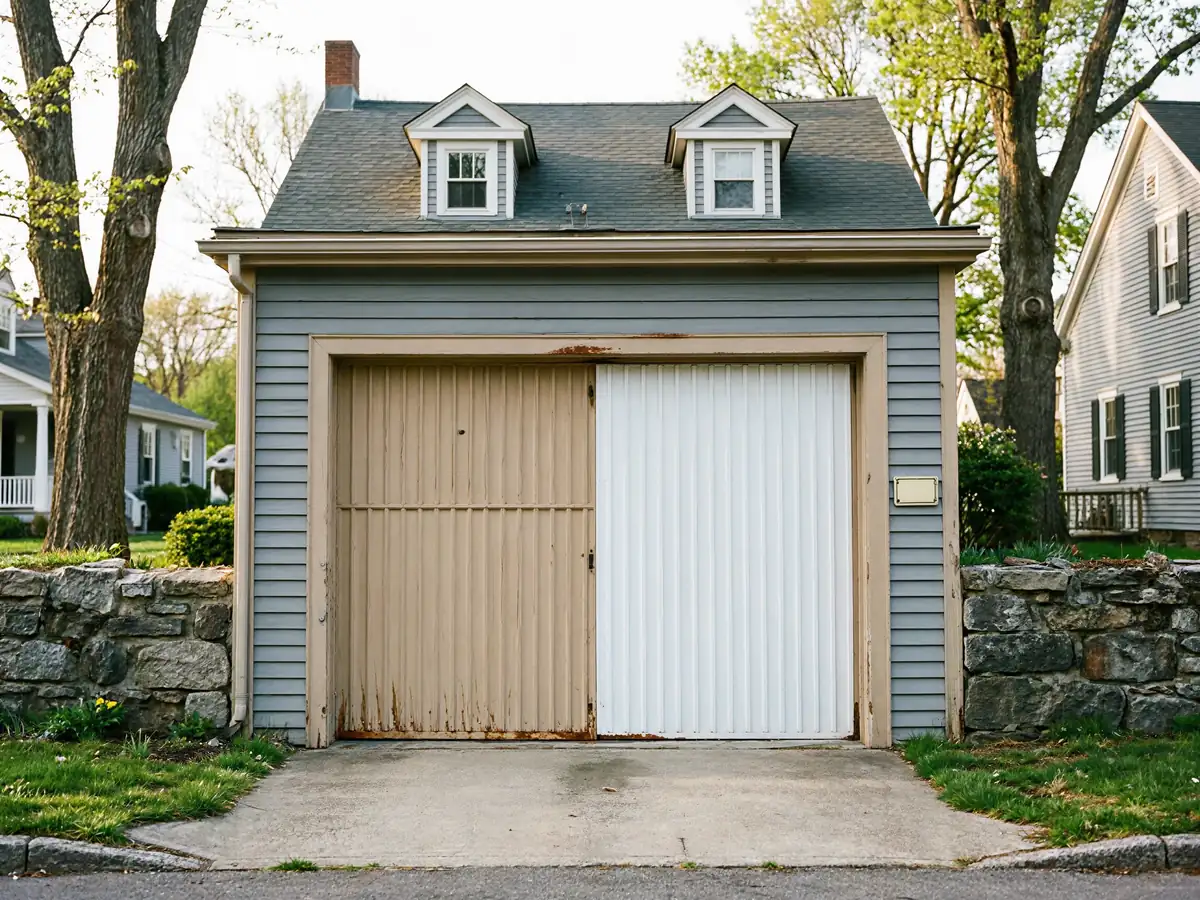
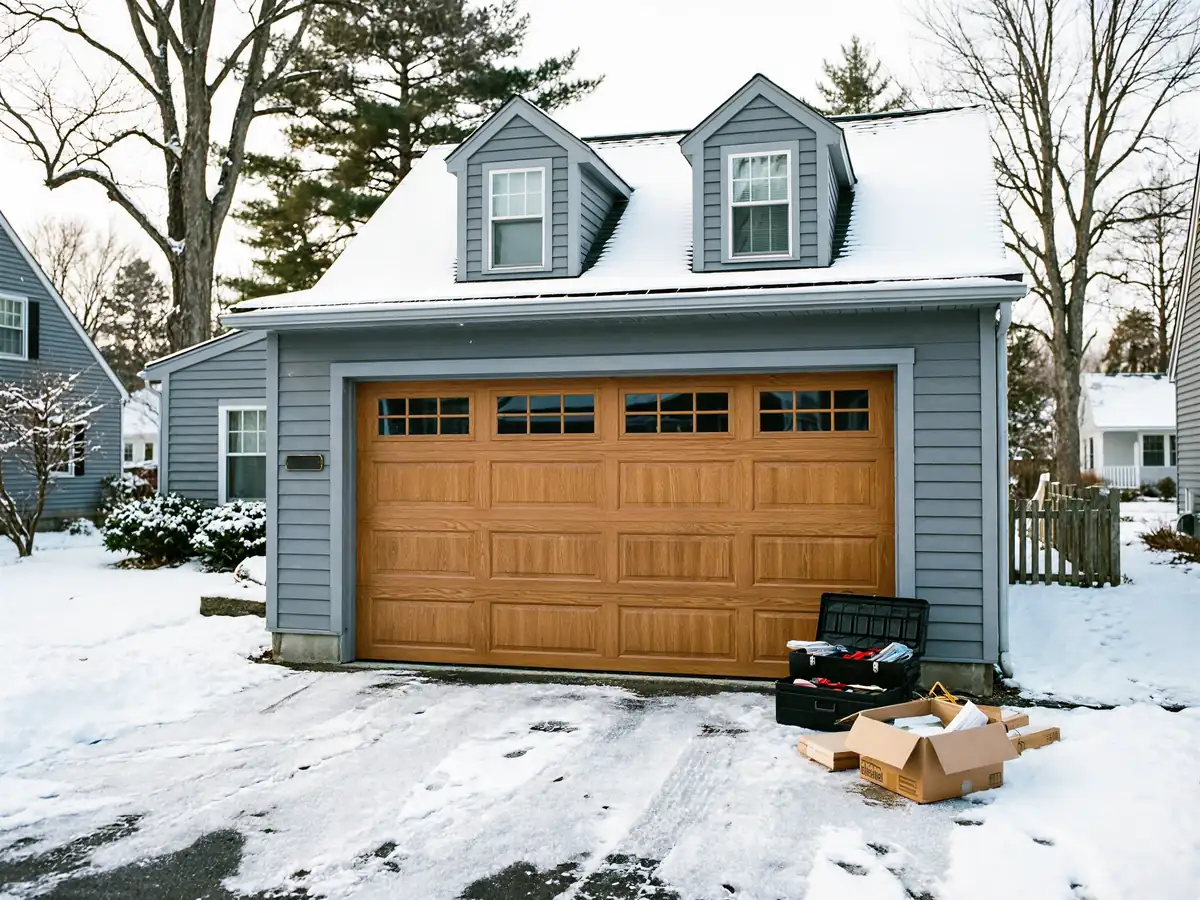
The reason installation jobs in Greensburg look different from a new-construction suburb comes down to age. Across the 53 named areas we cover, the housing stock is mostly pre-1960, and a door installed on a house like that is going into an opening that was never built to modern spec. Framing settles, old single-layer doors sag on their hinges, and the original hardware was sized for a lighter, uninsulated panel - not the heavier insulated doors most owners want now.
Climate plays its own role. A severe cold band means wide seasonal temperature swings that work doors and openers harder than a mild-climate house ever sees - wood jambs contract in deep cold, steel track can bind, and old weatherstripping that was fine in 1975 lets drafts straight into the garage now. Put an aged opening and a harsh climate together and you get the two most common installation calls we get: a door that's structurally tired and a jamb that no longer sits square. Neither is a quick swap-the-panel job.
Doing It Yourself
A lot of homeowners ask whether they can hang a new garage door themselves
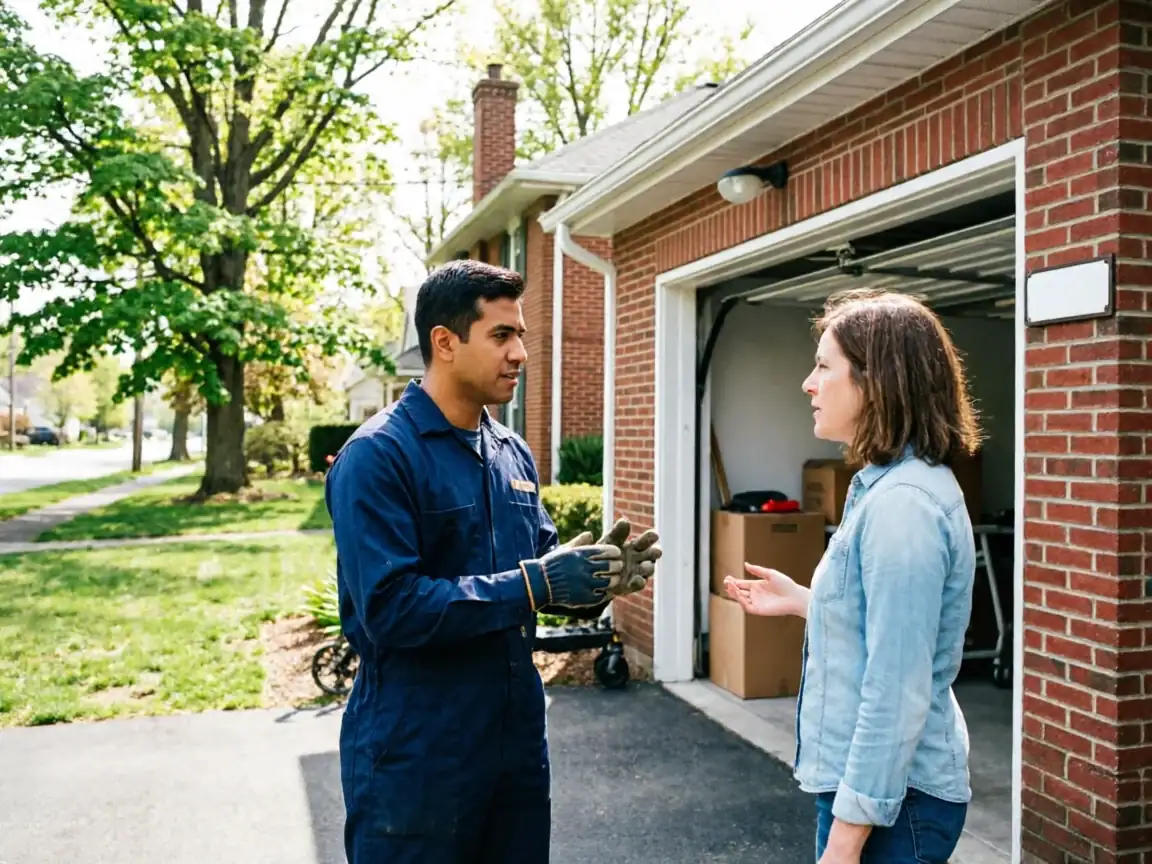
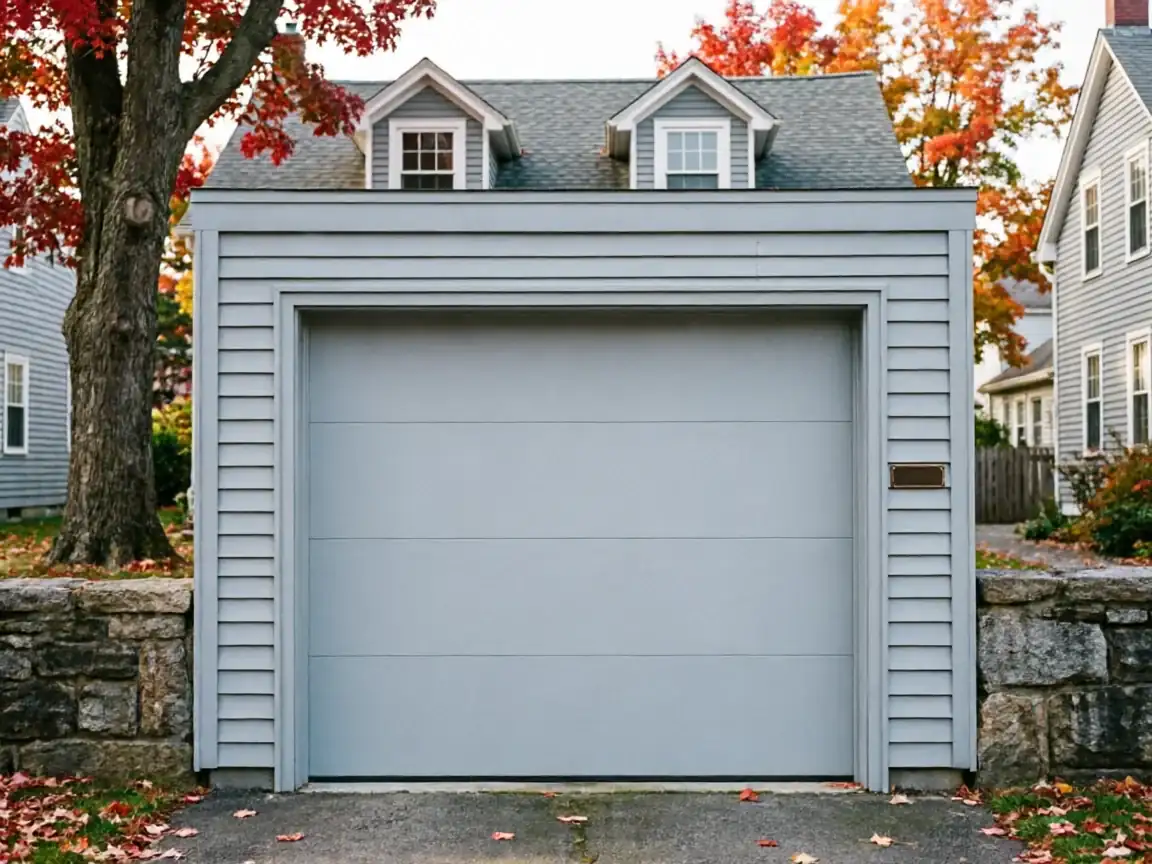
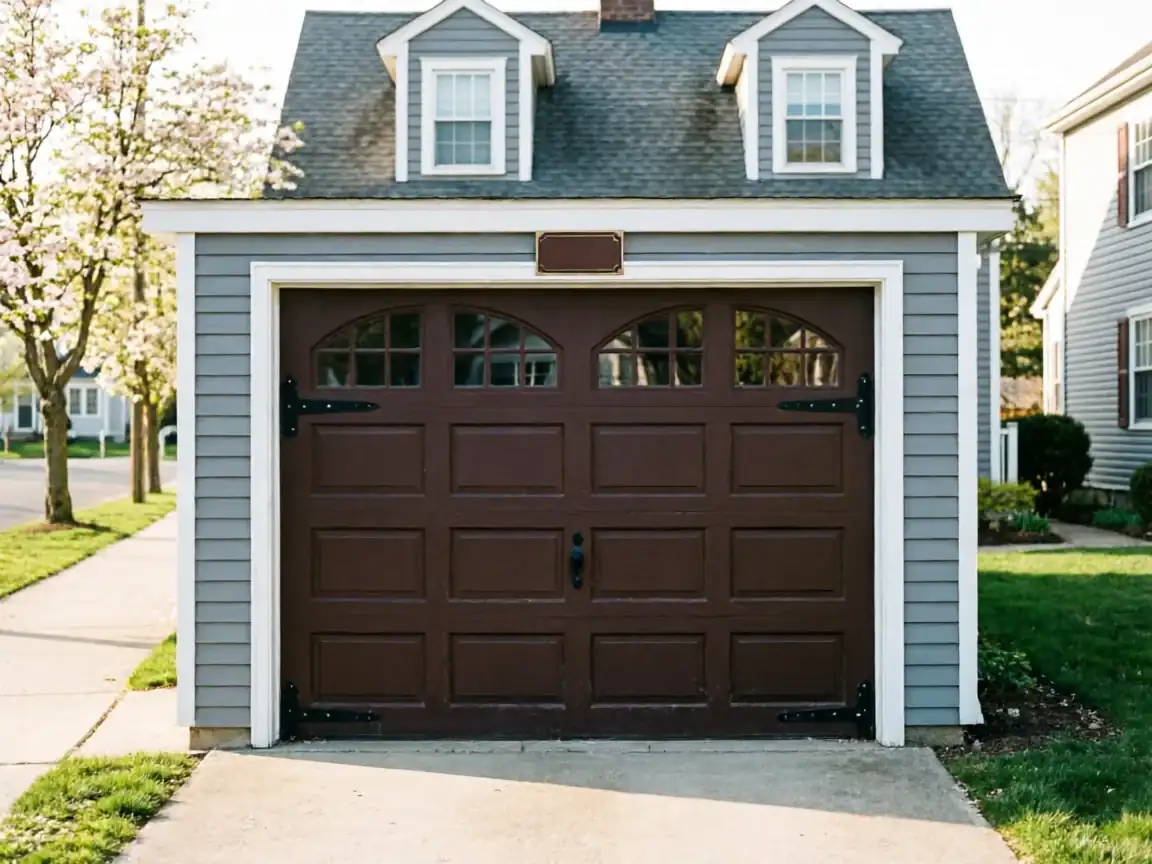
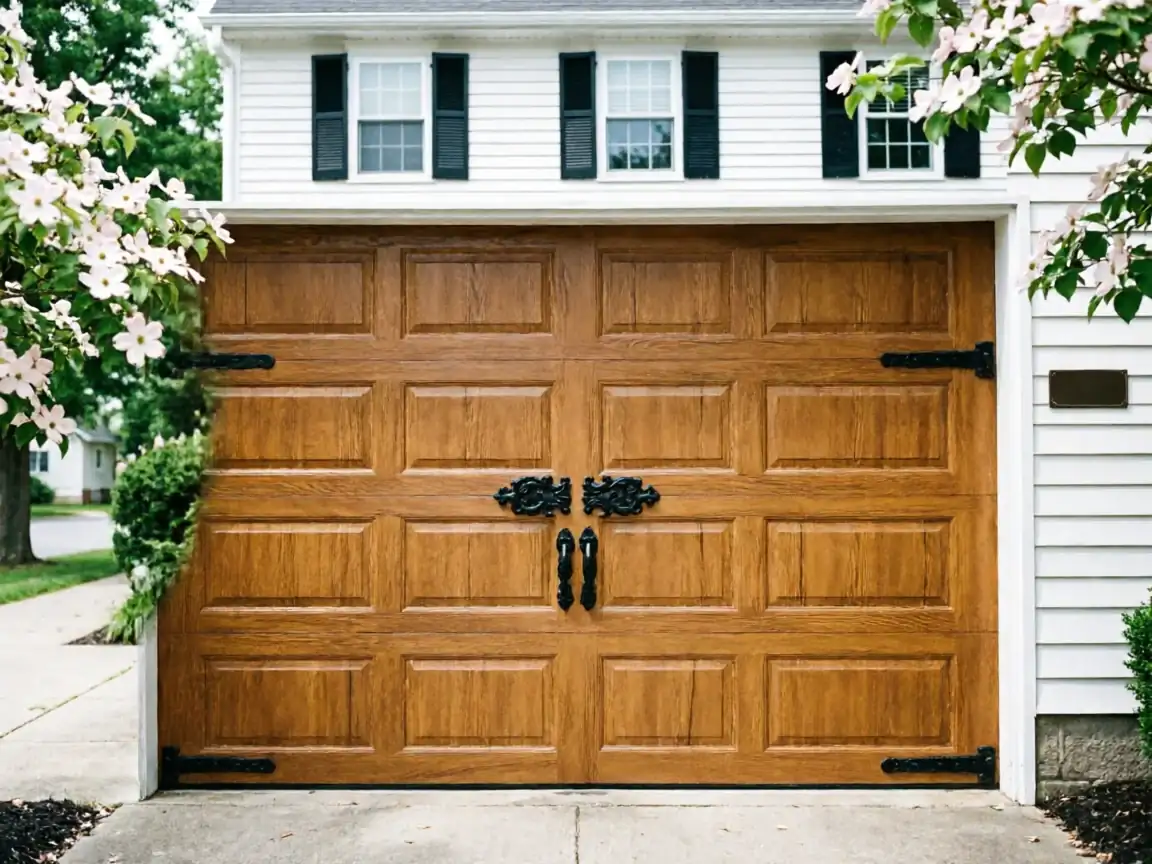
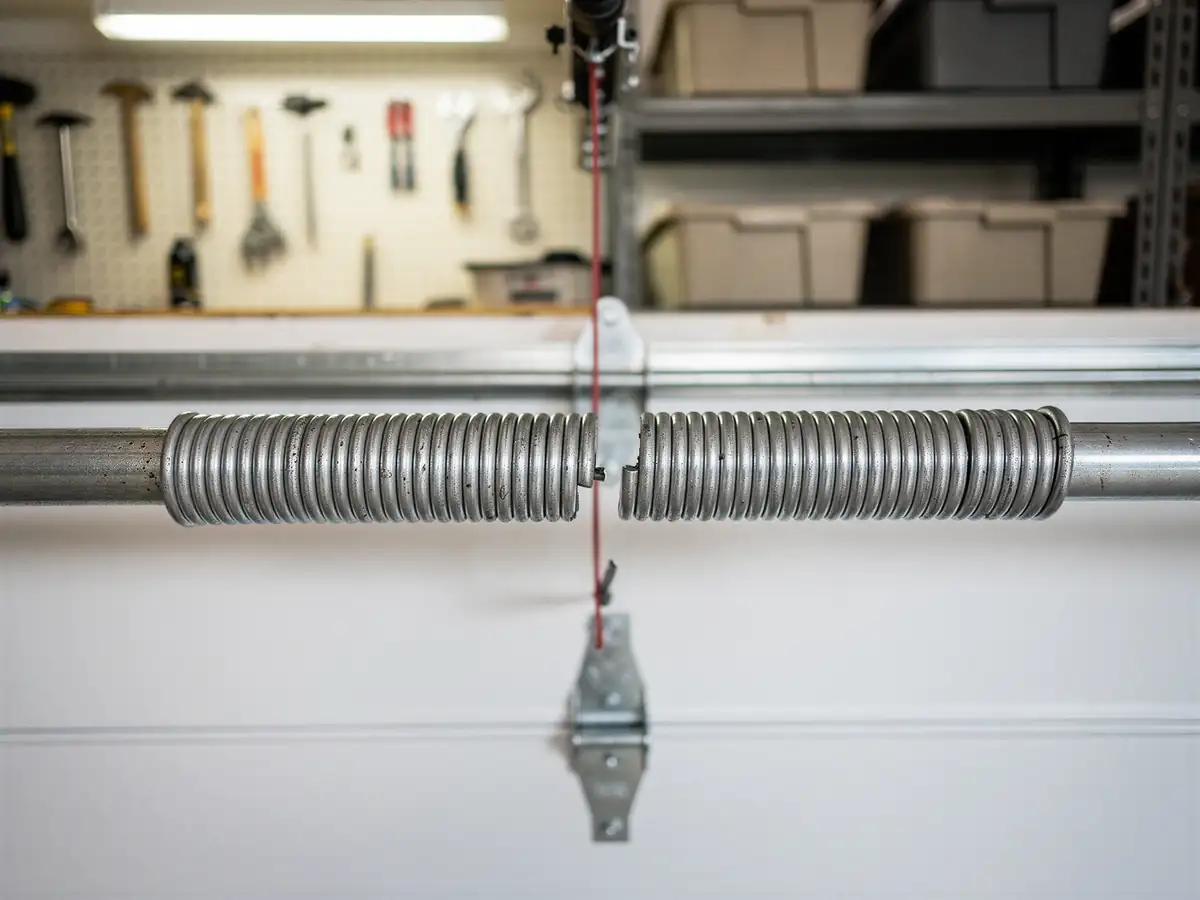
Especially on a single-car opening. Some of it you can do - picking panel style, insulation level, and color is entirely yours to decide, and we'll walk through options with you. What we don't recommend doing yourself is anything involving torsion spring tension or resetting an out-of-square jamb, both of which are common on houses from the 1950s era that makes up so much of this area's stock. A spring under tension can cause a serious injury, and a door hung slightly off-square on old framing will bind or drop within months.
Here's the honest limitation: we don't do same-day installs on every job
If the opening needs new framing or if a double door requires we special-order a wider header, that adds lead time before install day, and we'll tell you that up front rather than promise a date we can't hit.
What You Are Seeing
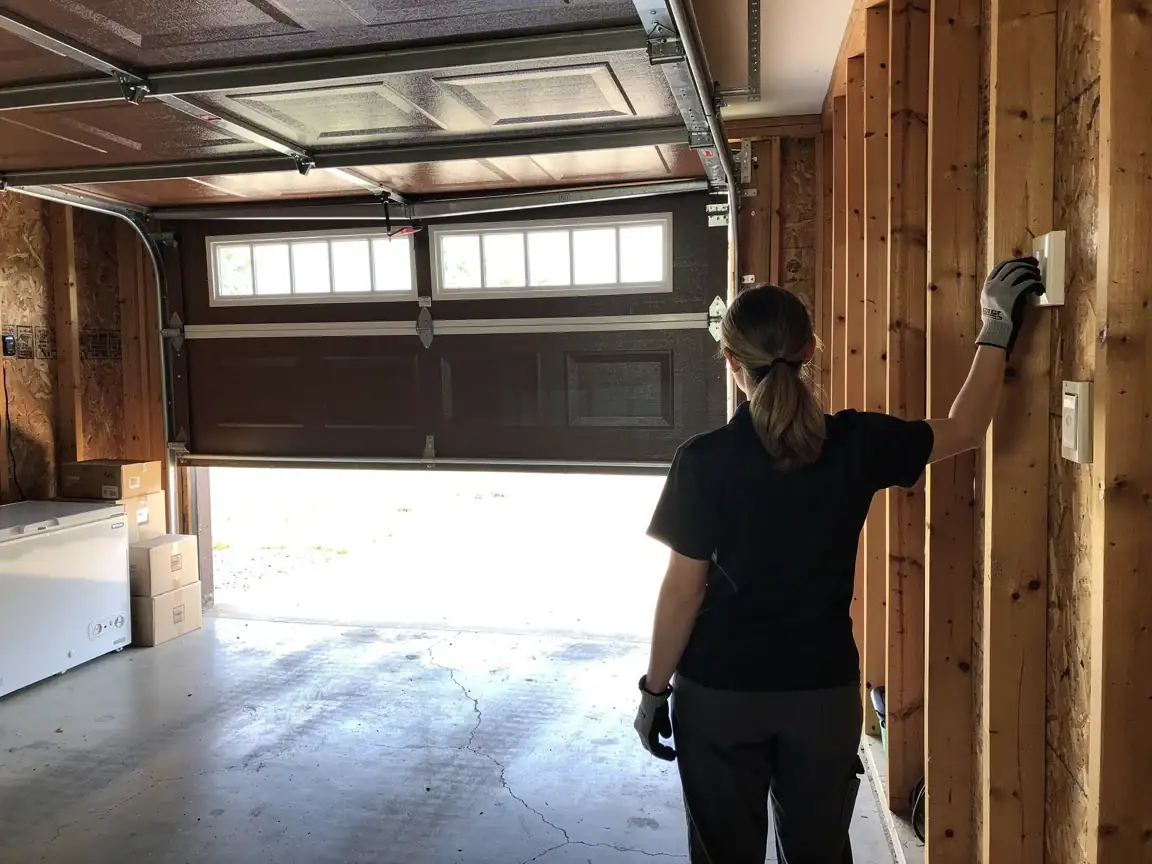
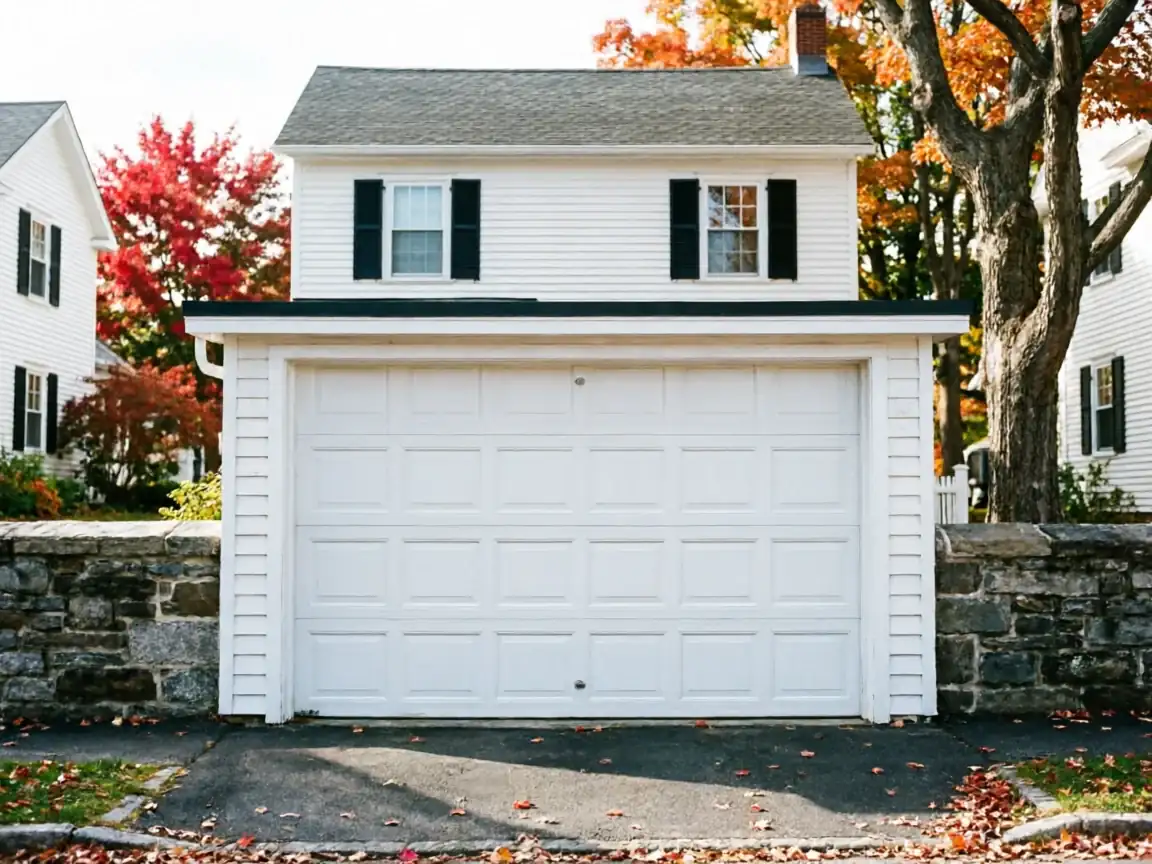
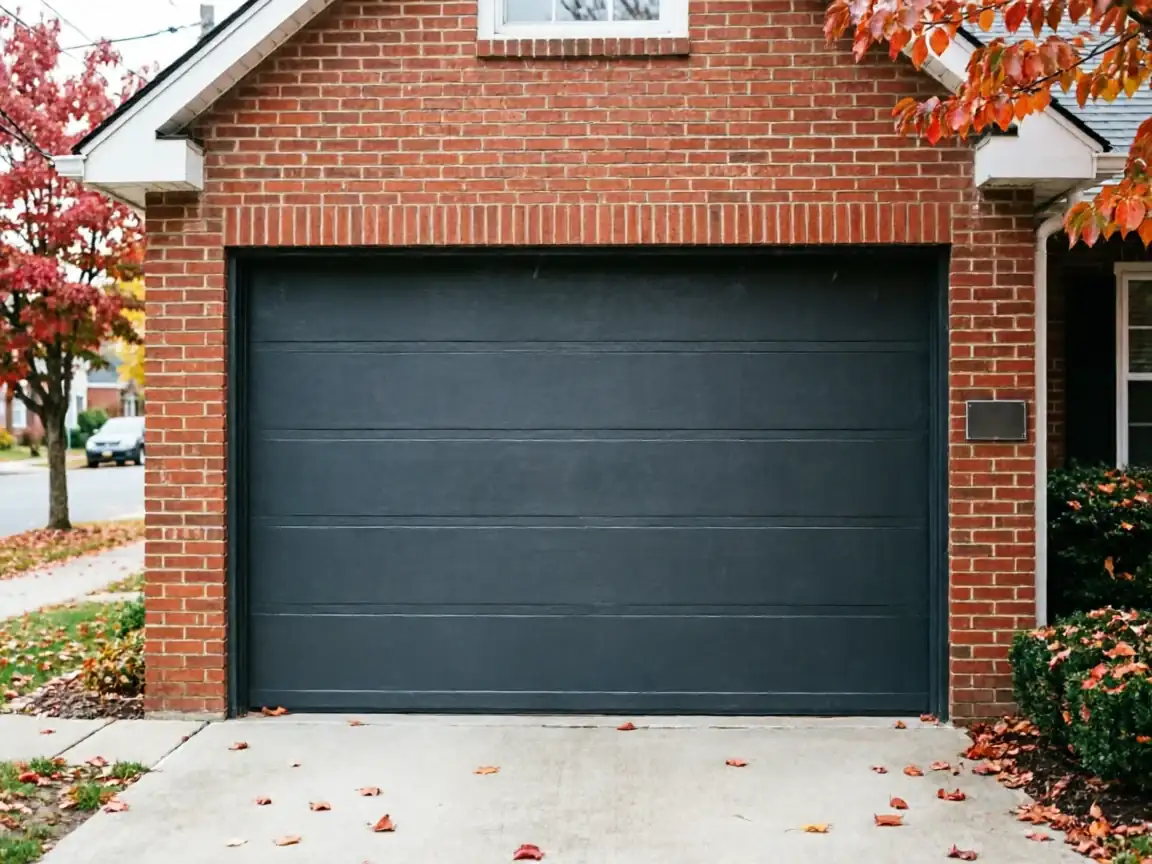
If you're looking at installation rather than repair, you're probably seeing one of a few things. An older single-layer steel or wood door that's heavy, dented, or sagging at the corners. A door that still works but lets visible daylight around the edges in a house built decades before modern weatherstripping was standard. Or an opener and track combination that's been patched together over the years and doesn't match the door weight you actually want installed.
Given that median household income across the service area is $55,909 and there are 44,139 owner-occupied houses here, a lot of these installs are owners weighing a full replacement against another round of repairs on a door that's already decades past its design life. If your opening is original to a house built near 1950, replacement usually makes more sense than trying to retrofit new panels onto old track and hardware that was never built for them.