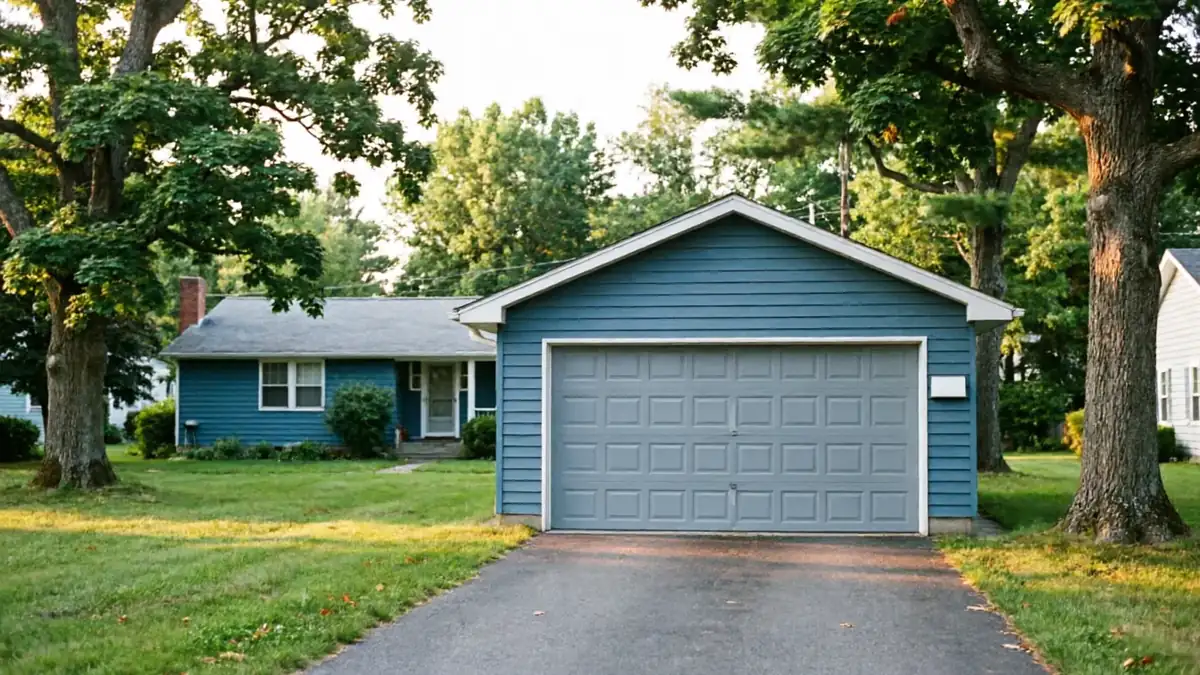
What the Housing Means for Your Door
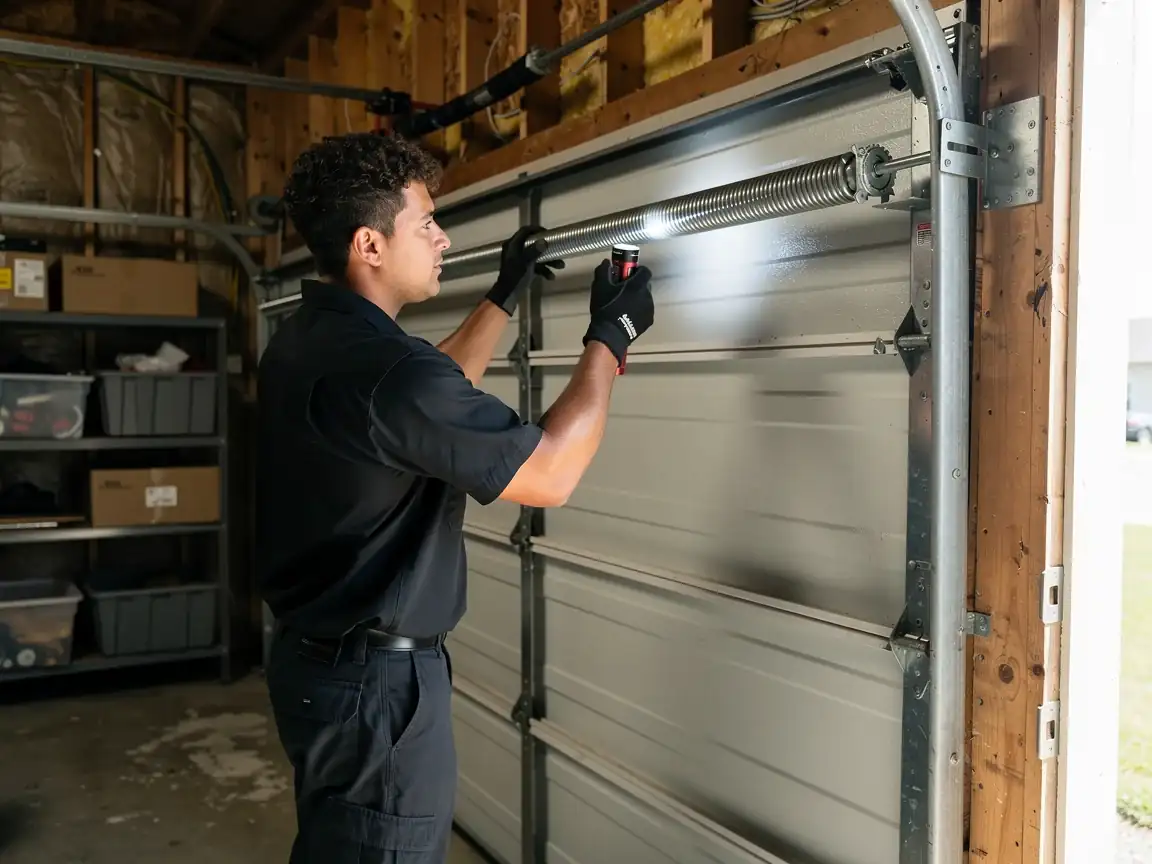
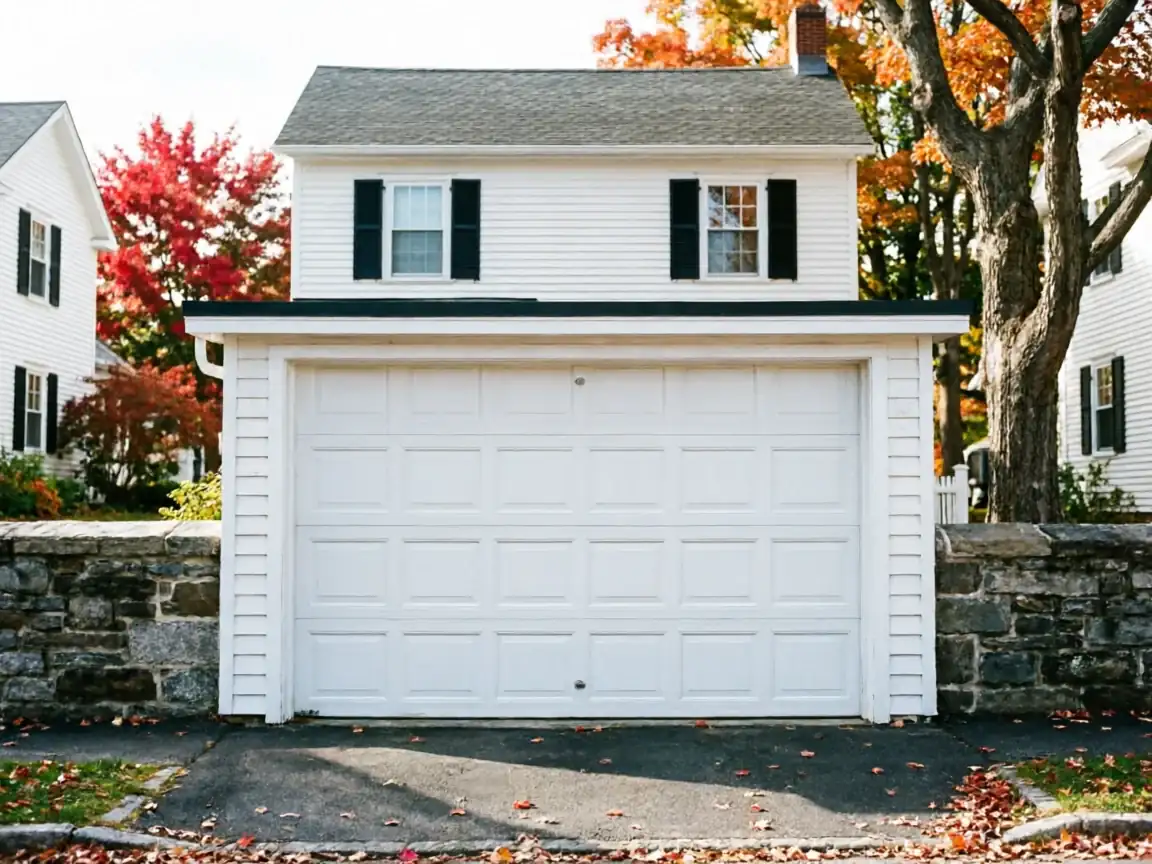
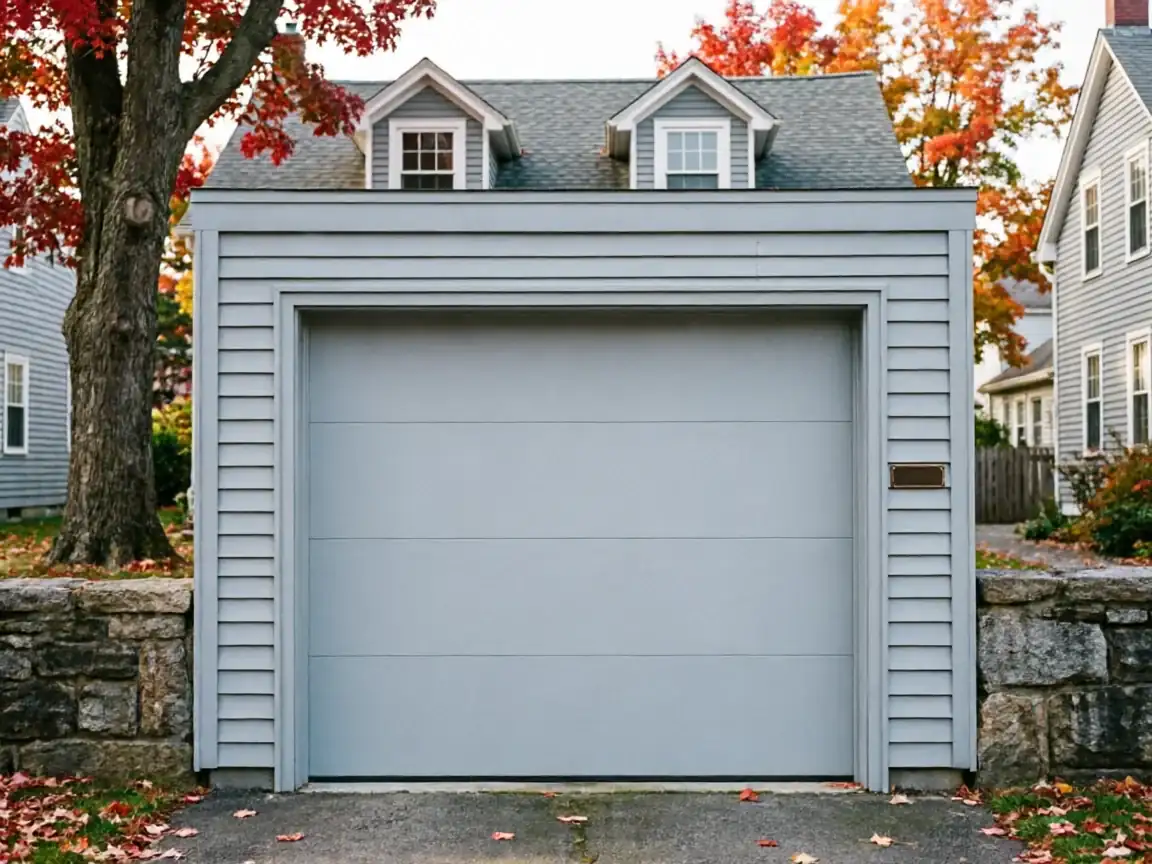
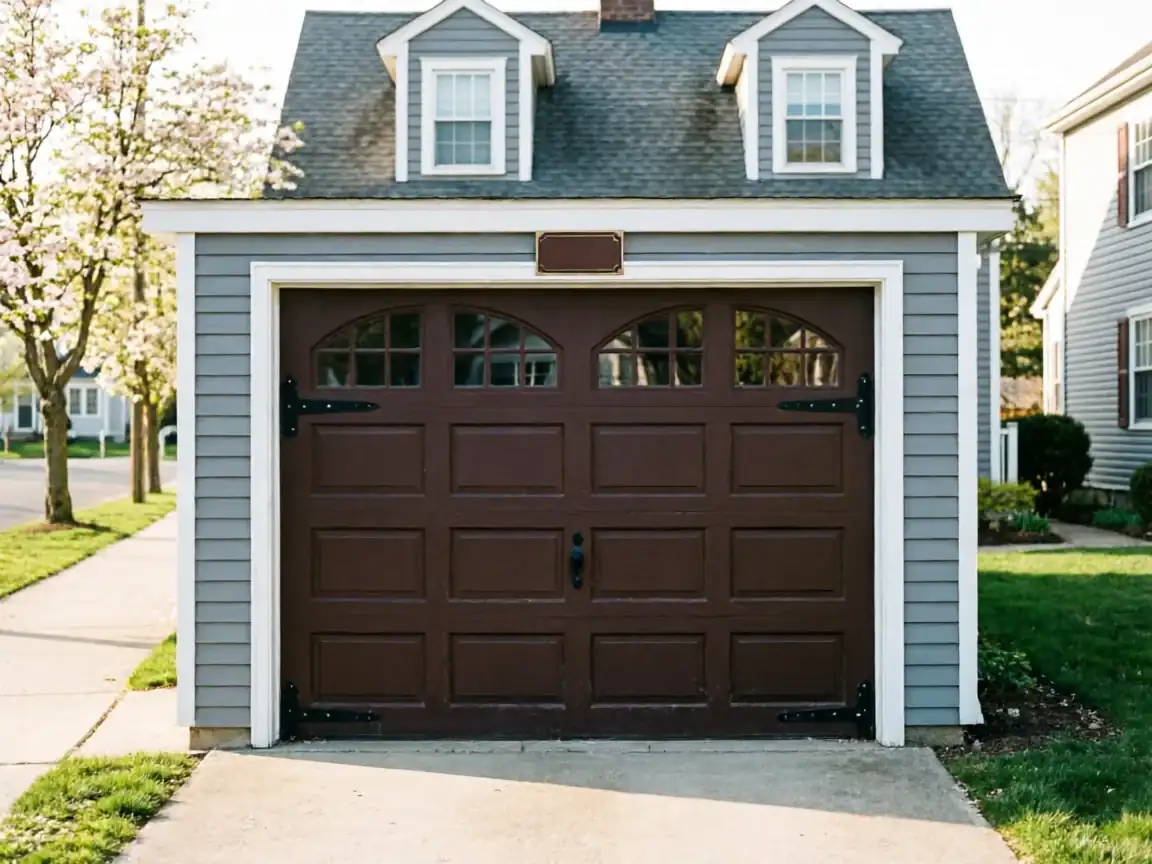
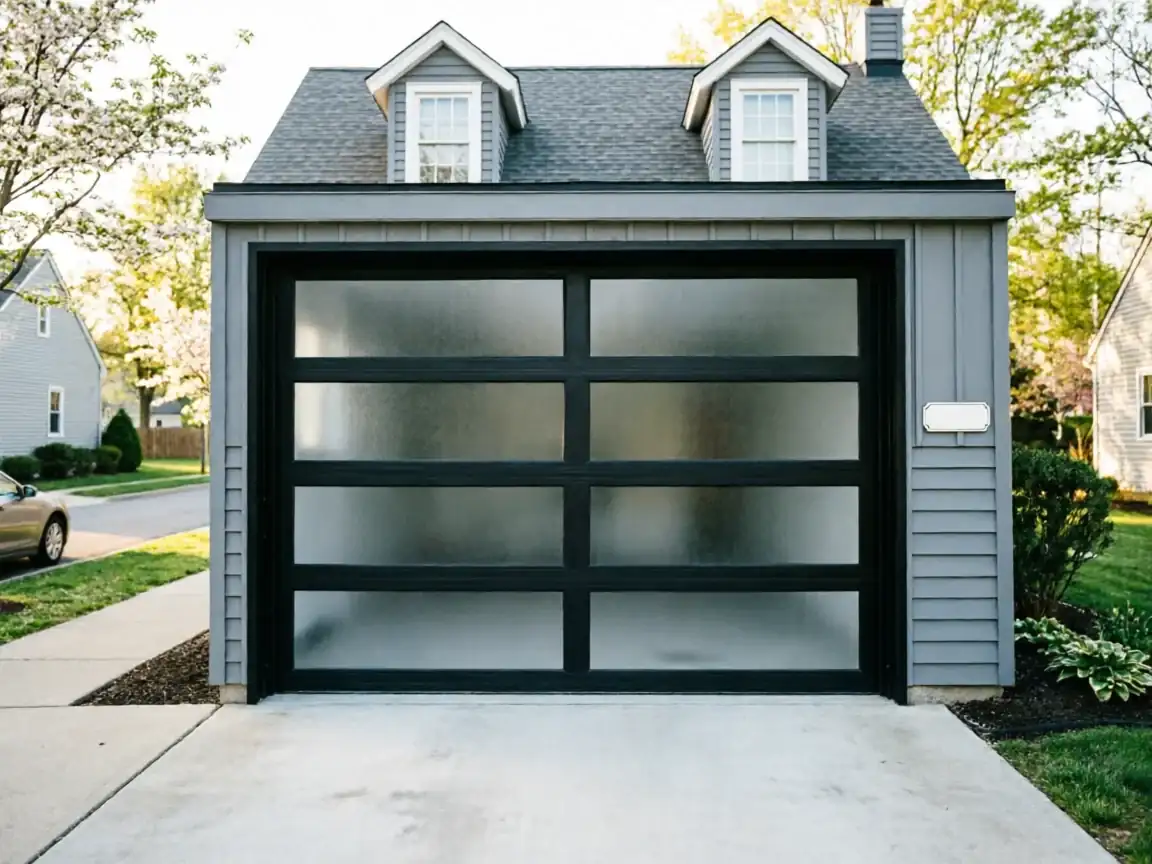
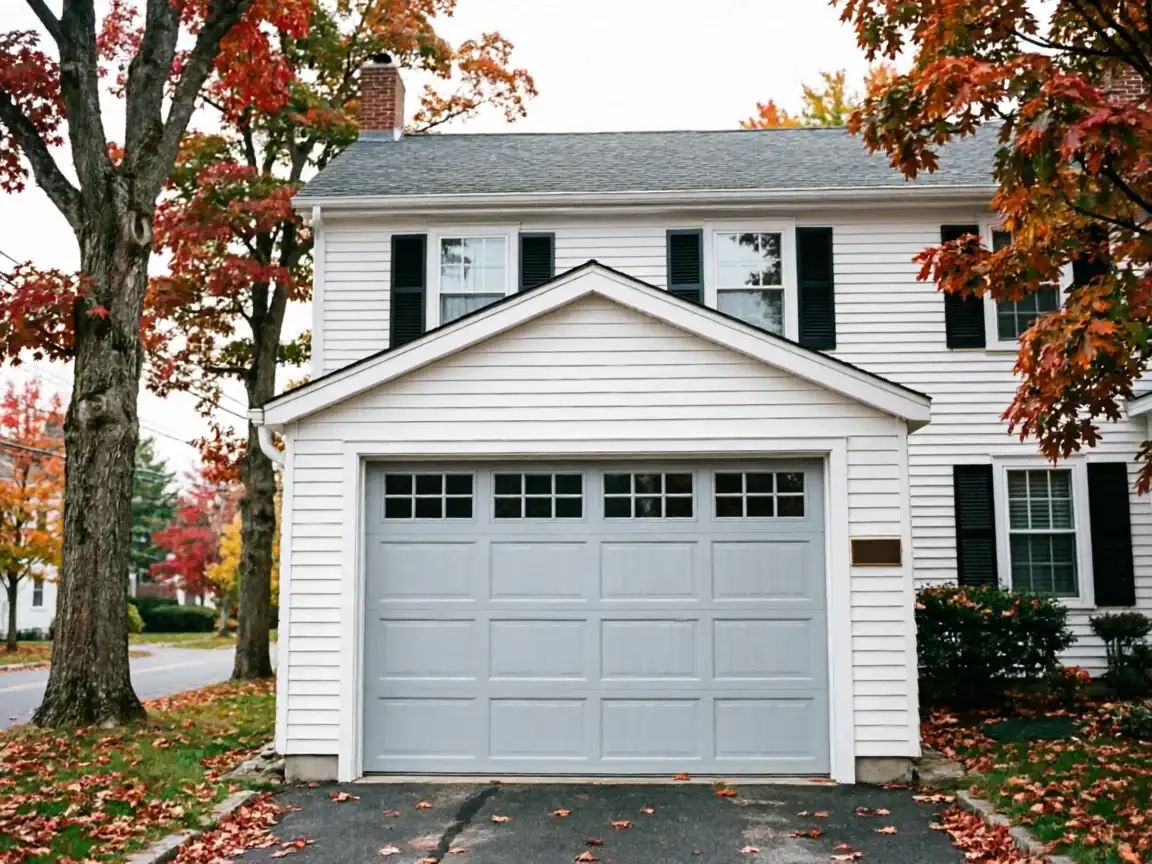
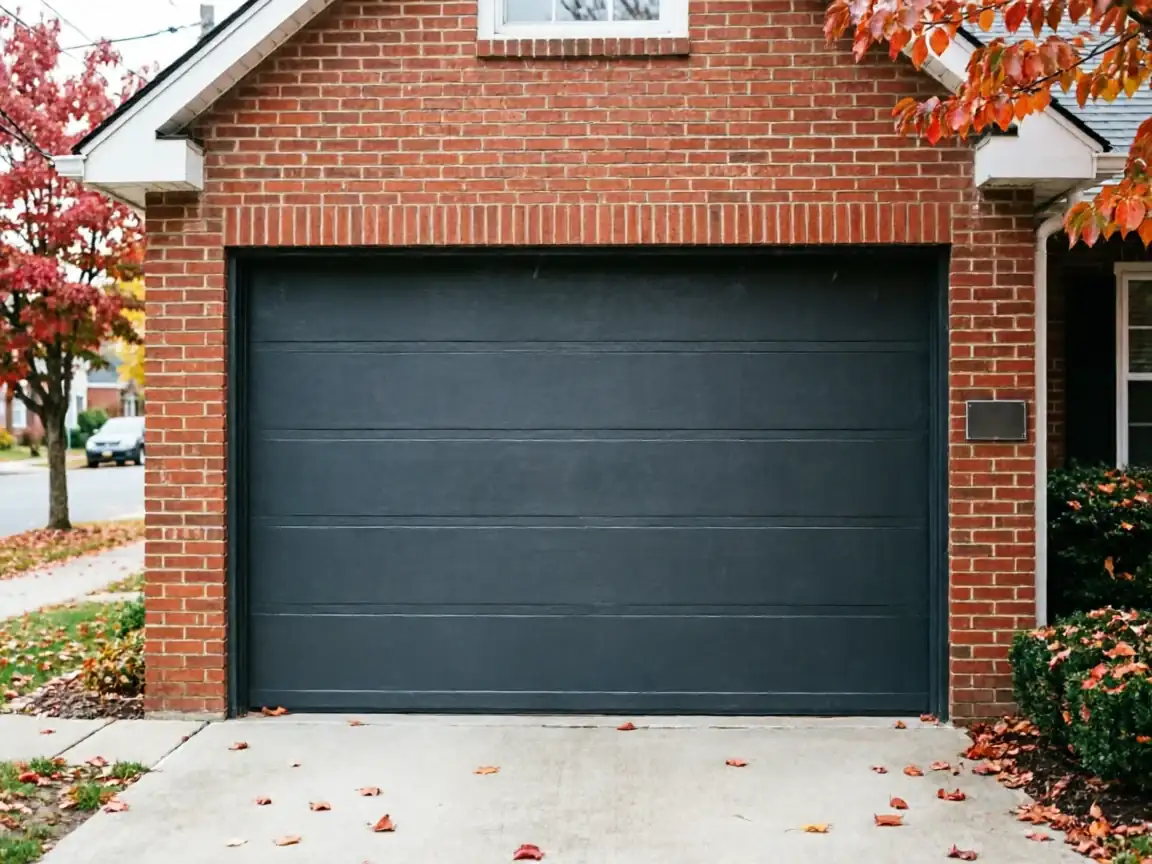
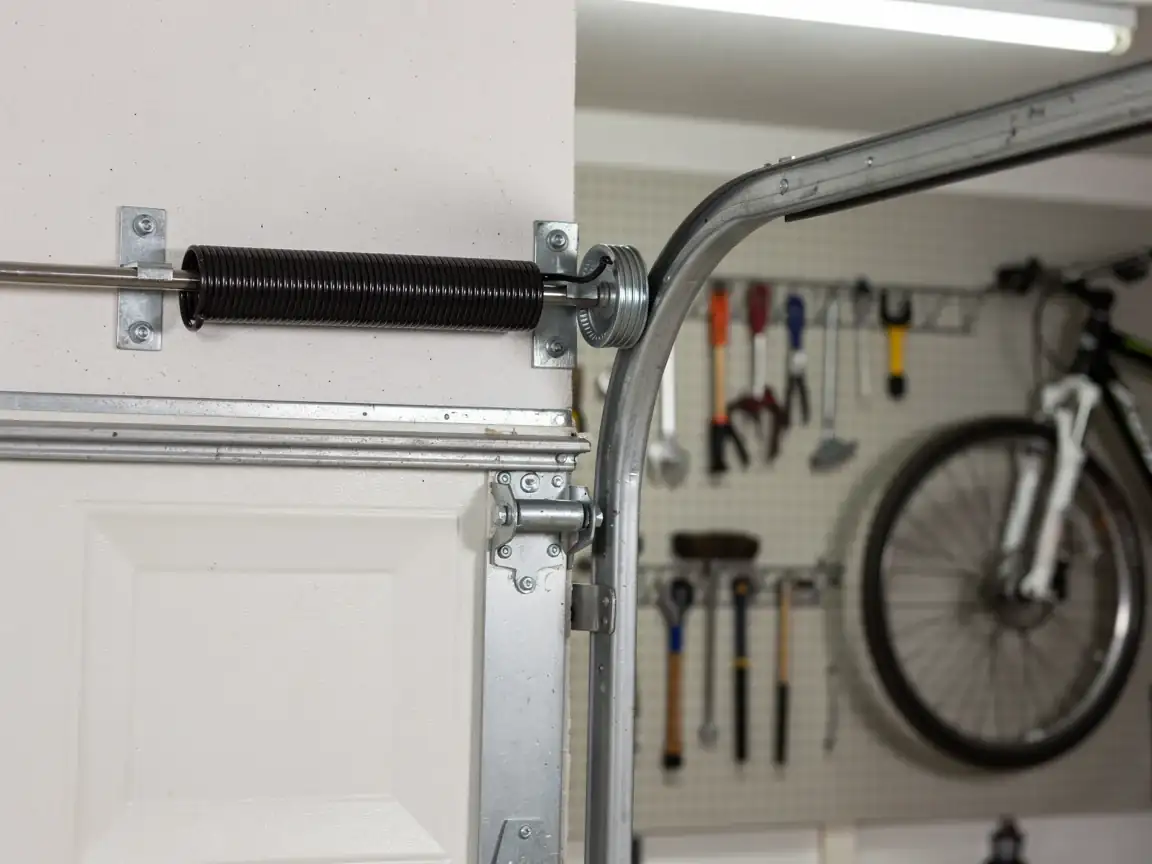
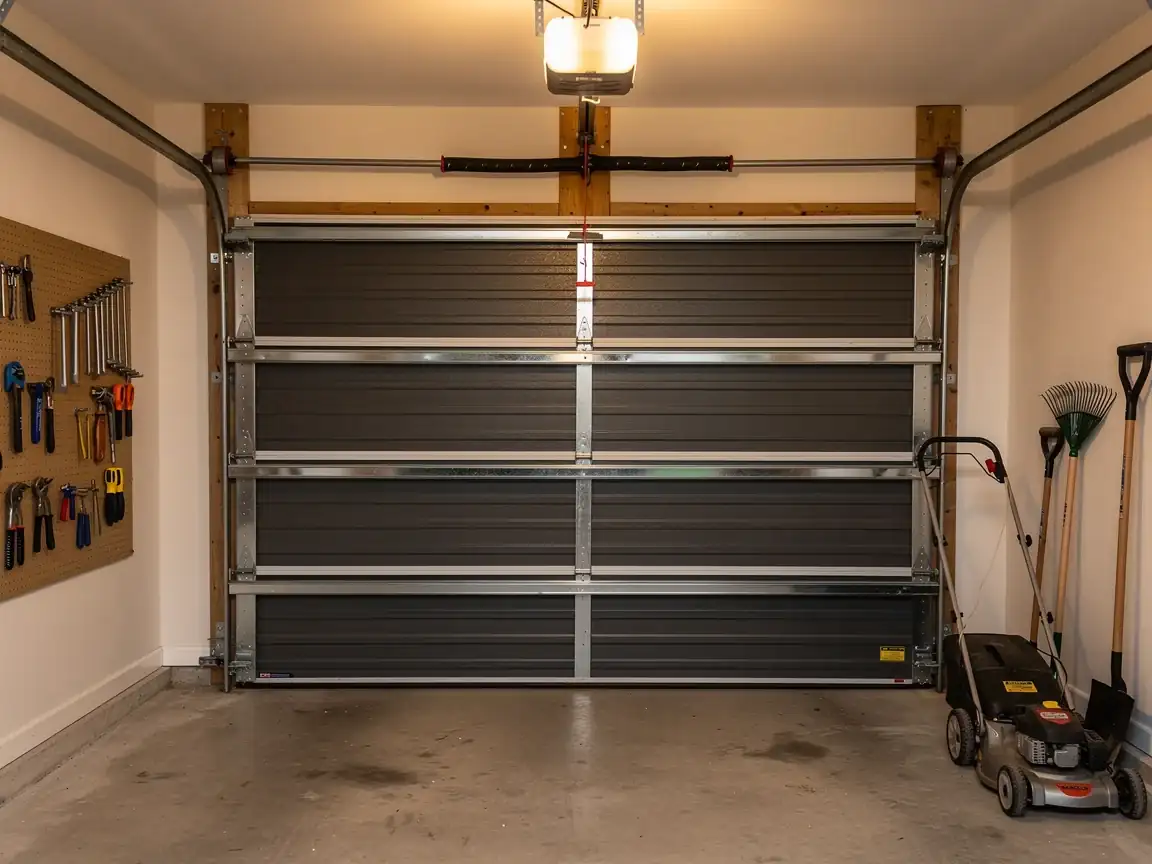
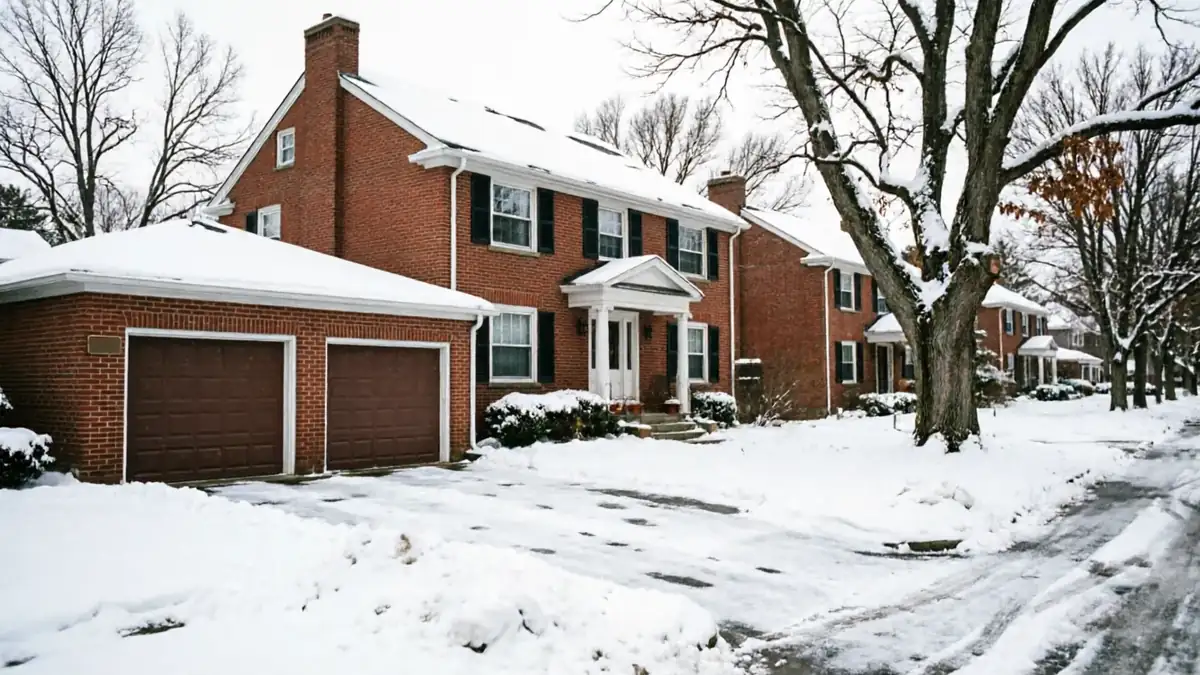
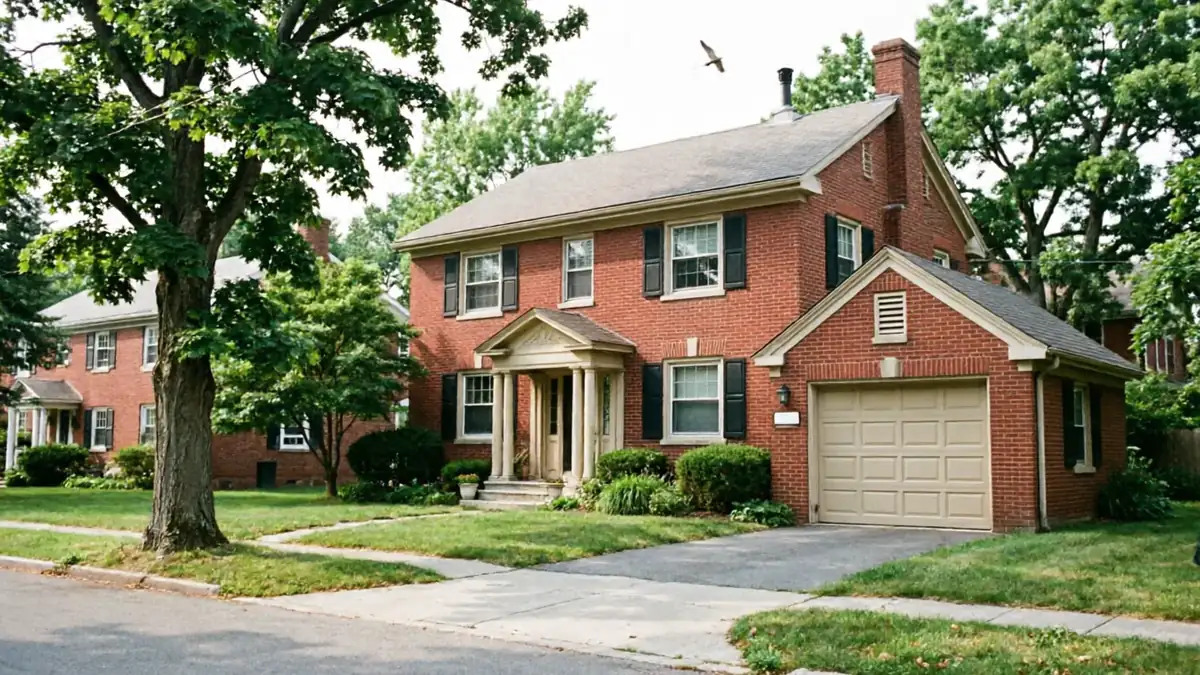
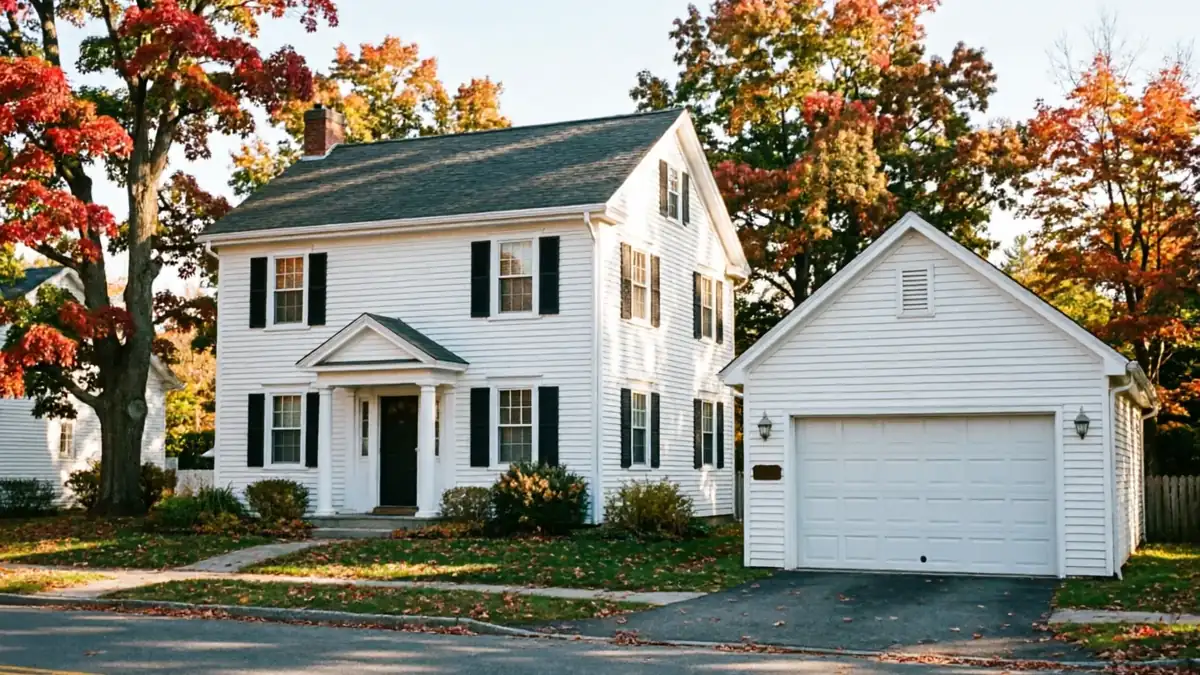
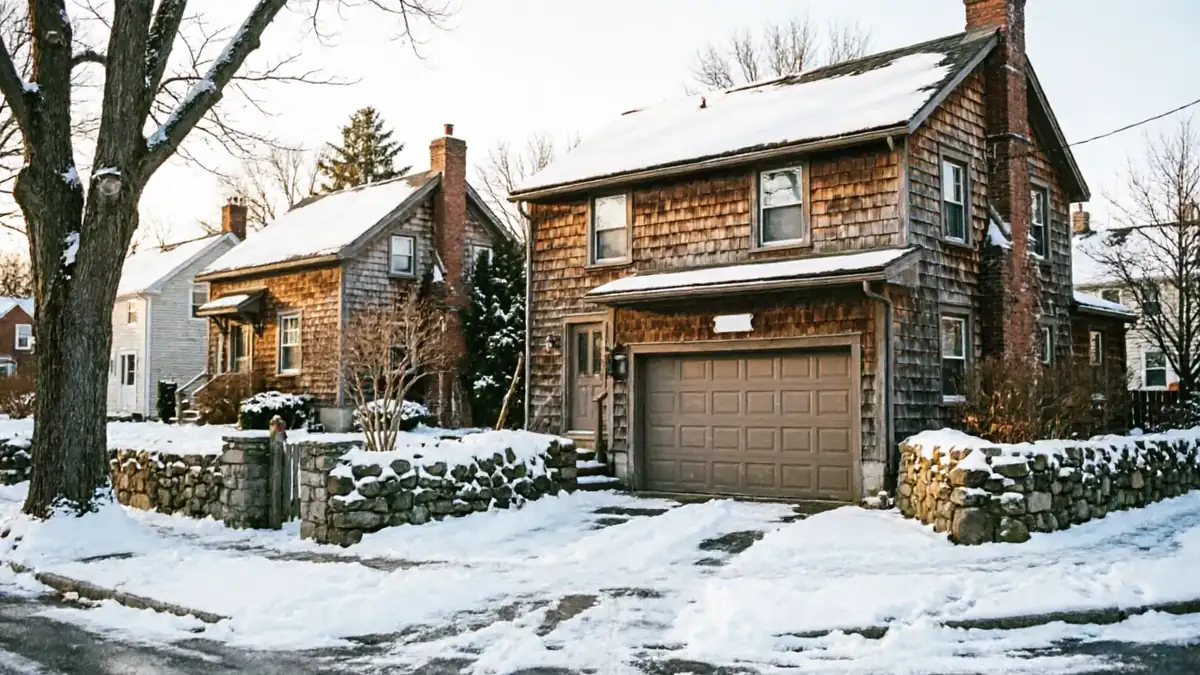
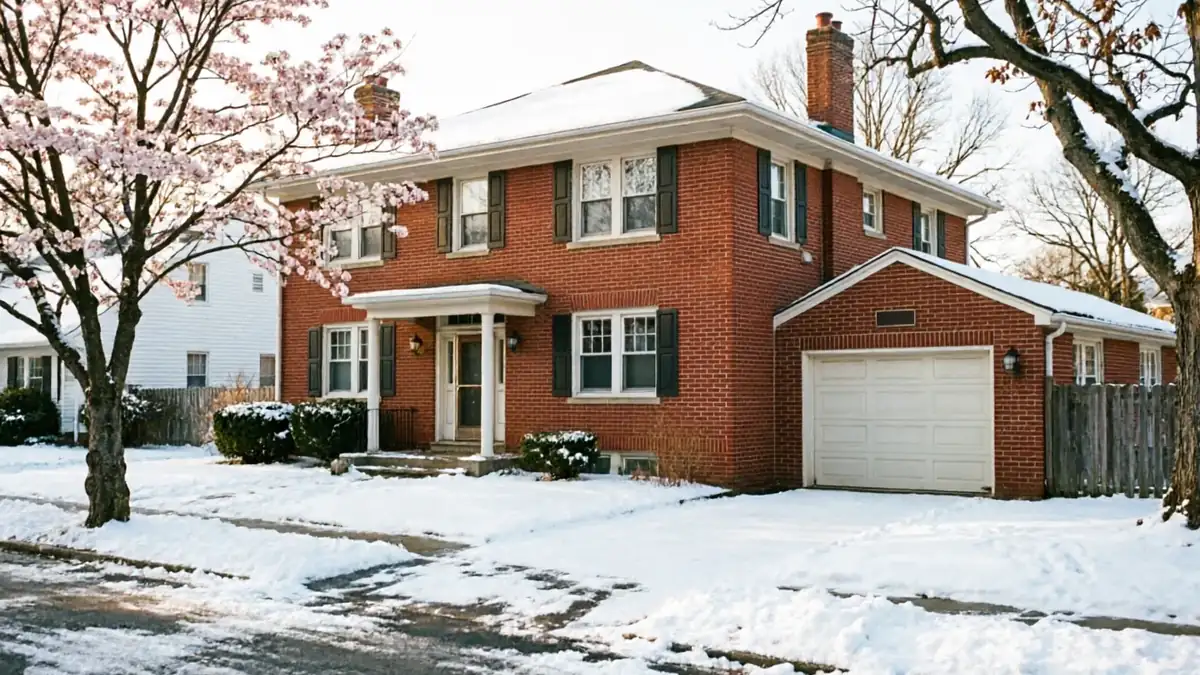
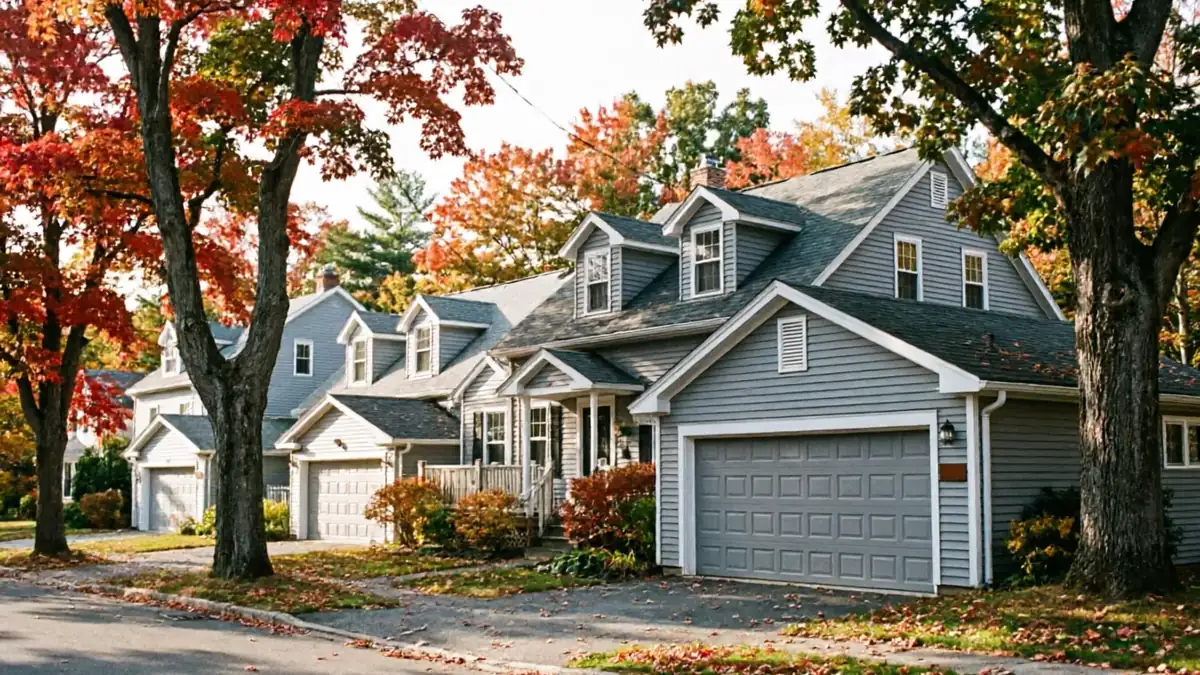
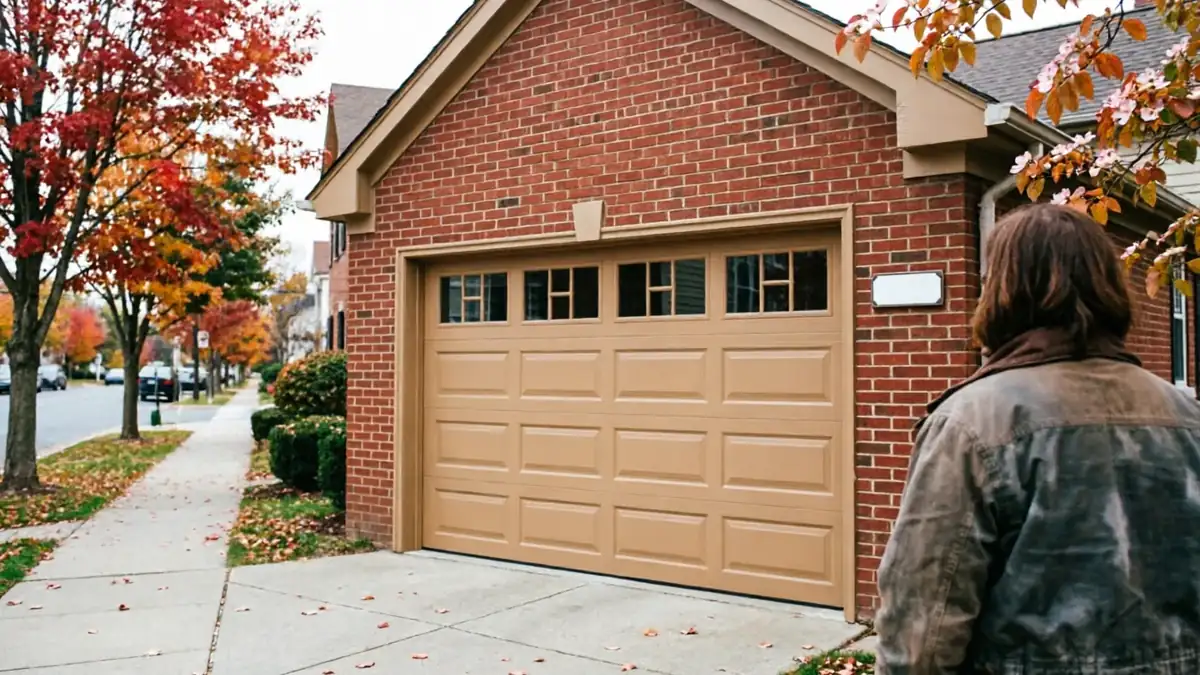
Jeannette's housing stock centers on 1951, which puts most garage doors here squarely in the postwar build-out that ran across this part of the county from 1938 to 1985. That matters more than people think. A door hung in 1951 was almost never an attached two-car setup - it was a single-bay add-on or a detached stall, often with a wood jamb that's shifted over seven decades. The torsion hardware on these older bays tends to be side-mounted rather than center-mounted, and the track gauge doesn't always match what a big-box replacement door ships with today. When we get a call from this part of town, we're usually measuring the opening twice before we order anything, because 1951 framing rarely sits square anymore. Newer infill houses built since do exist, but they're the exception here, not the rule. If your door is original to the house, the spring is almost certainly undersized for modern insulated panels, which is a common reason doors from this era feel heavy or slam on the way down.
The Drive Over
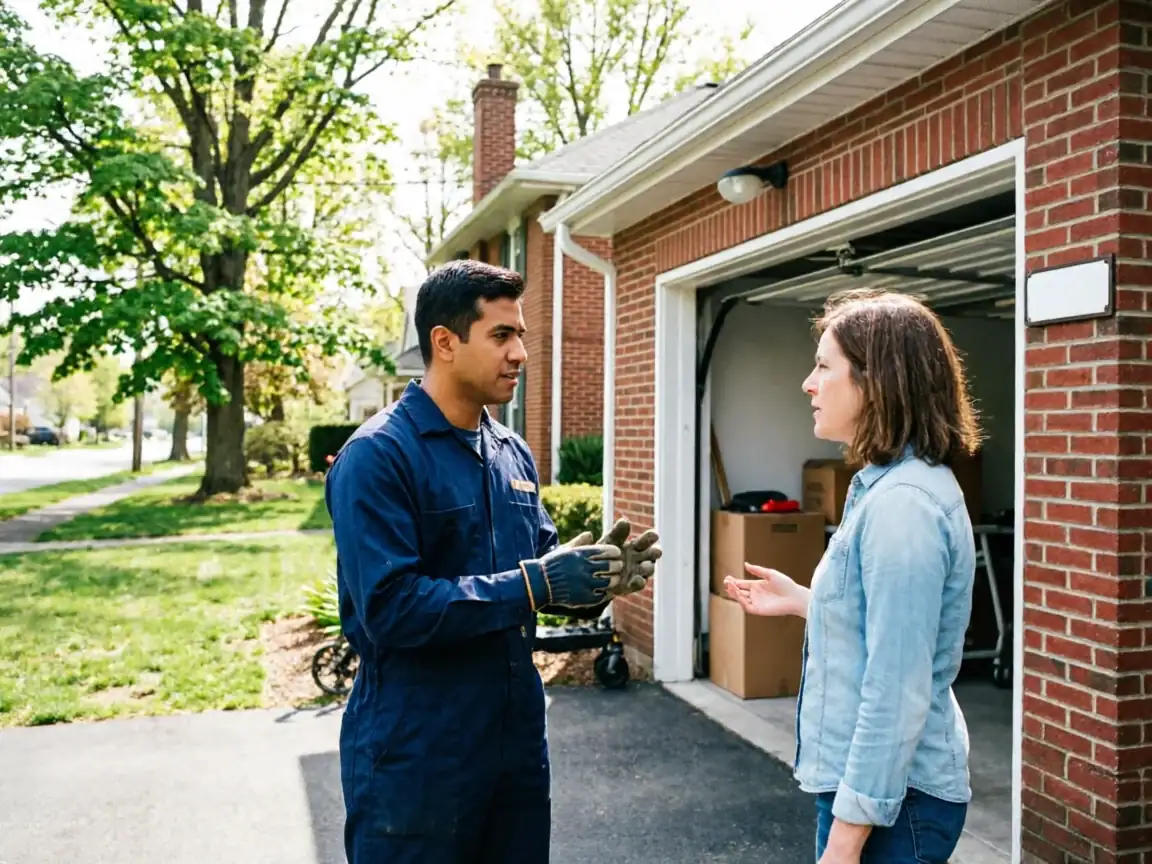
Jeannette sits about 4 miles from our shop in Greensburg, a short run down roads we're on most days of the week. We don't keep a depot in Jeannette - we run the job from Greensburg and bring what the opening needs with us. For a straightforward spring or opener call that's rarely an issue; for anything needing a special-order panel on an older door, expect us to confirm sizing before the part ships rather than guess and make two trips. That 4-mile distance is short enough that we're not padding estimates for drive time, but we're honest that we're not sitting around the corner either.
What Neighbours Usually Call About
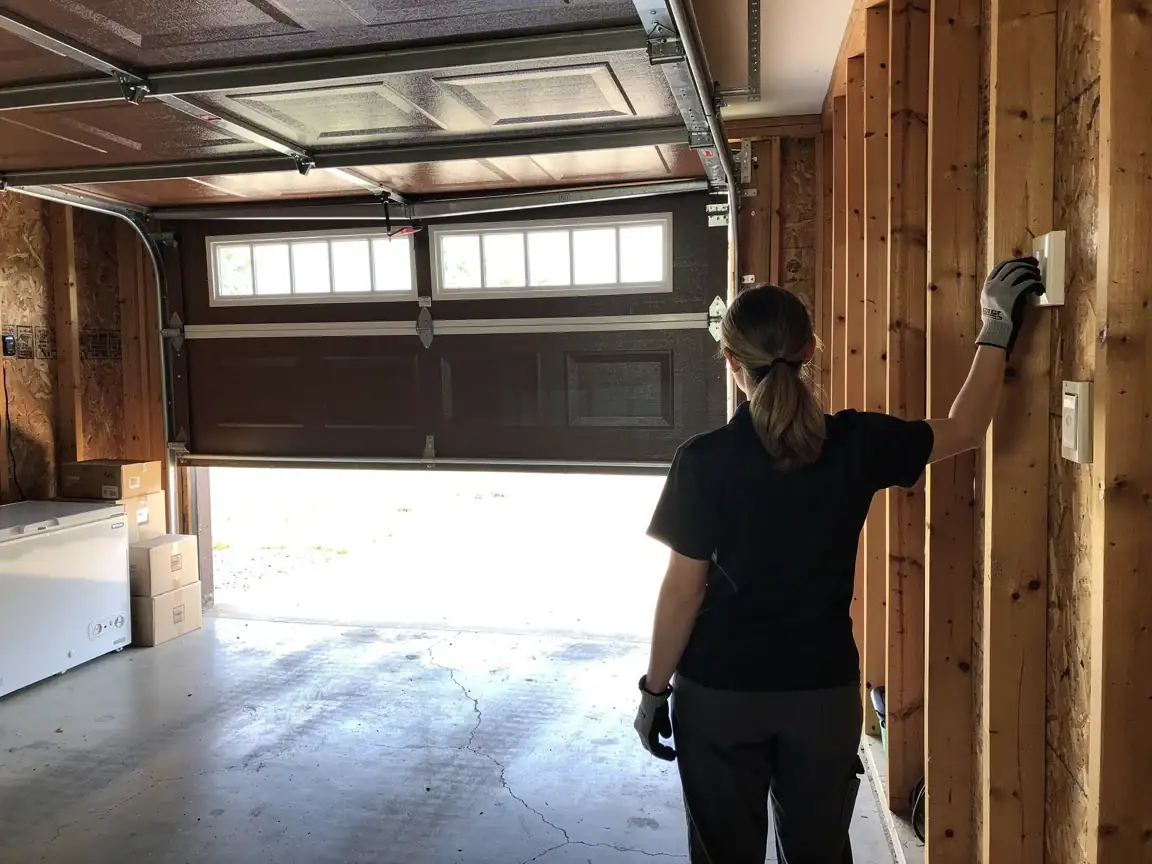
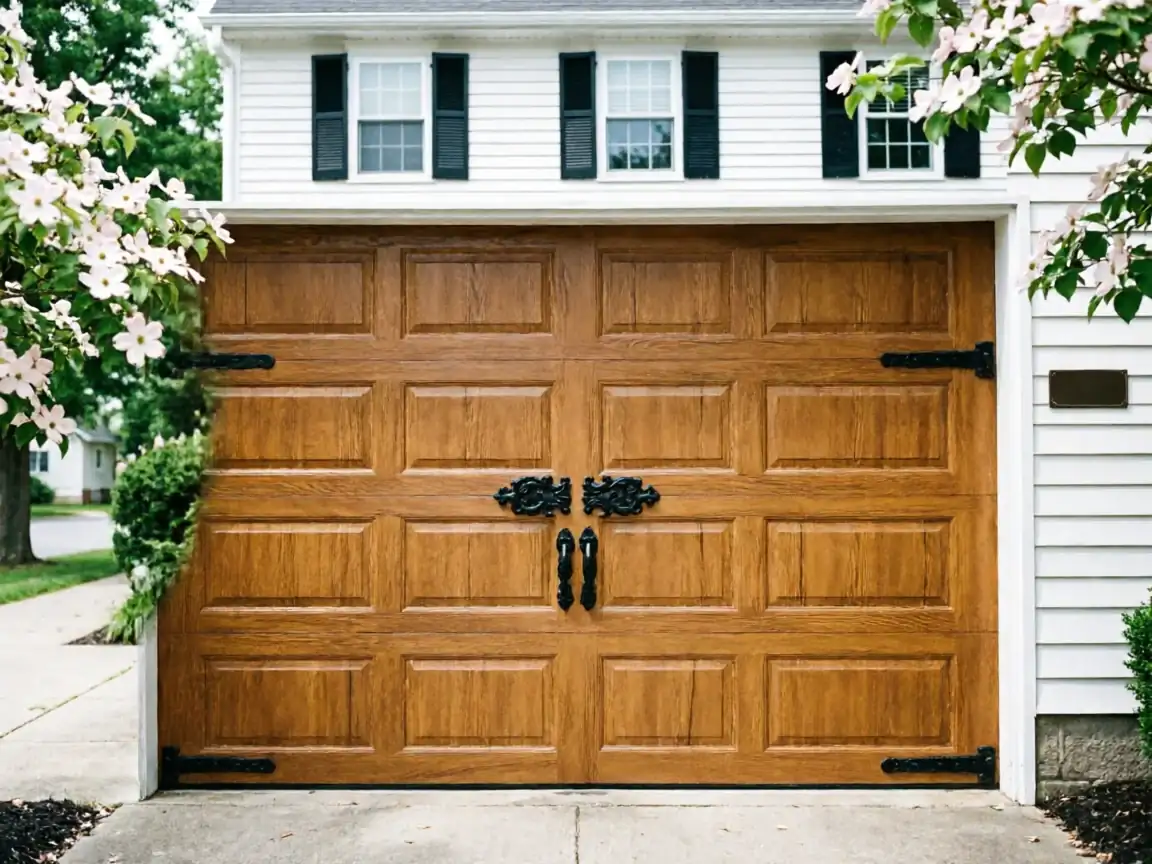
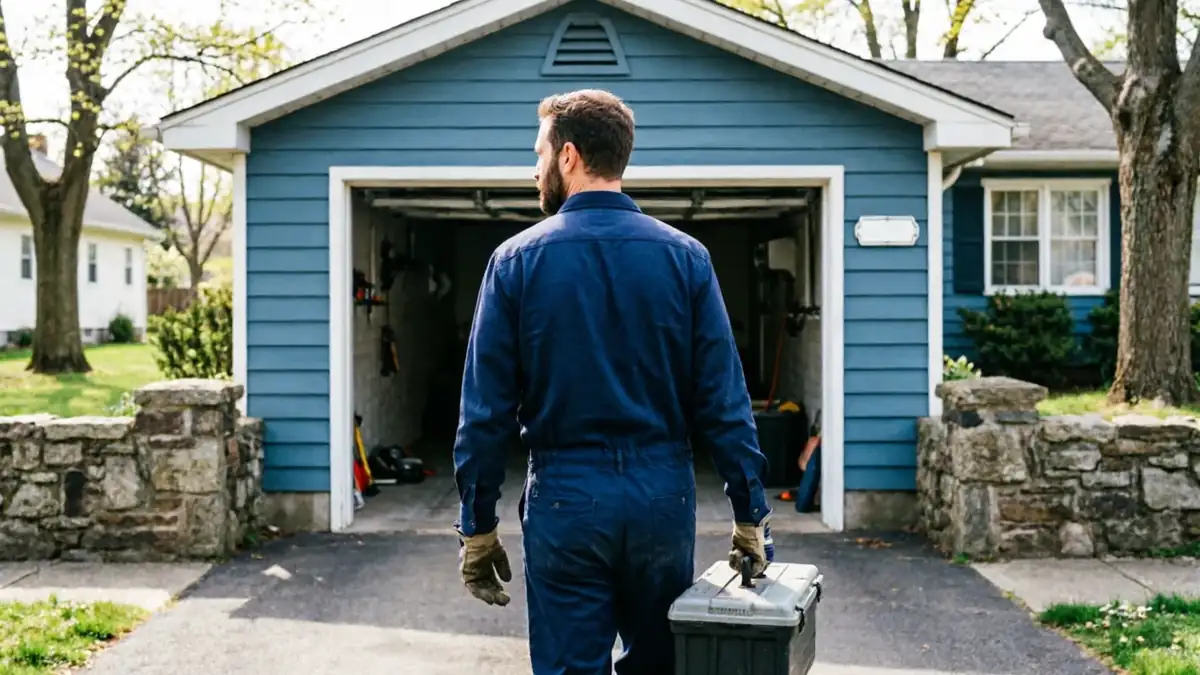
Most calls from Jeannette fall into a few buckets tied directly to the age of the housing. Torsion springs on original 1951-era single bays that finally give out after years of extra strain from heavier replacement panels. Openers from a later retrofit that never matched the original track spacing, so the carriage binds in cold weather. And on the handful of homes with detached garages from that build era, hardware that's rusted at the hinge points from decades of winter freeze-thaw. We don't recommend tearing out an old door just because it's old - if the track is square and the panels aren't rotted or dented through, a spring and hardware service usually gets another decade out of it. Full replacement makes sense when the jamb has racked out of square or the panels are rusted through, not just because the door looks dated.