How We Fix It
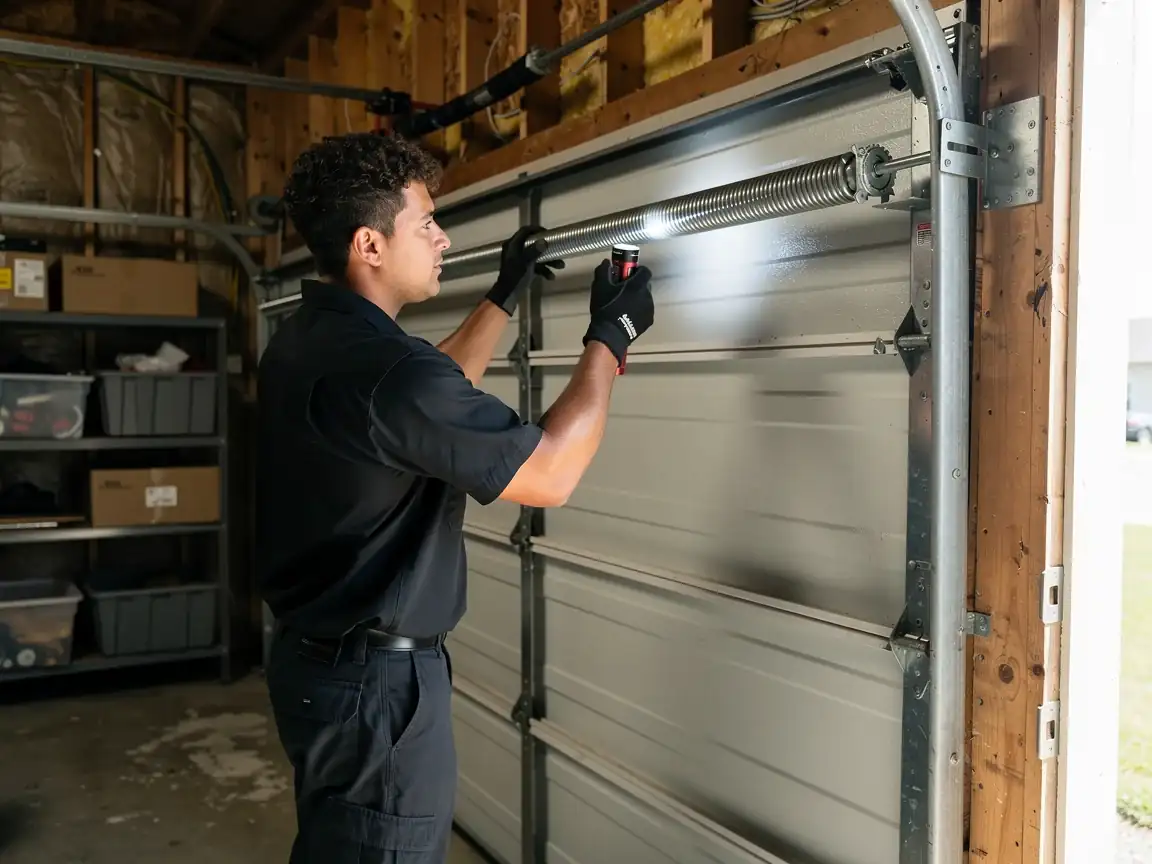
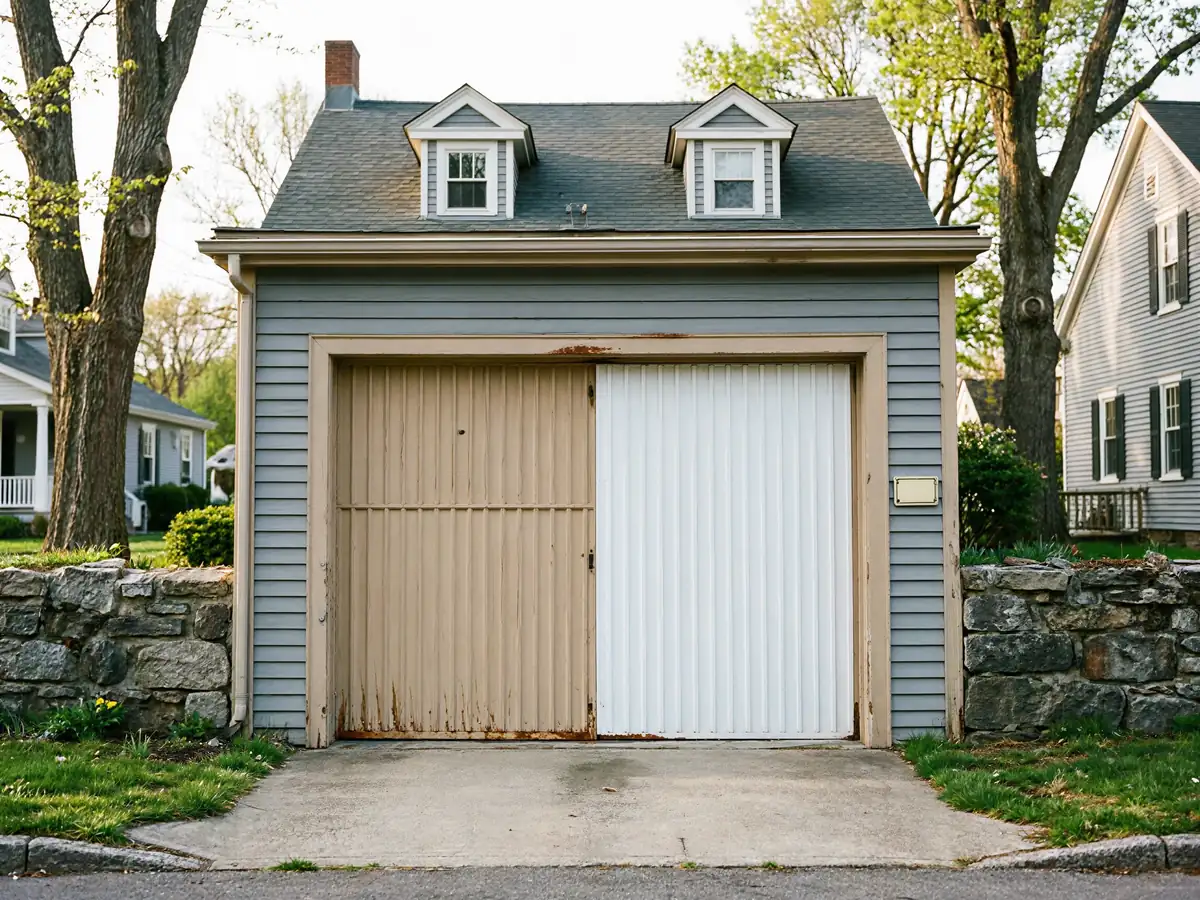
A damaged panel doesn't always mean a new door. If the track, springs, and opener are still sound, we pull the bent or cracked section and replace it on its own. The harder part across this service area is sourcing the right panel. Houses here went up mostly between 1938 and 1985, with the typical build year sitting around 1950, so a lot of garage doors were installed in single-piece wood or steel frames that don't match what's sold today.
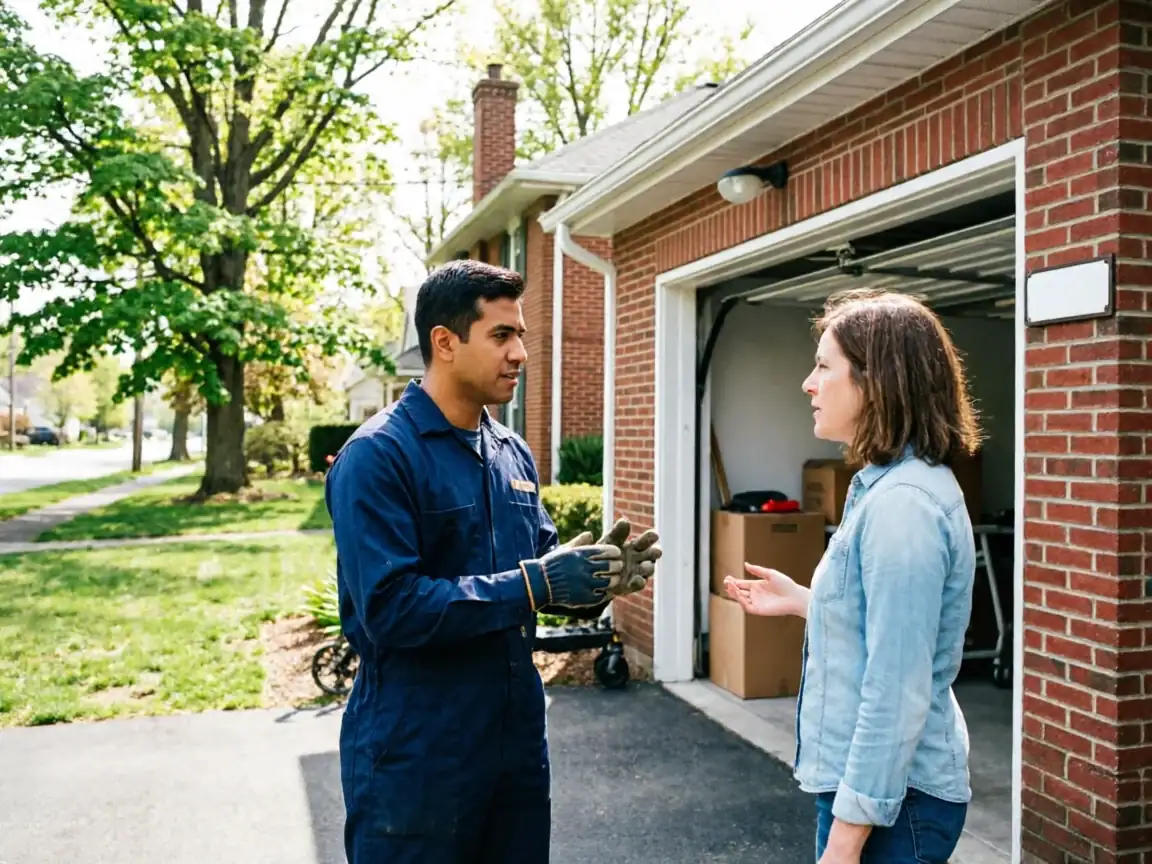
When we can match the width, gauge, and hinge spacing, we order the section and swap it without touching the rest of the door. When we can't - and on doors this old, sometimes we can't - we'll tell you straight that a full replacement is the honest answer rather than forcing a mismatched panel onto a door that's going to keep fighting you. That's the one limitation worth saying up front: panel-matching on pre-1960 doors has real limits, and we won't pretend otherwise just to book a smaller job.
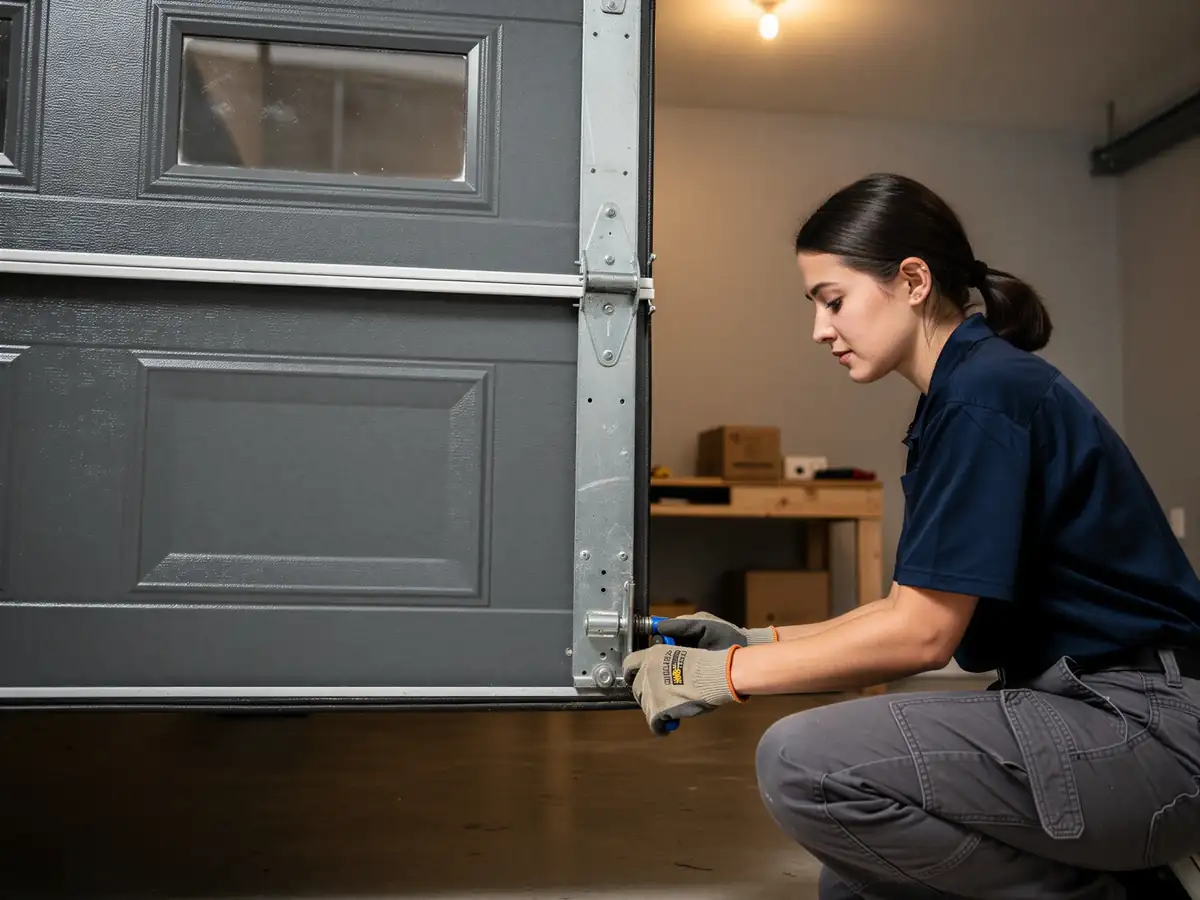
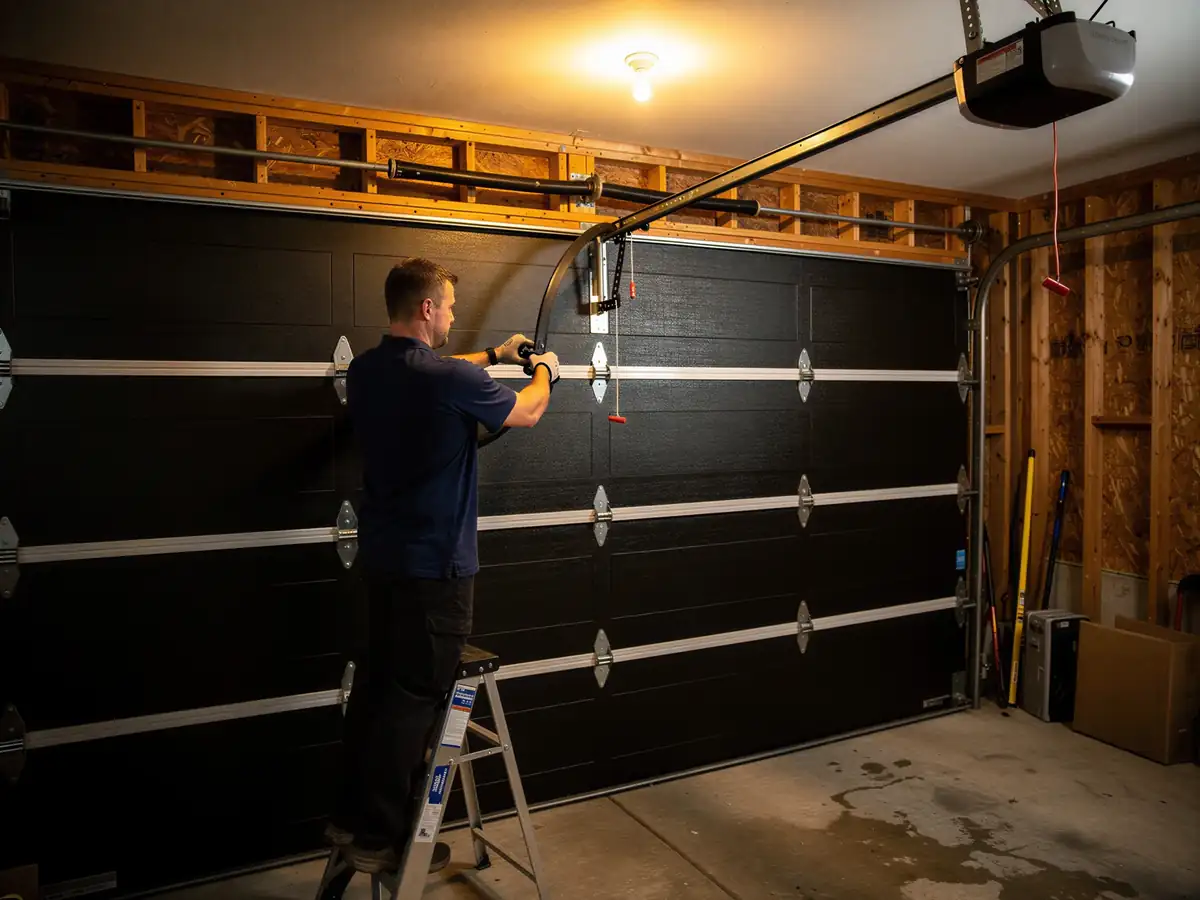
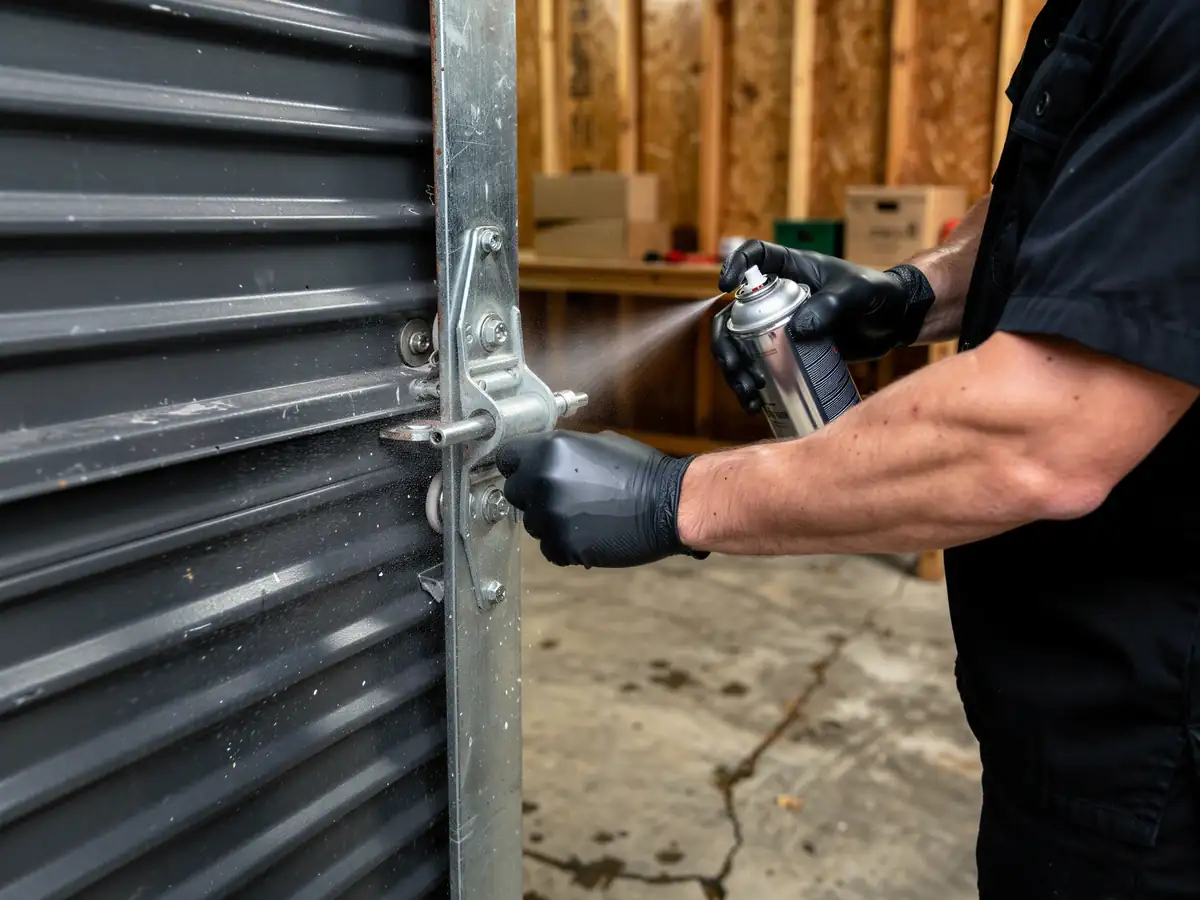
For doors where a match exists, the swap usually means removing the end hinges, freeing the damaged section, and setting the new one into the existing track run without re-balancing the whole door.
What Causes It Around Here
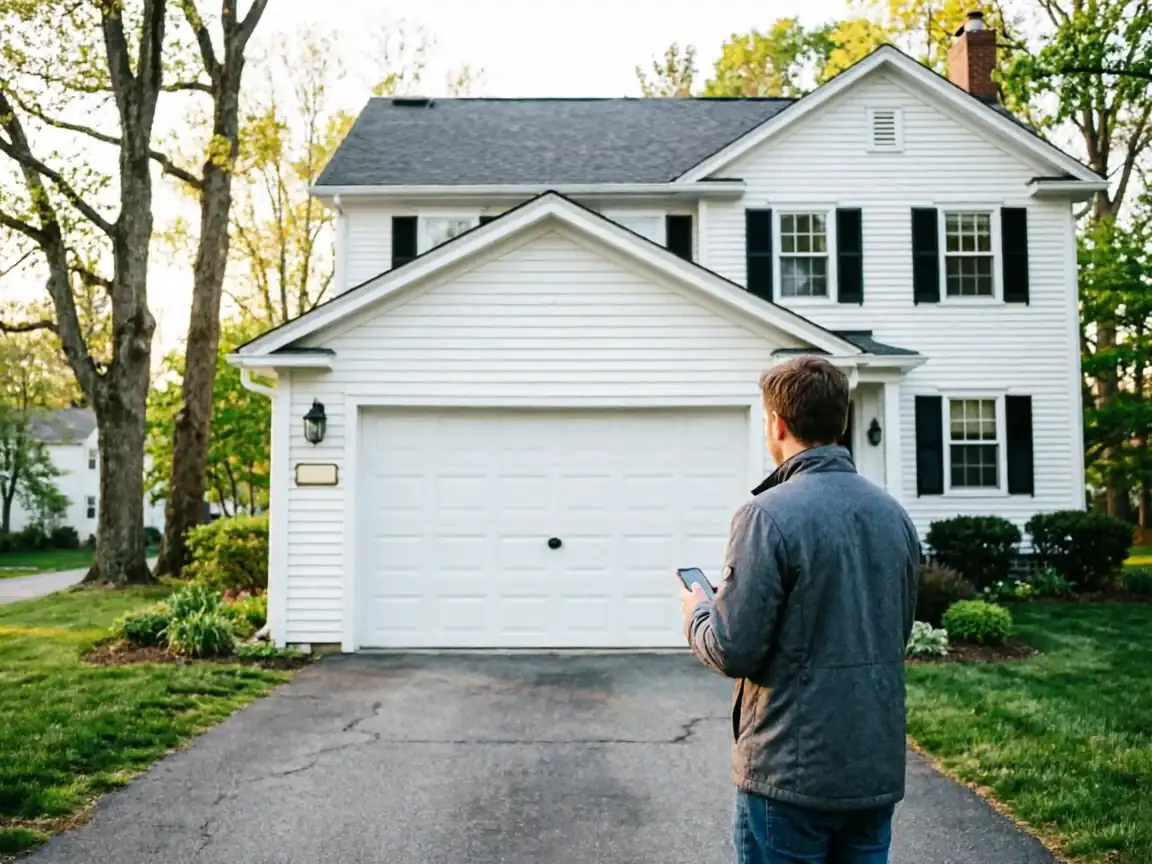
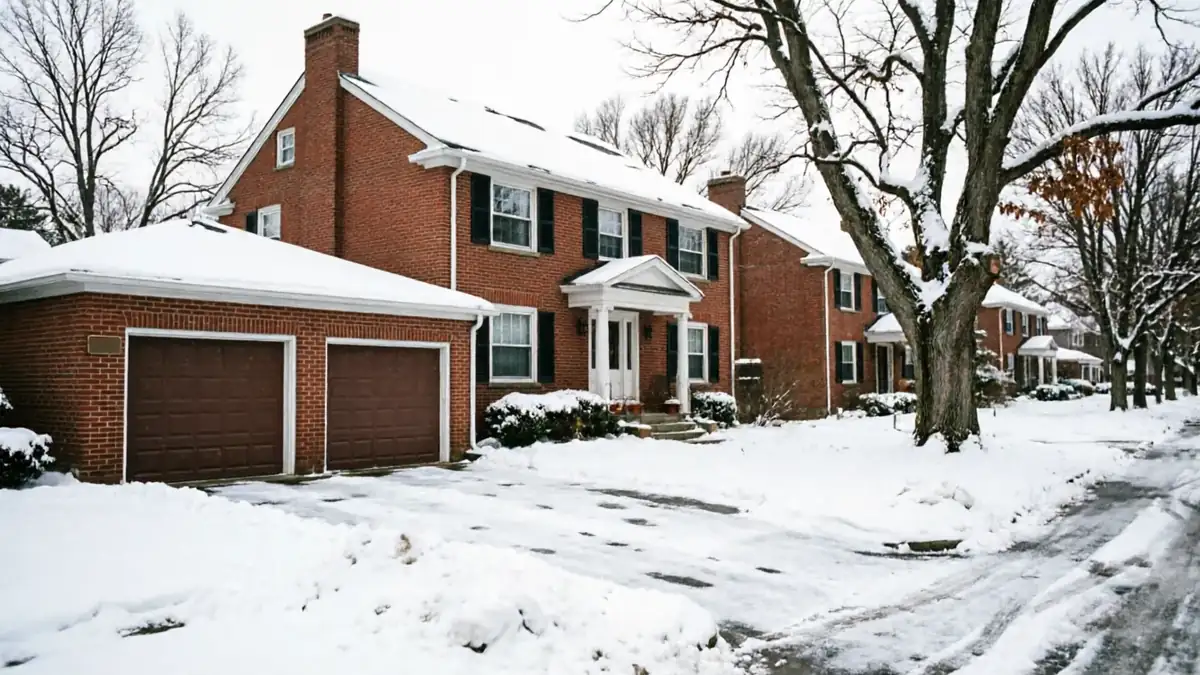
Across the 53 named communities in this service area, most of the housing stock predates 1960. That matters for panel failure because steel and wood sections from that era were built to specs nobody standardized the same way we do now - gauges, rib patterns, and panel heights all vary door to door.
The climate does the rest of the damage. This area sits in a severe end of the cold climate band, and that kind of hard freeze-thaw cycle is what cracks and warps steel panels on older doors. Water gets into a seam or a dent, freezes, expands, and the panel splits a little more each winter. Wood panels from the same era rot and delaminate the same way, just slower.
With 44,139 owner-occupied houses across this service area, a large share of the region's garage doors are original equipment from that mid-century build-out, not later replacements. That's a lot of doors running sections that are 60-plus years old and were never designed for the freeze-thaw cycles they've absorbed since.
Doing It Yourself
A dented panel on a newer, standard-size door is a reasonable DIY swap if you can find the exact match and you're comfortable removing hinges and resetting a section without throwing off the door's balance
Most big-box panels are cut to modern standard widths, though, and that's the catch for a lot of houses in this service area - older sections don't line up with current stock sizes.
If you've got an original door from the 1950s or 1960s build-out, measure the panel height, width, and hinge spacing before you order anything
Ordering the wrong size and trying to force it in is how a one-panel job turns into a bent track and a seized opener.
We'd rather talk you out of a mismatched DIY panel than watch you replace the whole door a month later because a wrong-size section threw off the roller alignment
If the measurements don't match anything available, that's worth knowing before you spend money on a part you can't use.
What You Are Seeing
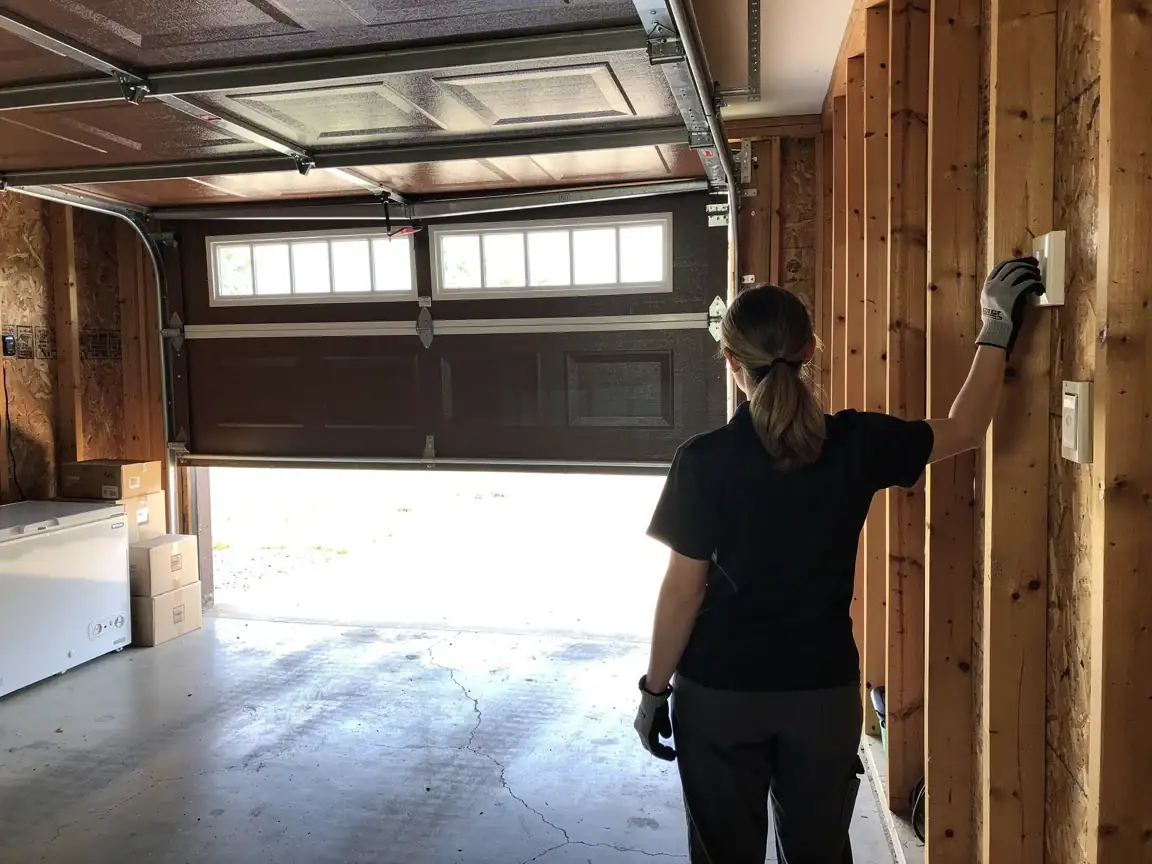
A cracked or bowed section usually shows up first as a visible split in the steel skin, a soft spot where water's gotten in, or a panel that's bent enough to catch on the track when the door runs. On older wood doors common in this area's mid-century housing, you'll see the panel sagging or the seams separating rather than cracking outright.
Sometimes it's one impact - a car bumper, a ladder, debris in a storm - and the rest of the door is fine. Other times, given how much of this service area's housing sits in that 1938-1985 build range, what looks like one bad panel is really decades of freeze-thaw cycling finally splitting a weak seam. The difference matters because it tells you whether you're looking at a single-panel fix or a door that's due for full replacement regardless of this particular dent.
At a median household income of $55,909 across the service area, replacing a single damaged panel instead of the whole door is usually the practical call when the rest of the door still checks out structurally.