How Local Conditions Play In
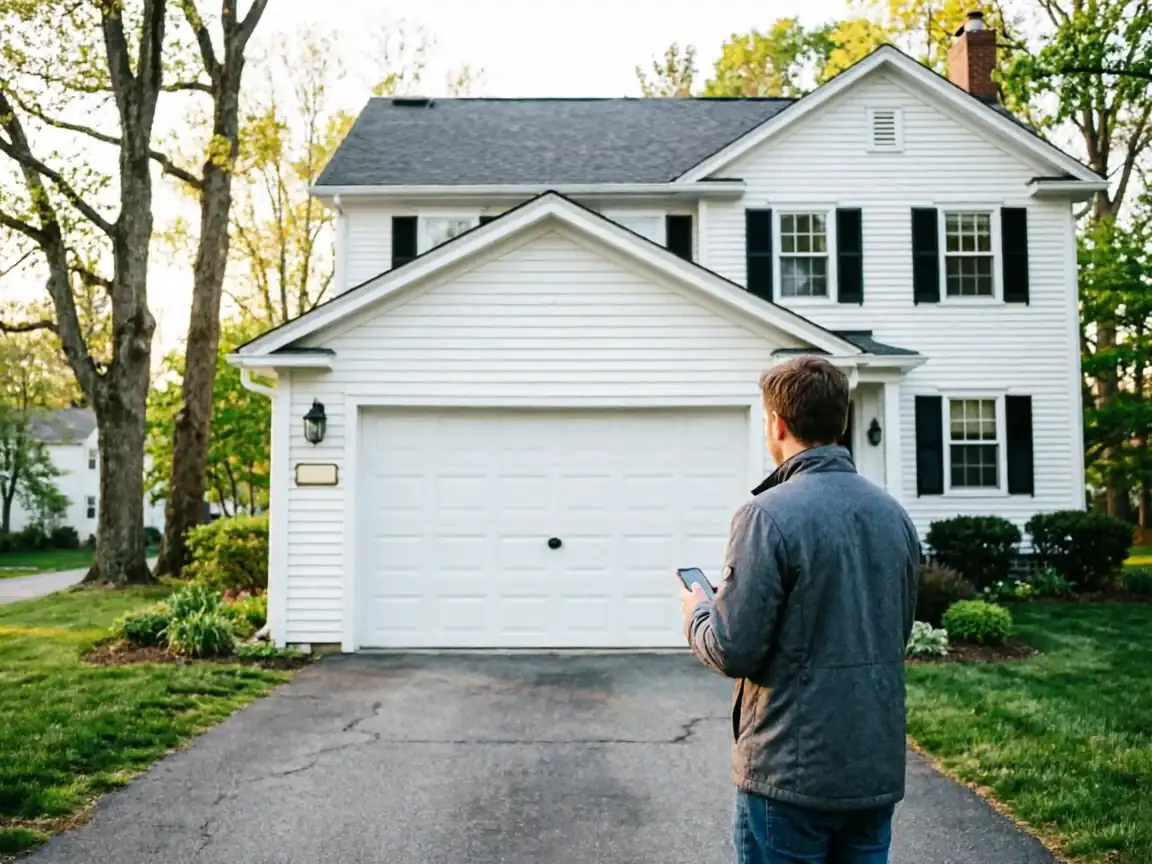
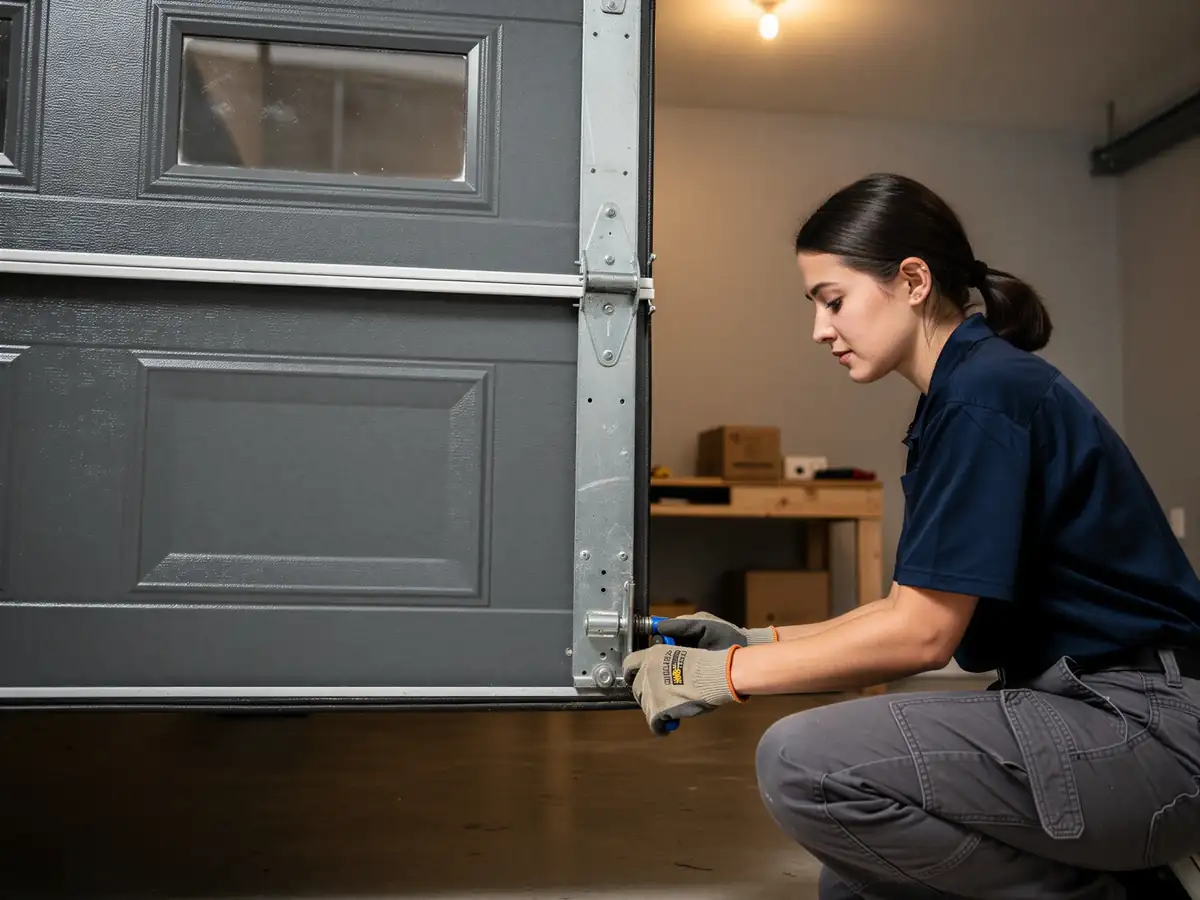
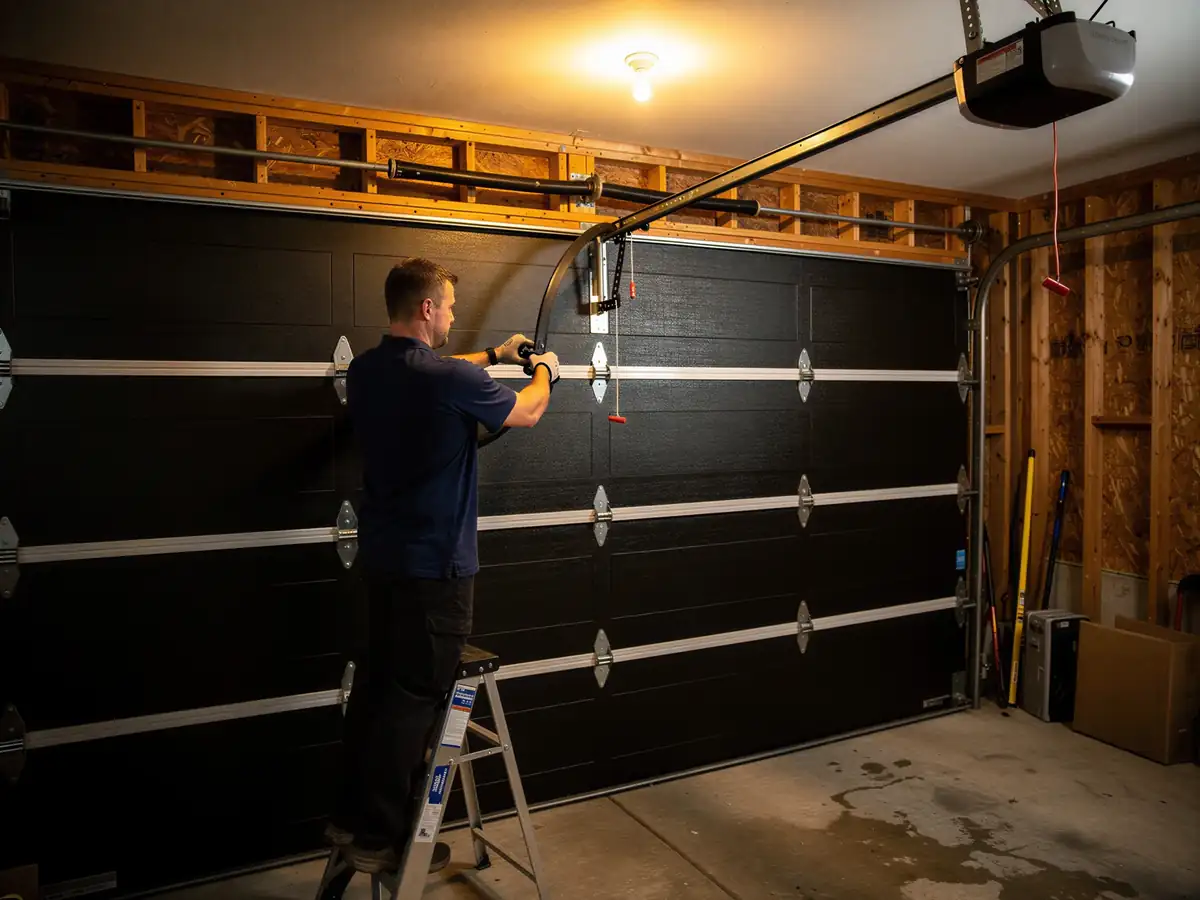
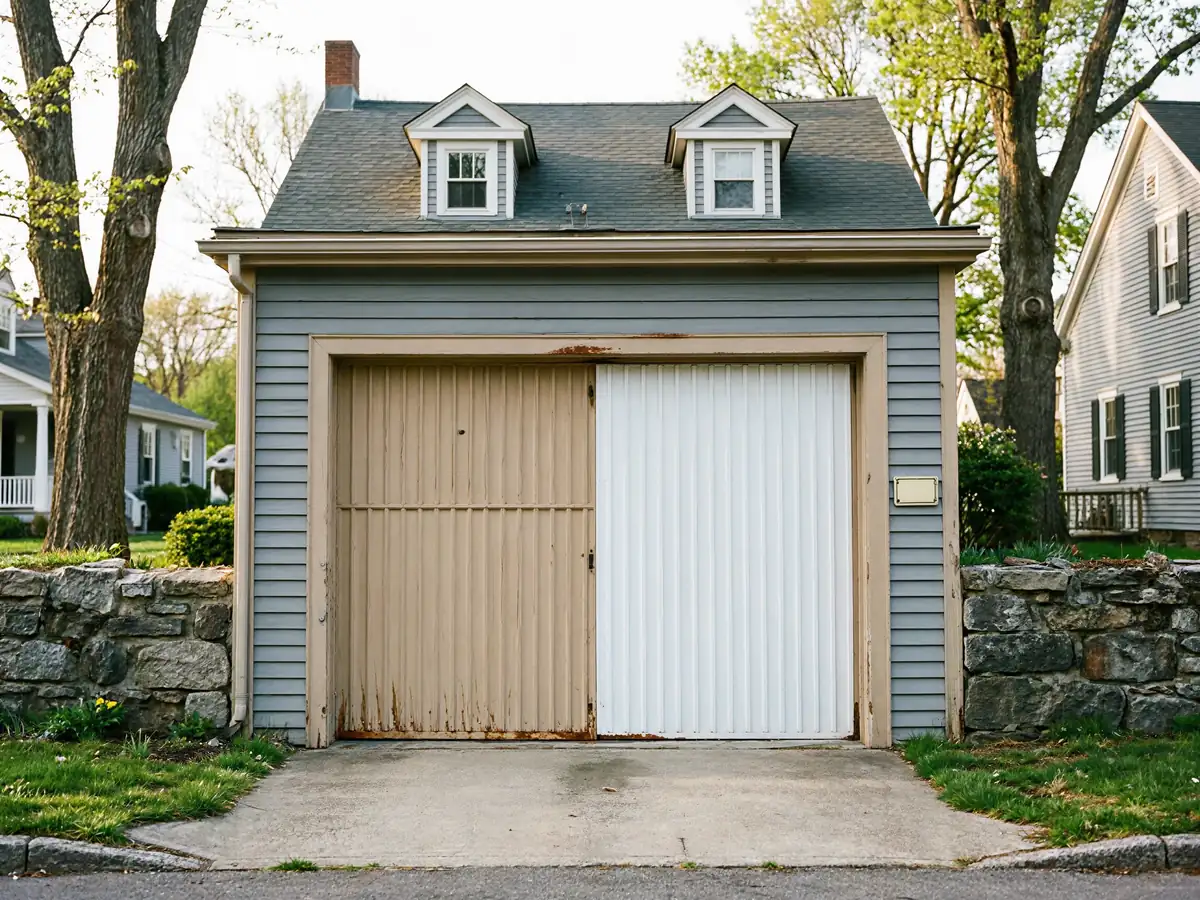
Houses in this part of Greensburg mostly went up between 1938 and 1985, with the median build year sitting around 1950, which means a lot of openers were bolted to original wood jambs that have shifted over seventy-plus years. That shift matters more than people think - a header that's racked even a half inch throws the travel limits off, and the opener starts fighting the door instead of lifting it. Across the 53 named areas we cover, pre-1960 construction is the rule, not the exception, so the garage is often the one part of the house nobody's touched since the opener was added decades later, sometimes as a retrofit bolted to framing that was never meant to carry a motor's weight and vibration.
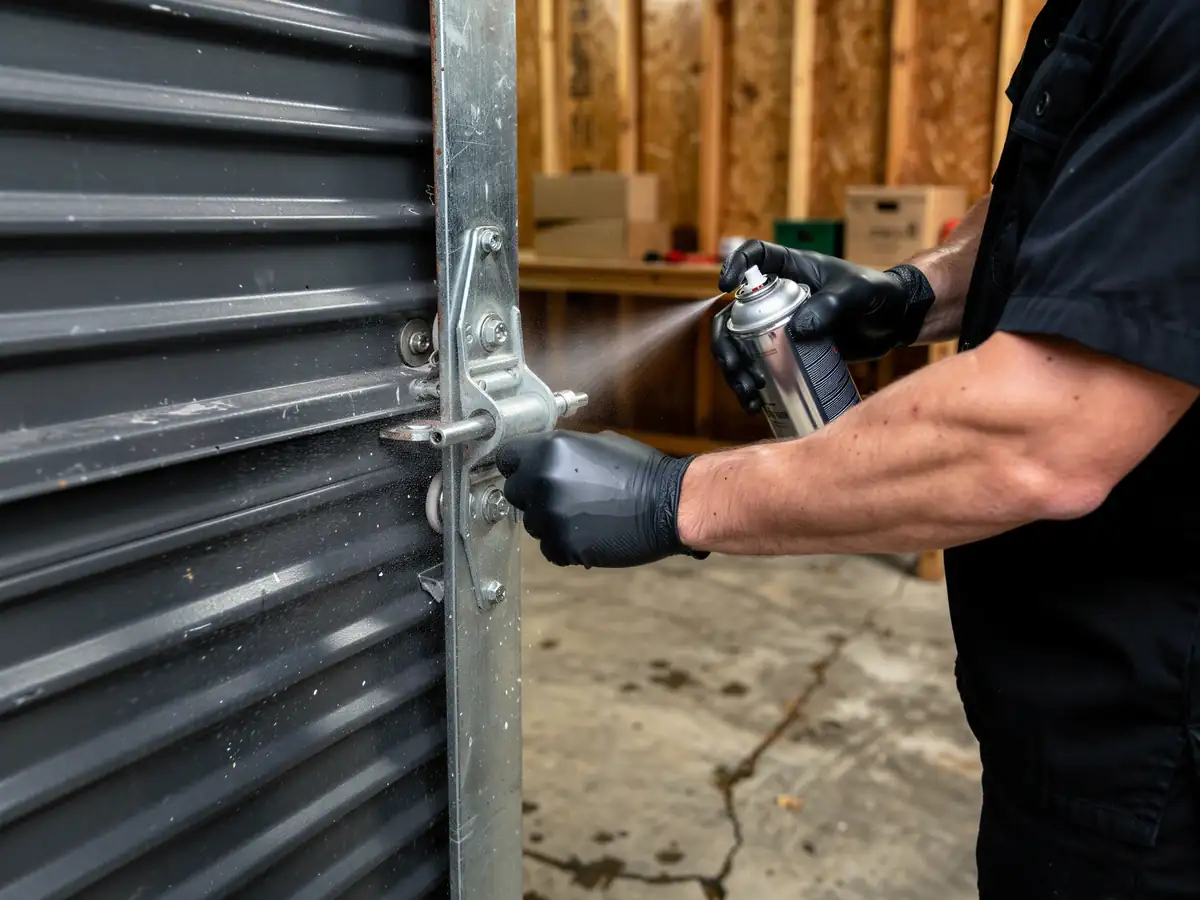
Then there's the cold. This area sits in a cold-severe climate band, and that cuts two ways on openers. First, grease in the gear housing and chain stiffens up below a certain temperature, which is why a unit that ran fine in October starts grinding or stalling by January. Second, cold fronts here bring ice loading on lines, and when the power goes, a garage built before 1960 usually has no battery backup wired in because the opener itself predates that option. You're stuck with a manual release and a door that's heavier than it looks once the spring tension is already fighting you.
When Waiting Is Fine
Not every opener hiccup after a cold snap is an emergency. If the door runs slow or makes a new grinding noise but still opens and closes under its own power, that's usually gear lube gone thick, not a dying motor - it loosens up once temperatures climb back into the 20s and 30s. Give it a week before you call anyone.
Same goes for a remote that stops working right after a storm. Nine times out of ten that's a dead battery in the remote itself or a power blip that reset the opener's code, not storm damage to the unit. Reprogram it and move on.
With 44,139 owner-occupied houses across this service area, the odds are good that a chunk of them still have a manual release cord that hasn't been pulled since the previous owner moved out. If yours hasn't been tested, pull it once, gently, on a dry day - not mid-outage when you're in a hurry and the door's under full spring load. That's the wrong moment to find out the pulley's rusted.
What Most People Get Wrong
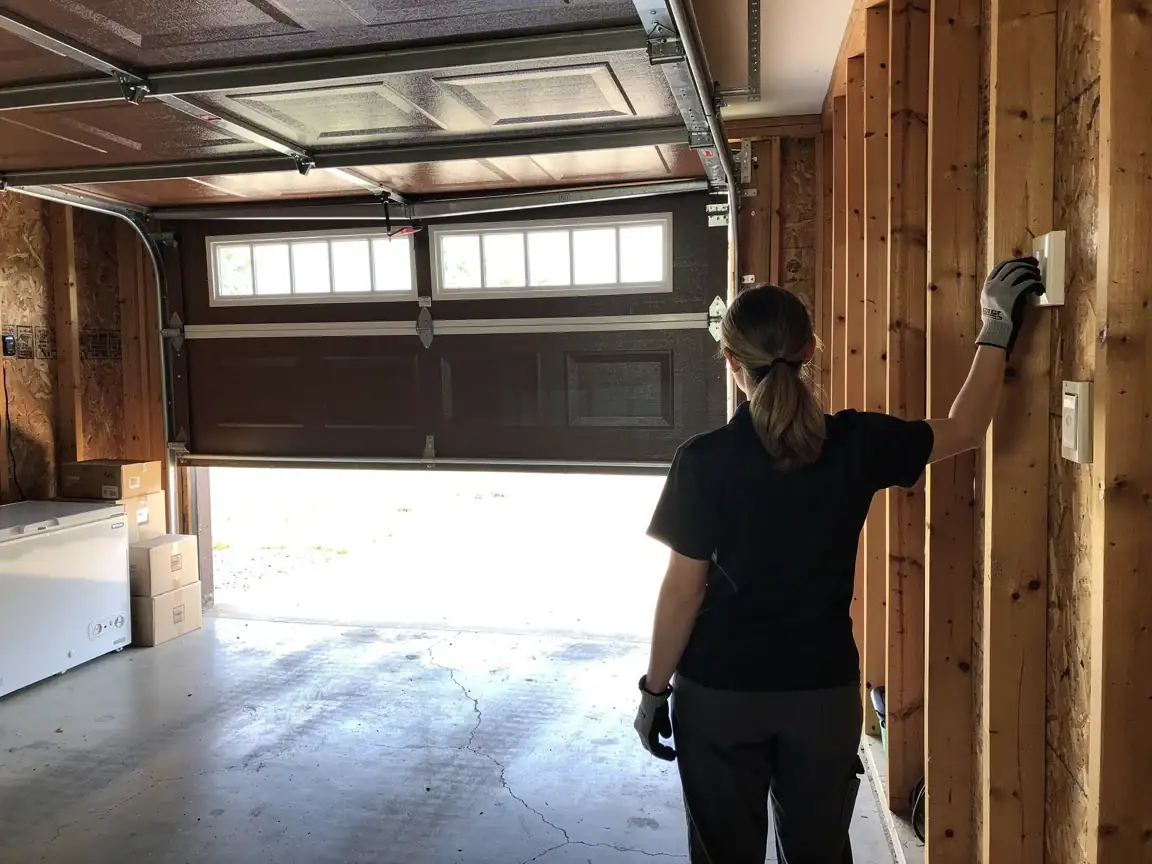
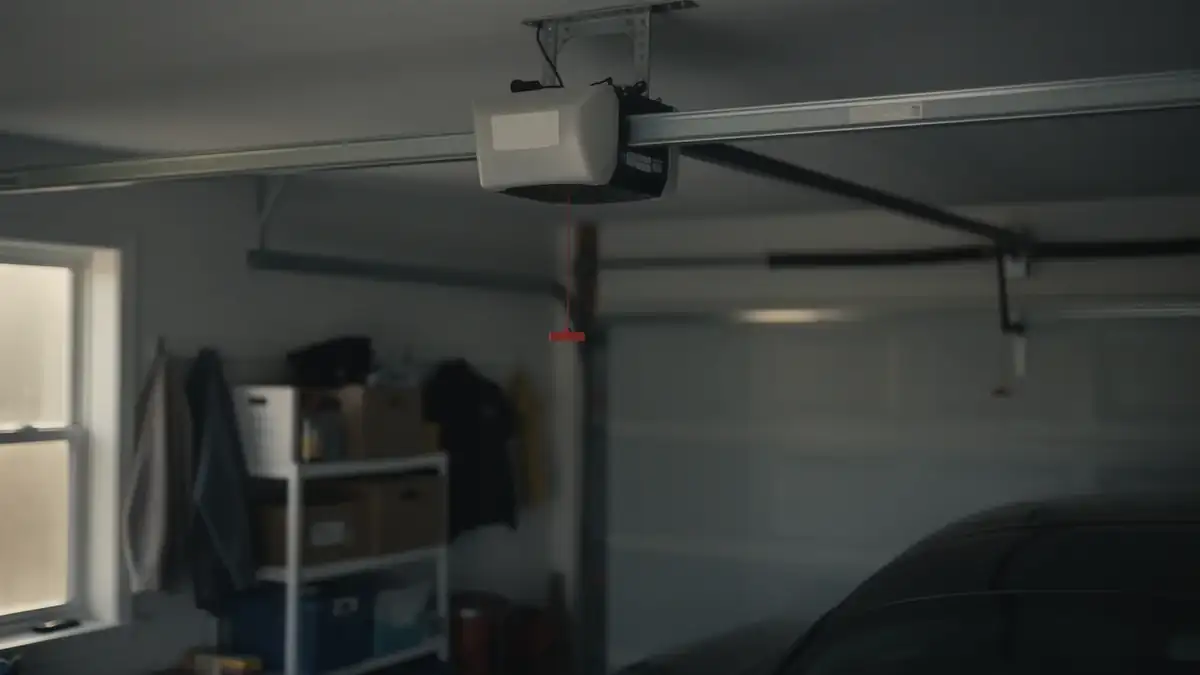
The biggest mistake we see is people assuming a power cut killed the opener when it actually just needs the manual release engaged so the door can move by hand
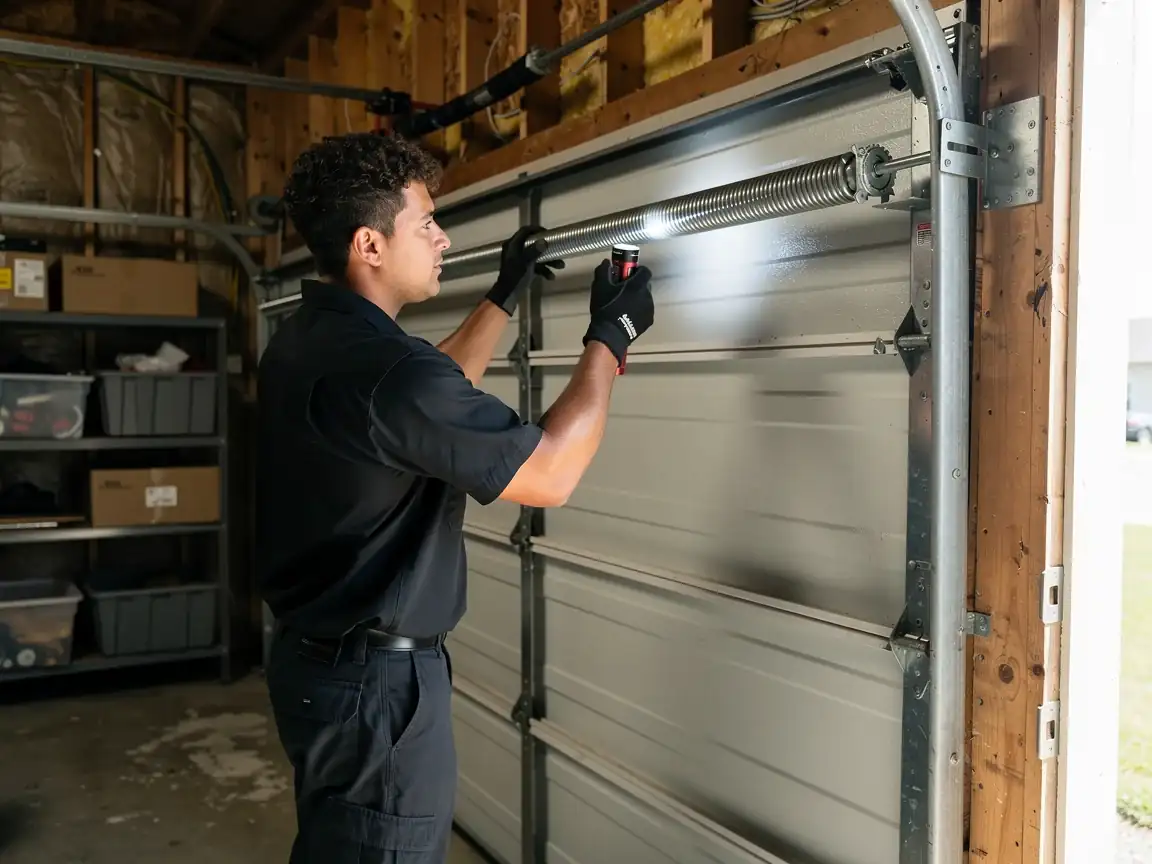
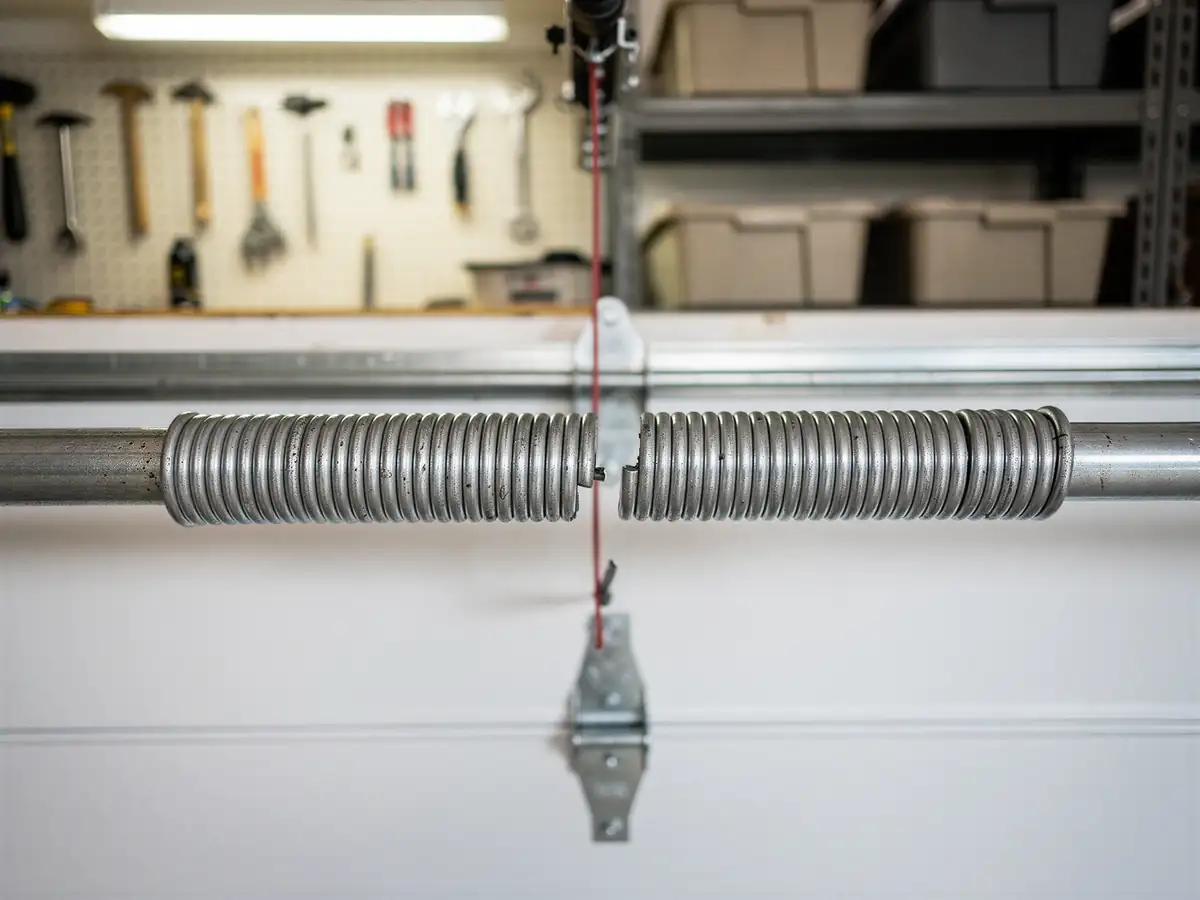
The release lever disconnects the carriage from the chain or belt - it doesn't disconnect the springs, and the door still weighs what it weighs. On a house from the 1950s with an original torsion setup, that's often a heavier door than anything sold today, which is exactly why people throw their back out trying to muscle it up during an outage.
Median household income here runs $55,909
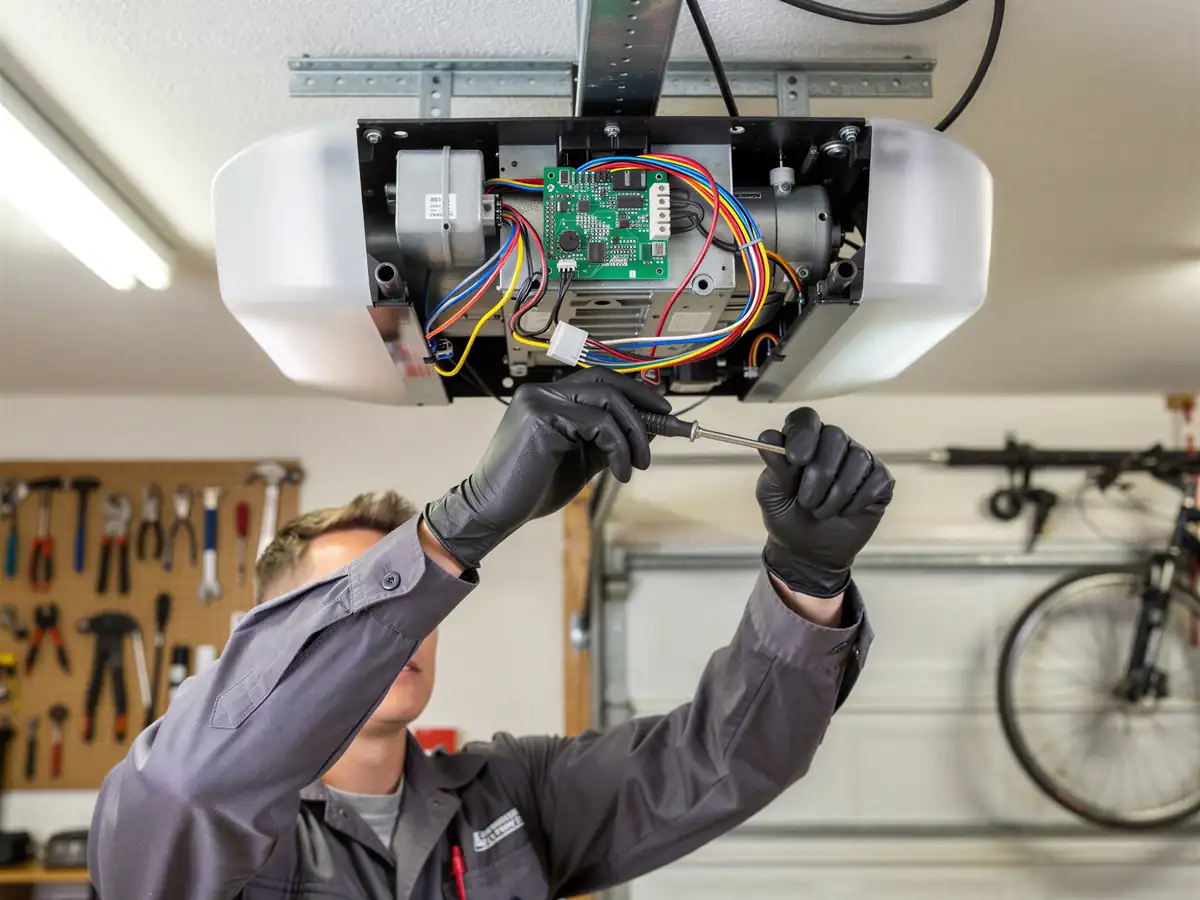
Which is part of why we see more people riding out a slow opener than replacing it outright - and that's not a bad instinct. A logic board failure on a unit that's otherwise mechanically sound is a repair, not a replacement job. But a motor that's been straining against a racked jamb for years on an older Greensburg house usually burns out the board eventually anyway, and at that point you're paying twice for the same fix.
The Situation
Put the two things together - housing stock that's mostly pre-1985 with a lot of original framing and hardware, sitting in a climate band that brings hard cold and the outages that come with ice loading - and openers here fail in a specific, predictable pattern: cold-thickened gears first, then a strained motor on a shifted jamb, then a board that gives out under that strain. It's rarely random.
We don't carry battery backup retrofits for every opener model still running in older homes out here - some units are old enough that the manufacturer doesn't support an add-on kit, and we'll tell you that straight instead of promising a fix that doesn't exist for your unit. In those cases the honest answer is a manual release you've actually tested, not a backup battery that isn't compatible.
If your opener's acting up after a cold stretch or a power cut, we can tell you on the phone whether it sounds like a wait-it-out problem or a call-today problem.