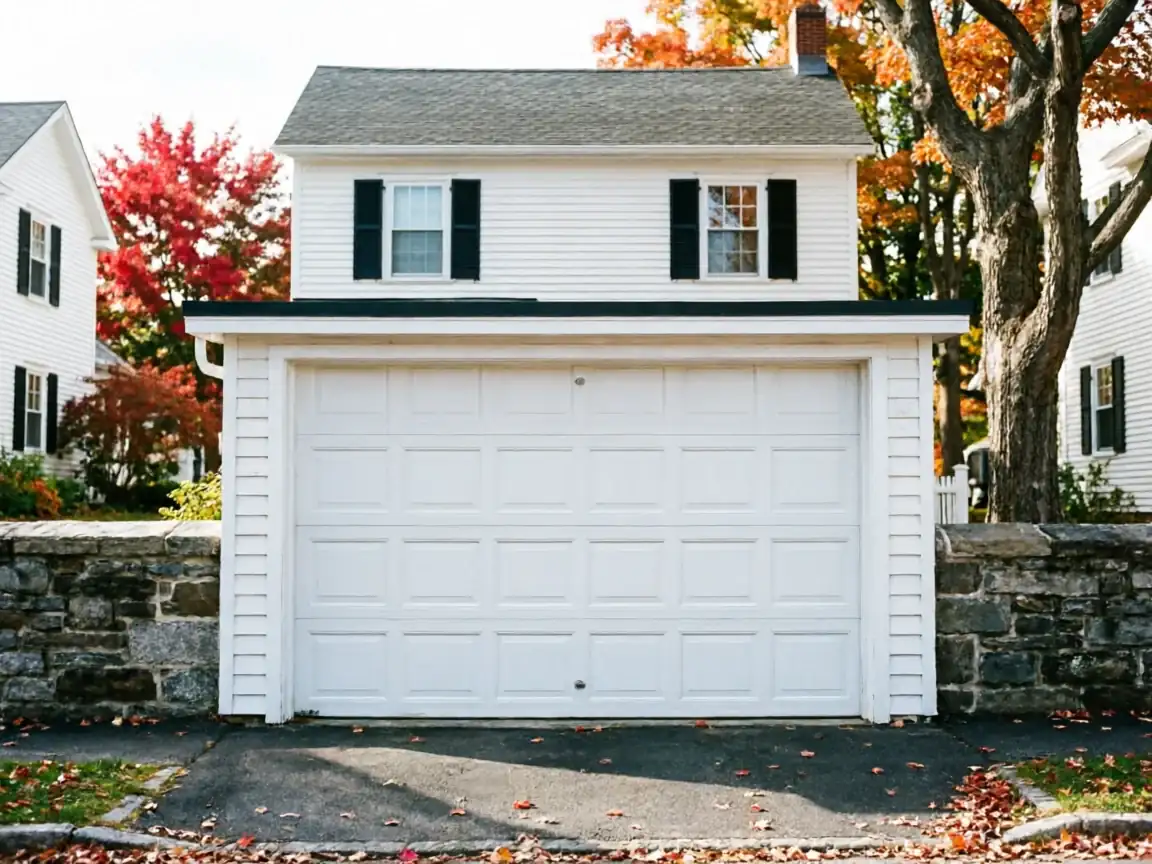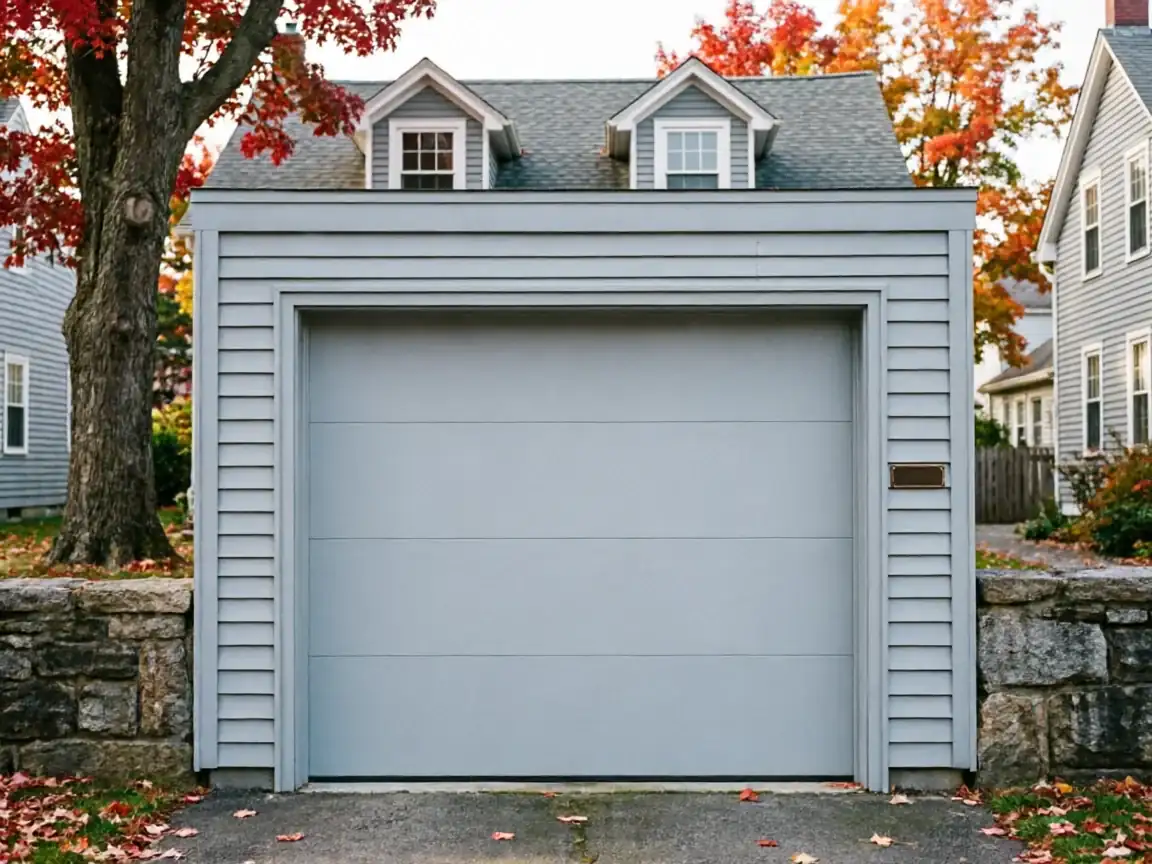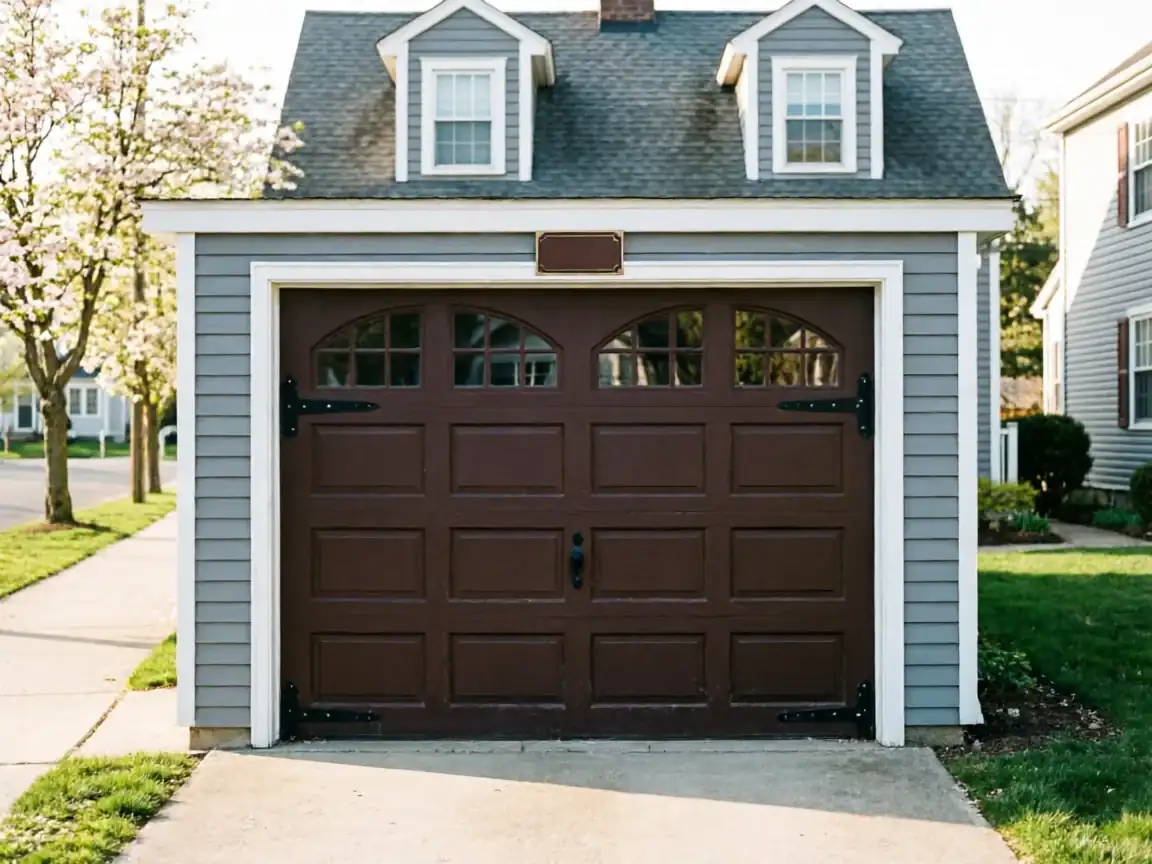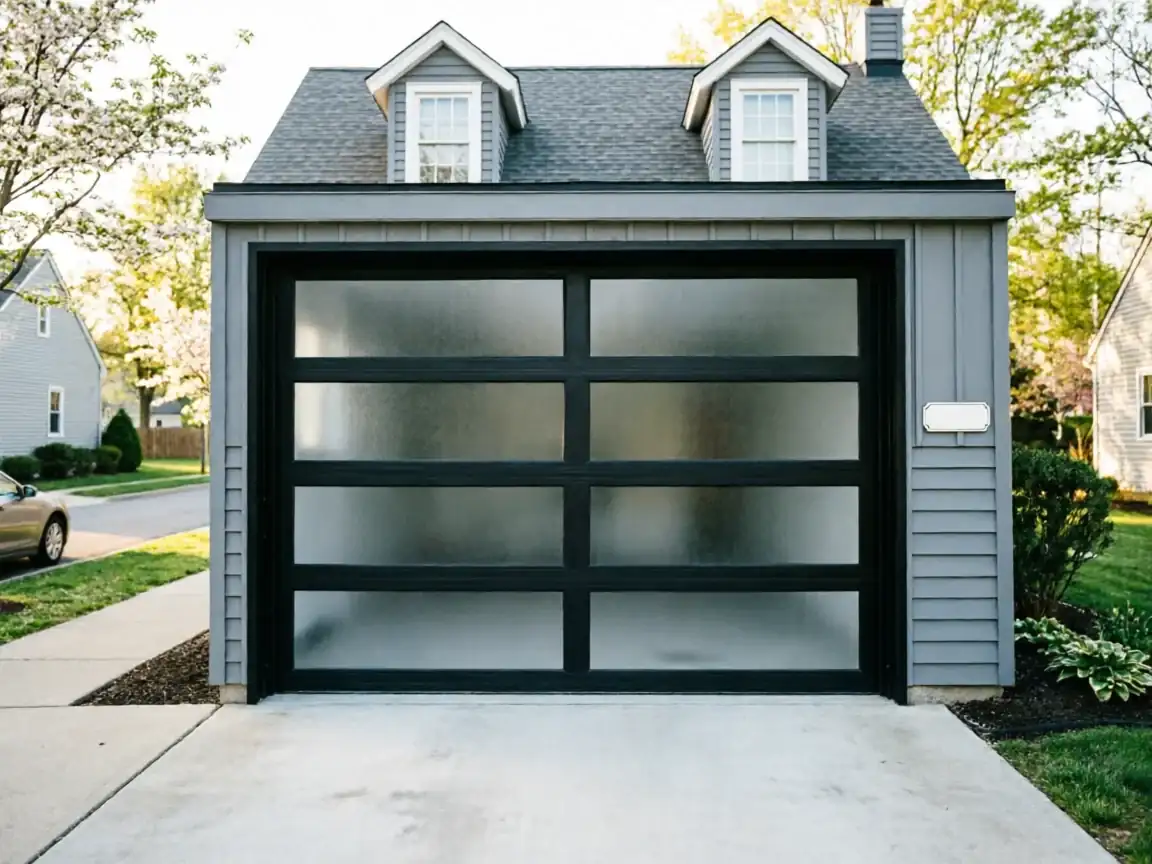
How We Fix It
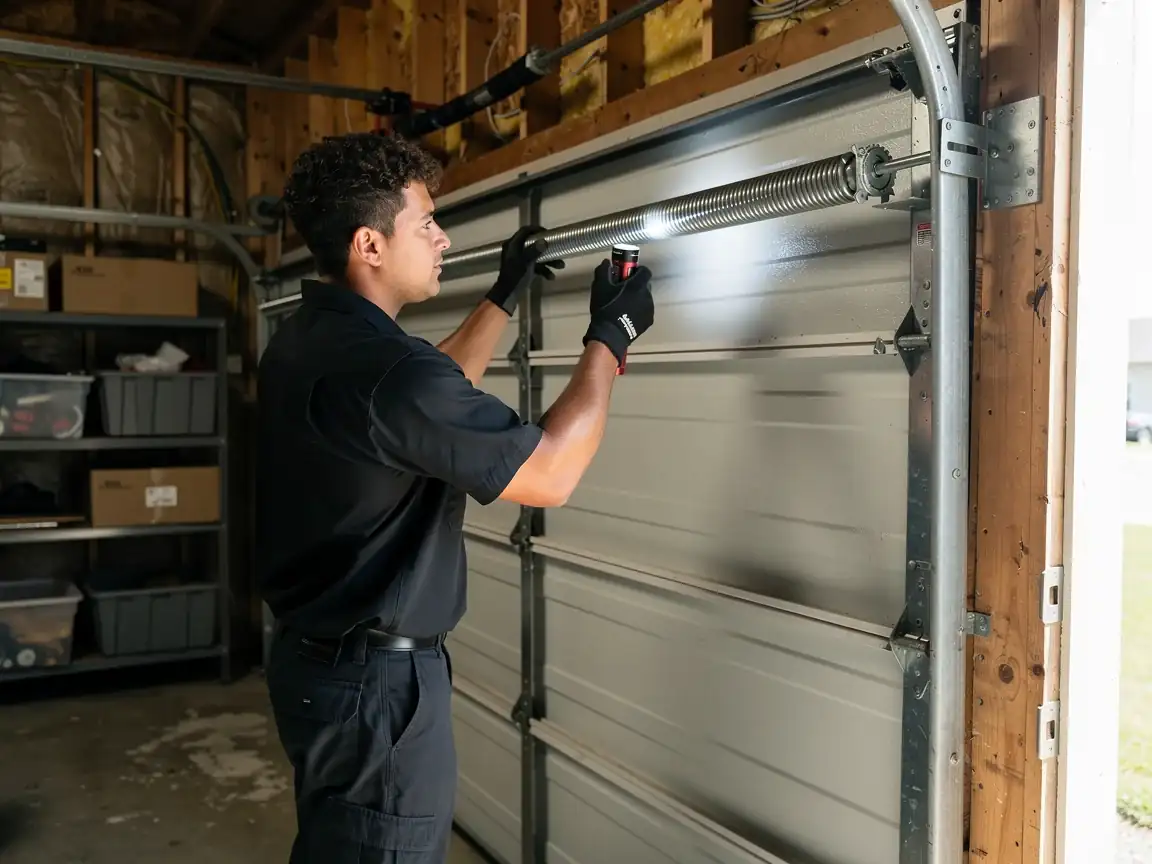
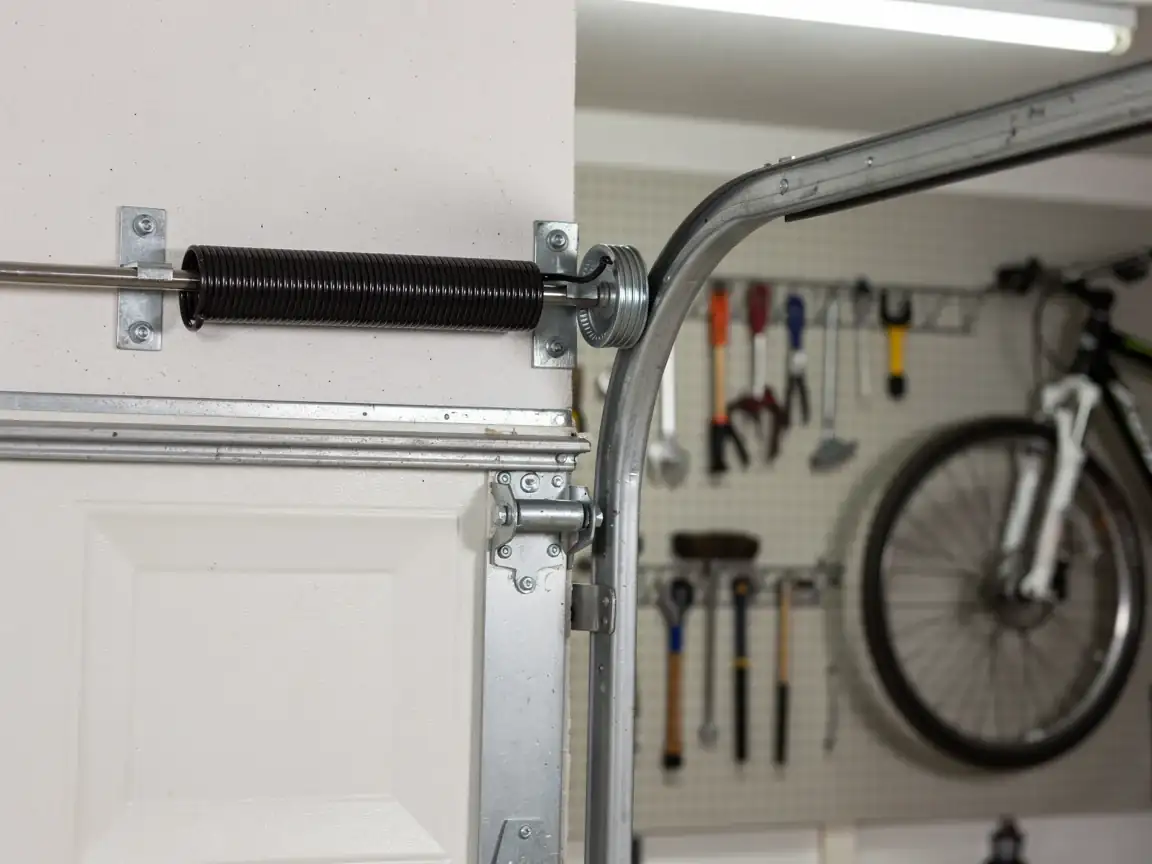
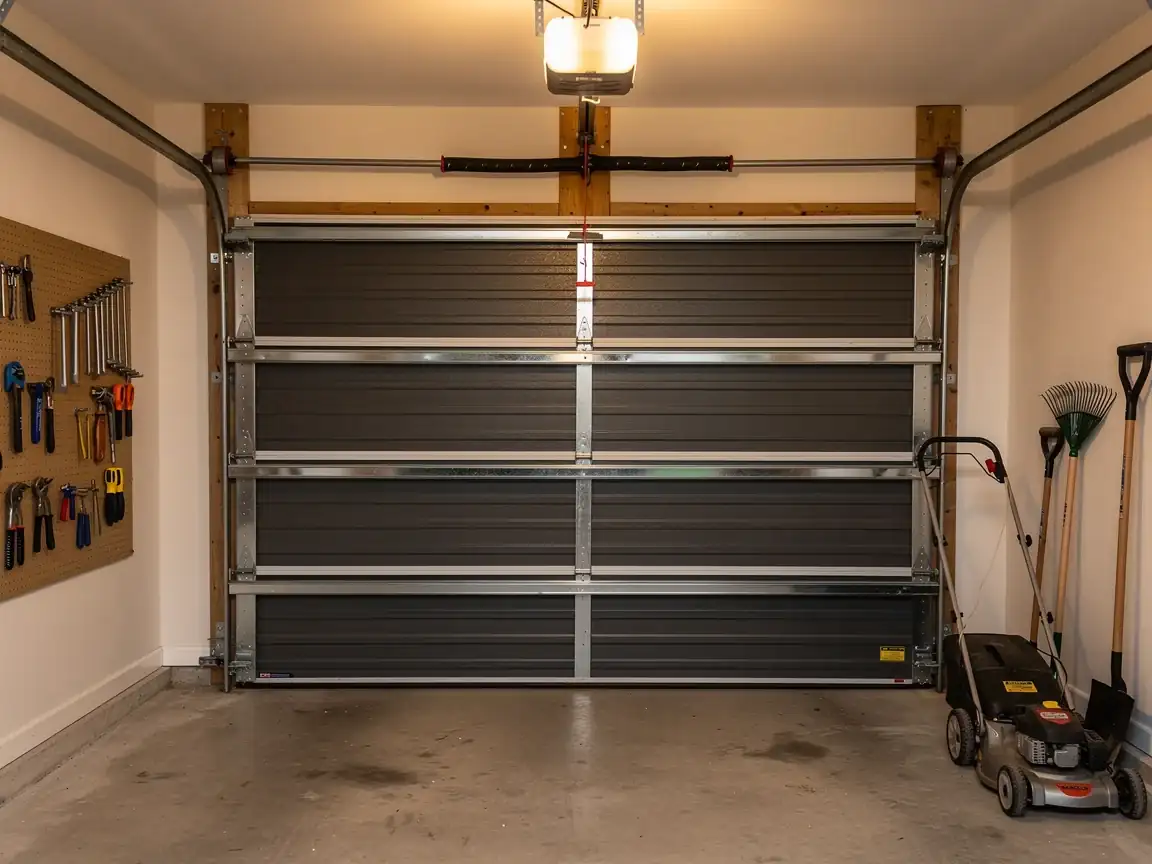
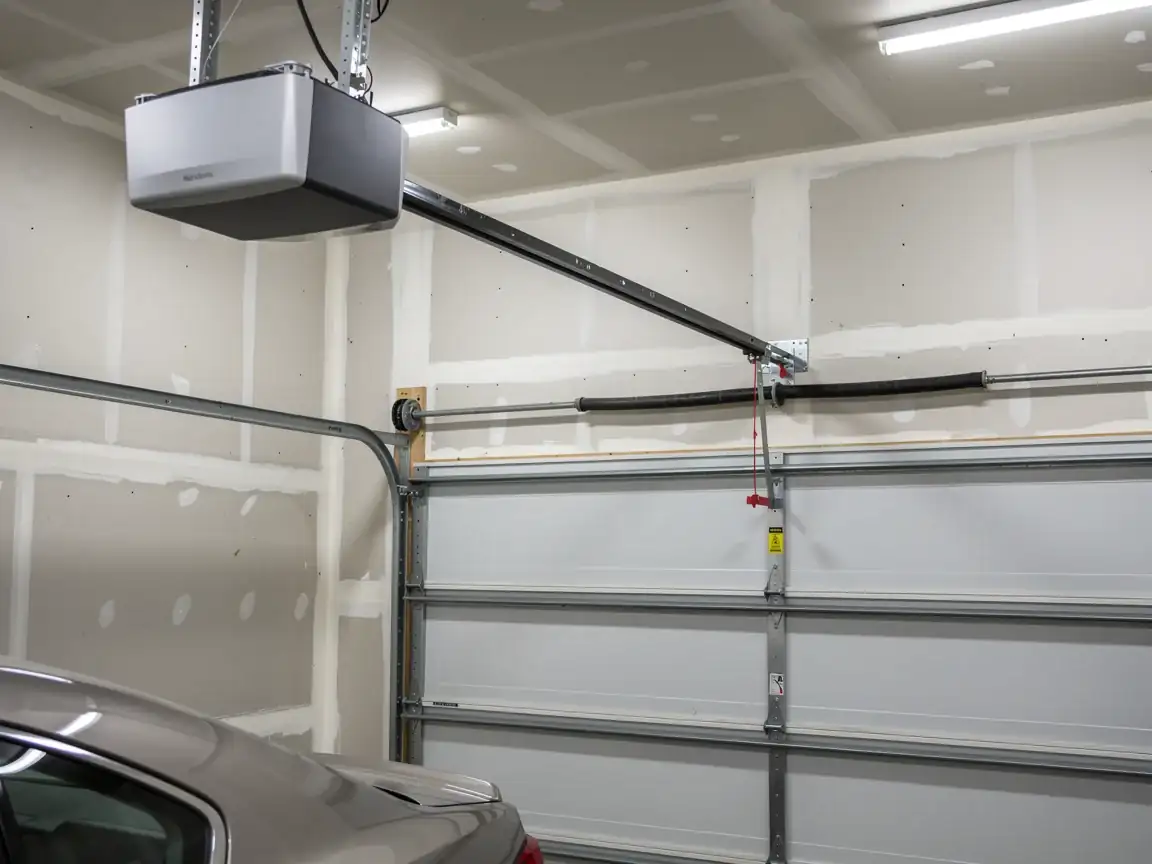
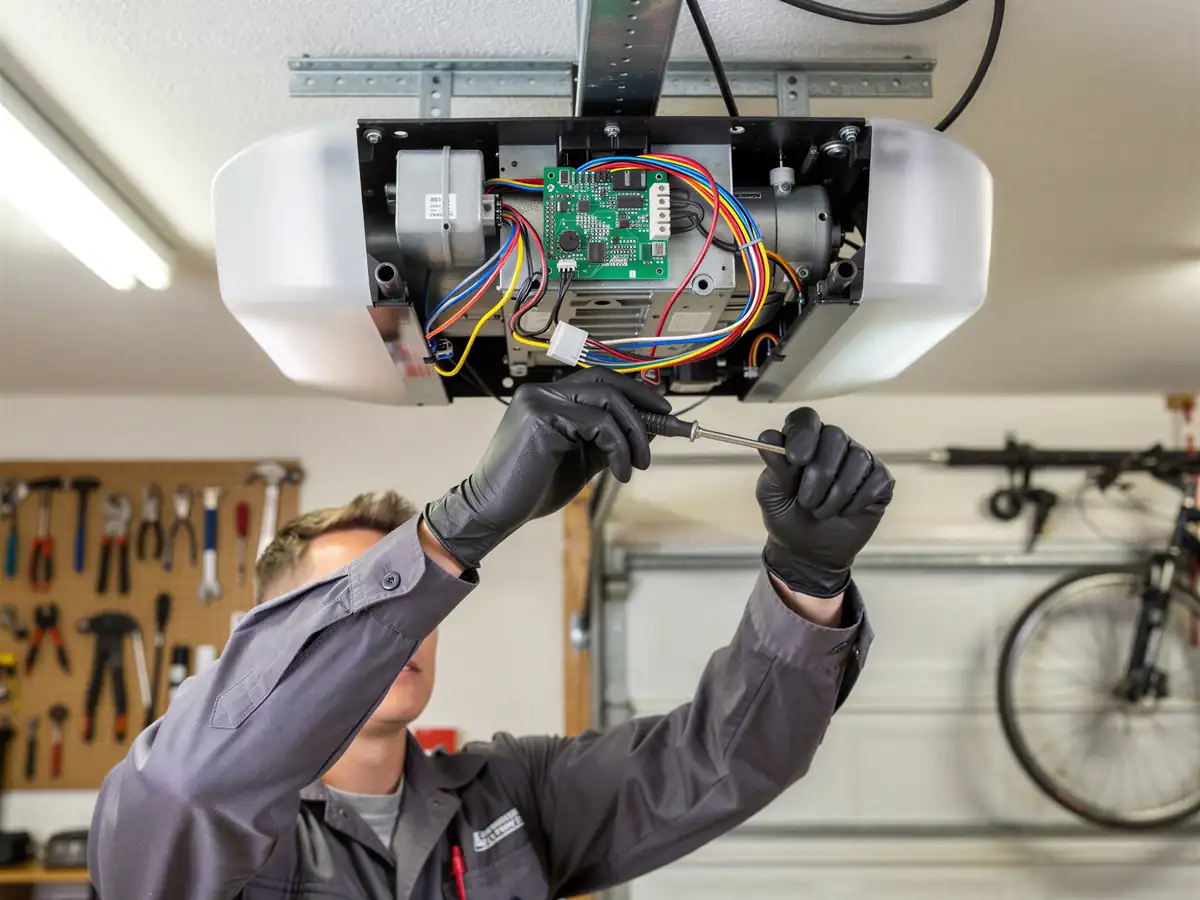
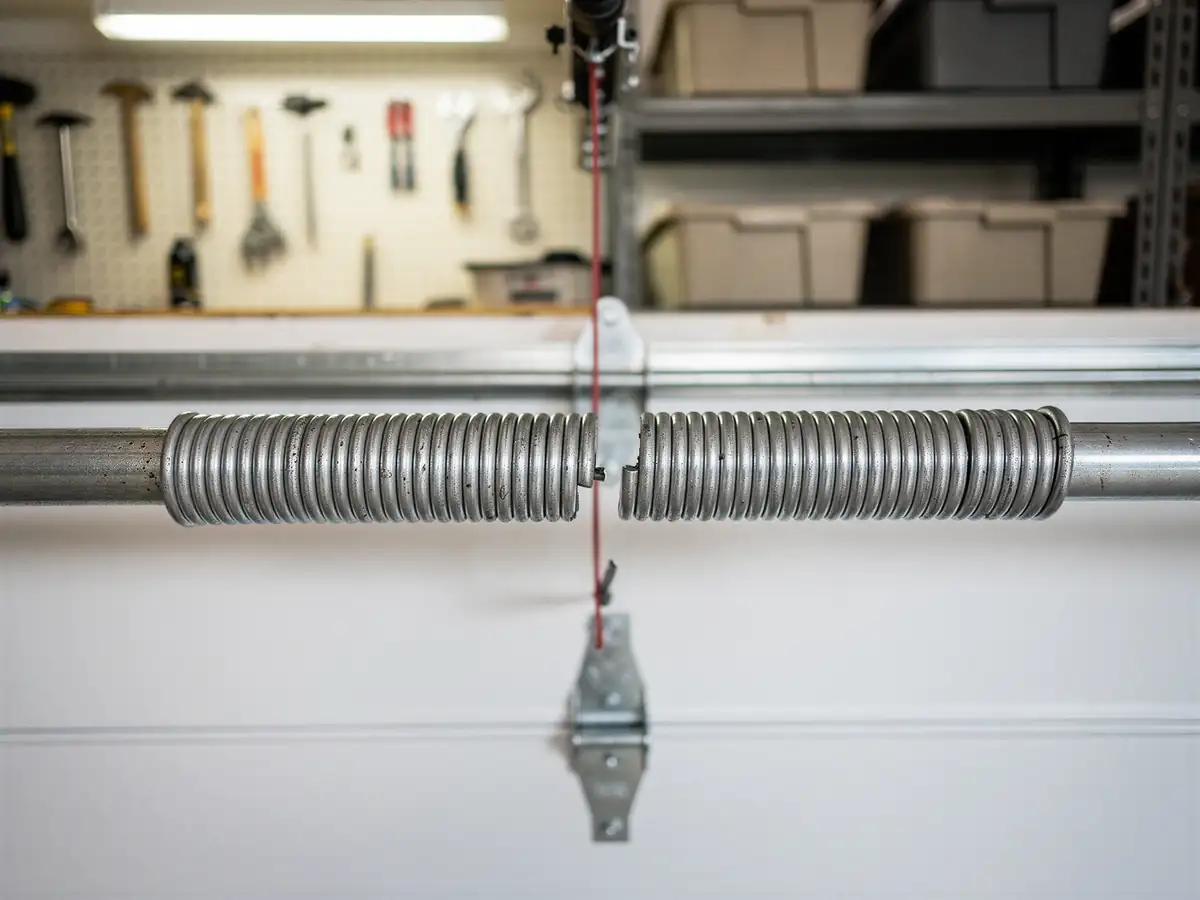
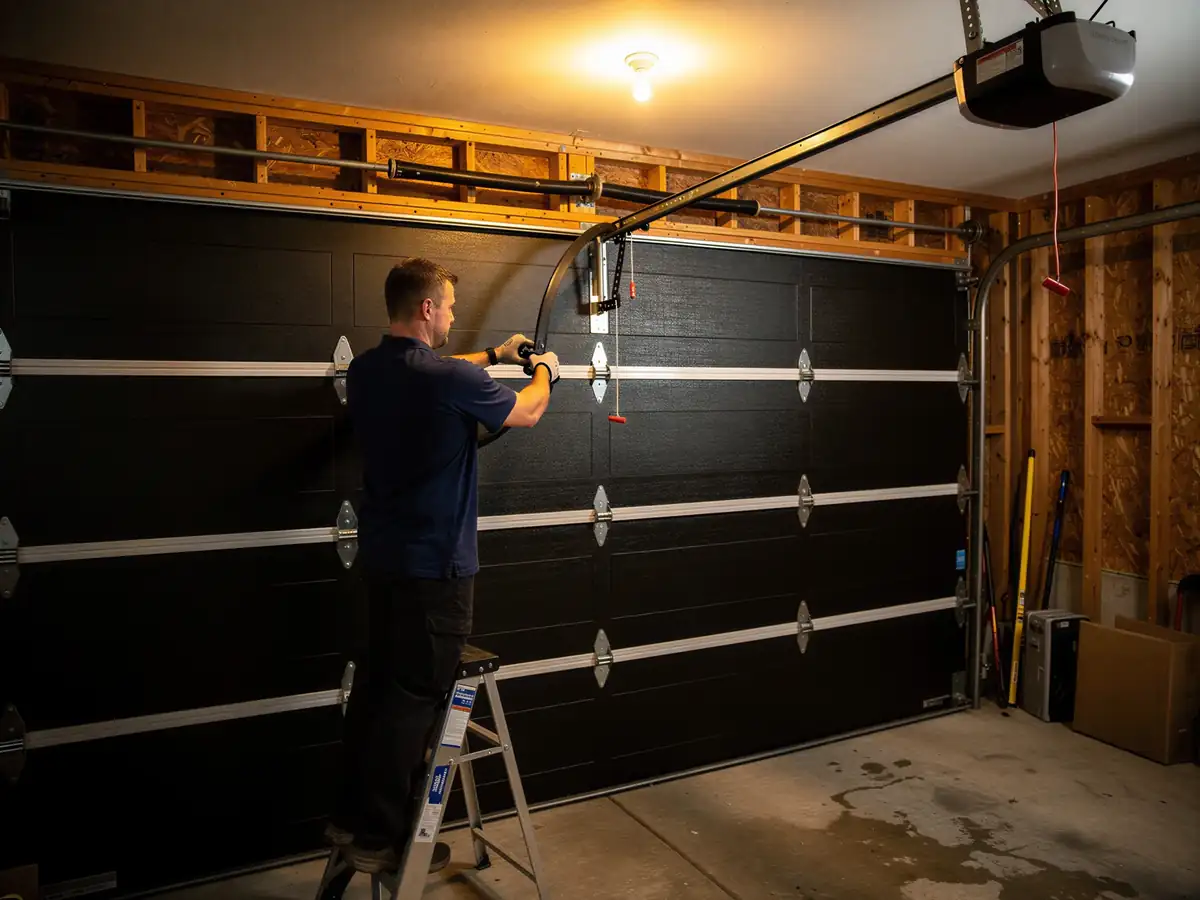
When you call for an opener install, the first thing we check is the door itself, not the motor. A lot of the housing stock in this area went up between 1938 and 1985, with a median build year around 1950, and that means the garage framing, header height, and door weight weren't engineered with a modern opener in mind. We size the unit to the door - torsion spring doors need a different horsepower and travel setup than the older extension-spring doors still common on pre-1960 garages. For a double door on an older torsion system, we often have to reinforce the top panel or swap the mounting bracket before the opener ever goes on the header. We run the install on a dedicated circuit where the garage has one, and we set the travel limits and force settings by hand rather than trusting the factory default, because on an older frame that default setting is usually wrong. Every install gets a safety reversal test with a 2x4 under the door before we leave, and we walk you through the wall control and the manual release. We don't push a smart opener on every job - if your panel is on its way out, we'll say so before we sell you a motor to hang on it.
What Causes It Around Here
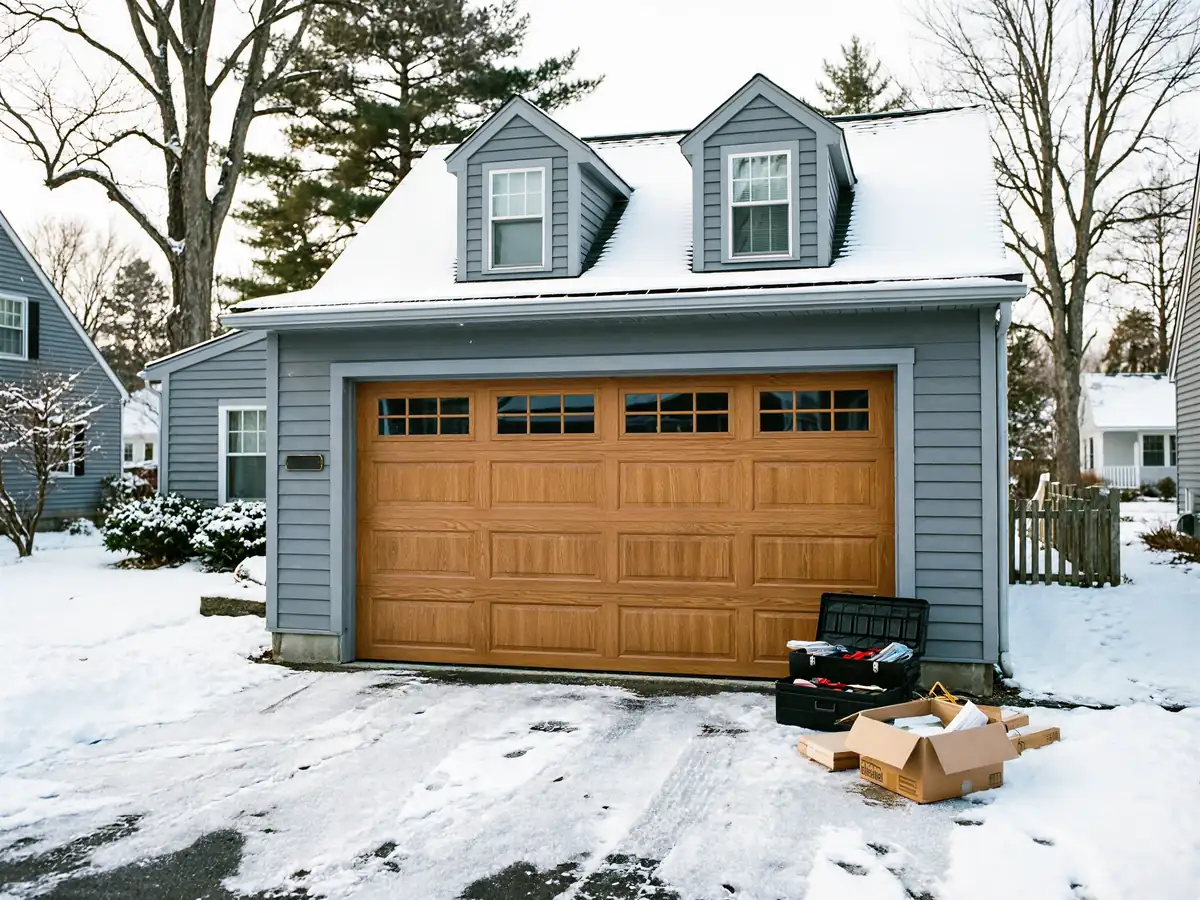
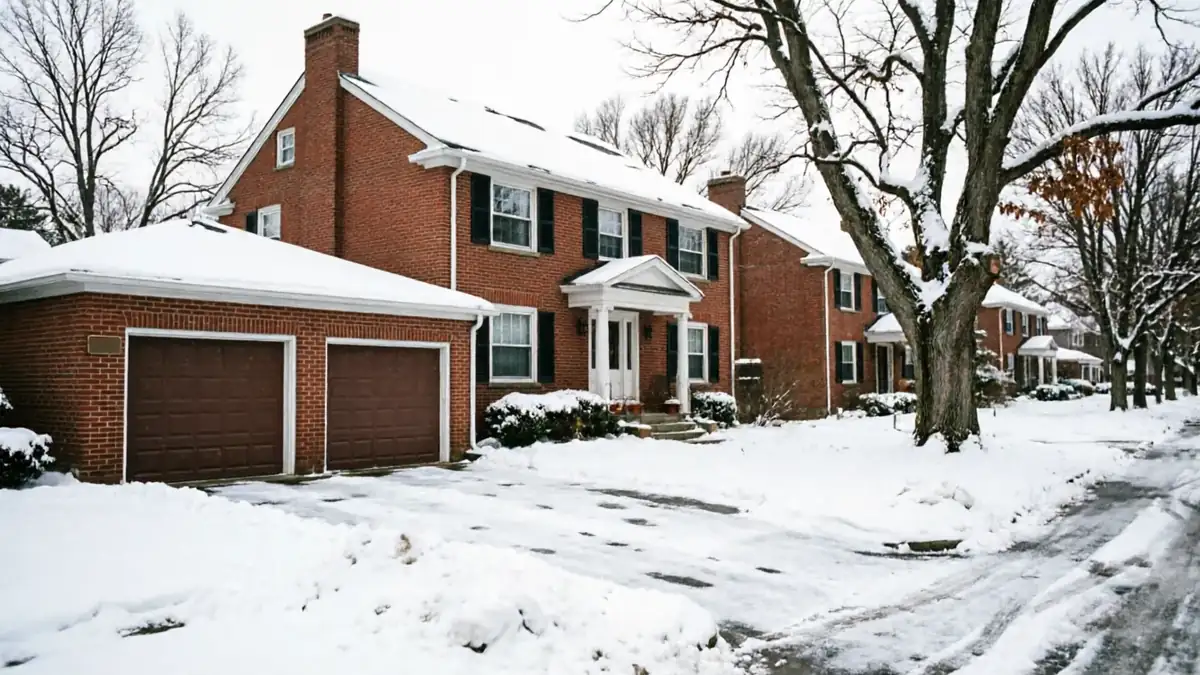
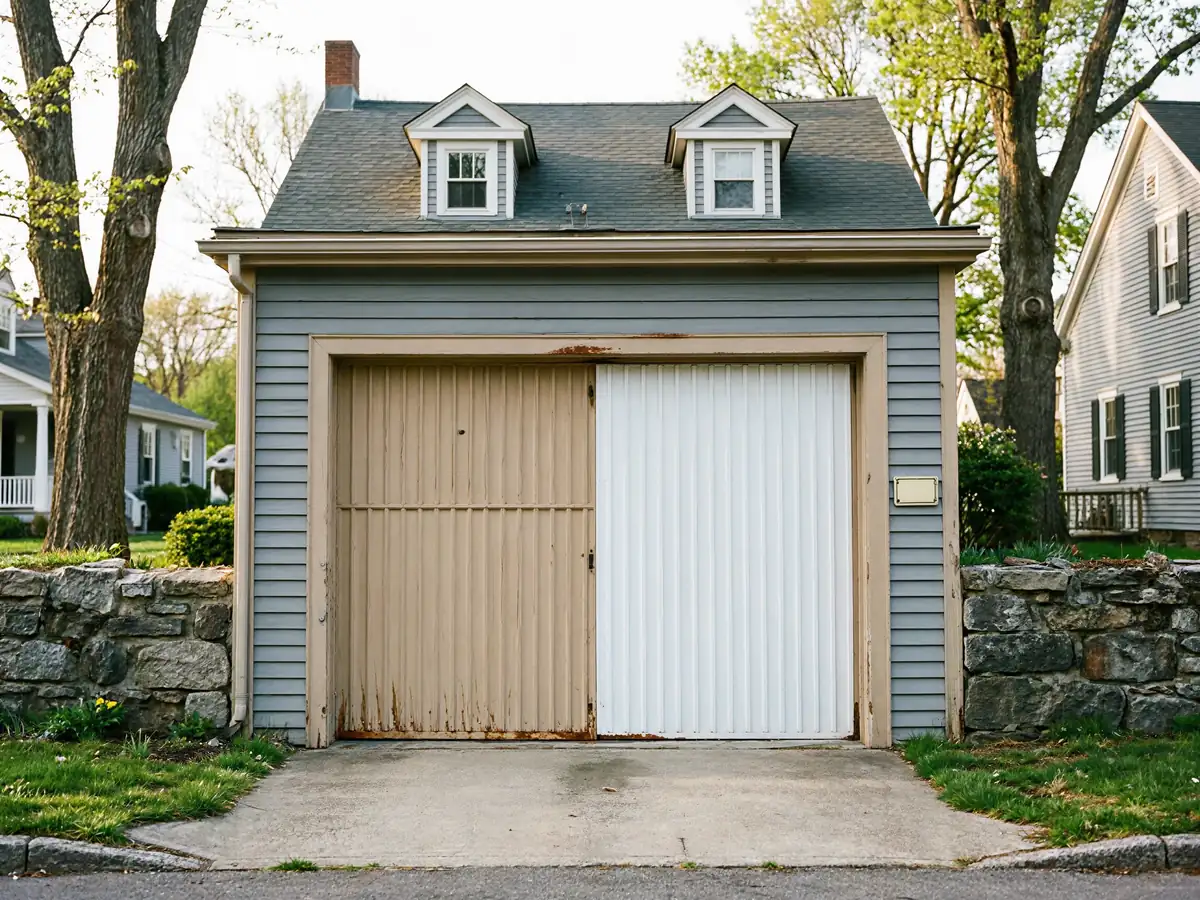
Two things drive opener failures and opener installs across this area: age of the housing stock and the cold. With most garages built before 1960, a lot of the openers we're replacing are second or third units on the same door, mounted on brackets and header boards that have already flexed once. The cold is the other half of it. This area sits in a severe cold climate band, and a chain-drive or belt-drive opener that's fine in a heated attached garage struggles in a detached, unheated one once the grease in the gears stiffens up below freezing. We see openers that trip their force sensors every cold morning because the door itself is dragging on frozen weatherstripping or a track that's picked up ice, and the opener gets blamed for a problem that starts with the door. Across the roughly 44,000 owner-occupied houses in this service area, a good share are detached garages sitting unheated through the winter, which is exactly the setup that burns out a residential-grade opener motor early. We size and gear openers for that condition rather than for a mild-climate catalog spec.
What You Are Seeing
If you're searching for an opener install rather than an opener repair, you're usually looking at one of a few things: a chain or belt that's finally stripped after years of cold-weather strain, a motor that runs but won't lift the door past a few inches, or a door that's being replaced and needs a new opener sized to match. On older homes in this service area, we also get calls from people replacing an opener that's simply outlived the door hardware around it - a 20-year-old chain drive paired with original torsion springs from the 1950s. If your remote works intermittently but the wall button is reliable, that's usually a signal issue, not a reason for a full opener swap. We'll tell you straight if your existing unit just needs a logic board or sensor instead of a whole new motor - replacement makes sense when the drive mechanism itself is worn out, not just the accessories hanging off it.