How Local Conditions Play In
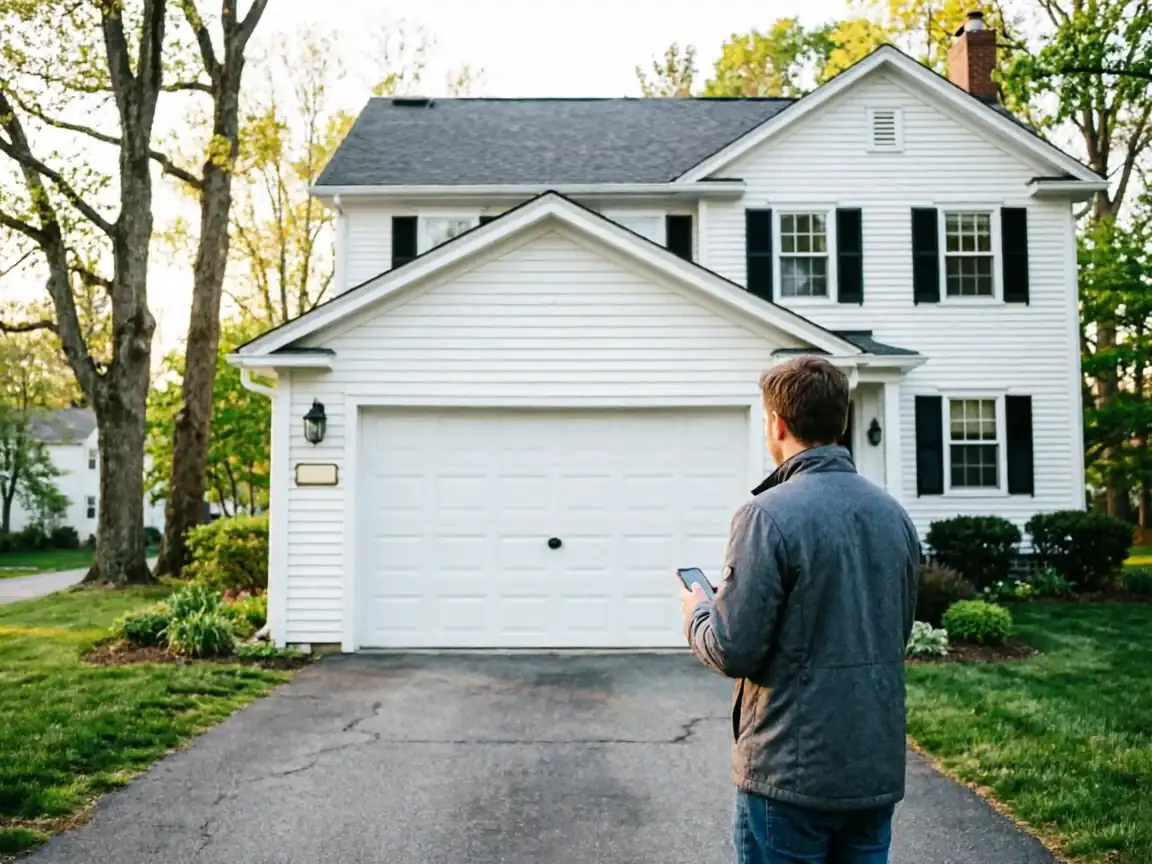
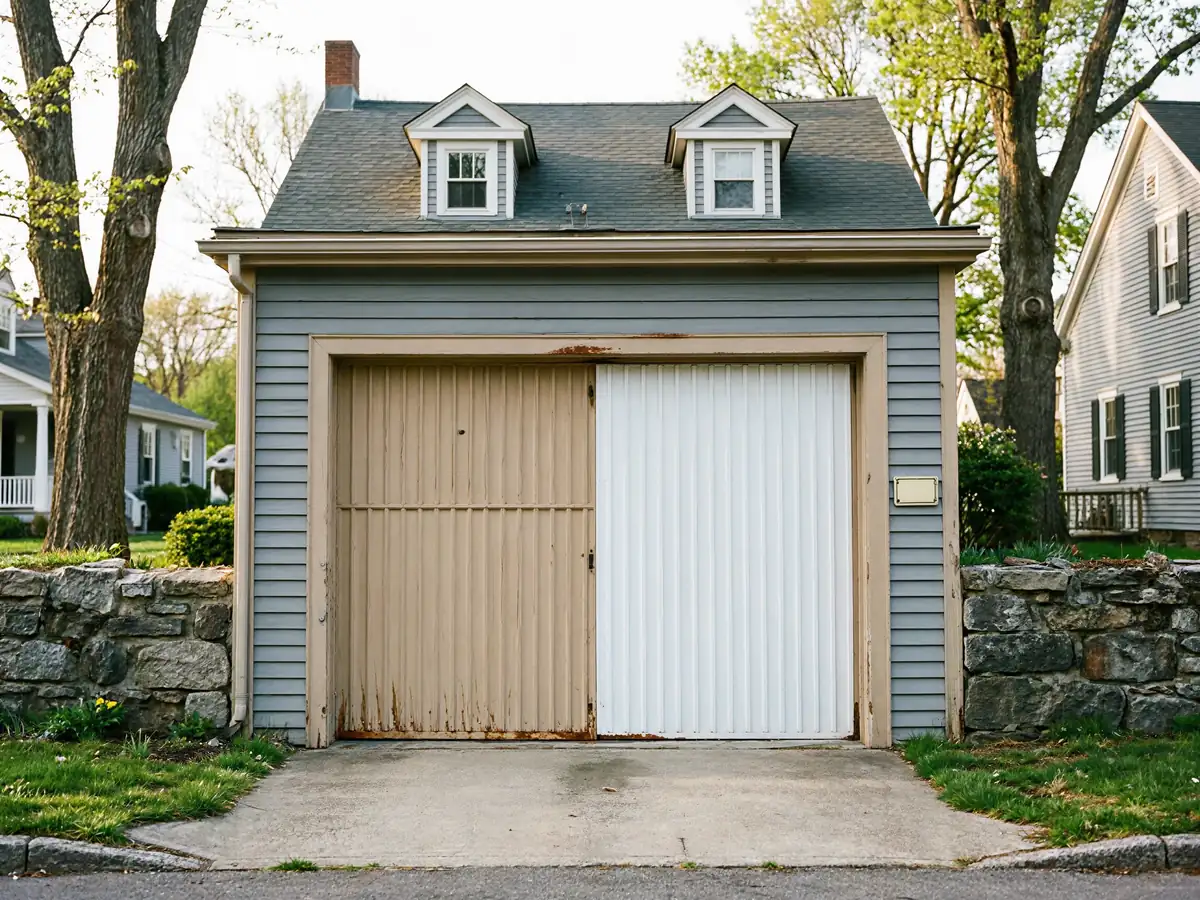
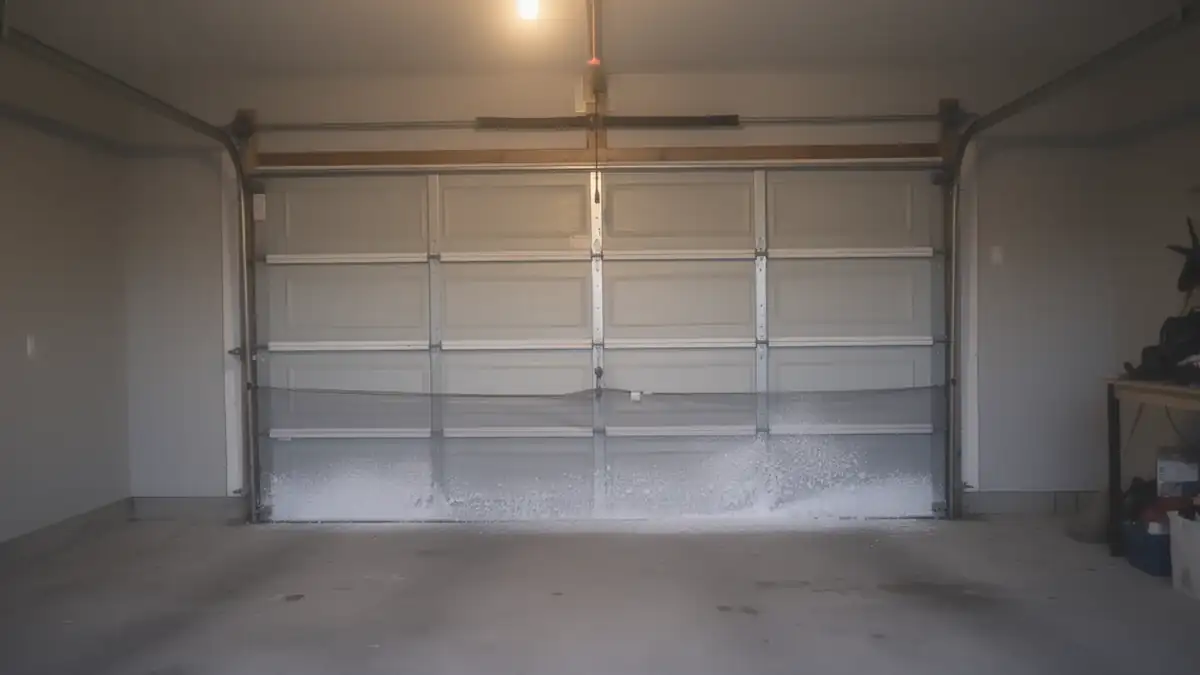
Greensburg's housing runs old, median build year 1950, with most of the stock going up between 1938 and 1985 and the bulk of it from before 1960. Doors from that era were hung before anyone wrote an energy code that cared about a garage. The panel itself is often a single layer of steel or wood with no foam core, and the weatherstripping, if it's there at all, is the original bead, cracked and flat from decades of winters.
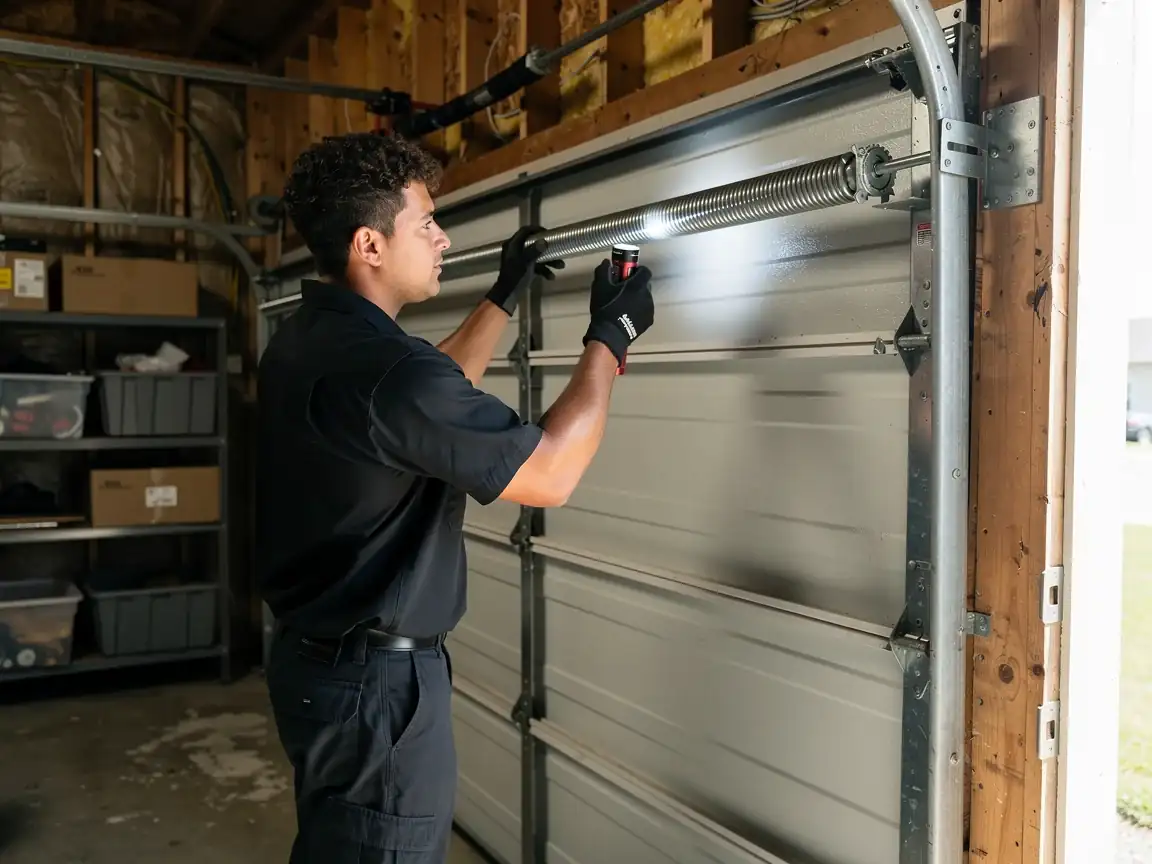
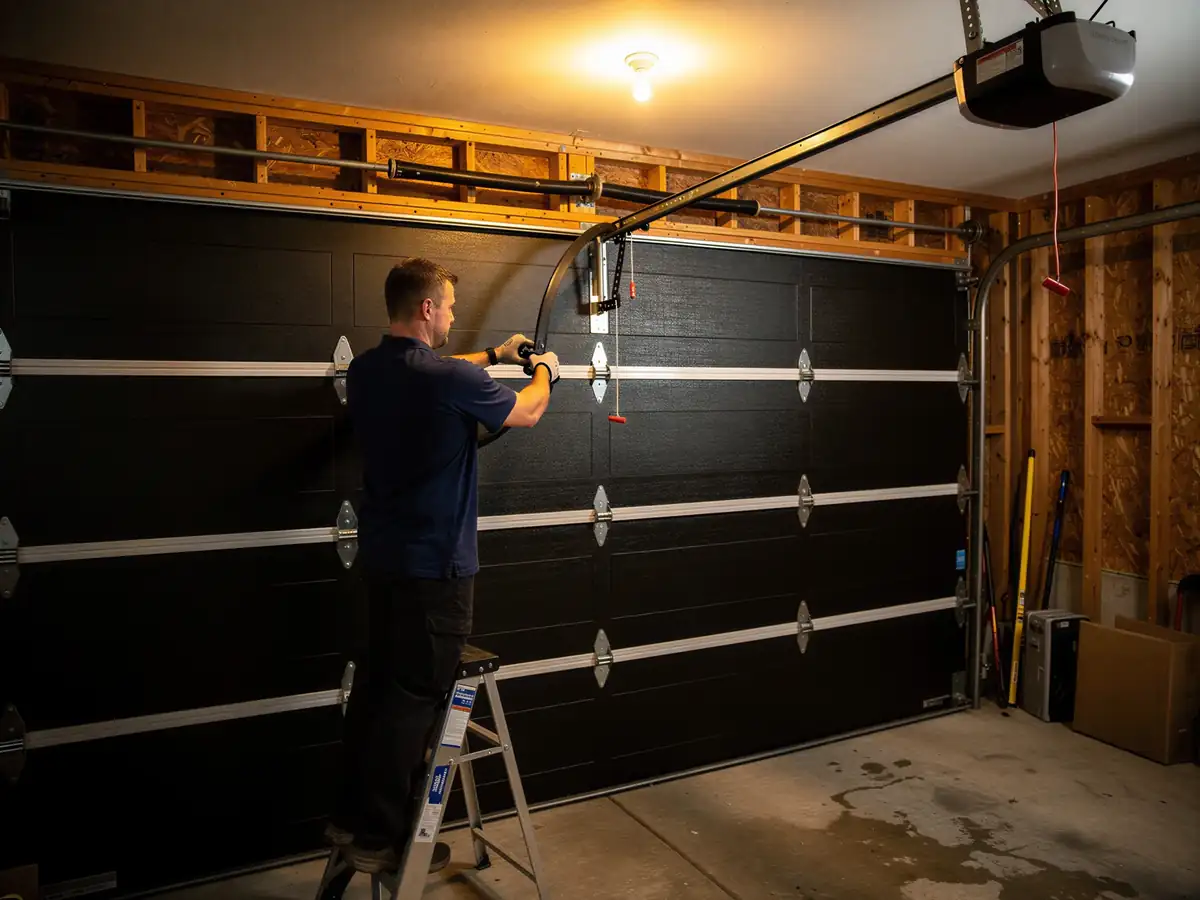
That matters here because this is a cold-severe climate band. A door with no insulation doesn't just let heat out of the garage - on an attached garage it drags the temperature of the shared wall down, and it puts more swing-weight stress on a torsion spring that's already sized for a lighter, newer door. Springs on these old setups work harder every cold cycle than a spring on a 2015 insulated steel door would. The hardware ages faster because the house around it was never built with this part of the job in mind.
If your door is original to a house from that build window, the spring and the opener are usually fighting conditions they weren't designed for, not just getting old.
When Waiting Is Fine
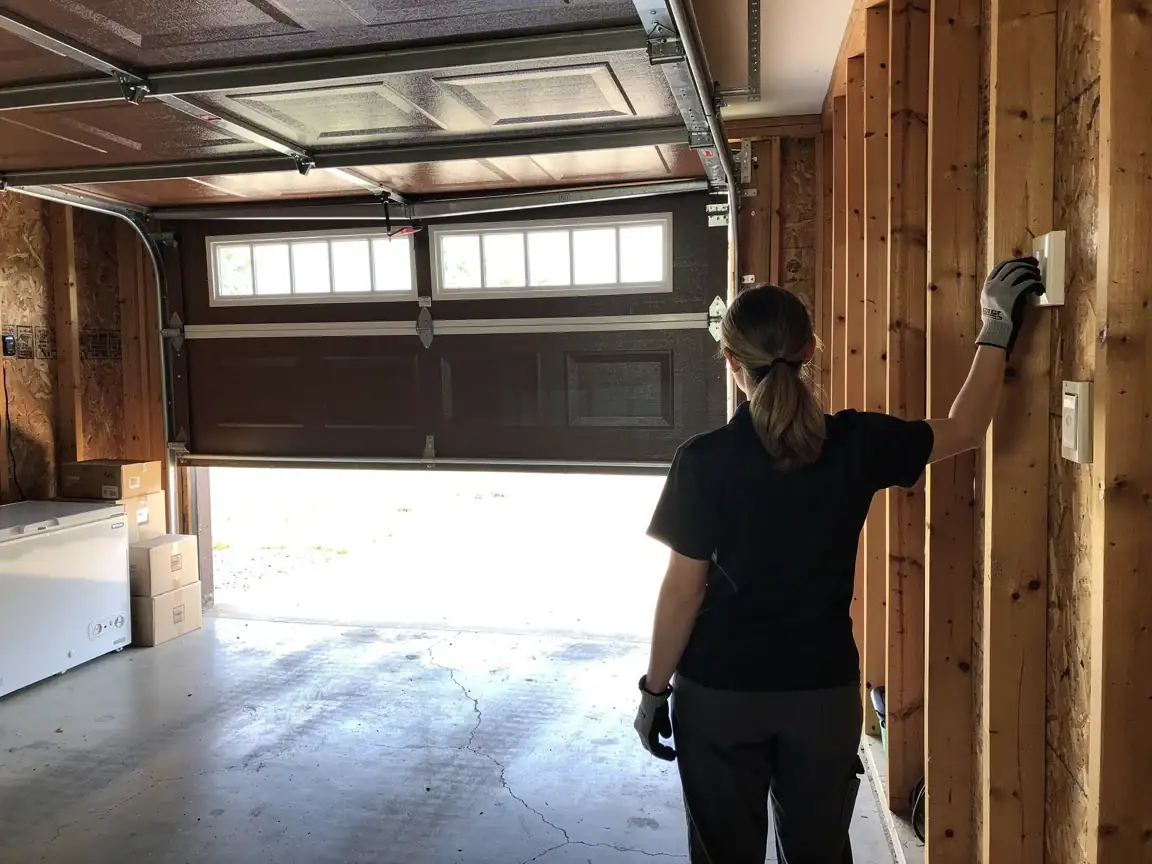
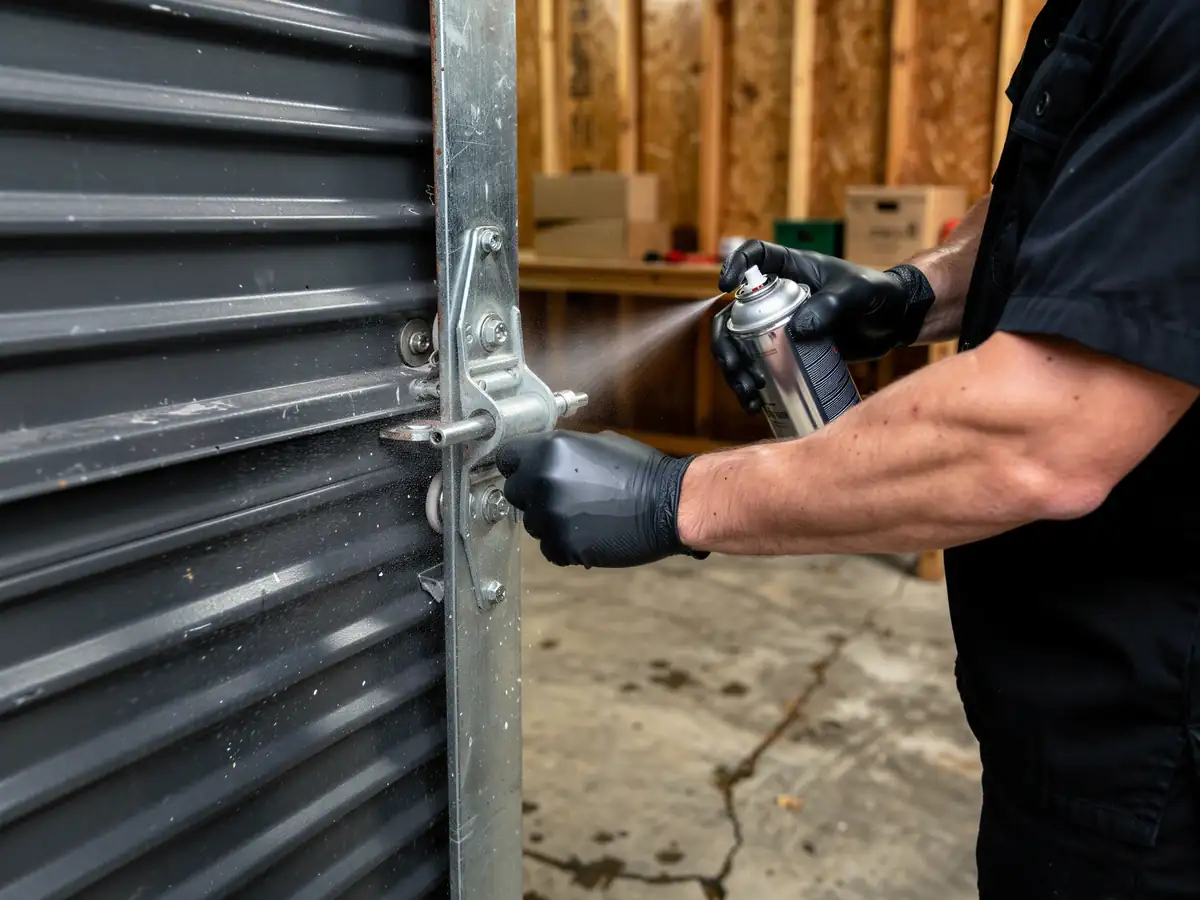
Not every symptom on an old Greensburg door means you need a truck out today. If the door is slow to respond to the opener on a cold morning but moves fine by afternoon, that's often just stiff old lift cable and hardened lubricant reacting to temperature - lube it, watch it, it can wait a week. A little daylight at the bottom seal on a door from the 1950s or 60s is usually warped wood or shrunk rubber, not a structural problem, and it can sit on a list until you're doing other work.
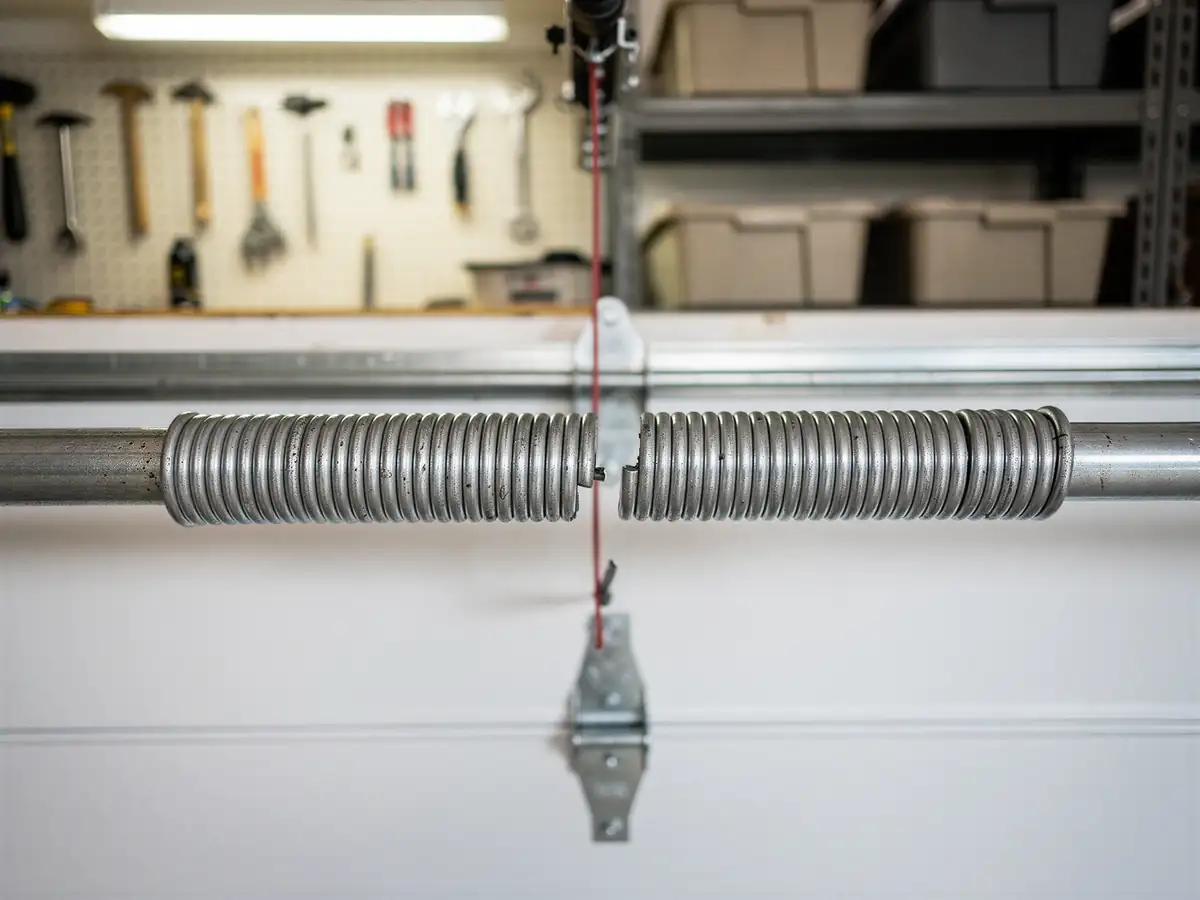
What can't wait: a spring that's visibly separated or a cable that's frayed. On an uninsulated panel with a heavier door weight, a spring failure comes on faster and the door drops harder than it would on a lighter modern door. That's not a maintenance item, that's a call-today item.
What Most People Get Wrong
The common mistake on a pre-1960 Greensburg door is treating the insulation problem as a weatherstripping problem
People replace the bottom seal, feel the draft ease off a little, and think they've fixed it. The seal was never the main leak - the panel itself, with no foam core, is the leak. You can seal every edge on a solid steel slab from 1955 and it will still radiate cold into the garage all winter, because the metal itself has nothing stopping the transfer.
The other mistake is assuming the original hardware was built for the door's current weight
Decades of added trim, a heavier opener retrofit, or a storm-damaged panel swapped in without matching the spring rating all shift the load without anyone checking if the torsion spring is still correct. On a house built in that 1938-1985 window, original hardware paired with a mismatched panel is one of the more common reasons these older doors fail springs early.
The Situation
We don't carry foam-core retrofit kits that actually solve the insulation gap on an old slab door - that's a straight swap to an insulated steel door, not a patch job, and we'll tell you that up front rather than sell you a seal kit that won't move the needle. For a lot of these houses, once the door and spring are original to a build from the 1950s, replacement is the honest answer, not repair.
Greensburg's housing stock - most of it from before 1960, almost all of it from before 1985 - means a big share of the doors we look at locally were never built to a modern energy or wind-load spec. We work across the towns near here too: Jeannette, Youngwood, Irwin, Latrobe, and the rest of the service area out to about Turtle Creek, and the same build-era pattern holds across most of it. Median household income in the service area runs around $55,909, and that number shapes a lot of these calls too - most people want the repair that gets another five winters out of a door, not a full tear-out, until the hardware makes that impossible.