How Local Conditions Play In
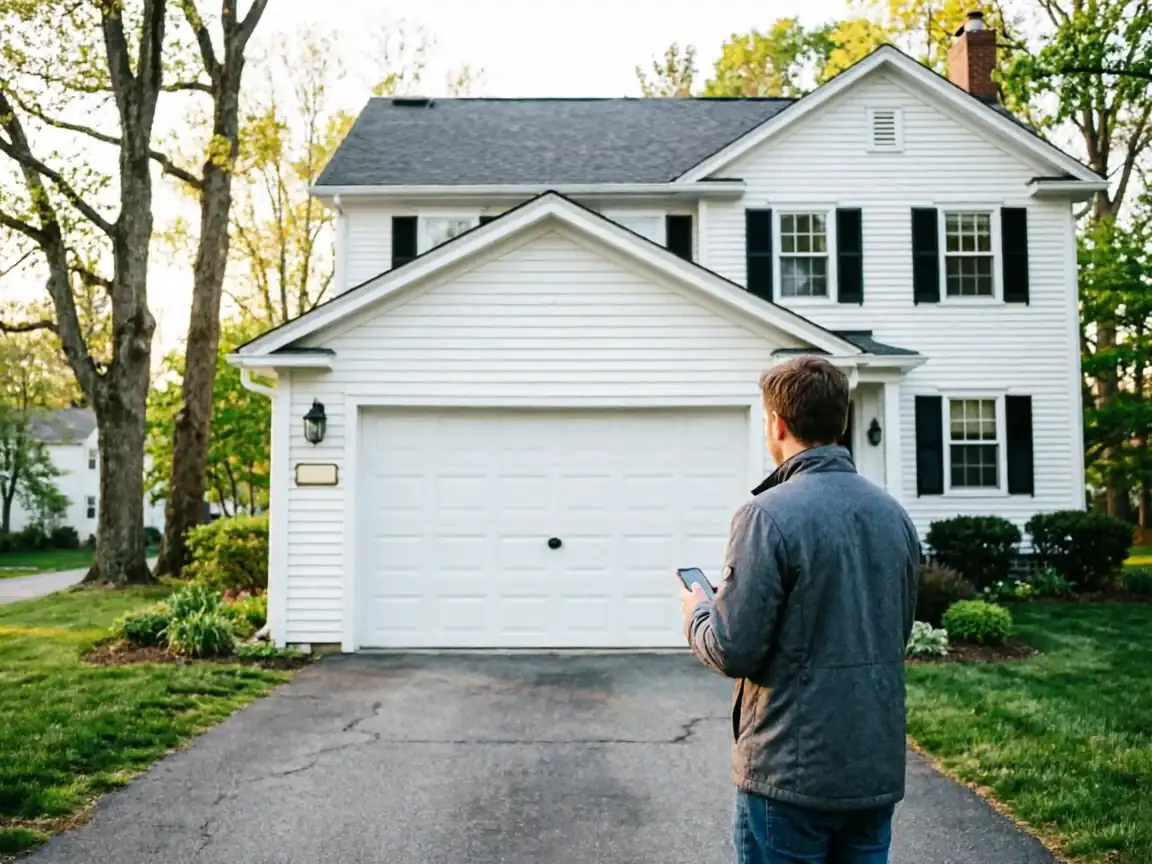
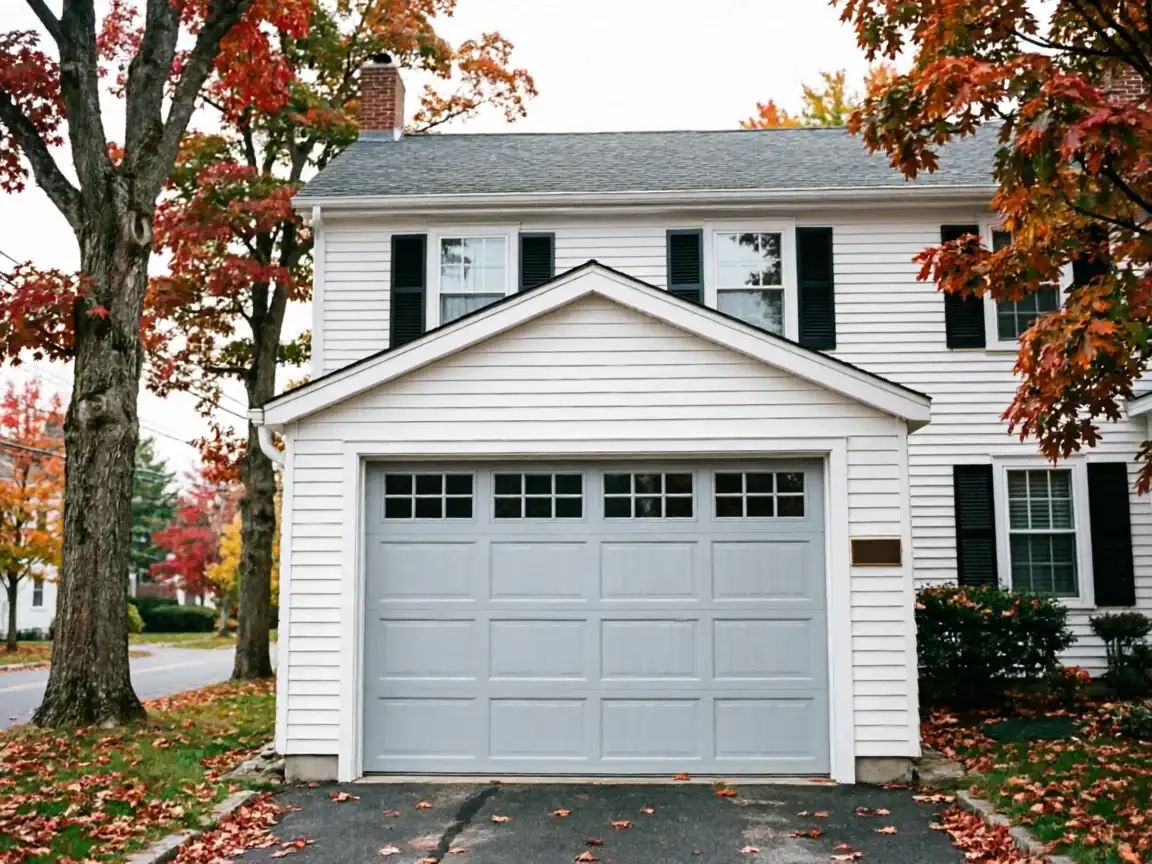
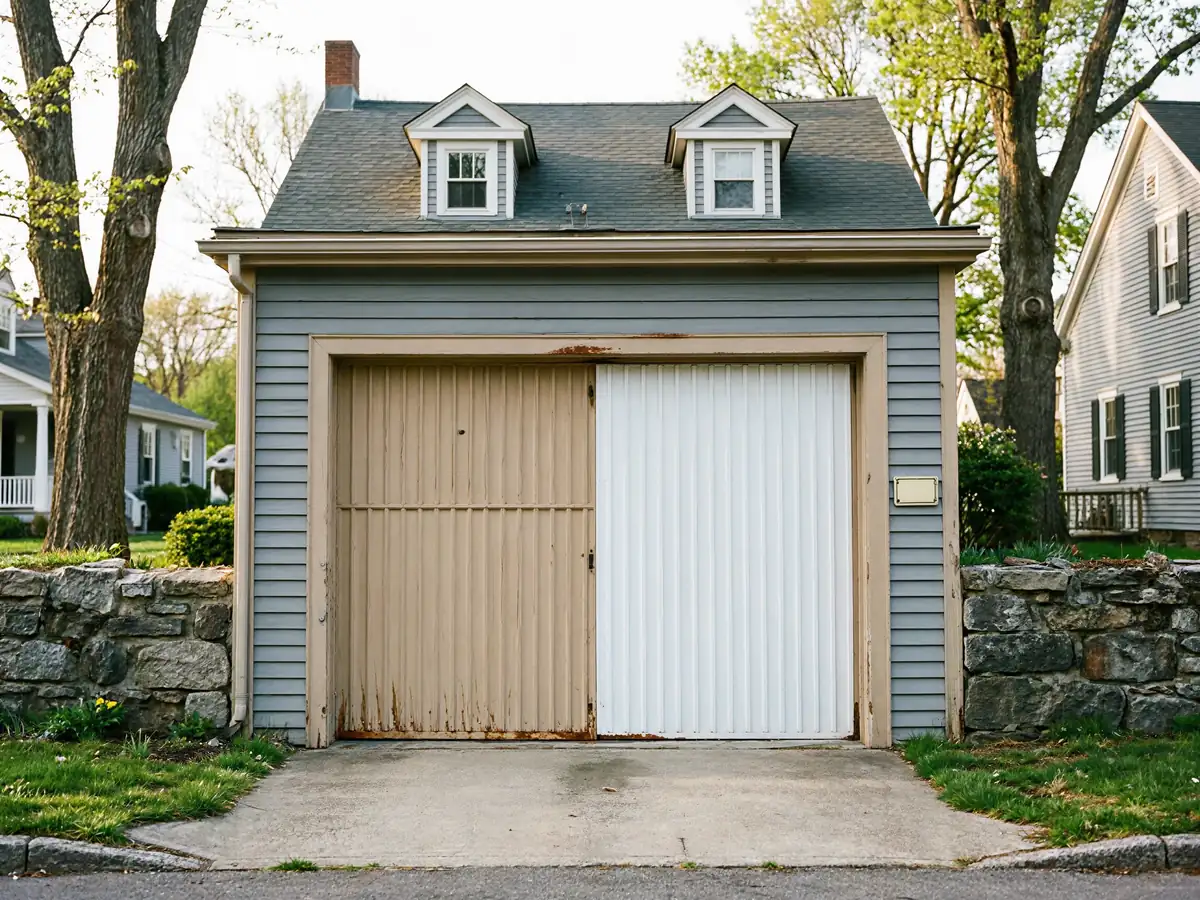
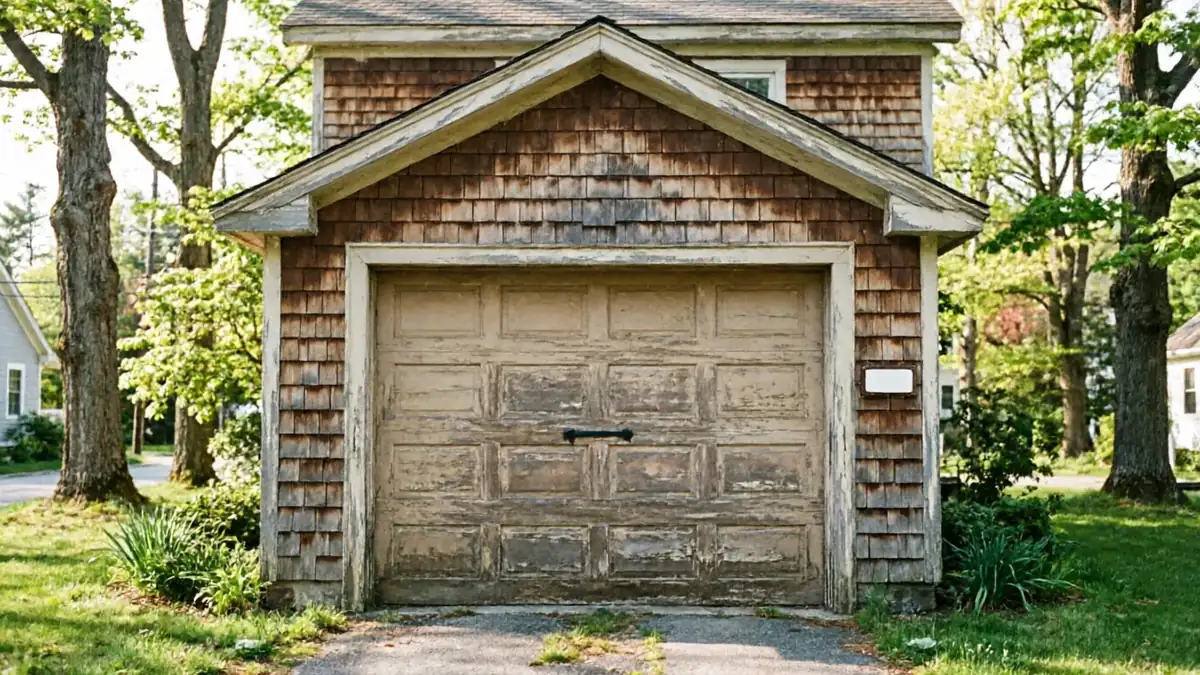
Most of the housing stock around Greensburg went up between 1938 and 1985, with the median build year sitting around 1950. That means a lot of doors and openers out there are original, or close to it, on houses that were never built with a modern double-car opening in mind. Across the 53 named areas we cover, the pattern holds the same way: pre-1960 construction is the rule, not the exception.
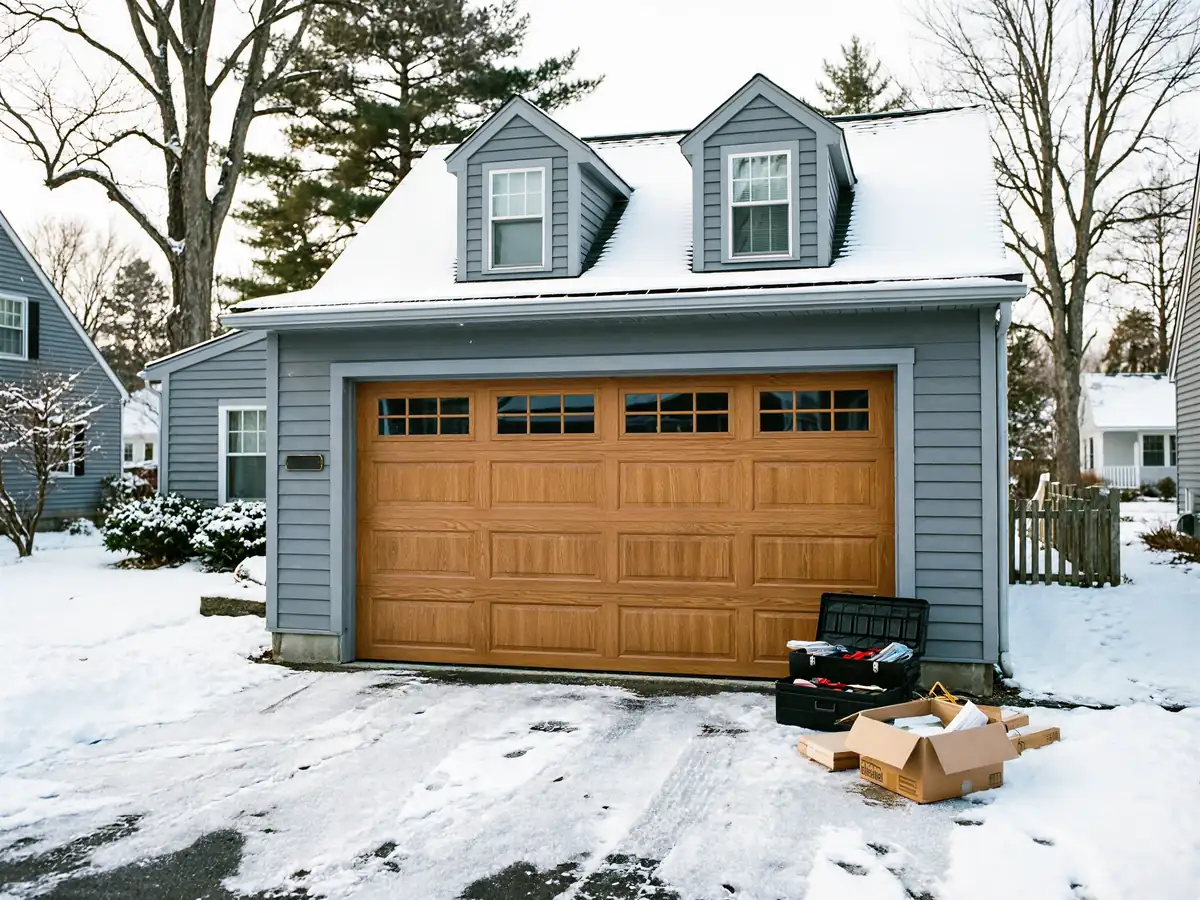
Greensburg sits in a climate band the federal data calls cold and severe. That matters for a garage door in a way it wouldn't in a milder spot. Steel panels on a 1950s-era door have gone through seventy-plus winters of freeze and thaw, road salt tracked in on tires, and the kind of temperature swing that makes lubricant gum up and springs lose tension faster than the manufacturer ever rated them for. A torsion spring rated for a certain number of cycles doesn't know it's old - it just breaks, usually on the coldest morning of the year when you need the door most.
So when we look at a door here, age isn't just a number. It's a question of how many winters that steel and that hardware have actually taken.
When Waiting Is Fine
Not every issue on an old door needs a truck today. A slow opener, a door that's a little noisy on the track, a weatherstrip that's cracked but still sealing - none of that is an emergency, and we won't tell you it is.
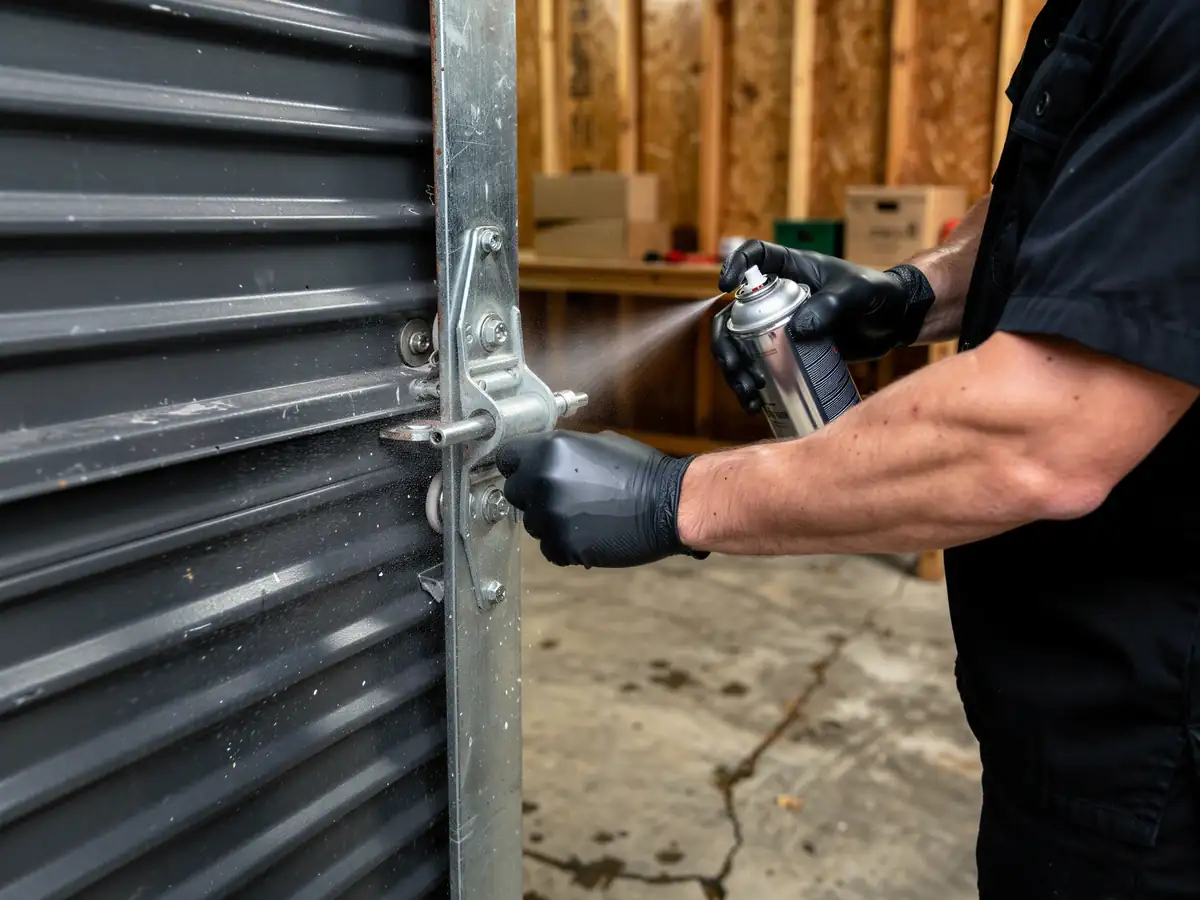
With a median household income of $55,909 across the service area, we know most people here aren't looking to sink money into a door that's still doing its job. If the door opens, closes, and seals, and the only complaint is cosmetic rust on a panel or a stiff hinge, that's a maintenance call, not a replacement decision. Grease the rollers, check the cable, move on with your week.
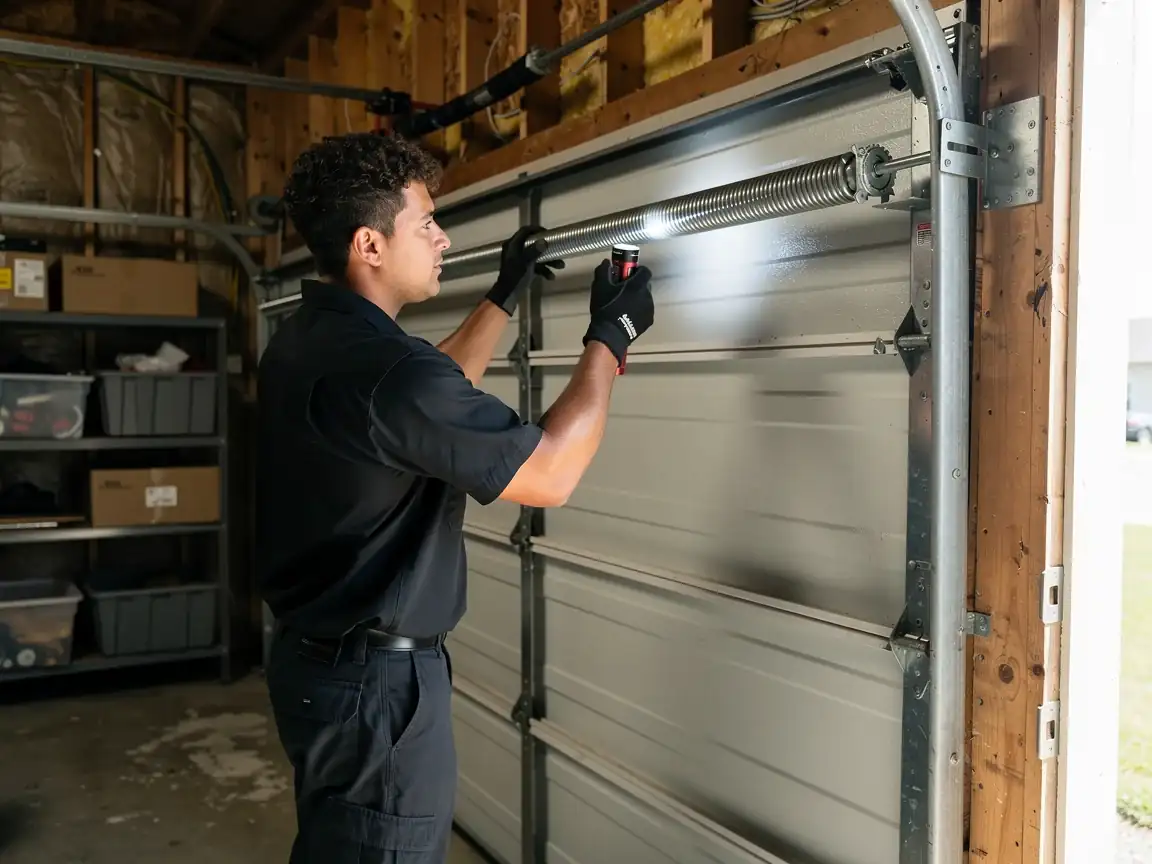
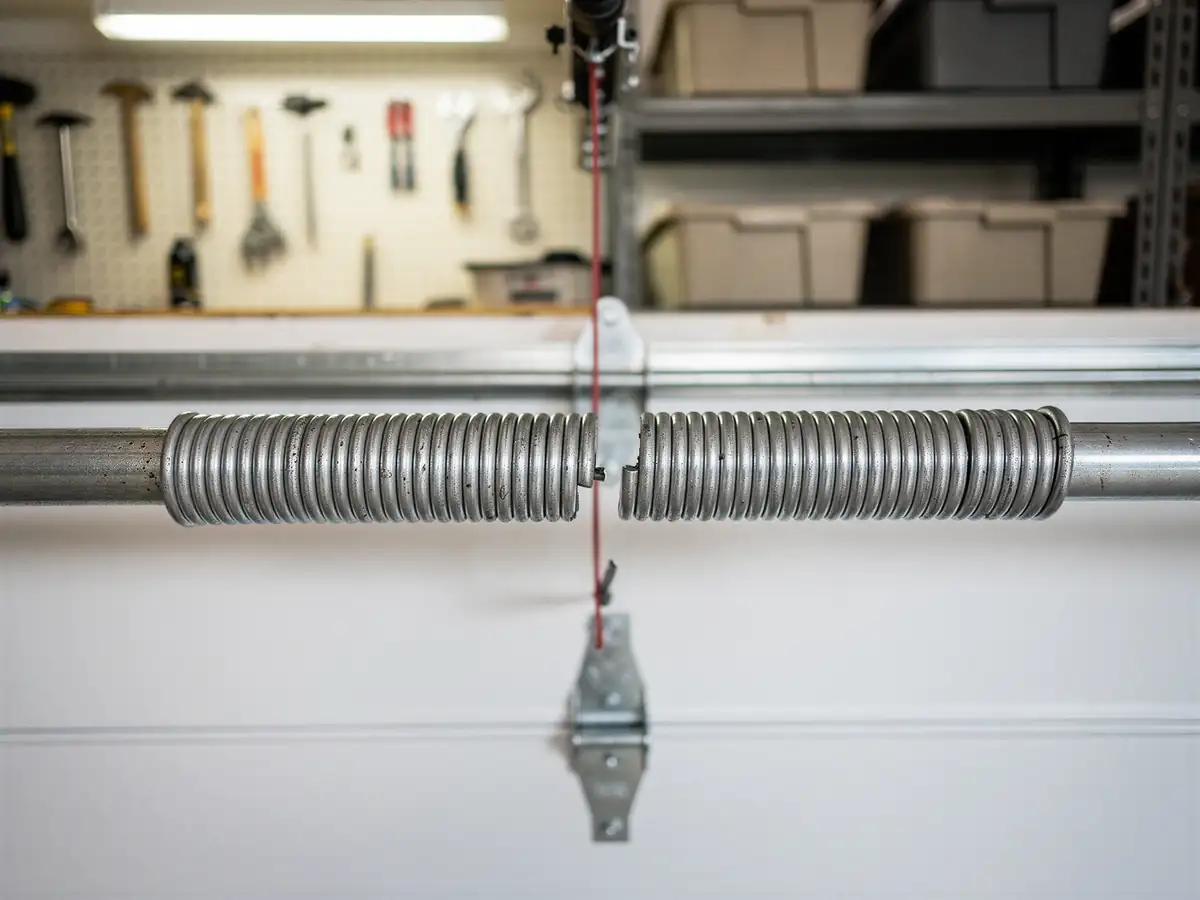
Where it's not fine to wait: a cable that's frayed, a spring that's visibly stretched or has a gap in the coil, or a door that's started dropping unevenly on one side. Those don't get better with time in a cold-climate winter - they get worse, and usually at the worst moment. The honest line is that we can't give you a firm timeline over the phone for how long a given part will last; wear on a 70-year-old door varies house to house, and we'd rather look at it than guess.
What Most People Get Wrong
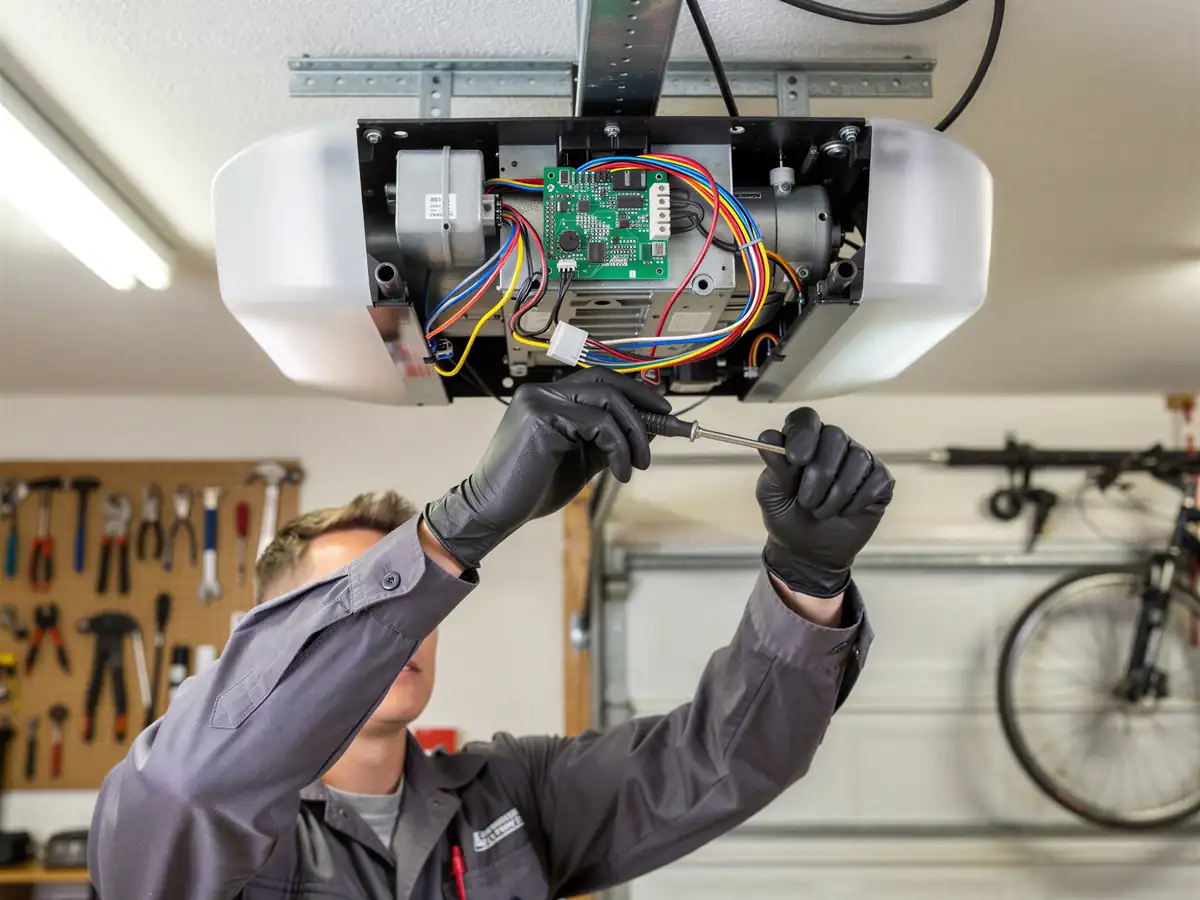
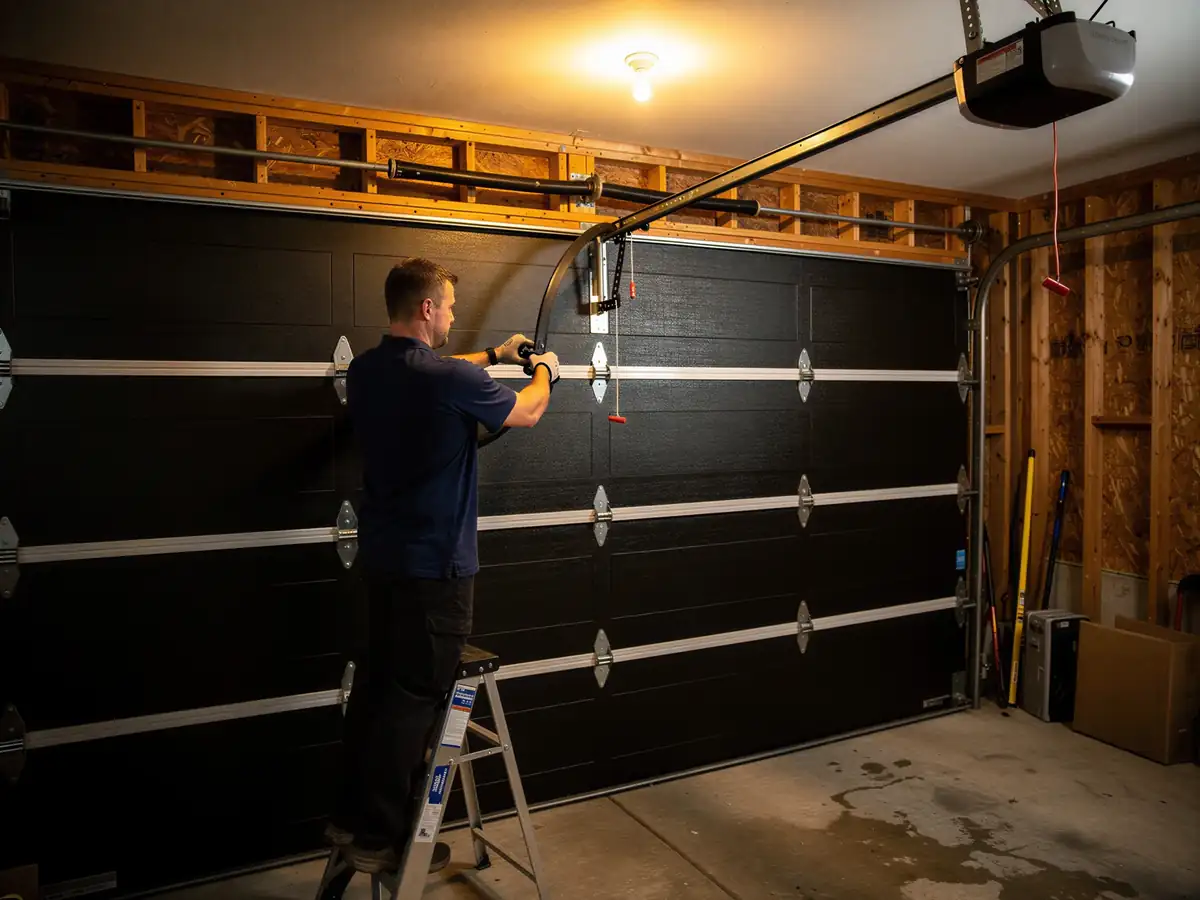
The biggest mistake we see on older Greensburg houses is assuming the opener is the problem when the door itself is the problem
A motor straining to lift a door is often fighting bad springs, not failing on its own - and swapping the opener without fixing the spring tension just burns out the next motor too.
The second mistake is treating a pre-1960 door like a modern one
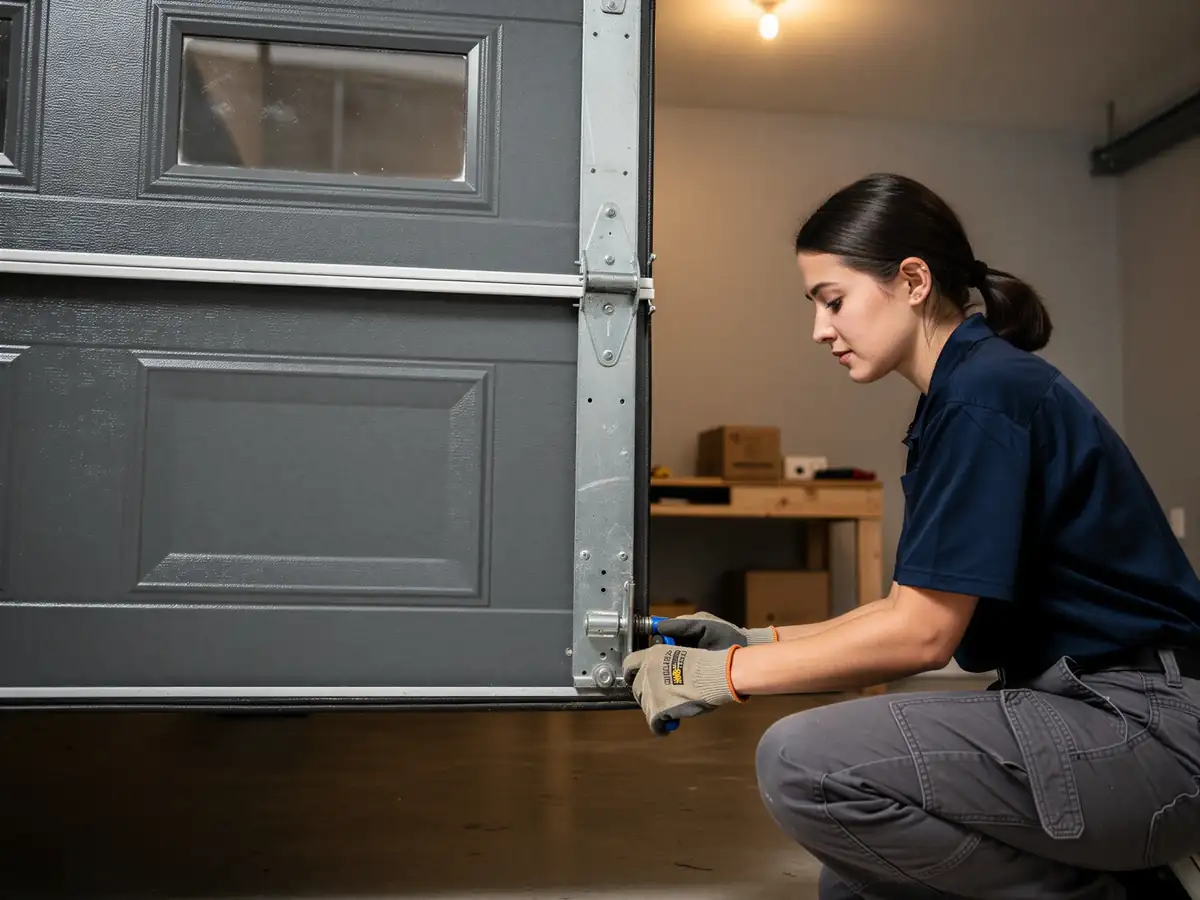
Hardware from that era - track gauge, drum size, spring mounting - often isn't a drop-in match for parts sold today. A repair on one of these doors sometimes means sourcing or adapting older-spec hardware rather than grabbing whatever's on the shelf, and that takes more time than a same-day retrofit would on a newer house.
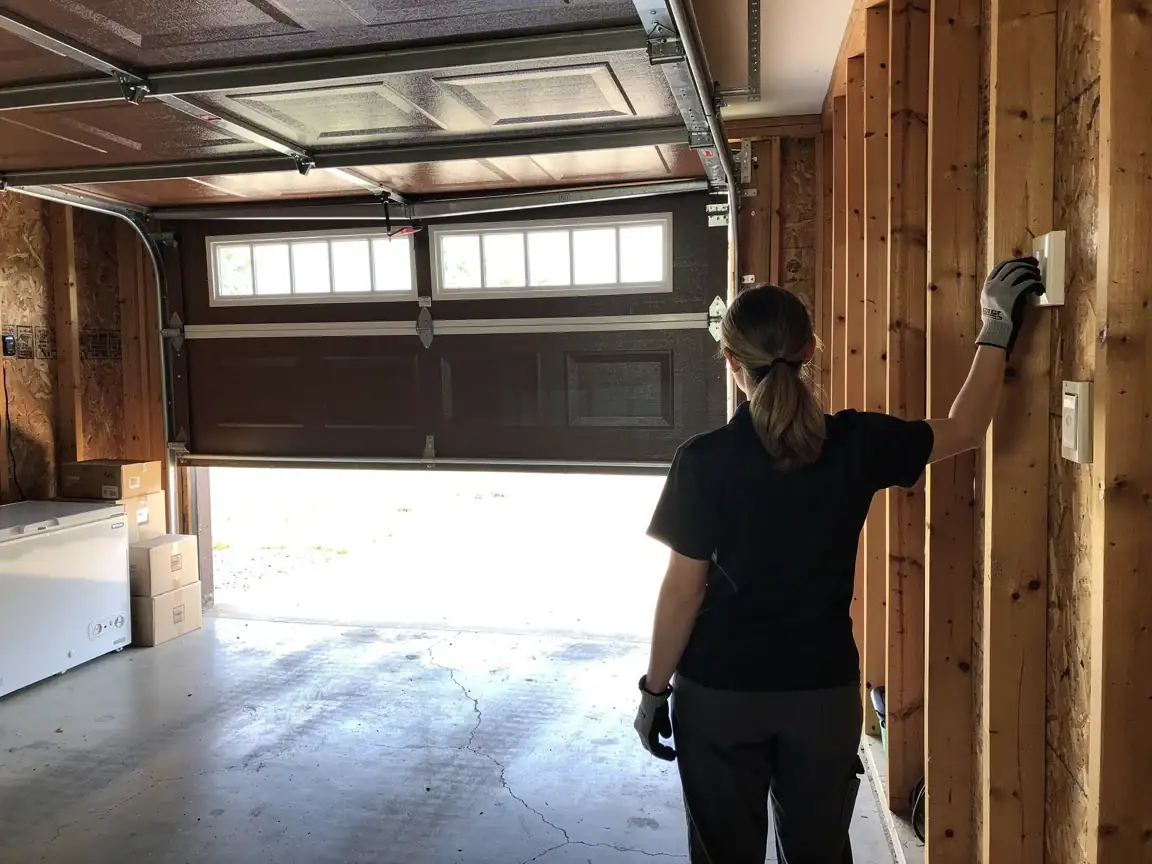
The third: people wait until a door won't open at all before calling, when the warning signs
A spring with a visible gap, a cable starting to fray, panels racking out of square - show up weeks or months earlier. On a house built in the 1940s or 50s, that lag matters more, because the parts under strain have already done decades of work before you ever notice the stiffness.
The Situation
Across the roughly 83,379 households and 44,139 owner-occupied houses in this service area, the age of the housing stock is the single biggest factor in what kind of garage door call we get. It's not really about Greensburg being a hard place to live - it's about how many of these houses were built in the same narrow window, with the same era of hardware, now all aging out at roughly the same time.
We cover Greensburg itself and the towns around it - Jeannette four miles out, Youngwood five, Latrobe eight, Mount Pleasant ten, out to Turtle Creek and East Pittsburgh at the edge of the area. The housing pattern repeats across most of that stretch: pre-1960 construction, cold-climate wear, and doors that are old enough to need a real look rather than a guess over the phone.
When we come out, the question we're actually answering isn't "is this door old" - every door we see out here is likely to be - it's whether the specific spring, track, or panel in front of us still has working life left in it, or whether the cost of chasing failing hardware has passed what a new door would run.