How We Fix It
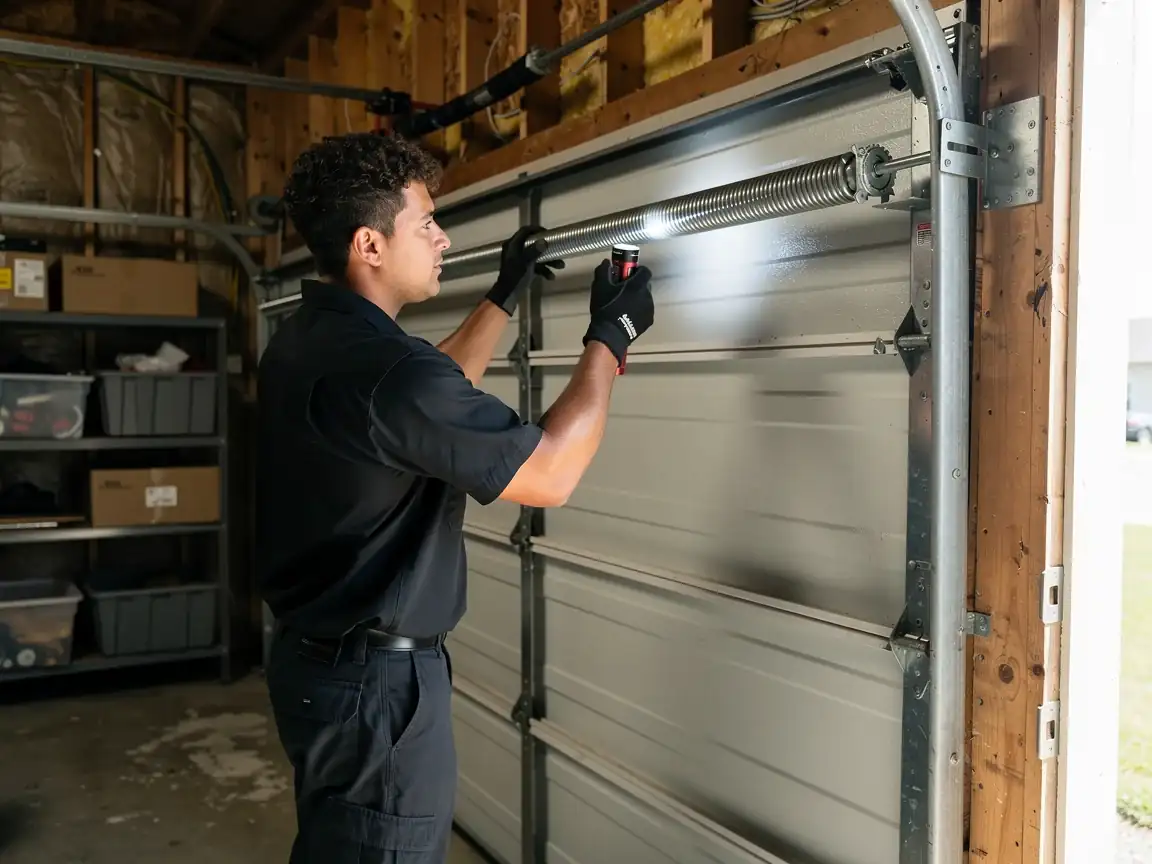
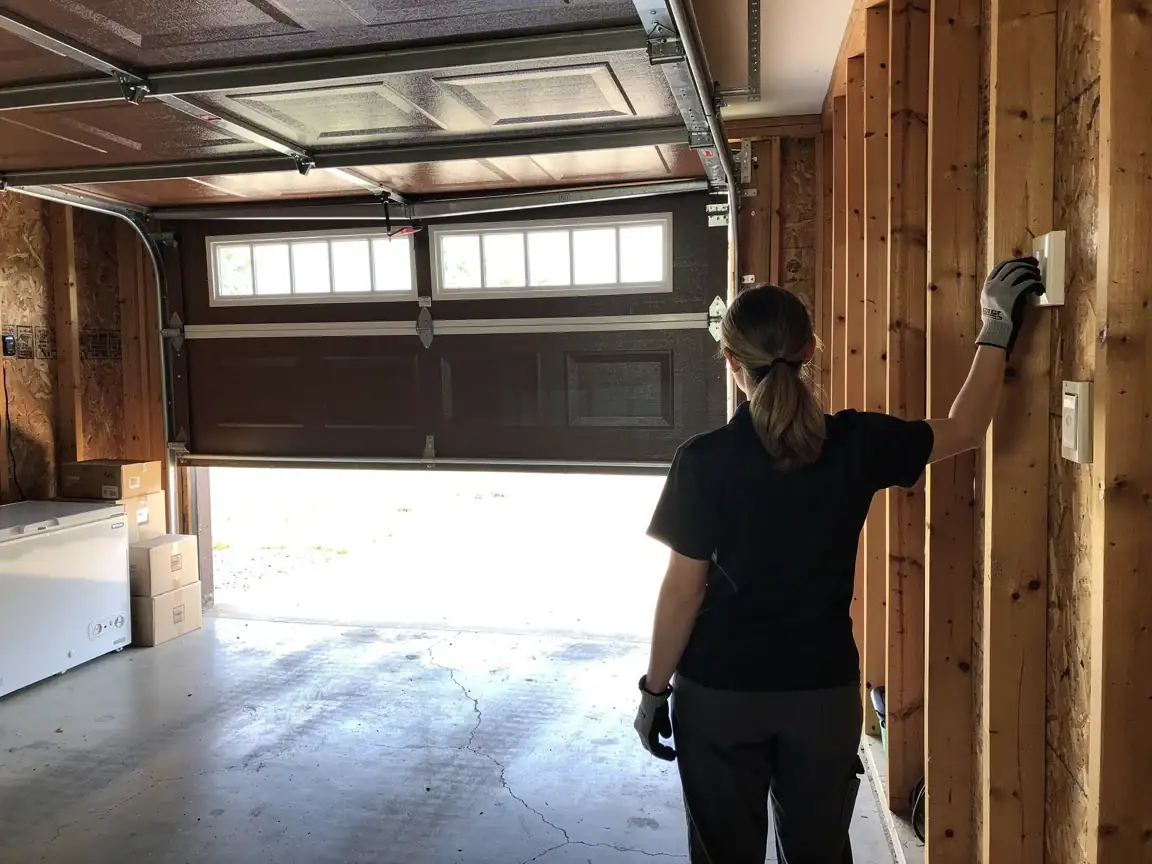
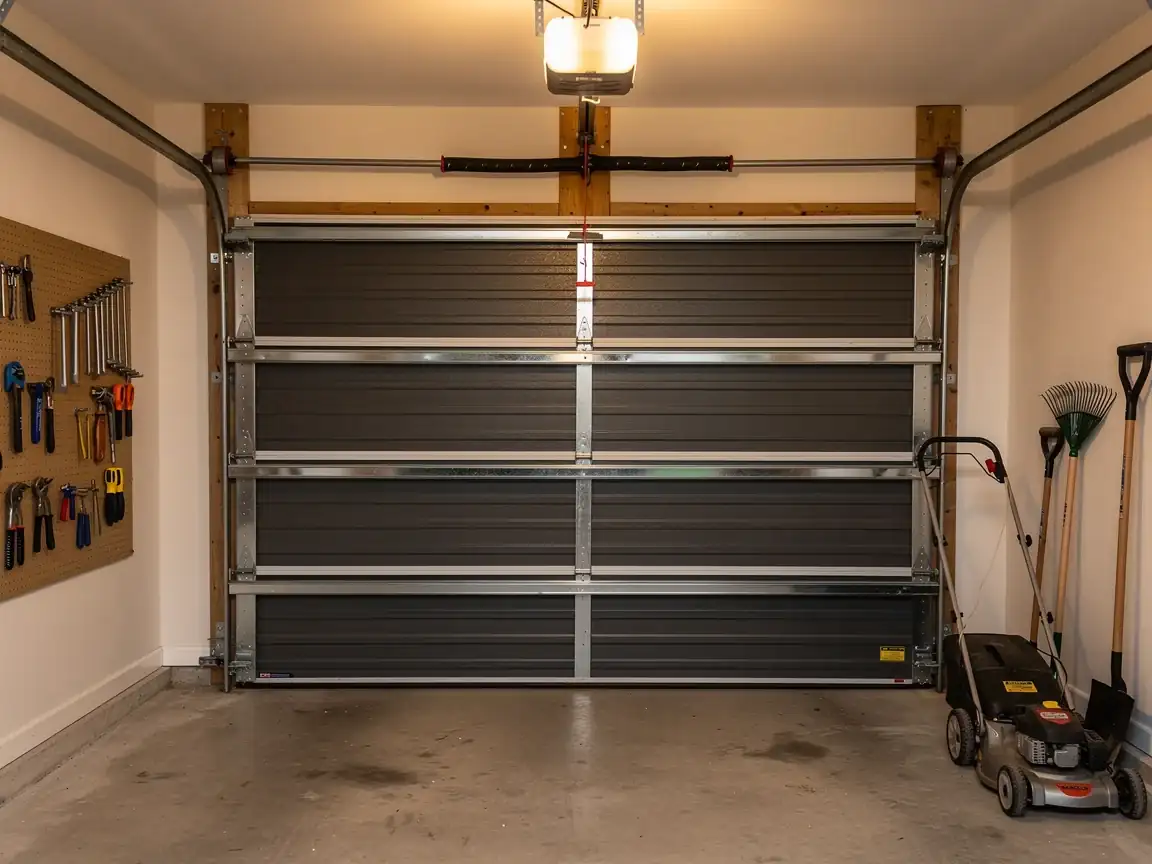
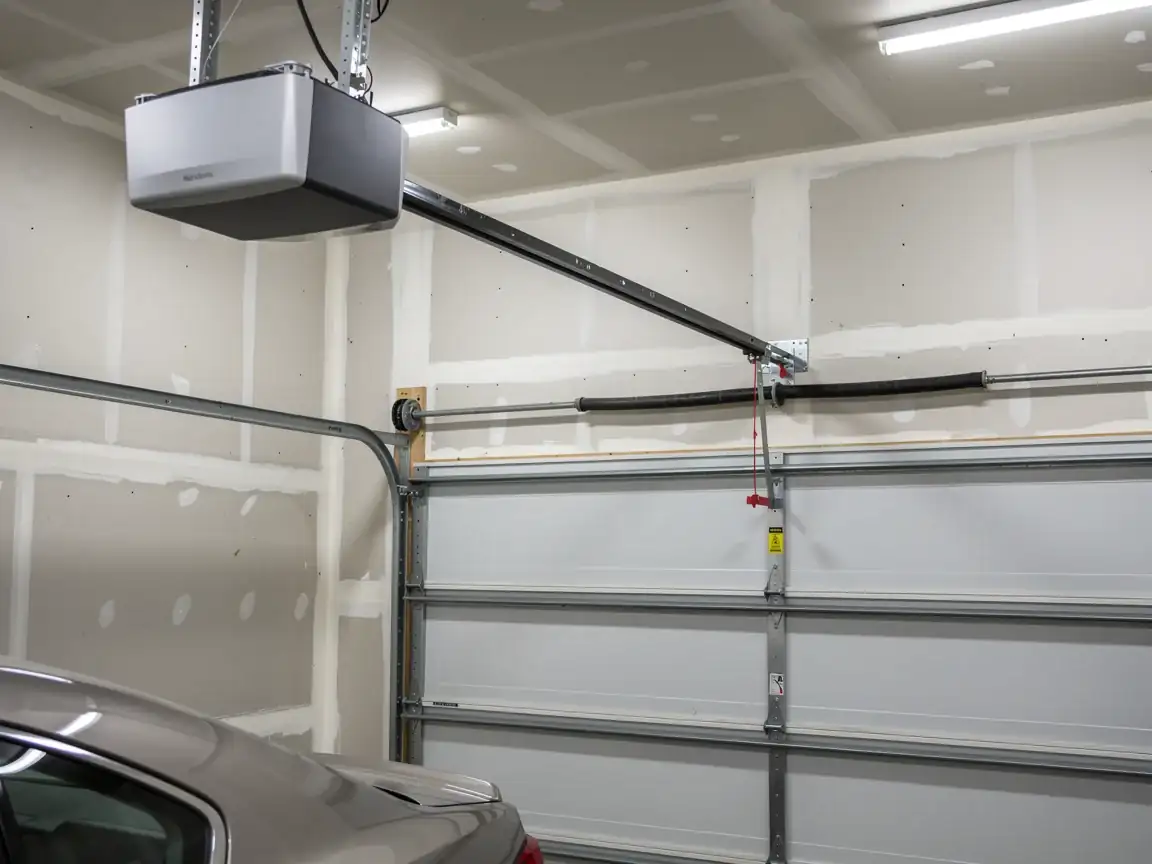
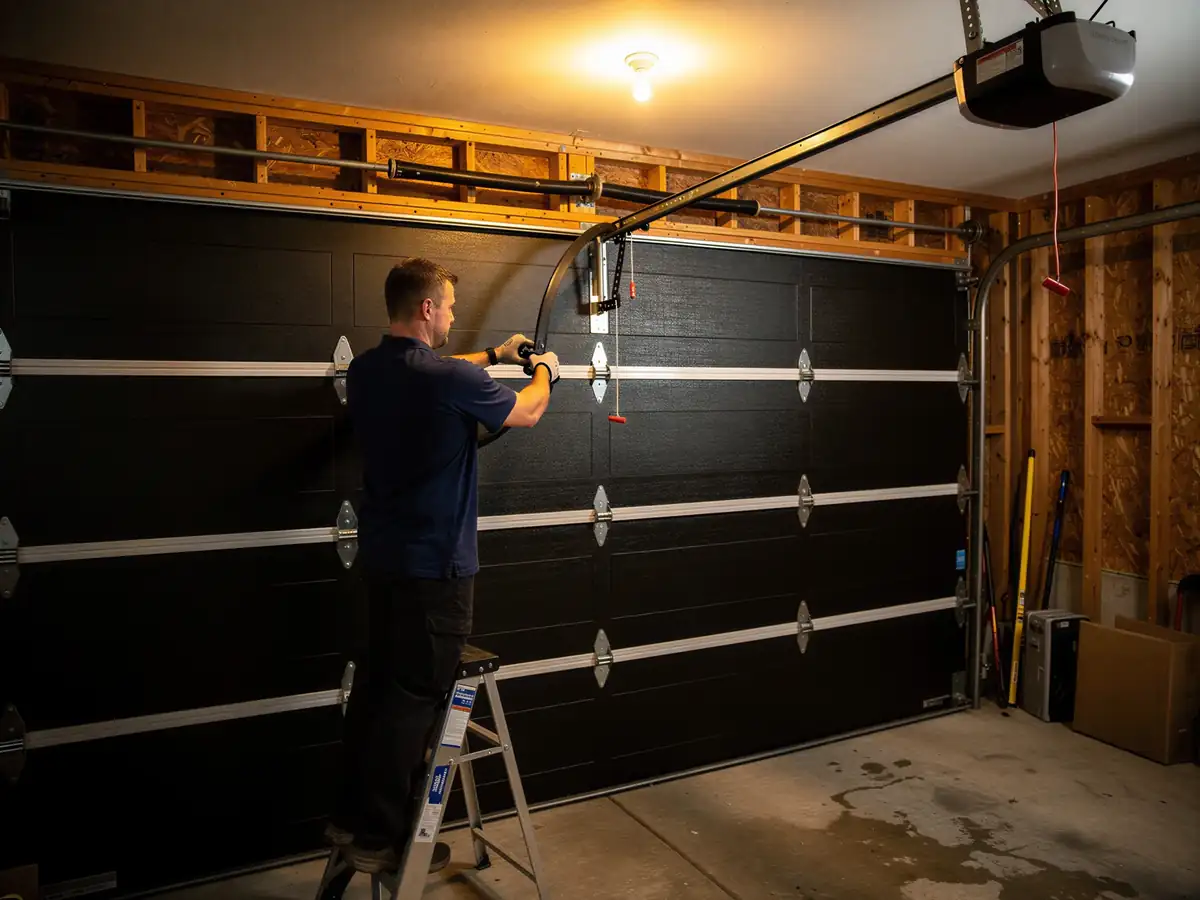
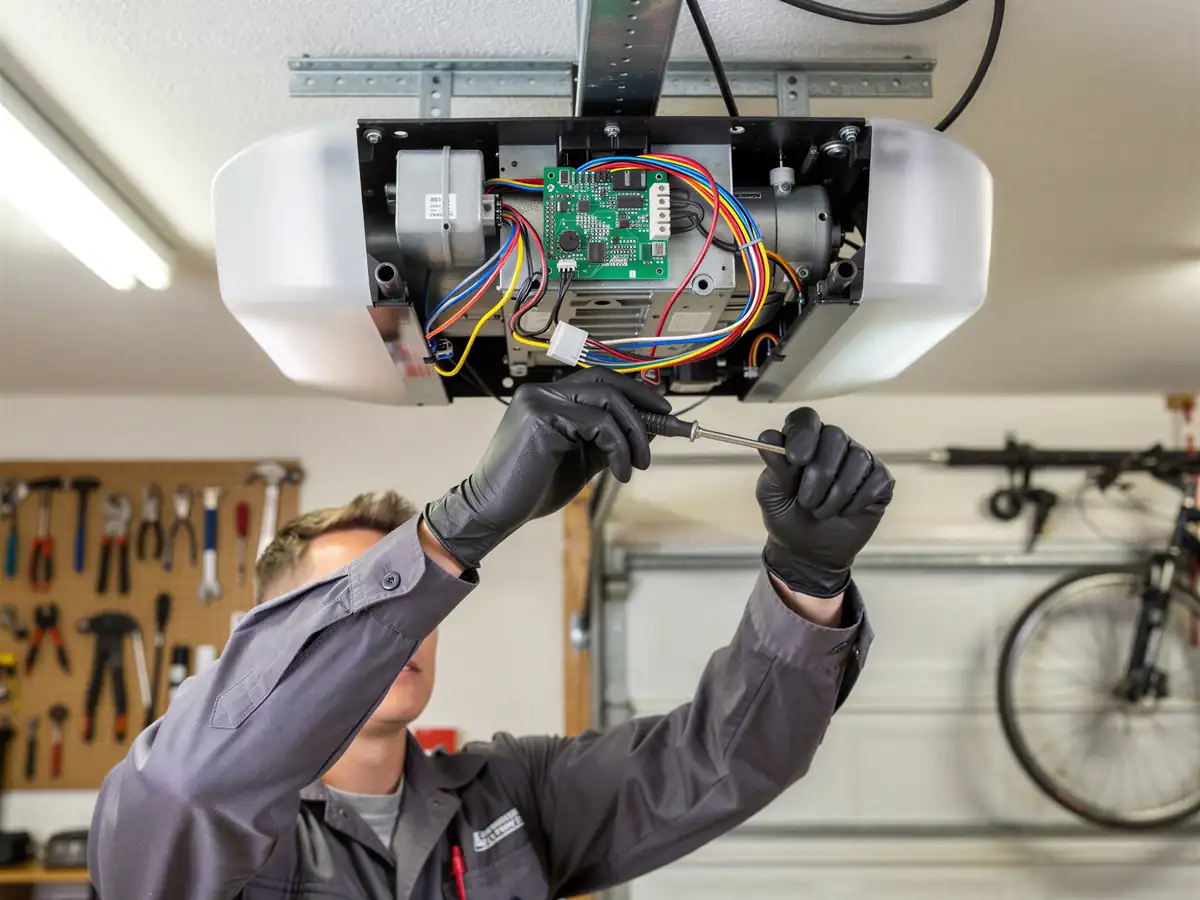
We start by watching the opener run a full cycle before we touch anything. A door that reverses halfway, hums without moving, or clicks and does nothing tells us where to look first - the gear-set, the logic board, the travel limits, or the safety sensors at the bottom of the track. Most opener calls split into two piles: mechanical wear inside the unit (stripped gears, a worn drive belt or chain, a dying capacitor) and electronic faults (a fried circuit board, a bad sensor eye, a remote that's lost its code). We test the motor under load, check voltage at the board, and run the safety reverse before we call it fixed. If the opener itself is the problem and parts are stocked, we replace the gear-set or board on the spot. If the unit is old enough that the manufacturer no longer makes the control board - and on a lot of the openers installed in this area that's a real possibility - we'll tell you straight that replacement makes more sense than chasing a part that may take weeks to source. We don't guess at a fix to get a truck rolled; we diagnose first, quote second.
What Causes It Around Here
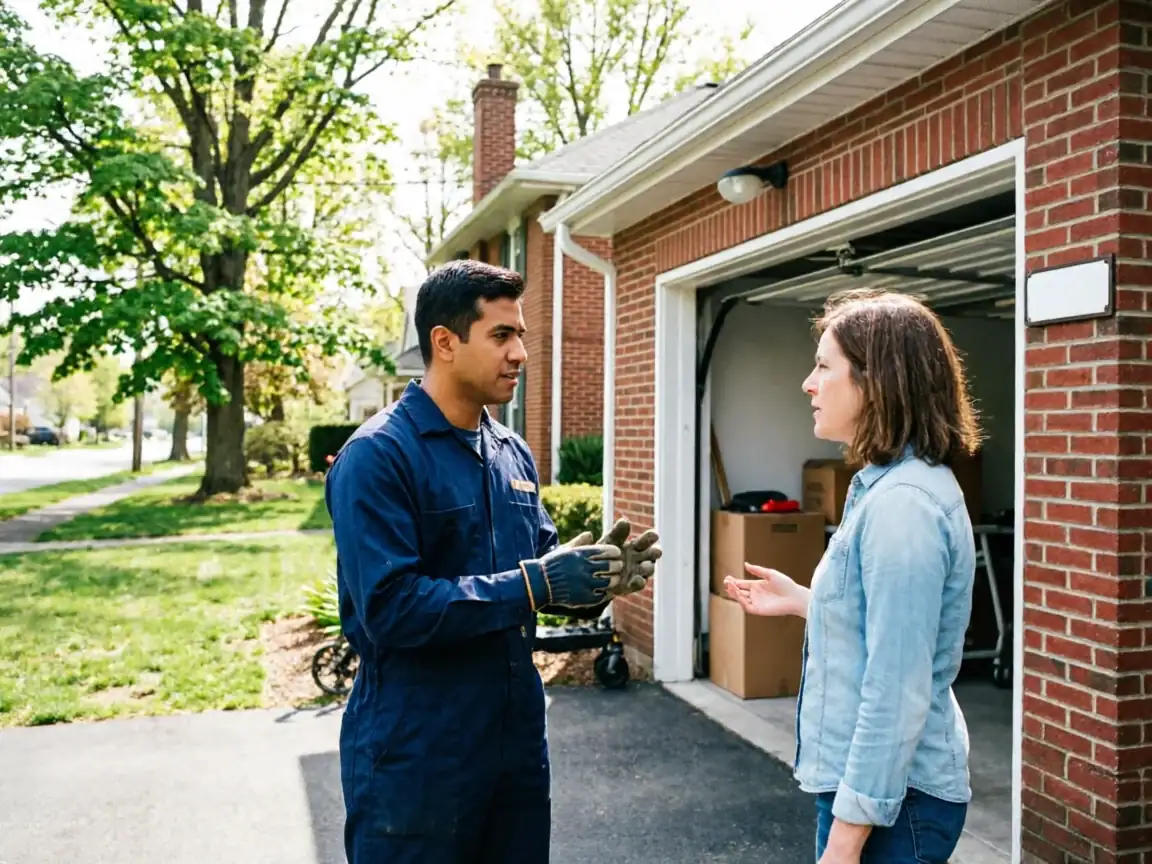
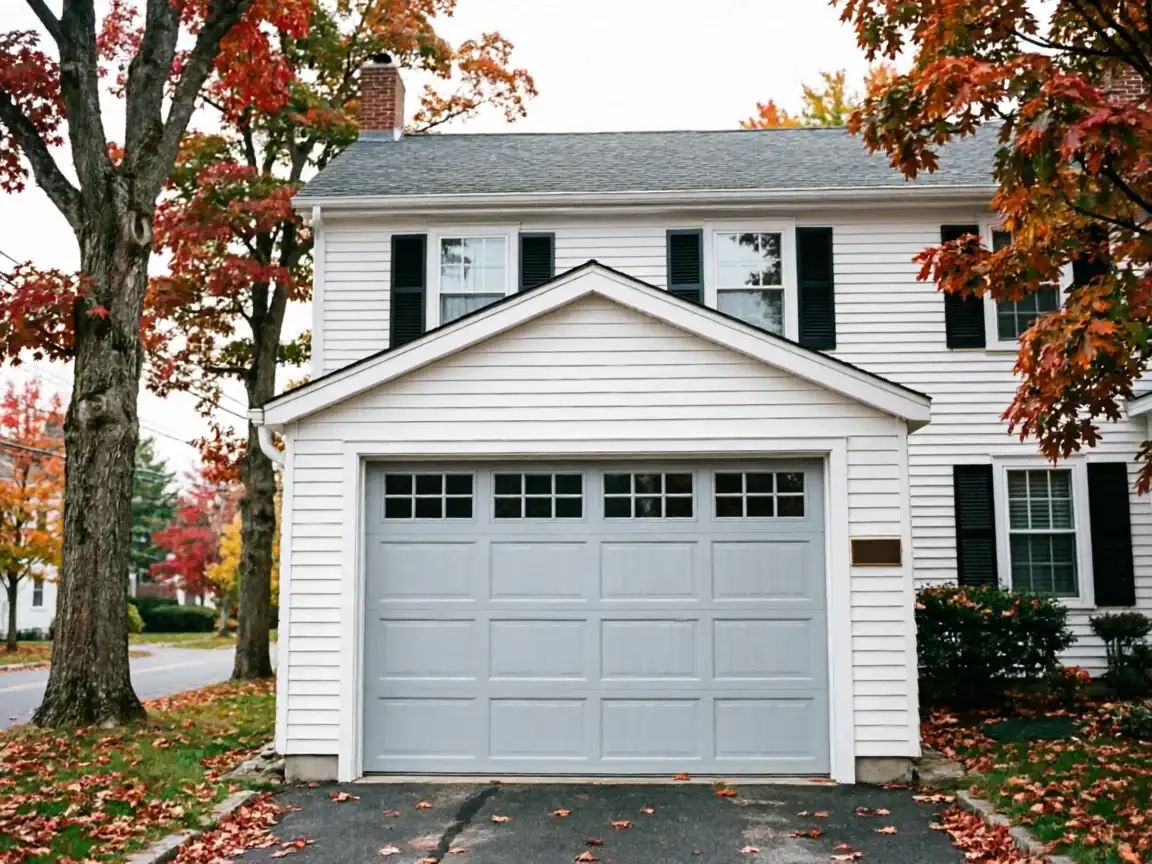
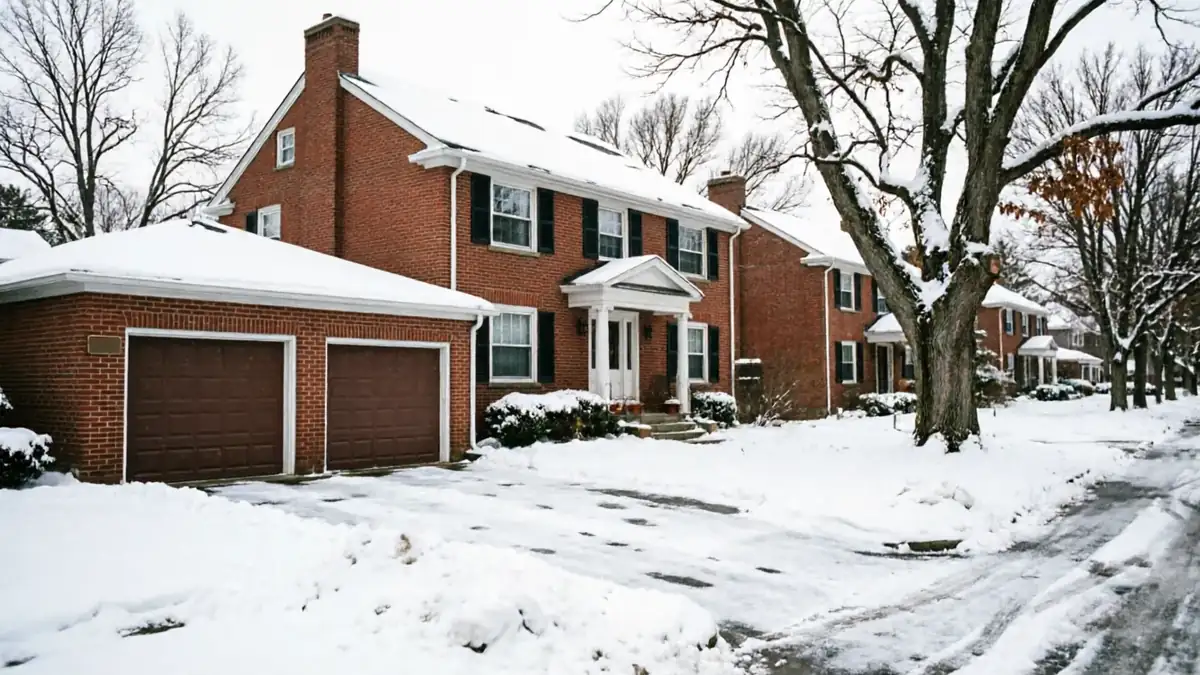
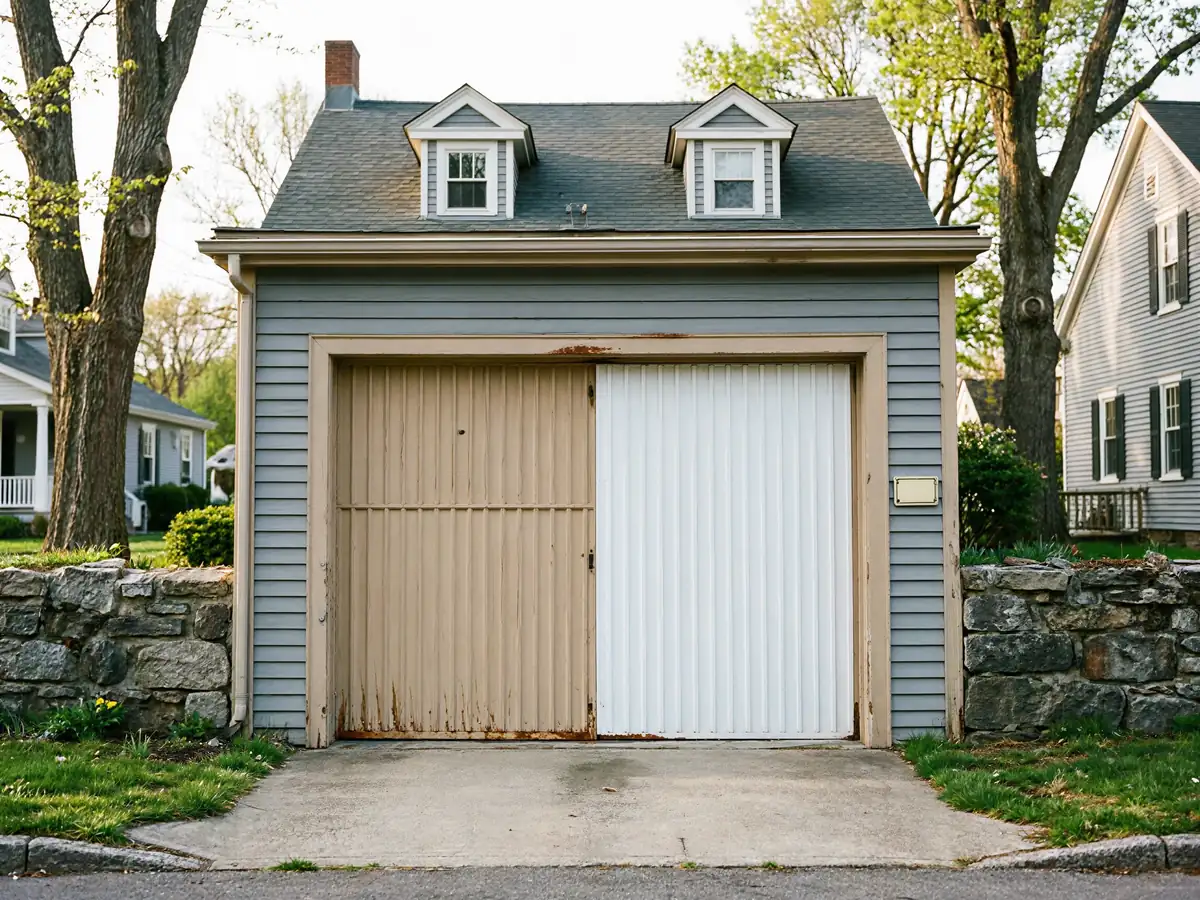
Most of the housing stock in this service area went up between 1938 and 1985, with a median build year around 1950 - decades before a garage door opener was standard equipment on a new house. That means a huge share of openers running here were added later, often bolted onto doors and track that weren't engineered with a motor in mind, which puts extra strain on the gear-set from day one. Add the climate - this area sits in a cold, severe winter band - and you get grease inside the opener housing stiffening up on the coldest mornings, drive belts going brittle, and logic boards dealing with condensation as garages swing from freezing to above freezing and back. On pre-1960 construction especially, uninsulated or marginally insulated garage ceilings mean the opener lives in the same temperature swings as the outside air, which is harder on motors and circuit boards than a conditioned space would be. None of that is unique to one street - it's the housing age and winter pattern across the whole area, and it's why opener failures cluster hard here from December through February.
What You Are Seeing
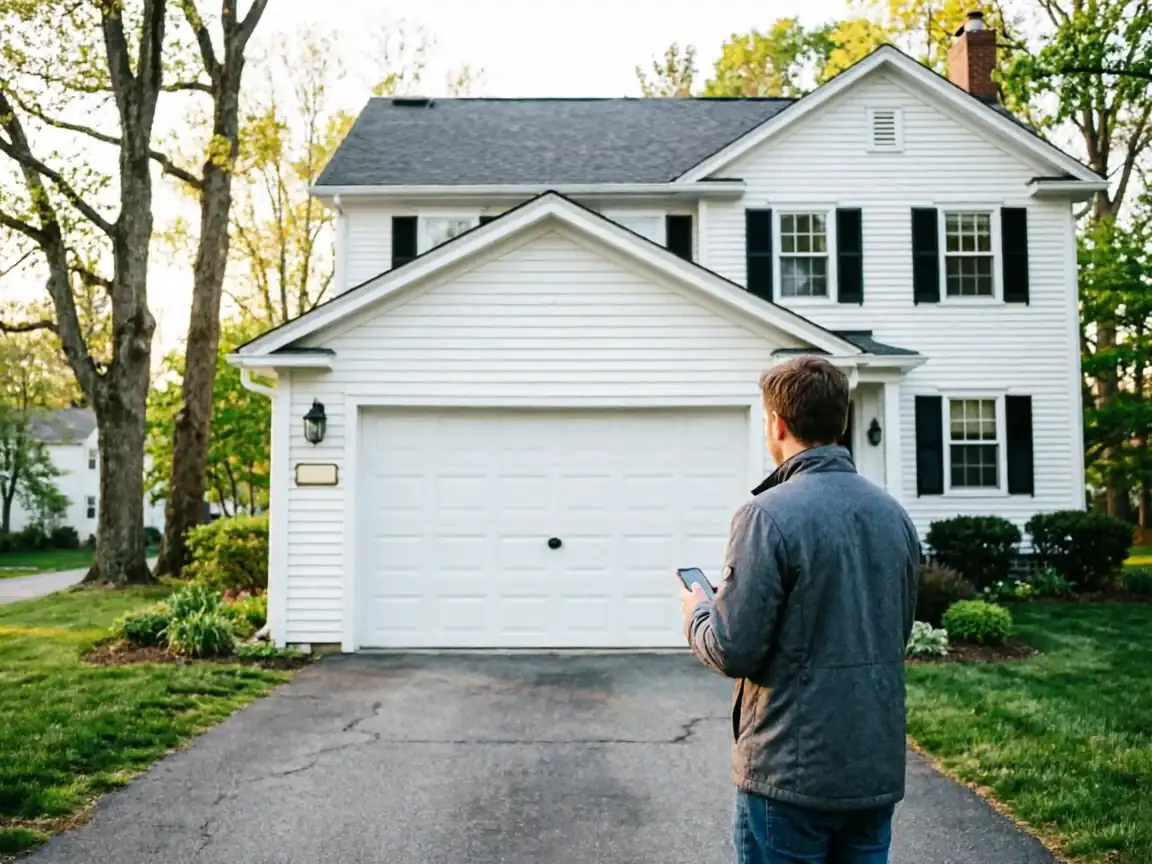
The opener runs but the door doesn't move, or moves and then reverses - usually a slipping gear-set or a safety sensor issue. The unit hums for a second and shuts off - often a capacitor on its way out, especially in colder months. The light blinks a set number of times with no door movement - a fault code worth checking against the manual before you call. The door opens fine but won't close, or closes partway then backs up - almost always the sensors, or occasionally a close-force setting that's too conservative for a heavier winter door. A chain or belt that's visibly loose, or a grinding noise that wasn't there last season - wear that gets worse with cold, not better. Remote works sometimes but not always, or works at the car but not from the house - weak antenna connection or interference, not usually a sign the opener itself is dying. If your opener is original to an older door that's been reinforced or replaced since, mismatched weight between the door and the motor's lift capacity can also show up as straining, slow travel, or early gear wear.