How Local Conditions Play In
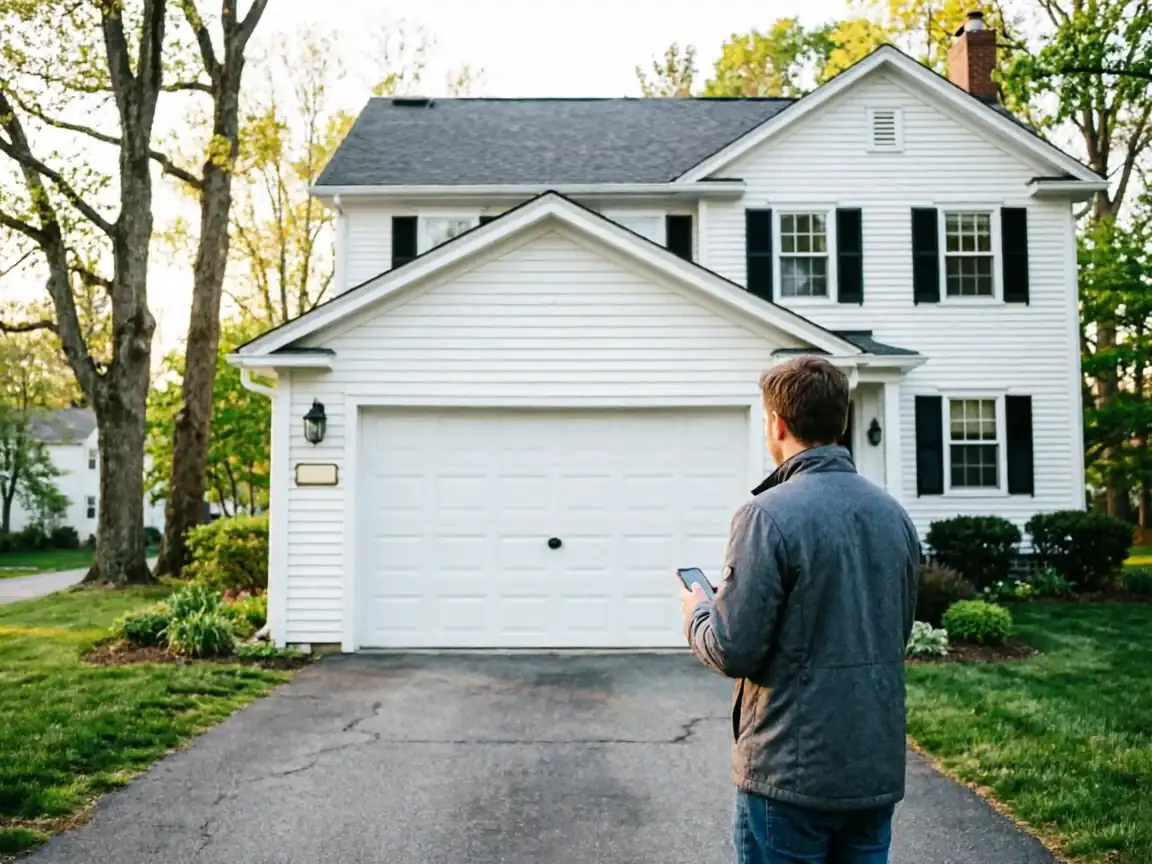
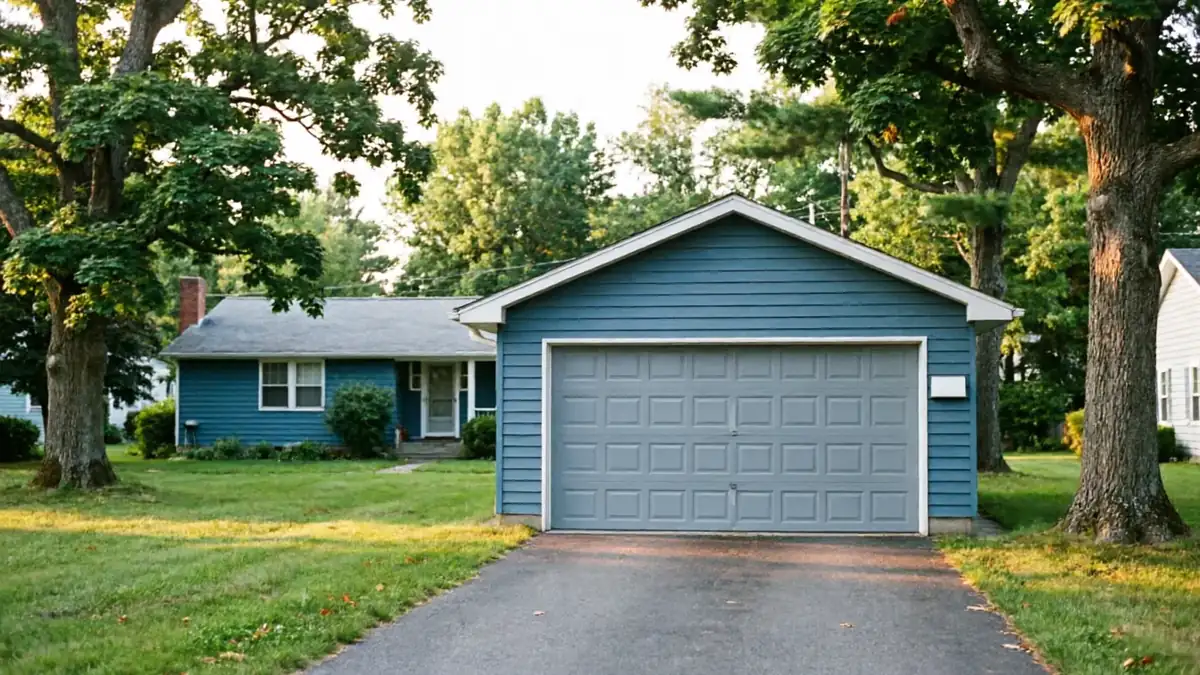
Greensburg's housing stock, built mostly between 1938 and 1985 with a median year of 1950, means a lot of detached garages went up as separate outbuildings years before anyone added an attached garage to the house. That order matters. A detached garage usually sits on its own slab with its own frost line, so it moves independently of the house in winter. An attached garage shares a wall, sometimes a foundation, with the living space.
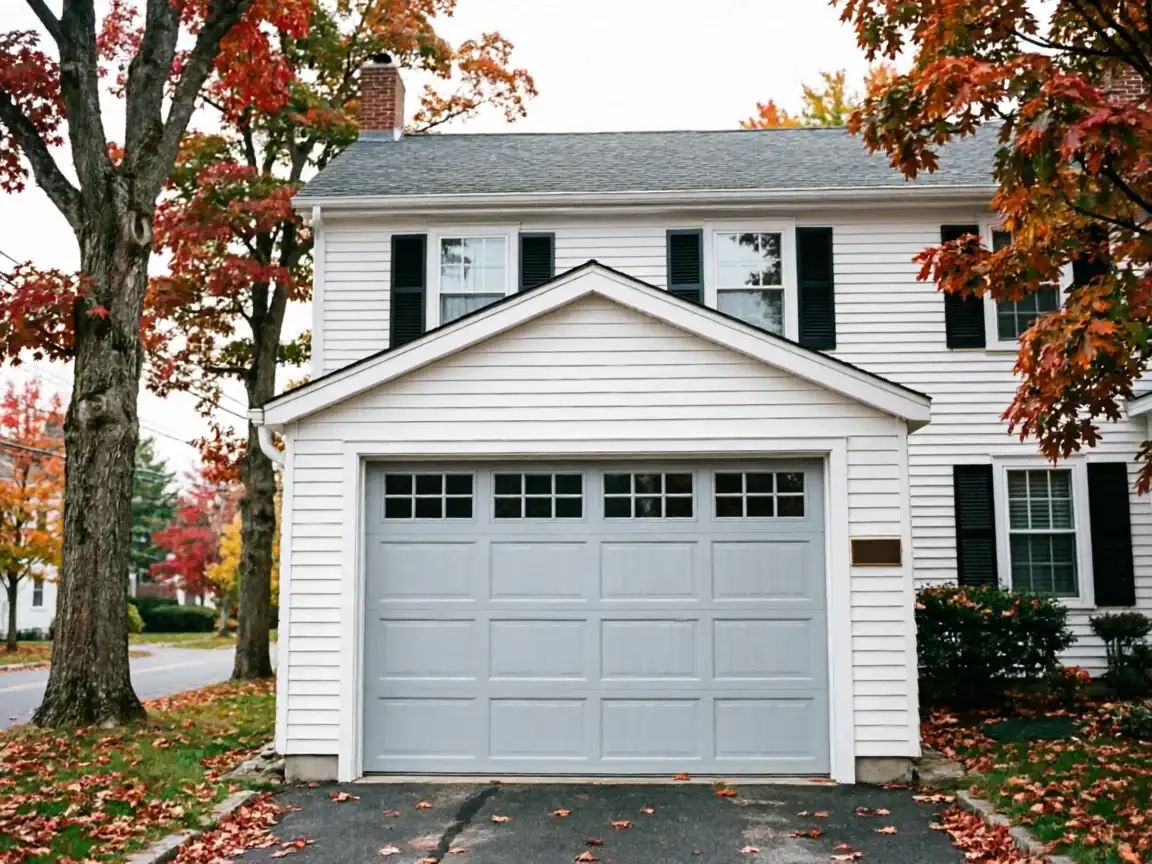
With a severe cold climate rating for this area, that difference shows up every January. An attached garage door with worn weatherstripping pulls cold air straight through the shared wall and into a mudroom or kitchen above it. A detached garage door losing its seal just makes the detached garage colder - annoying if you work out there, but it isn't draining heat from the house itself.
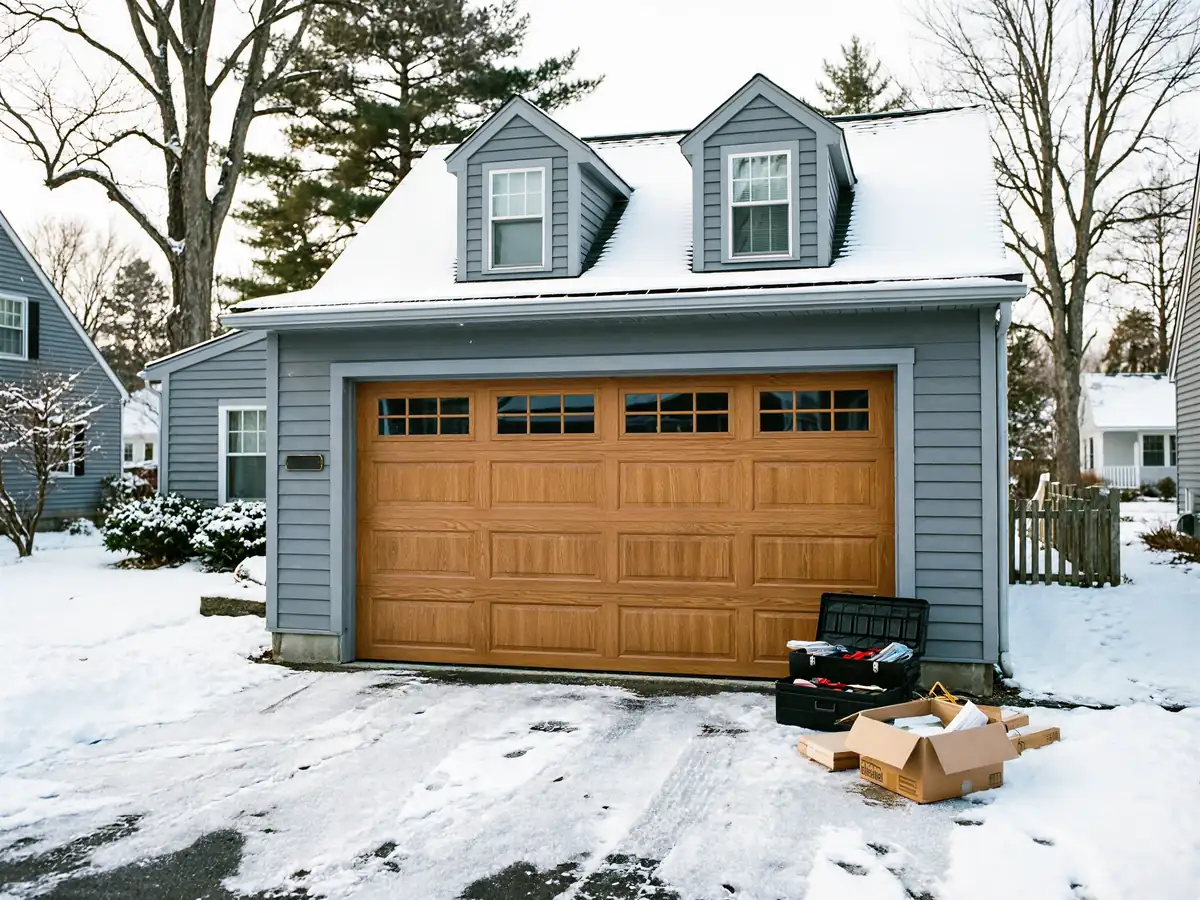
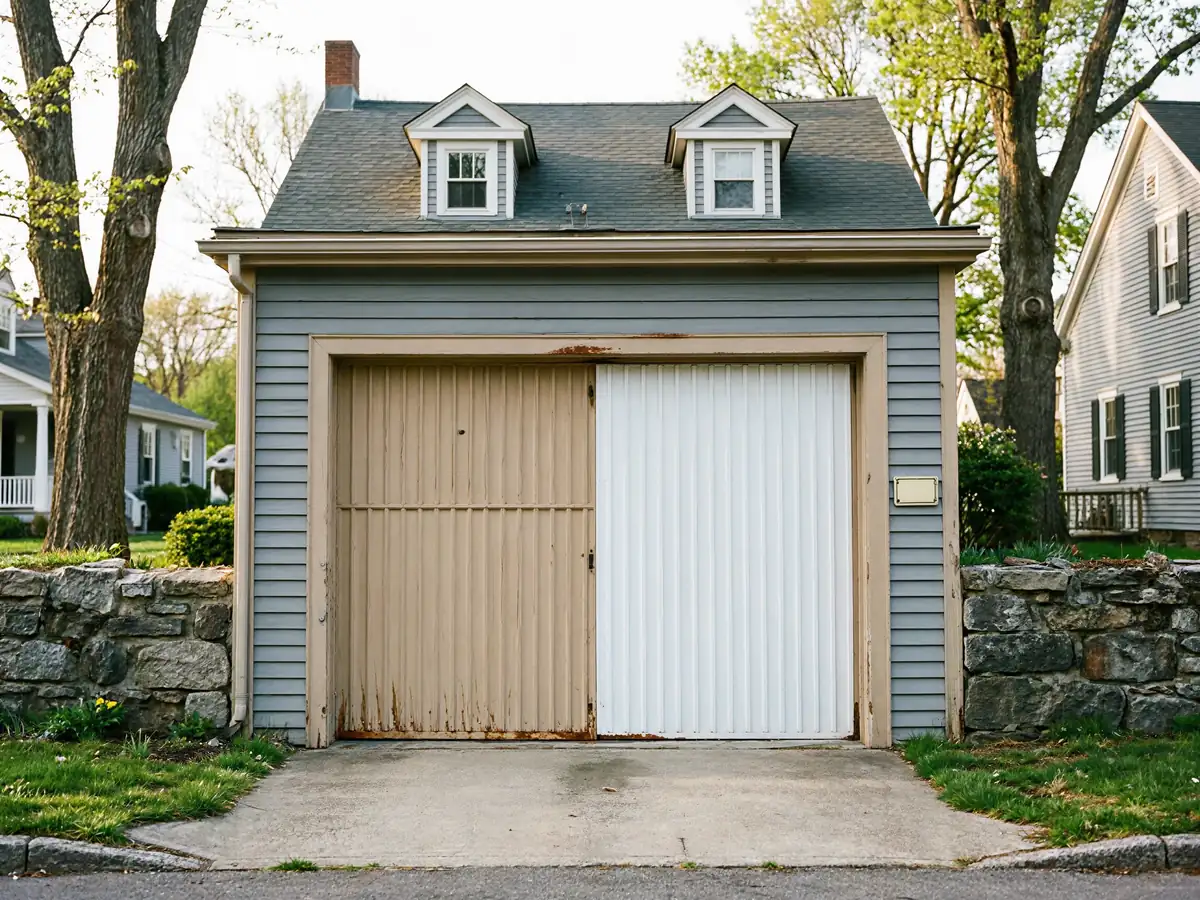
Across the pre-1960 stock that makes up most of the 53 named areas in this service territory, we see both setups constantly: the original detached one-car structure from the 1940s, and the attached two-car addition bolted on sometime in the decades after. They age differently, and they fail differently.
When Waiting Is Fine
Here's the honest part: not every door problem is urgent, and which kind of garage you have changes that calculus. A detached garage door that's dented, slow, or squeaking can usually wait. It isn't part of your building envelope, so a sagging panel or a rough-running opener out there is a convenience issue, not a heat-loss issue, even with winters as cold as this area gets.
An attached garage door is a different call. If the bottom seal is gone, if daylight shows around the frame, or if the door doesn't close flush, that gap sits right against conditioned space. With the median household income in this service area at $55,909, the cost of ignoring that gap through a full winter often ends up higher than the repair would have been.
So if you've got a detached garage with a door that's just gotten tired-looking but still seals and locks fine, there's no reason to rush. Save the urgency for the door that's actually attached to the house.
What Most People Get Wrong
The most common mistake we run into
Treating the attached door like it's the only one that matters and ignoring the detached structure entirely, or the reverse, insulating a detached garage door nobody heats while leaving the attached door's seal to rot.
The second mistake is foundation-related
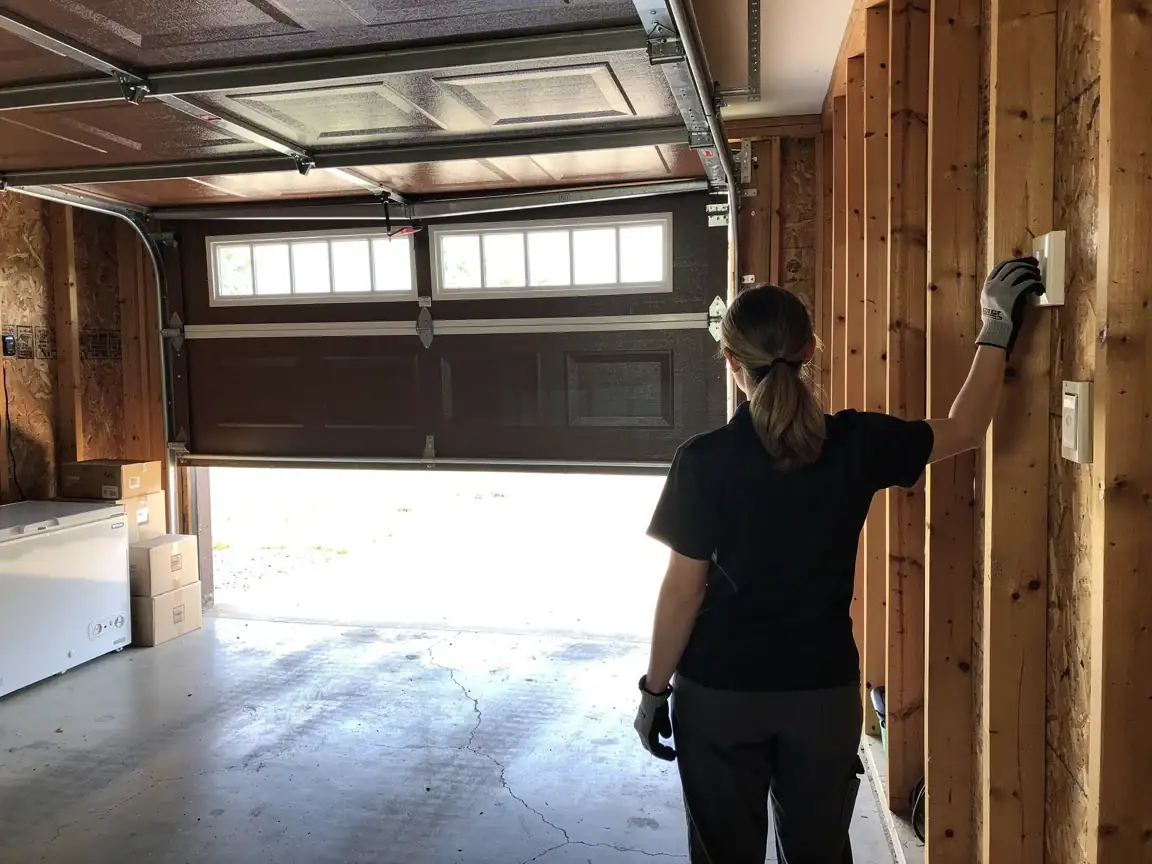
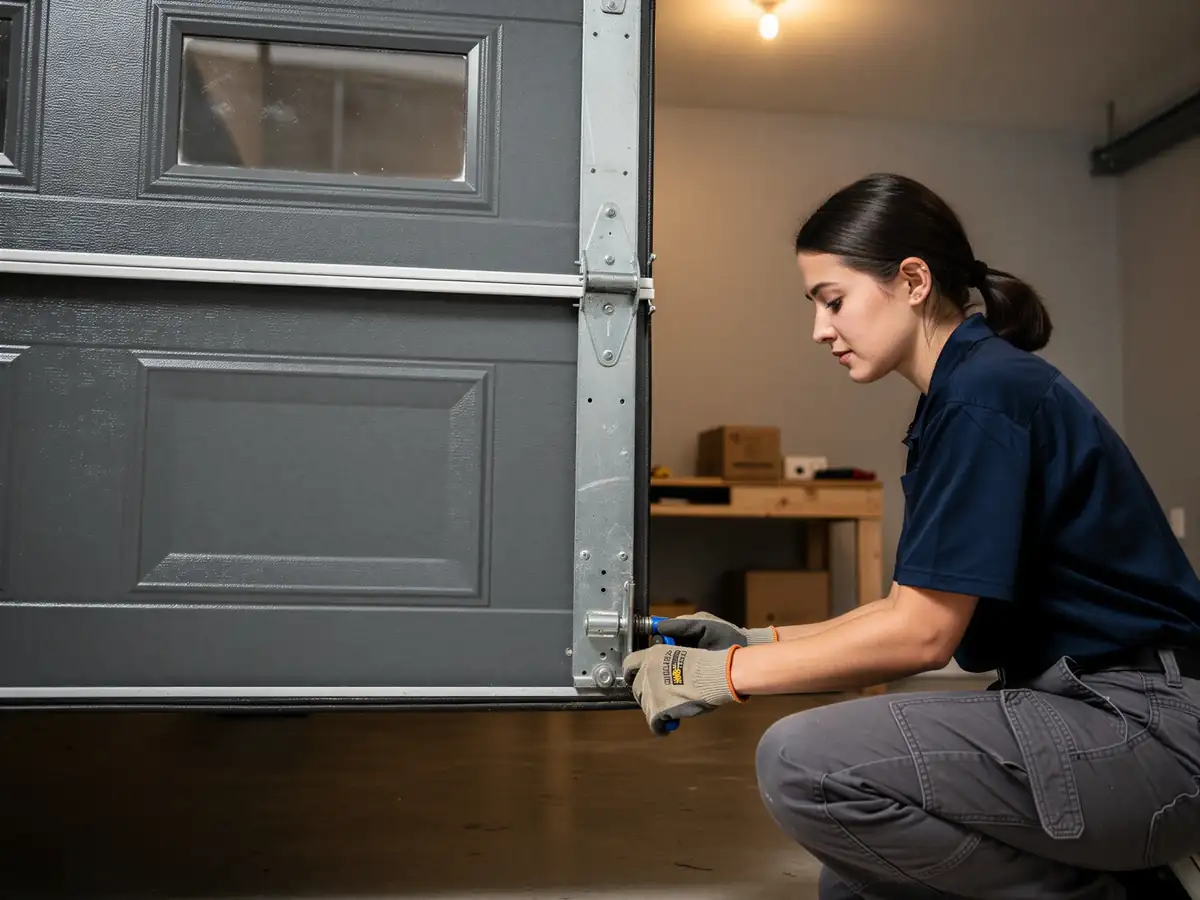
Because a detached garage usually sits on an independent slab, frost heave in this climate can shift its track alignment without ever touching the house. People assume a door that won't close square means a bent track, when on older detached structures built on original 1940s-era slabs it's often the slab itself that's moved a fraction of an inch. An attached garage, sharing the house's foundation, doesn't move the same way, so a misaligned attached door more often points to hardware, not the slab.
The third mistake is assuming both doors are the same age just because the house is
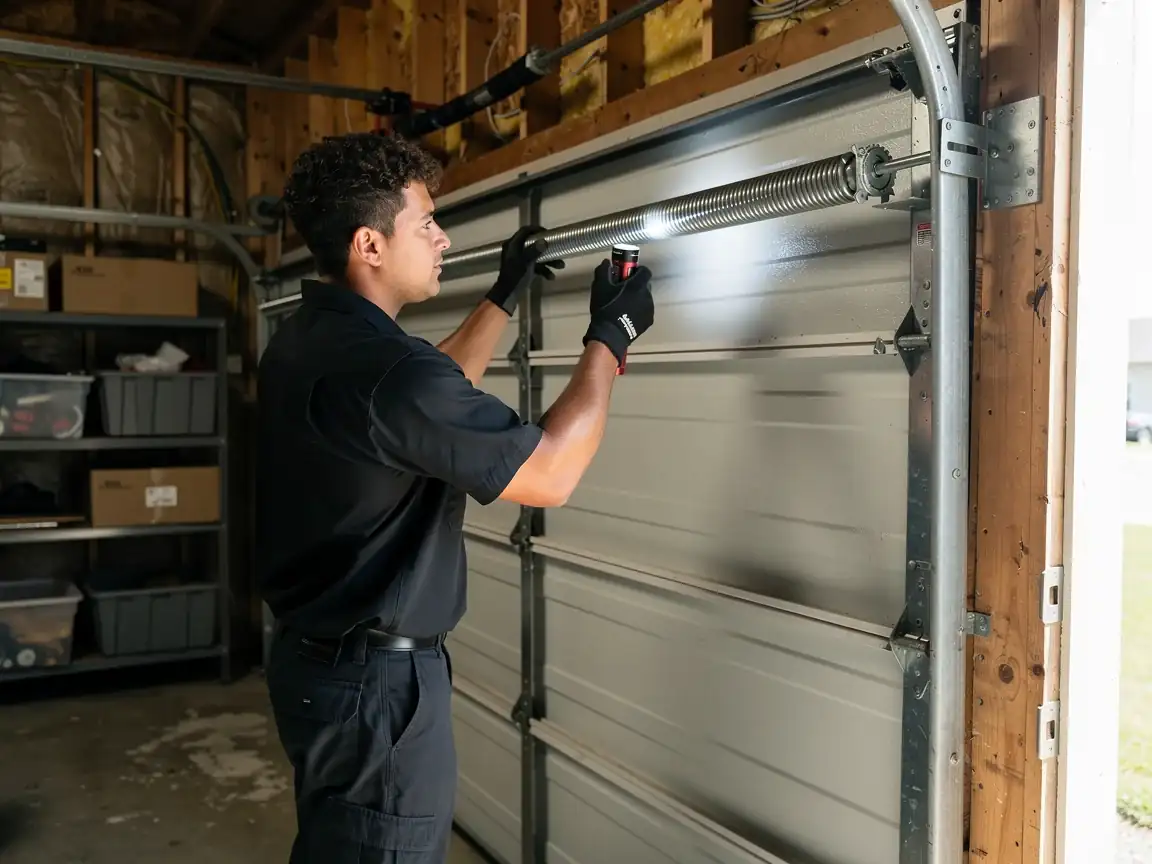
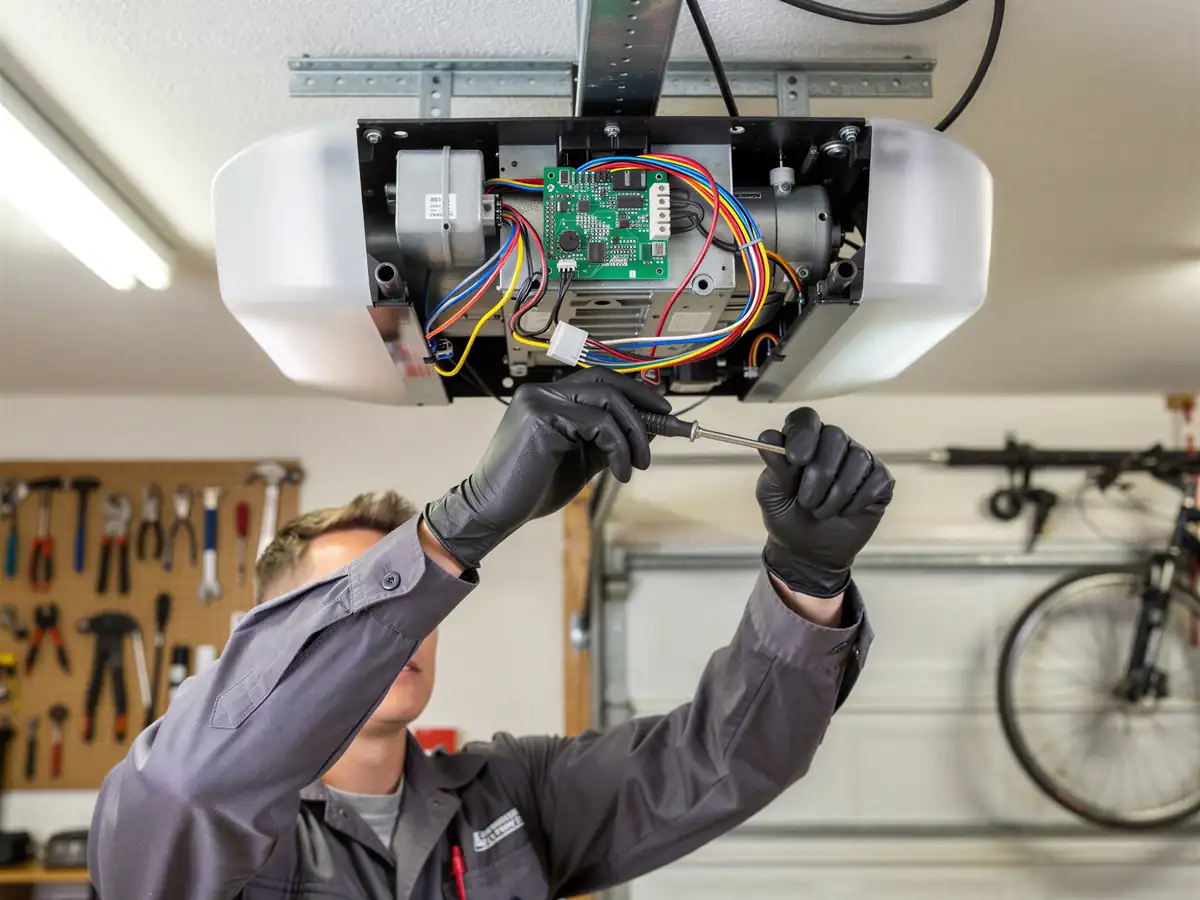
On a lot of properties around here, the detached garage predates the attached one by a decade or more, so the opener, the spring size, and the track hardware can be completely different generations of equipment sitting thirty feet apart.
The Situation
Put plainly: this service area is old housing. Most of it went up between 1938 and 1985, the stock leans pre-1960 across the named communities we work in, and the winters are cold enough that a sealing problem on an attached door costs you real heat, not just comfort. A detached garage doesn't carry that same risk, which is why the two need separate judgment calls rather than one blanket maintenance routine.
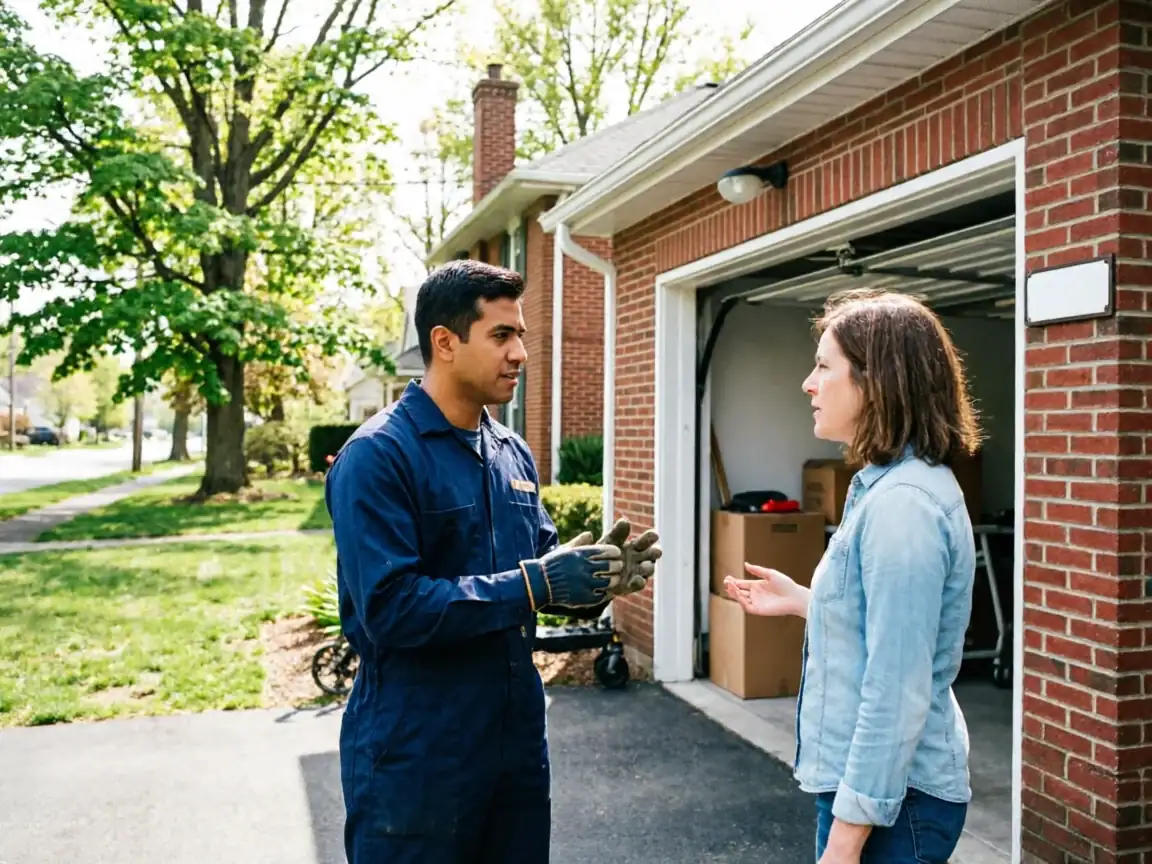
We don't treat a dented detached door the same way we treat a drafty attached one, and you shouldn't either. If you're not sure which category your situation falls into, or whether what you're looking at is a slab issue, a hardware issue, or just an old door that's earned a replacement, that's worth a second set of eyes before you spend money guessing.
More on how we handle service calls across the area is on our home page.