How Local Conditions Play In
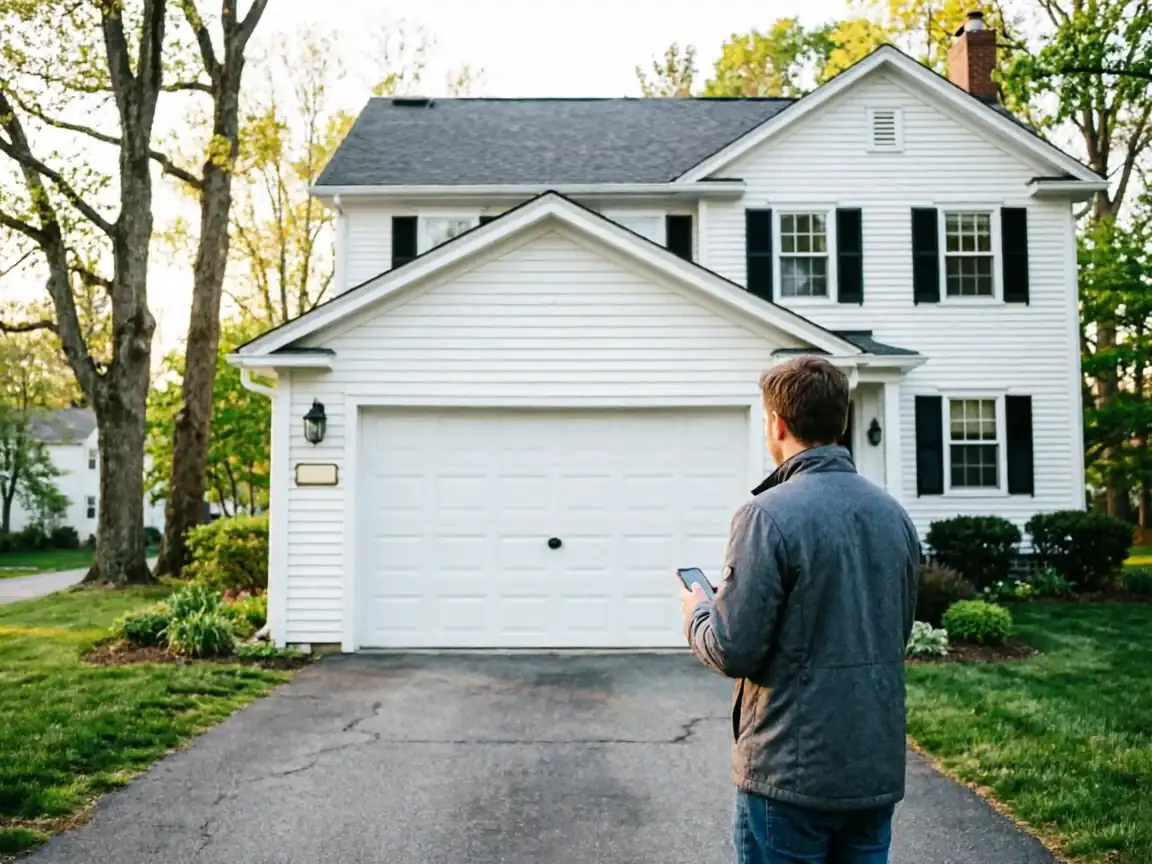
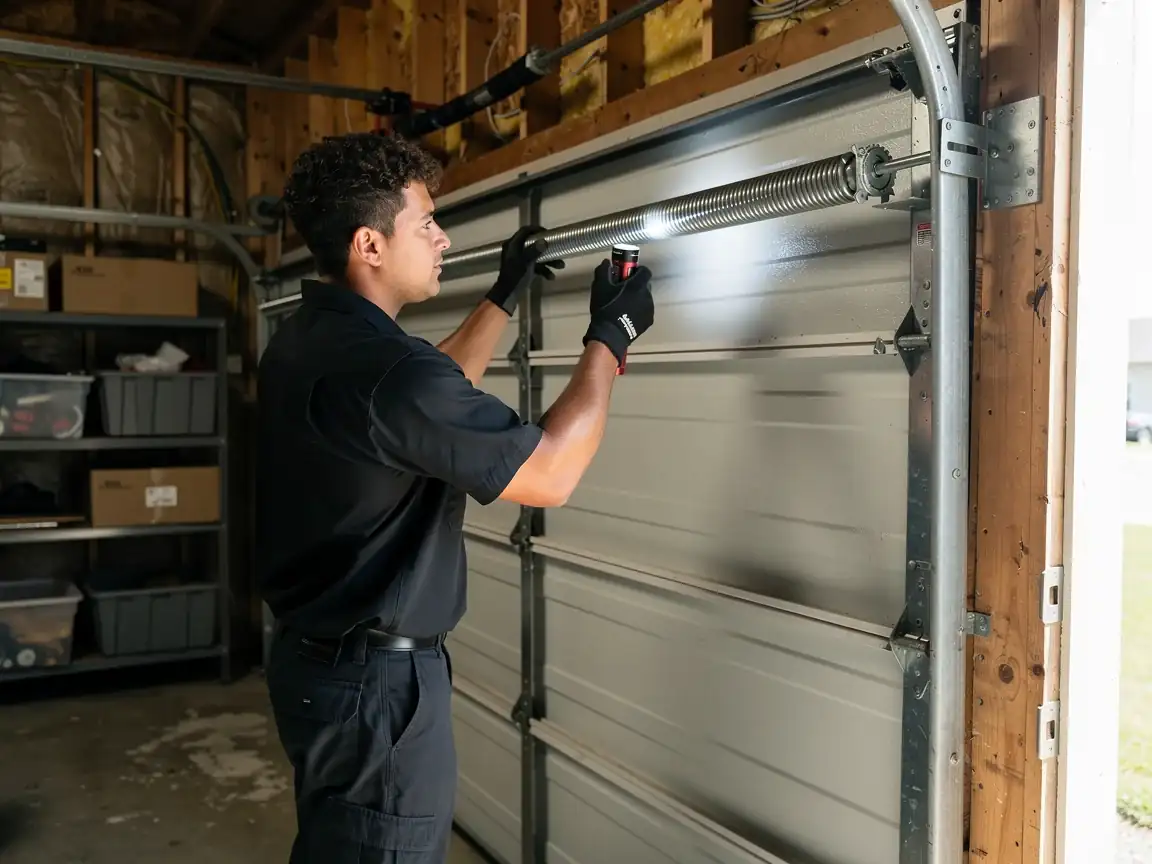
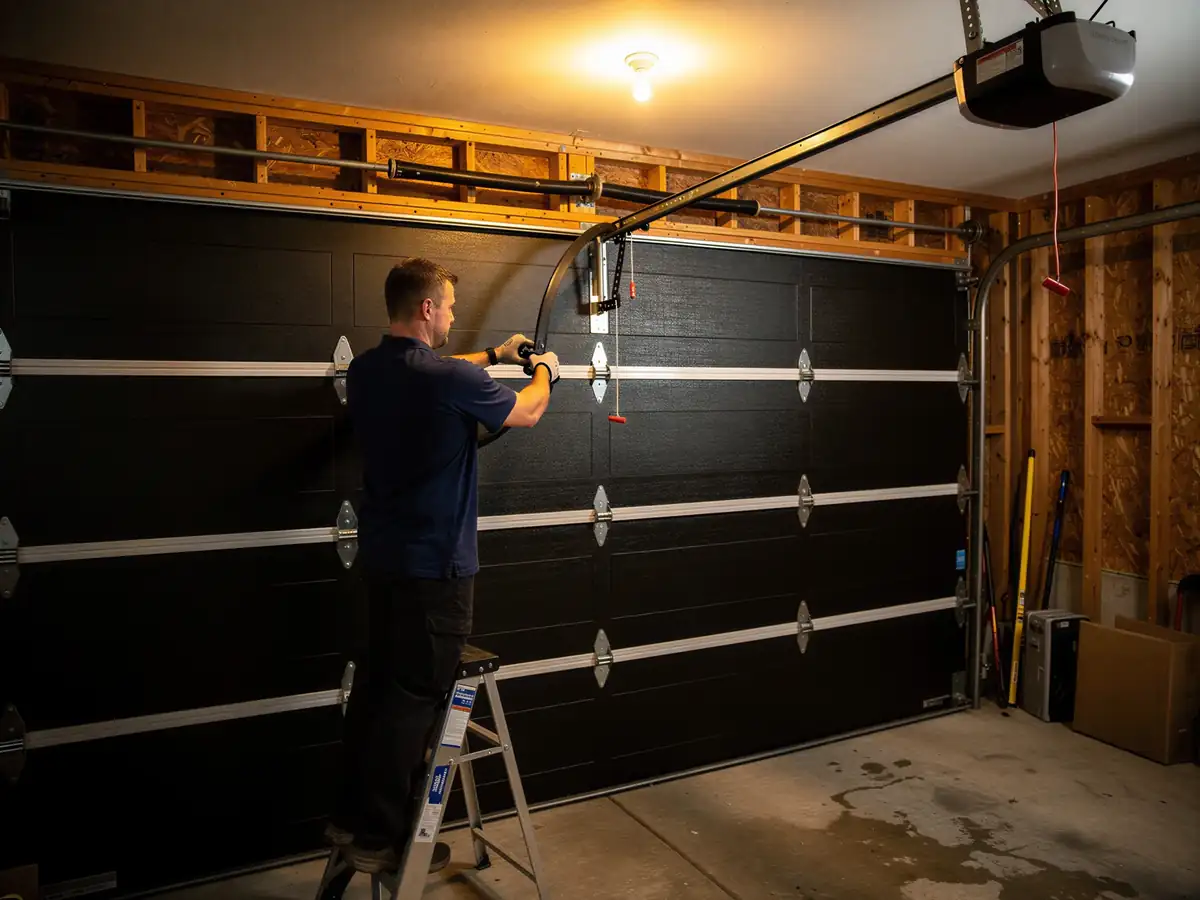
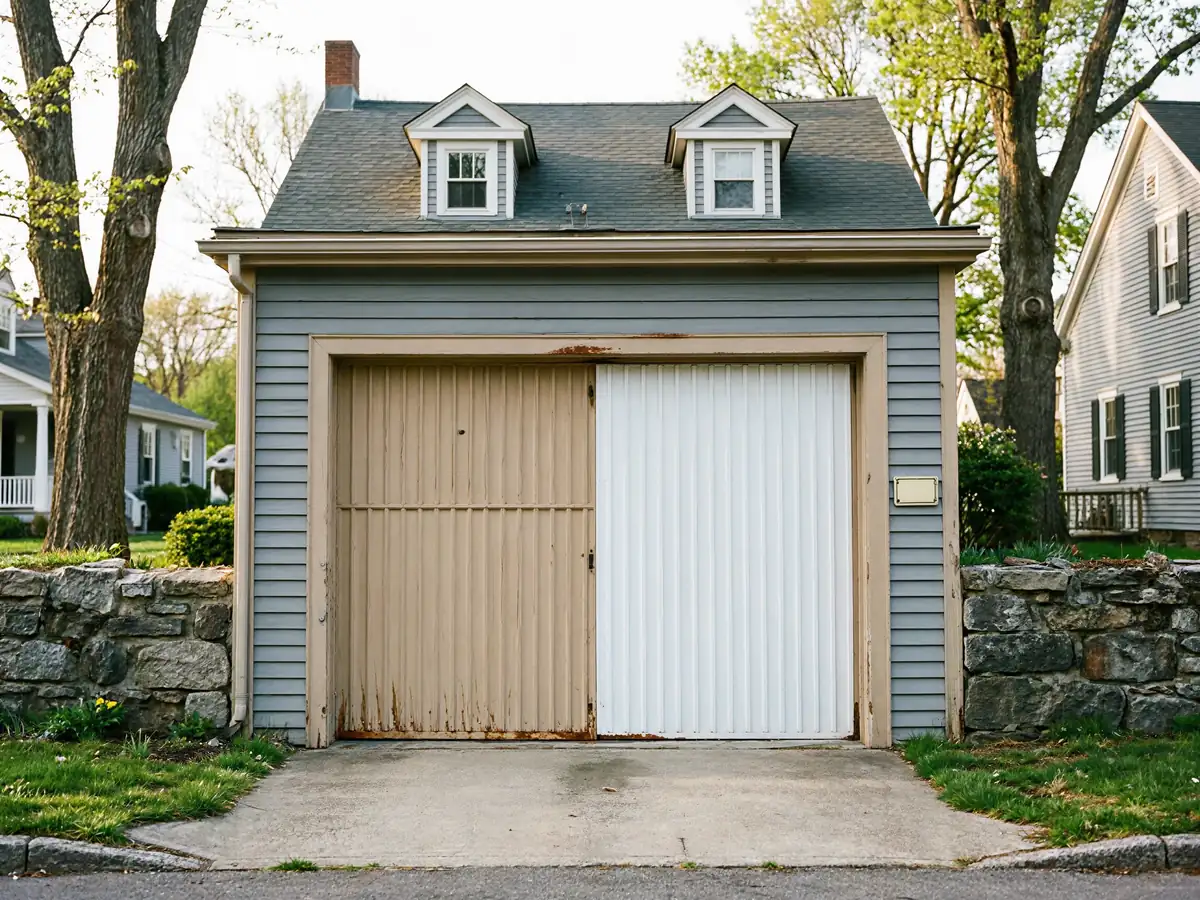
Most of the housing stock around Greensburg went up between 1938 and 1985, with the median build year sitting around 1950. That matters more than people think, because a door and track system installed on a house from that era was almost never designed for the openers and springs sold today. A tech's first stop on a lot of these calls is the bracket layout and spring mount - older homes in this part of the county tend to have side-mounted torsion hardware that was never upgraded when the opener got replaced decades later.
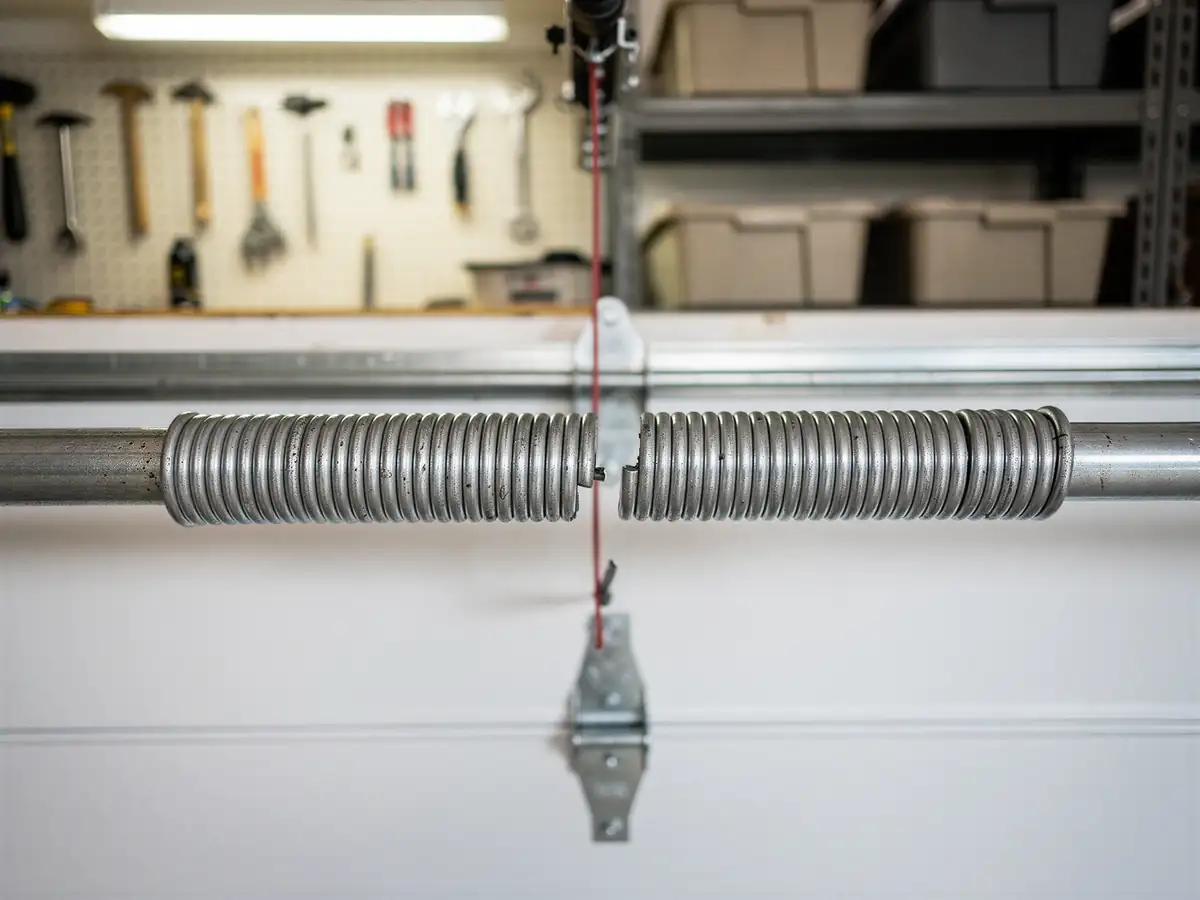
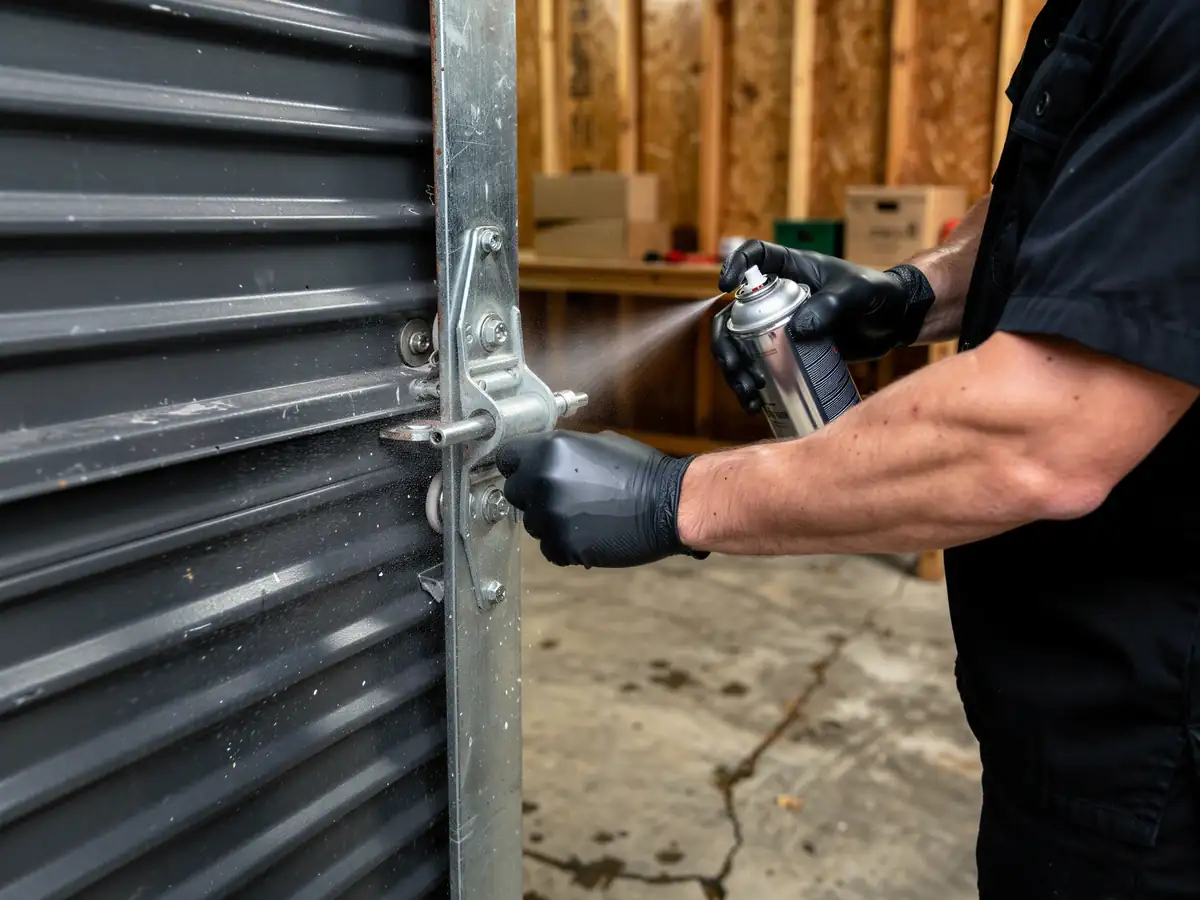
The climate band here is classified cold and severe, and that shows up in how steel behaves. Cold snaps make springs stiffer and more likely to snap under the extra tension of a cycle that starts from a dead stop. Lubricant that worked fine in October gets gummy by January. So before touching a spring or a cable, a technician checks the temperature history on the door - has it been sitting unused in an unheated garage through a hard freeze - because that changes which part failed first and why.
When Waiting Is Fine
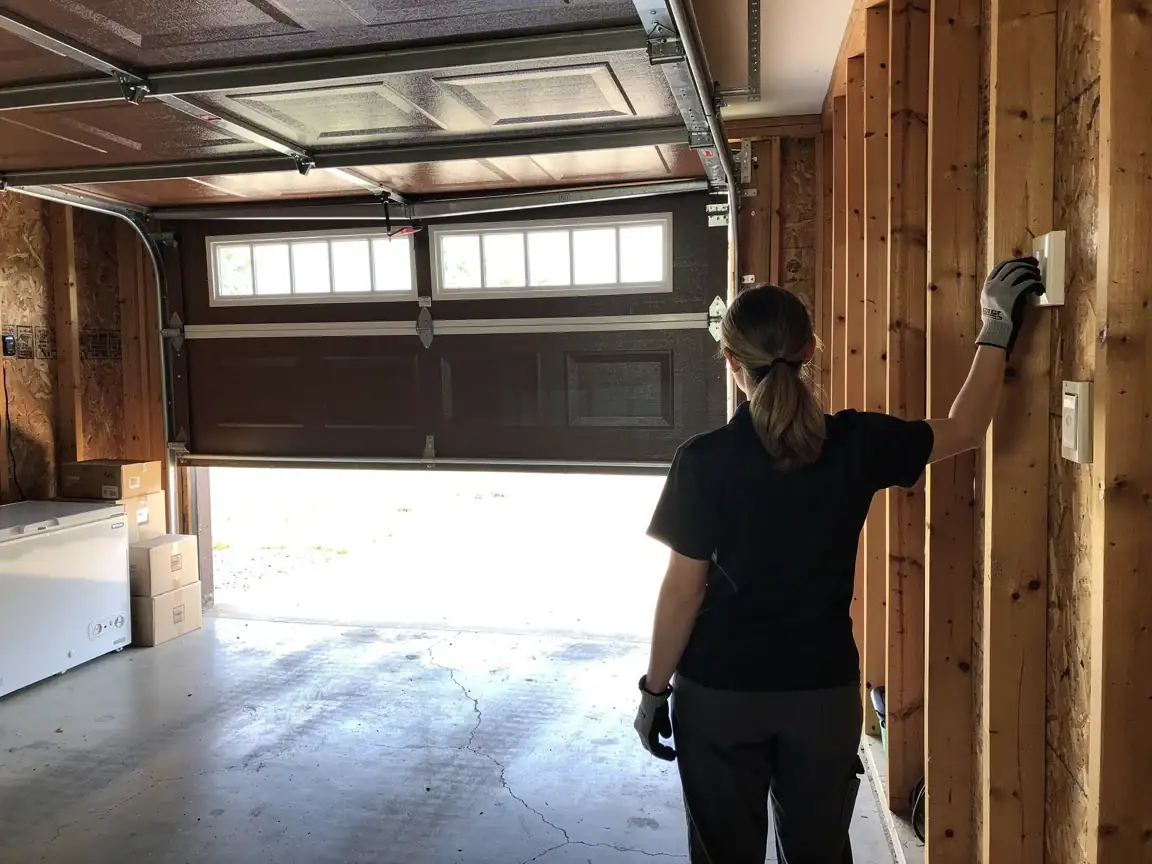
Not every noise is an emergency. A door that groans on the way up but still closes flush and reverses properly on the safety sensor can usually wait for a scheduled visit rather than an after-hours call. If the opener still lifts the door smoothly and the springs aren't visibly stretched or gapped, you're looking at a maintenance item, not a breakdown.
The honest limitation here: we don't recommend rushing a repair on a door that's merely loud. Given how much of the housing stock in this service area predates 1960, a lot of doors have some age-related creak in the rollers or hinges that doesn't mean failure is imminent. Pushing a same-day visit for a noise complaint on an otherwise functional door just adds cost without adding safety. Wait for a slot, mention the noise, let the tech look at it alongside anything else going on with the track.
What Most People Get Wrong
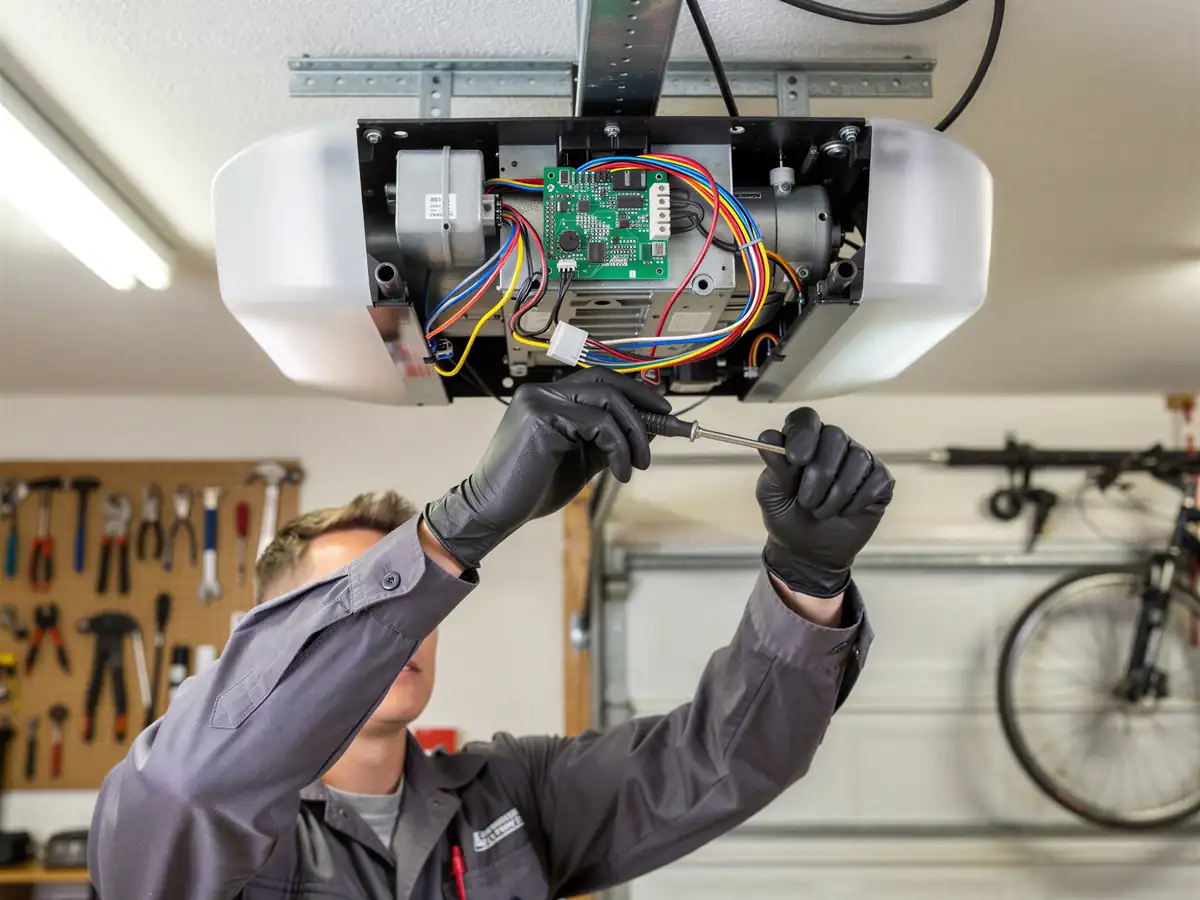
The most common mistake we see on service calls in this area is someone replacing an opener and assuming that fixes a slow or uneven door
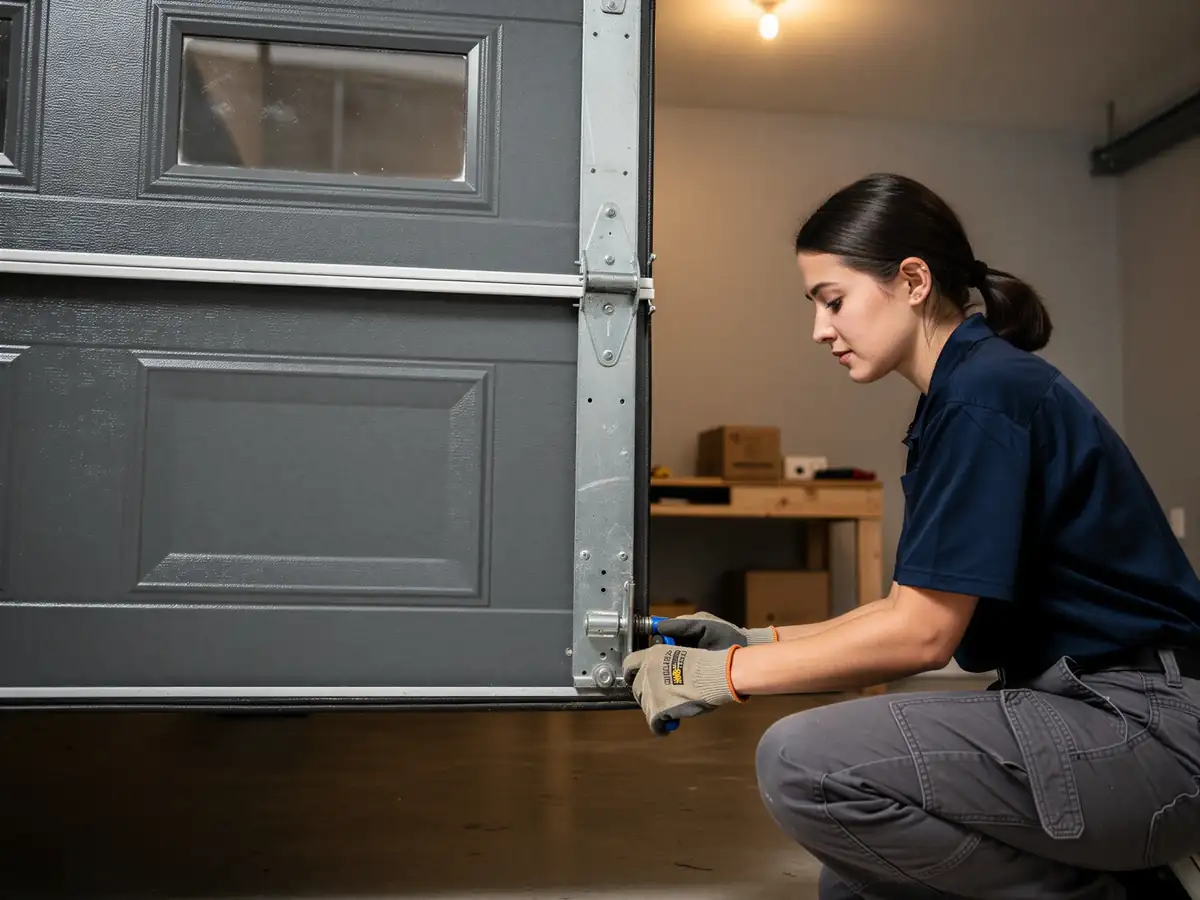
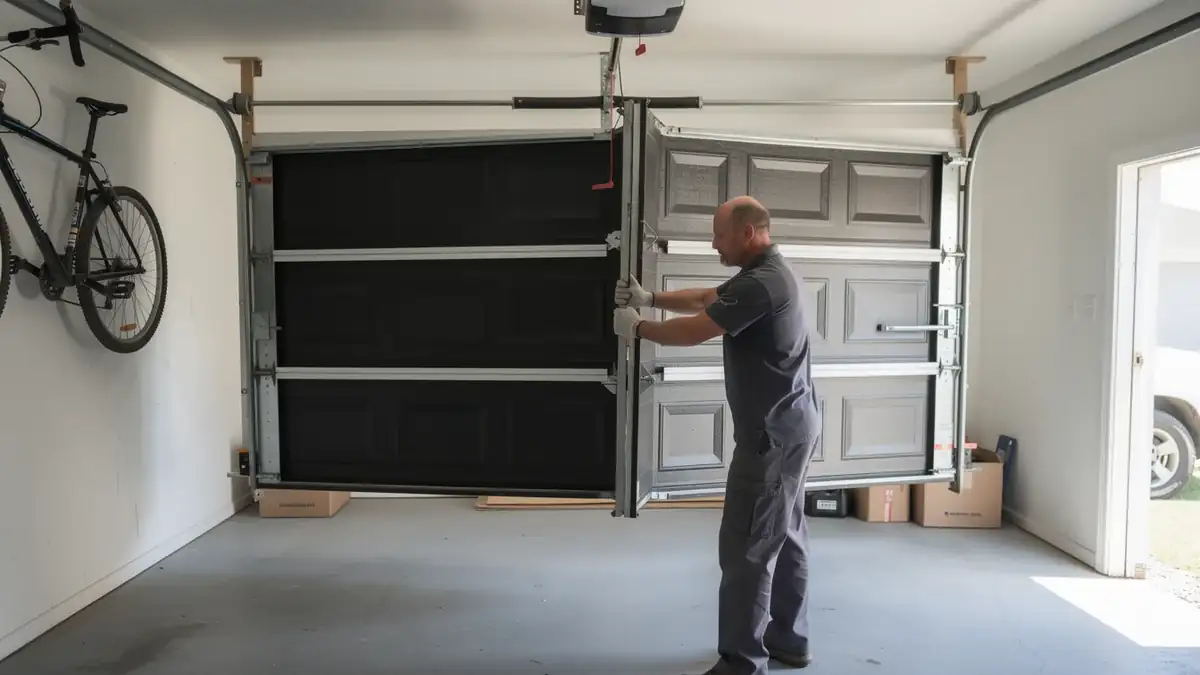
On a house built in the 1938-1985 window, the opener is rarely the real problem - the original torsion spring sizing, picked for a lighter wood door decades ago, often doesn't match a heavier insulated steel door installed later as an upgrade. A new opener just strains harder against the same mismatch.
The second mistake is ignoring track alignment because the door still closes
In a cold-and-severe climate, metal contracts, and a track that's a quarter-inch off in summer can bind hard in January. That binding gets blamed on the spring when it's really the vertical track pulling away from the jamb. A technician checks track plumb and spring weight rating together, not one or the other, because on this housing stock they're almost always tied to the same root cause.
The Situation
Greensburg Garage Door Pros covers a service area built mostly on pre-1960 stock across dozens of named communities, with roughly 83,000 households and about 44,000 owner-occupied houses in the broader area. Towns like Jeannette, four miles out, and Youngwood, five miles out, share the same build era and the same cold-climate stress on hardware, which is why the checklist doesn't change much as you move through Adamsburg, New Stanton, or Manor, all within seven miles.
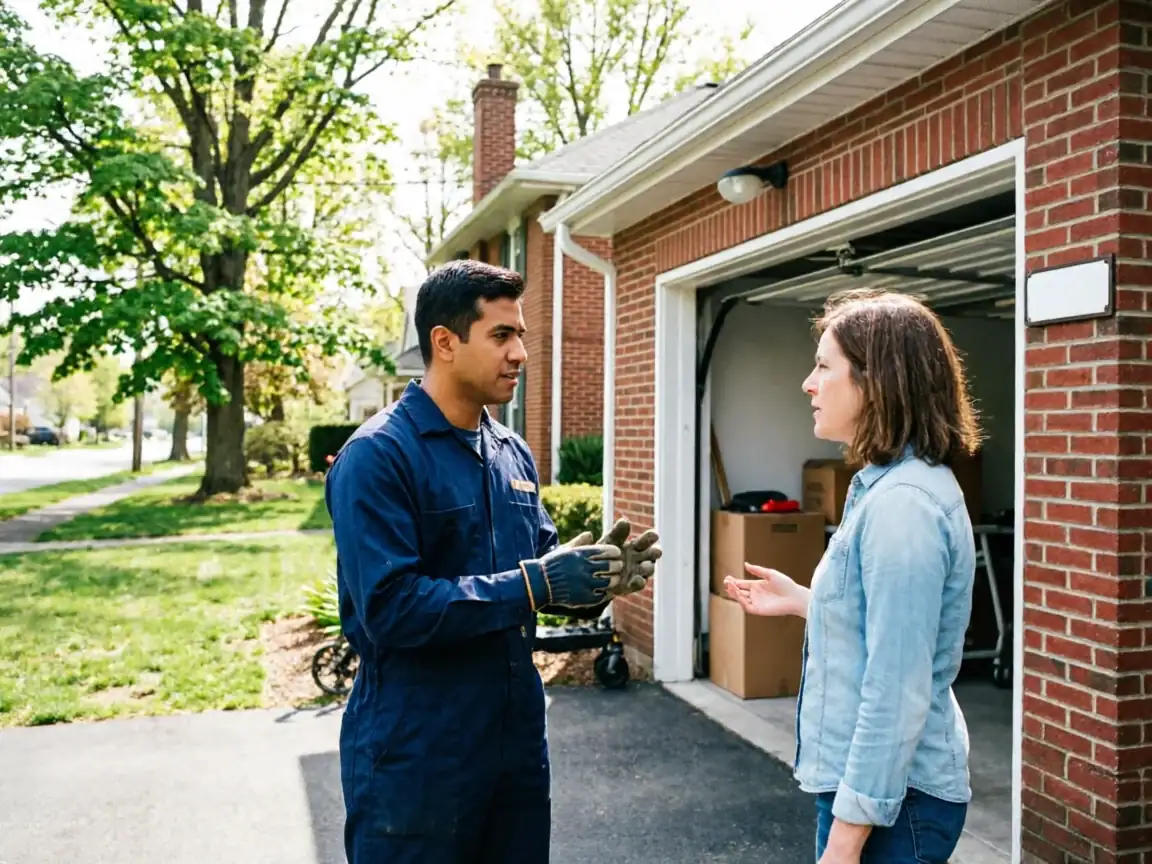
Median household income in the service area runs around $55,909, which is part of why we try to steer people toward the repair that actually fixes the root issue rather than a full replacement when the door and opener are otherwise sound. A technician's first check on any call out here is simple: what year is the house, what's the spring rated for, and has the track moved. Everything else follows from those three answers.