Serving Greensburg, PA & nearby
(724) 281-1874
Greensburg, PA

Why a Door Goes Off Track Around Greensburg

Greensburg's housing stock runs 1938 to 1985, mostly pre-1960, and winters here put real stress on old track hardware. Here's what actually knocks a door loose.

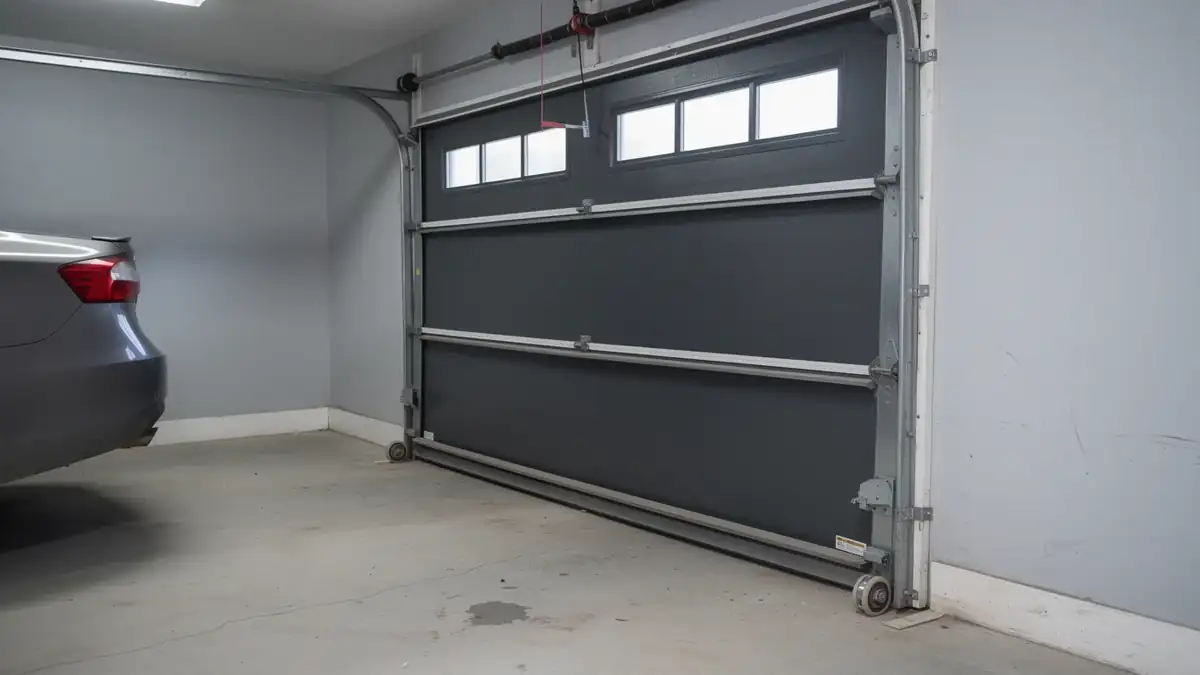
A dark gray garage door with windows is partially open, revealing a car.

How Local Conditions Play In

Most of the houses in and around Greensburg went up between 1938 and 1985, with a median build year around 1950, and a lot of the 53 named areas in this service territory are still mostly pre-1960 stock. That matters for tracks specifically. Garages built in that era often have shorter, lower-clearance openings with track brackets lag-bolted straight into old jamb framing that's moved a little over seventy-plus years. Add a severe cold climate on top of that and you get metal that contracts hard in January, loosening the same bolts that were already marginal. A track that's a quarter-inch out of plumb on a 1950s frame doesn't announce itself - the door just starts binding on one side, then a roller jumps the rail. We see this pattern a lot in the older sections of town, less so in anything built after the 1980s where framing tolerances were tighter. If your house falls in that 1938-1985 window, the track hardware is worth a look before it fails outright, not after.

When Waiting Is Fine

Not every noisy or slightly crooked door needs a same-week call. If the door still opens and closes smoothly and the gap between the roller and track looks even on both sides, a little surface rust or a squeak isn't an emergency - that's normal wear for houses built in the 1950s range that make up so much of this area. Cold snaps can make an older door sound worse than it is; metal contracts, nylon rollers stiffen up, and things get noisy without actually being loose. If the door tracks straight and the cables look taut, you can reasonably wait for a scheduled visit instead of an urgent one. Where I'd stop waiting: any visible gap between roller and rail, a door that's started leaning when it's two-thirds up, or a bracket you can wiggle by hand. Those don't fix themselves, and in a severe cold climate they tend to get worse fast once ice adds weight to an already stressed bracket.

What Most People Get Wrong

People assume a door jumps the track because of the spring. Most of the time it's the hardware holding the track to the frame - lag screws backed out of old, dried-out jamb wood that's common in houses built before 1960. On a house from the 1950s, that wood has had decades to shrink and move, and the original fasteners were never meant to be retightened once, let alone the two or three times they've probably needed it. The other mistake is assuming cold weather only affects the opener. It also affects alignment: steel track sections contract at a different rate than the wood or masonry they're bolted to, and in a climate with real sustained cold, that mismatch opens up small gaps that let a roller walk sideways over a season or two. Forcing the door through a binding spot with the opener instead of fixing the alignment just bends the track faster. We don't recommend hammering a track back into shape on site - once it's bent, it's a replacement section, not a tune-up.

The Situation

Across the roughly 44,139 owner-occupied houses in this service area, a large share sit on that same pre-1960 to 1985 housing timeline, which means track and bracket issues tied to original-era framing show up over and over, not as one-off cases. Median household income here is $55,909, which is part of why a lot of owners reasonably want the track straightened or re-anchored rather than jumping straight to full replacement - and for most off-track calls that's the right call, not a downgrade. We work the Greensburg area itself along with the surrounding towns within a short drive, including Jeannette, Youngwood, New Stanton, and Latrobe. If your bracket is pulling out of the framing instead of just loose, that's a repair with a real limit - rotted jamb wood sometimes needs more than a tighter screw, and we'll tell you that on site instead of patching it twice.
How it works

From “it’s stuck” to “it’s fixed”

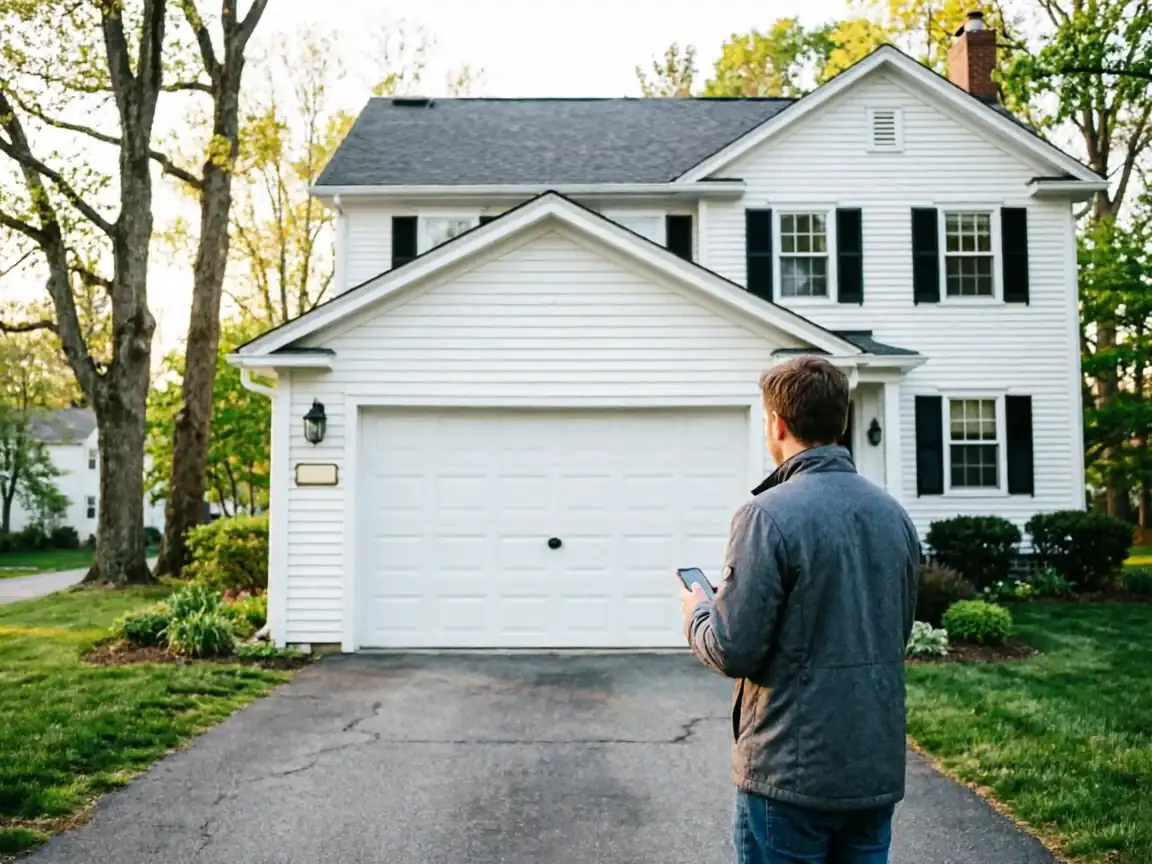
A man stands in a driveway looking at a white house with a white garage door.
1

Tell us what’s wrong

Describe the symptom - won’t open, loud bang, opener runs but the door won’t move.

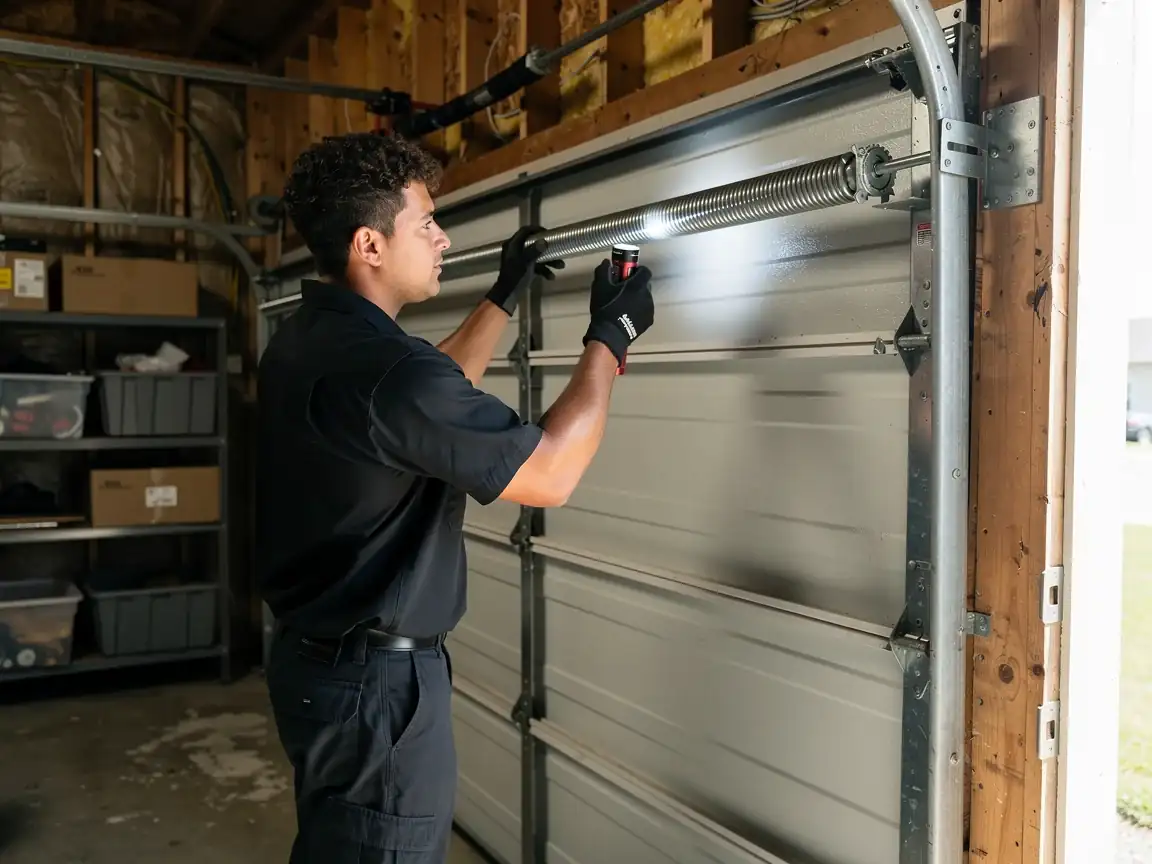
A technician inspects a garage door torsion spring with a flashlight.
2

On-site diagnosis

A technician tests the door under power and by hand and finds what actually failed.

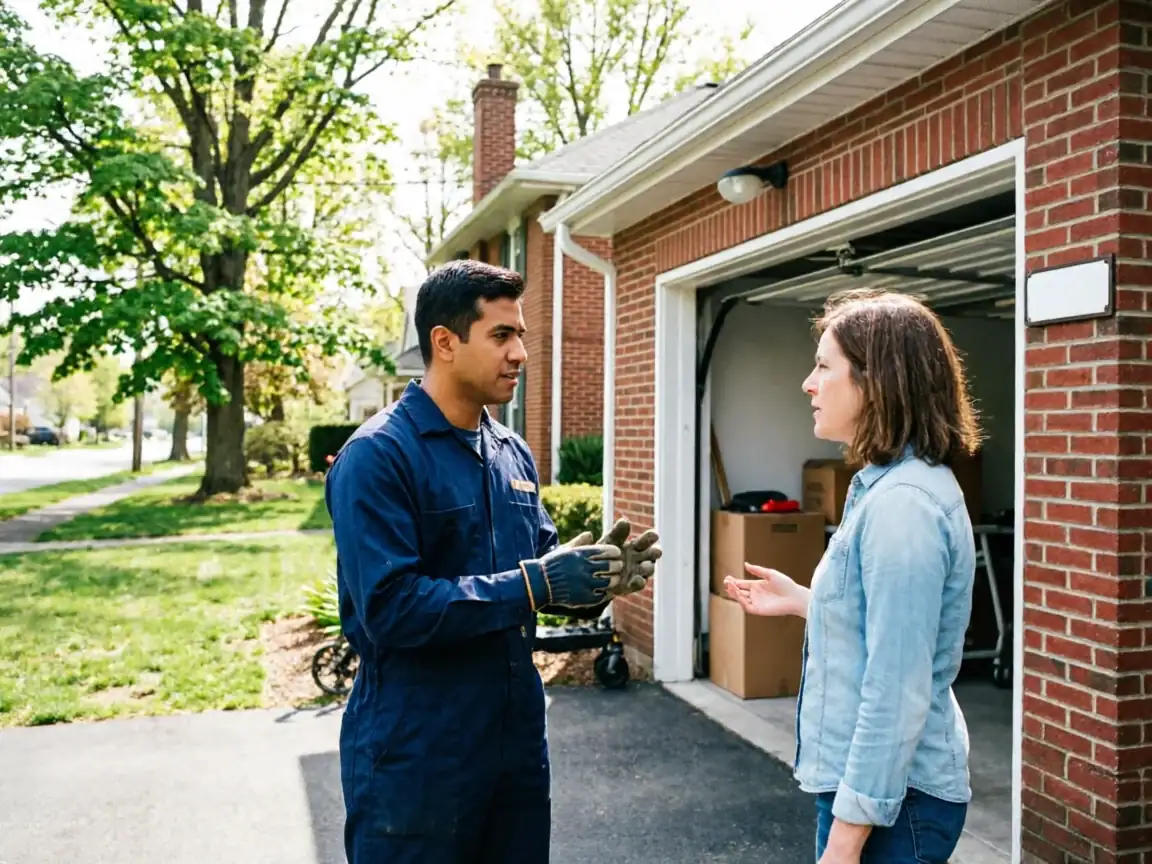
A technician in a blue uniform talks to a woman in front of a brick house with an open garage.
3

Clear, up-front plan

You get the fix that’s needed and what drives the cost - before any work starts.

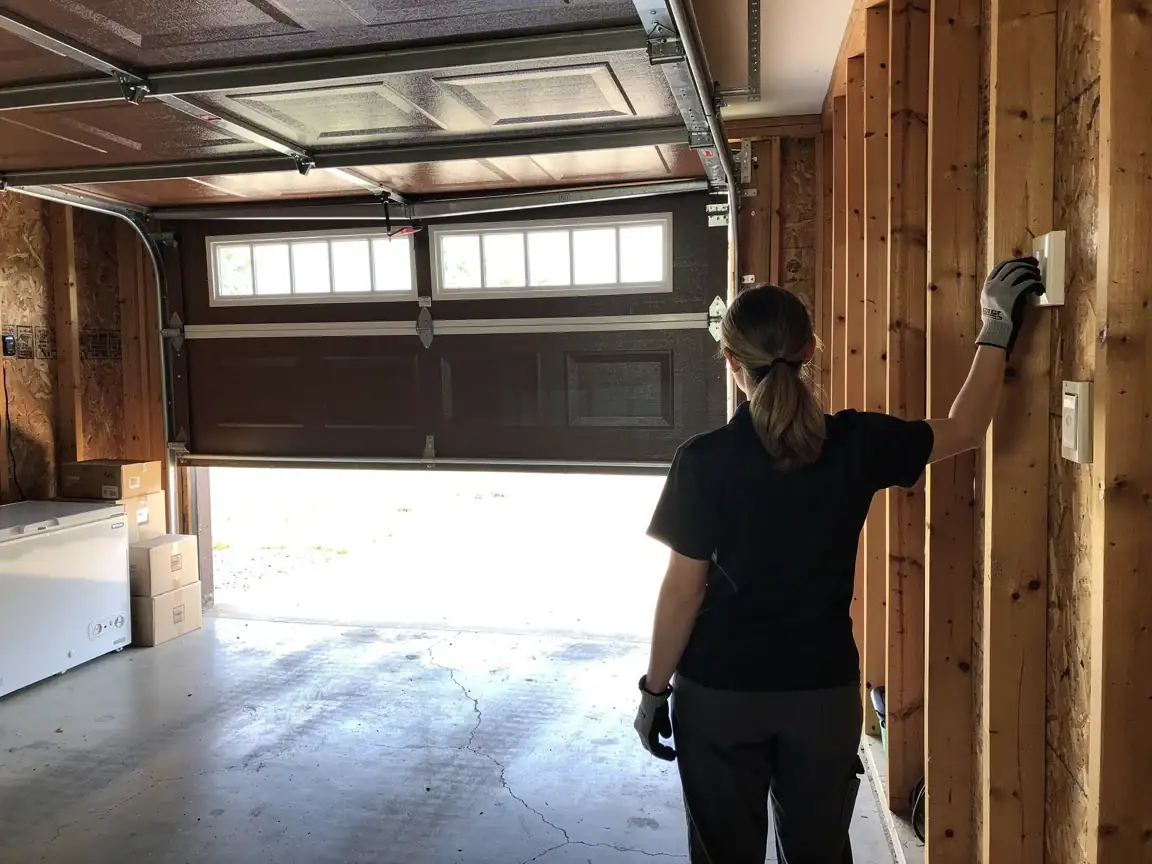
A technician in gloves adjusts a white control panel next to an open brown garage door.
4

Repaired & tested

The repair is done, the door is set true and tested, and the work area left clean.

Not sure which repair your door needs in Greensburg, PA? Describe what it’s doing - every job starts with a diagnosis.

5areas covered
How we work

What to expect

Diagnosis first

Every visit starts by finding what actually failed - not a pre-written parts list.

The right part for the door

Springs and openers matched to the door’s weight and age, so the fix holds up.

Straight answers

When a repair makes more sense than a replacement - or the reverse - you hear it plainly.

Clean, careful work

Tension released safely, hardware set true, the door tested under power before we leave.

What we do

Garage Door Services

Repair and installation work for Greensburg homes and businesses.

Questions

Frequently asked

Straight answers about garage door repair in Greensburg. Still unsure? Ask us directly.

Why did my garage door suddenly jump off the track in the cold?

In a severe cold climate like Greensburg's, steel track contracts faster than the wood or masonry it's mounted to. If the mounting hardware was already a little loose - common in homes built before 1960 - that seasonal contraction is often enough to let a roller walk off the rail.

Is a bent track always a full replacement?

Usually, yes for that section. Steel track doesn't bend back to true, and forcing a bent section back into service just stresses the rollers and the opener. We replace the affected section rather than trying to reshape it on site.

My house is from the 1950s - is that relevant to track problems?

It can be. A lot of Greensburg-area homes from that era have original jamb framing and hardware that's shifted over seven-plus decades. Loose lag bolts in old wood are a common cause of a door working its way off track, more so than in newer construction.

Can I just tighten the track brackets myself?

If the bracket is solidly anchored, sure, a quarter turn on a lag screw is simple. But if the wood behind it has softened or split - which happens in older framing - tightening the same screw just strips the hole further and the bracket comes loose again sooner.

Ready to get your garage door sorted?

Tell us what it’s doing and where you are in Greensburg - we’ll take it from there.

Request a QuoteCall