How Local Conditions Play In
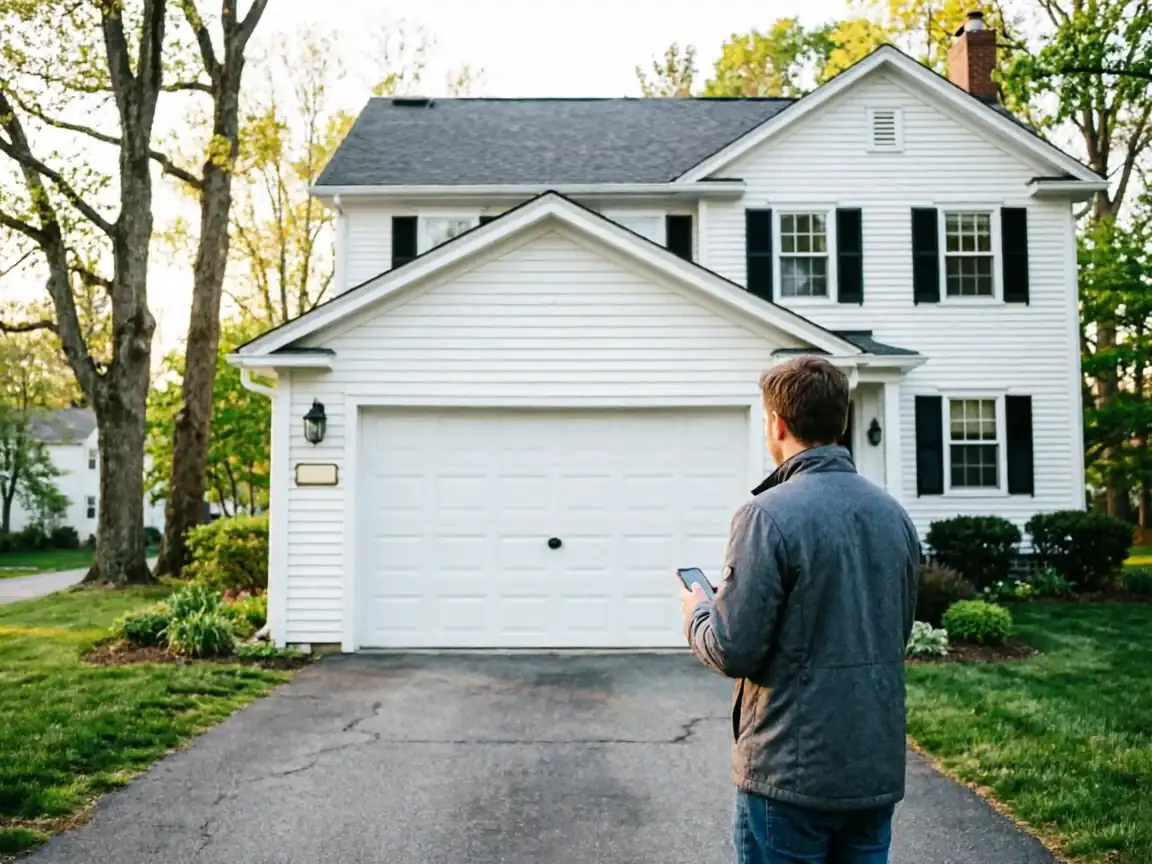
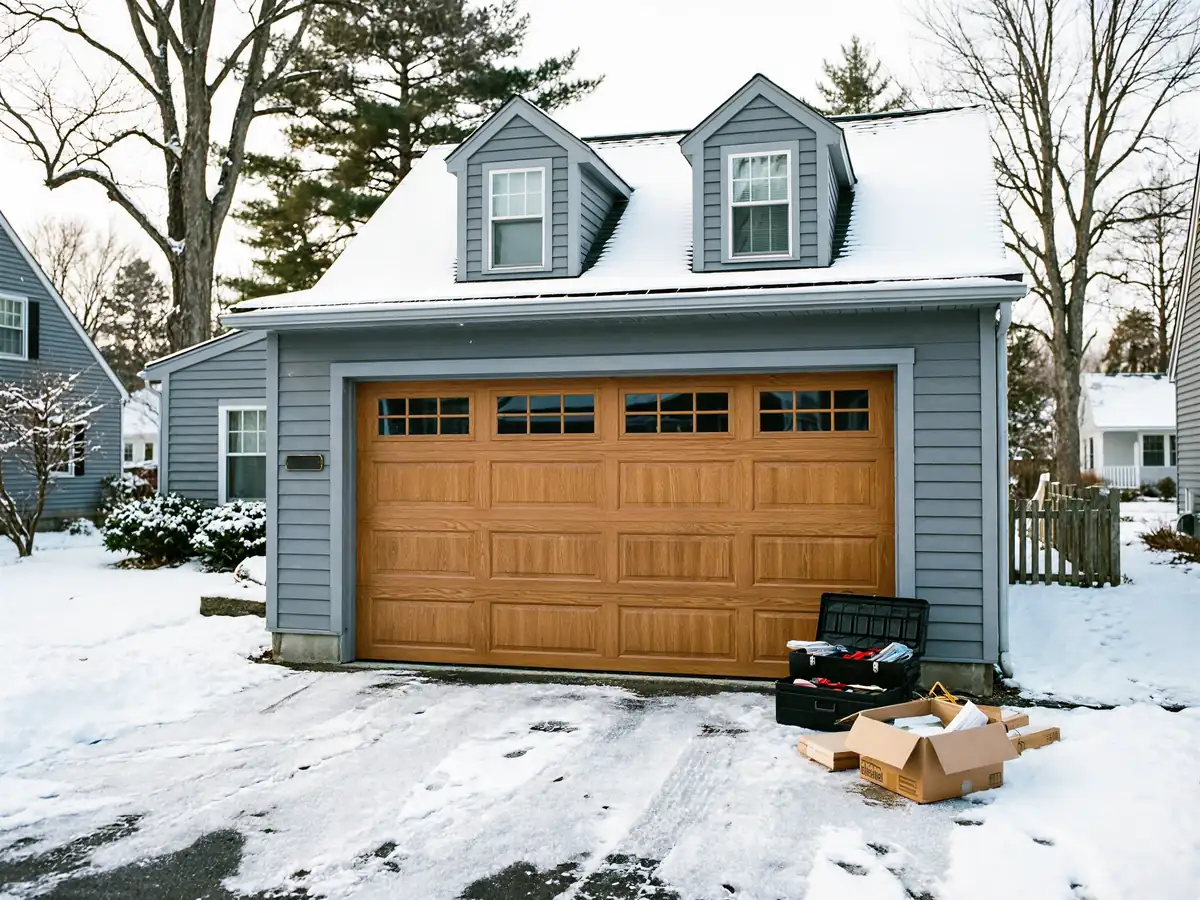
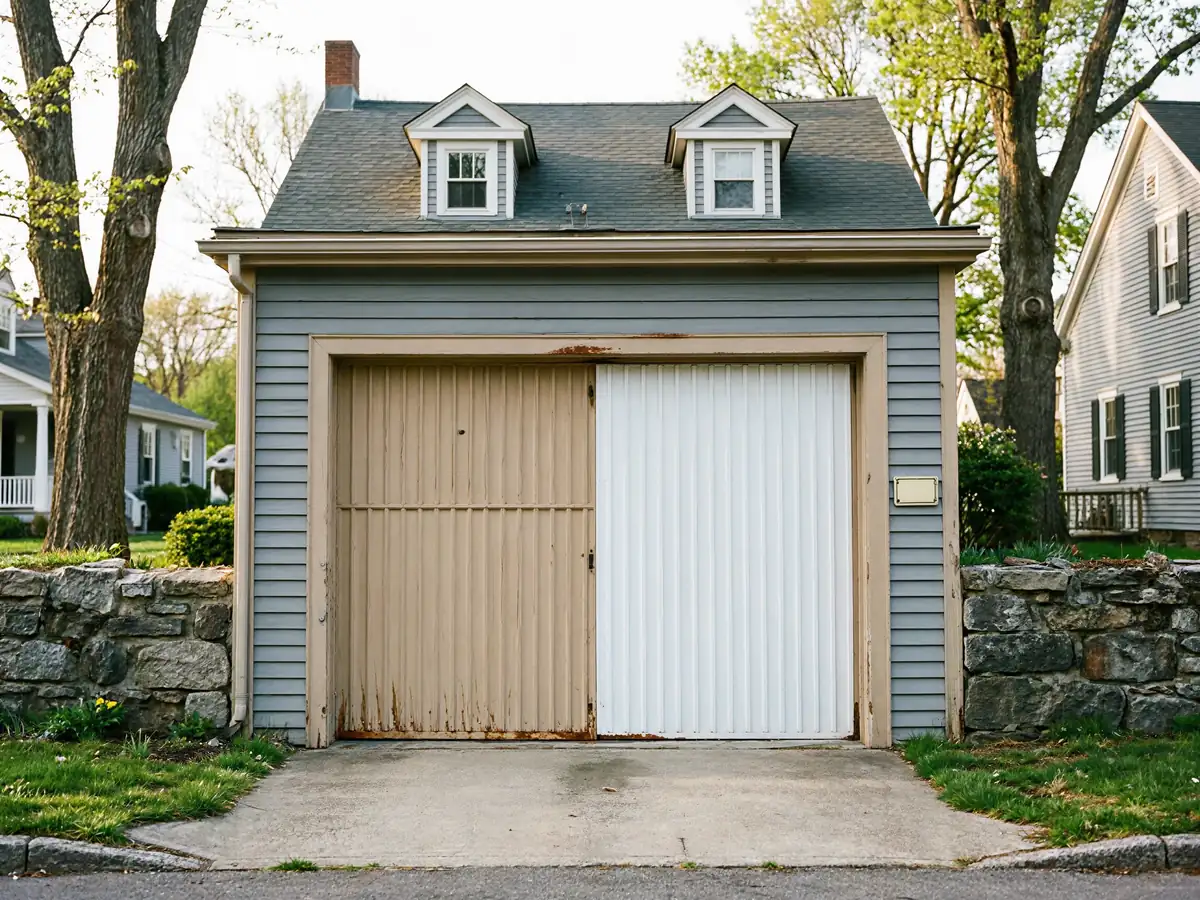
Most of the houses around Greensburg went up between 1938 and 1985, with the median landing near 1950, which means a lot of original torsion springs are still hanging on side-mounted hardware that nobody makes anymore. Steel doesn't care how old it is until it's cold. Greensburg sits in a cold-severe climate band, and a spring that's flexed thousands of times since the Eisenhower era gets brittle in a way a five-year-old spring never will. The coil is already fatigued from decades of cycles; cold just takes away the last bit of give it had left.
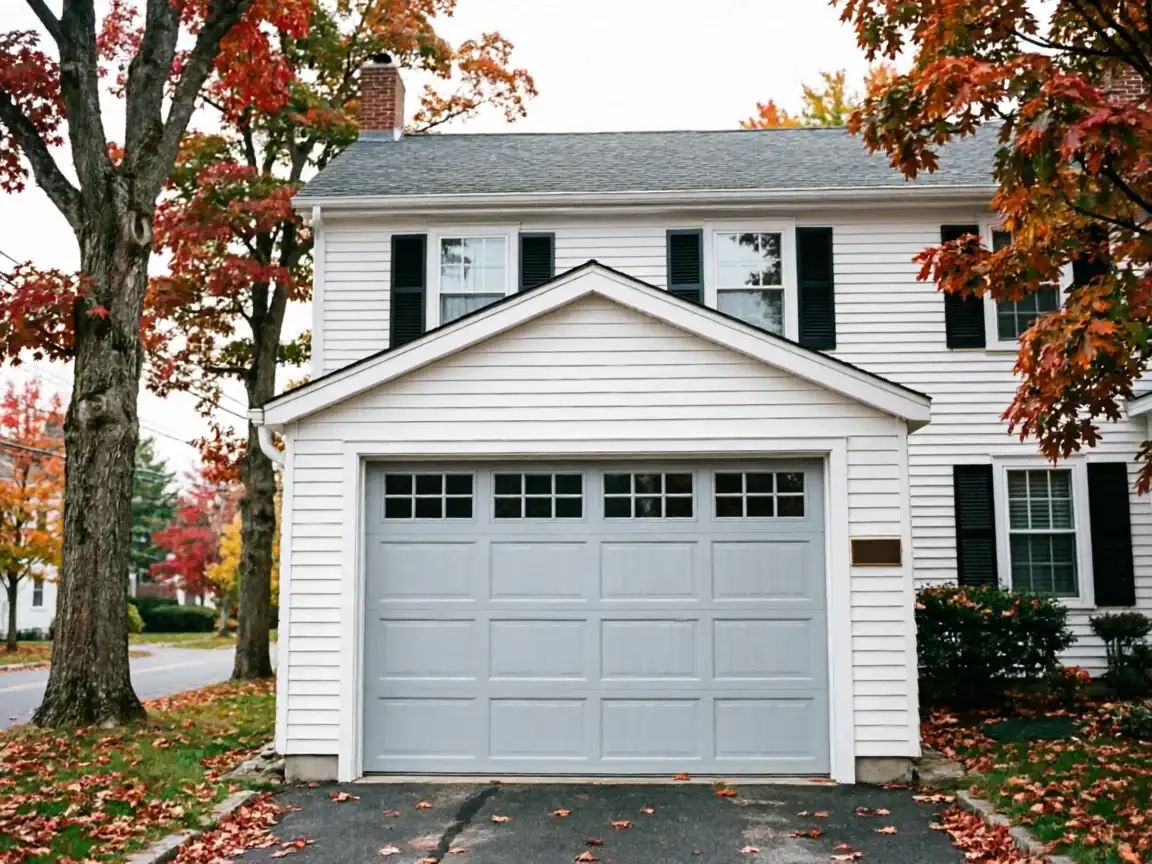
Within the fifty-three named areas we cover around Greensburg, the housing stock runs mostly pre-1960. Drive out toward Jeannette or Youngwood and you're in the same pre-1960 band that surrounds Greensburg itself - same era of builder-grade hardware, same exposure to the same winter swings. That consistency matters: it's not one unlucky house, it's a whole generation of garages built before torsion springs were sized the way they are now. A spring rated for a lighter door, strained for sixty-plus winters, is a predictable failure, not a mysterious one.
When Waiting Is Fine
Not every cold-weather spring problem is an emergency. If the door is down, closed, and the spring looks intact but the door is just stiff or slow on a frigid morning, that's usually grease gone thick in the rollers and hinges, not a spring about to snap. You can wait for daylight and a warmer afternoon before calling anyone.
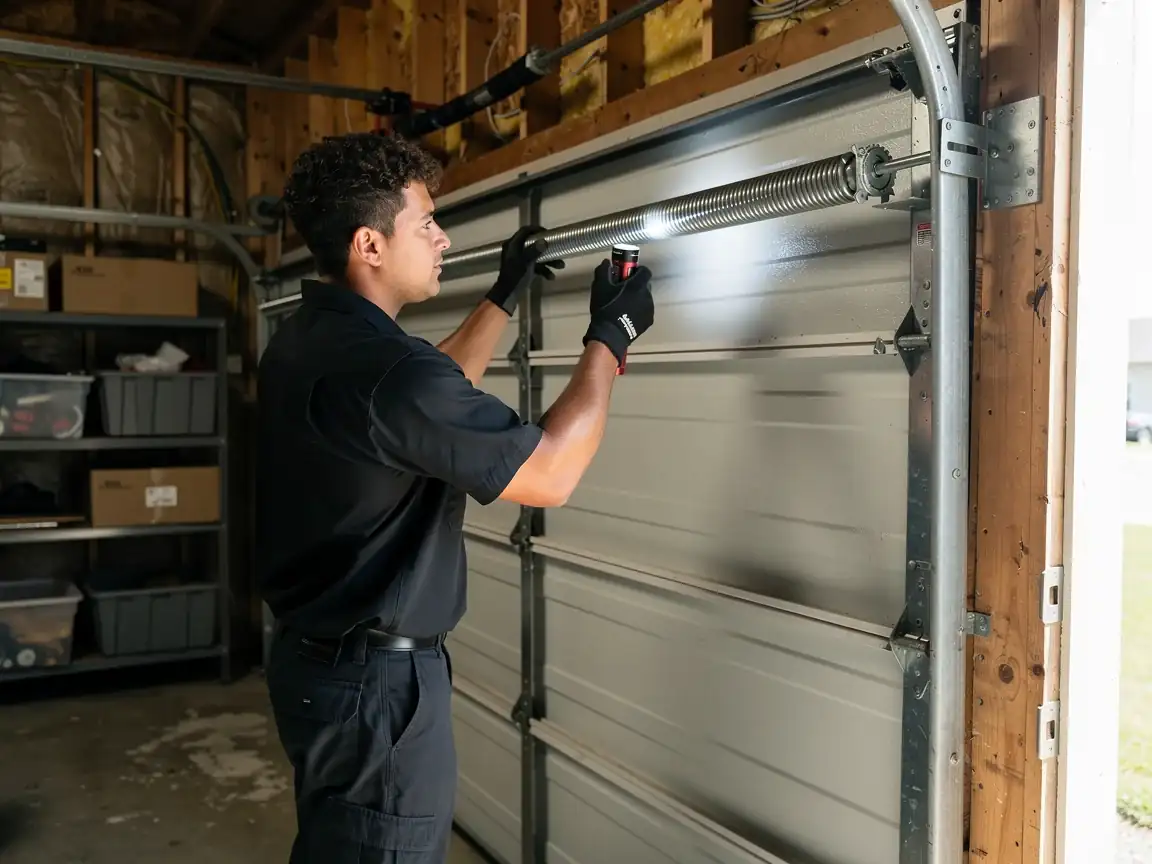
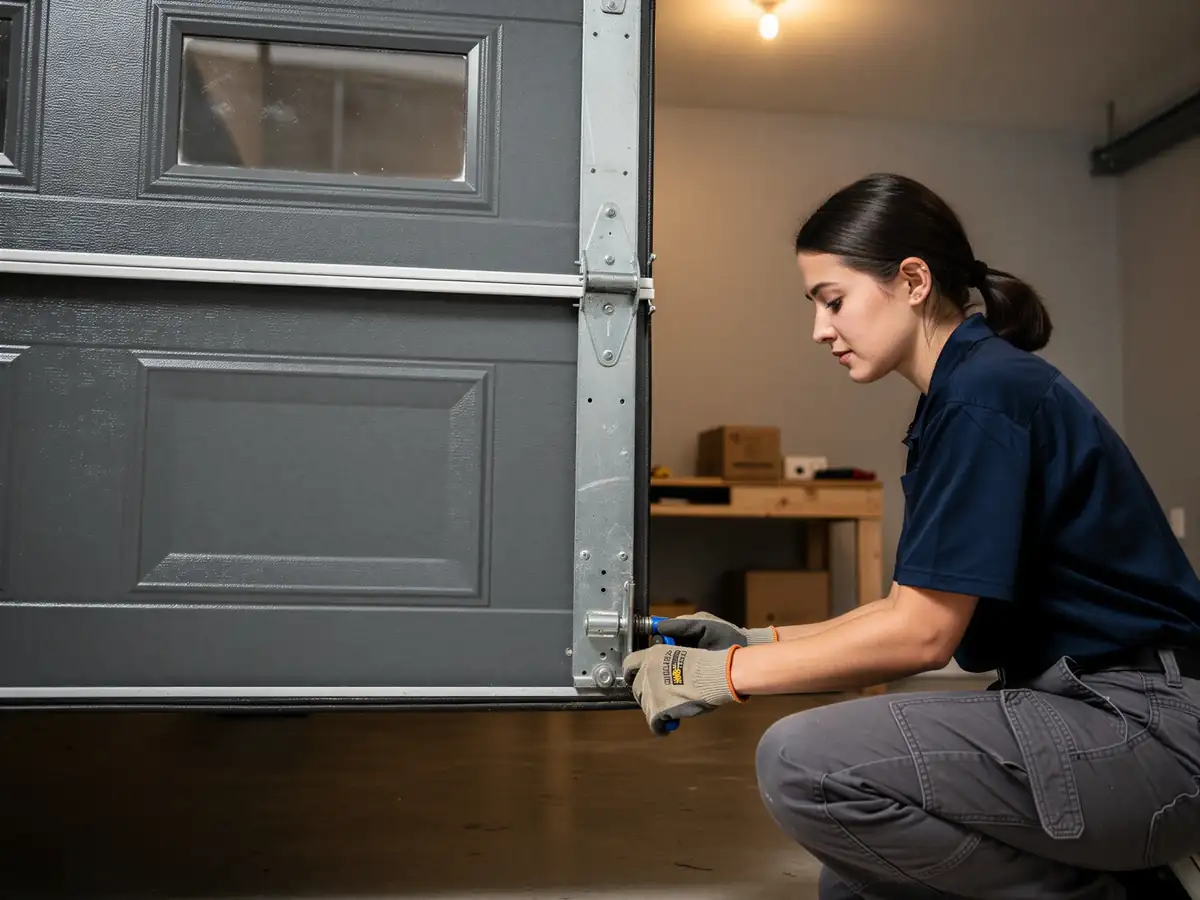
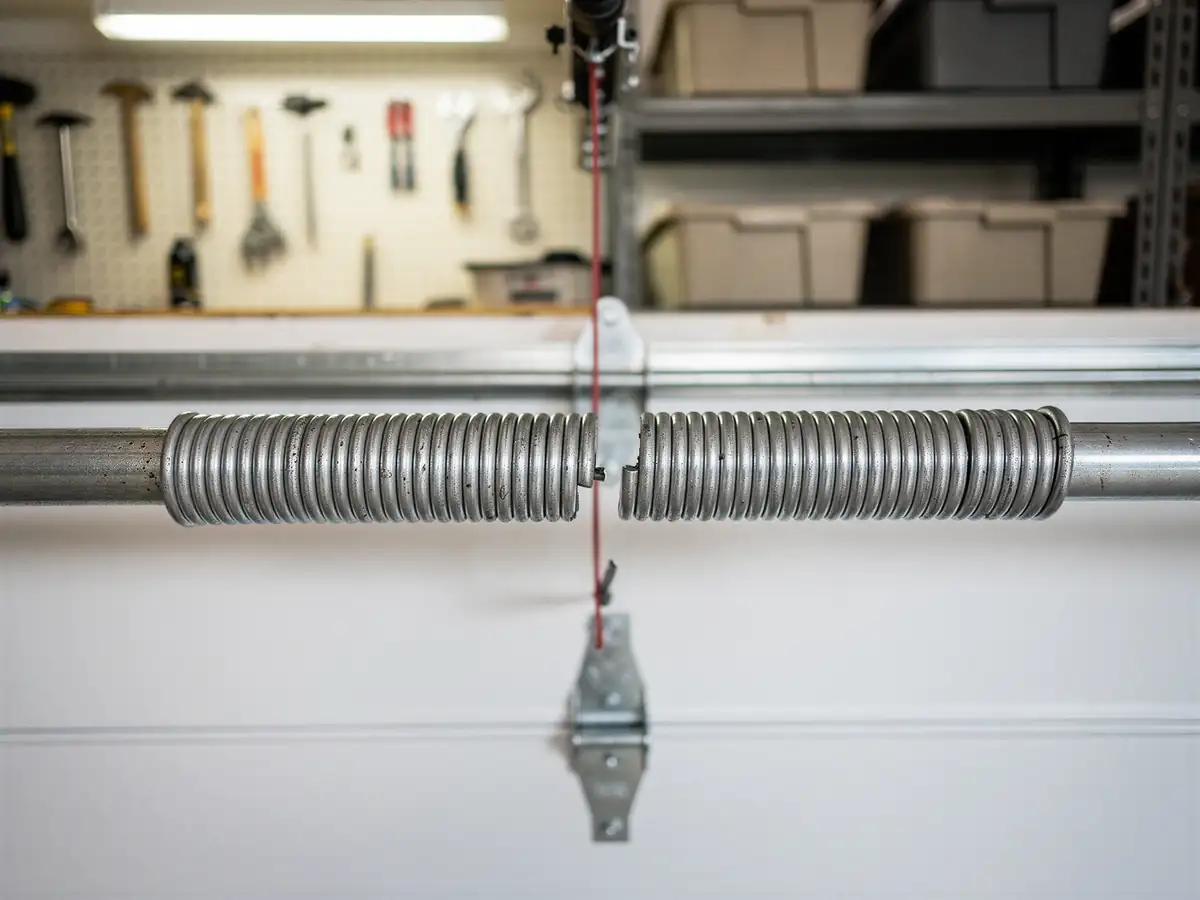
If you hear a loud bang from the garage on a cold night and the door won't move, that's different - that's very likely the spring itself, and it's not a project for the weekend. We don't recommend homeowners replace a torsion spring themselves. The spring is under enough tension to do real damage if it lets go while you're working on it, and the winding bars and gauges for doing it safely aren't something most people have sitting in a drawer. That's the one honest limit here: some of this is genuinely not a DIY job, cold weather or not.
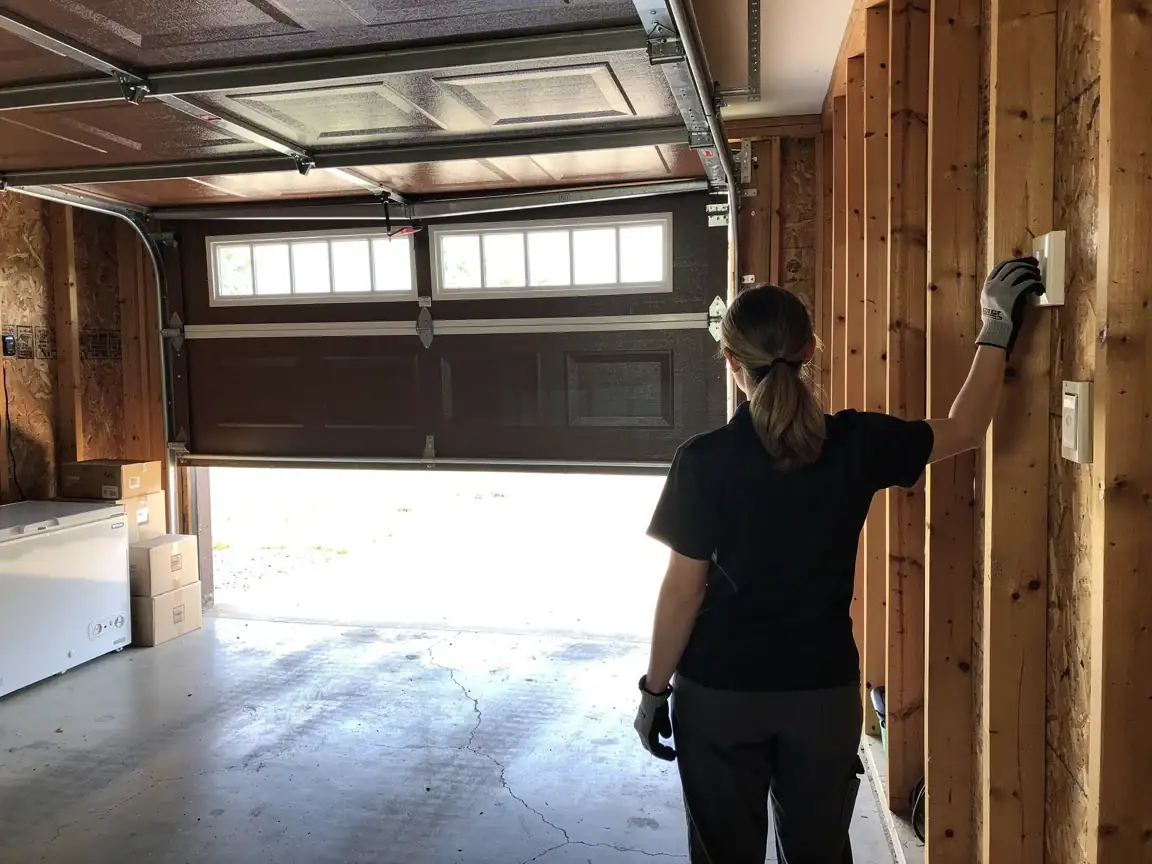
If the door is stuck in the open position with a broken spring, don't force it down. Block the opening if you need to and wait for a call during normal hours unless there's no way to secure the garage at all.
What Most People Get Wrong
The common assumption is that cold itself snaps a spring
Like the metal just gives up overnight. What actually happens is years of cycling - opening and closing thousands of times since a house went up in the 1950s or 60s - combined with cold making the last few winters' worth of fatigue show up all at once. The spring was going to fail eventually. Cold just picks the week.
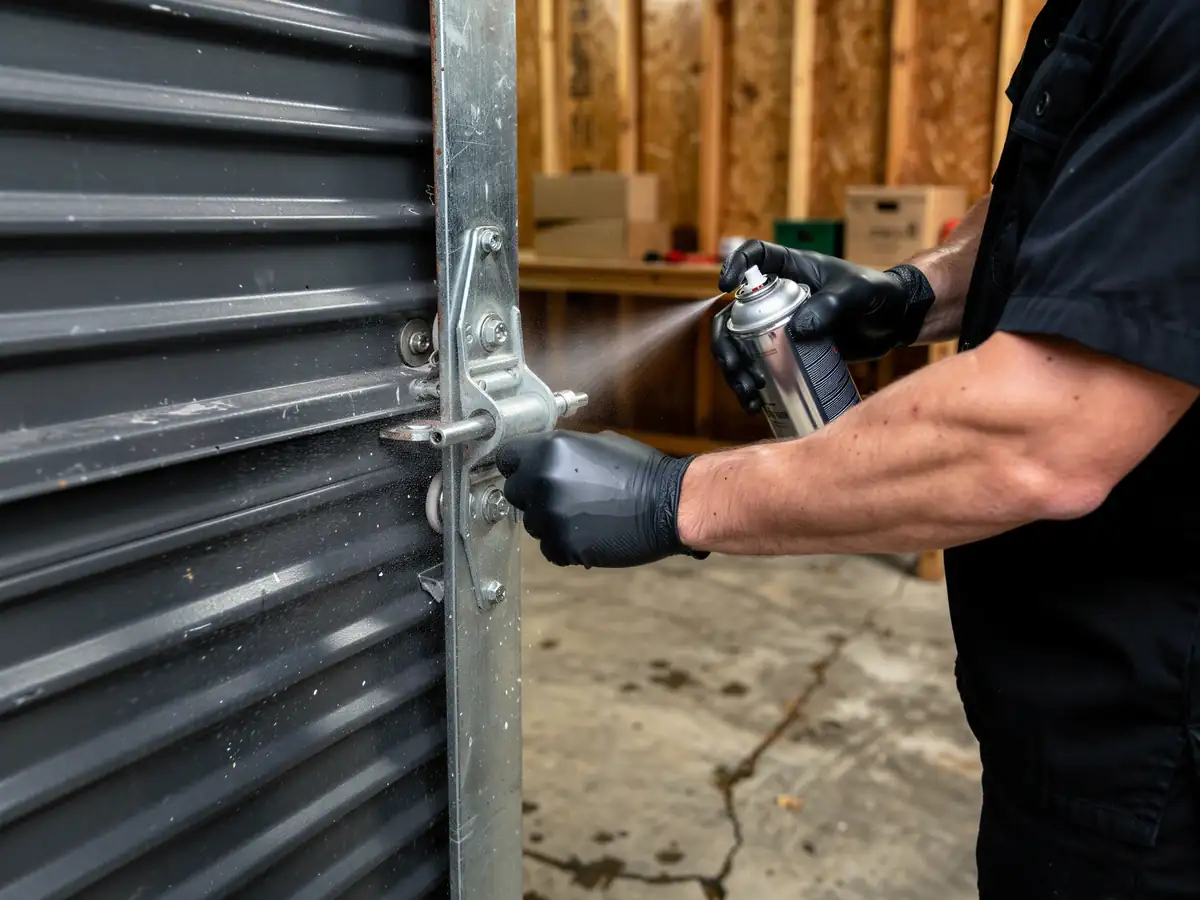
Another thing people get wrong: spraying WD-40 on a noisy spring in winter
It's a solvent, not a lubricant, and it washes out what grease is left on aging coils faster than it helps. A lithium or silicone-based garage door lubricant does more and does it safely, but it won't save a spring that's already fatigued - it just slows wear on the parts around it.
People also assume a struggling opener motor means the opener is failing
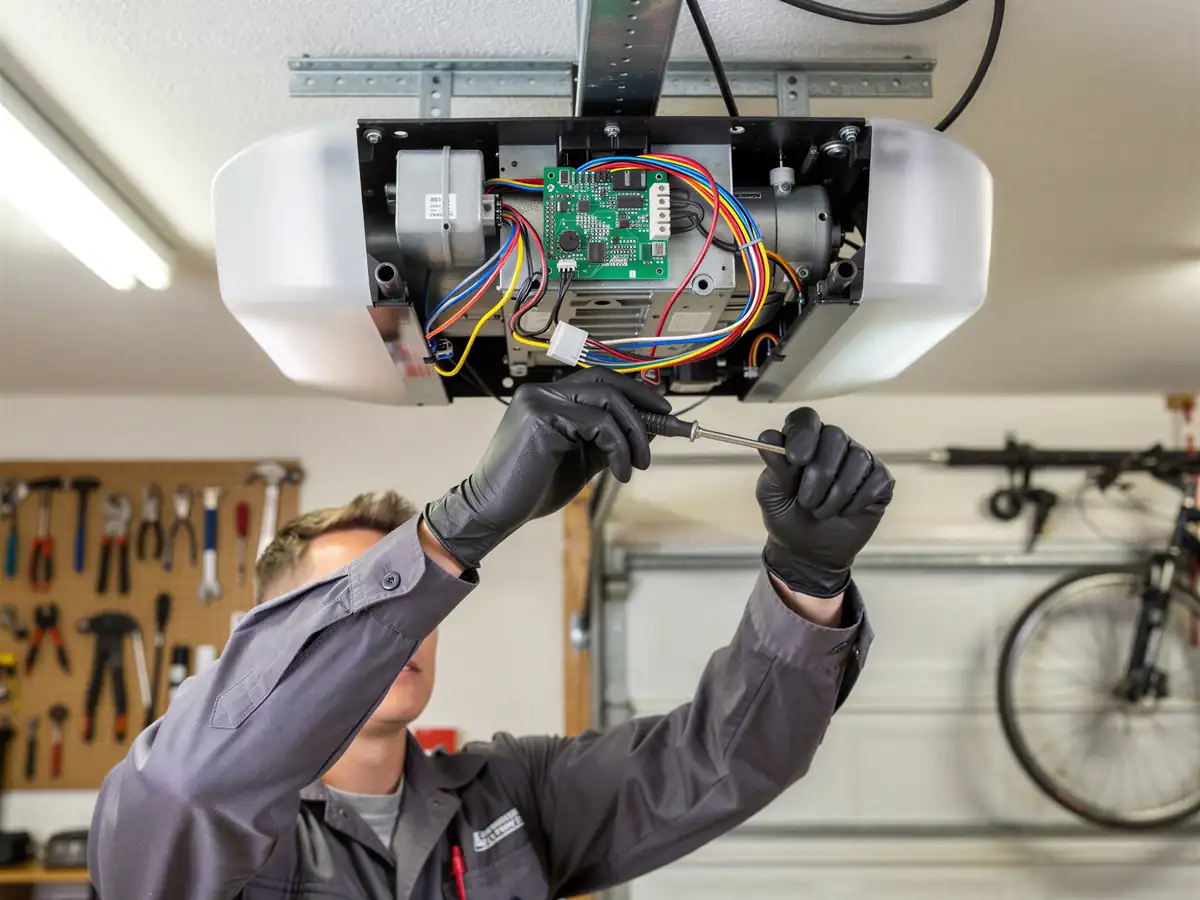
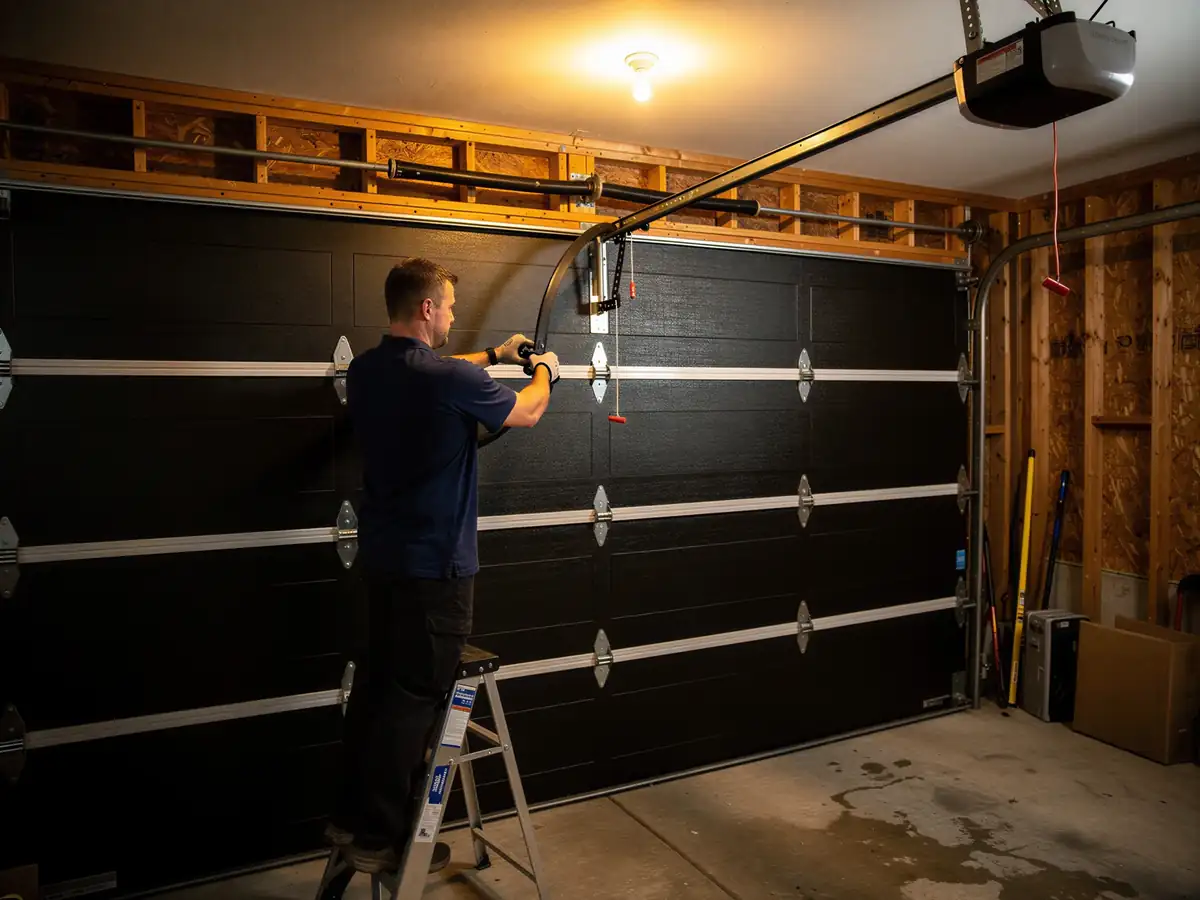
Often it's the spring doing less of the lifting than it should, so the opener strains to make up the difference. Replacing the opener fixes nothing if the real problem is upstream of it.
The Situation
Across the area we cover, there are roughly 83,379 households and about 44,139 owner-occupied houses, with a median household income of $55,909. That combination matters here: a lot of Greensburg-area homeowners are weighing a repair against a full opener or door replacement when a spring snaps in January, and the budget for that decision is tighter than it would be in a wealthier market. That's part of why we try to be specific about what actually needs doing instead of upselling a new system on top of a $20-and-up part.
The broader picture is a lot of older homes, built across a long stretch from 1938 to 1985, still running the hardware they were built with. That's not a problem by itself - a torsion spring properly sized and maintained can run for years - but it does mean failures cluster in cold months on houses that have gone the longest without anyone looking at the spring at all. If your door has been making noise or feels heavier than it used to, that's worth a look before the cold finishes the job on its own schedule.