What the Housing Means for Your Door
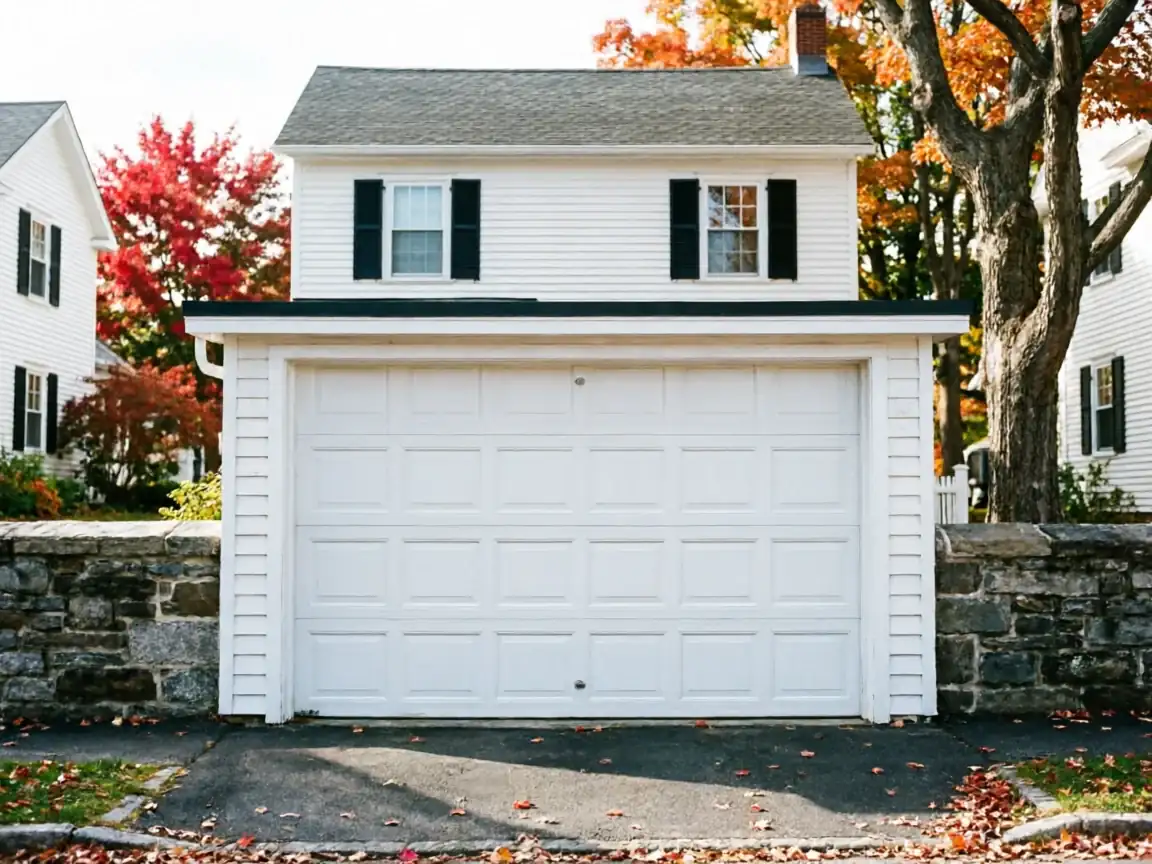
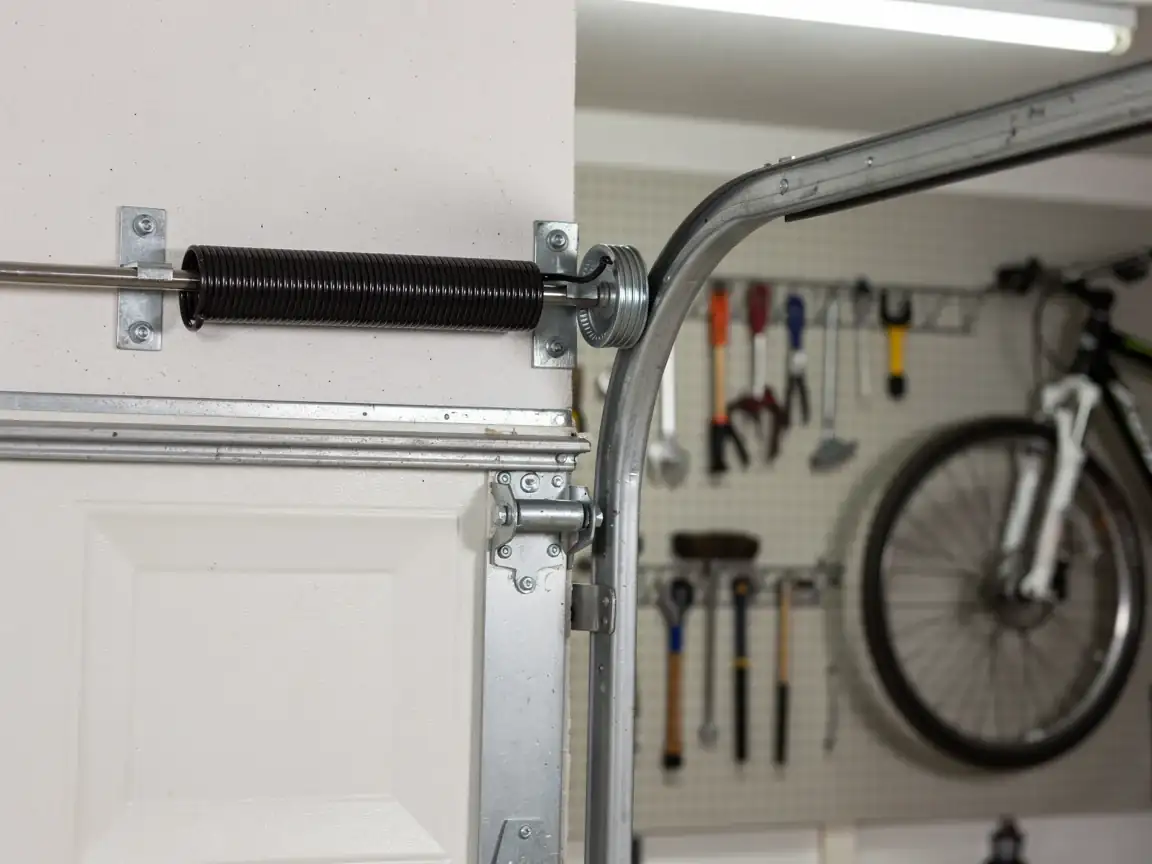
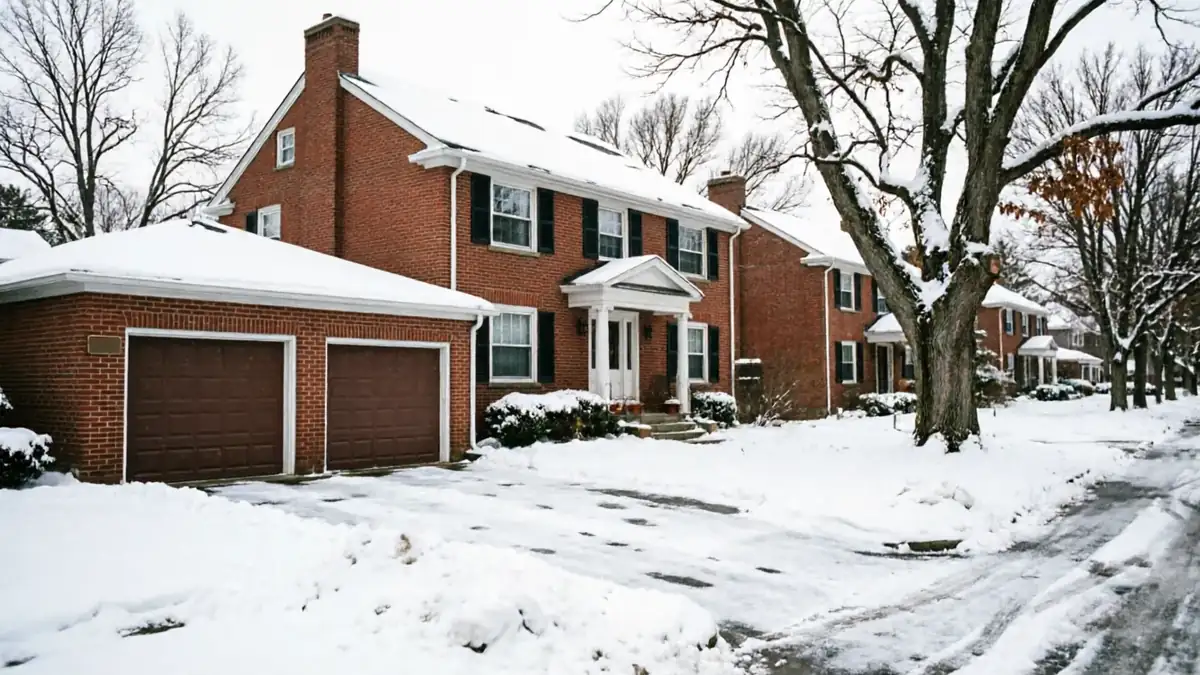
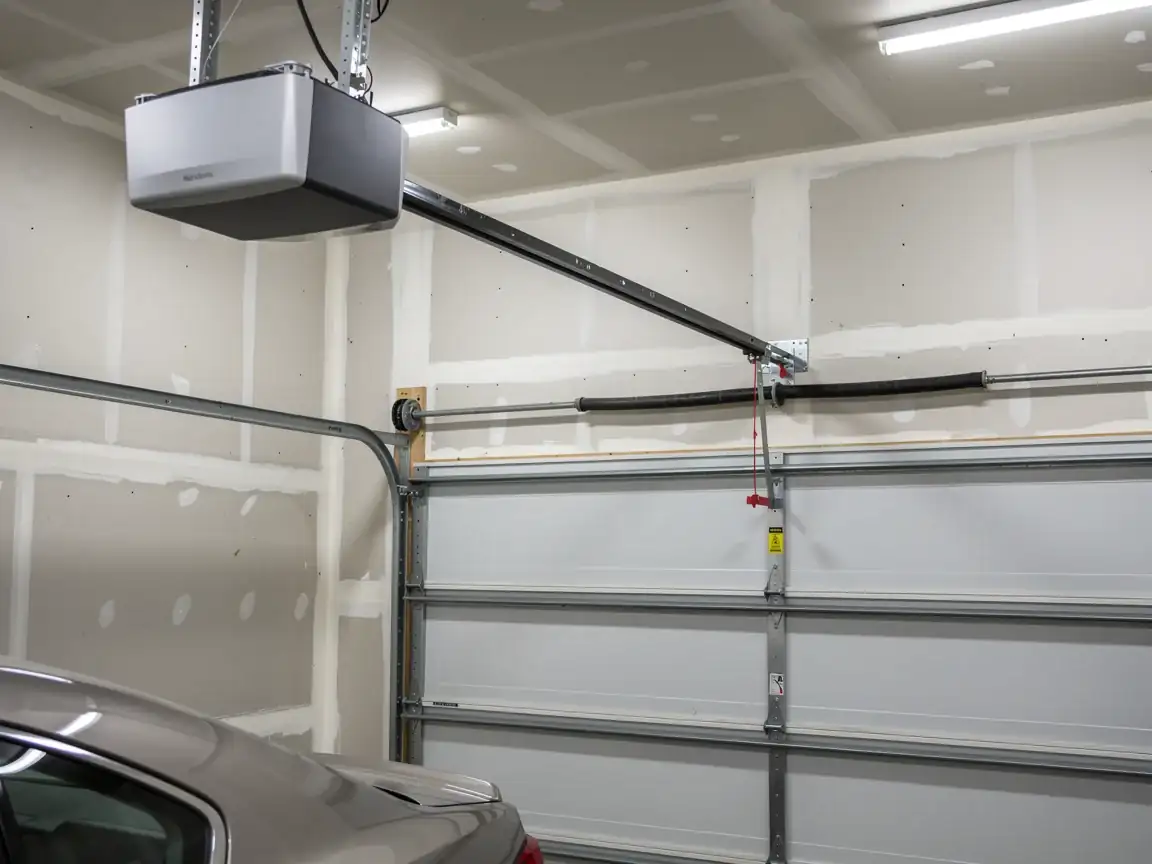
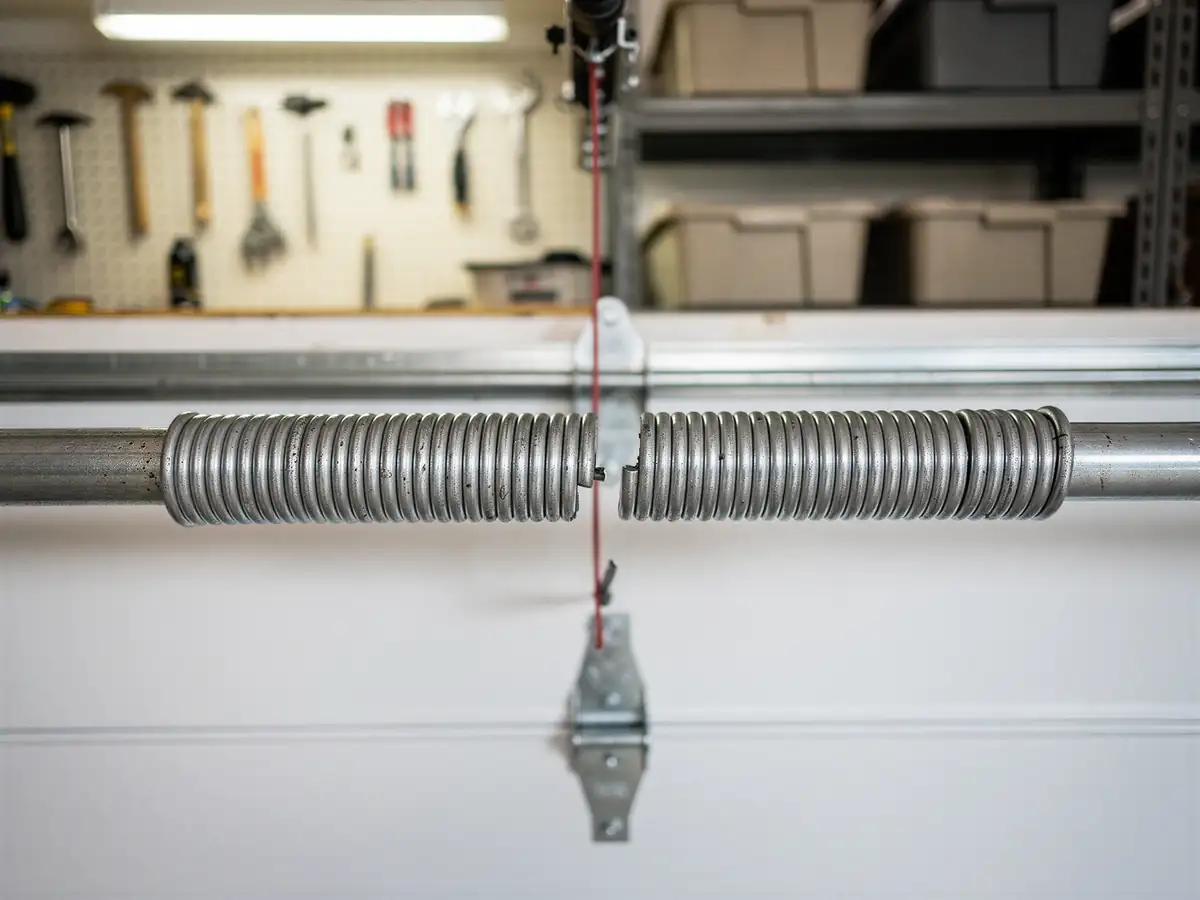
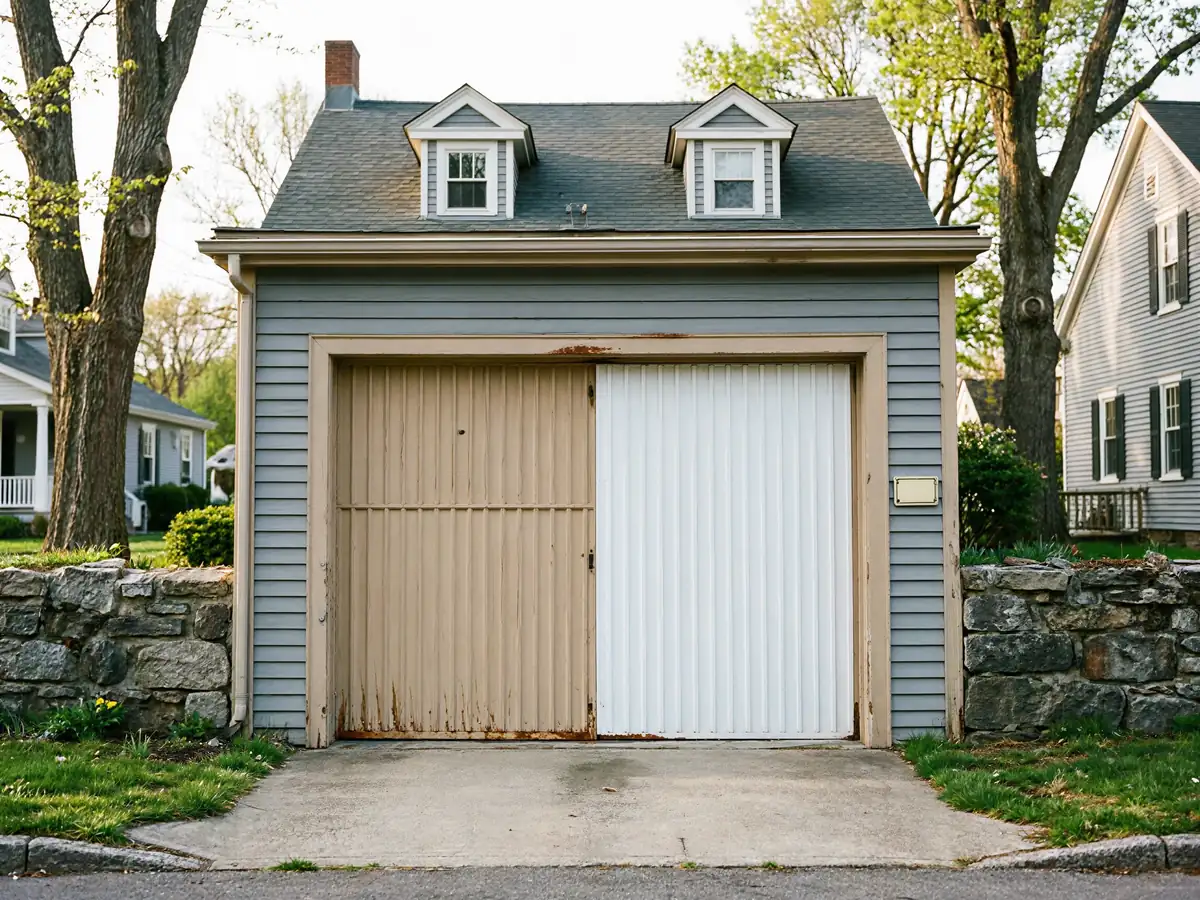
Irwin's median home was built around 1956, a few years after the broader Greensburg service area's 1950 median, but it still puts most houses here squarely in the postwar wave of construction. That matters more than people think. A door hung in 1956 was likely paired with an extension spring setup rather than the torsion systems that became standard later, and a lot of those original openings never got widened when overhead door sizes crept up in later decades. If your door sticks on one side or the opening looks slightly out of square, that's often the house, not the door. We also see a fair number of retrofit torsion conversions done at some point in the last few decades, sometimes with hardware that doesn't match the age of the track or jamb. Knowing the build year before we show up means we bring the right spring cable and drum sizes instead of guessing on the truck. Newer infill construction exists too, but it's the exception on most streets, not the rule. With 2,052 households in Irwin, there's a real mix of original one-car openings and later two-car additions, and the repair approach is different for each.
The Drive Over
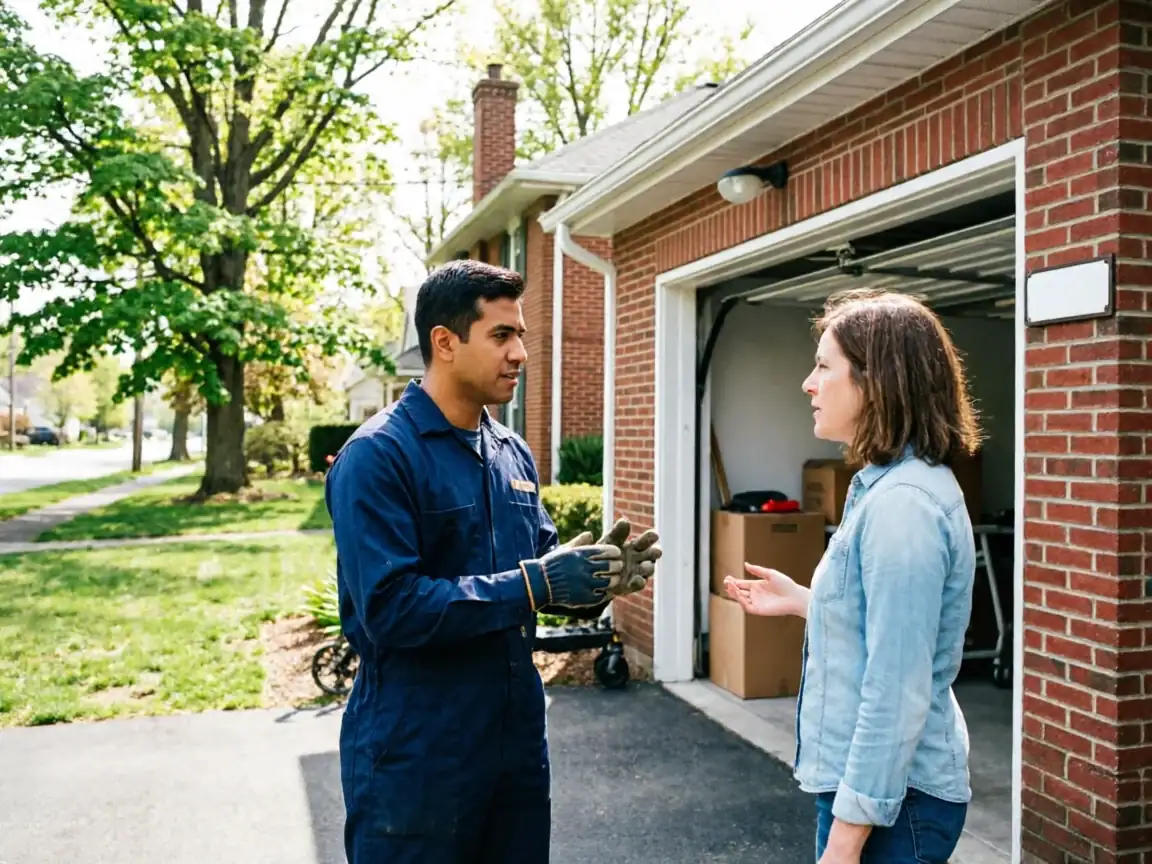
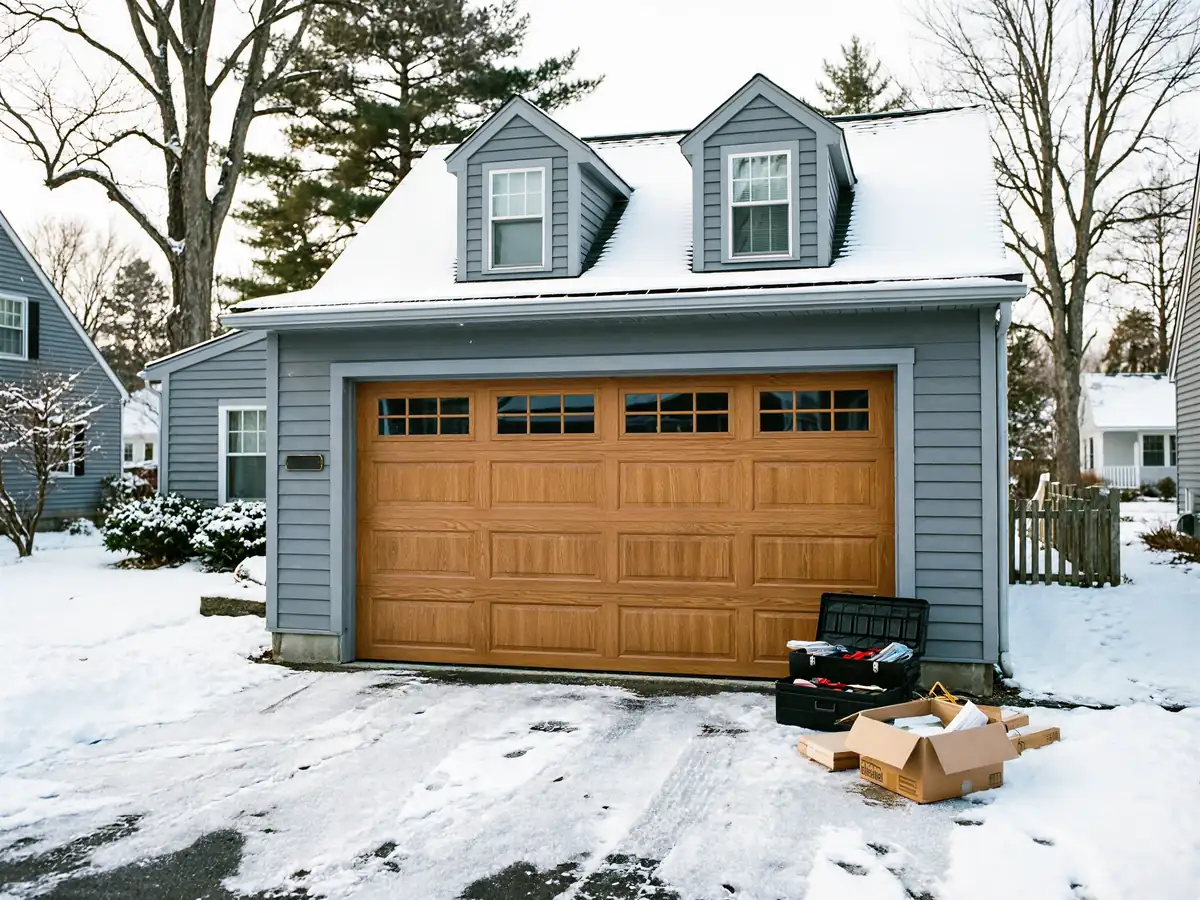
We run out of Greensburg, about 8 miles from Irwin, which is a straight shot down roads we drive regularly for calls in Jeannette, Youngwood, and the rest of this corridor. We don't keep a depot or crew stationed in Irwin itself - every job here starts with a truck leaving Greensburg. That's worth saying plainly so you're not expecting a local storefront or a same-block tech. It also means we plan the route with other nearby calls when we can, since Irwin sits in the same stretch as several towns we already cover. Eight miles is close enough that drive time isn't the bottleneck on most jobs; the bottleneck is usually parts, especially for older spring sizes that aren't sitting on every supplier's shelf.
What Neighbours Usually Call About
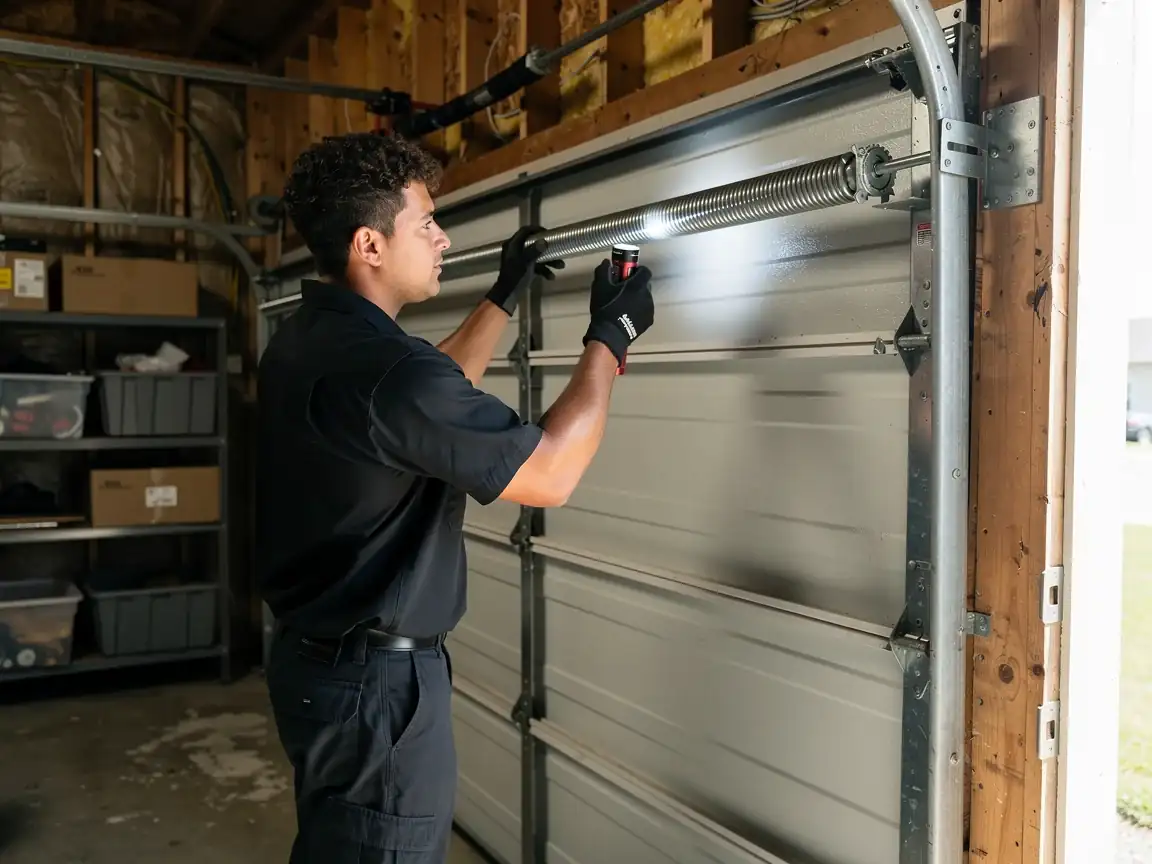
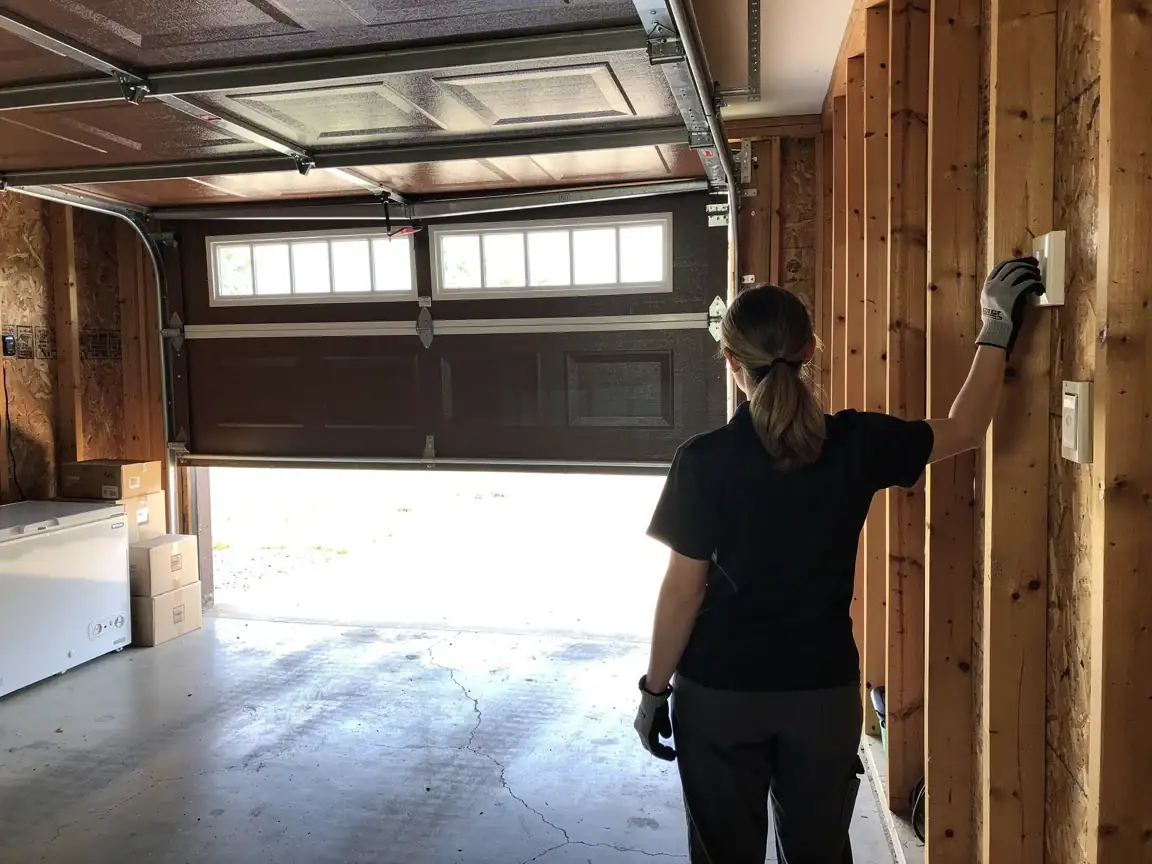
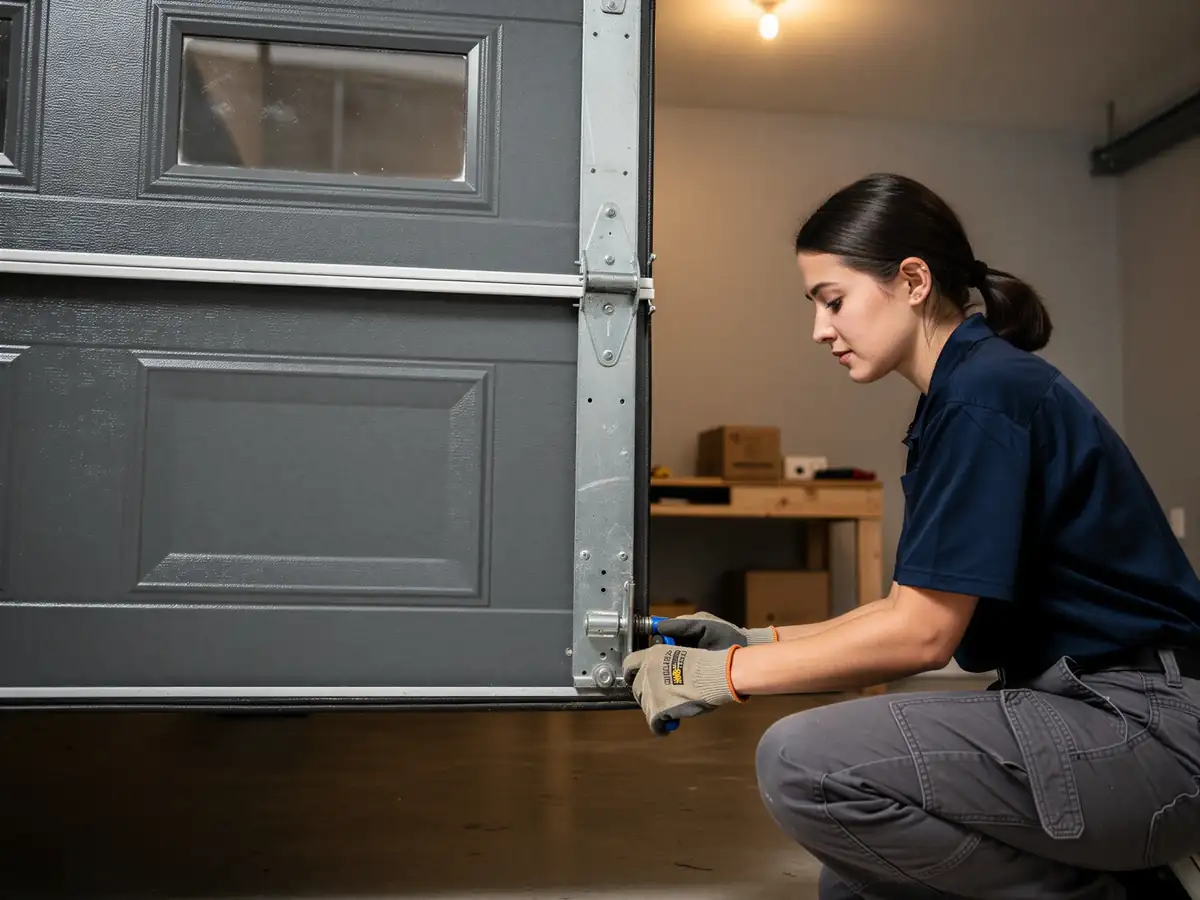
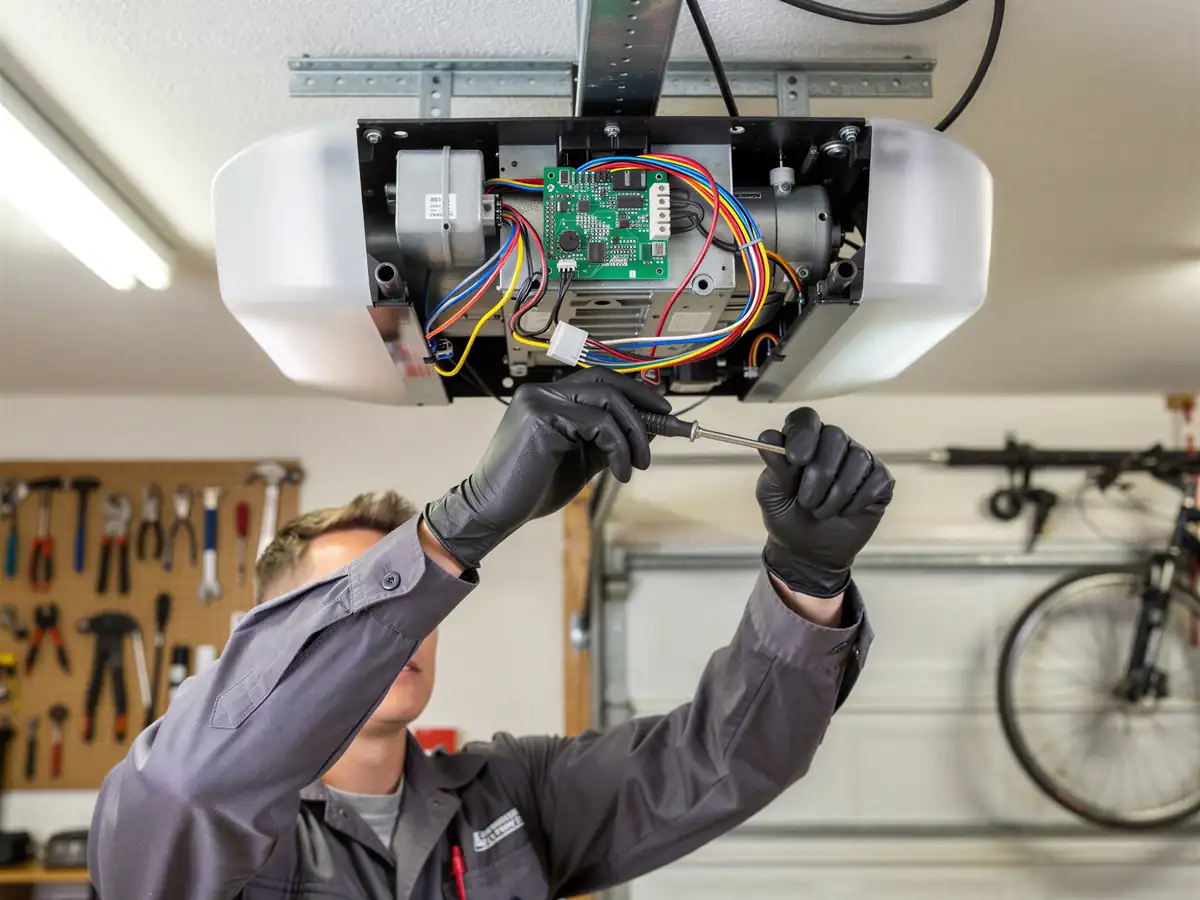
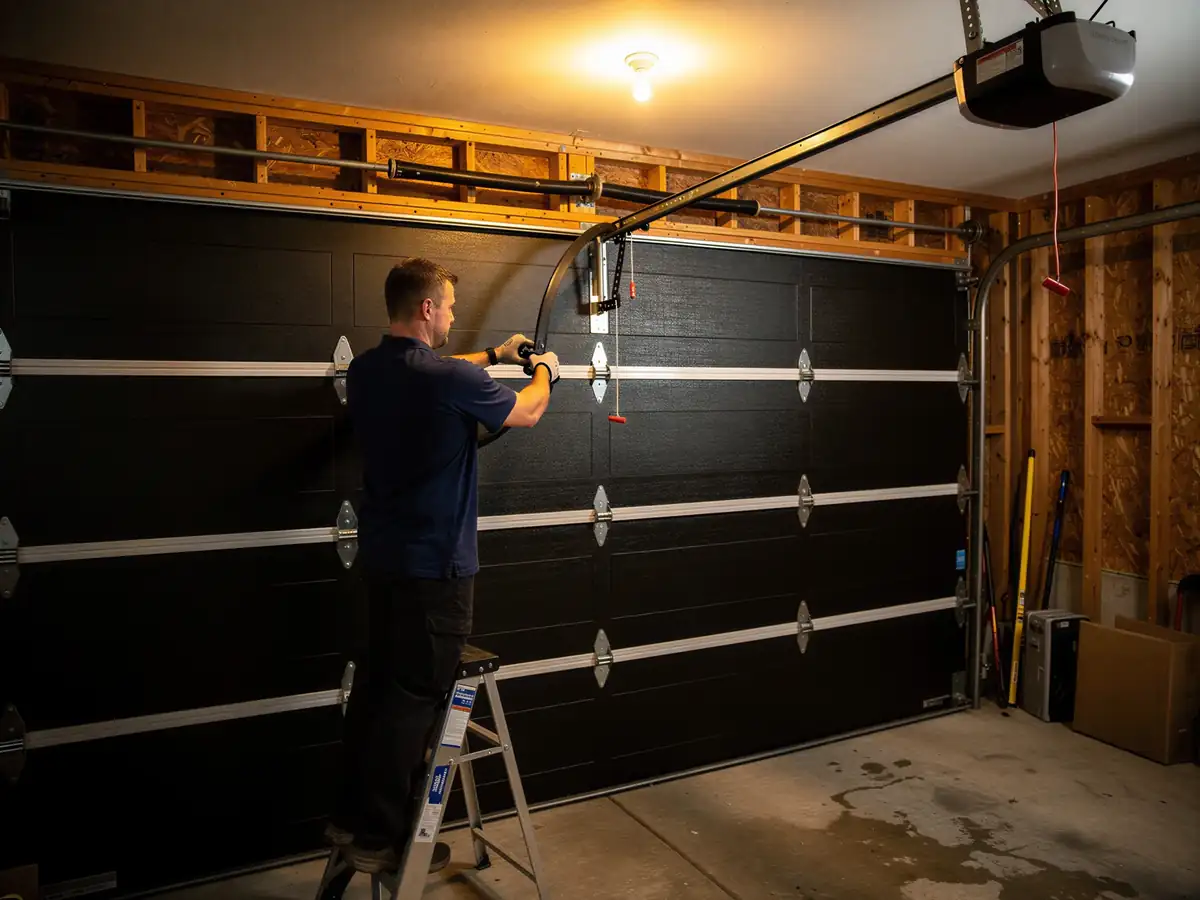
The calls we get from this part of the coverage area tend to split a few ways. First is spring failure on original or early-retrofit setups - the extension or torsion spring finally gives out after years of cold-weather cycling. Second is opener trouble on units installed decades after the house itself, where the bracket or rail doesn't quite match the original track geometry. Third is track misalignment on older one-car openings that were never perfectly square to begin with. One honest limit: if a spring size is unusual for a 1950s opening and not something we stock on the truck, we may need to order it, which can add a day or two rather than same-visit. We'd rather tell you that upfront than promise a fix we can't deliver on the spot.