What the Housing Means for Your Door
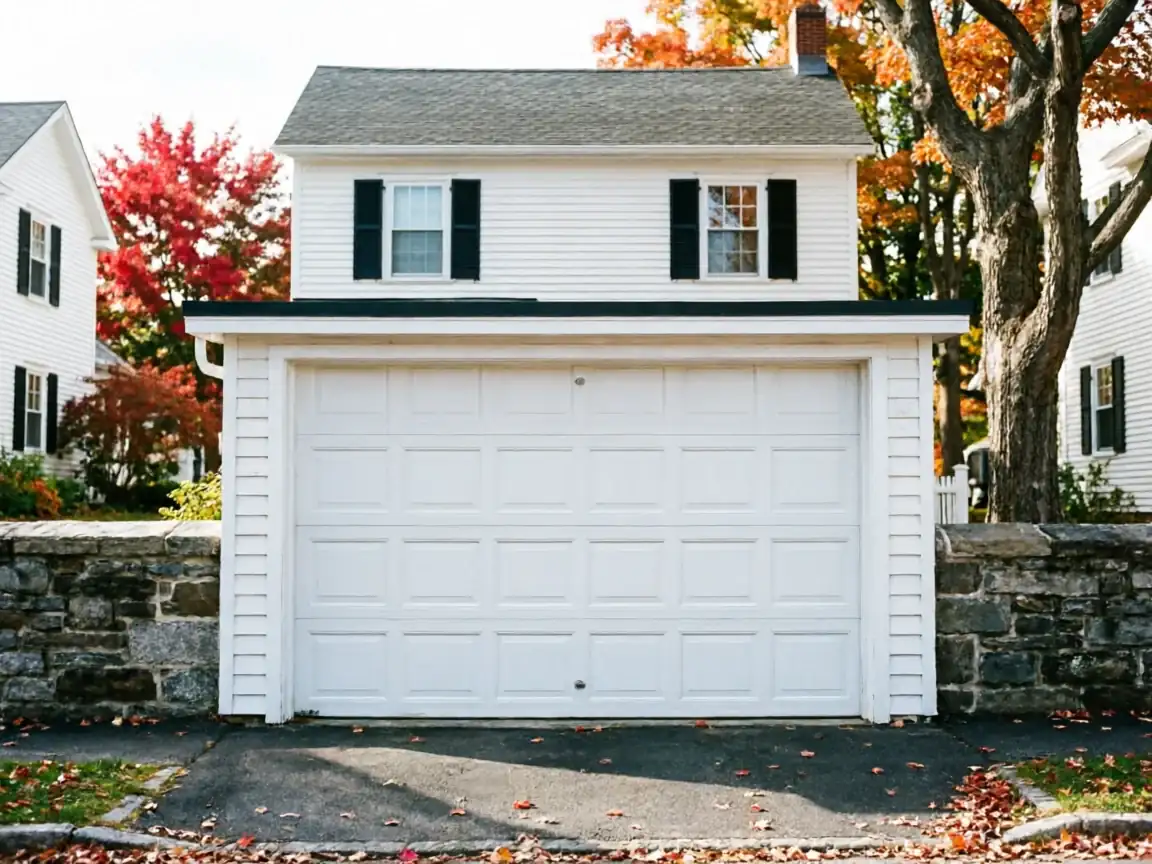
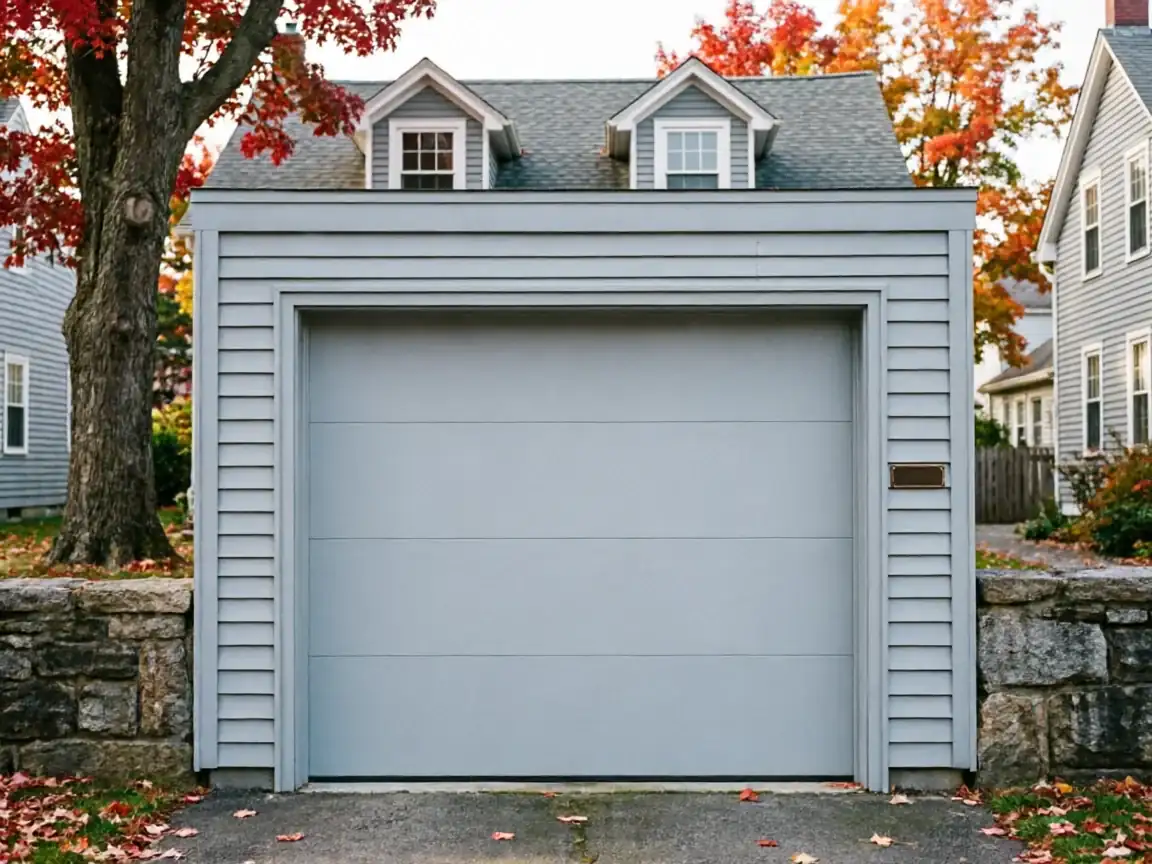
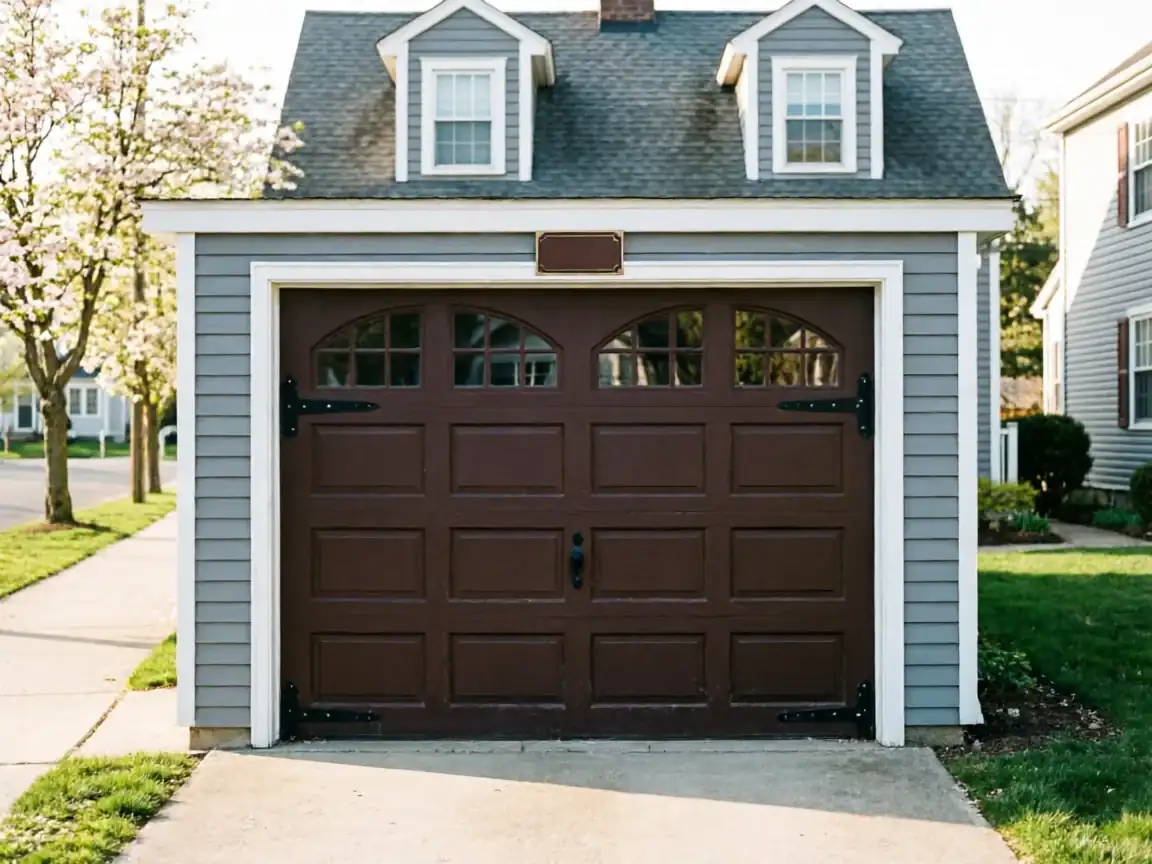
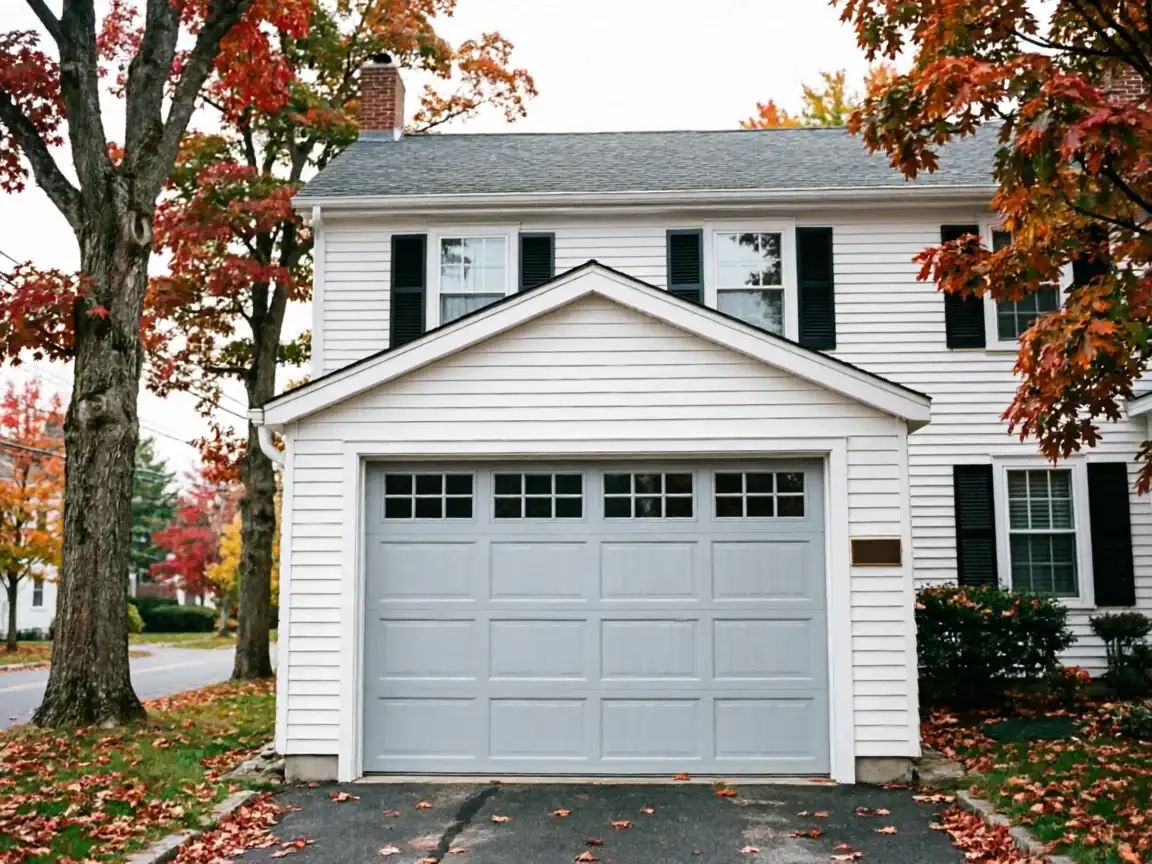
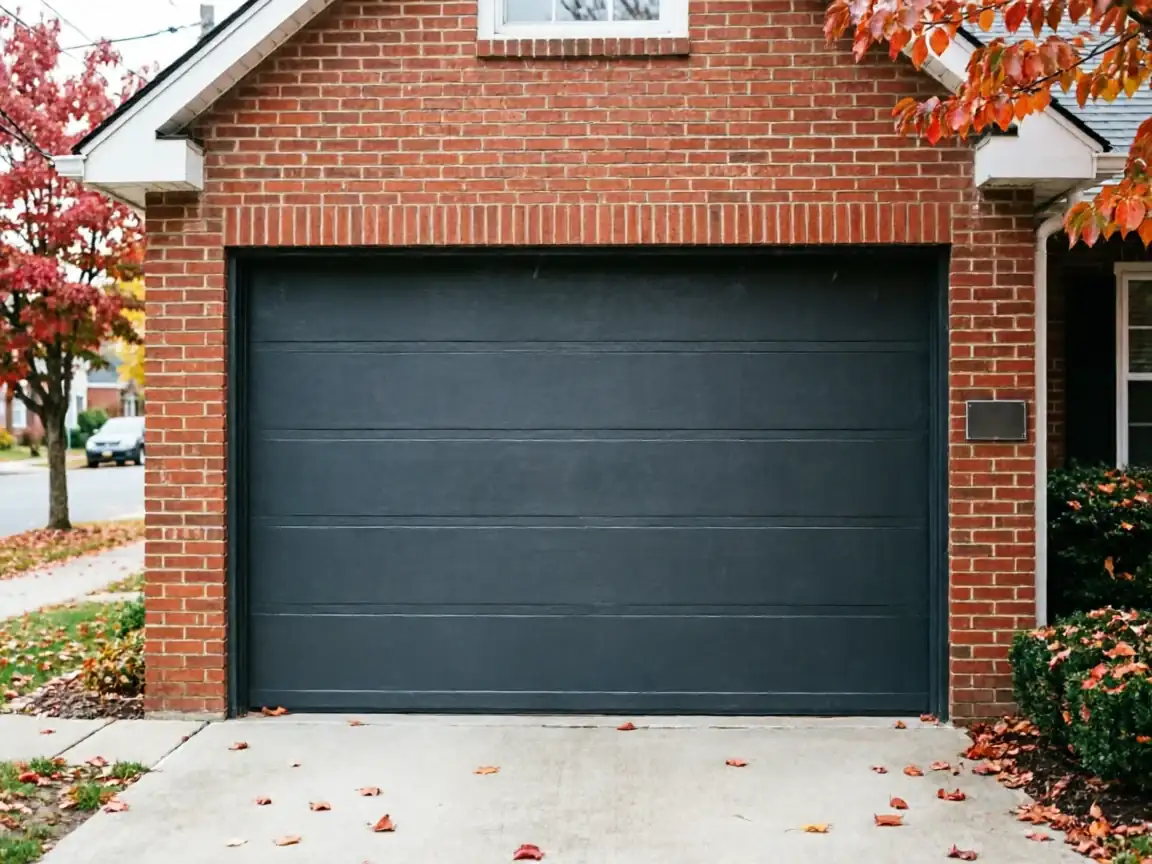
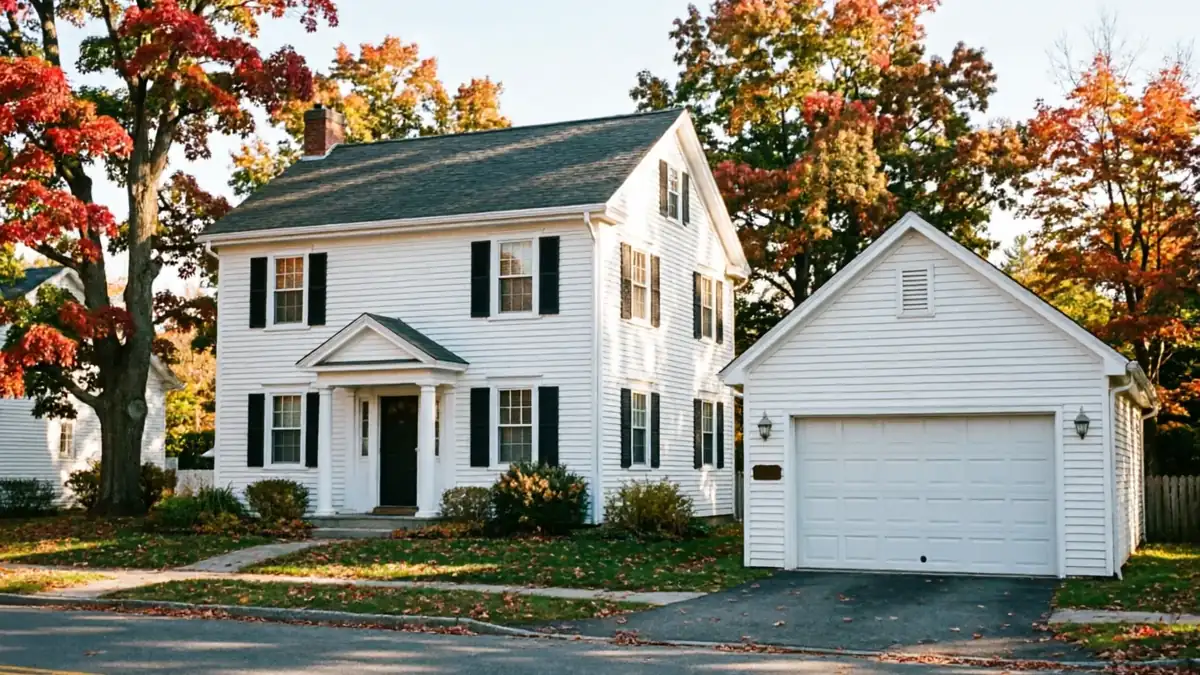
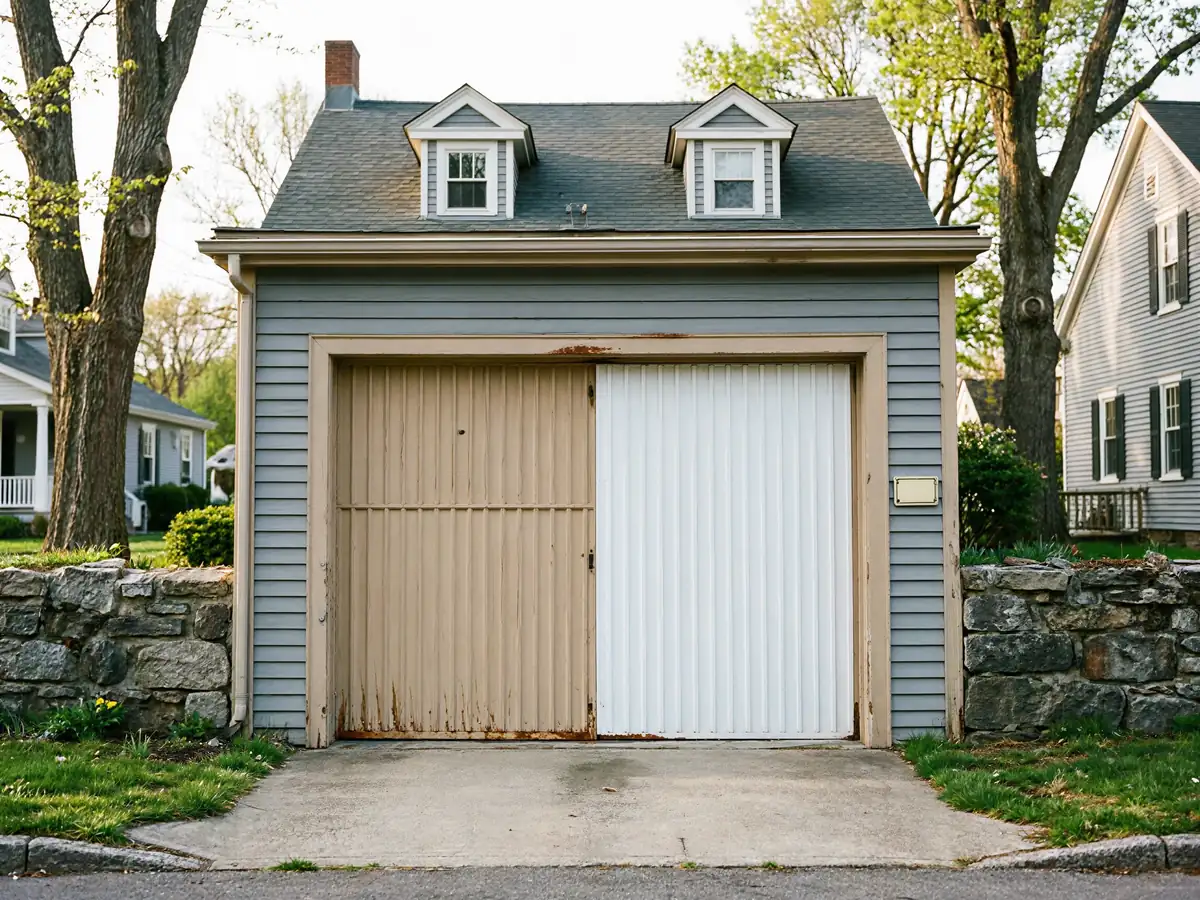
Latrobe's houses skew older than you'd guess driving through - the median year built here is 1953, which puts most garages on this side of town into an era of single-car bays and doors sized for cars that don't exist anymore. If your house falls into that bracket, you're likely running one of two setups: an original single-panel door on side-mounted torsion hardware that nobody manufactures replacement parts for anymore, or a retrofit steel door from the 80s or 90s bolted onto framing that was never built for it. Either way, the fix usually isn't a simple roller swap. We see a lot of garages here where the opener bracket was added decades after the door, which means the stress points aren't where a newer install would put them. Across the wider service area, most housing dates 1938 to 1985 with the heaviest concentration before 1960, and Latrobe sits right in that older half. That matters when you're pricing a repair versus a full replacement - a door built for a 1953 opening sometimes can't just be swapped for a big-box standard size without reframing the jamb.
The Drive Over
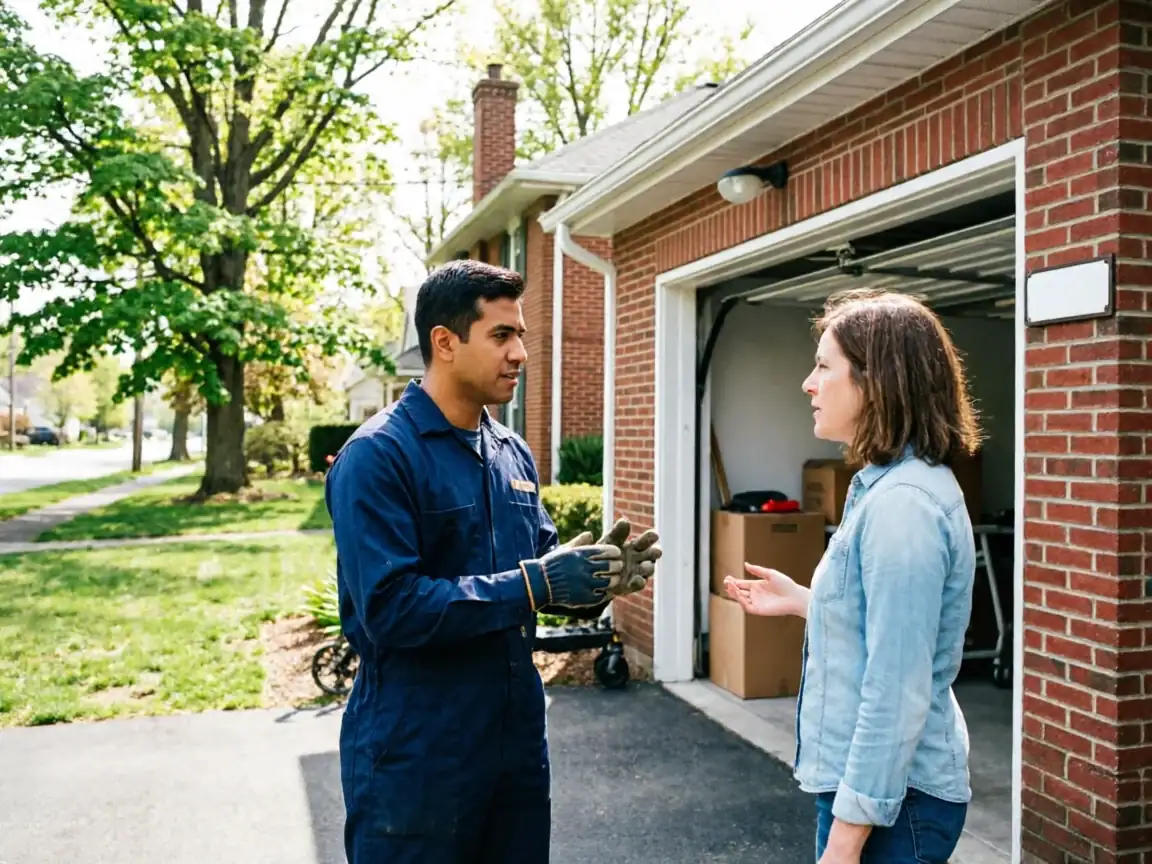
We run out of Greensburg, and Latrobe is about 8 miles from the shop - close enough that a truck's on your street in reasonable time, far enough that we're not idling around the corner waiting on calls. We don't keep a depot in Latrobe and we're not going to pretend otherwise; every job here is a dispatch from Greensburg, same as the rest of the towns we cover along that stretch, from Youngwood and Jeannette in closer to Derry and Mount Pleasant further out. The distance doesn't change what we bring or how we price the work. It just means we plan the route, we don't improvise it.
What Neighbours Usually Call About
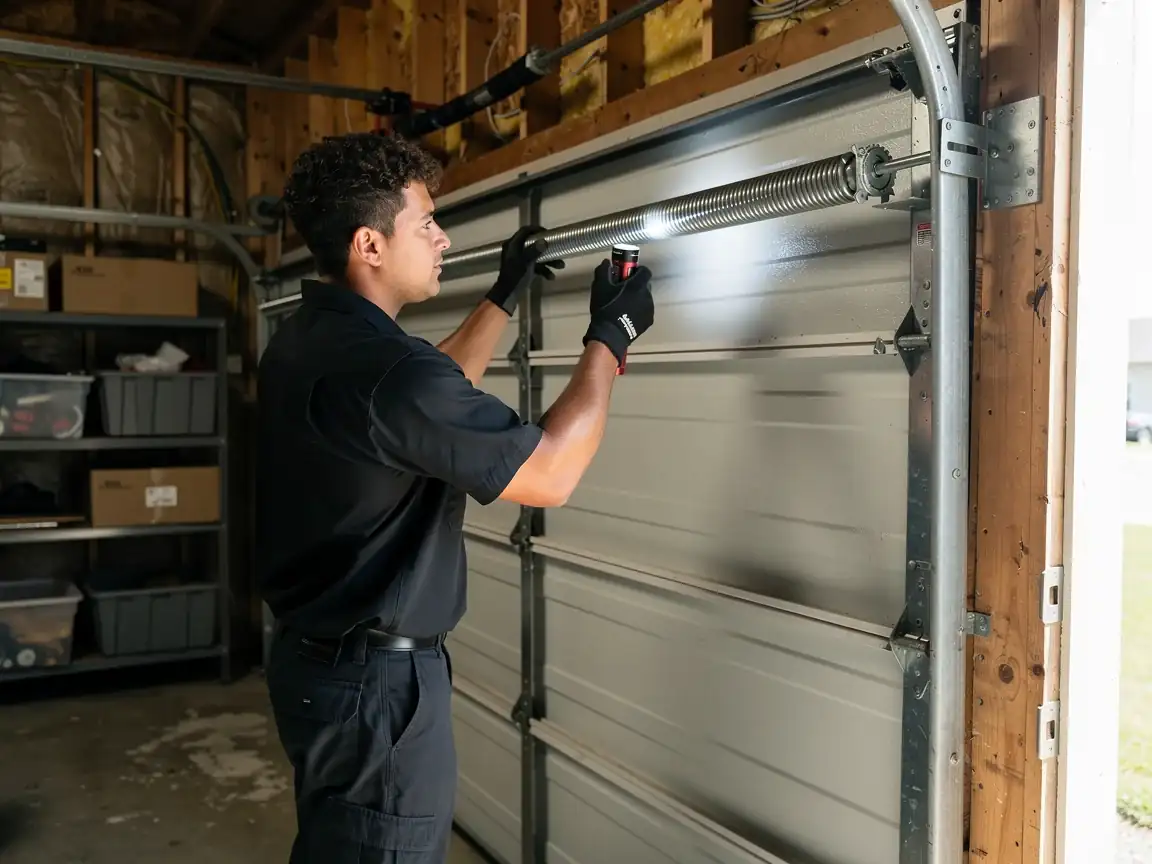
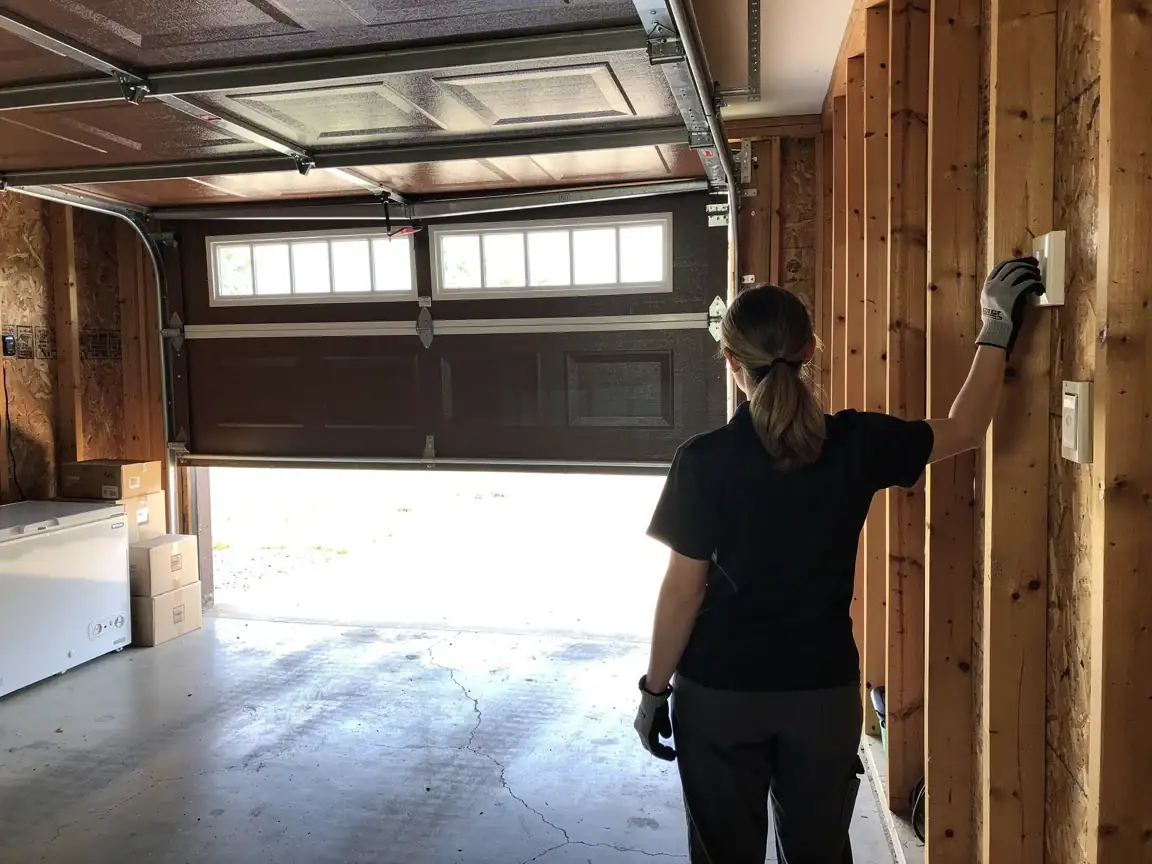
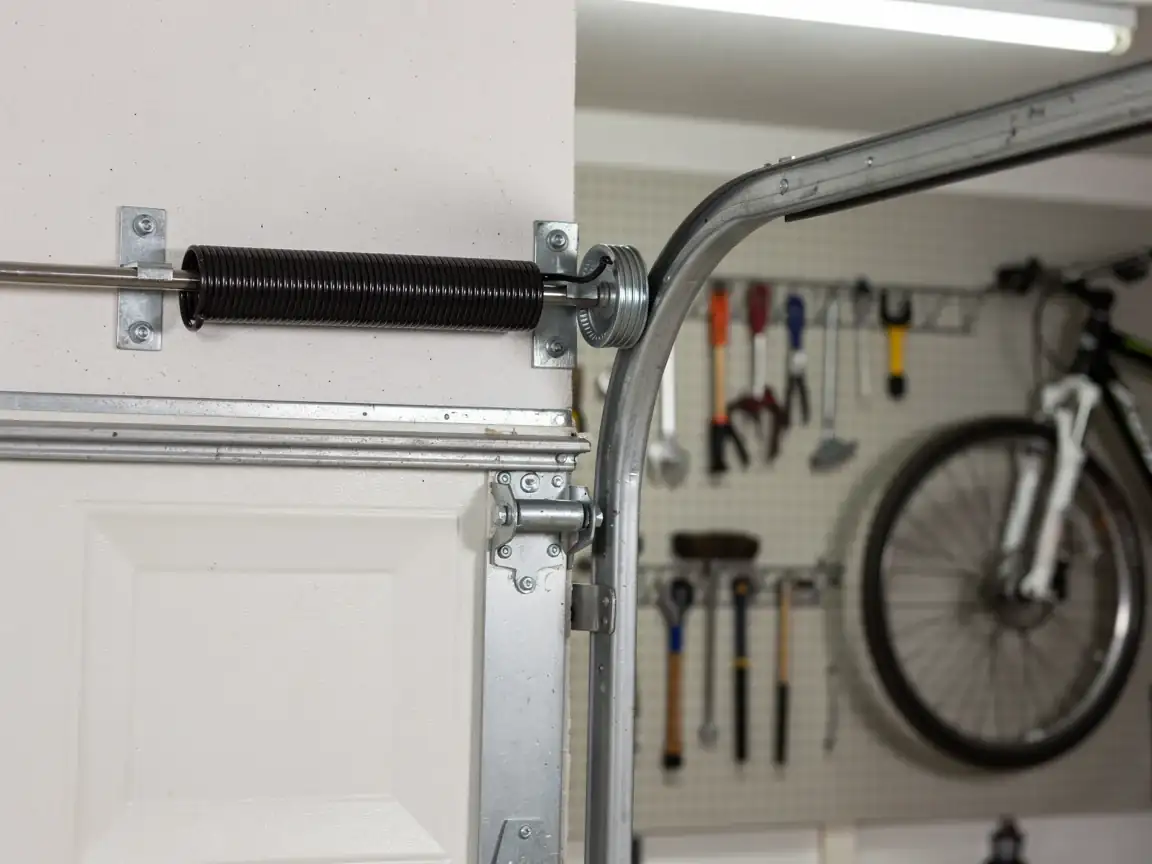
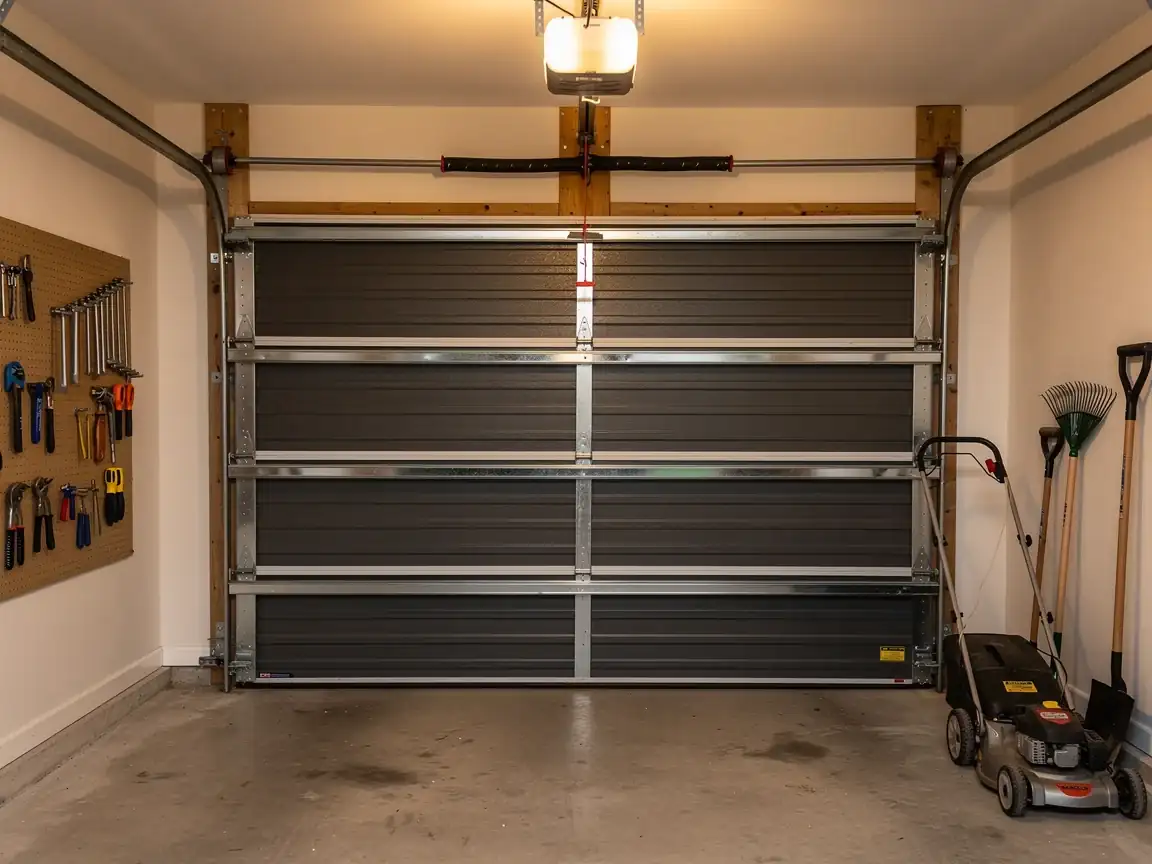
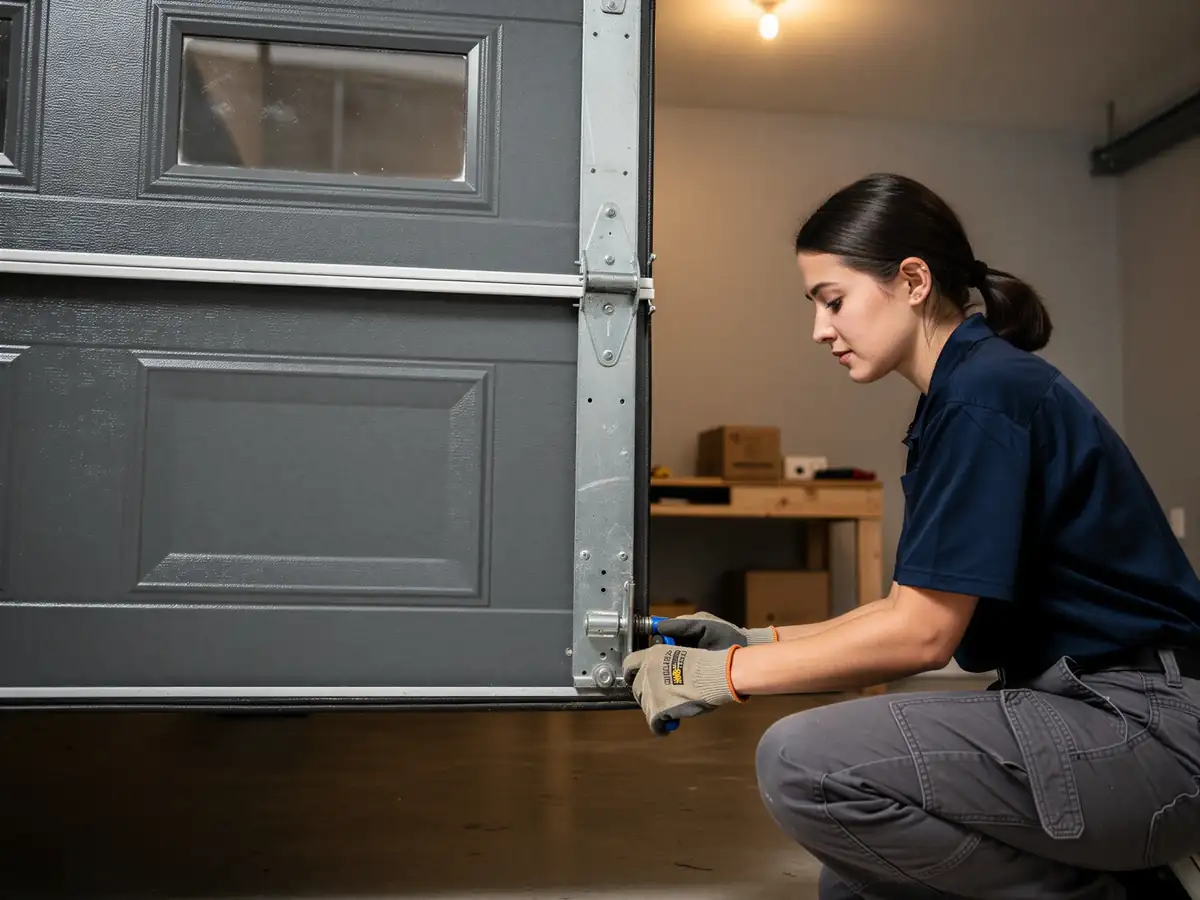
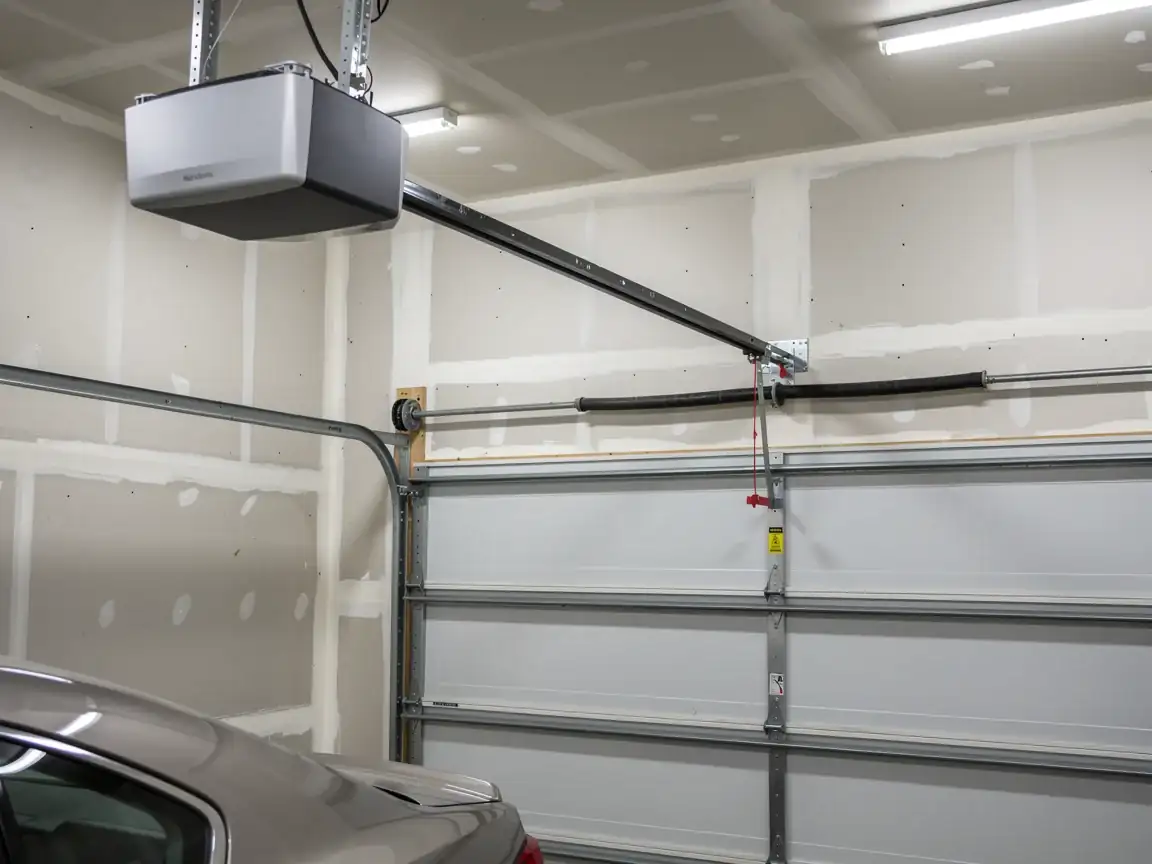
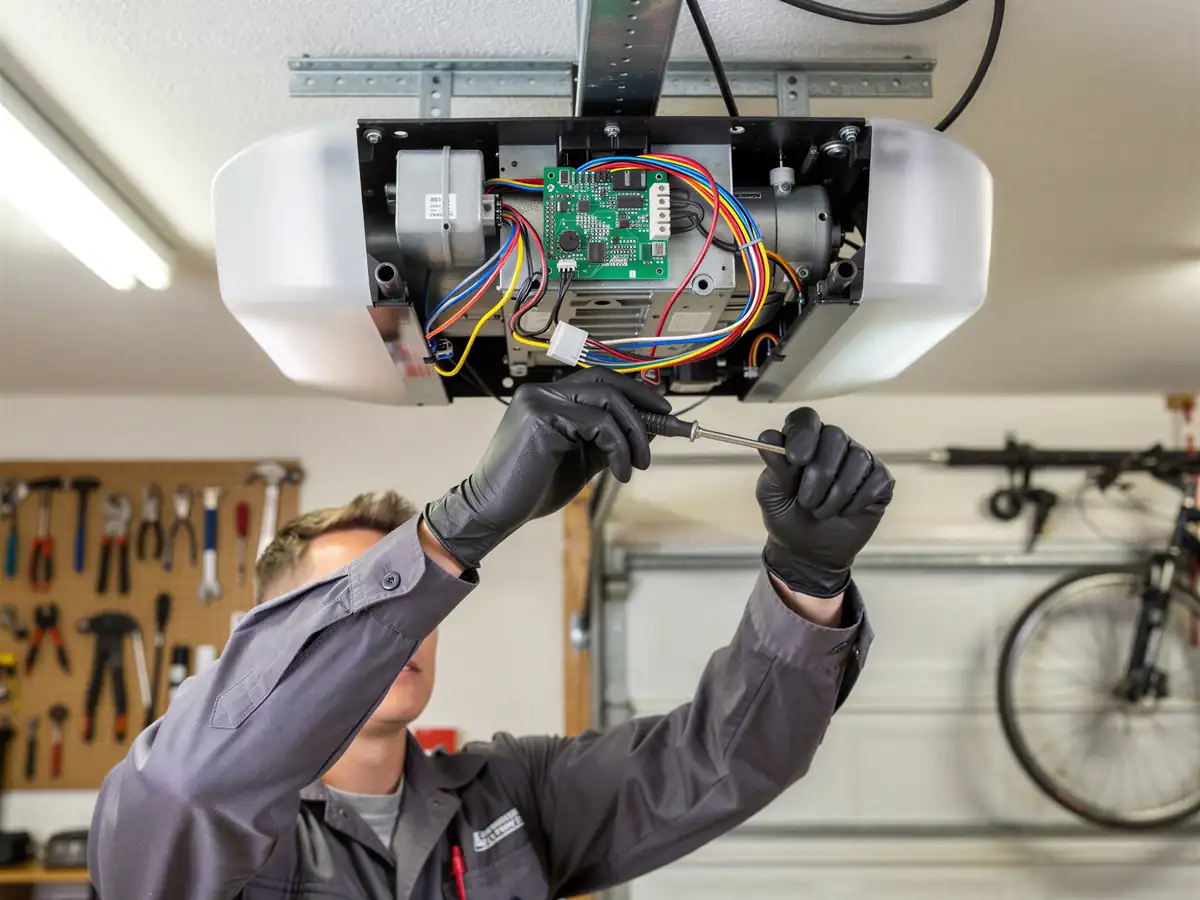
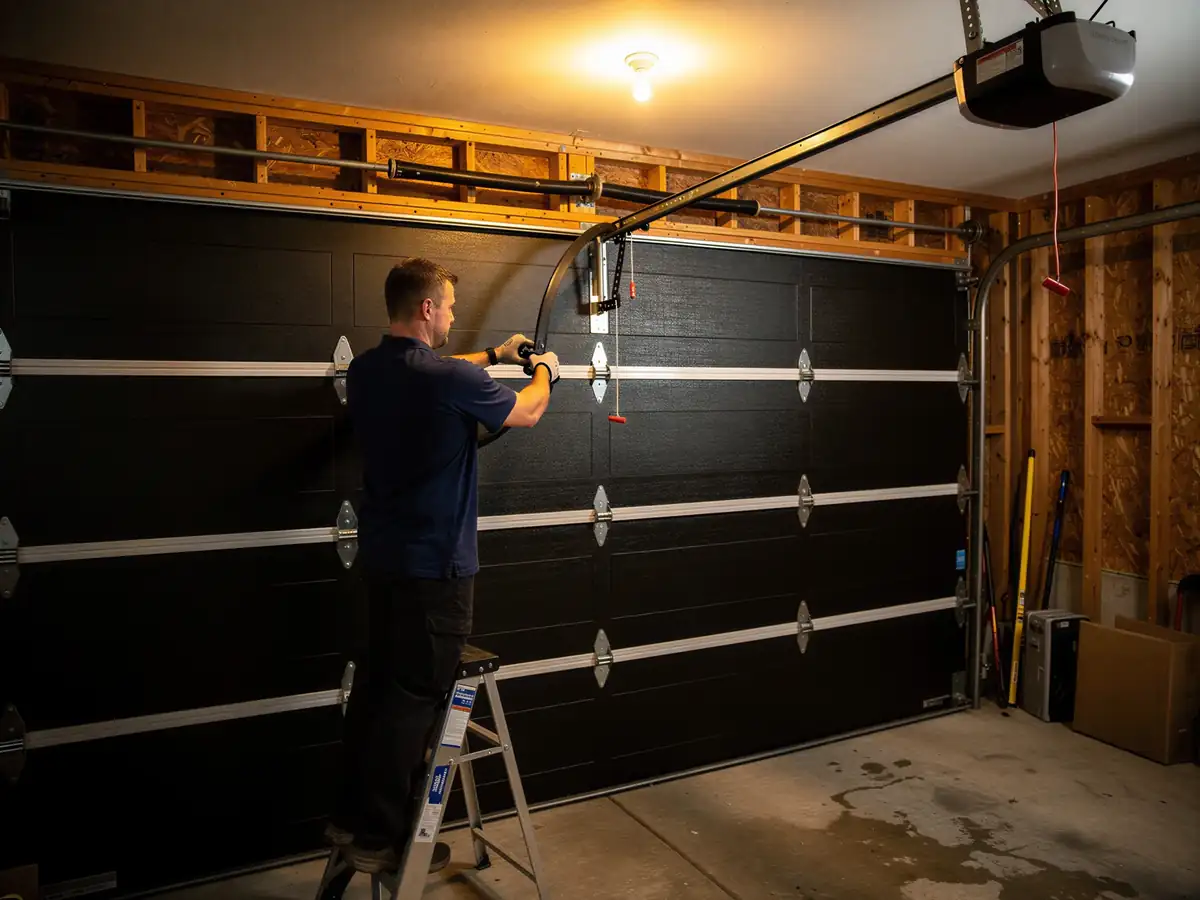
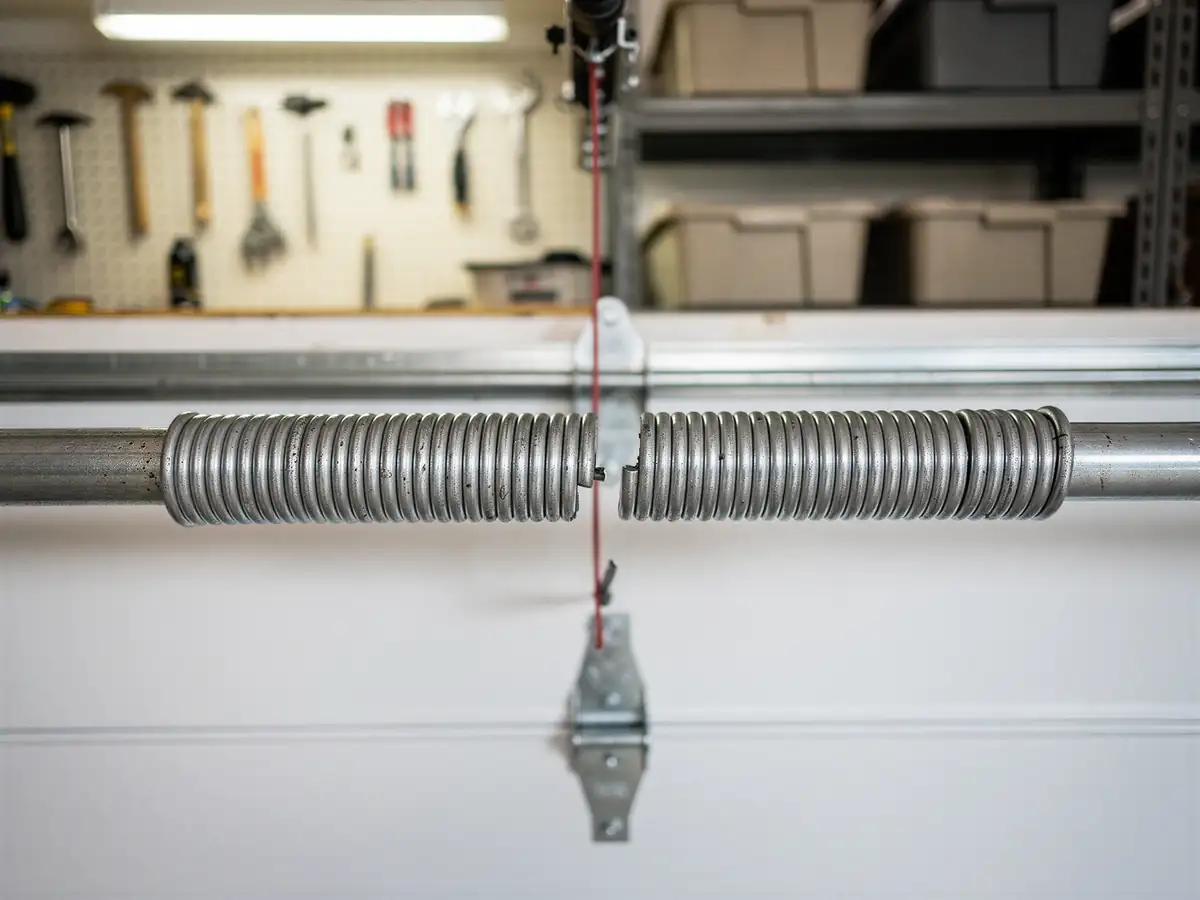
The calls out of Latrobe follow a pattern tied straight to the age of the stock. Broken torsion springs top the list, especially on the older single-panel and early steel doors still running side-mounted torsion bars instead of the center-mounted shafts you'd find on anything built after the 90s. Second most common is opener failure - chain-drive units from the 80s and 90s finally giving out, usually the gear or the capacitor rather than the motor itself. Third is track misalignment on garages where the opening settled over seventy-plus years, which throws rollers out of true and makes the door bind partway up. We'll be straight about one limitation: if a door's track has been bent and reset more than once, or the opening itself has shifted enough that a new door won't seat square, replacement is usually the honest answer over another round of adjustments. We'd rather tell you that up front than keep billing you for patches that won't hold.