How Local Conditions Play In
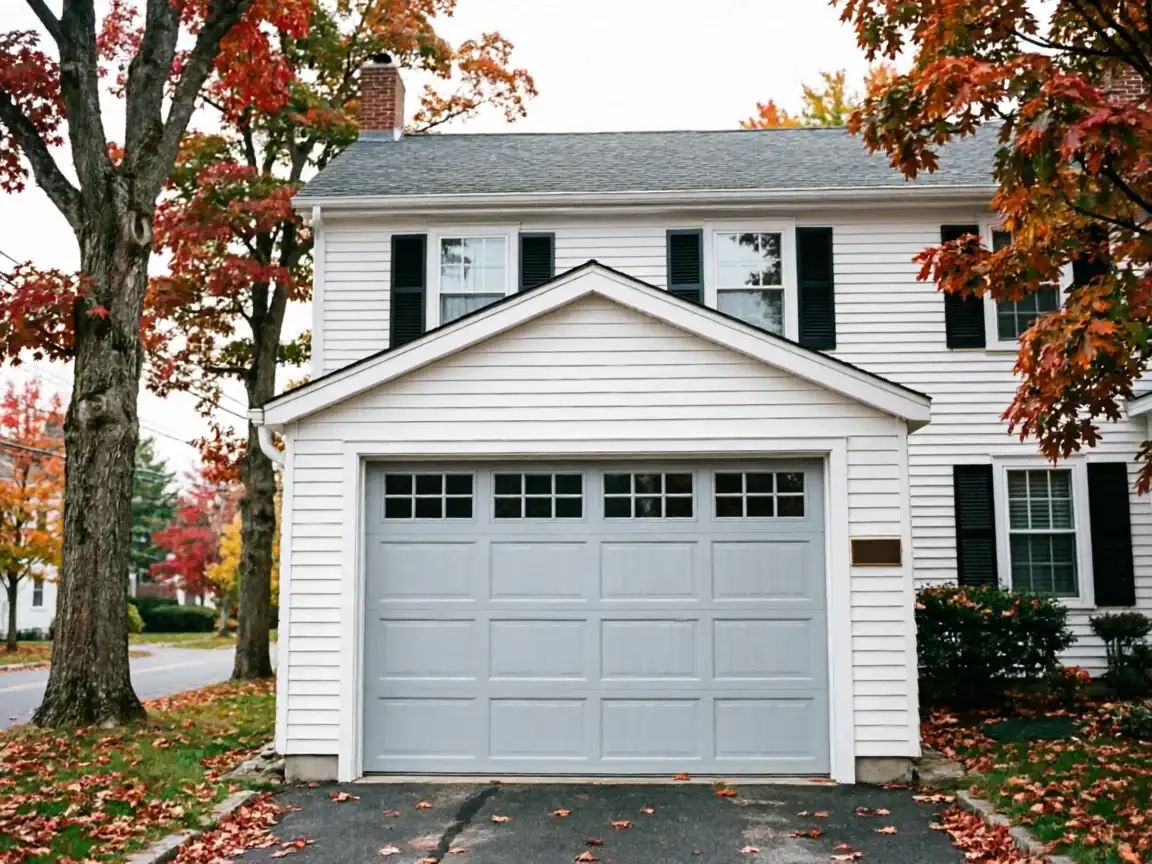
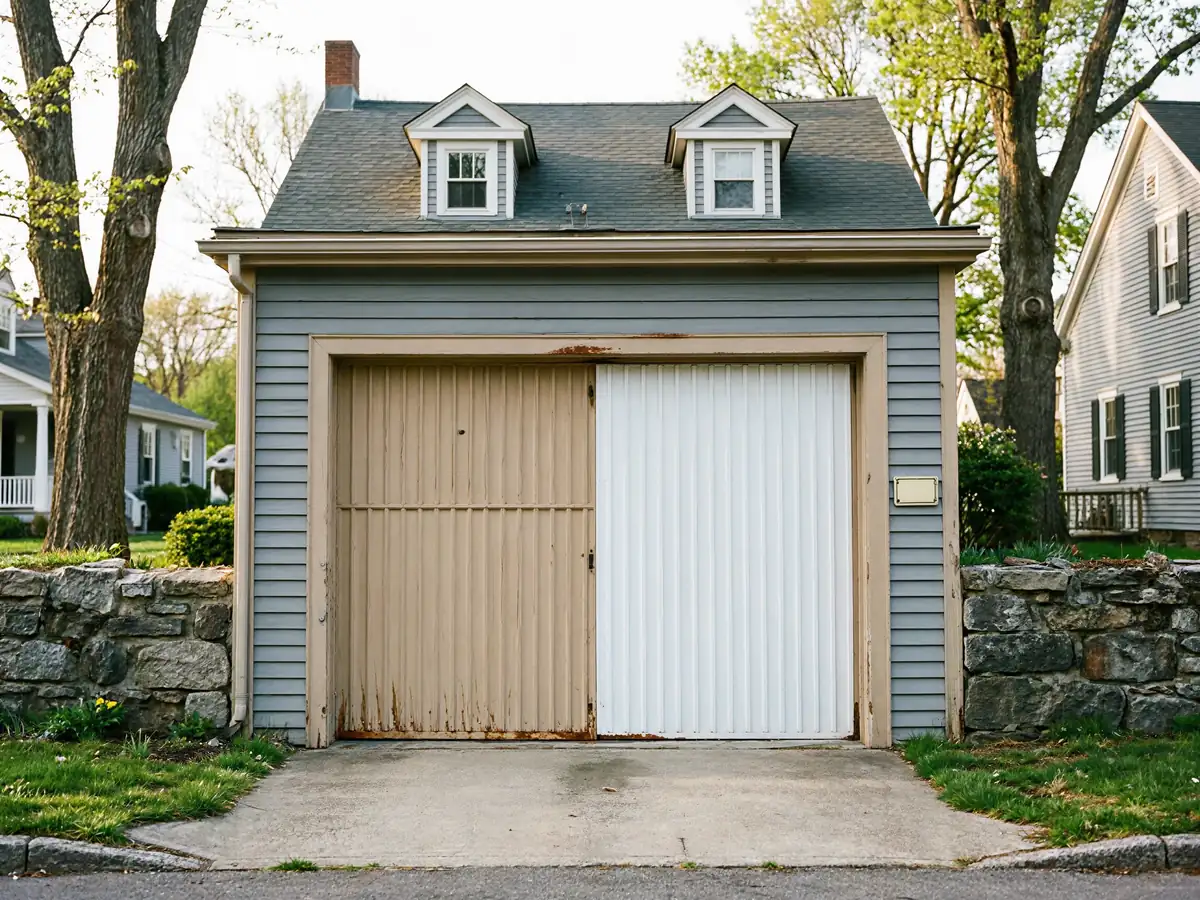
Most of the housing stock in this area went up between 1938 and 1985, with the median landing around 1950, and that shapes what a tech finds before he's even out of the truck. Across the 53 named areas we cover, pre-1960 construction is the rule, not the exception, which means original jamb framing, older track spacing, and hardware that was never sized for the openers sold today. A service call on a house like that starts with figuring out what's actually original and what's been patched over the decades.
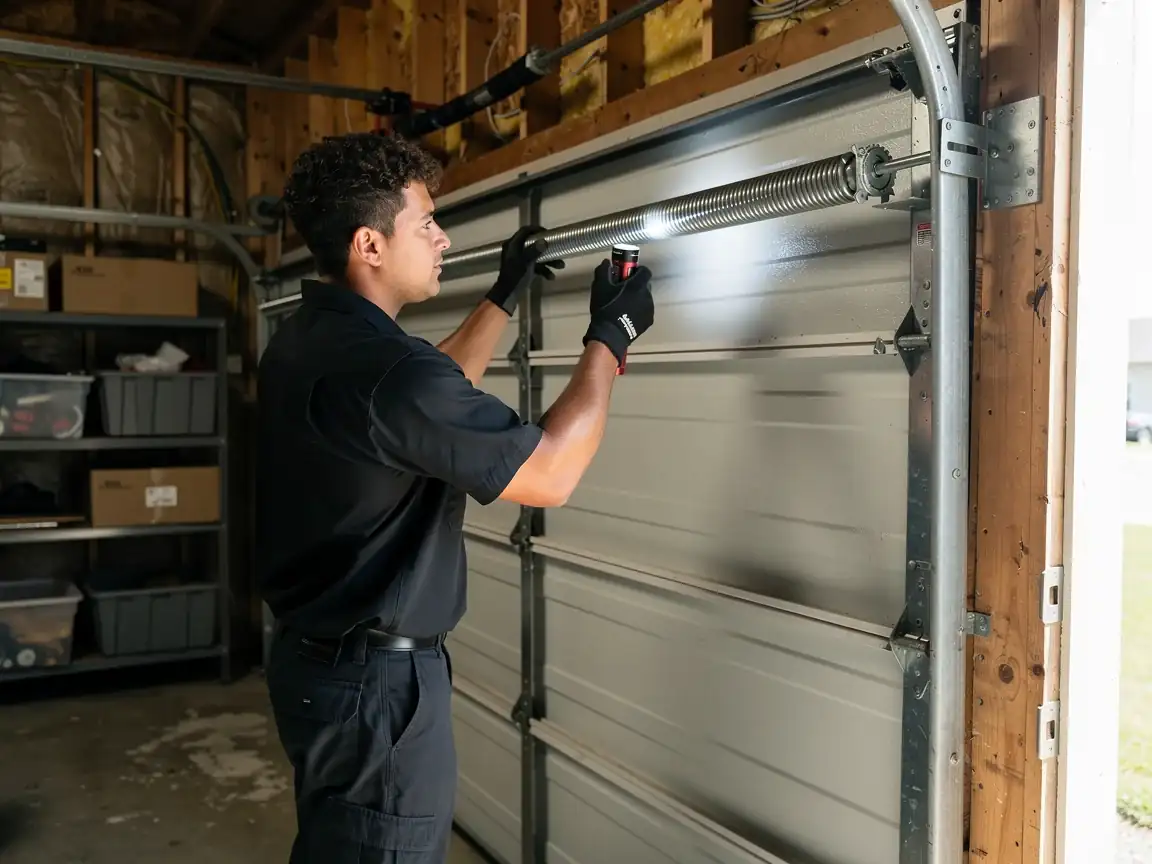
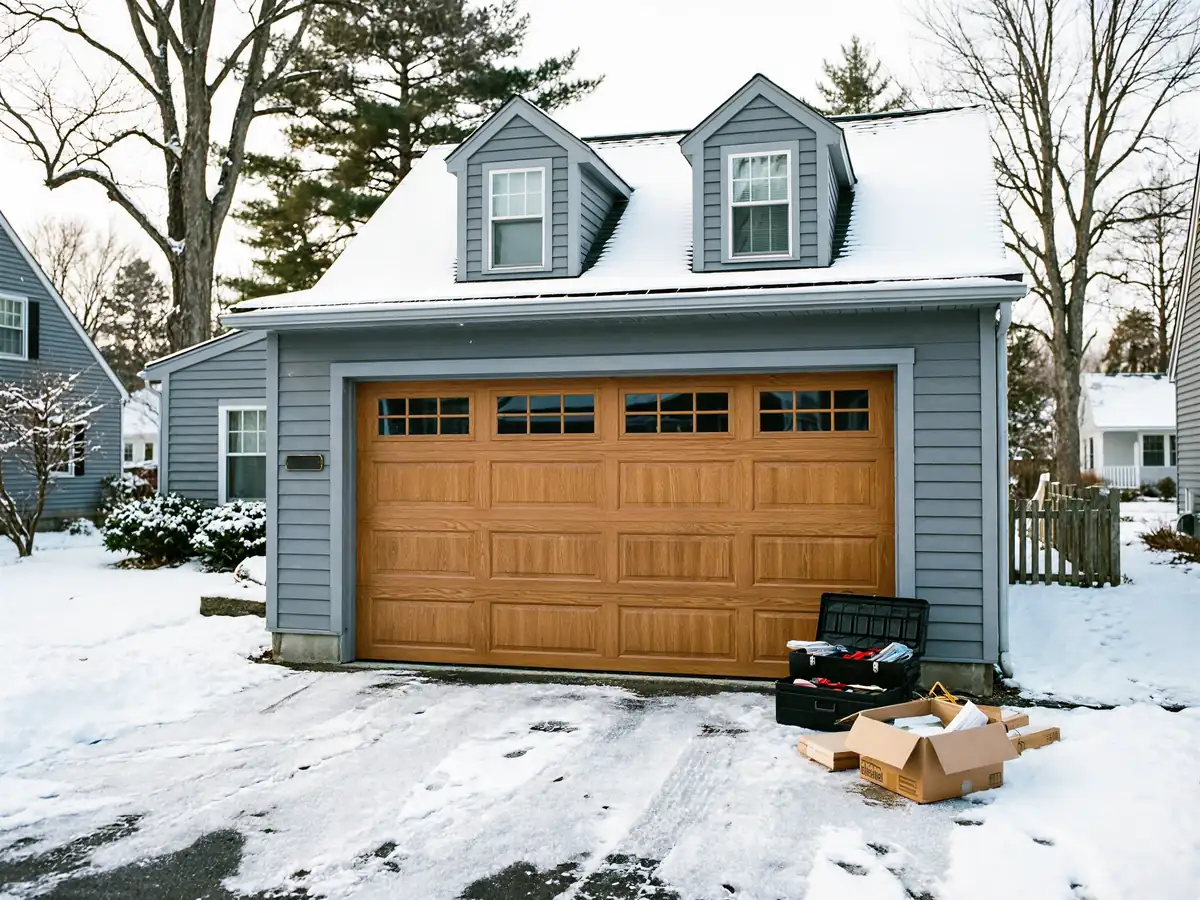
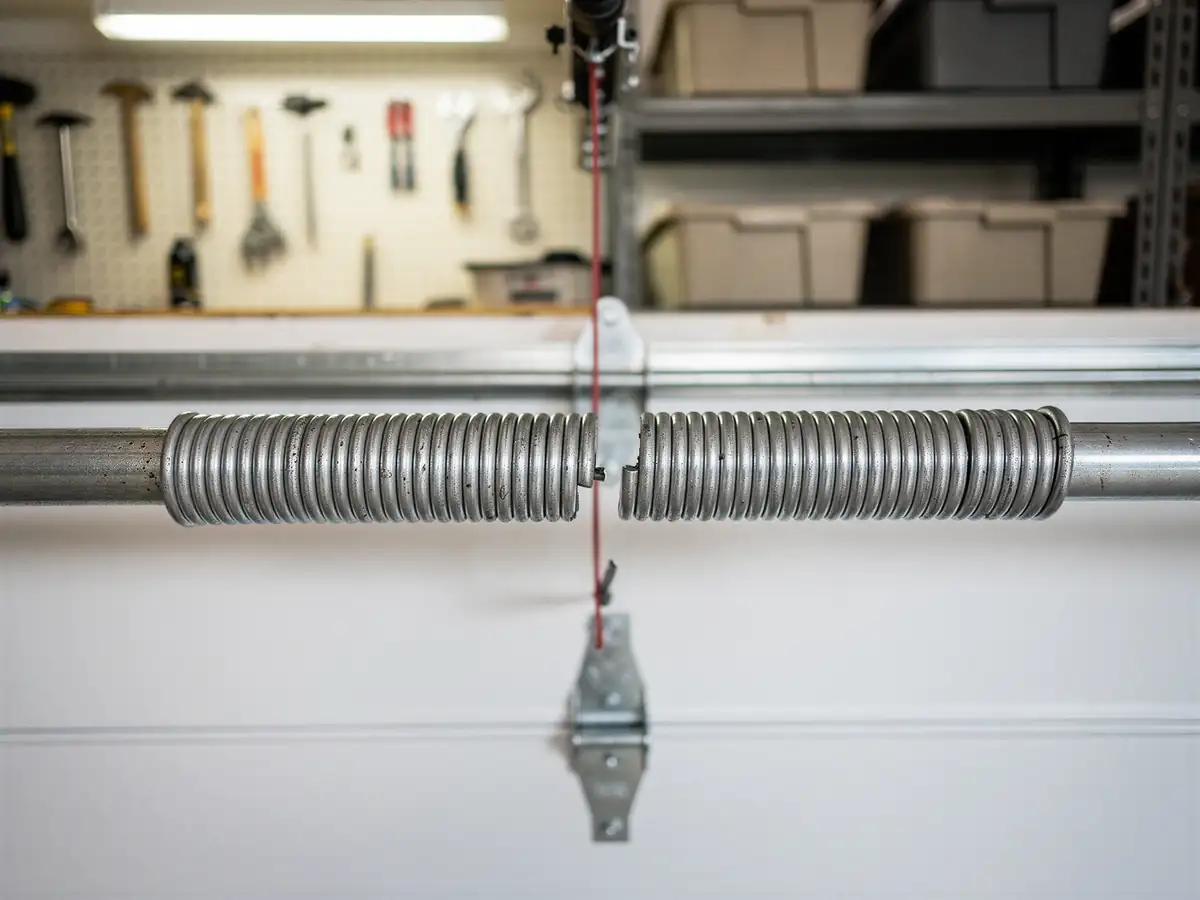
The climate band here is cold and severe, and that's not a throwaway line - it's why spring steel fatigues faster through a Greensburg winter than it would somewhere milder. Cold makes springs more brittle and more likely to snap on the coldest mornings of the year, and it makes garage floors slick enough that a door coming down wrong is a real hazard, not a hypothetical one. A call in January looks different from a call in July: we're checking for ice buildup in the track, checking lubricant that's gone thick in the cold, and checking whether a cable has started to fray from the extra strain.
When Waiting Is Fine
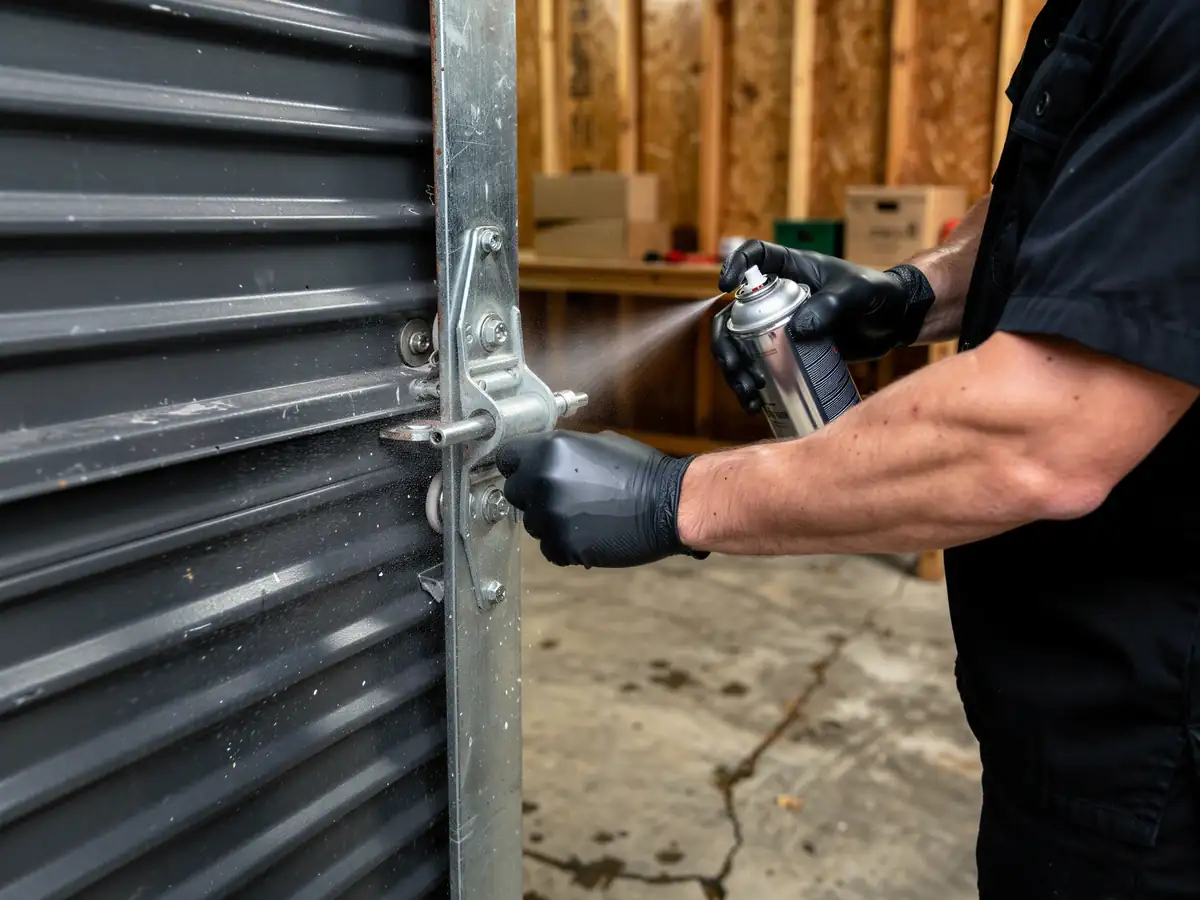
Not every noise or stiff spot needs a same-week call. If a door built on 1950s-era framing has always had a slight rattle on the way down, and nothing's changed, that's often just the house settling the way houses from that era do - it's not new damage. A door that opens and closes fine but squeaks can usually wait for a scheduled visit rather than an emergency one; lubrication is a five-minute fix once someone's there anyway.
If you've got a single working opener and a second door that's purely manual, and the manual one is slow but still balanced, that's a wait-and-schedule situation too, not a drop-everything one. The exception is cold-weather spring tension - if a spring looks stretched, rusted, or visibly uneven on one side of the door, that's not a wait situation given how the cold here accelerates fatigue. Use judgment on noise; don't use judgment on a spring that looks wrong.
What Most People Get Wrong
The biggest mistake we see on houses from the 1940s through the 1960s is assuming a modern opener will bolt onto original track and drum hardware without issue
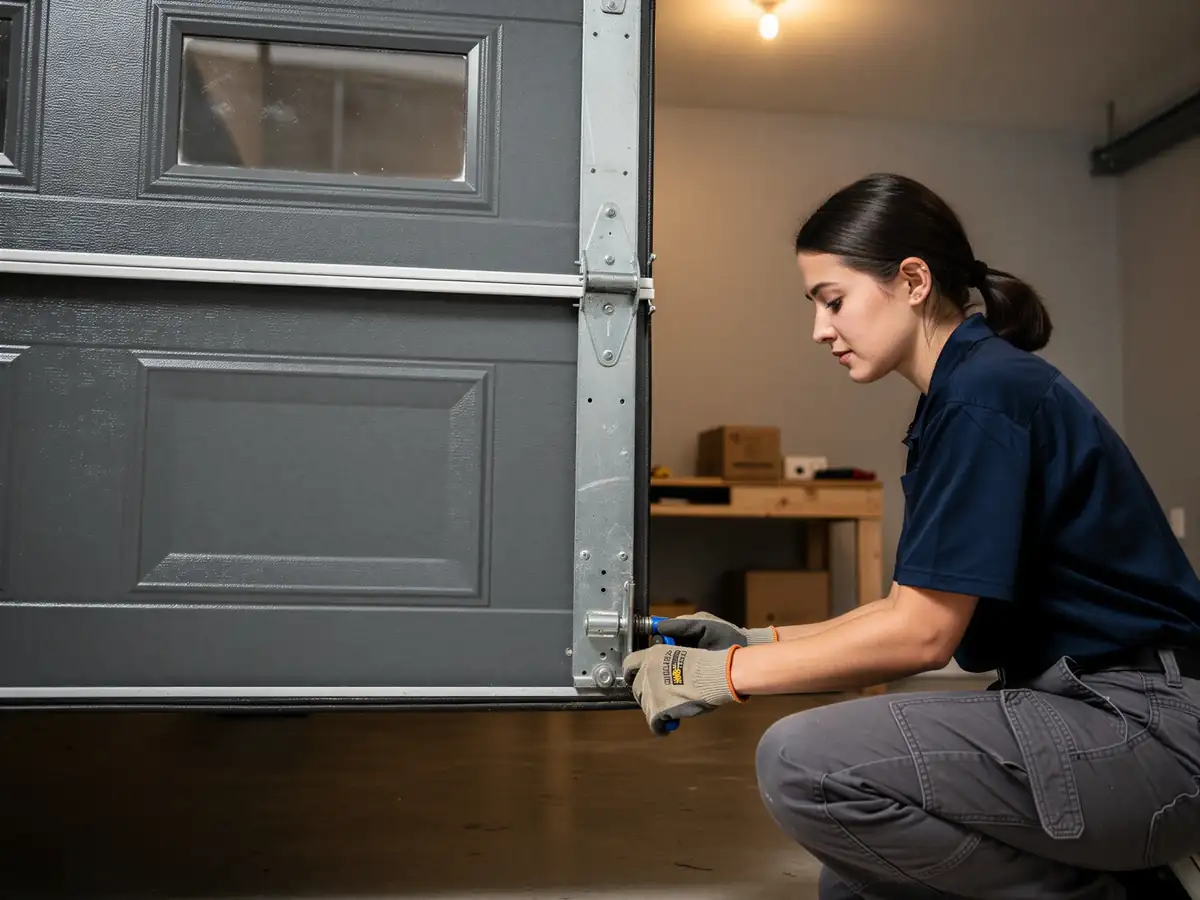
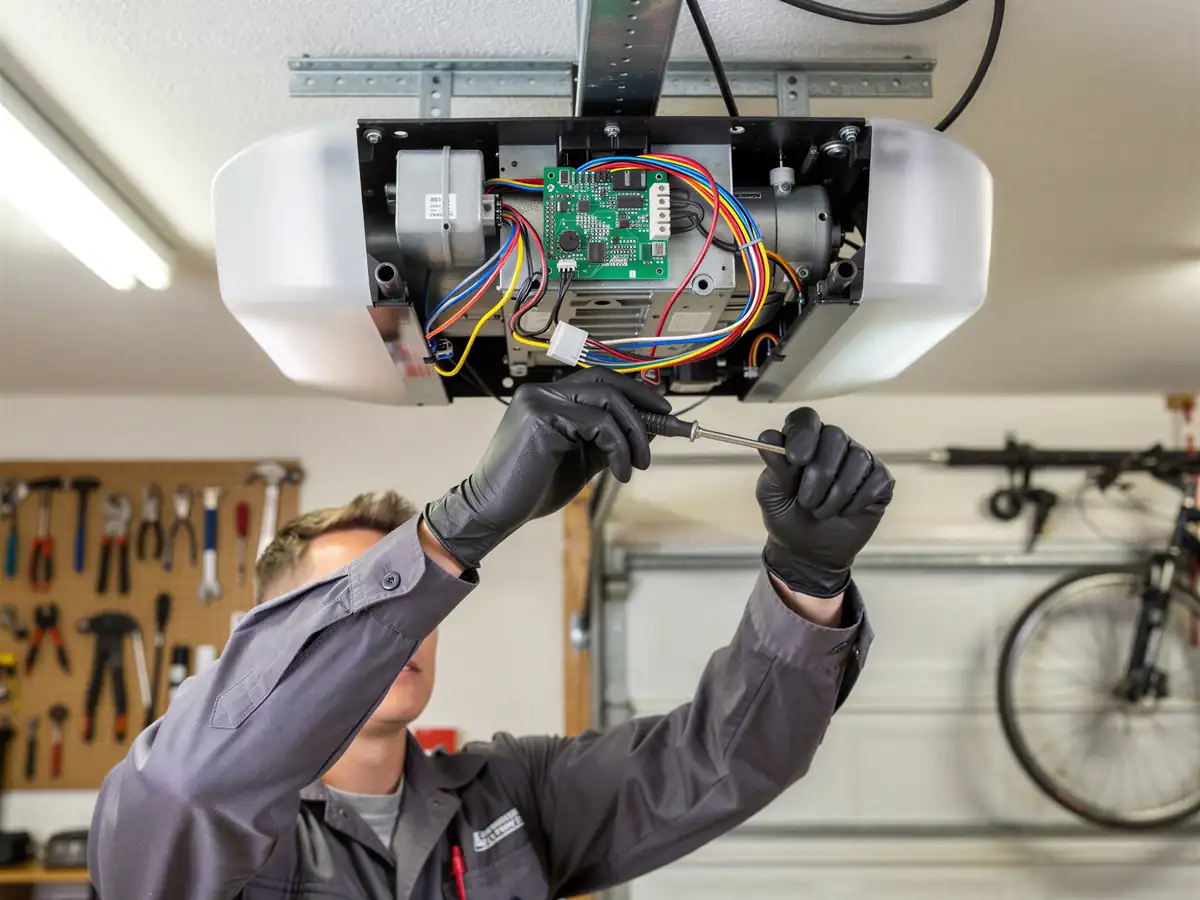
It often won't, not safely - the spacing and the drum sizing on a lot of this area's older doors predates current opener specs, and forcing a fit strains the opener motor and the door both. That's a judgment call a tech has to make on site, not over the phone.
The second mistake is treating a cold-weather spring failure as a track problem
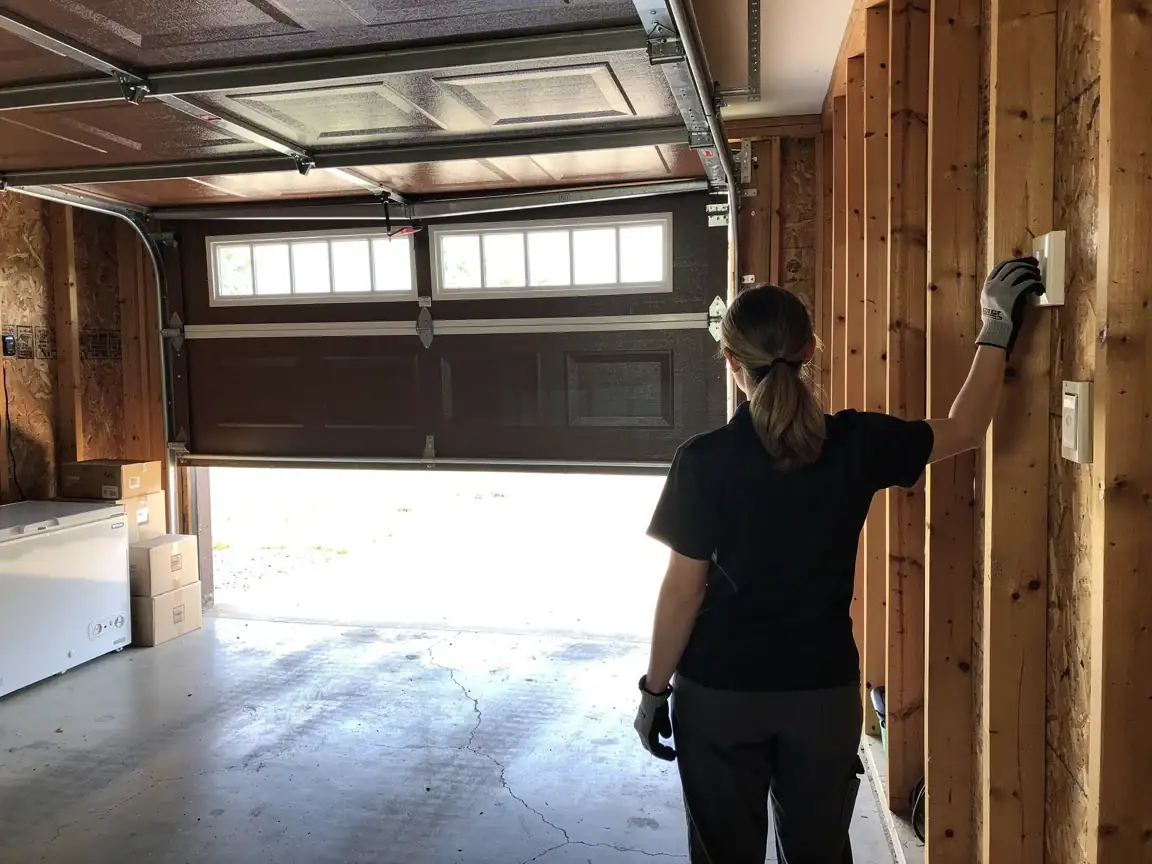
A door that won't lift and sounds like it's grinding is usually the spring, not the track, especially on a cold morning here - but people call describing track noise because that's the part they can see. We'd rather get the call and sort out which one it actually is than have someone try to force a jammed door and bend the track trying.
The Situation
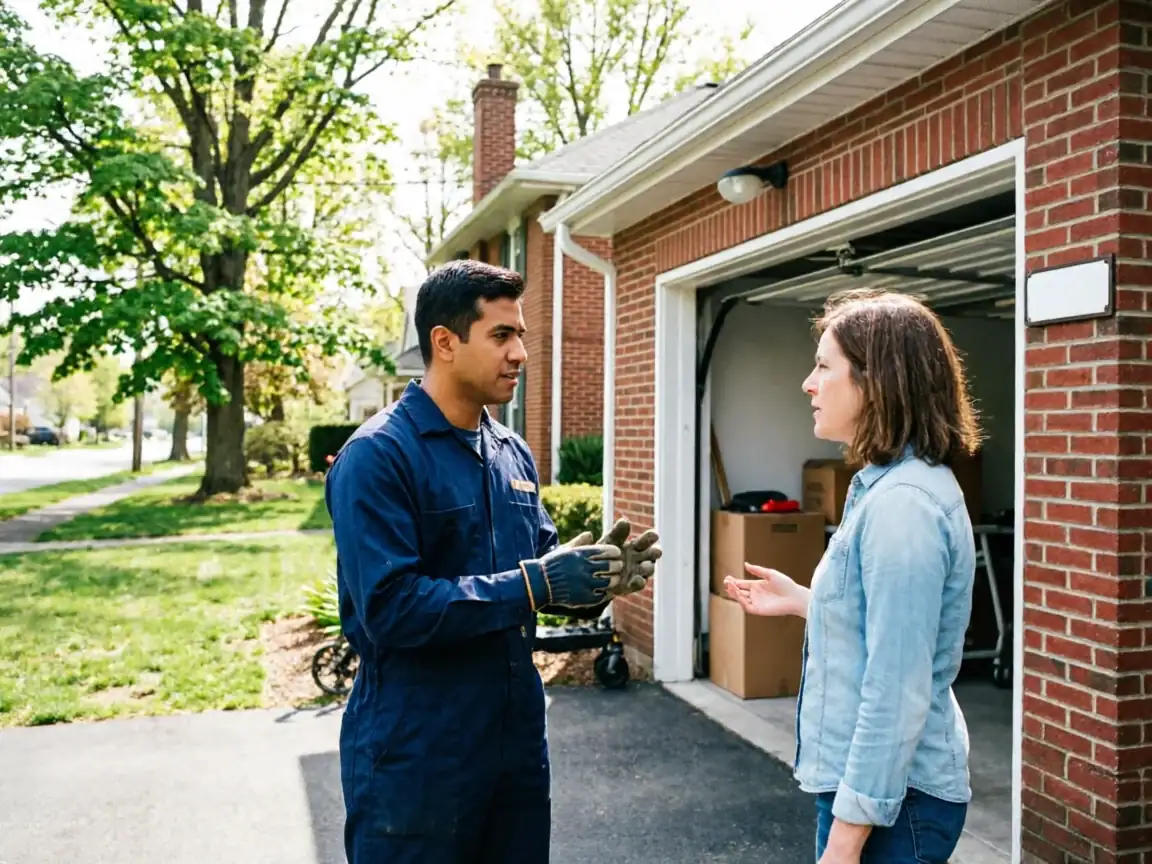
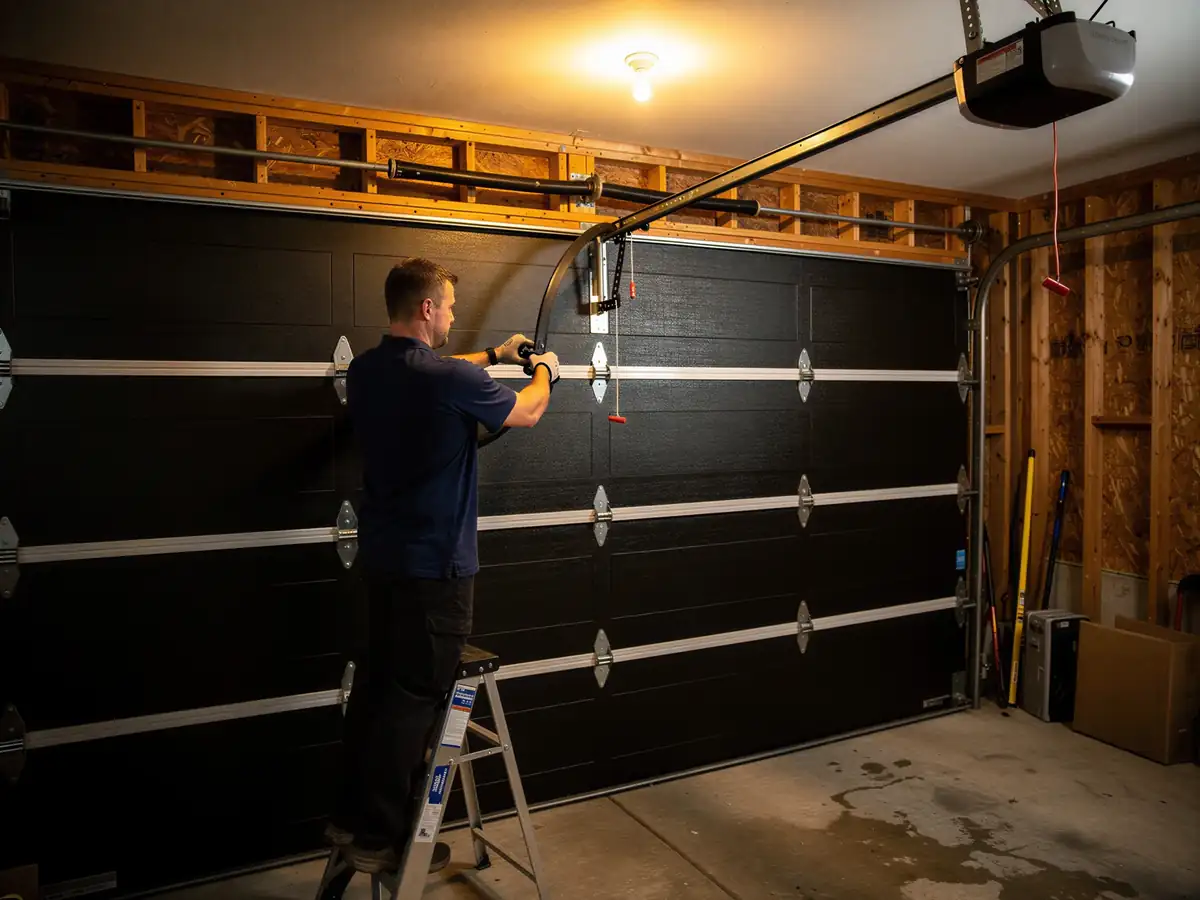
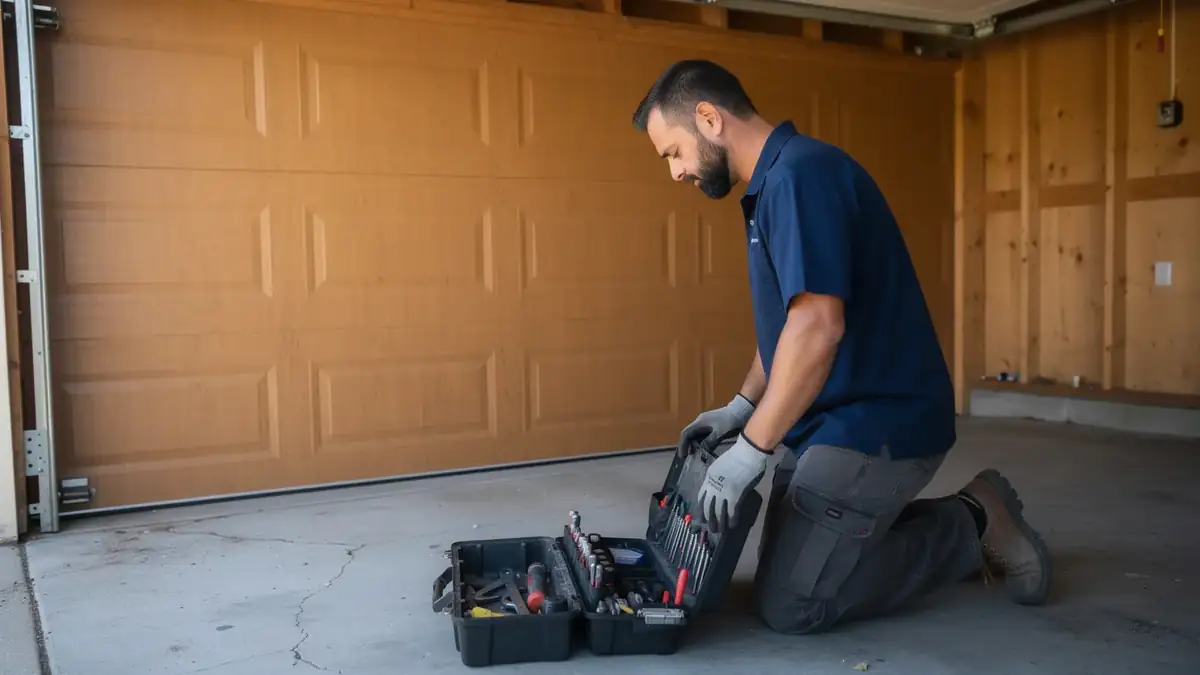
A straightforward service call covers diagnosis, the repair itself if parts are on hand, and a check of the rest of the hardware while we're already there - rollers, cables, the opener's force settings. On a lot of the pre-1960 housing across this area, that last check matters more than it would on newer construction, because original hardware tends to fail in sequence once one part goes. We don't carry every part for every era of door on the truck, and a less common original part sometimes means a short wait on ordering rather than a same-visit fix - that's the honest limit of what a first call can promise.
With 44,139 owner-occupied houses in the service area and a median household income of $55,909, replacement isn't always the first answer we reach for. If a repair gets a door through another cold Greensburg winter safely and the cost makes sense against a full replacement, that's usually the call we recommend.