How Local Conditions Play In
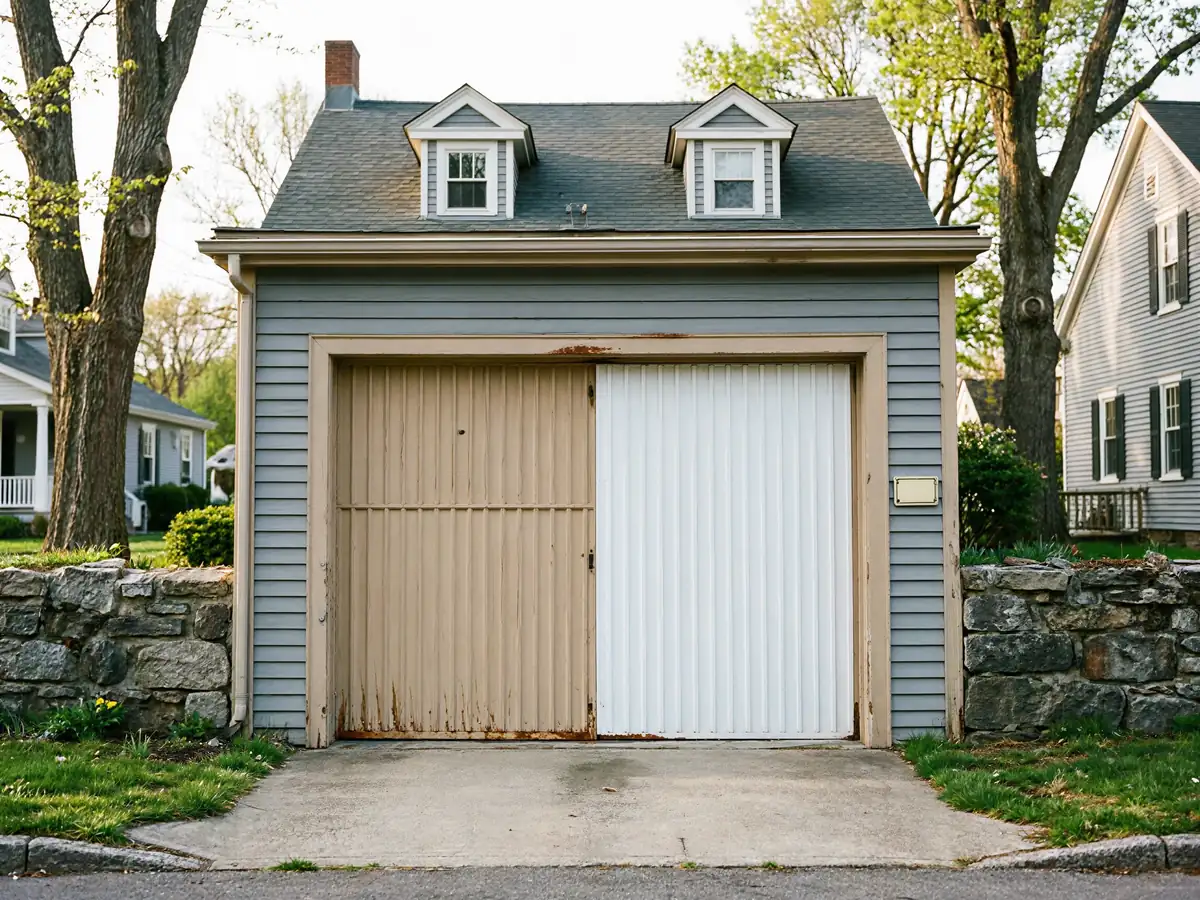
Most houses in Greensburg's older neighborhoods went up between 1938 and 1985, with the typical build year sitting around 1950. That matters for seals because doors from that era were framed for the materials of their day - thin wood jambs, no provision for a flexible bottom seal retainer, and tracks set tighter to the slab than modern code calls for. Across the 53 named areas that make up this service territory, the pattern holds: pre-1960 construction dominates, which means the gap between the door panel and the frame was never built to hold a modern vinyl or rubber seal without some retrofitting.
Layer on the climate. Greensburg sits in a severe cold band, so the slab under that door goes through real freeze-thaw cycling every winter. Concrete heaves slightly, the door's bottom seal compresses unevenly, and you end up with a draft line that wasn't there in October. On a newer door in a milder climate this wouldn't show up the same way. Here, it's the combination of old framing and hard winters that turns a small gap into a cold floor in the garage and sometimes in the room above it.
When Waiting Is Fine
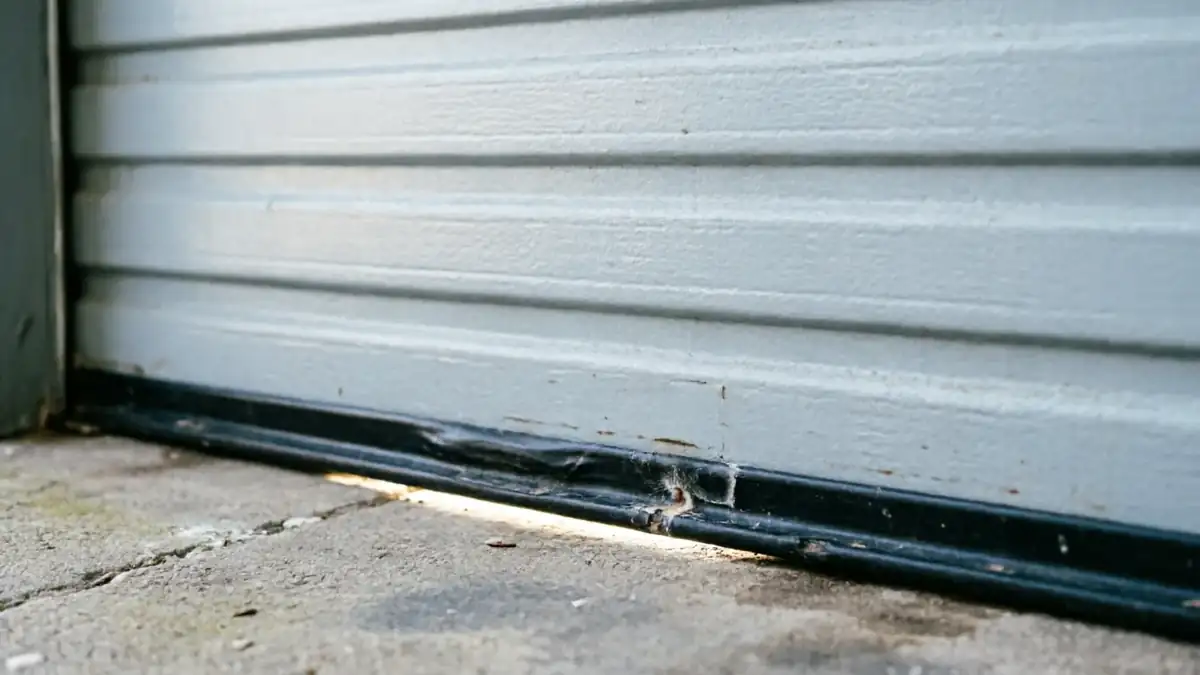
Not every draft is worth a service call right away. If you've got a thin whistle of air along one side of the door but the seal itself still sits flush against the slab when the door's down, that's usually a sign the weatherstrip has hardened with age rather than failed outright - it can often wait until it's convenient, especially outside the coldest months.
Here's the honest limitation: we don't carry every bottom-seal profile for every door era on the truck. Some of the astragal styles used on doors from the 1950s and 60s housing stock common around Greensburg aren't something we stock, and ordering the right retainer channel can take a few days. If your door is one of those older styles and the seal is just stiff rather than torn or pulling out of the track, waiting a few extra days for the right part beats forcing a universal seal into a channel it wasn't made for. A seal that doesn't seat right will leak worse than the one you started with.
What Most People Get Wrong
The common mistake is treating a draft at the bottom of the door as the whole problem
On the older framing found through much of this service area, cold air just as often comes in along the side jambs or through the top panel seam, where the original wood trim has shrunk over seventy-plus years. Replacing the bottom seal alone fixes one leak and leaves the other two.
The second mistake is assuming insulation foam inside the panels will solve a seal problem
It won't. Foam slows heat transfer through the panel itself; it does nothing for the gap where the panel meets the frame. In a climate that runs severe cold for a good stretch of the year, that gap is where most of the lost heat actually goes. Homeowners also tend to wait until a seal is visibly torn before calling, when the bigger energy loss usually starts well before that - once the seal has hardened and stopped compressing evenly against an uneven slab, which is common on the older concrete work typical of this area's pre-1960 housing.
The Situation
This is an area built mostly between 1938 and 1985, median year right around 1950, sitting in a climate zone that gets genuinely cold and does it with real freeze-thaw swings rather than one hard snap a year. That's the combination that makes seal work here different from seal work somewhere with newer housing or a milder winter.
With 44,139 owner-occupied houses across a service area of 83,379 households, a lot of the doors on a typical Greensburg street predate the vinyl bottom-seal standard most manufacturers use now. At a median household income of $55,909, most homeowners here are looking for a seal fix, not a full door replacement, when the real issue is a worn gasket and a tired jamb rather than a structurally bad door. That's usually the right call - a door with a sound panel and a straight track doesn't need to come out just because the weatherstripping has given up.