Serving Greensburg, PA & nearby
(724) 281-1874
Greensburg, PA

Garage Door Maintenance for Greensburg-Area Homes

Garage door maintenance for Greensburg, PA homes built 1938-1985, matched to cold-climate wear on springs, rollers, and openers across the service area.

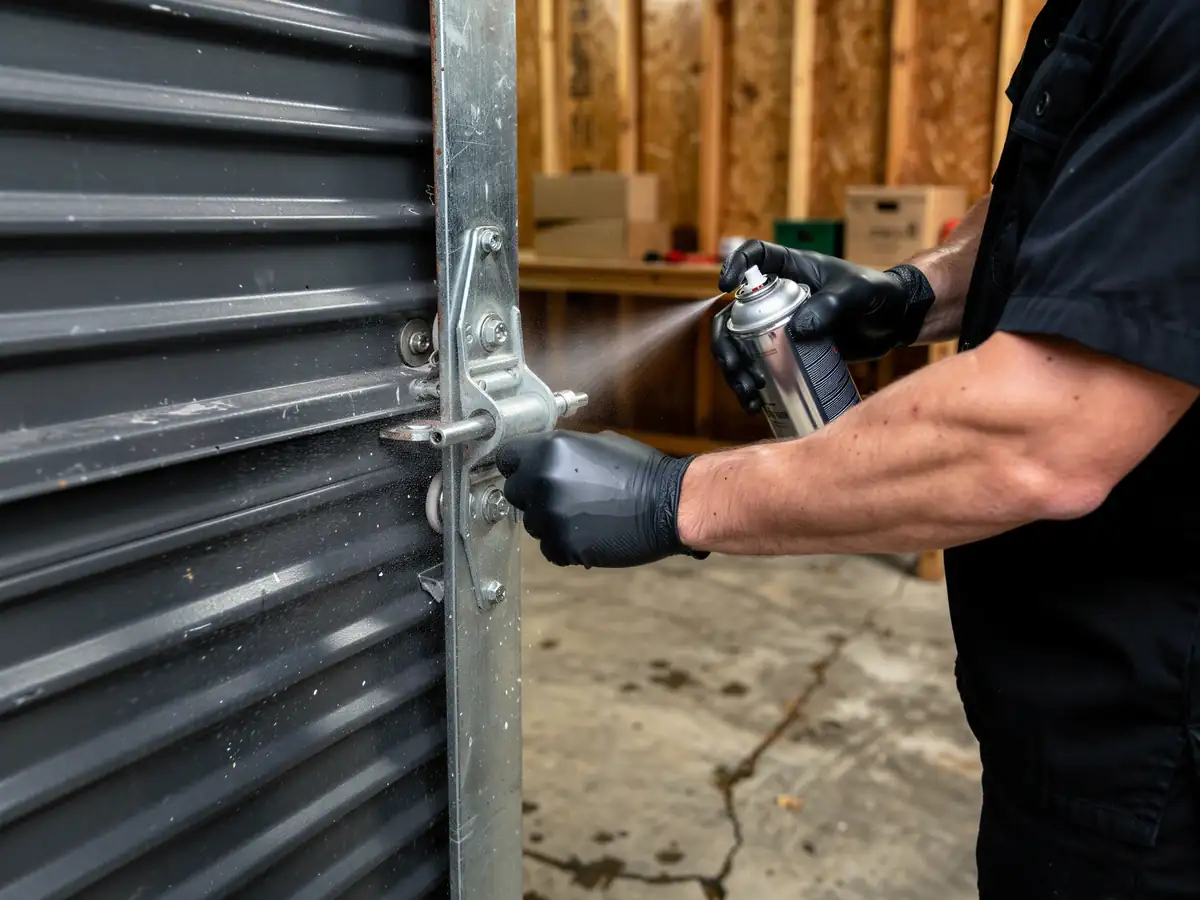
A technician in black gloves sprays lubricant on a garage door roller.
Greensburg, PA
8 services
5 service areas
Diagnosis first, then the fix

How We Fix It

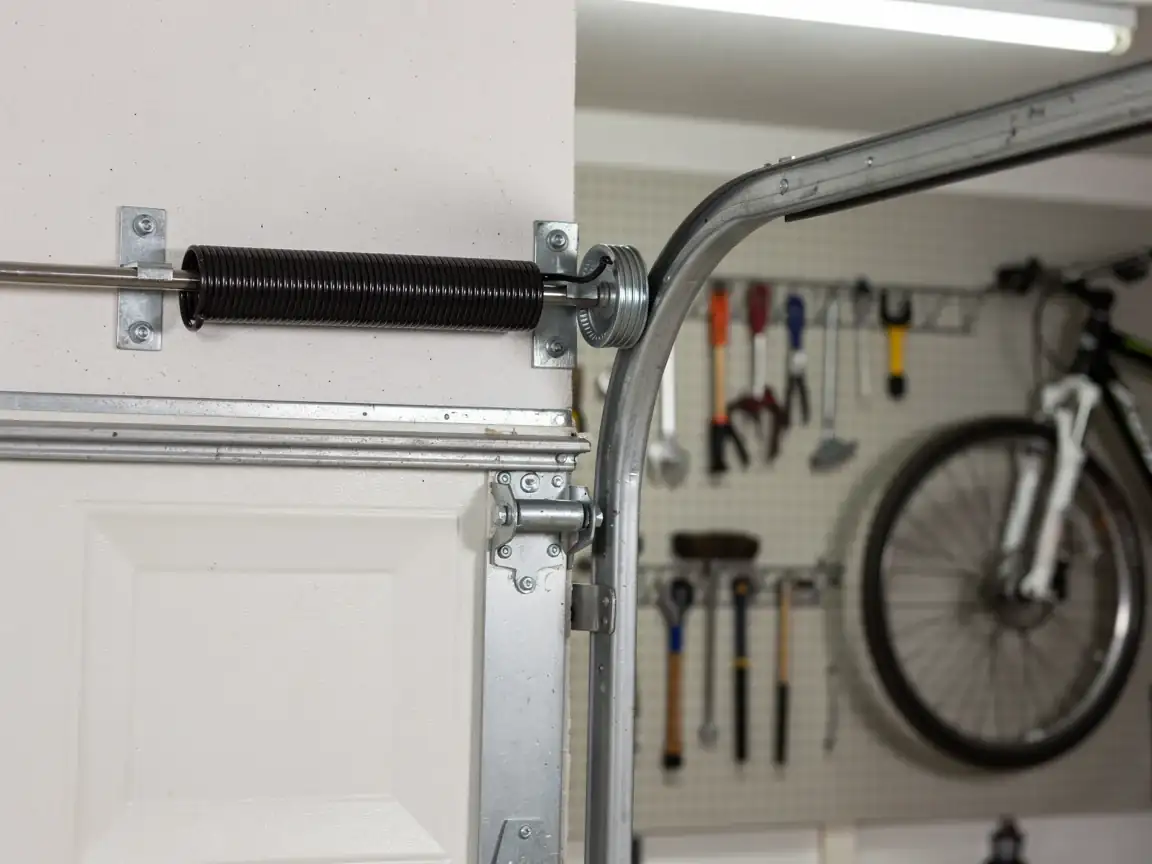
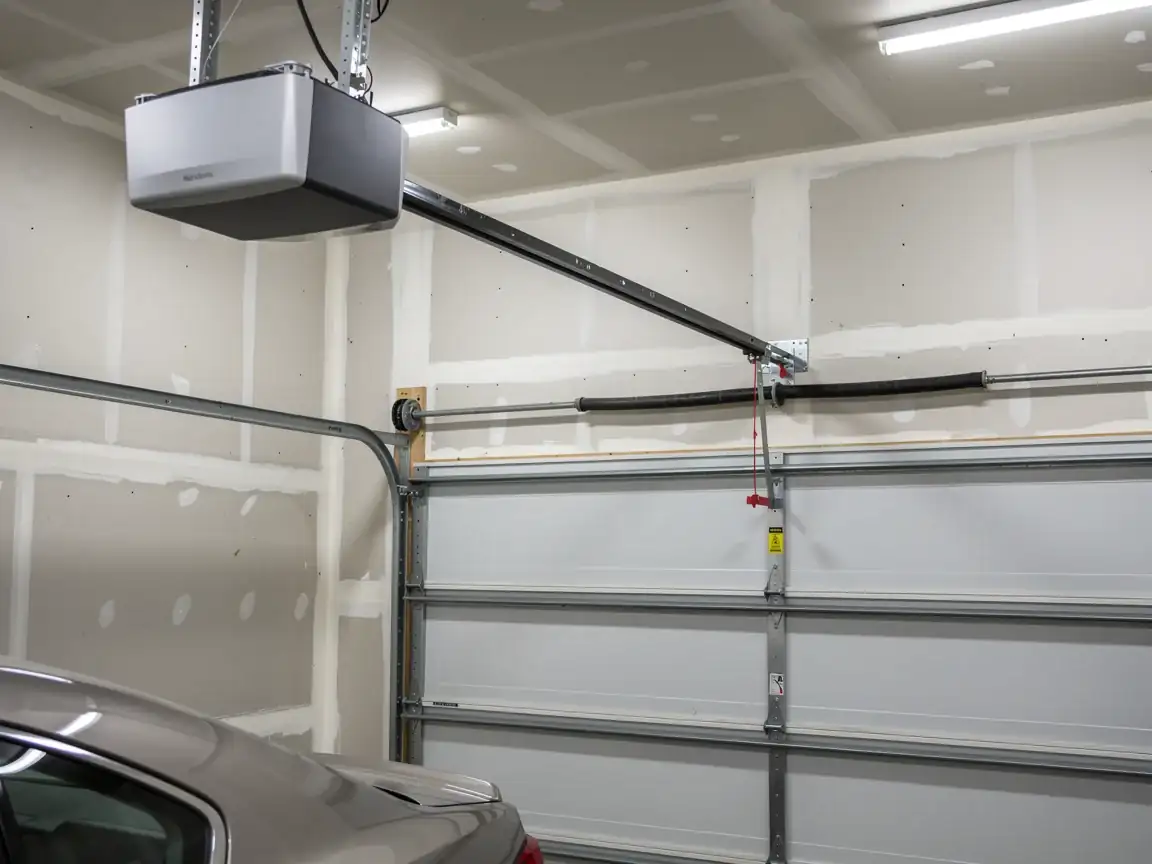
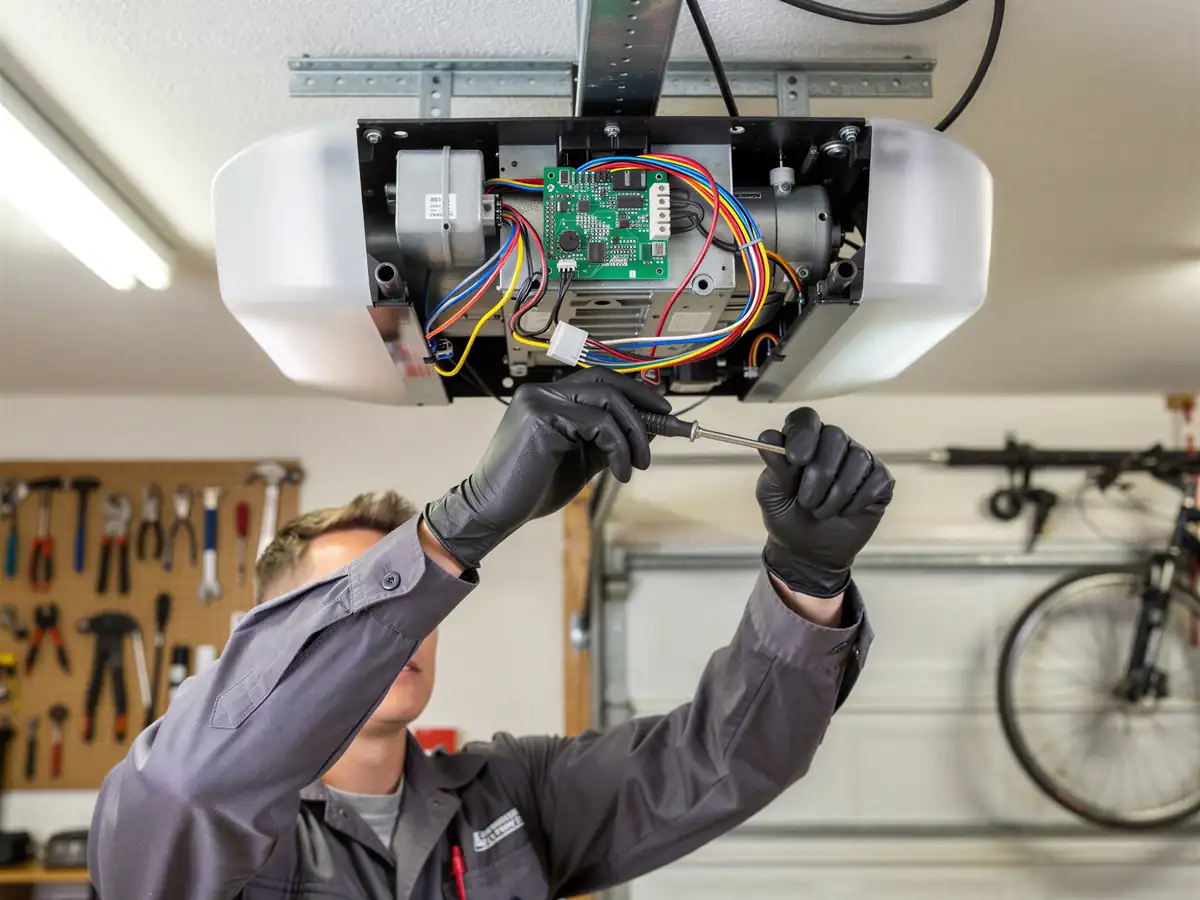
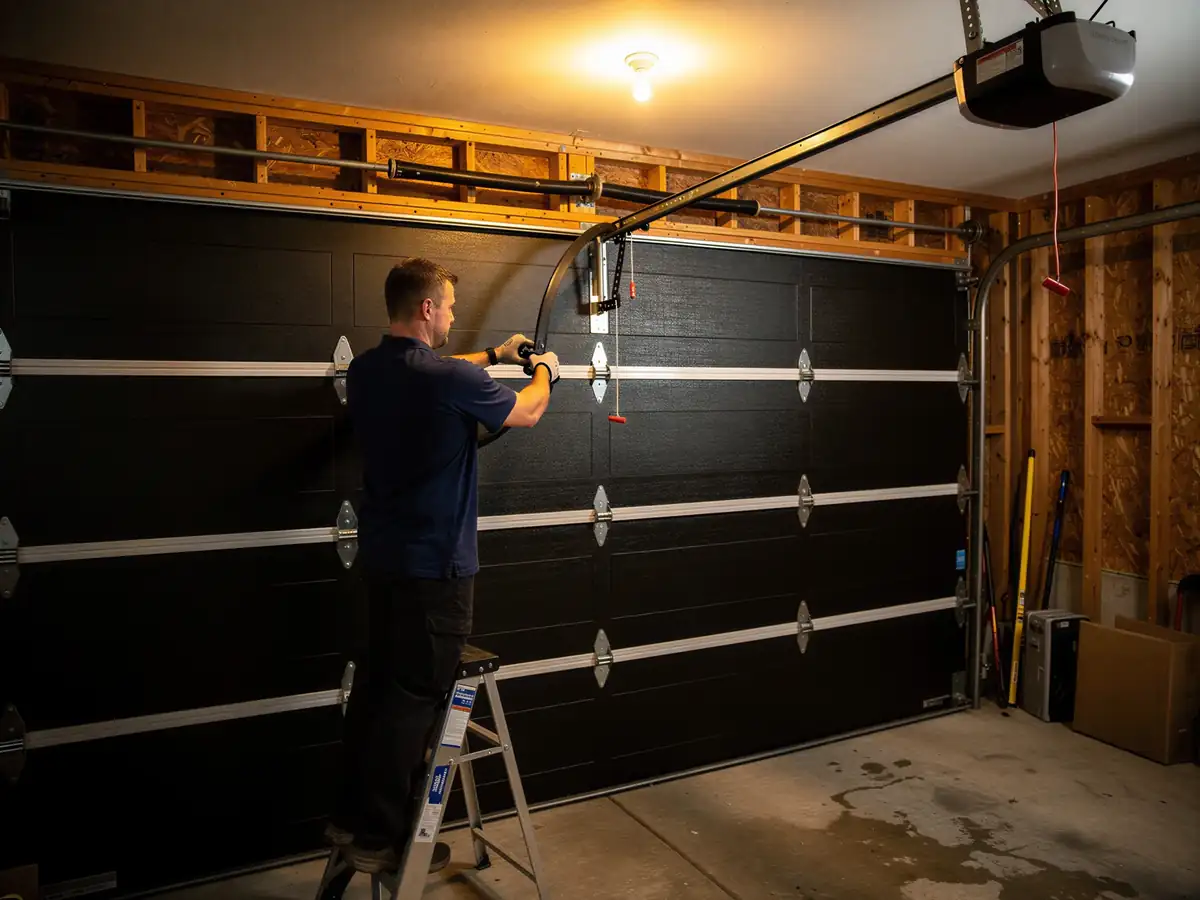
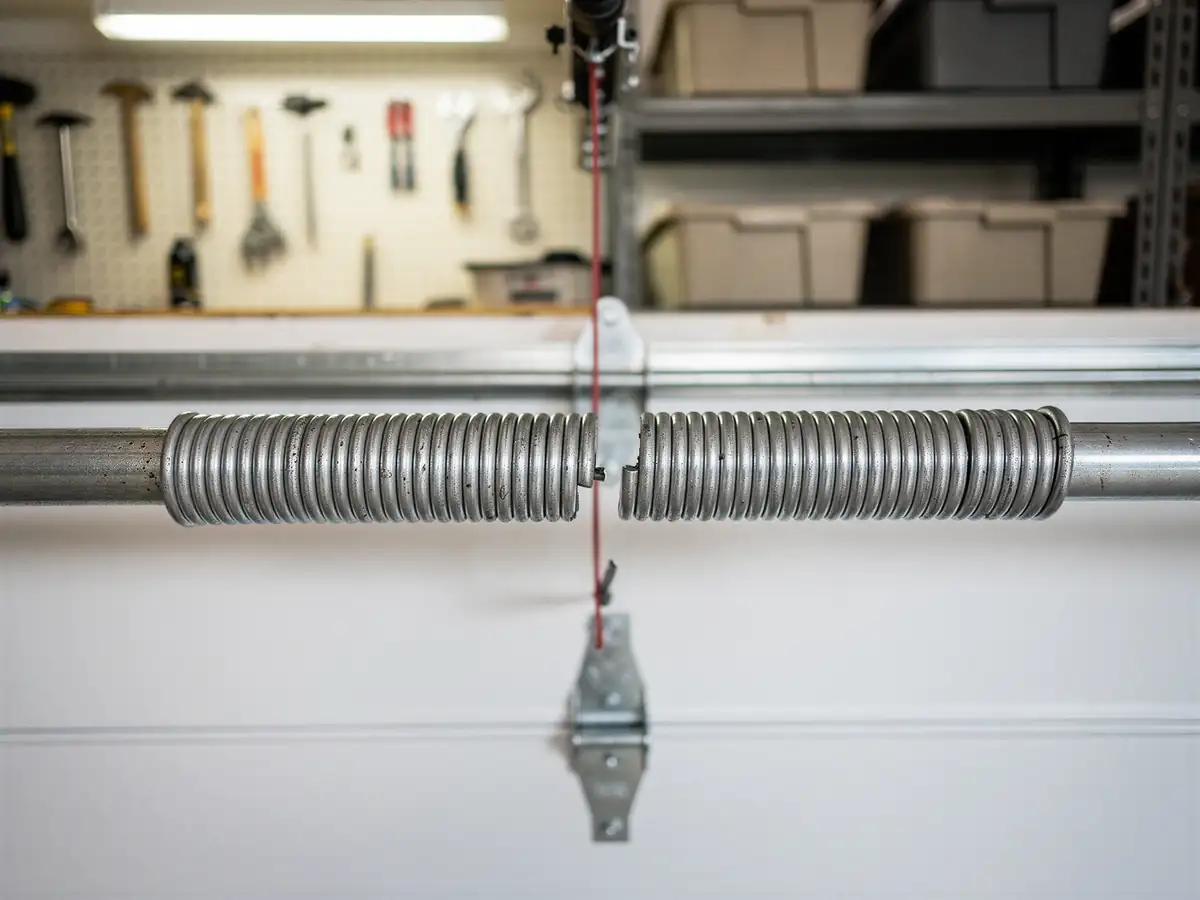
Maintenance on a garage door isn't one job, it's a short list of checks done in order, and skipping one just moves the failure down the road. We start with the spring system, checking tension and looking for rust pitting on the coils, because that's where a cold-weather snap starts. Then we move to the track, checking alignment and cleaning out the grit and salt residue that builds up over a winter. Rollers get inspected and lubricated, or swapped if they've gone flat-sided. Cables get a visual for fraying, and we check the opener's force settings, since a door that's gotten heavier or stiffer over the years can make an opener strain against limits it was never set for. On older torsion setups - common in housing stock from this era - we also check the end bearing plates, which wear out quietly until the door starts binding on one side. None of this takes long when a door has been looked at regularly. It takes a lot longer, and costs a lot more, on a door that hasn't been touched in five or six years. We tell owners straight when a part needs replacing versus when it just needs attention, because selling a repair nobody needs isn't worth the trip.

What Causes It Around Here

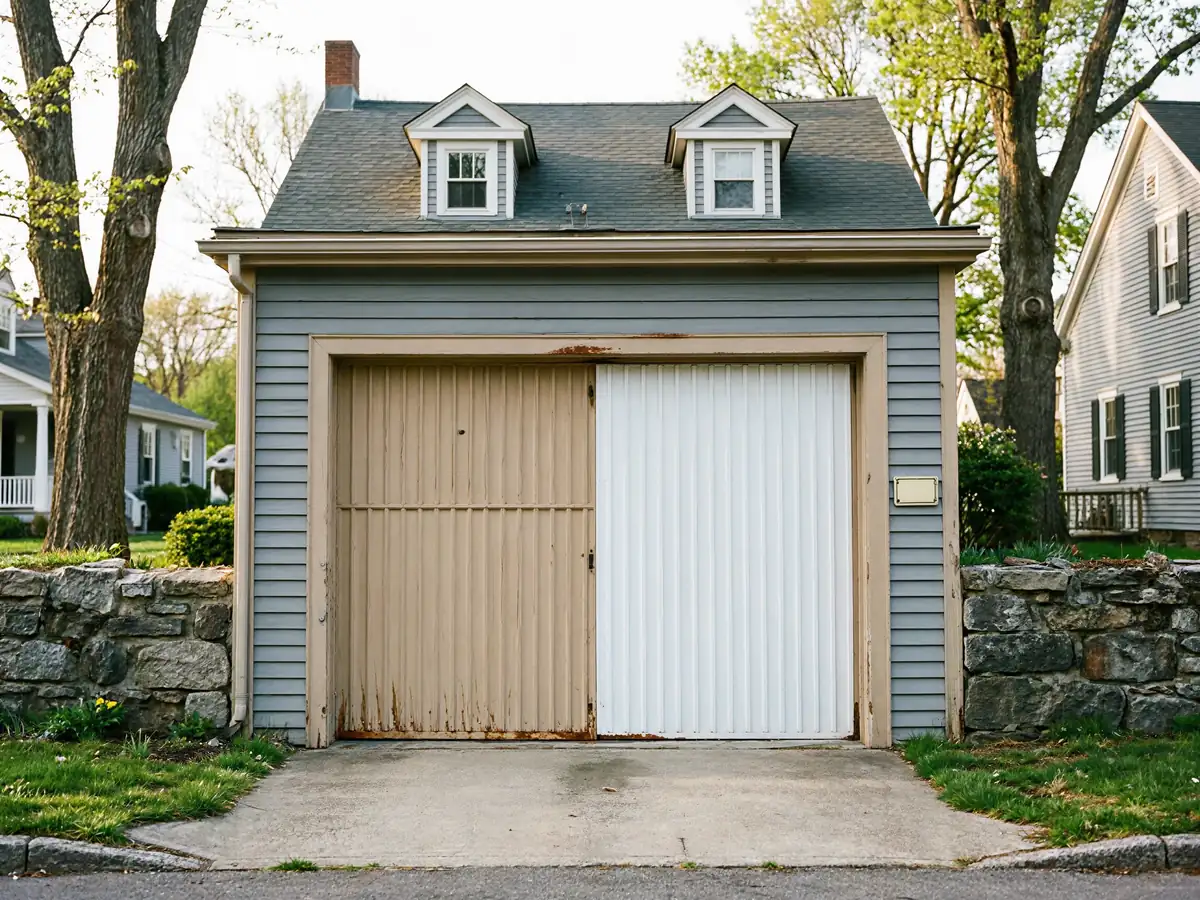
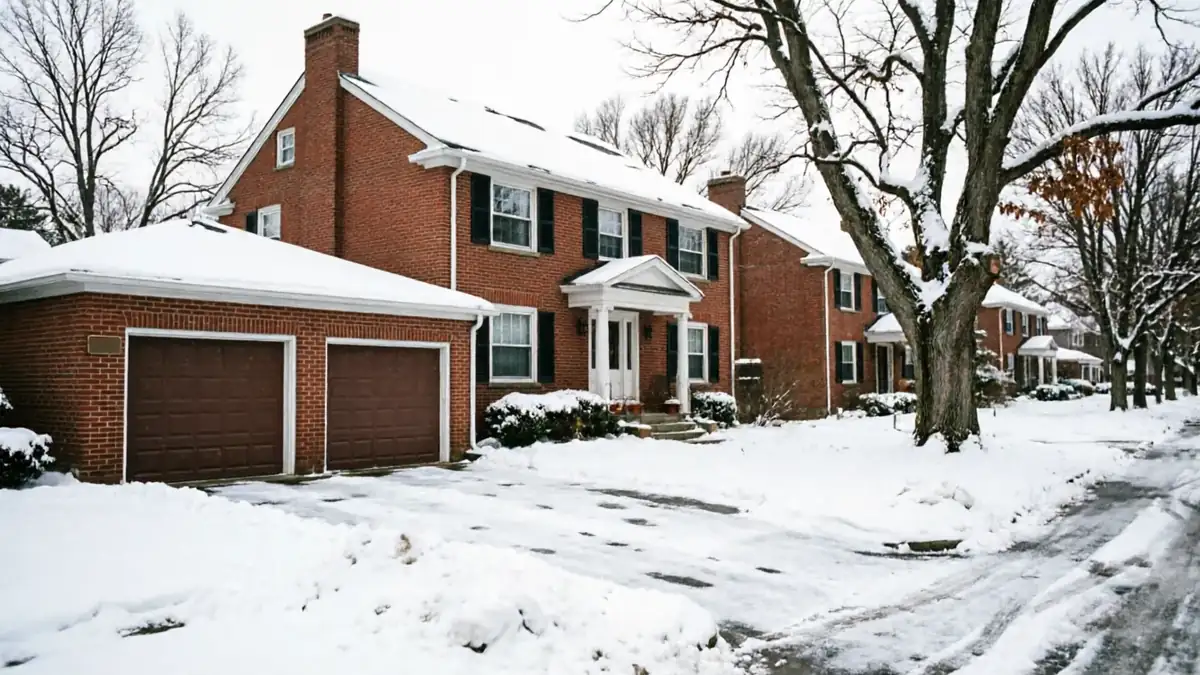
Most houses in this service area were built between 1938 and 1985, with the median landing around 1950, and pre-1960 construction is the norm across the 53 communities we cover. That matters for maintenance because a door installed or last replaced decades ago is often running original or early-generation hardware - side-mounted torsion springs, steel tracks without weatherstripping channels, openers with mechanical limit switches instead of digital ones. None of that is bad hardware, but it ages differently than what's sold today, and parts wear at different rates. Layer on a climate band rated cold and severe, and you get metal fatigue that shows up faster than it would in a milder region: springs lose tension sooner, steel tracks contract and pull at their mounting brackets, and nylon rollers crack when they get brittle in low temperatures and then get worked hard. Garage doors here take a real seasonal beating - ice buildup at the bottom seal, rock salt tracked in on tires corroding cables and hinges, and the freeze-thaw cycle loosening lag bolts in older jamb framing. A door that would go five years without a hiccup somewhere warmer can start showing problems in two or three here if nobody's checking it.

Doing It Yourself

There's real maintenance a homeowner can do without calling anyone. Twice a year, wipe down the tracks and check for debris or rust, then lubricate the rollers and hinges with a garage-door-specific lubricant, not WD-40, which attracts grit instead of repelling it. Check the weatherstripping at the bottom of the door and replace it if it's cracked or compressed flat, since that's your main defense against cold air and moisture getting at the rest of the hardware. Test the auto-reverse safety feature by placing a block of wood in the door's path and making sure it reverses on contact. Look at the cables for fraying, but don't touch them if you see damage - that's not a DIY fix. Same goes for the torsion spring itself: adjusting or replacing a spring under that much tension has hurt people, and it's not a place to save on a service call. What you can't fix yourself, and what we'd rather you not try, is anything involving the spring, the cable drums, or the opener's internal gearing. Those jobs need the right bars, the right clamps, and someone who's done it enough times not to get hurt.

What You Are Seeing

A door that's slow to open or closes unevenly on one side is usually a spring losing tension, not an opener problem, even though the opener gets blamed first. Grinding or squealing on the way up points to rollers that need lubrication or replacement, especially if the noise has crept in gradually over a winter. If the door reverses right after touching the floor, that's often a sensor alignment issue from a bump or a track that's shifted slightly, both common after a season of temperature swings pulling at mounting hardware. A door that feels heavier than it used to, or that an opener strains to lift, is telling you the spring is tired before it actually breaks - that's the window where a maintenance call is cheap and a repair call later isn't. Rust streaks on the tracks or springs are worth a look even if the door still works fine, since this region's cold-and-salt cycle moves rust along faster than owners expect. None of these are emergencies by themselves. They're early signs, and in housing stock this age, with hardware this old, they're worth paying attention to before they turn into a Saturday morning with the car stuck inside.
How it works

From “it’s stuck” to “it’s fixed”

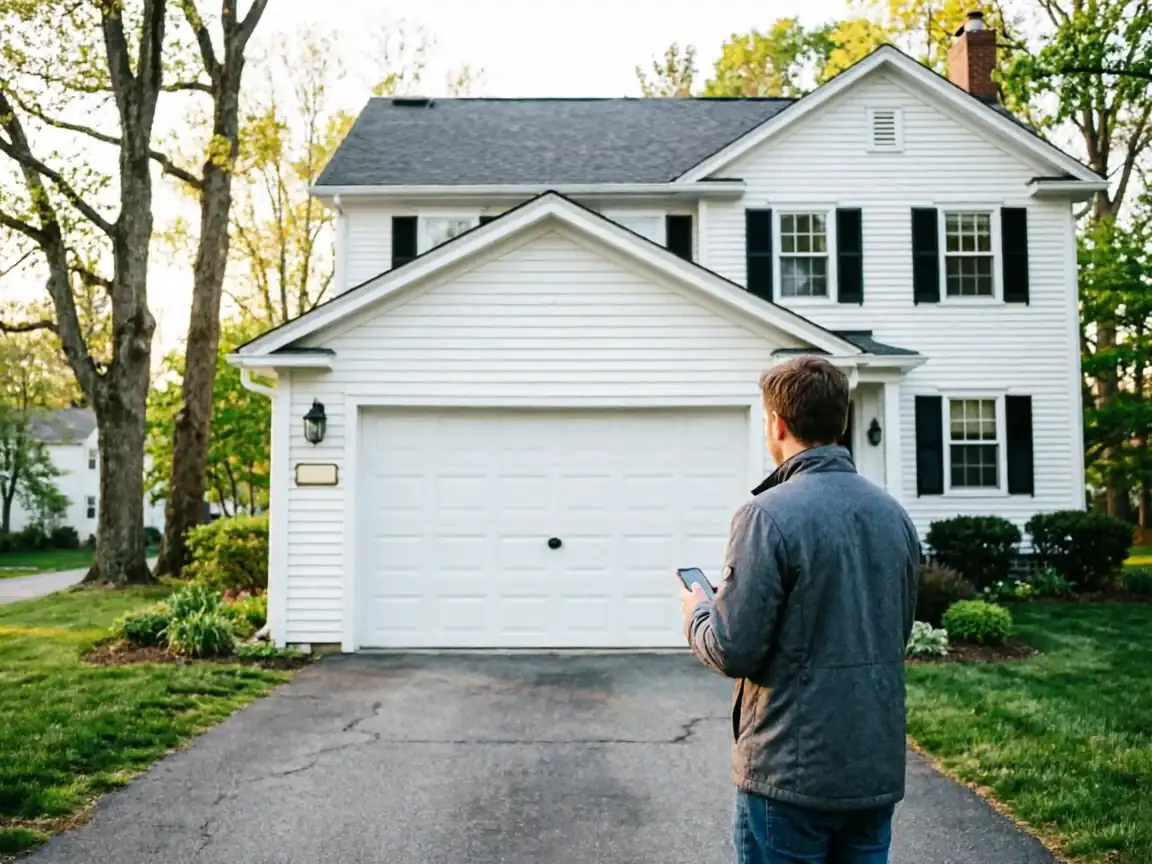
A man stands in a driveway looking at a white house with a white garage door.
1

Tell us what’s wrong

Describe the symptom - won’t open, loud bang, opener runs but the door won’t move.

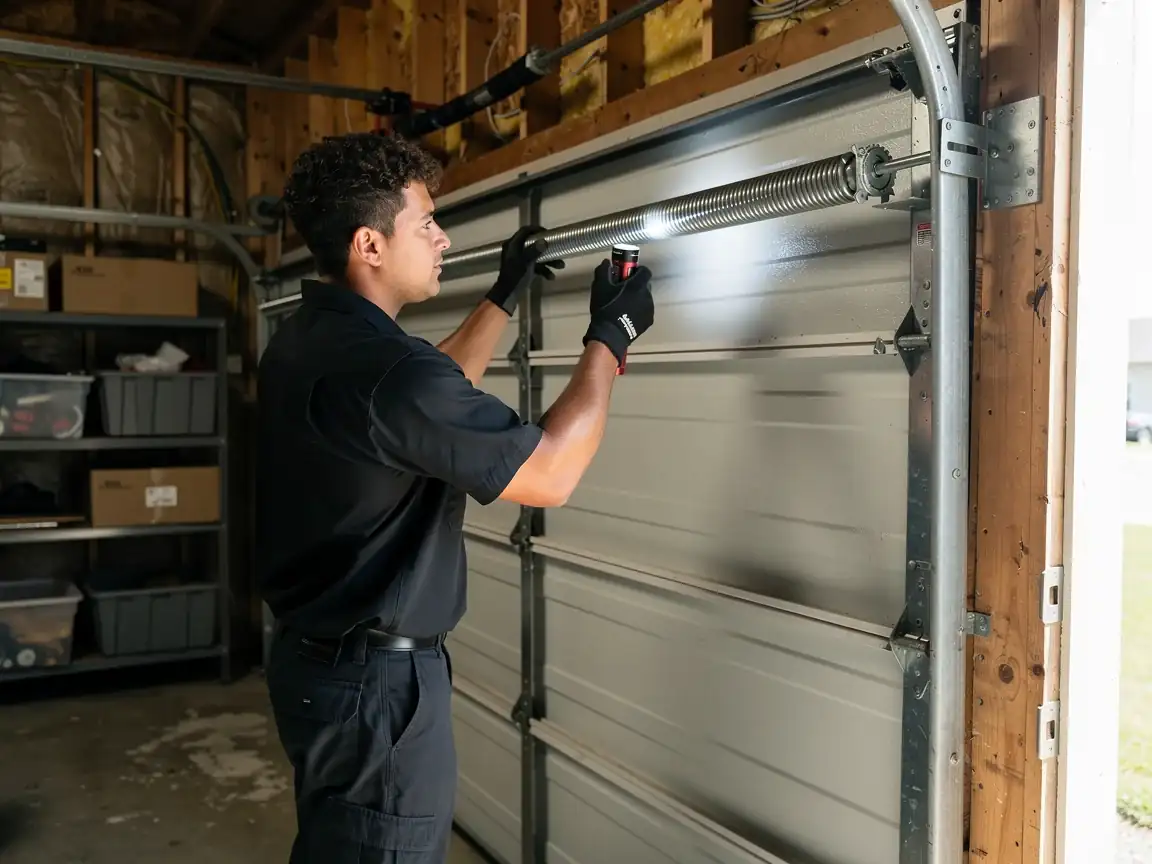
A technician inspects a garage door torsion spring with a flashlight.
2

On-site diagnosis

A technician tests the door under power and by hand and finds what actually failed.

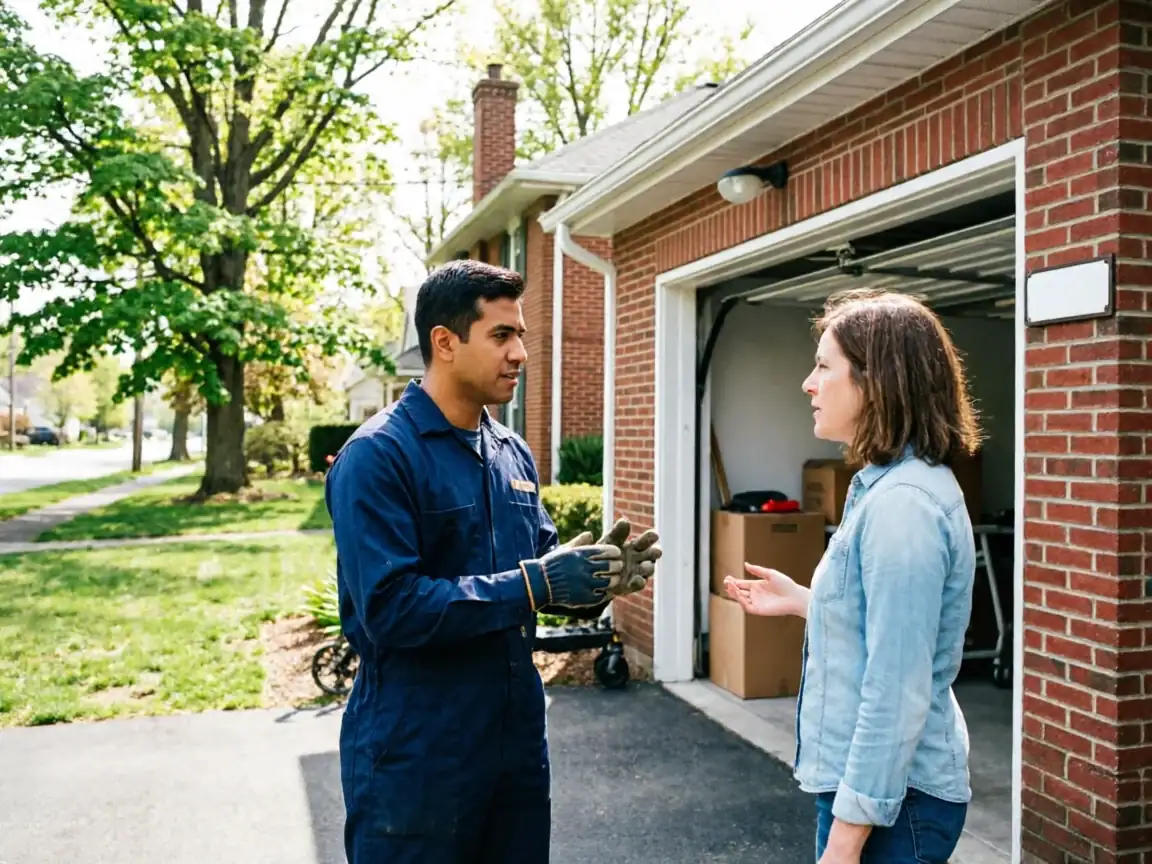
A technician in a blue uniform talks to a woman in front of a brick house with an open garage.
3

Clear, up-front plan

You get the fix that’s needed and what drives the cost - before any work starts.

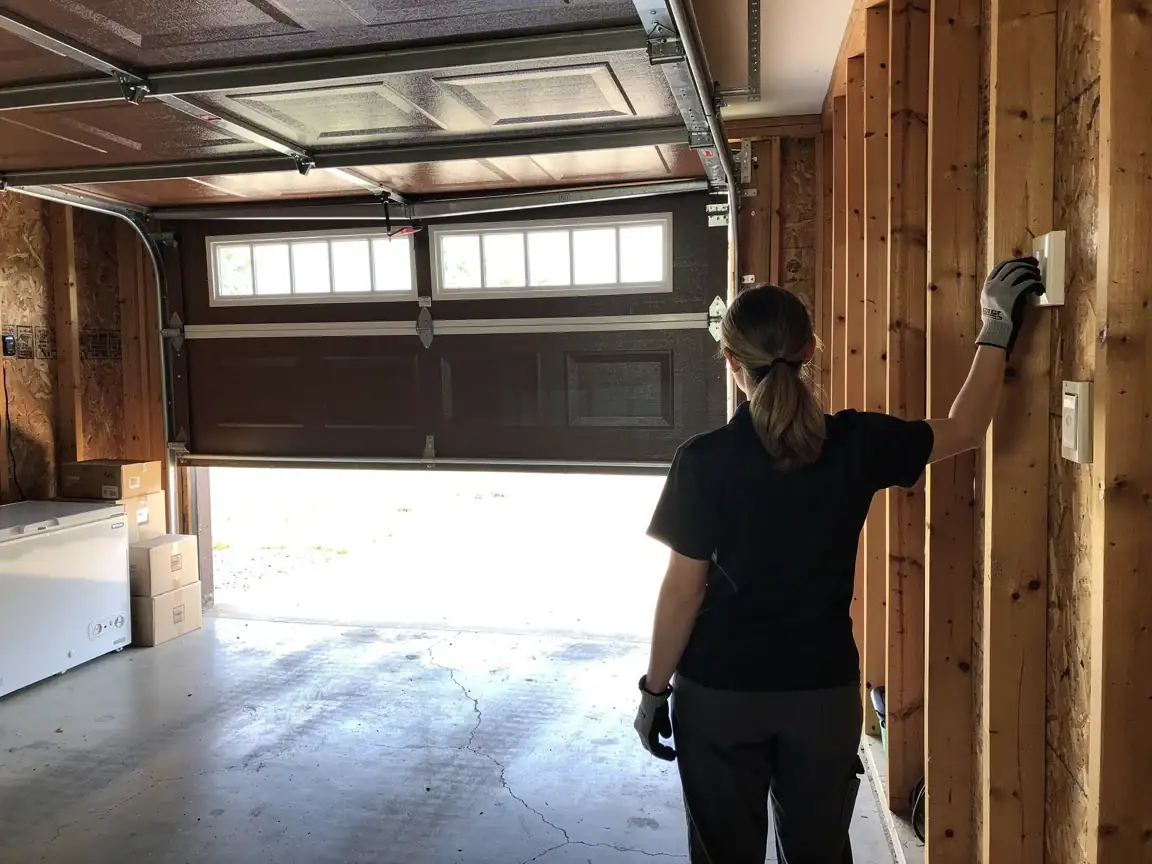
A technician in gloves adjusts a white control panel next to an open brown garage door.
4

Repaired & tested

The repair is done, the door is set true and tested, and the work area left clean.

Not sure which repair your door needs in Greensburg, PA? Describe what it’s doing - every job starts with a diagnosis.

5areas covered
How we work

What to expect

Diagnosis first

Every visit starts by finding what actually failed - not a pre-written parts list.

The right part for the door

Springs and openers matched to the door’s weight and age, so the fix holds up.

Straight answers

When a repair makes more sense than a replacement - or the reverse - you hear it plainly.

Clean, careful work

Tension released safely, hardware set true, the door tested under power before we leave.

14,495Residents in Greensburg
8Garage door services
5Neighborhoods & suburbs
PAServing Greensburg, PA
What we do

Garage Door Services

Repair and installation work for Greensburg homes and businesses.

Where we work

Serving Greensburg & nearby

Local garage door service across 5 Greensburg-area neighborhoods and communities - is your street on the list?

5

Greensburg-area neighborhoods & nearby communities we cover

Questions

Frequently asked

Straight answers about garage door repair in Greensburg. Still unsure? Ask us directly.

How often should I get my garage door serviced in Greensburg?

Twice a year is a reasonable baseline given the cold-and-severe climate here, ideally once before winter and once in spring to check what the cold did to springs, cables, and rollers. Homes with original or older hardware common in this area's pre-1960 housing stock benefit from the fall check especially, since that's when spring tension problems tend to surface.

Why does my door feel heavier in winter?

Cold makes steel contract and grease stiffen, so springs that are already losing tension feel it more in winter. If the opener is straining harder than it used to, the spring is usually the cause, not the motor. It's worth having it checked before the spring fully gives out.

Is garage door maintenance worth it on an older house?

Yes, often more so. Homes built in the 1938-1985 range this area is dominated by tend to have original or early-replacement hardware, which ages differently than newer parts. Regular checks catch wear before it becomes a failed spring or a jammed track, and that's usually the cheaper outcome.

Can I lubricate the door myself?

Lubricating rollers, hinges, and the track with a garage-door-specific lubricant is a safe DIY task, and doing it twice a year helps a lot in this climate. Stay away from the torsion spring and cables yourself - those carry enough tension to cause real injury if something slips.

Ready to get your garage door sorted?

Tell us what it’s doing and where you are in Greensburg - we’ll take it from there.

Request a QuoteCall