How Long It Takes
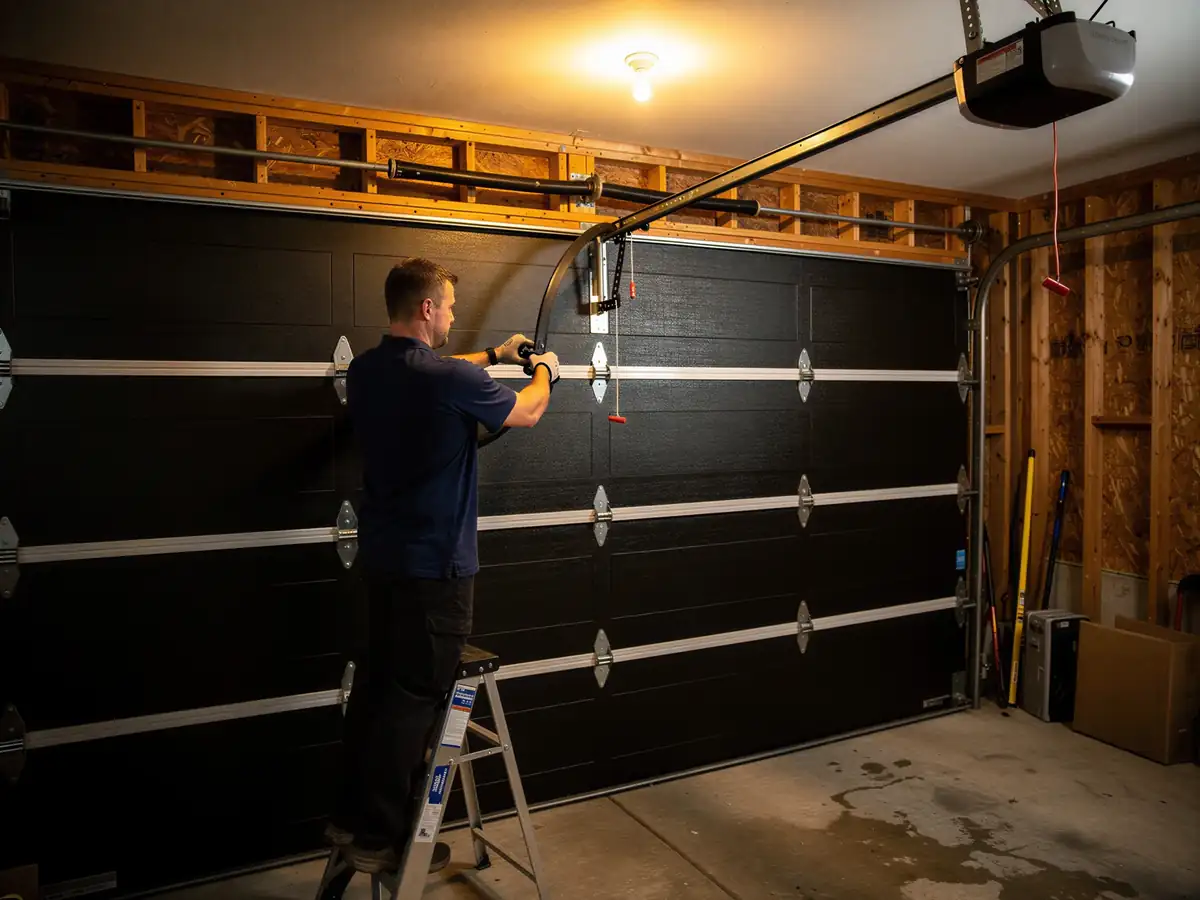
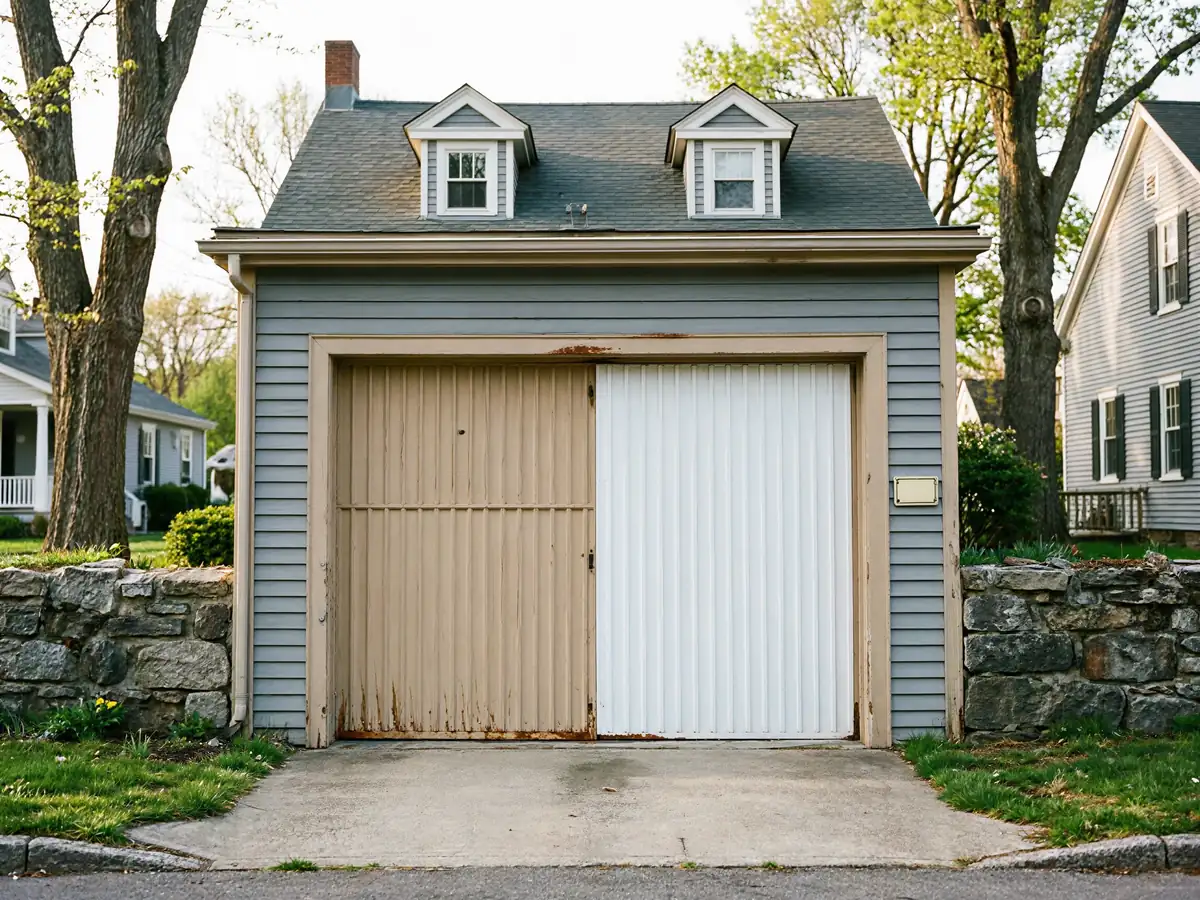
Most of Jeannette went up around 1951, which means a lot of garage doors here are either original steel sectional units from a 1970s-80s retrofit, or openers bolted onto hardware that was never designed to carry one. A standard maintenance visit - spring check, track alignment, roller inspection, hardware torque - runs about the same length of time anywhere, but the extra step in a town built this era is checking whether the track spacing and header clearance still match what a modern opener bracket expects. On an original frame, that check alone can turn a 20-minute job into something longer if we find a bent track or a header that's shifted with the house. We won't know which kind of visit yours is until we're in the opening. What we can tell you is that we're not guessing at the housing age - the stock here runs old enough that assuming a quick in-and-out job is how a tech misses a cable that's one winter away from snapping.
The Cost of This Job
We don't quote a maintenance price over the phone without knowing what's behind the door, and we're not going to invent a number here that isn't backed by a rate card. What we can say is that Jeannette's median household income, at $49,558, runs below the wider service area's $55,909 - a gap worth knowing if you're comparing what a shop quotes here against what you'd hear for a job in a wealthier pocket of the territory. That's not us setting a different price for Jeannette; it's context for why we don't push unnecessary parts replacement on a maintenance call. A tune-up should catch wear before it becomes a repair bill, not generate one. If your door is original to a 1951-era build, the honest conversation is often about which parts are worth maintaining versus which are close enough to the end of their life that a repair later this year is likely regardless of how well we service it now.
How We Fix It
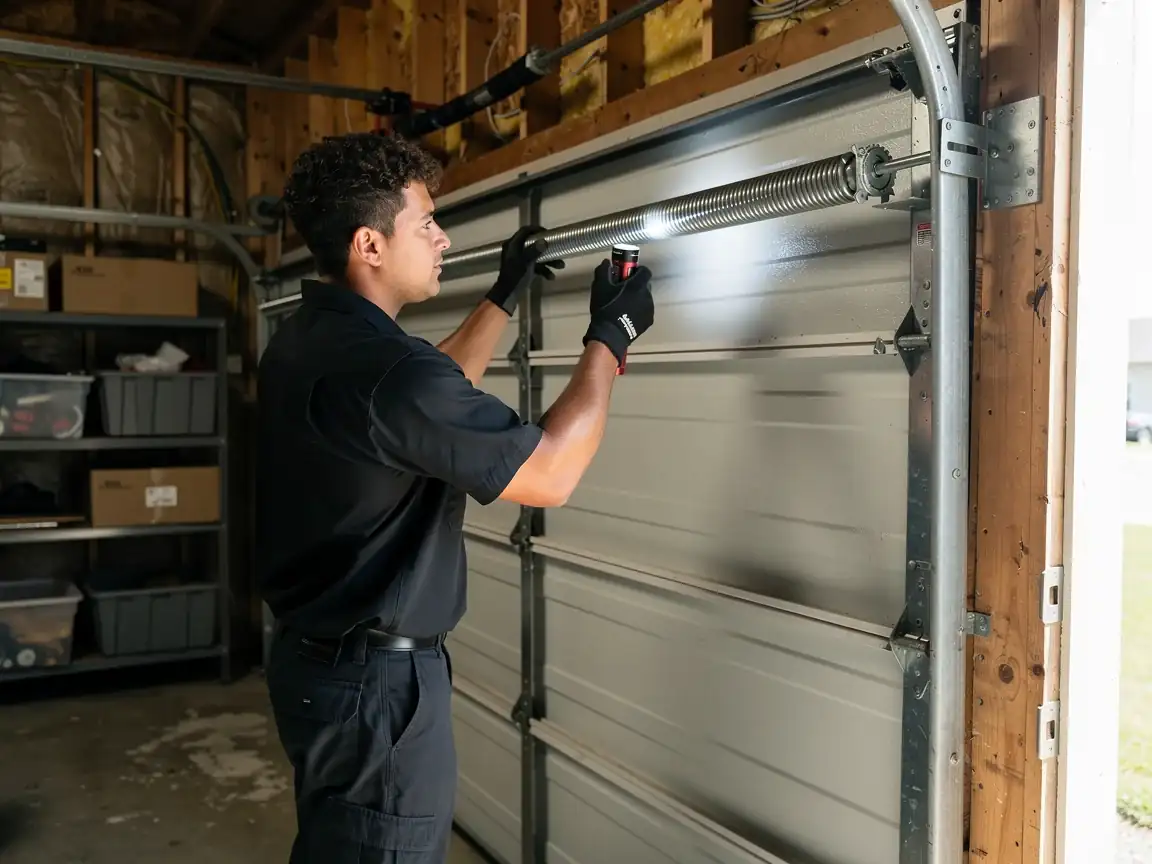
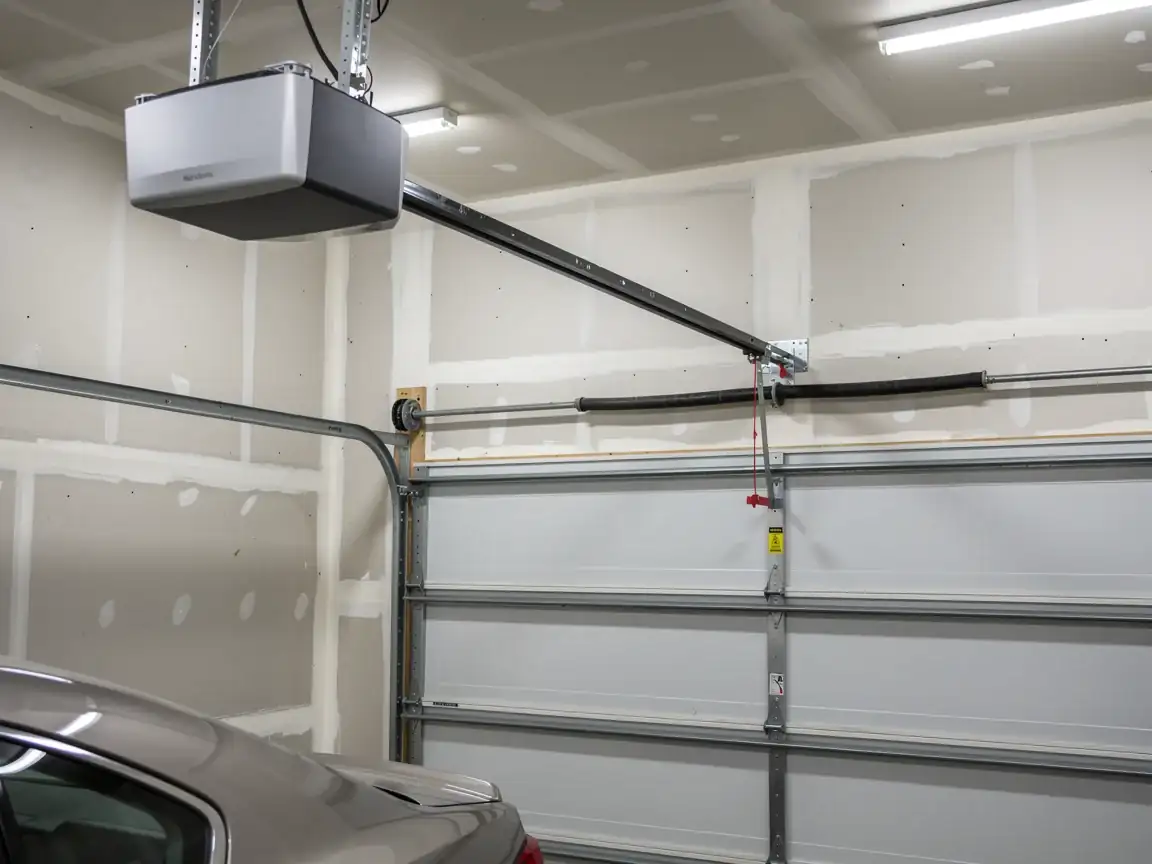
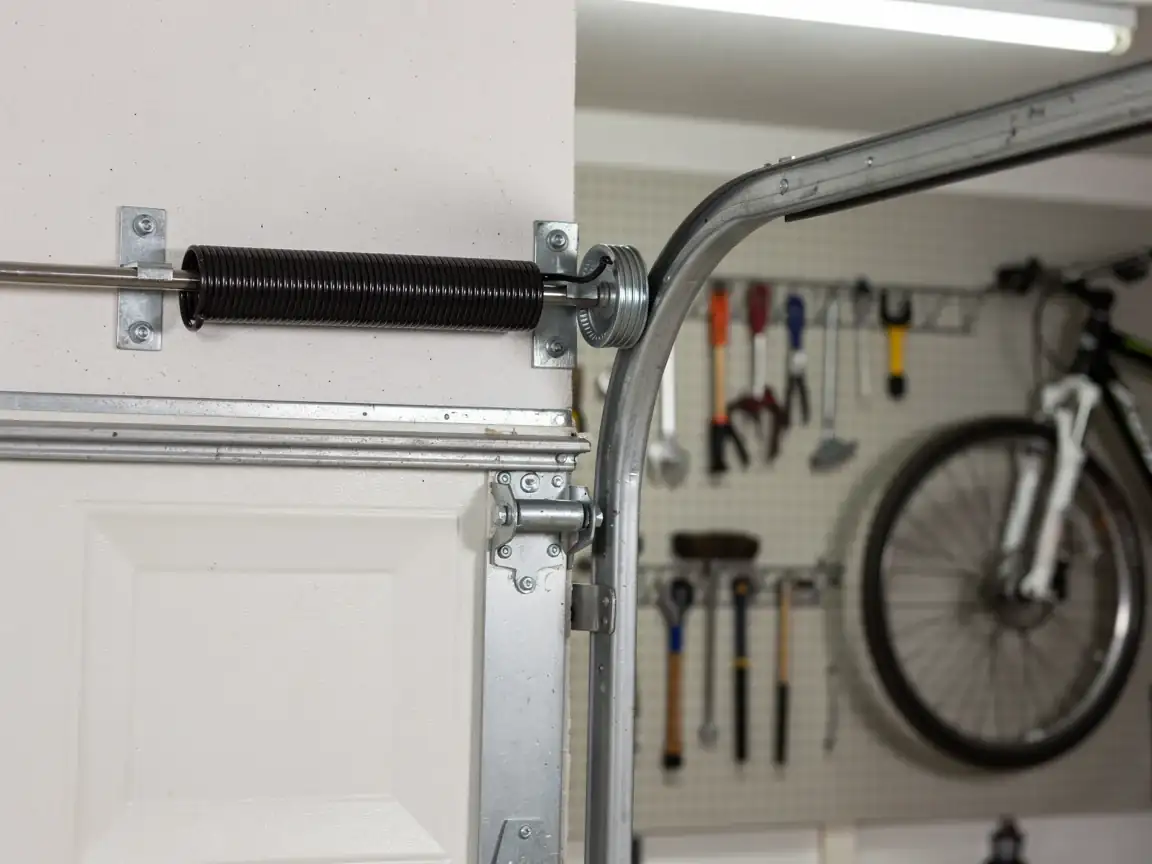
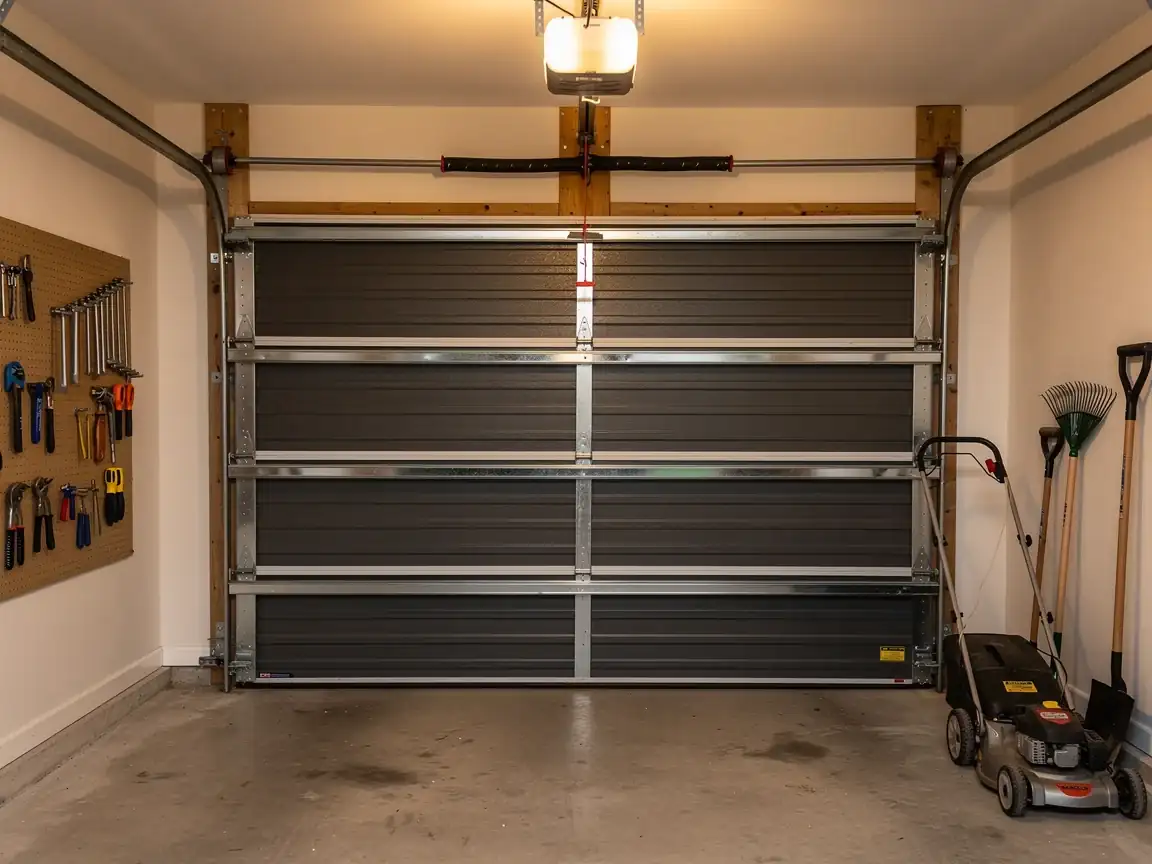
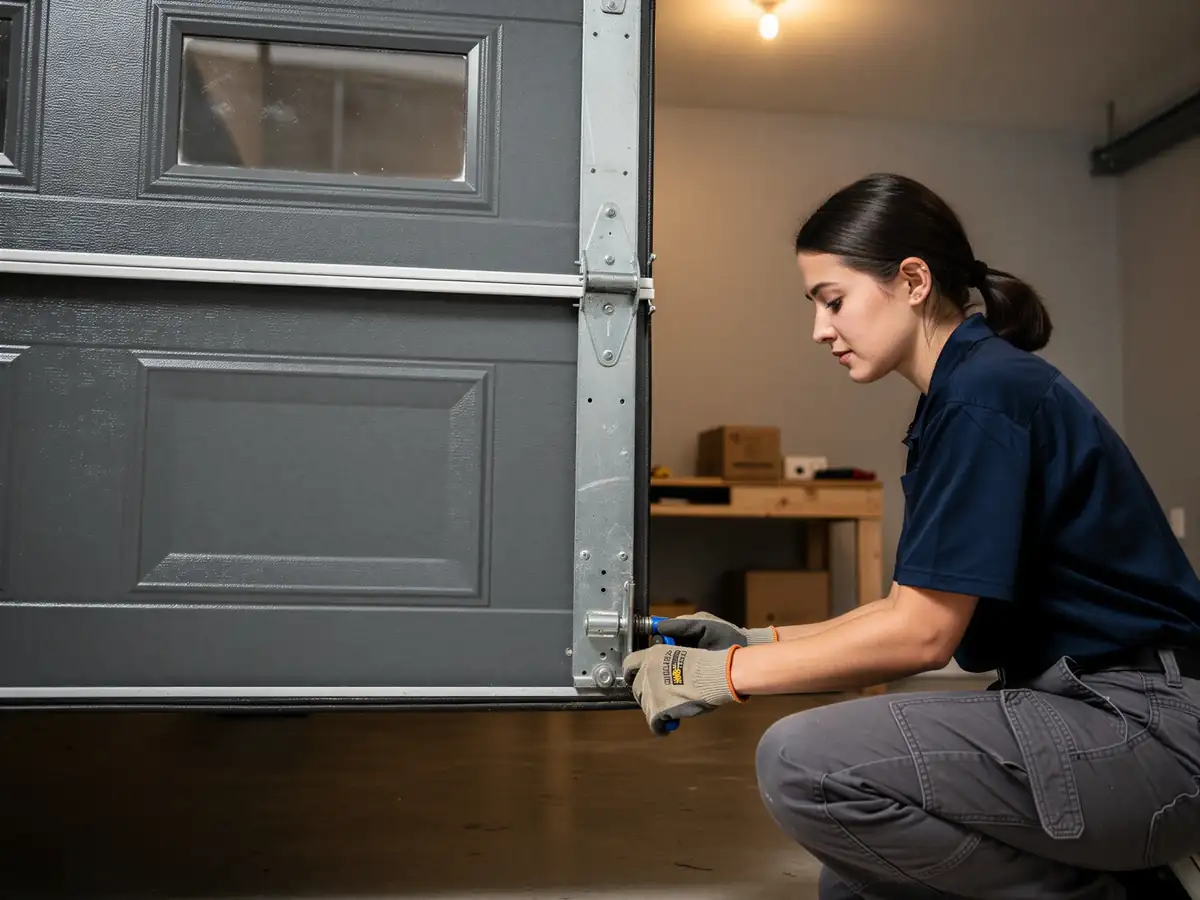
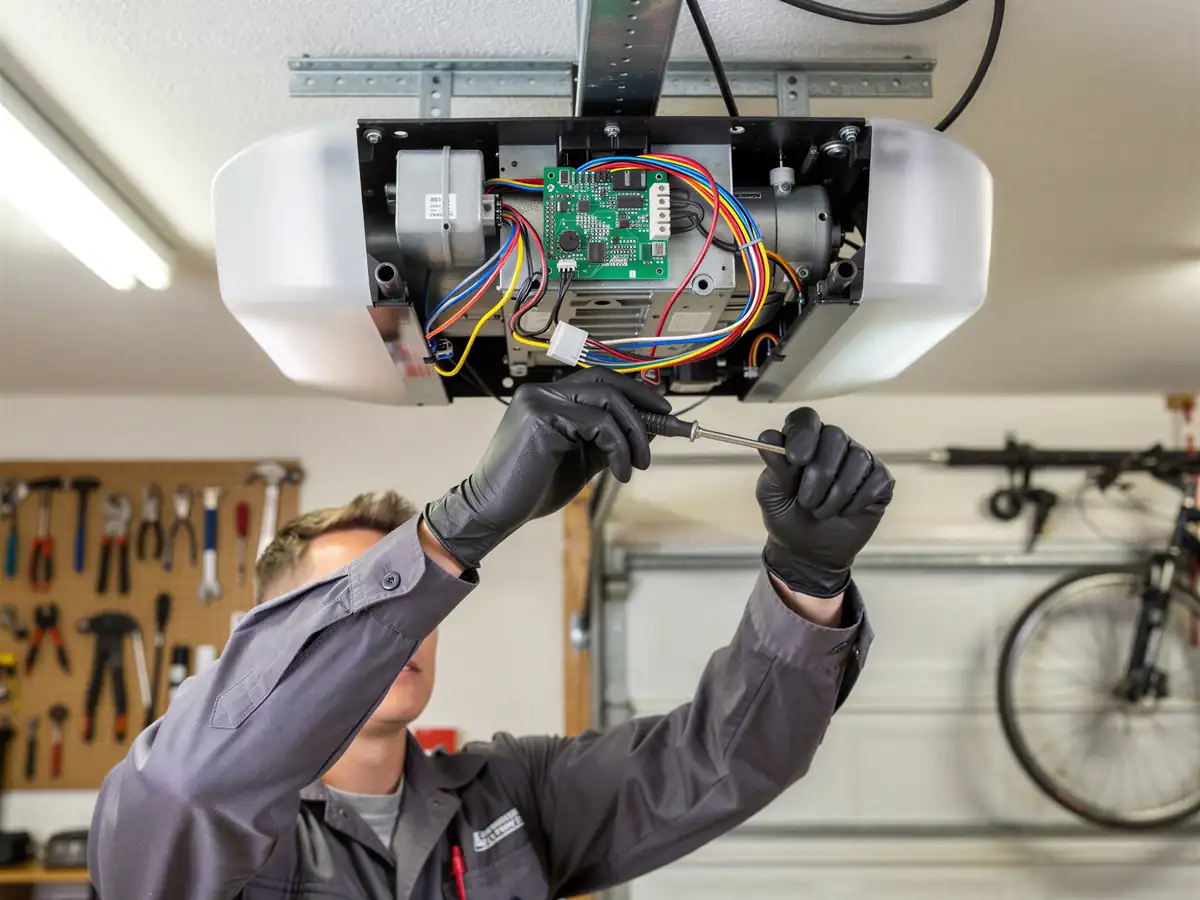
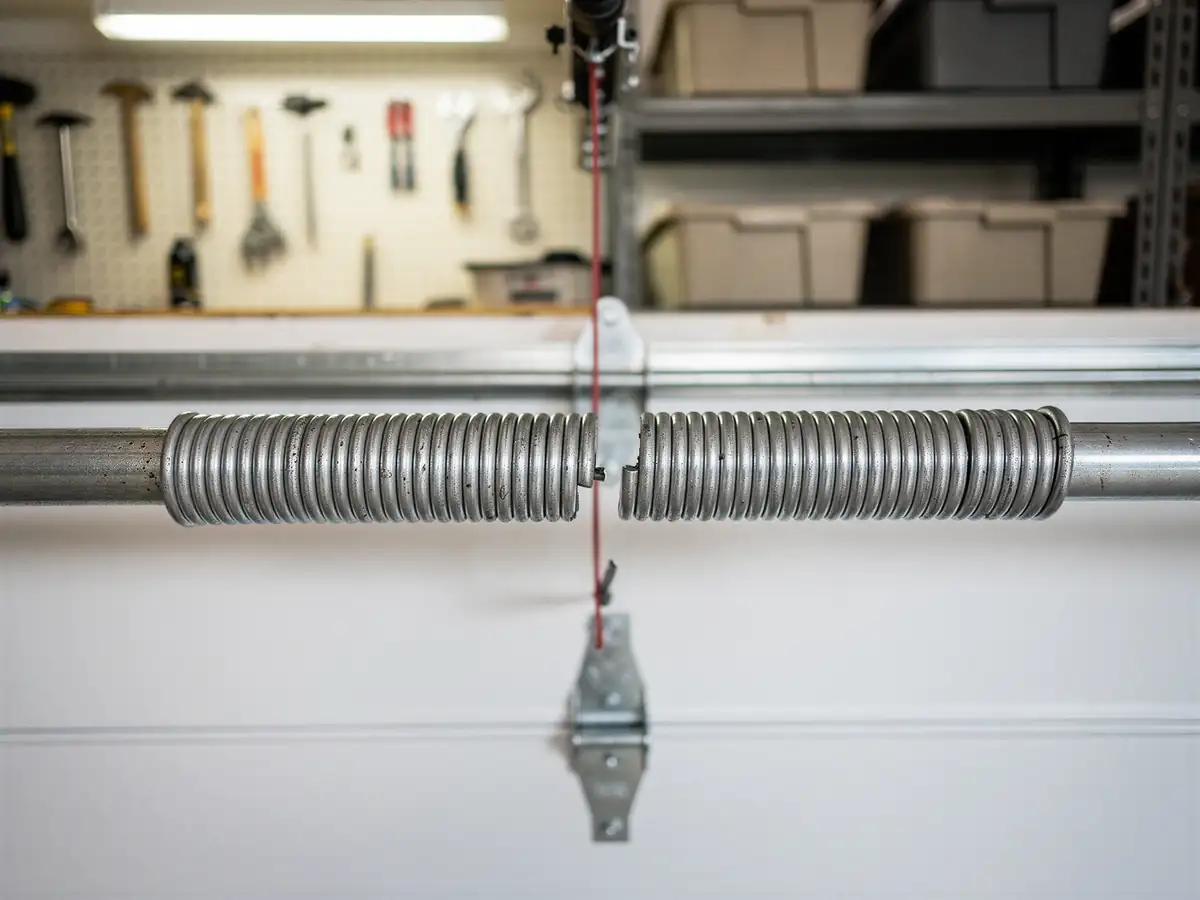
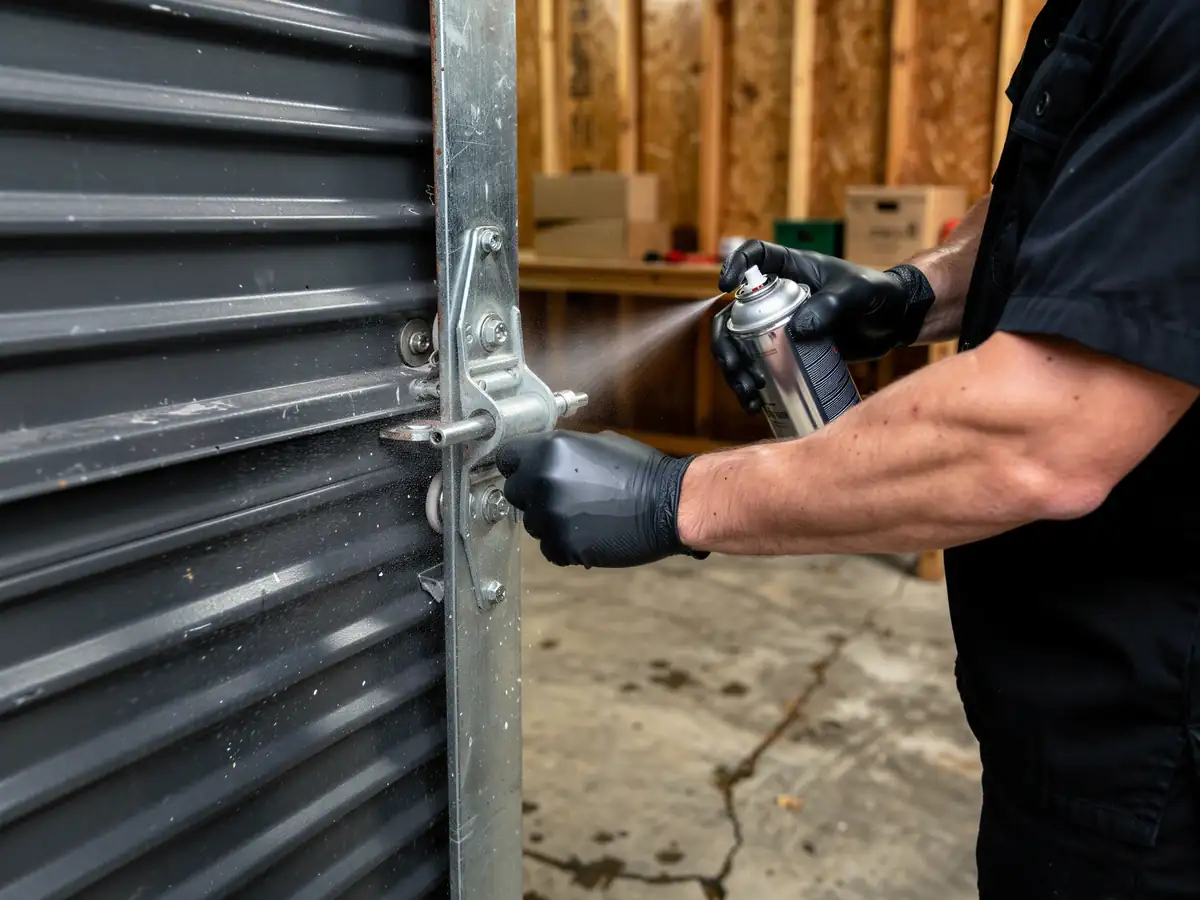
A tune-up on a door from Jeannette's era starts with the springs, because torsion and extension hardware from the 1950s through the 1980s wasn't built to today's cycle-count standards, and a lot of it is still in service decades past when it should've been swapped. We check tension, lubricate moving parts, re-torque loose brackets, and inspect cable fray - the kind of wear that shows up faster in this region given the COLD-severe winters this part of Pennsylvania sits in, where temperature swings stiffen lubricant and stress metal fatigue points. We also check the opener-to-track connection, since a lot of these homes had openers added well after the door itself was installed, and that retrofit is where we most often find a misaligned safety sensor or a bracket that was never quite right. One honest limit: if a spring is already showing heavy corrosion or a track is bent beyond a clean realignment, maintenance won't fix it - that's a repair conversation, and we'll tell you that on site instead of charging you for a tune-up that won't hold.
Stocked Parts
We stock the rollers, cables, and standard torsion springs that cover most of what fails on doors from this build era, since so much of the area's housing - 53 named communities across the territory, most of it pre-1960 - shares the same general hardware generation. Where we run into trouble is with doors that still carry an original, discontinued panel design or a proprietary opener bracket from a manufacturer that's since changed its mounting standard. Those jobs sometimes mean a special order and a second visit, and we'd rather tell you that up front than pretend every part is on the truck. For a straightforward maintenance call on a 1950s-to-1980s door, though, we typically carry what's needed to finish the job in one trip.