How Long It Takes
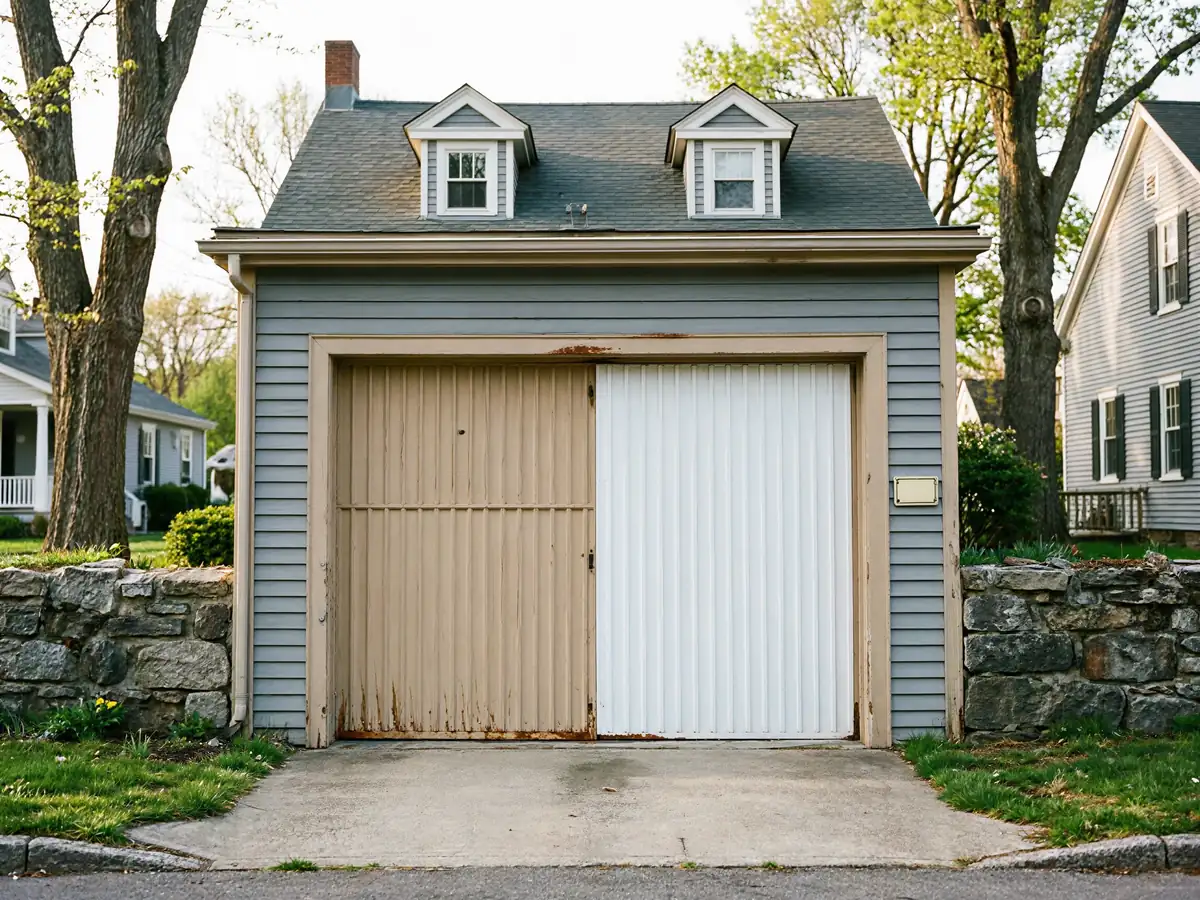
Jeannette is a small town by household count, just 4,293 of them, and that number matters more than it looks. A place this size doesn't have a dozen opener brands in rotation. It has whatever got installed when houses here were built or renovated, and most of this town's houses went up around 1951, same era as the rest of the pre-1960 stock across our service area. That means a lot of openers here are either original chain-drive units long past their rated cycle count, or a second-generation replacement from the 80s or 90s bolted onto the same ceiling bracket.
We drive out from Greensburg, about 4 miles, so travel isn't the long part of the visit. The diagnosis usually is, because a 70-year-old house can have wiring, framing, or a header that doesn't match what a modern opener kit expects. A straightforward dead-capacitor or burnt-logic-board job is quick once we're on site. A job where the opener is fighting a sagging track or a door that's heavier than the motor was ever sized for takes longer, because we're not just swapping a part, we're matching the opener to a door it was never meant to lift.
The Cost of This Job
We don't quote a number here because it depends on what's actually failed, and on a street of houses this old, that varies more than you'd think. Jeannette's median household income sits at $49,558, noticeably below the wider area's $55,909, and that's part of why we always try the repair path first and only talk replacement when the repair genuinely isn't worth doing. A worn drive gear or a bad sensor eye is a small job. A motor that's seized because the door above it is out of balance is a bigger one, and we'll tell you that difference before we start, not after.
One honest limitation: if your opener is a discontinued model from the 80s and the logic board is dead, we may not be able to get that exact board. At that point replacing the opener costs less than hunting for a part nobody makes anymore, and we'll say so plainly instead of running up a bill chasing it.
How We Fix It
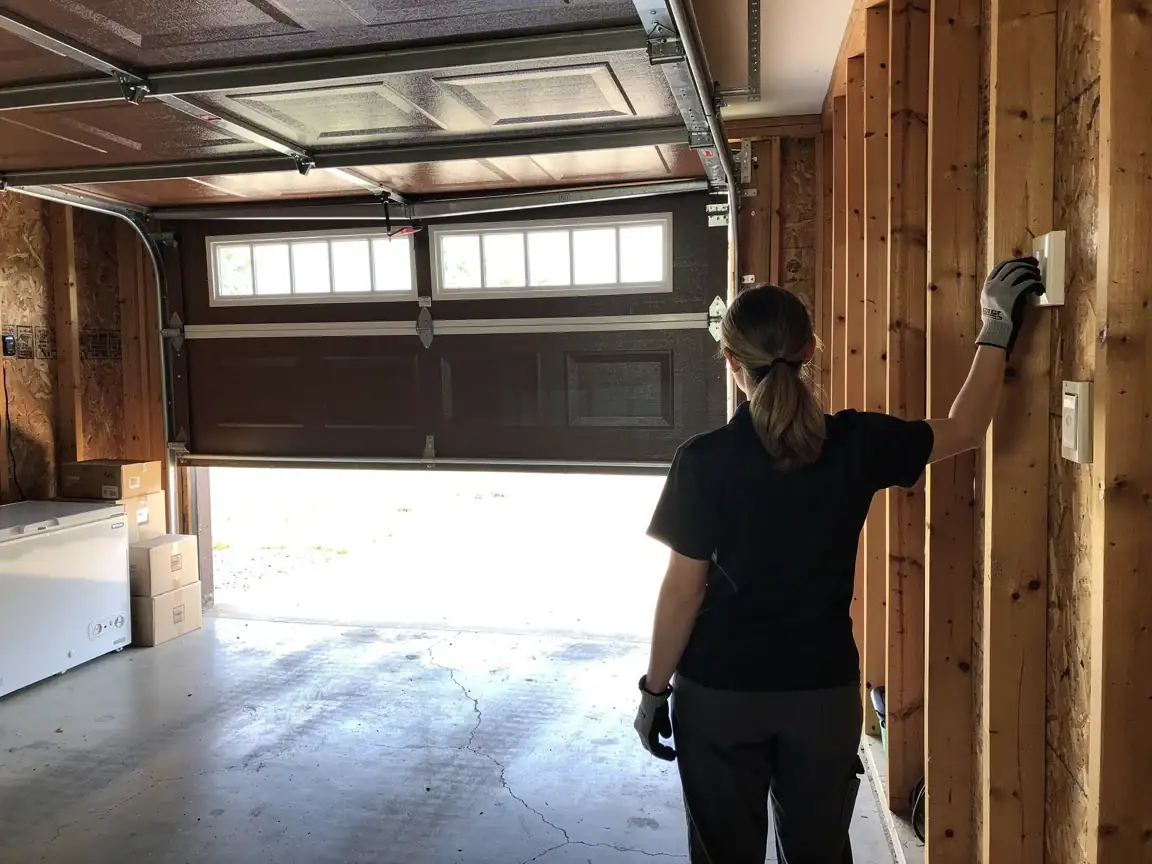
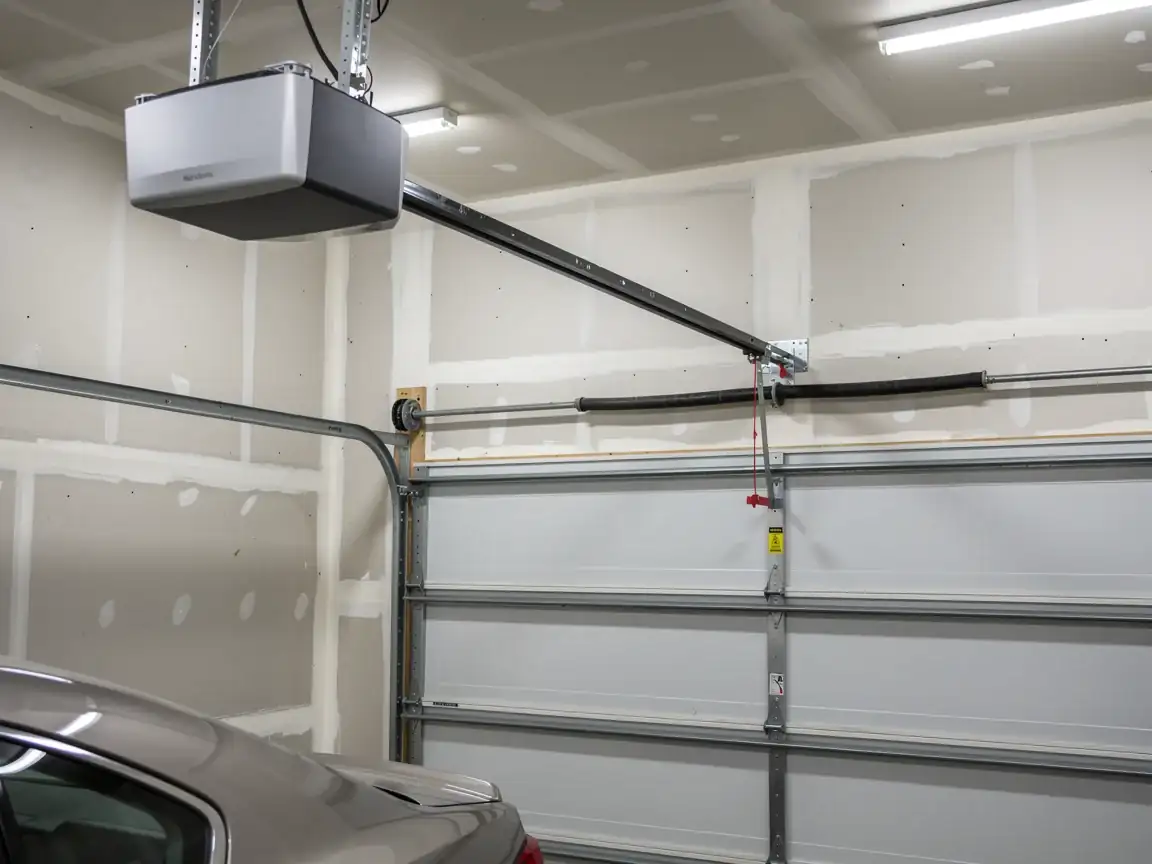
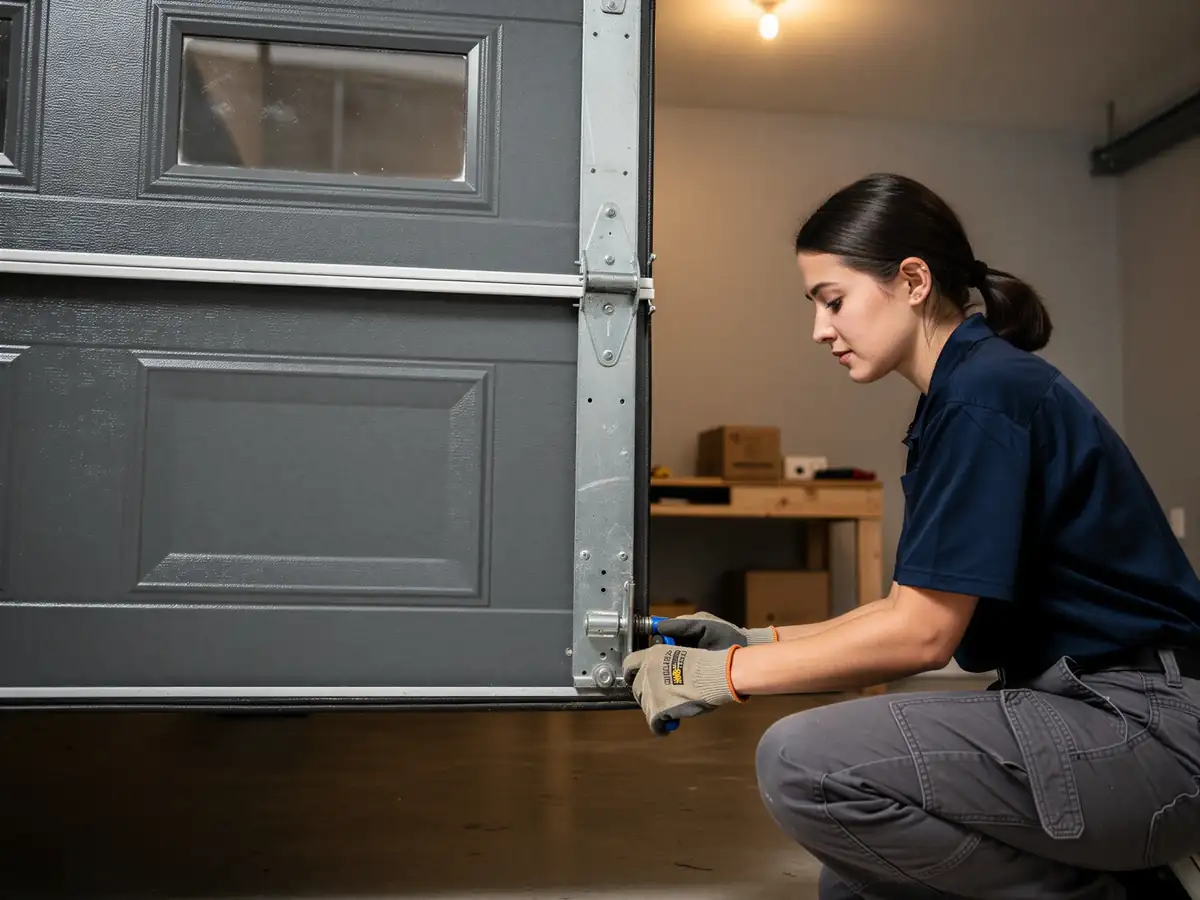
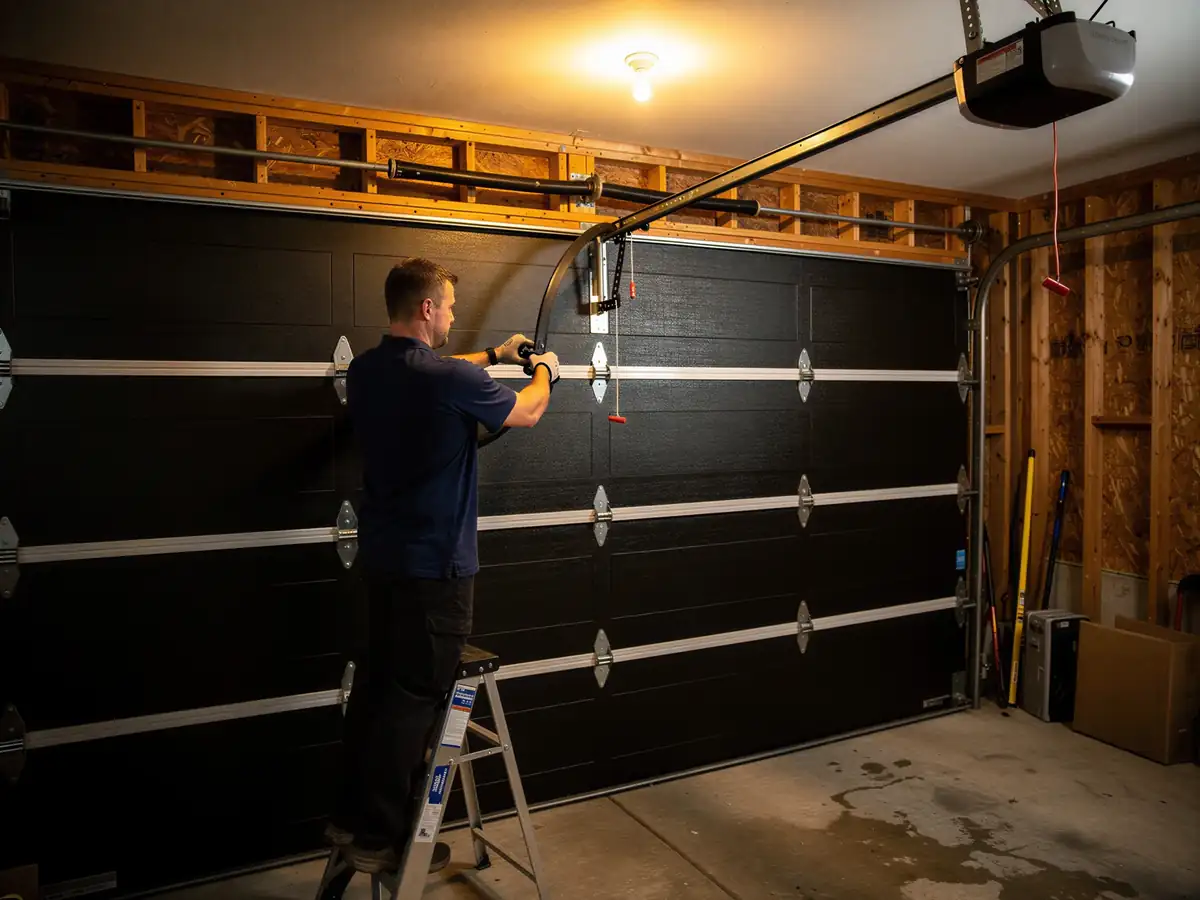
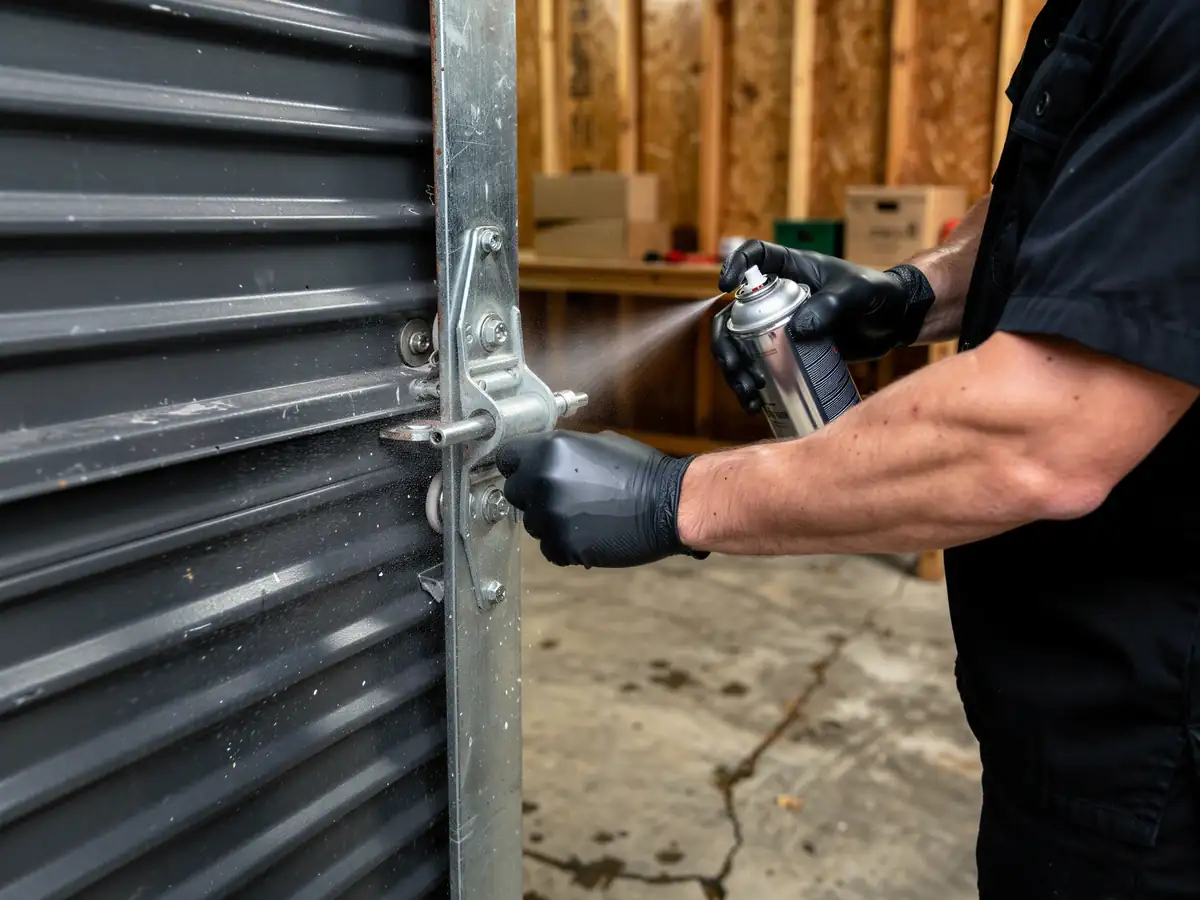
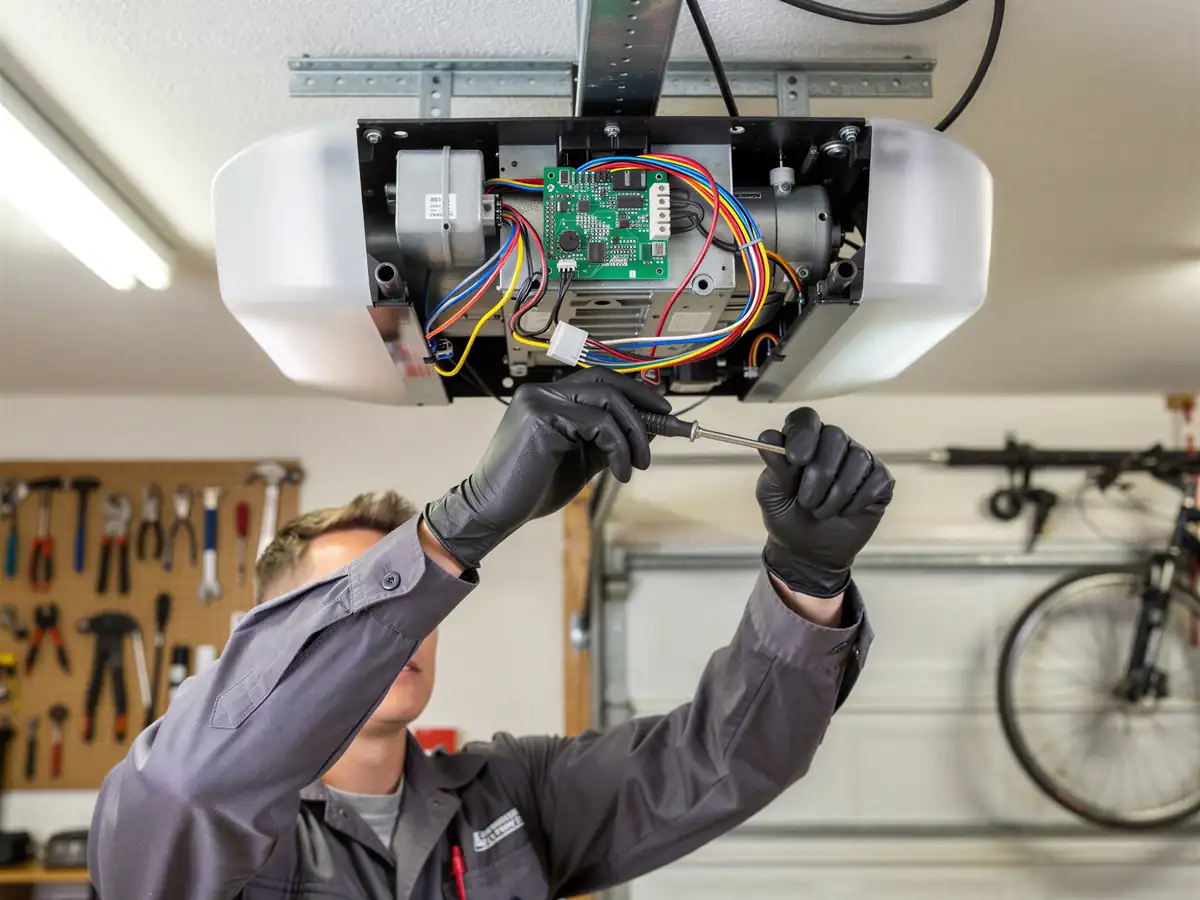
We start at the wall control and work back to the motor, because most opener failures in houses this age aren't the motor at all, it's a cracked wire, a dead sensor eye, or a drive gear stripped from decades of lifting a door that was never properly balanced. Cold winters here put real strain on openers too; this is COLD-severe climate territory, and grease stiffens, logic boards that live in an unheated garage take more thermal cycling than one in a finished space, and plastic drive gears get brittle faster than people expect.
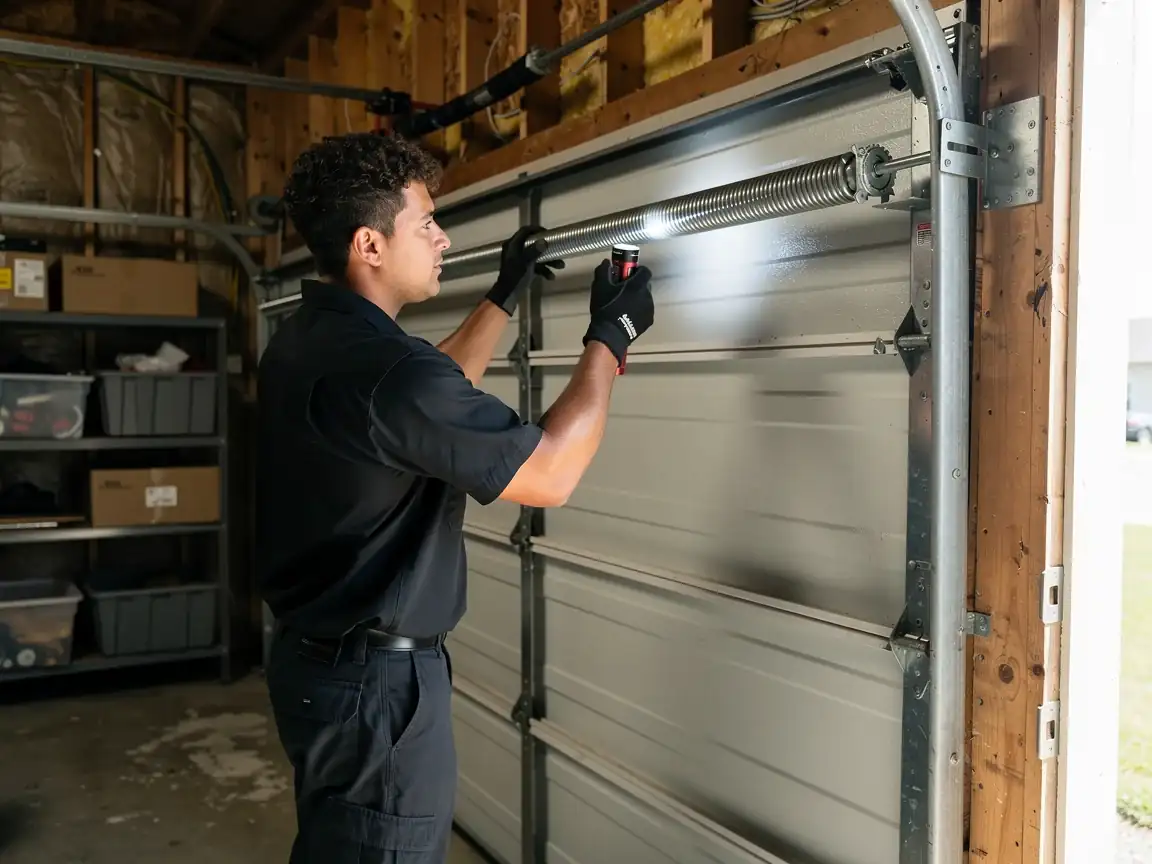
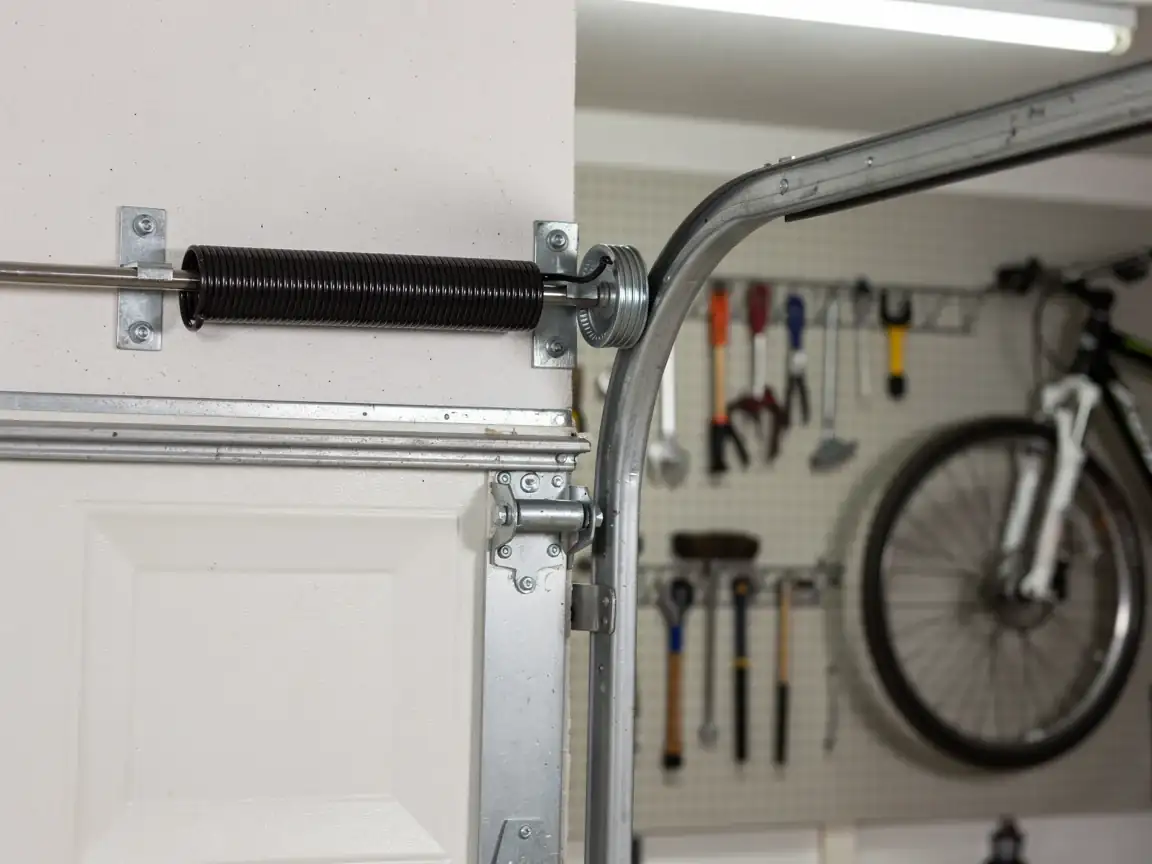
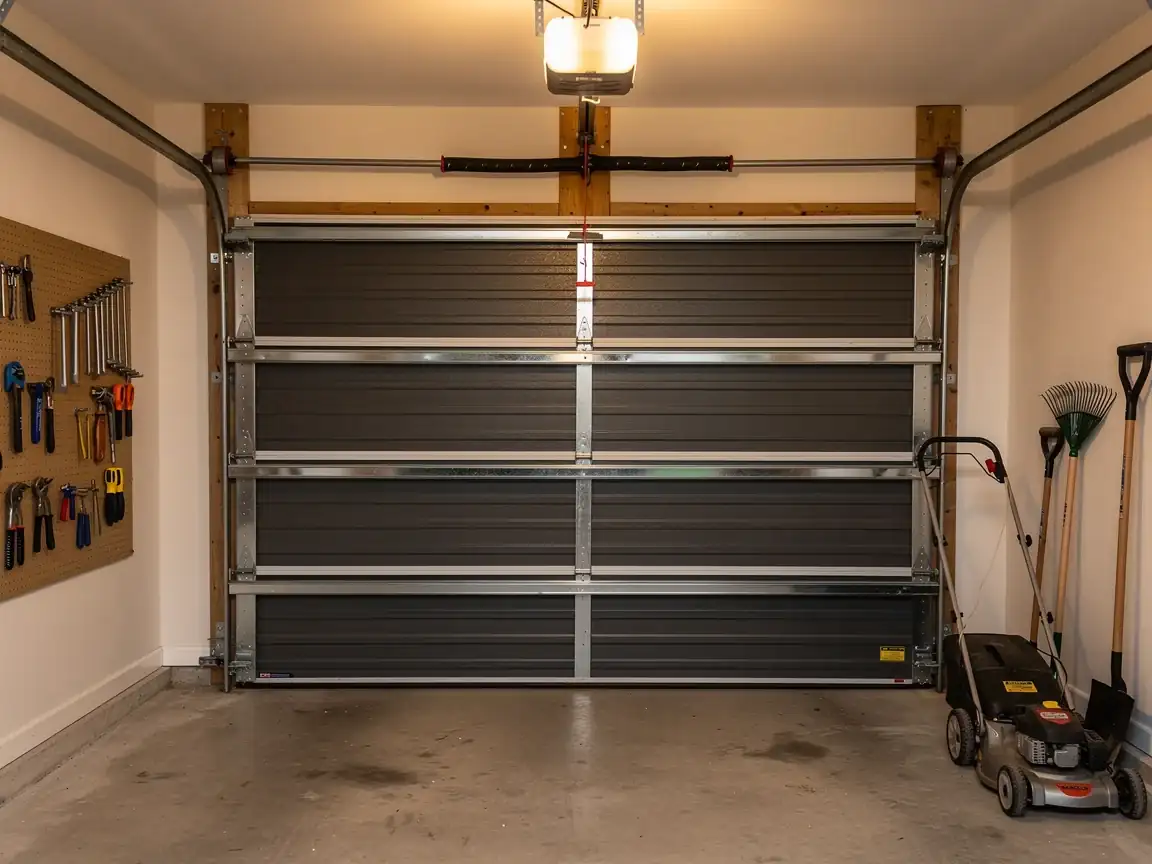
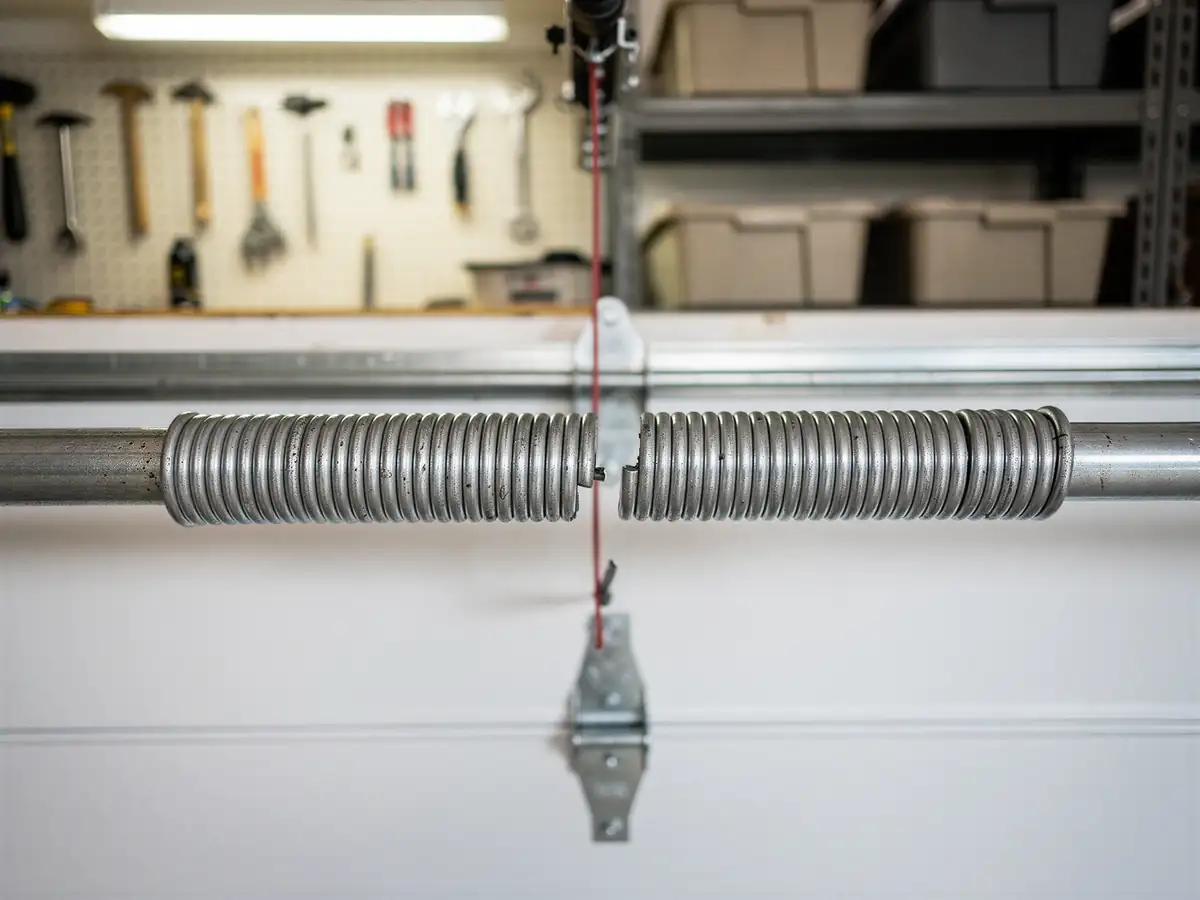
If the motor itself is bad, we check whether the door's springs and balance are doing their job first. An opener straining against an out-of-balance door will fail again in months even with a brand-new motor, so we fix the balance before we hand back a new unit. That's slower than just swapping the motor, but it's the difference between a repair that holds and one you're calling about again next winter.
Stocked Parts
We carry the parts that fail most on the opener models common to houses built in the 1940s through 1980s stretch, drive gears, sensor eyes, logic boards for the more common mid-market brands, wall buttons, and standard remotes. What we don't always carry on the truck is a board for a proprietary opener from a long-discontinued manufacturer, those sometimes need to be sourced, and we'll tell you that lead time up front rather than let you assume it's an in-and-out job. For the common failures, chain stretch, dead capacitor, worn gear, sensor misalignment, we're usually carrying what the job needs on the first visit out from Greensburg.