Stocked Parts
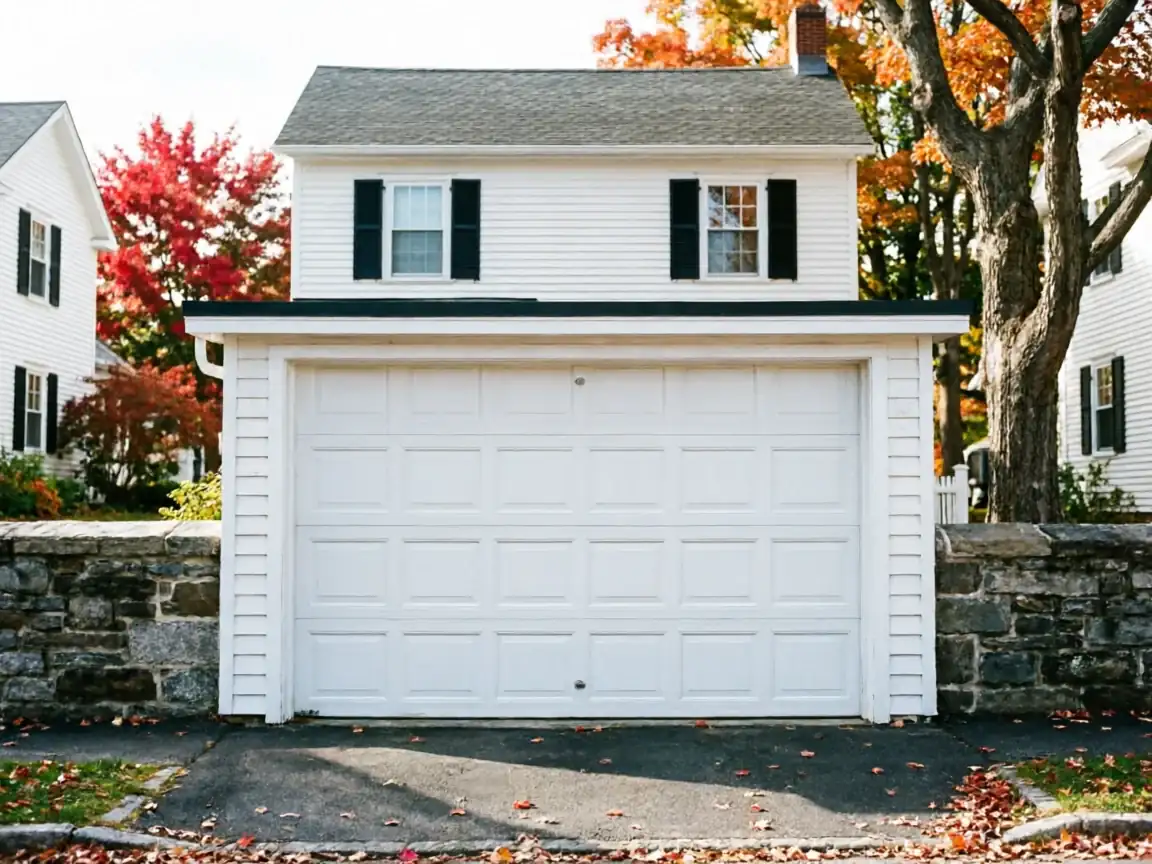
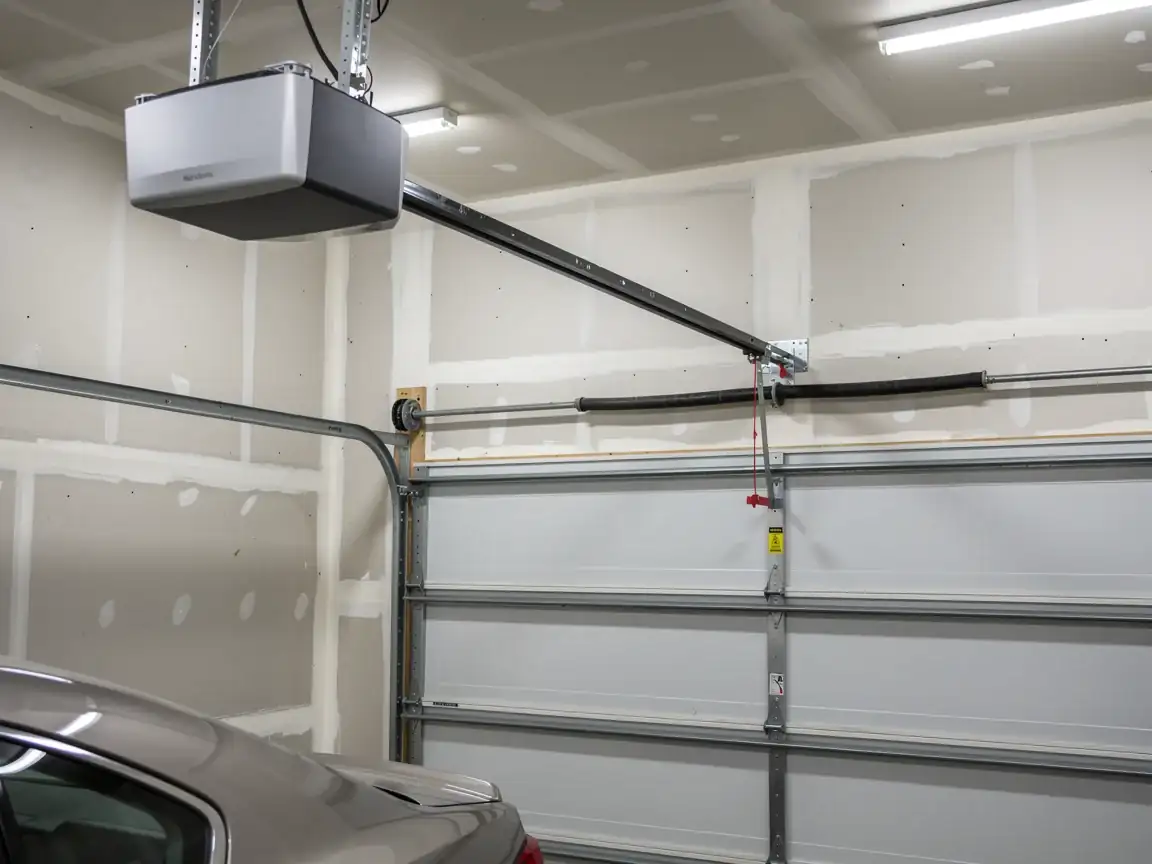
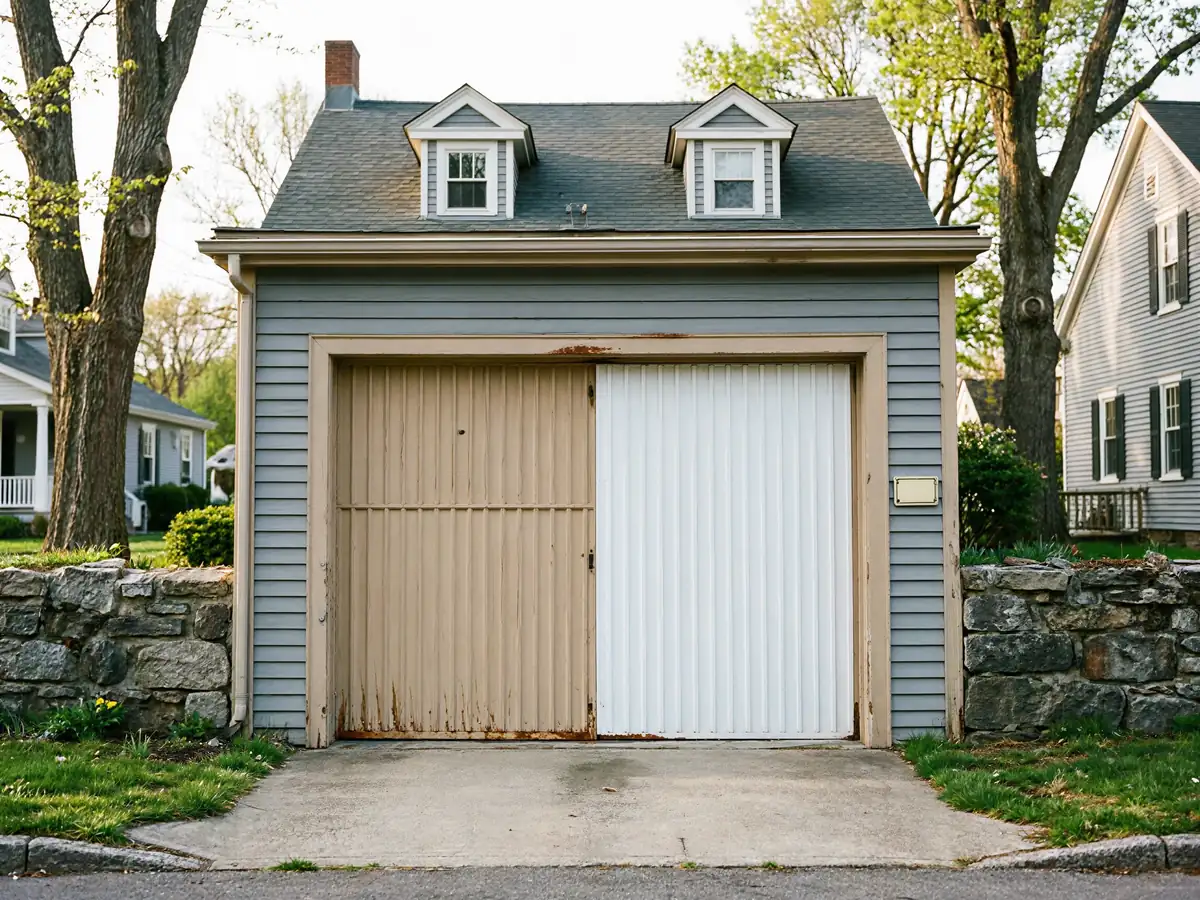
Irwin's houses cluster around a median build year of 1956, which puts a lot of garage doors here into the same hardware generation: steel torsion springs sized for lighter wood-panel doors, single-point drive openers, and rollers that were never swapped out because nobody noticed them wearing until the door started binding. We carry the spring sizes and roller types that generation of door actually used, because stocking only newer parts means a second trip and a second bill for a job that should take one visit. We don't carry every obscure part ever made - if your door has a discontinued opener board from a brand that stopped making parts years ago, we'll tell you straight that replacement beats waiting on a part that may not exist anymore.
We load the truck in Greensburg before heading the 8 miles out to Irwin, so what's on it when we leave is what we have for the job. For a maintenance call that means springs, cables, rollers, hinges, and the hardware that keeps a pre-1960s door running - not a full parts warehouse on wheels.
What Can Go Wrong
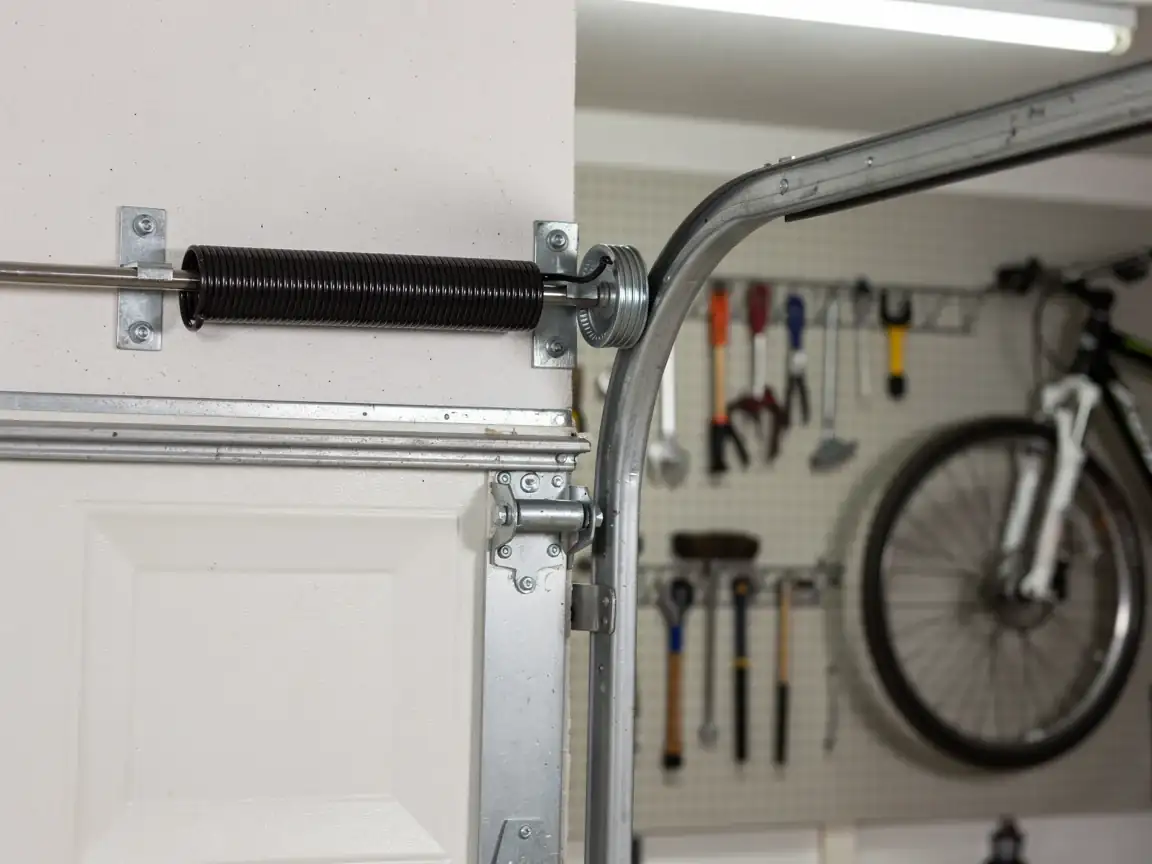
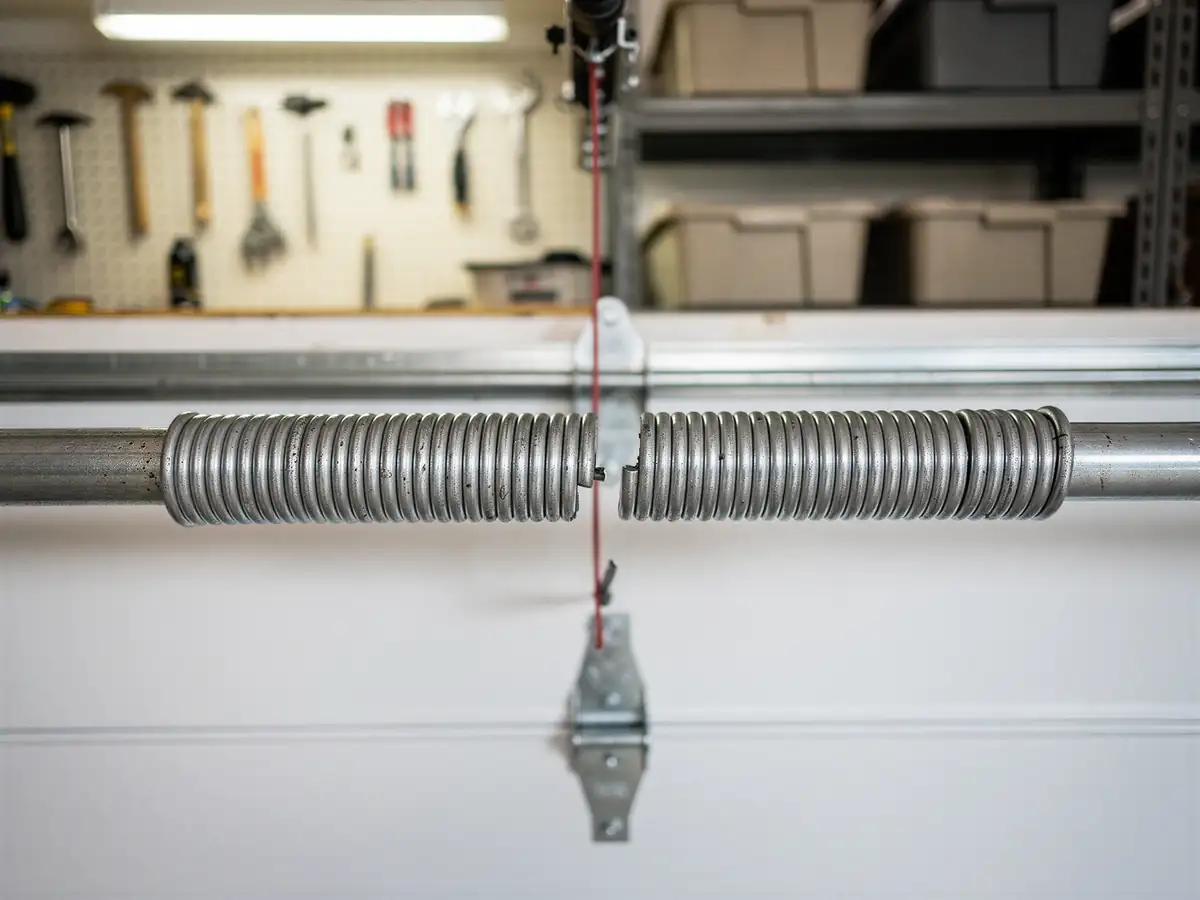
On a door built or installed around the 1956 median, the spring has usually done its full cycle count by now without anyone touching it, which means it's either close to snapping or already stretched past where it holds tension evenly. Cables fray at the drum end from decades of the same wear pattern repeating. Track brackets loosen because the lag screws were sized for the original stud spacing and nothing's been re-tightened since.
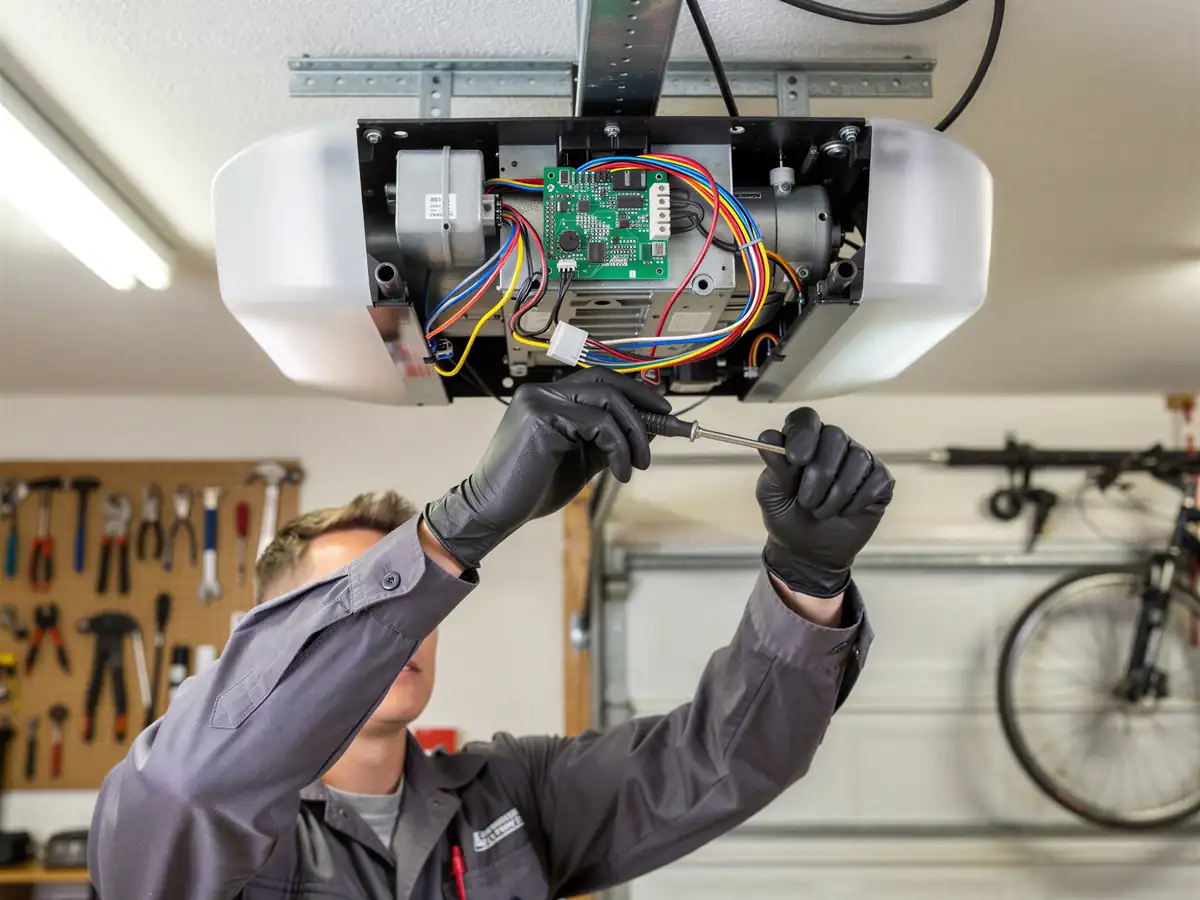
On a door that's had one or two opener swaps over the years but kept its original track and spring, you get a mismatch: a newer motor pulling against old, stretched hardware. That shows up as grinding, a door that reverses for no reason, or an opener that strains and stalls partway up. None of this is dramatic until the spring goes, and a broken torsion spring on a door this age usually takes a worn cable or bent track bracket down with it.
How We Fix It
We start by checking what's original against what's been replaced
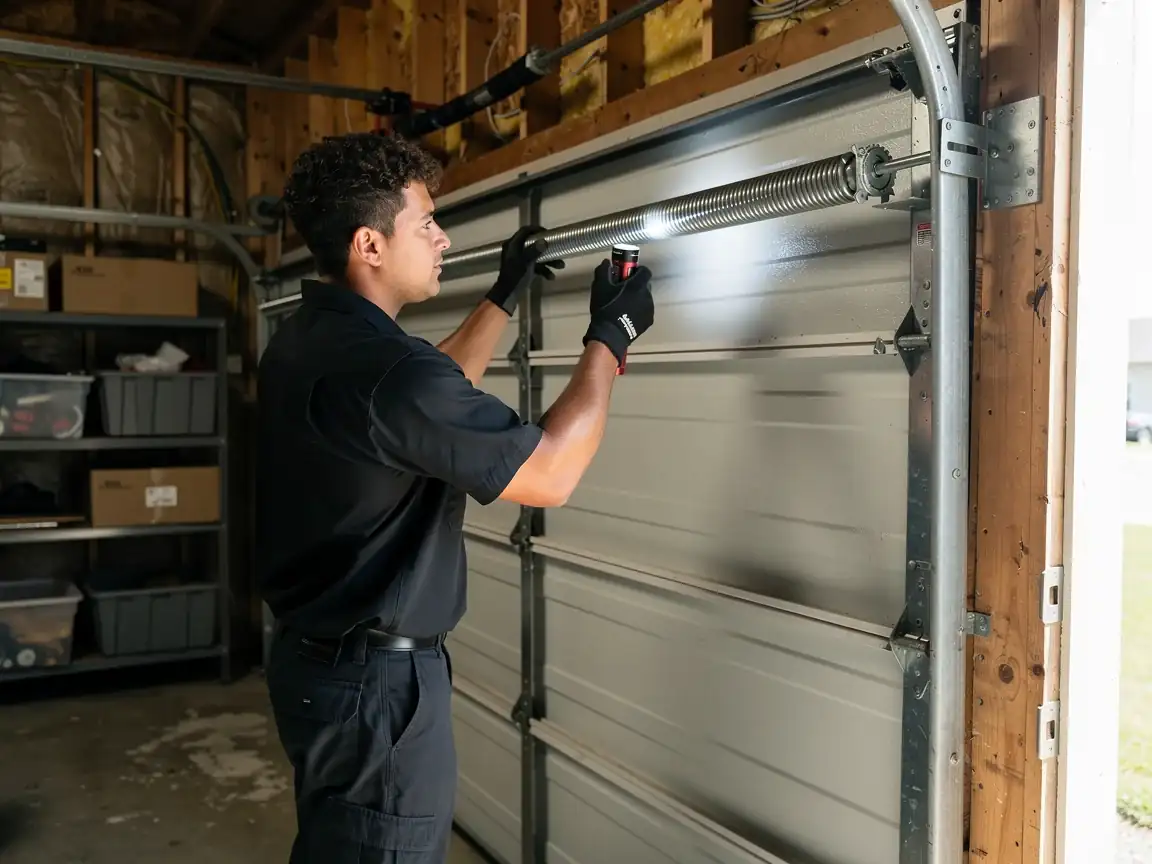
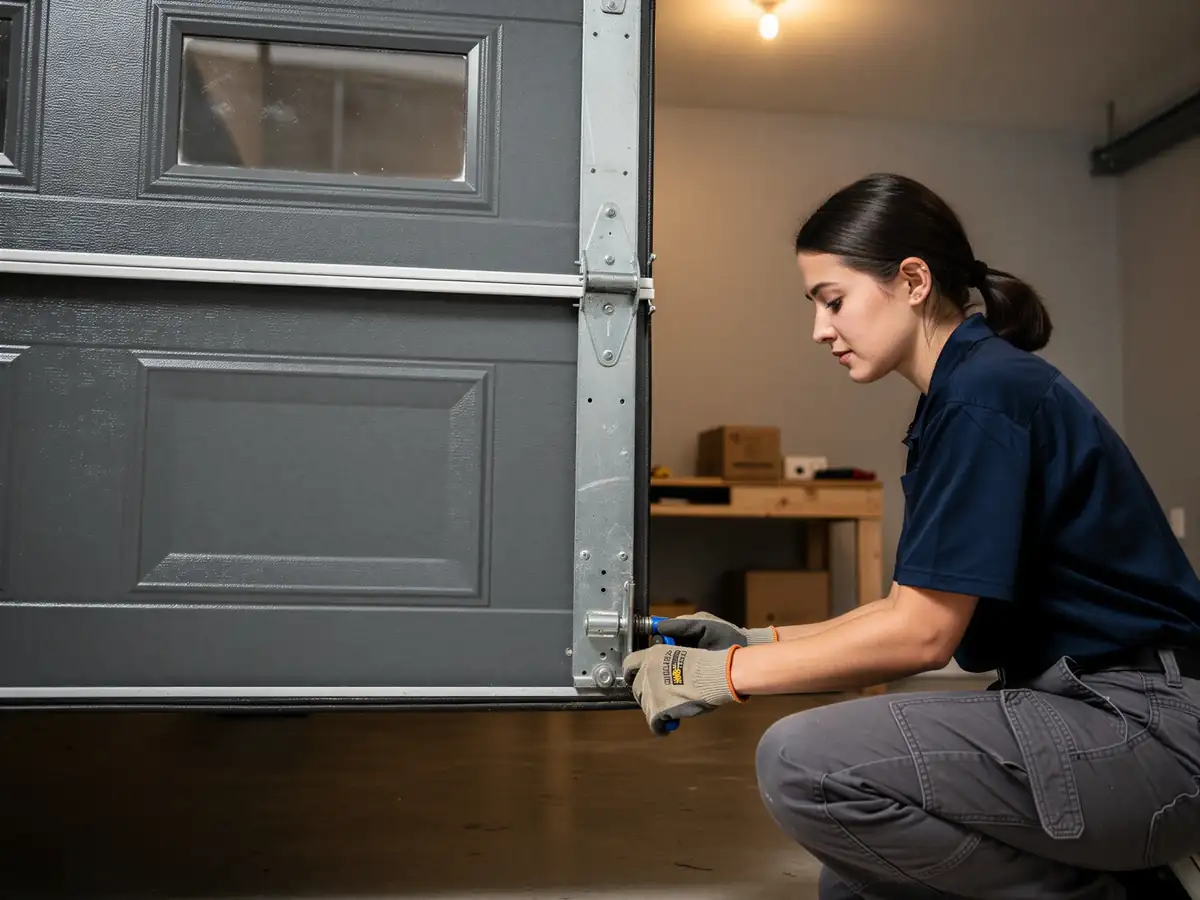
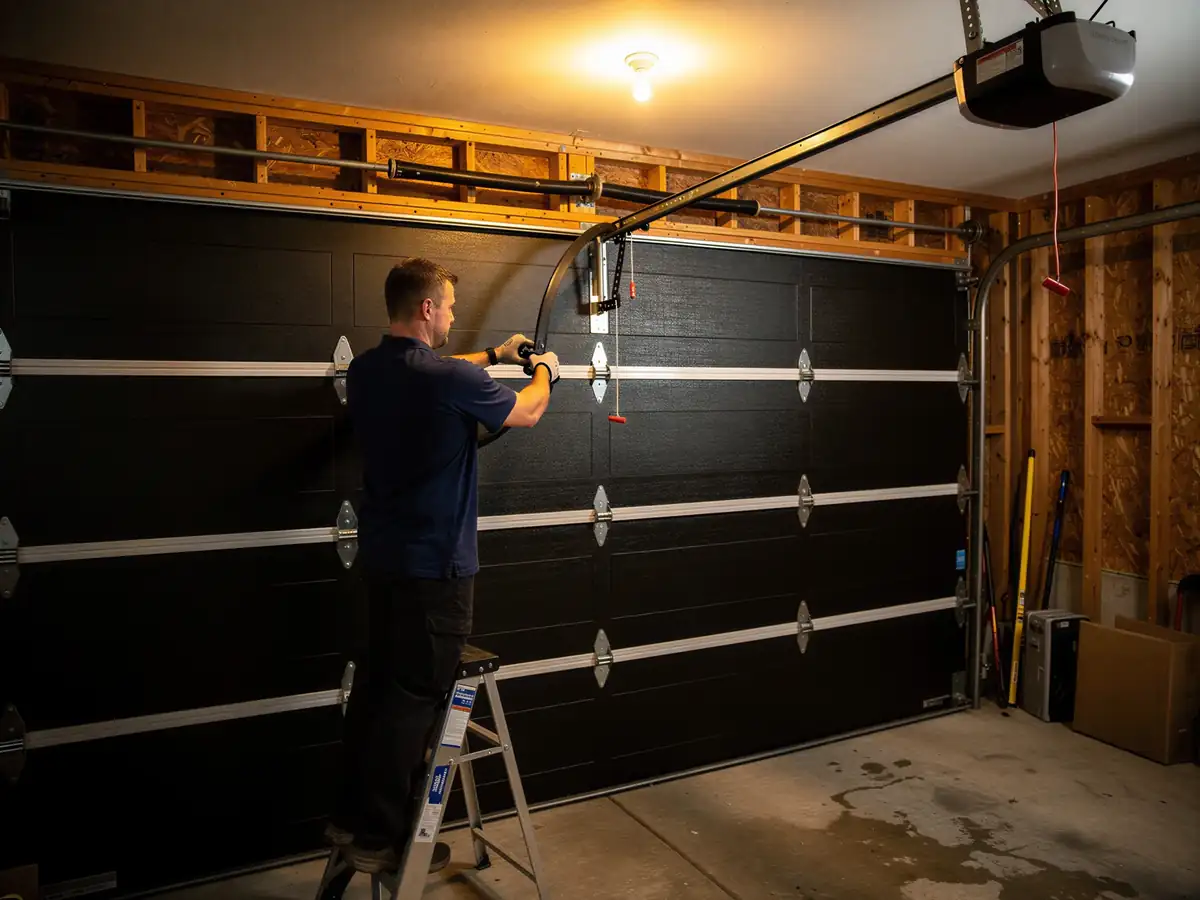
Since a house from 1956 might have anything from the factory spring to a motor installed last year. Spring tension gets reset or the spring gets swapped if it's near the end of its cycle life. Cables get checked at both ends, not just where they're visible. Track brackets get re-torqued to the stud, not just the drywall, which matters more on houses this age where the original framing has settled some.
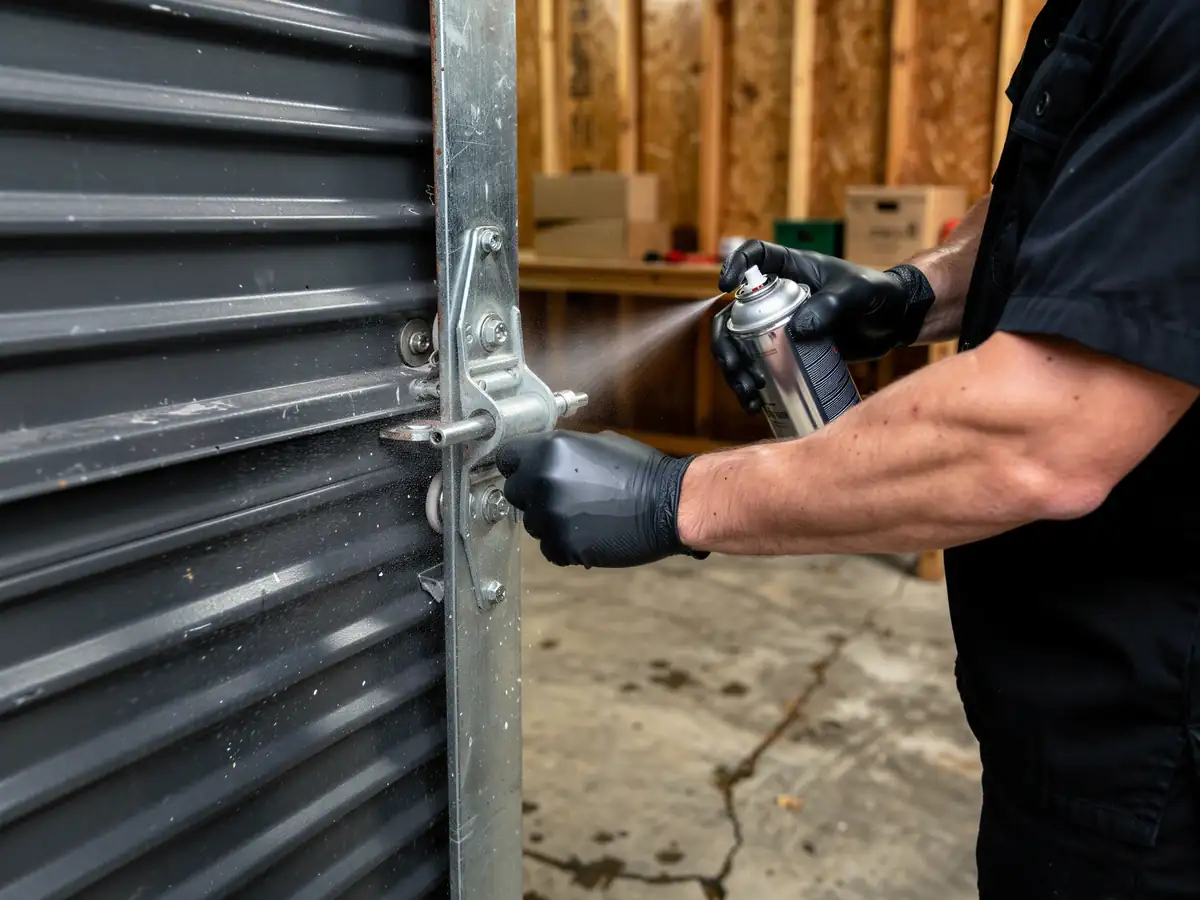
We lubricate hinges and rollers as part of the visit
But that's maintenance, not a fix for a spring that's already failing - we won't tell you grease solves a tension problem. If the opener is original to the house, we'll be honest about whether it's worth keeping running or whether the motor's age means the next failure is the one that costs more than a new unit.
What Causes It Around Here
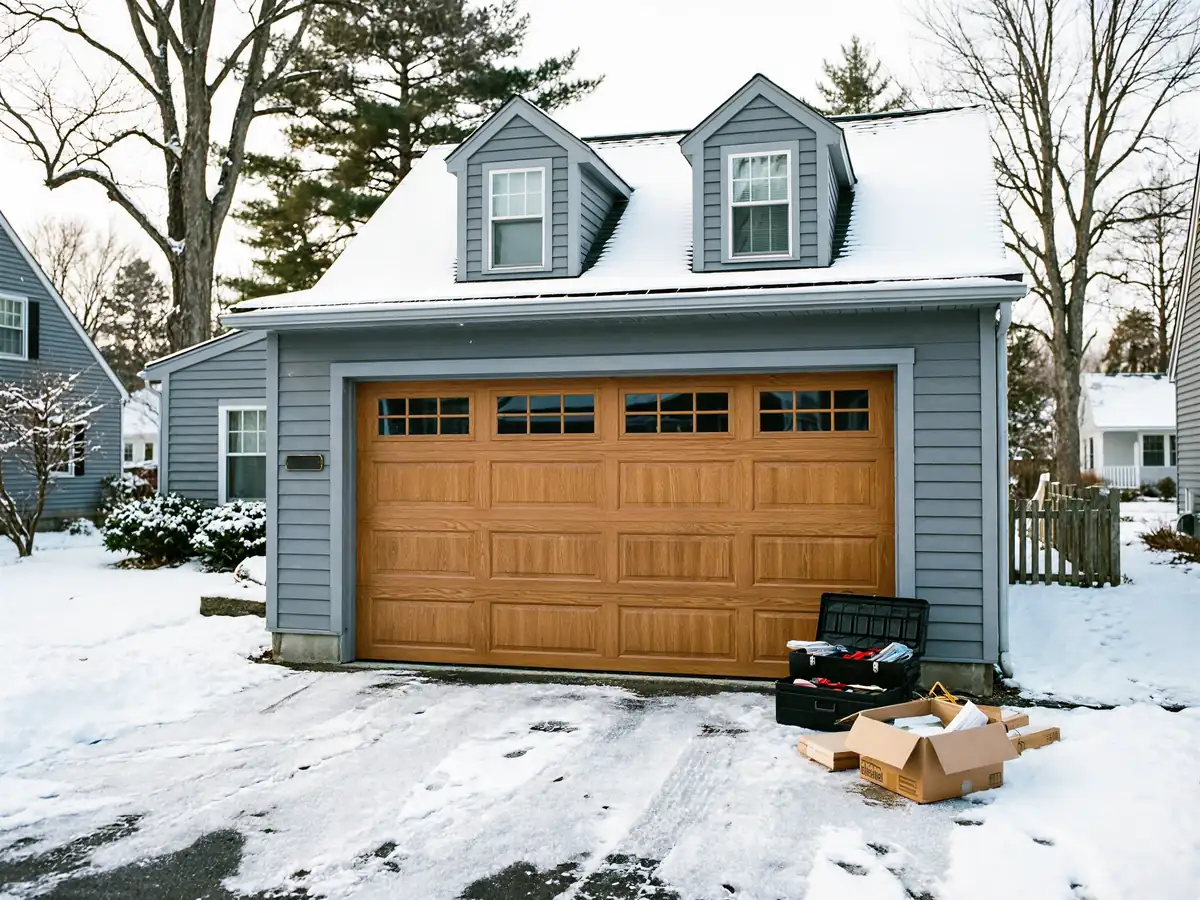
The region sits in a cold, severe winter climate zone, and that matters more for a door built around 1956 than for a newer one, because the steel and the seals have had seven decades of freeze-thaw cycling to work on them. Cold makes torsion springs more brittle right when they're already near end of life from age and use. It also shrinks weatherstripping and door panels slightly, which is why doors that seal fine in July start scraping or gapping in January.
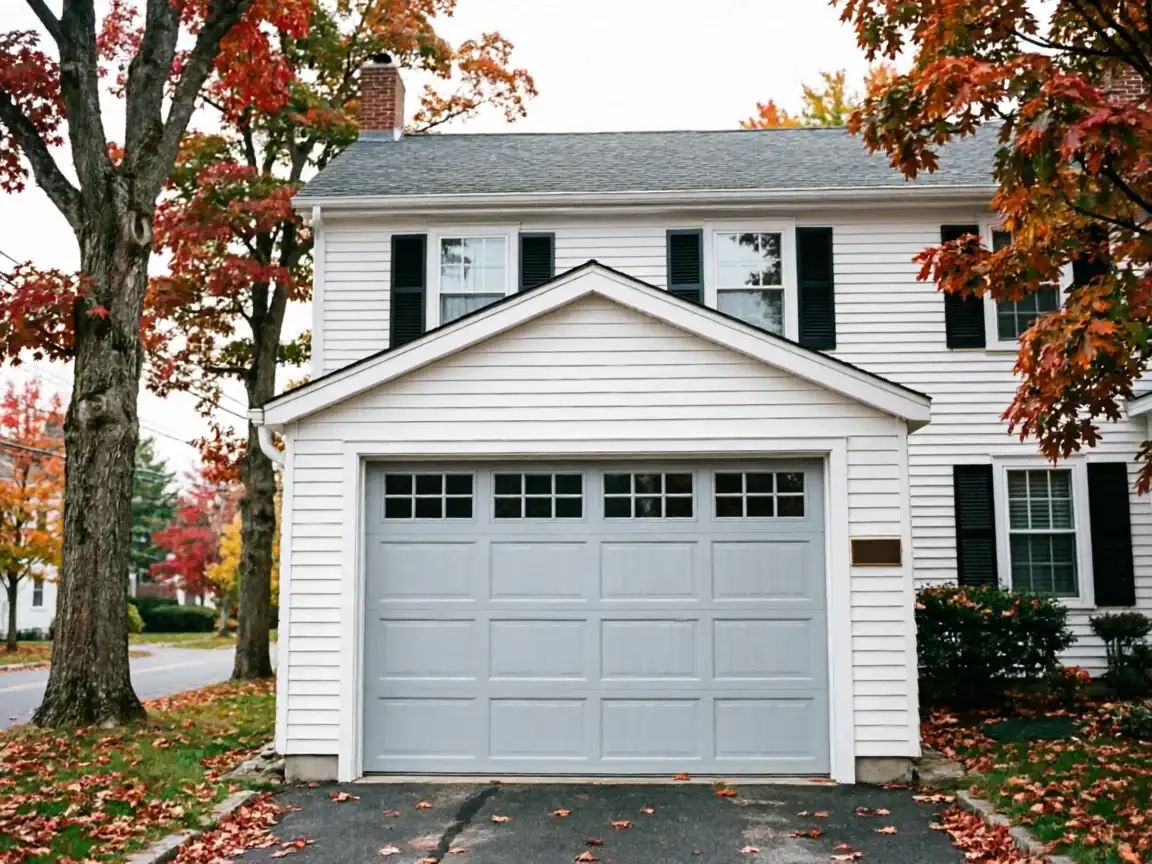
Across the wider area, most housing dates to before 1960, so this isn't unique to one street in Irwin - it's the pattern across the whole stretch of towns this old. But Irwin's own median lands at 1956, a few years earlier than some of the newer pockets nearby, which is part of why original hardware shows up so often on maintenance calls here specifically.
How Long It Takes
A standard maintenance visit - spring check, cable inspection, roller and hinge lubrication, track alignment, opener force check - runs the same regardless of which town we're in, because the work itself doesn't change with distance. What changes for Irwin is that we're traveling the 8 miles from Greensburg to get there, so we schedule it as part of a route rather than a same-hour drop-in.
If we find a spring that needs replacing or a bracket that needs re-anchoring into old framing, that adds time on site, but it's still typically handled in the same visit. We don't carry every discontinued opener part, so on the rare call where that's the issue, we'll scope it and come back with the right part rather than guess.