Stocked Parts
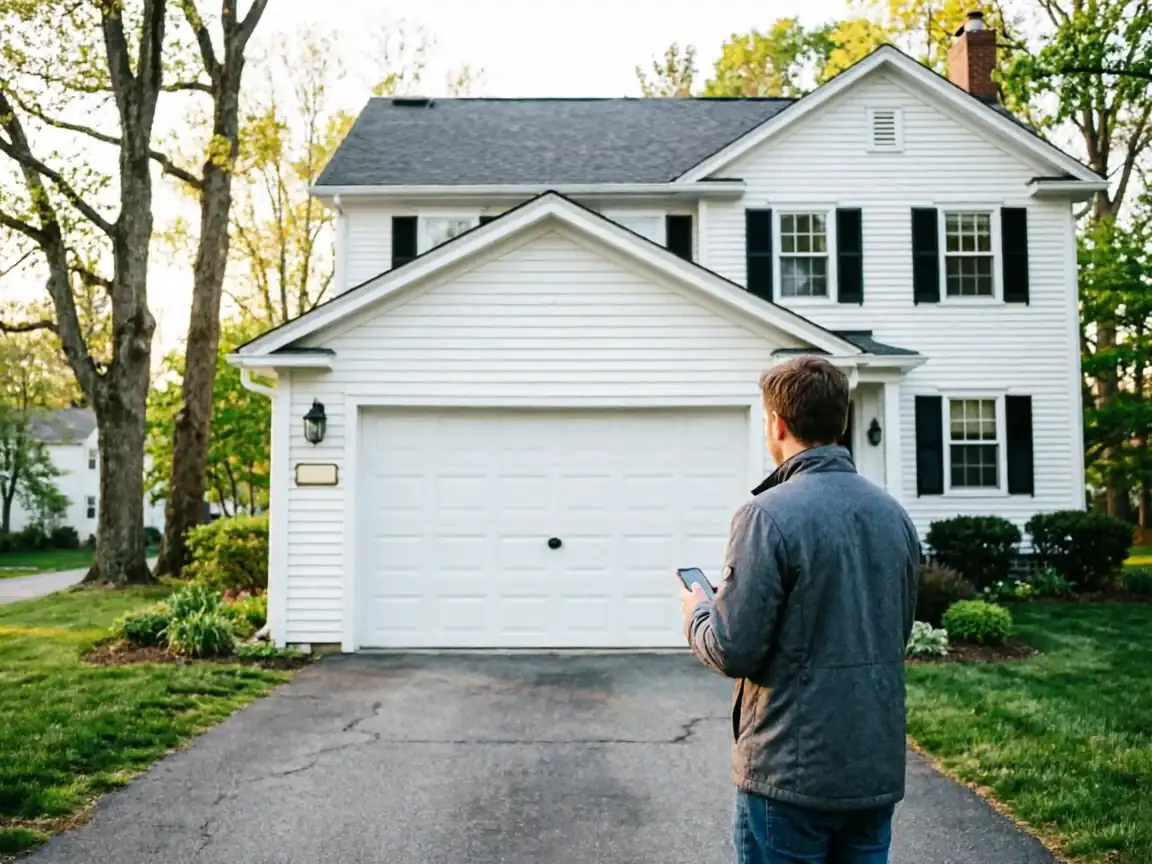
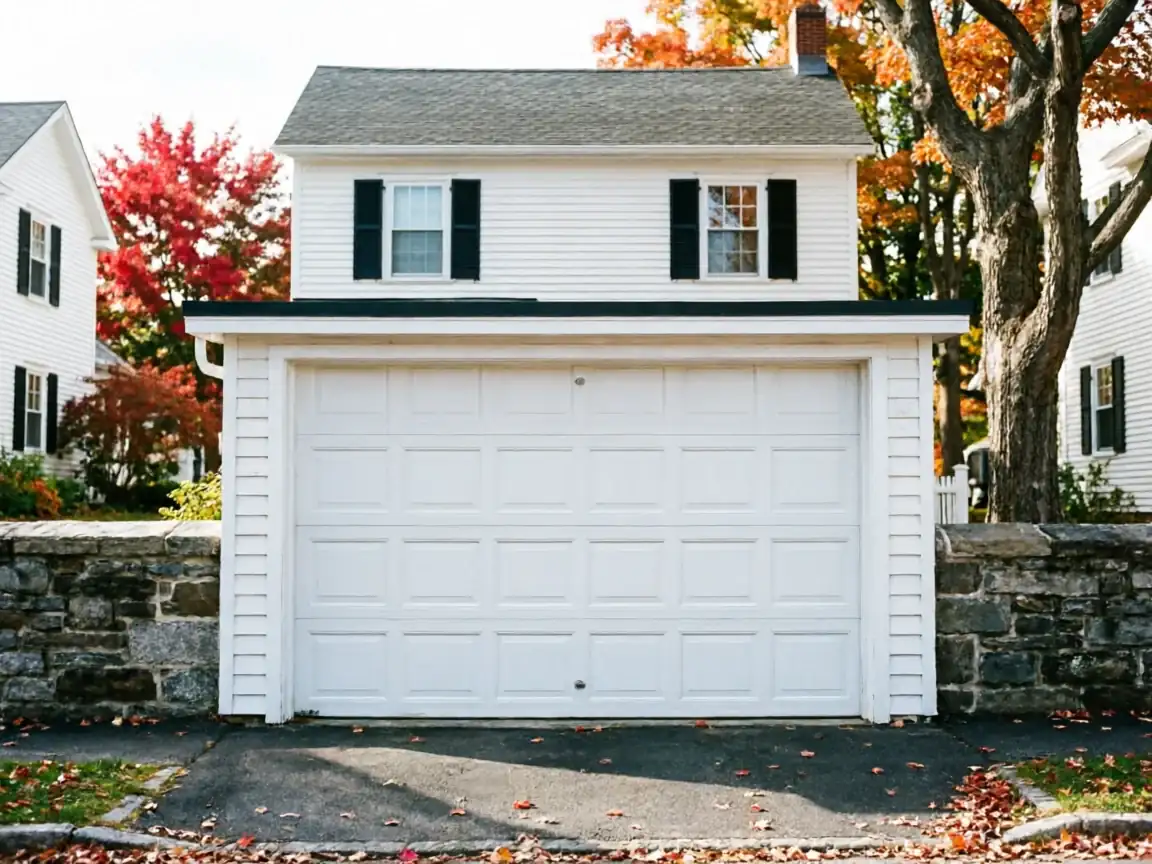
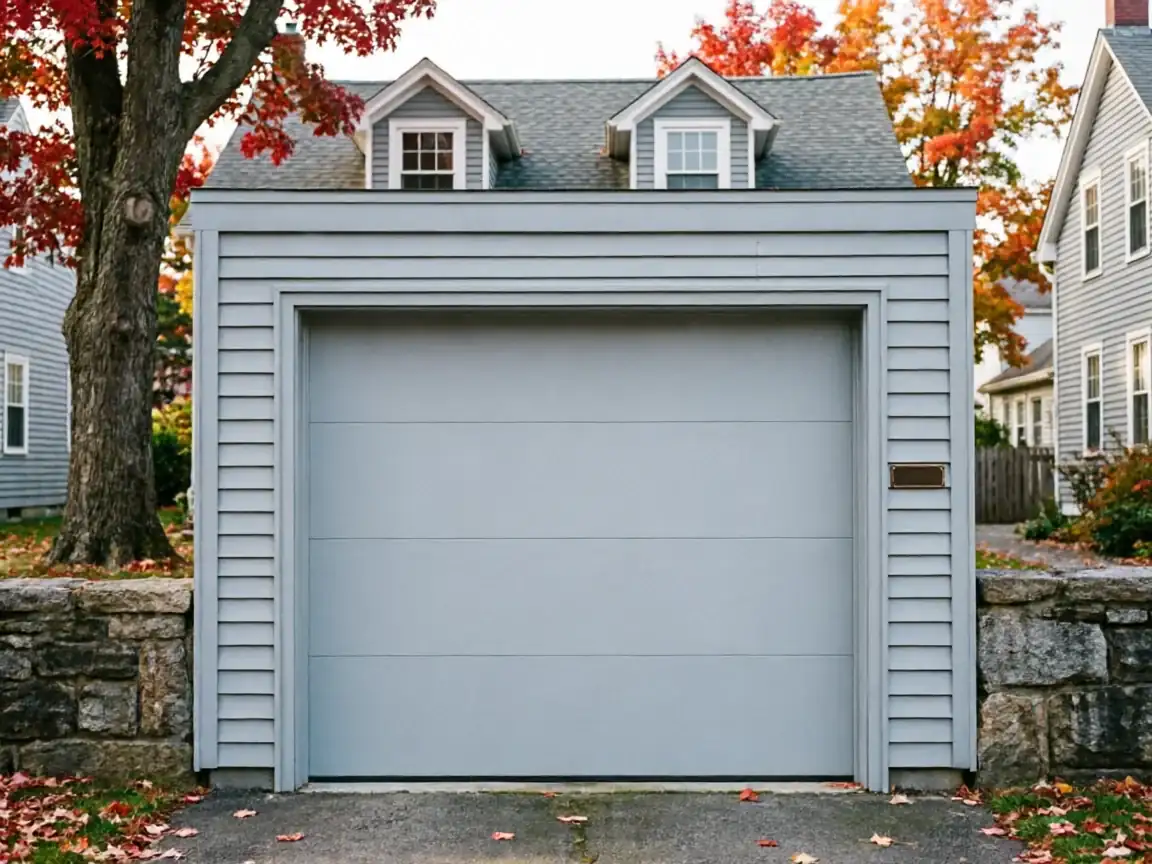
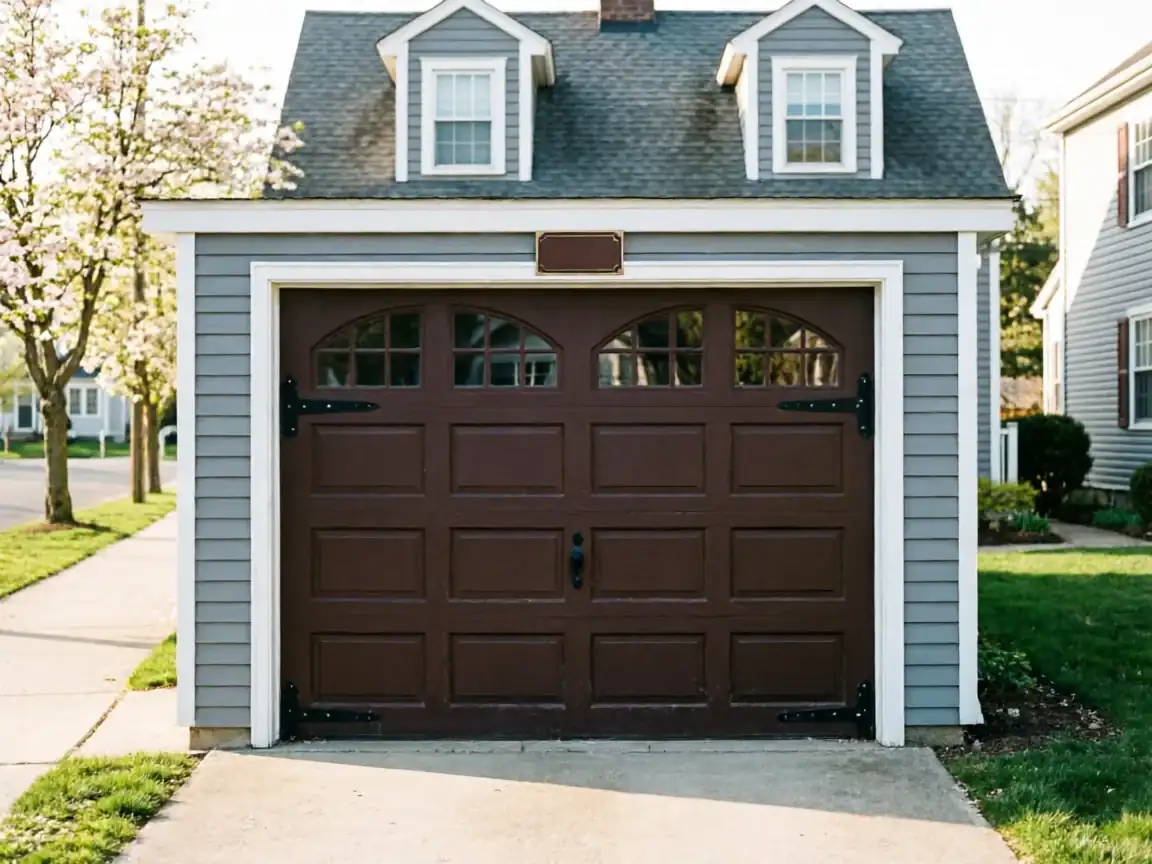
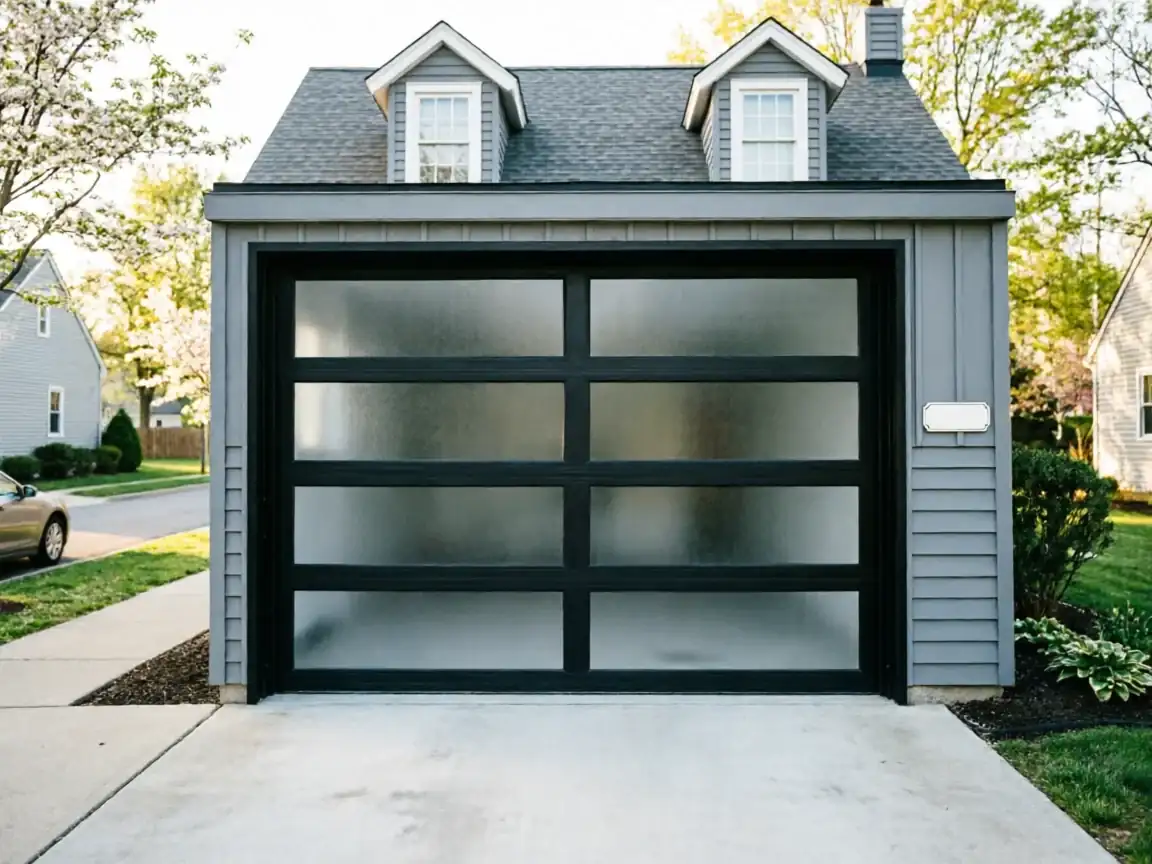
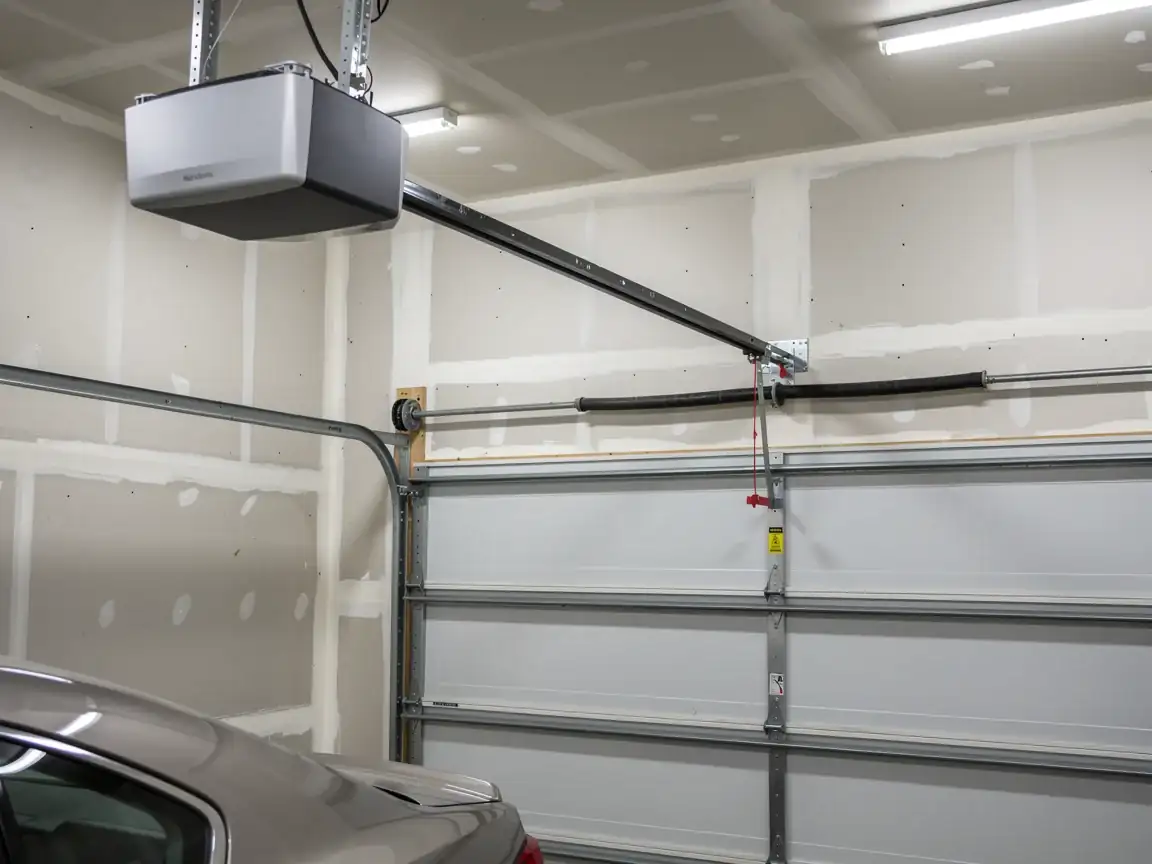
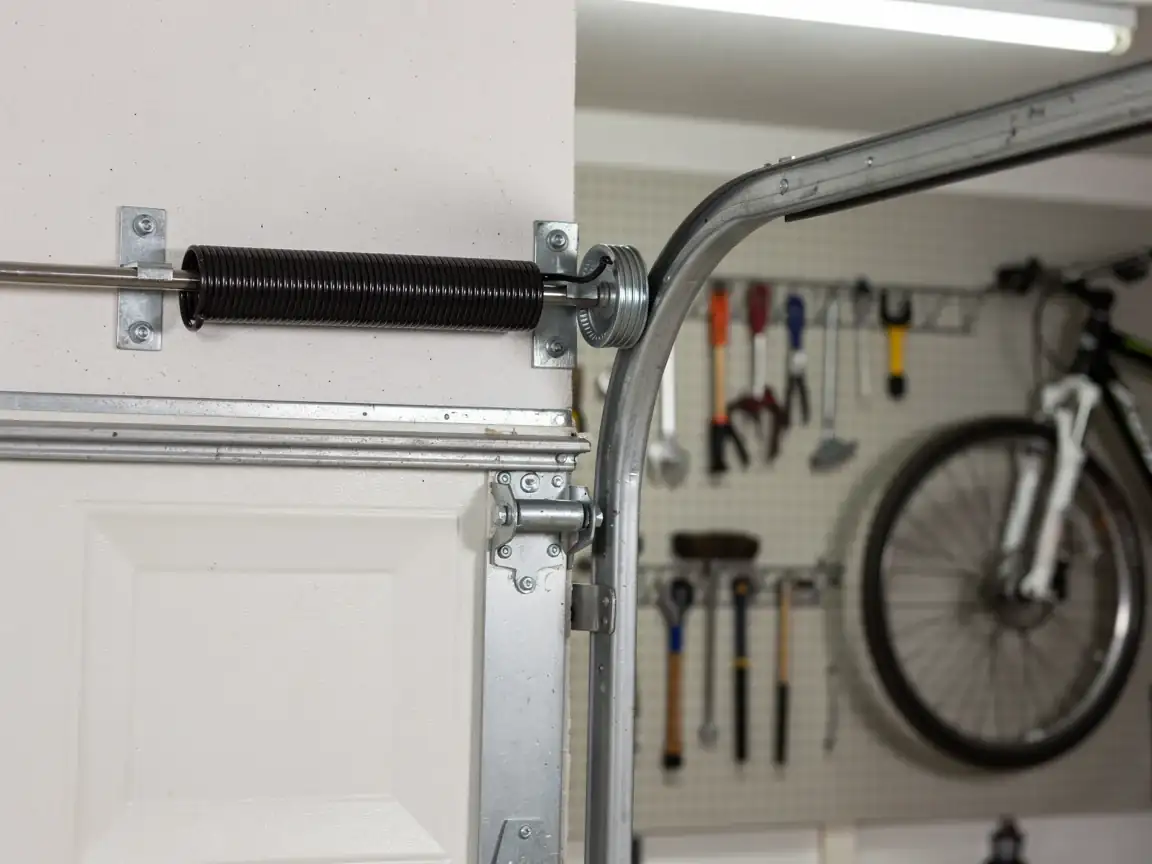
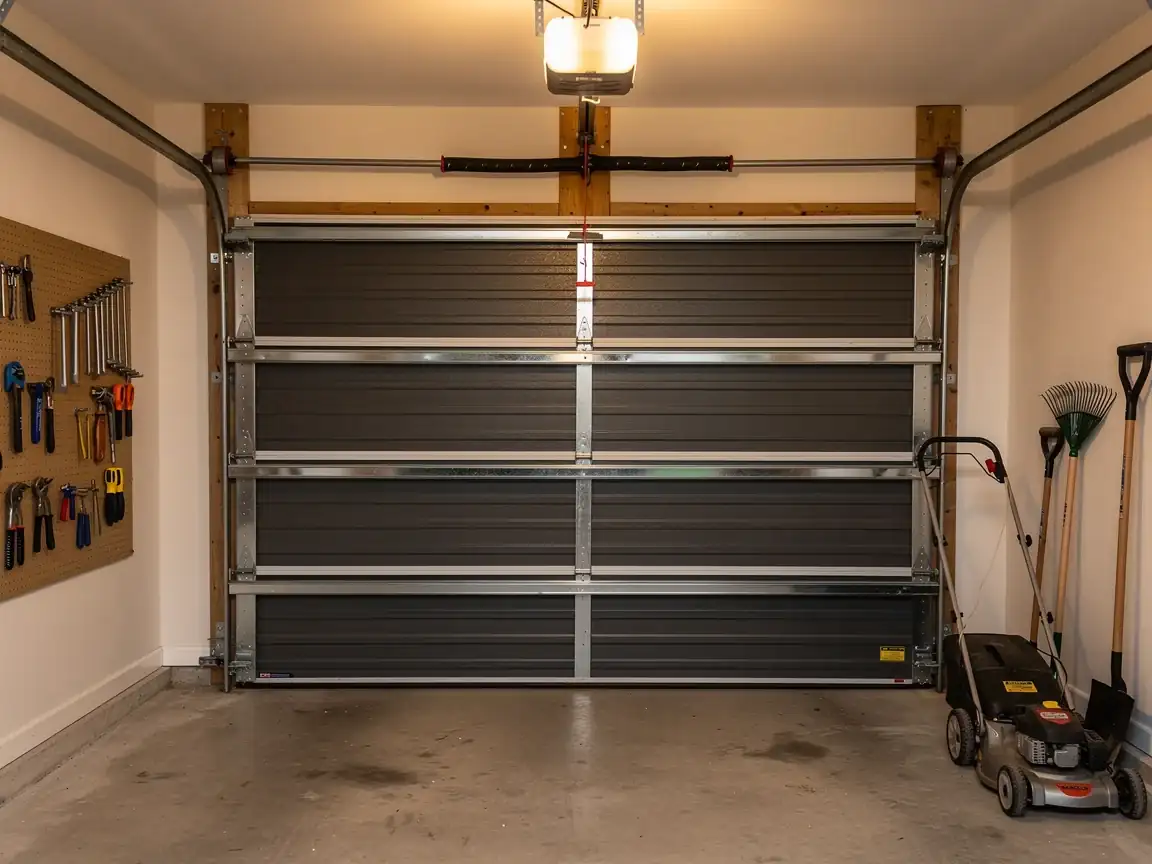
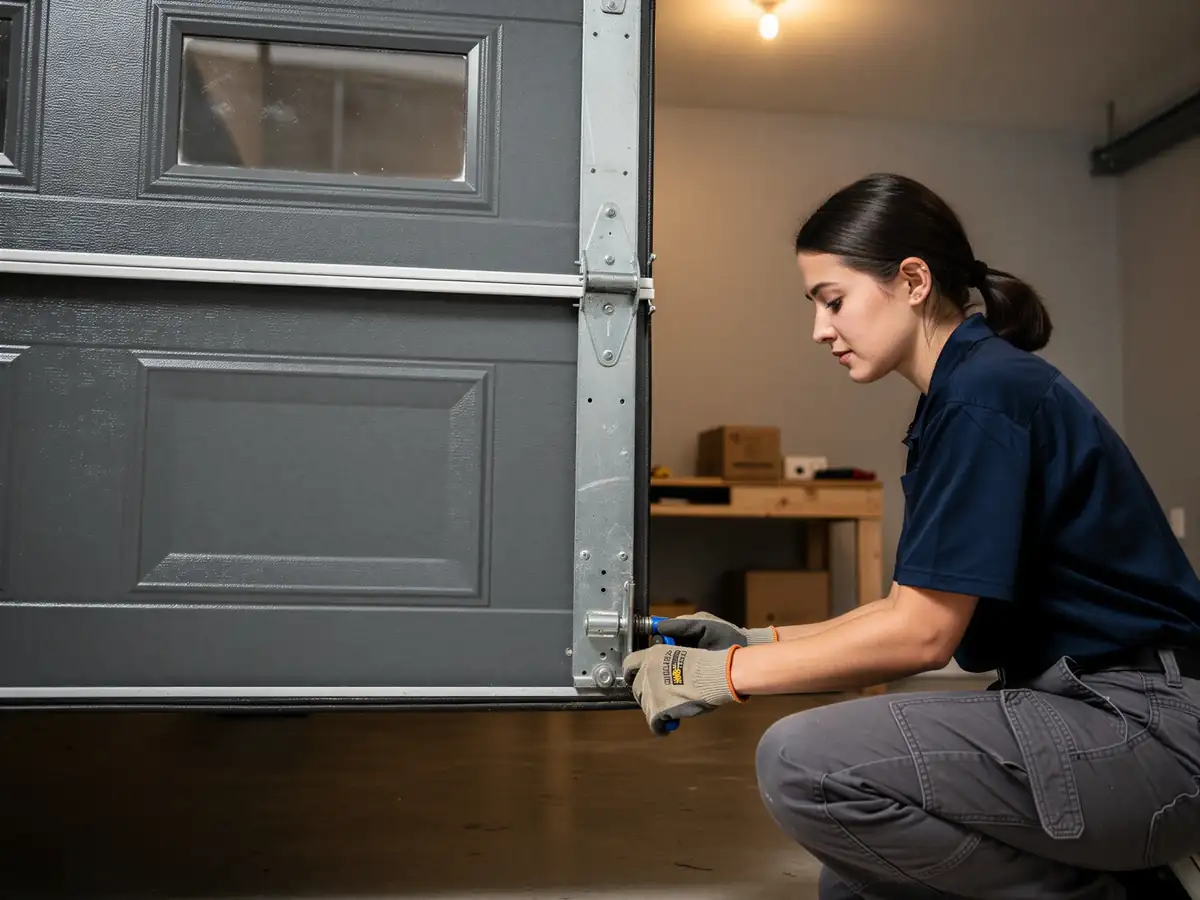
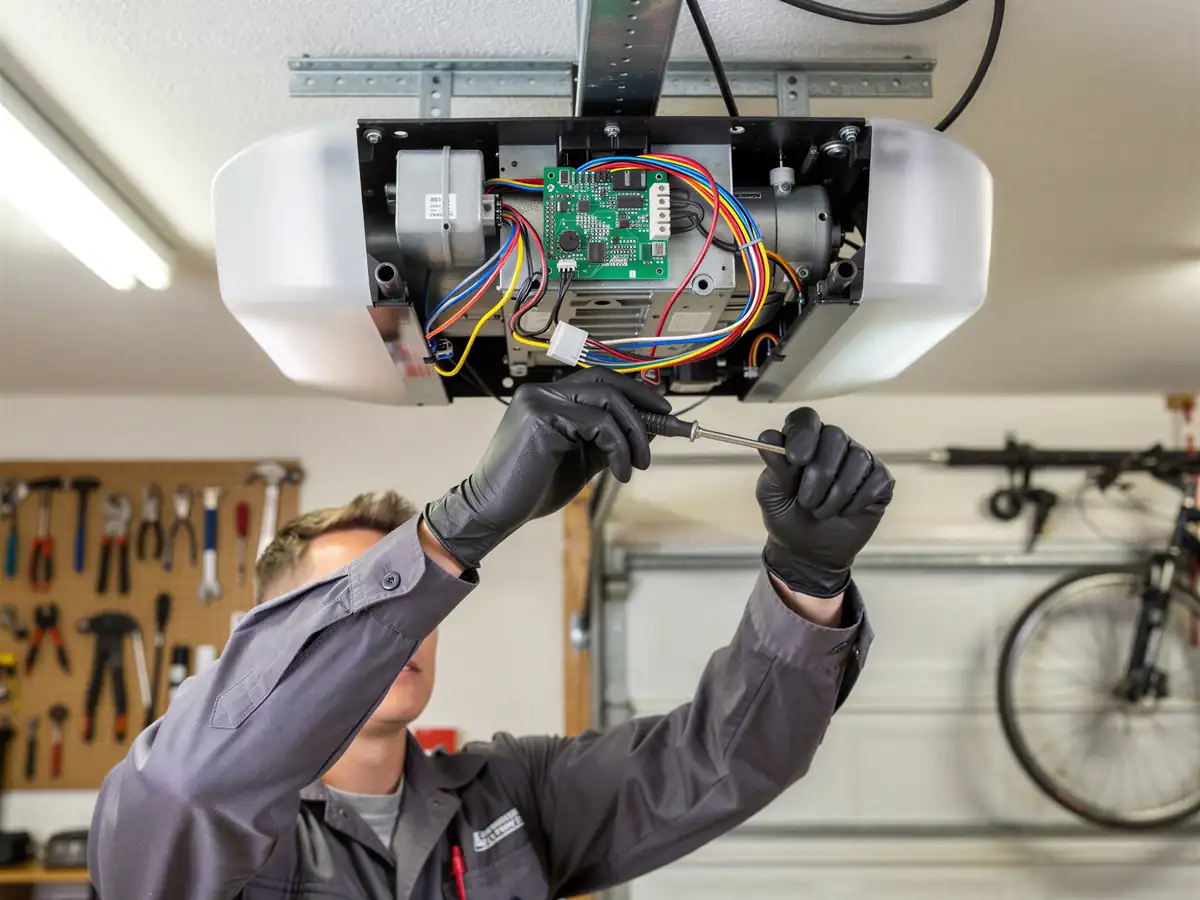
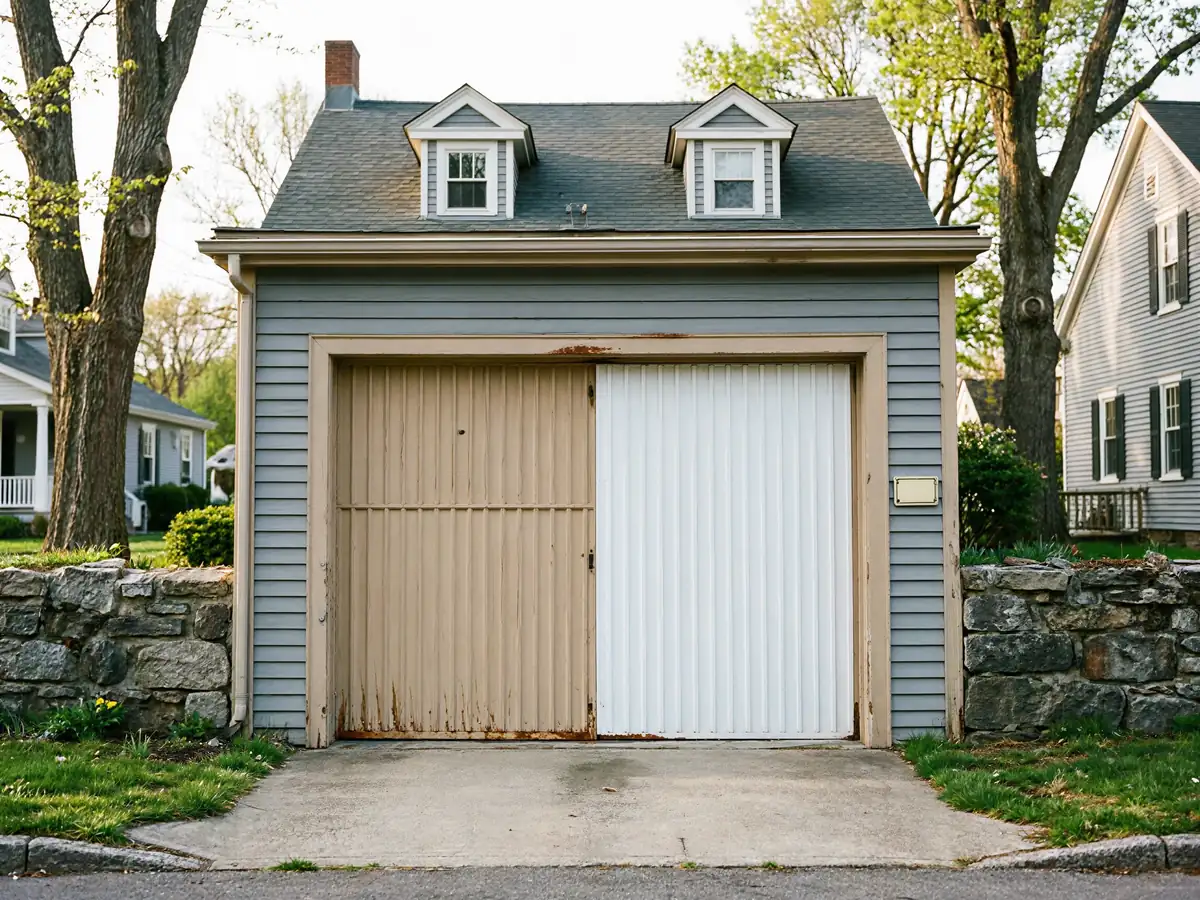
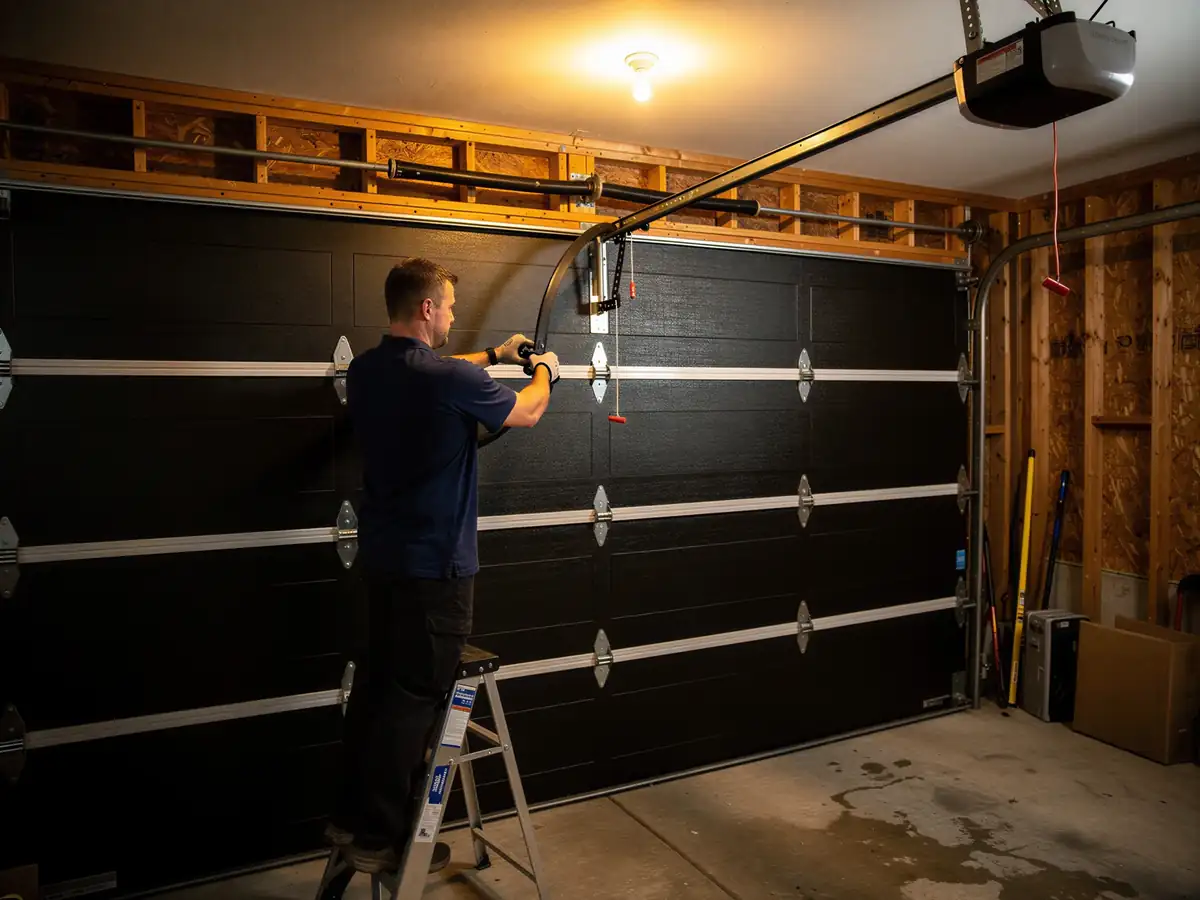
Most of Irwin went up around 1956, and the garages from that era are small by today's standard - a single bay, 8 or 9 feet wide, built for a one-piece or narrow sectional door before anyone assumed a powered opener would ever sit on the rail. That matters when we show up with the truck, because the bracket spacing, the header clearance, and even the track radius on a door that size don't match what you'd find on a two-car garage built in the 1990s.\n\nWe carry openers sized for that narrower door - 1/2 horsepower chain and belt drive units that don't need the extra lift capacity a double door demands. We also carry the shorter rail sections and the reinforced header brackets these old openings usually need, since the original framing was never meant to carry a motor's weight and torque. If your garage has been widened or the door swapped for a newer double at some point, that's a different bracket kit, and we bring both on the same call rather than guessing which one your house needs ahead of time.
What Can Go Wrong
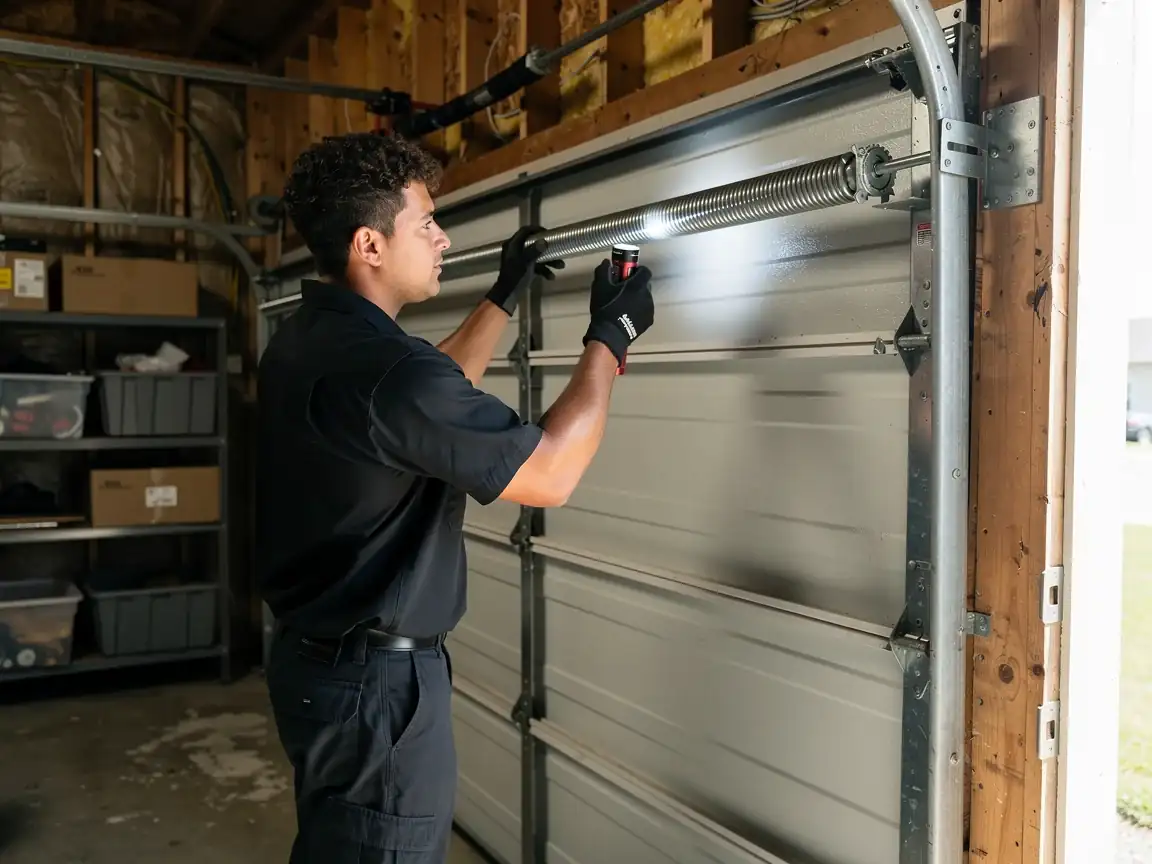
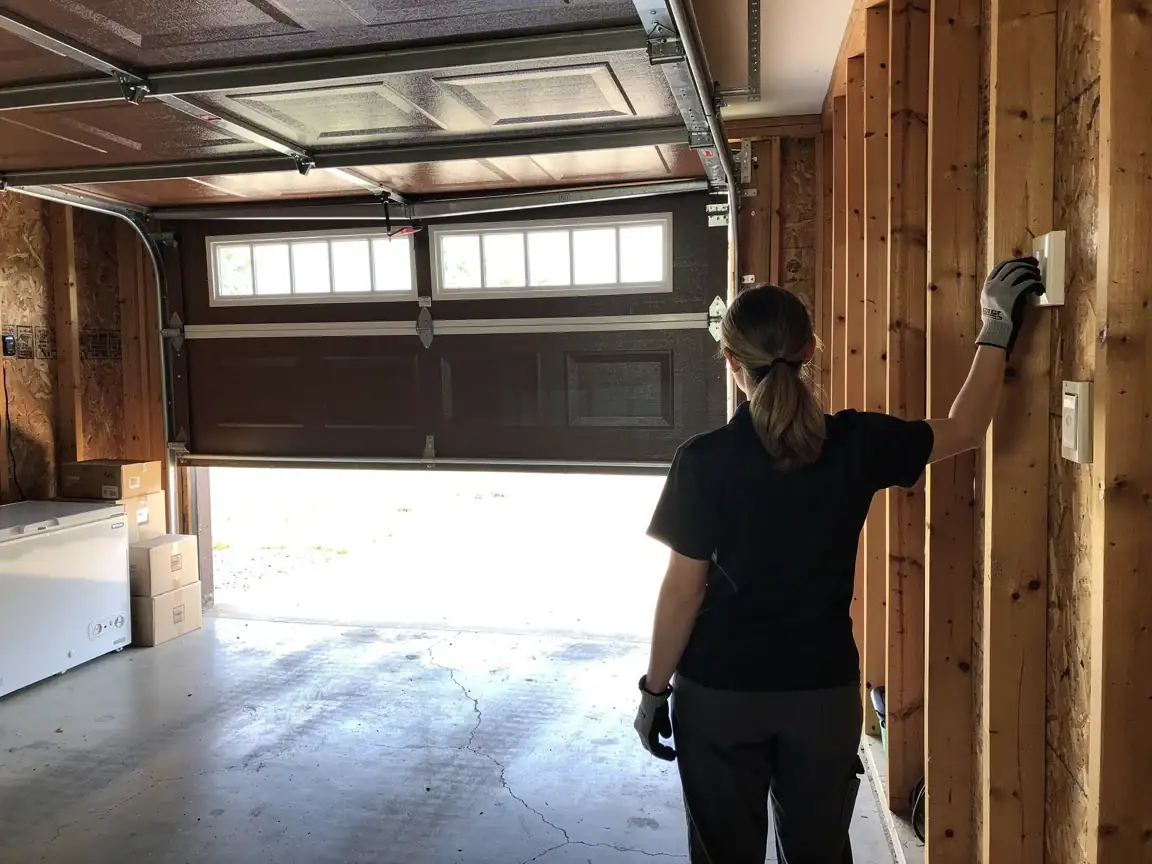
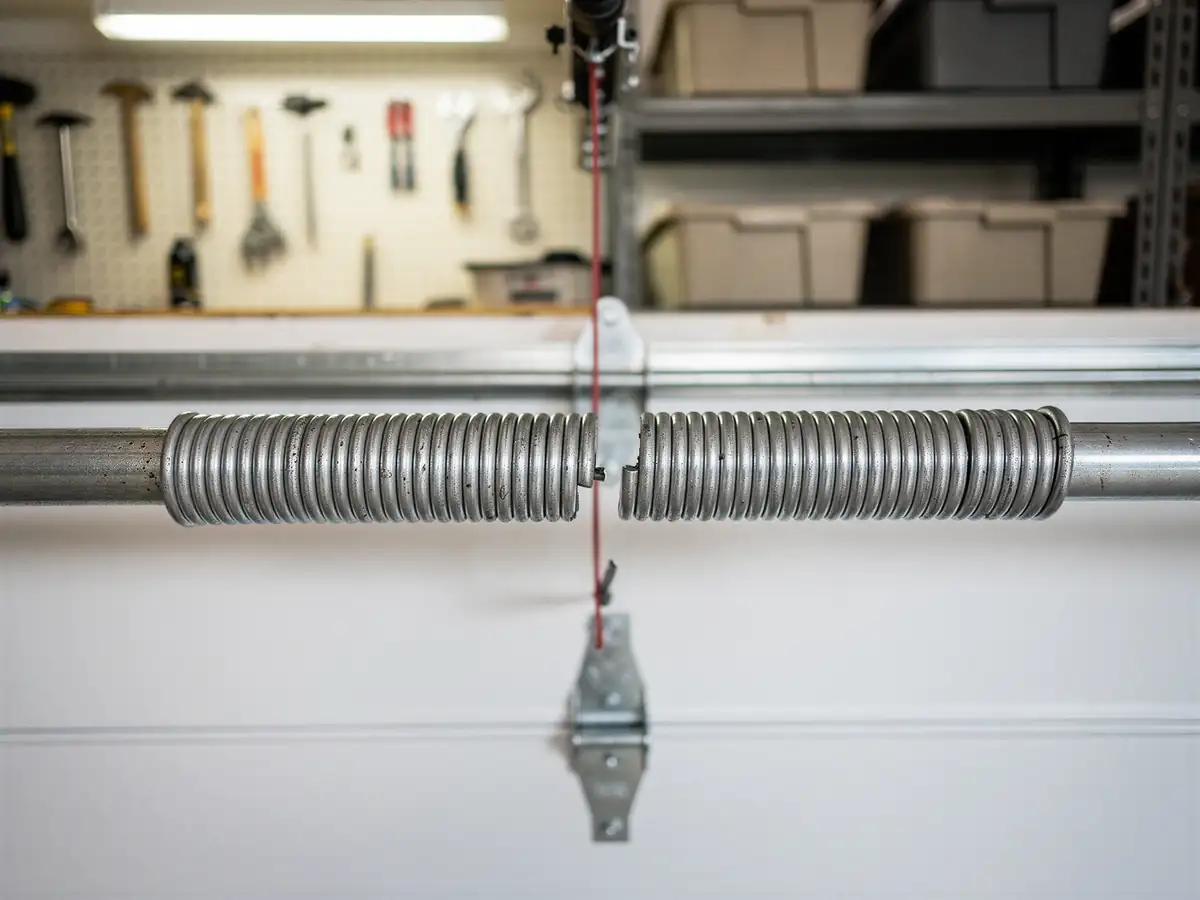
On a door this old, the first failure is usually the opener trying to do a job the door and track were never built for. A single narrow door from the mid-1950s is light, but the track is often the original steel, slightly bowed or rusted at the joints from decades in an unheated garage, and a new opener forcing that track straight every cycle will eventually crack the header bracket or strip the gear inside the unit.\n\nThe second failure is the safety reversal. Any opener installed before the 1990s federal rule on auto-reverse sensors predates that requirement entirely, and we still find units like that running in Irwin garages with no photo-eye sensors at all. We won't install a new opener without them - that's not optional, and it's one limitation we're upfront about: if your existing track or header can't take the beam brackets without rework, that rework is part of the job, not an add-on we skip to save you money.
What Causes It Around Here
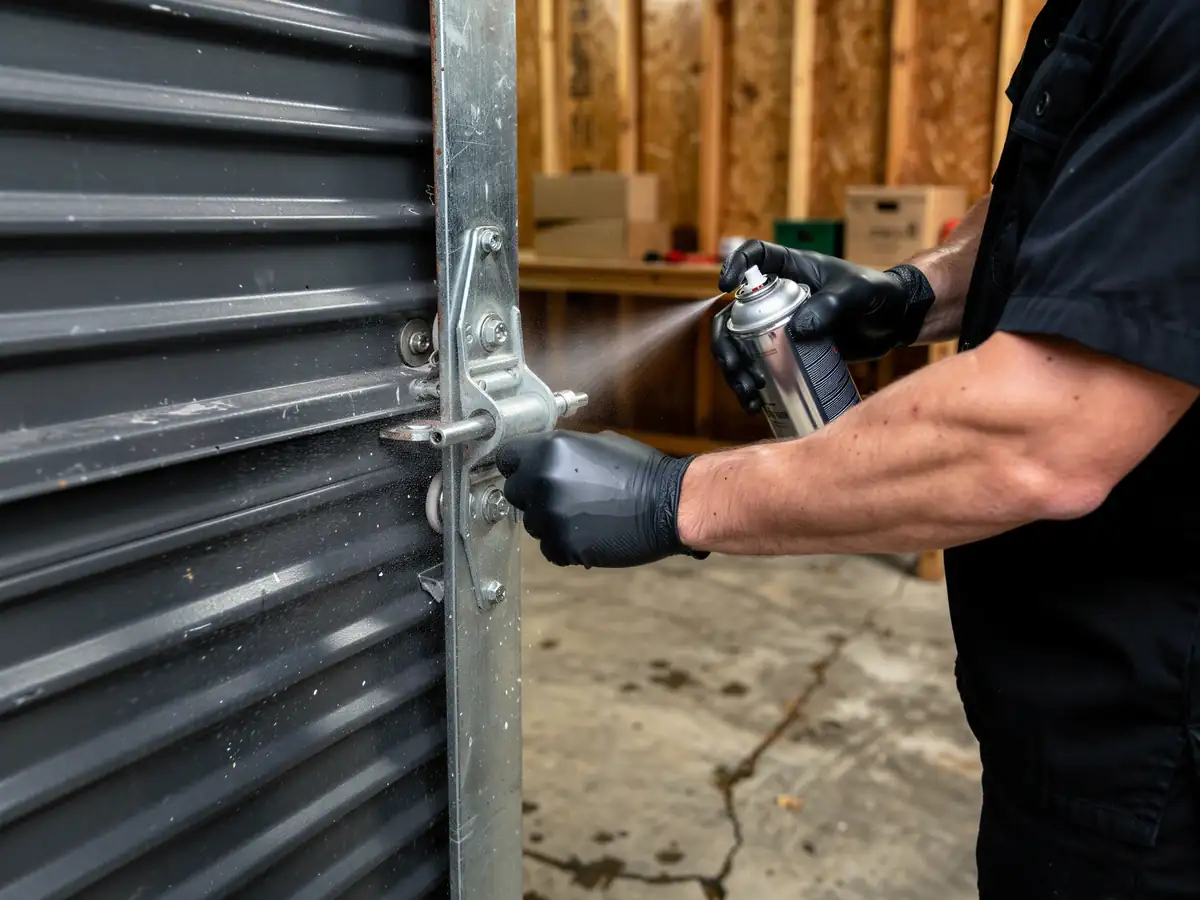
Cold is the recurring issue for openers in this part of Pennsylvania - the climate here runs a severe cold band through the winter, and an unheated garage means grease in the opener's gears and chain can stiffen enough to strain the motor on a cold start. On a 1950s-era garage that was never insulated to begin with, that cold reaches the opener directly, with nothing buffering it.\n\nThe other local factor is simply the housing stock. With most of this area's homes built between 1938 and 1985, and Irwin's own median landing around 1956, a large share of the openers we're asked to replace here are the second or third unit on the same original track and header - hardware that's outlived several motors already. That's worth knowing before you buy: a new opener on a 65-year-old track isn't a wasted purchase, but it's also not going to run like it's on new hardware, and we'll tell you honestly when the track needs attention too.
How Long It Takes
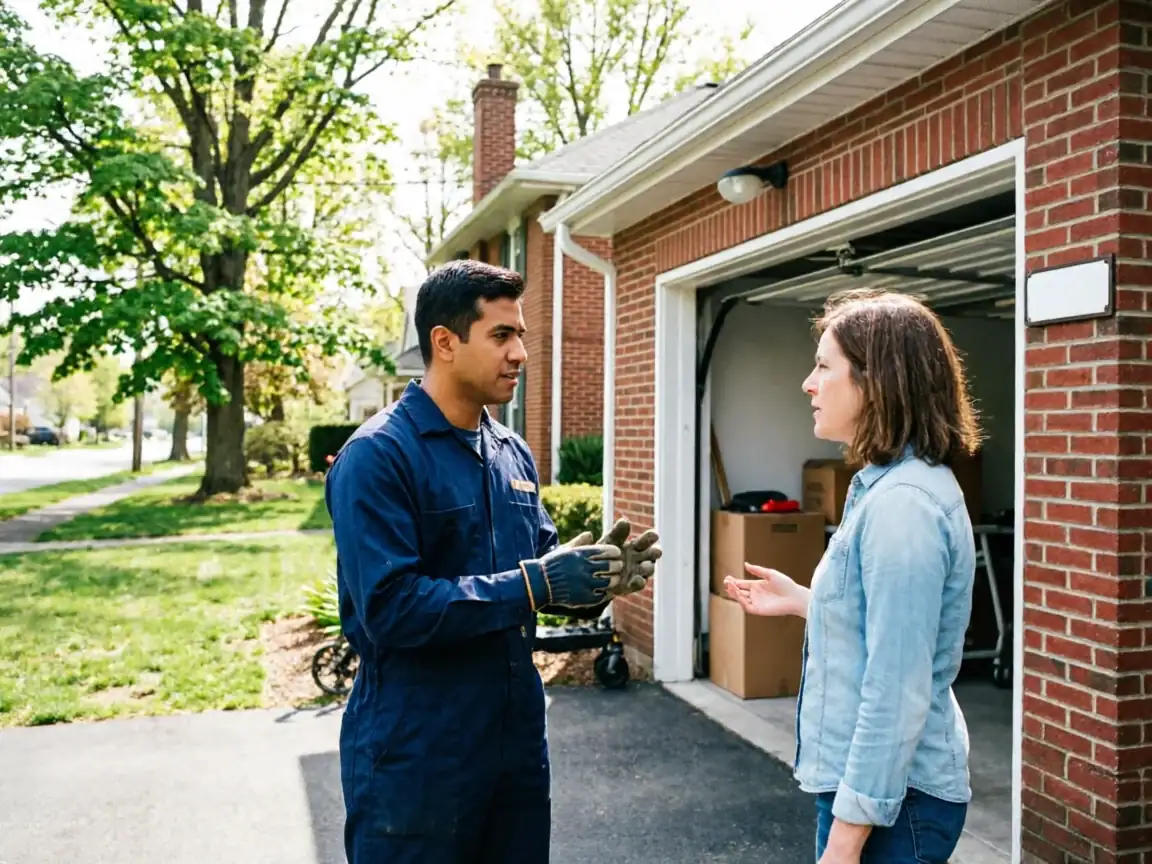
A straight opener swap on one of Irwin's narrower single-door garages, with sound track and header already in place, is usually a half-day job once we're on site. Add bracket reinforcement or a short track repair, which isn't rare on houses from the 1956 era, and it runs longer - we'll tell you that in person once we've had the door open and the hardware in hand.\n\nWe come out from Greensburg, about 8 miles away, so we schedule the visit rather than offering same-hour drop-ins. That's the one tradeoff of not having a crew based in Irwin itself: you get a set appointment window instead of a walk-up call, but you also get the same crew and the same stocked parts for this exact era of door on every visit.