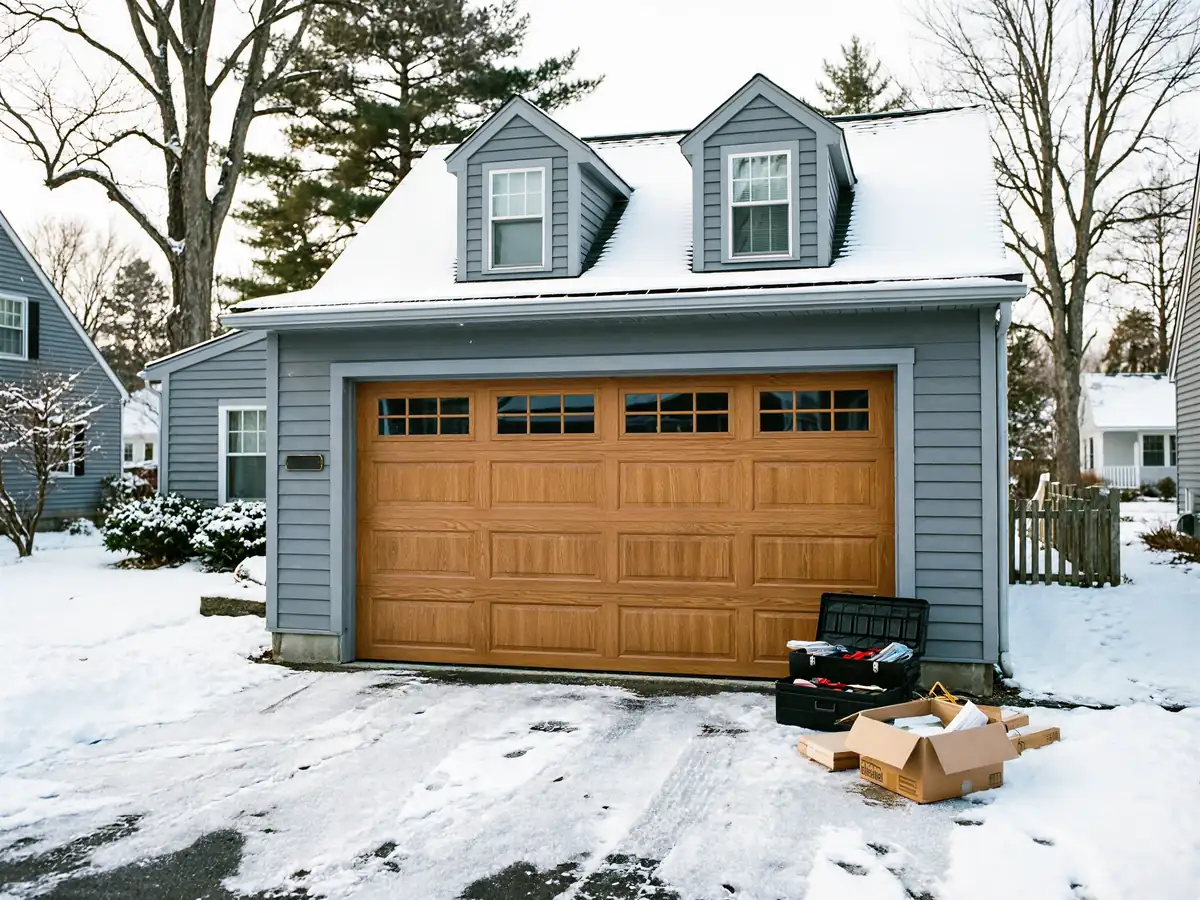
Stocked Parts
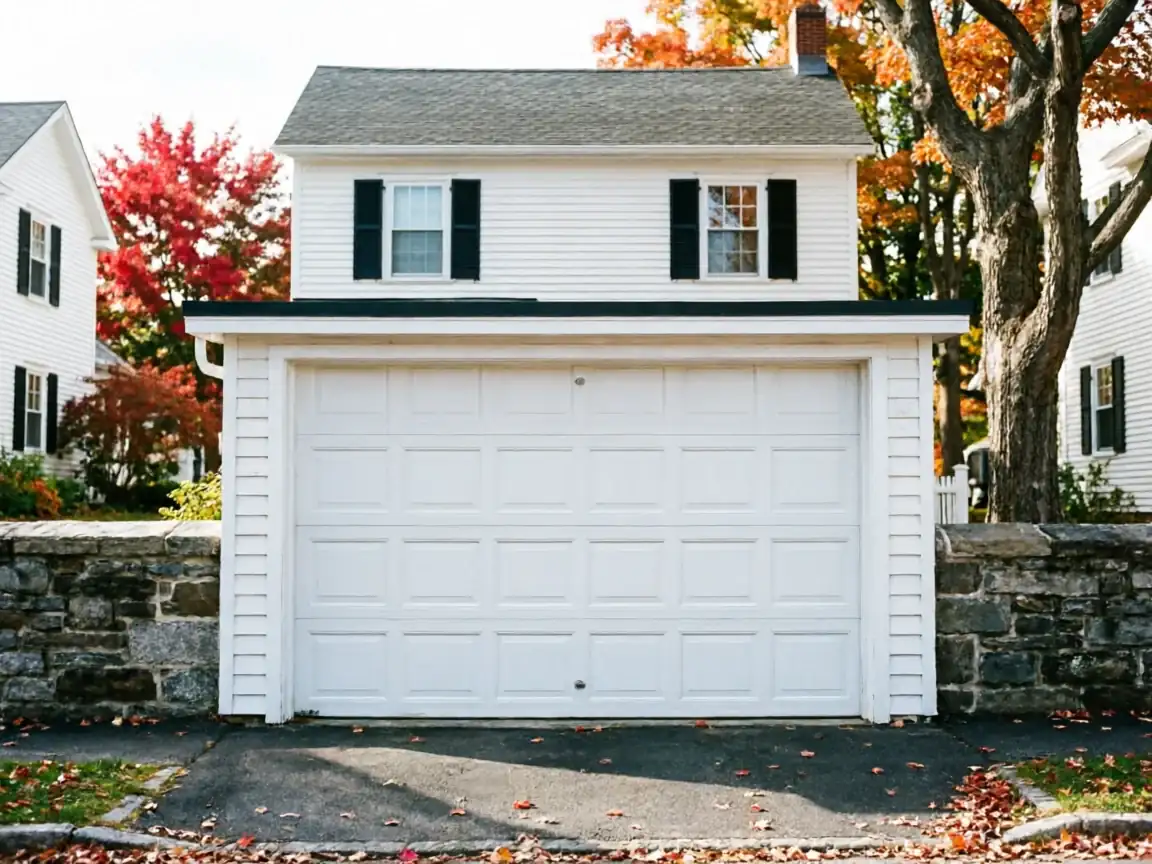
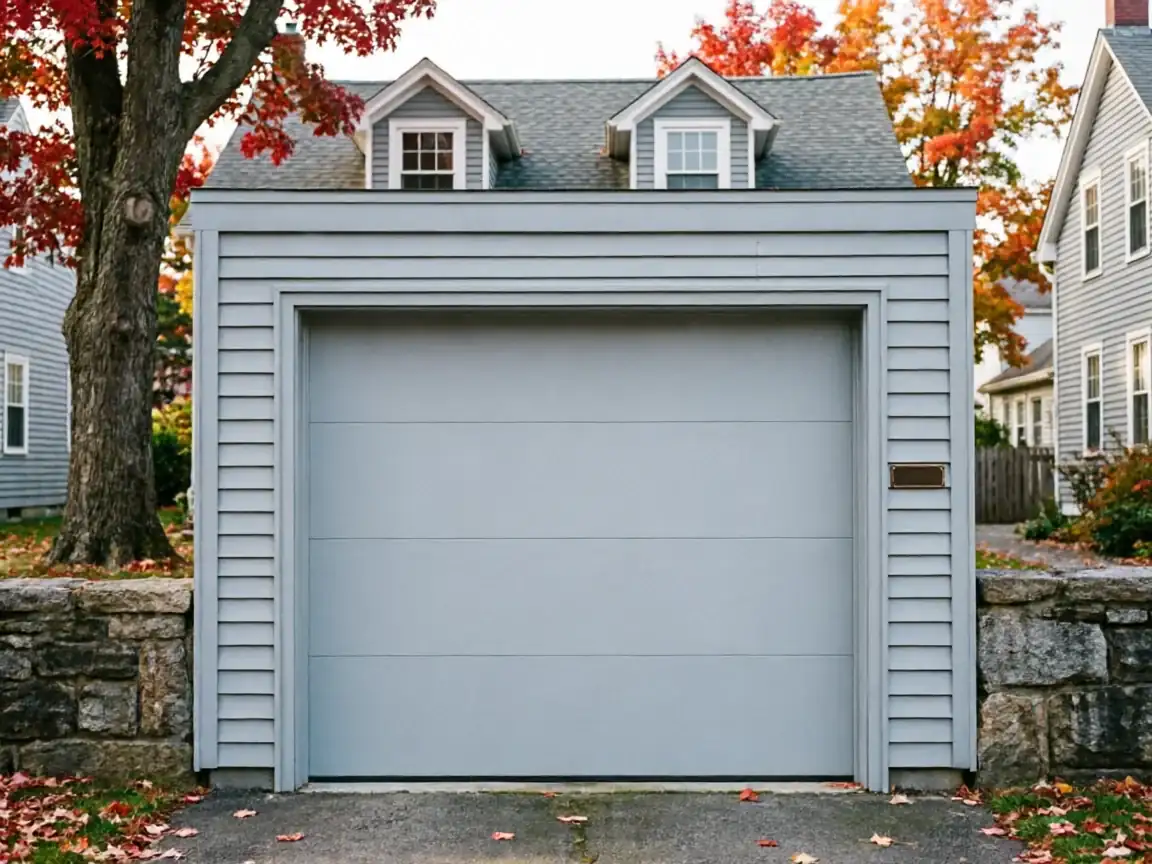
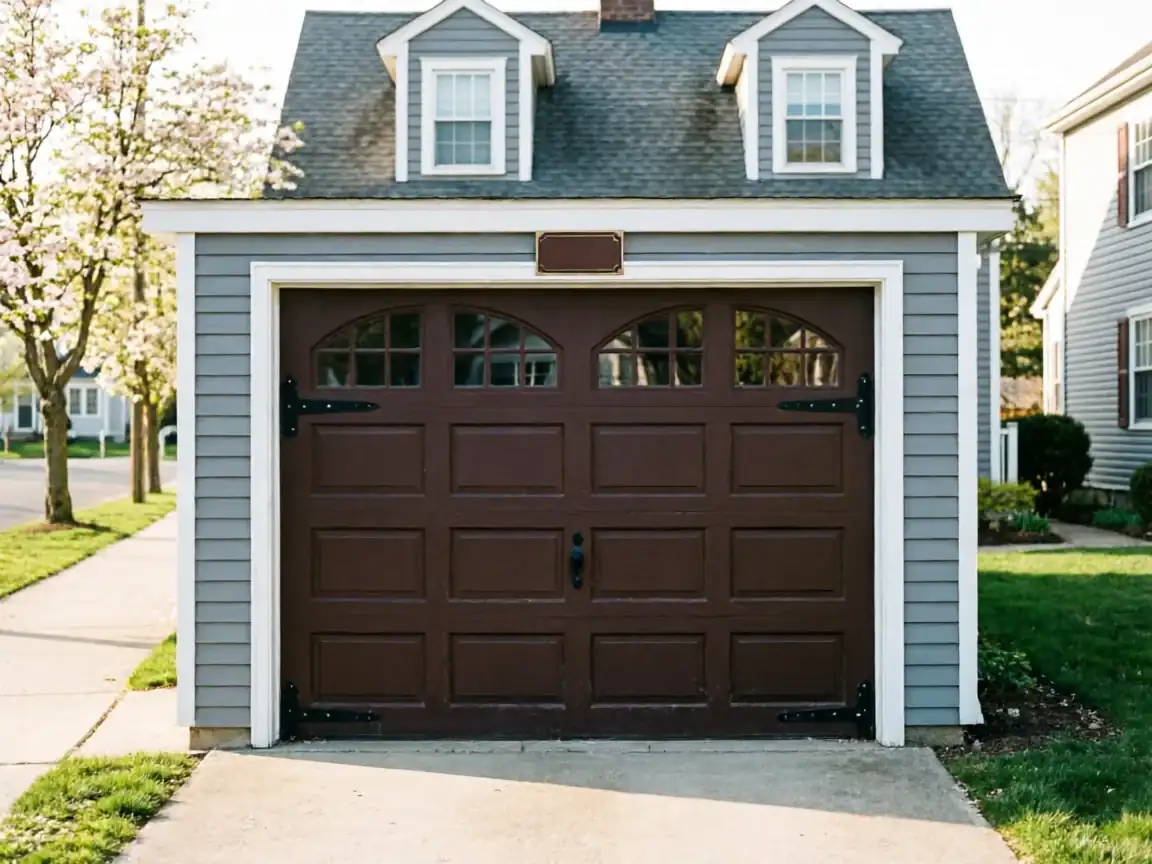
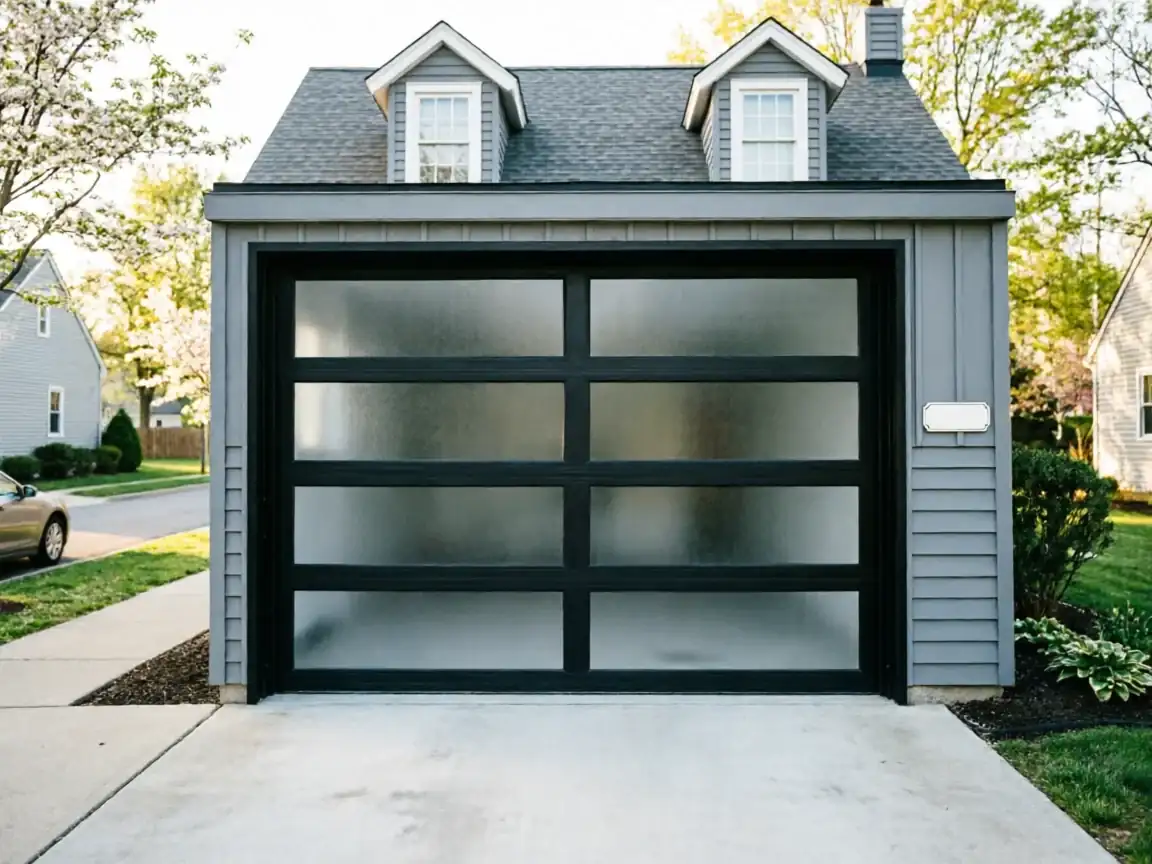
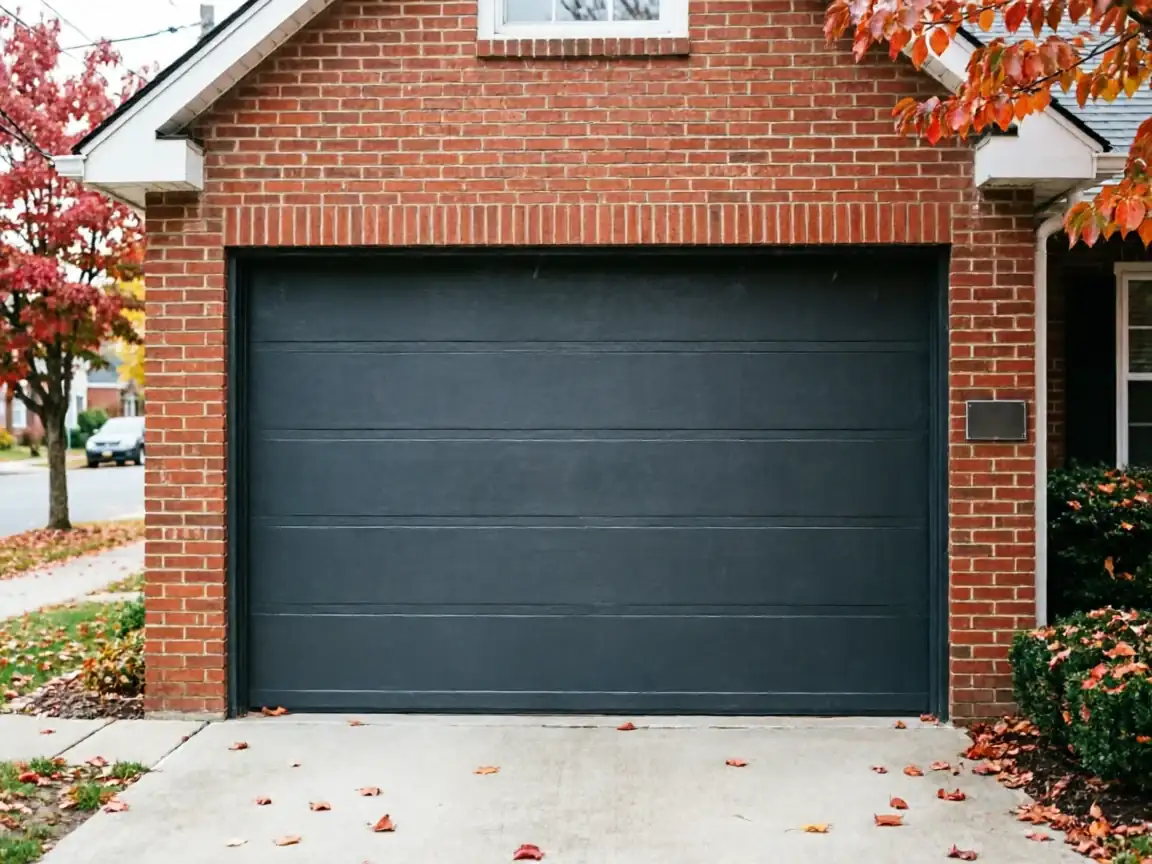
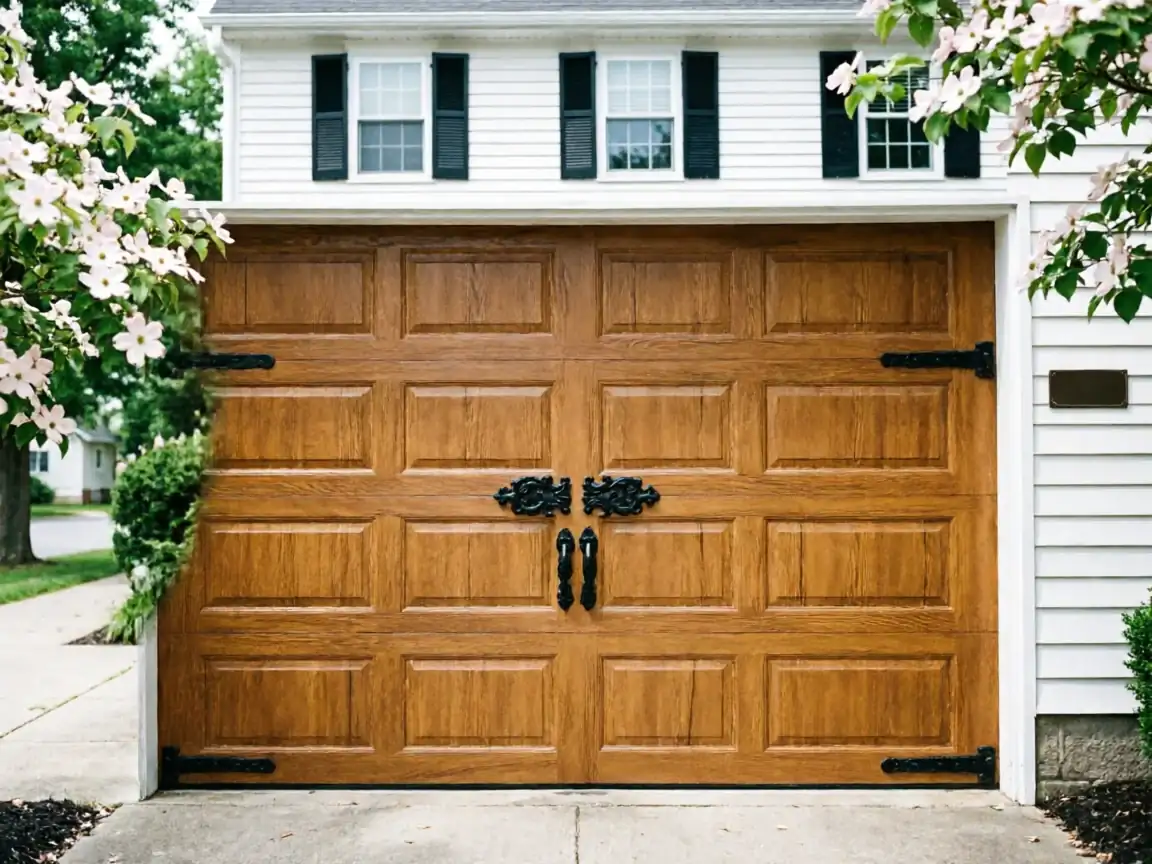
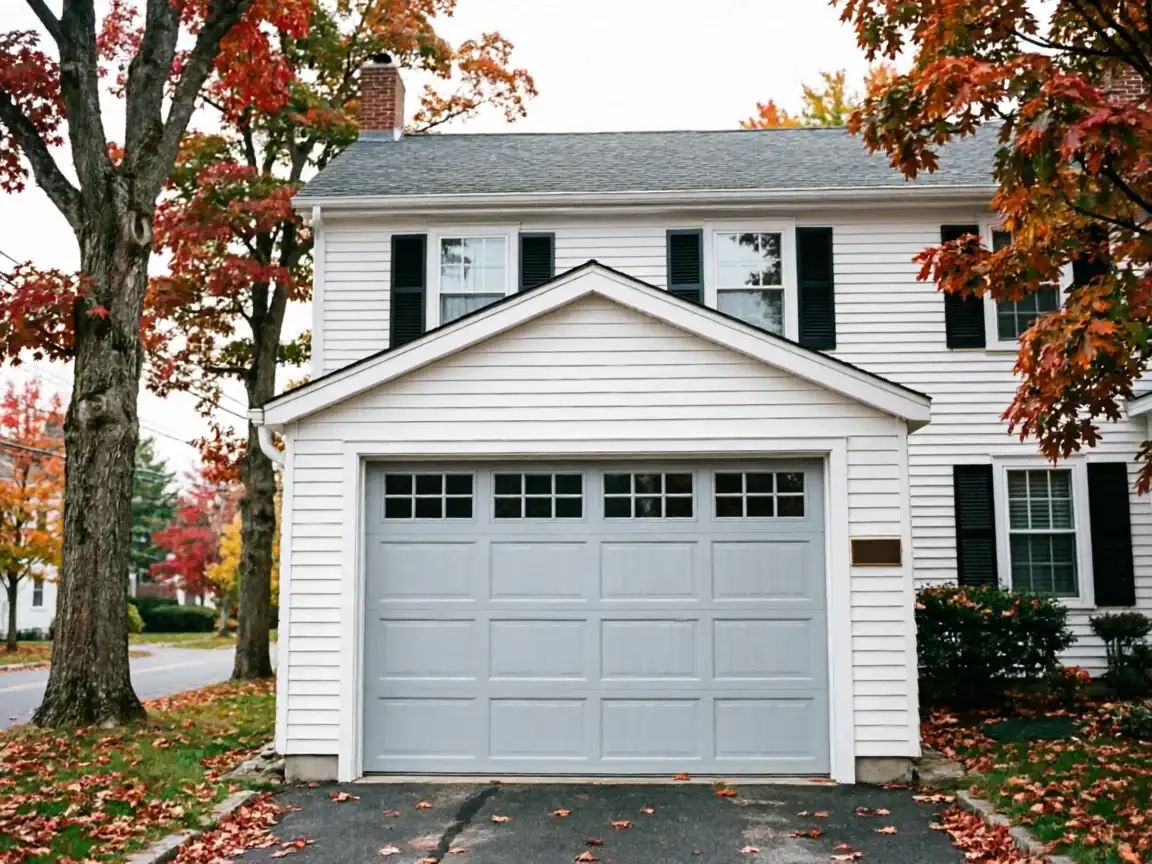
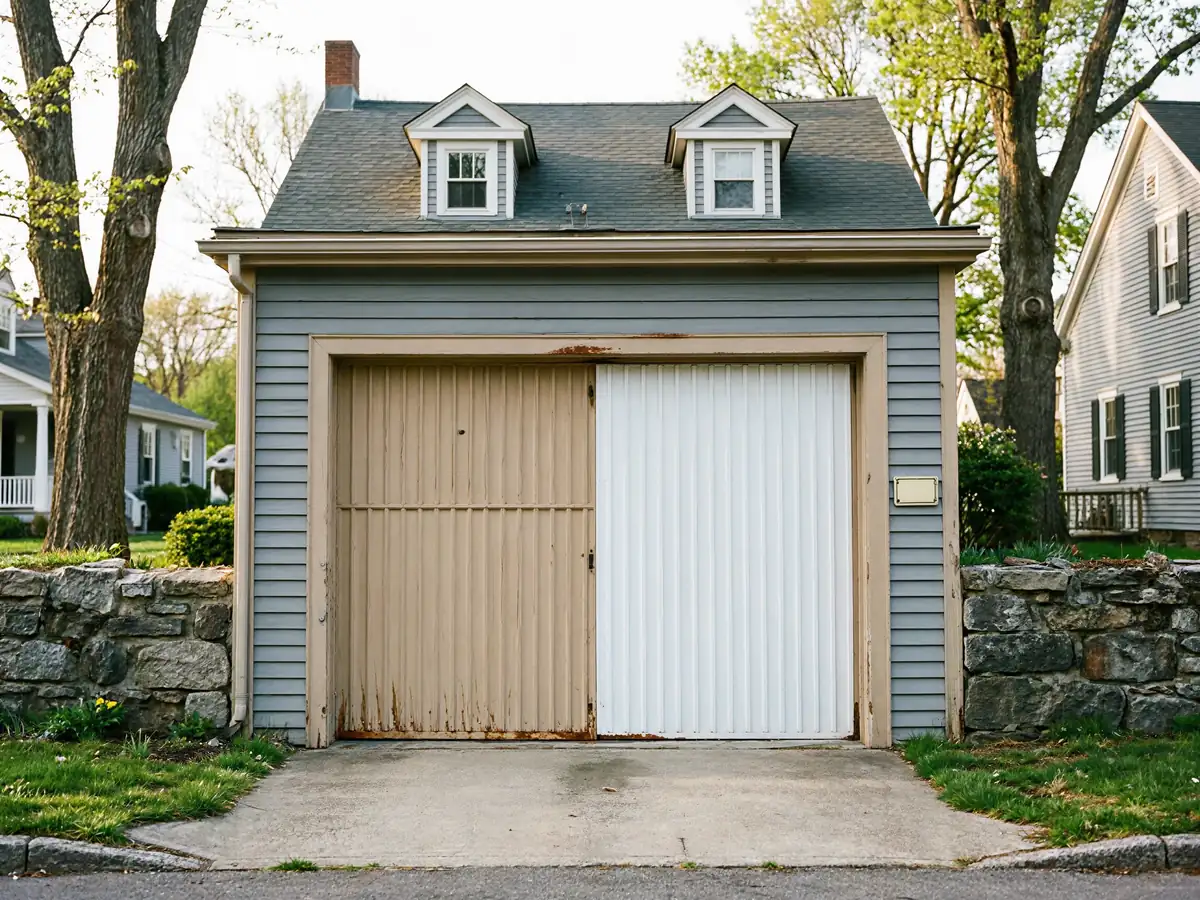
Irwin's housing stock centers on 1956, which means a lot of garages built with narrower rough openings than what's standard today - 7-foot instead of 8, sometimes a single-car bay where a modern double door won't fit without framing work. We carry standard-width steel sections and track hardware sized to current code on the truck from Greensburg, but a non-standard 1956-era opening sometimes means we order the panel to match the frame rather than force a stock size into it. That's not a part we keep on hand for every job - it's a measure-first, order-second situation, and we'll tell you that up front instead of pretending otherwise.
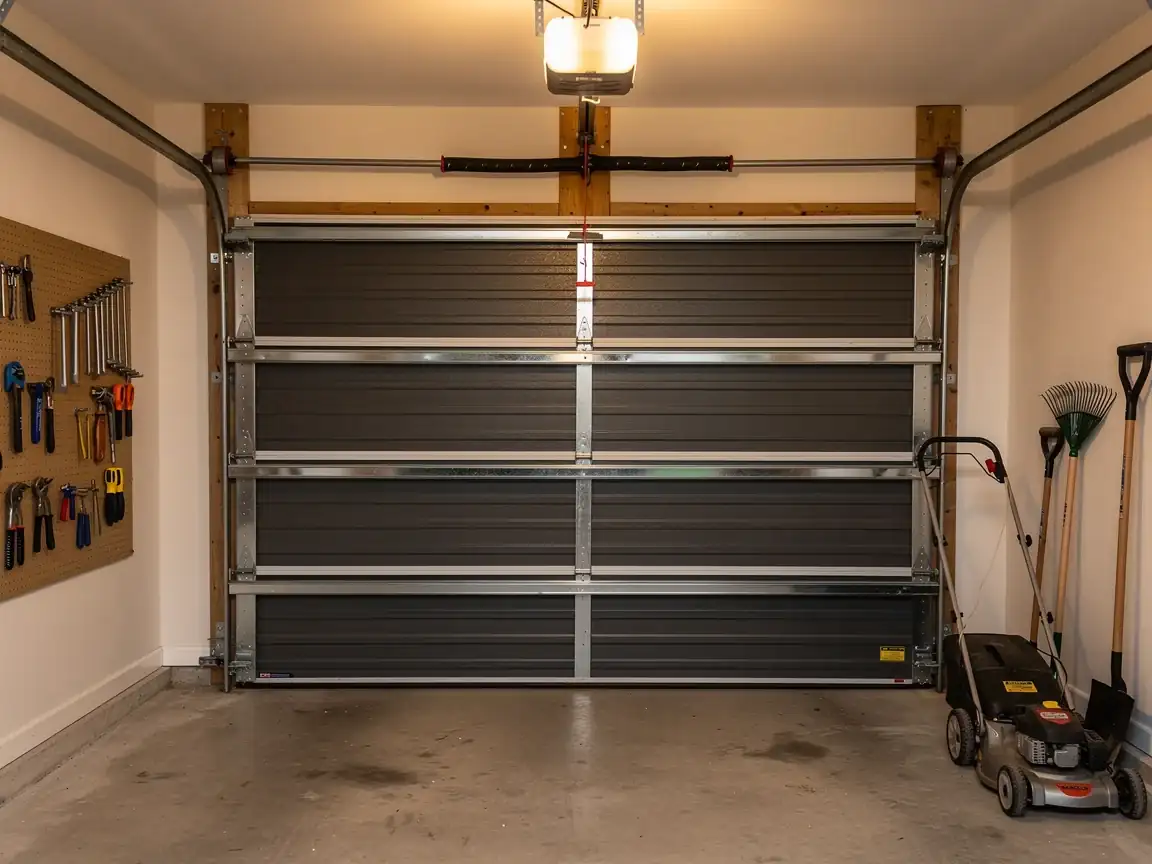
With 2,052 households in Irwin, most of the garages we see here share the same bones: block or frame construction from the same mid-50s building wave, original jamb spacing, and headroom that was never meant to clear a modern torsion spring setup. That's the detail that decides whether installation is a straight swap or a reframe job, and it's worth knowing before you pick a door off a showroom wall.
What Can Go Wrong
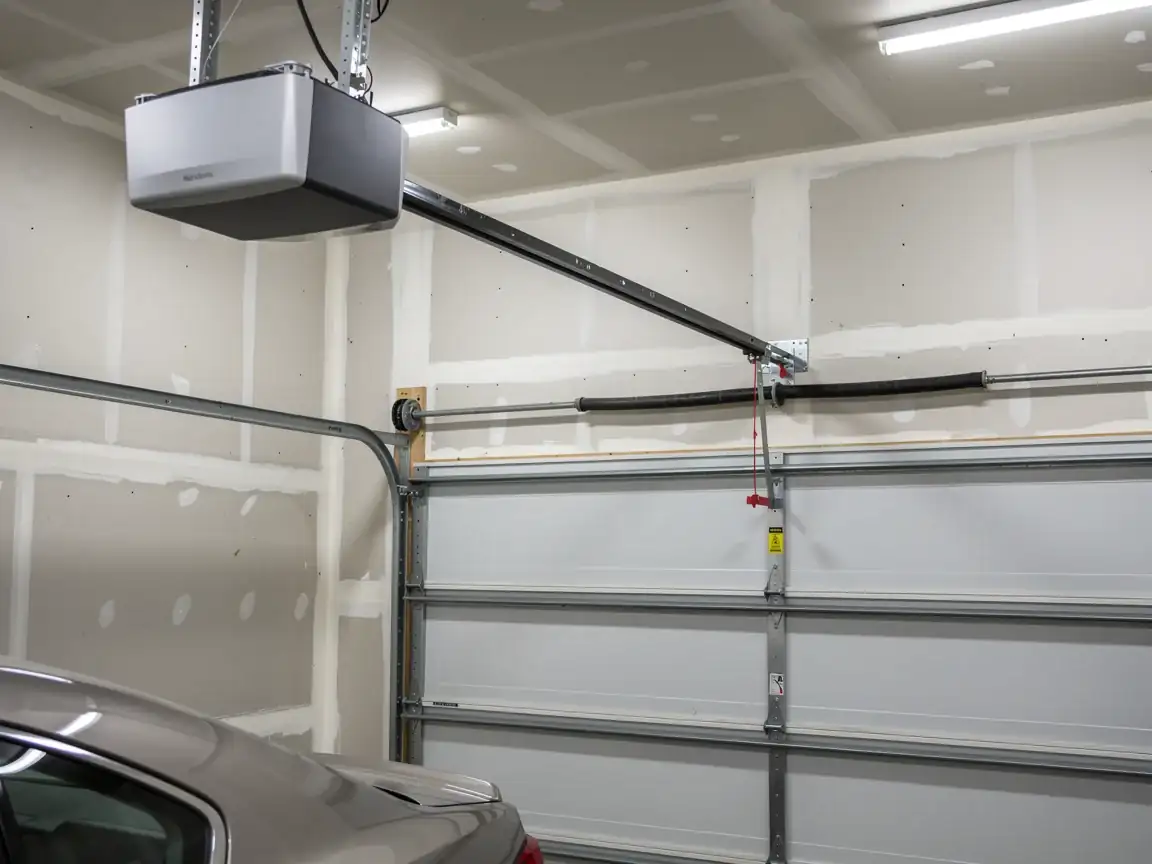
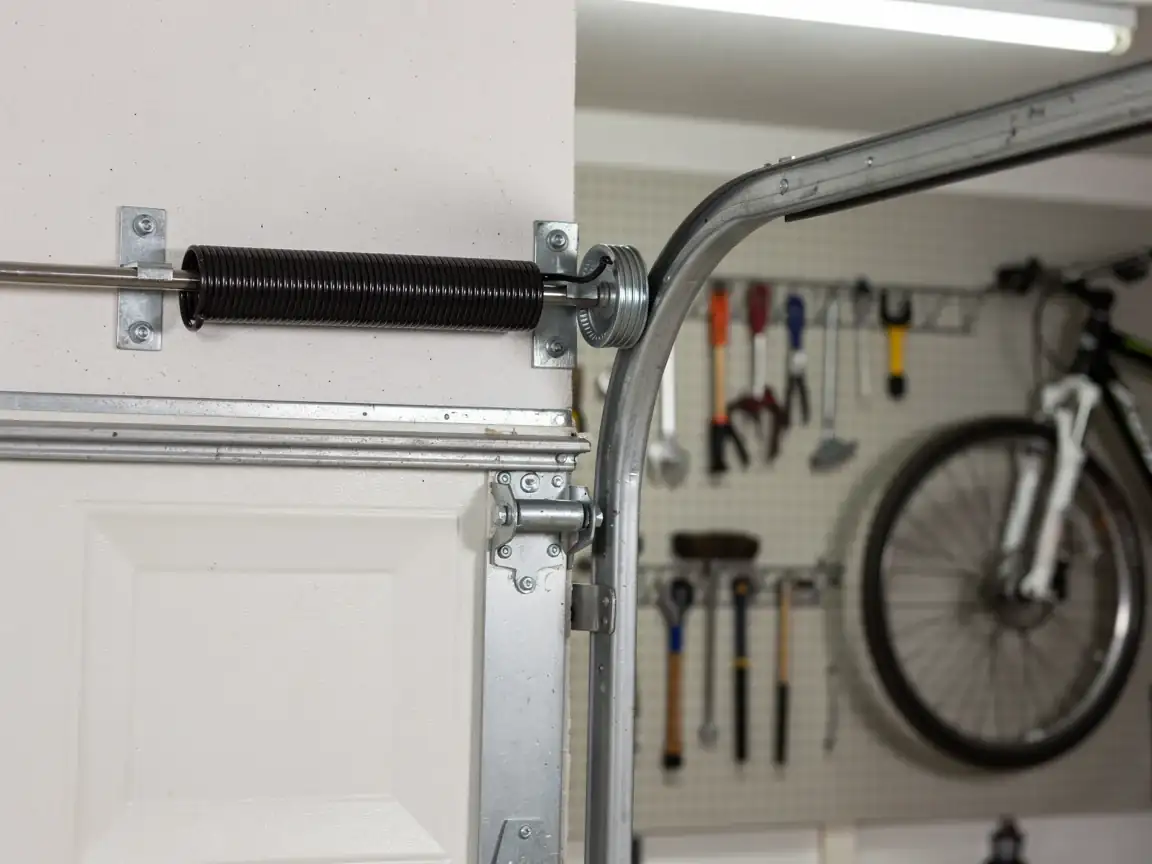
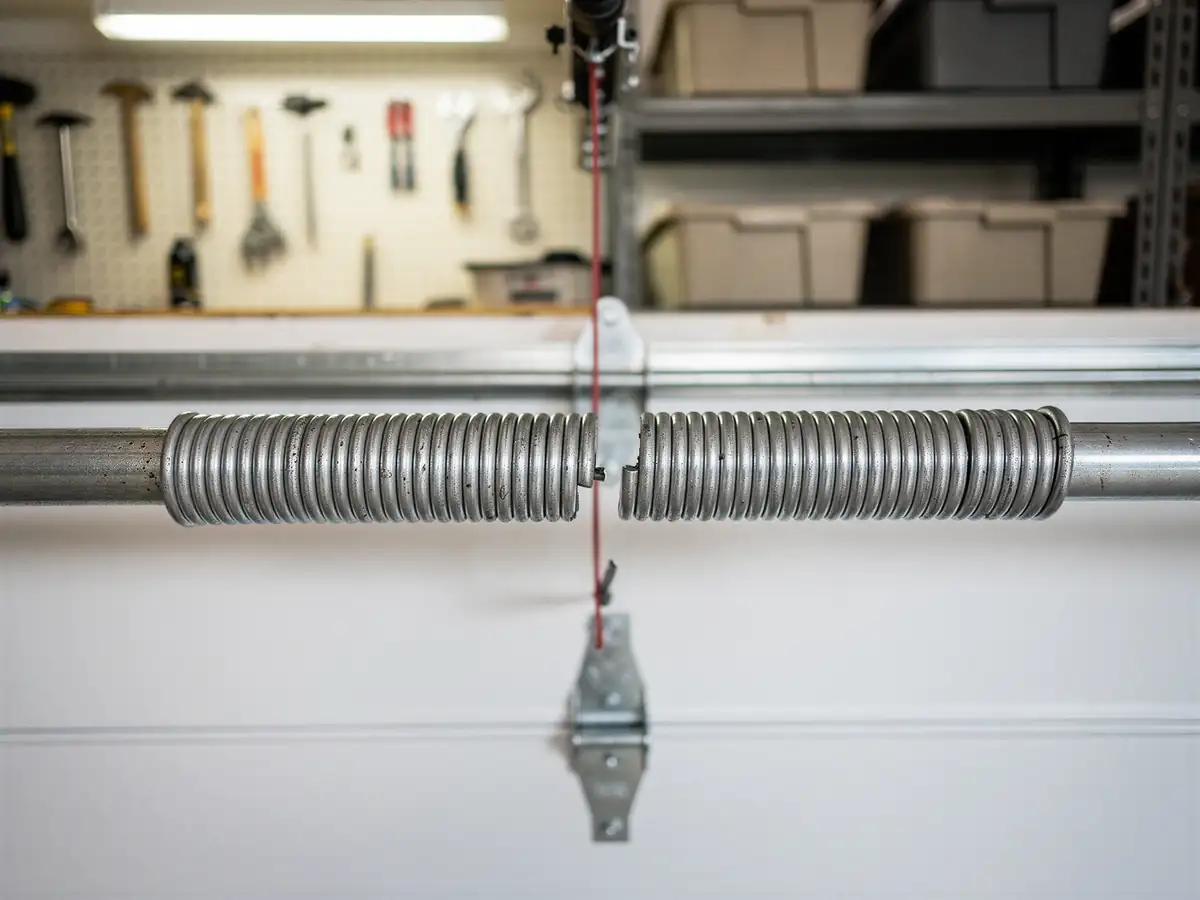
The most common issue we run into on a 1956-era Irwin garage isn't the door itself, it's what's behind it. Framing settles over nearly seventy years, jambs go out of square by a half-inch or more, and a brand-new door hung on an out-of-square opening will bind, drag, or gap at the corners within months. We also see headroom problems - older garages built before standard torsion spring clearance became common sometimes don't have the 10 to 12 inches a new spring system wants above the opening.
The other failure point is weather sealing. Irwin sits in the same severe cold climate band as the rest of the area, and a door installed without attention to bottom seal and jamb gap will let wind-driven snow pack into the threshold by February. That's a install-quality problem, not a door-quality one - the door can be excellent and still perform badly if it's hung loose.
How We Fix It
We start with the opening, not the door
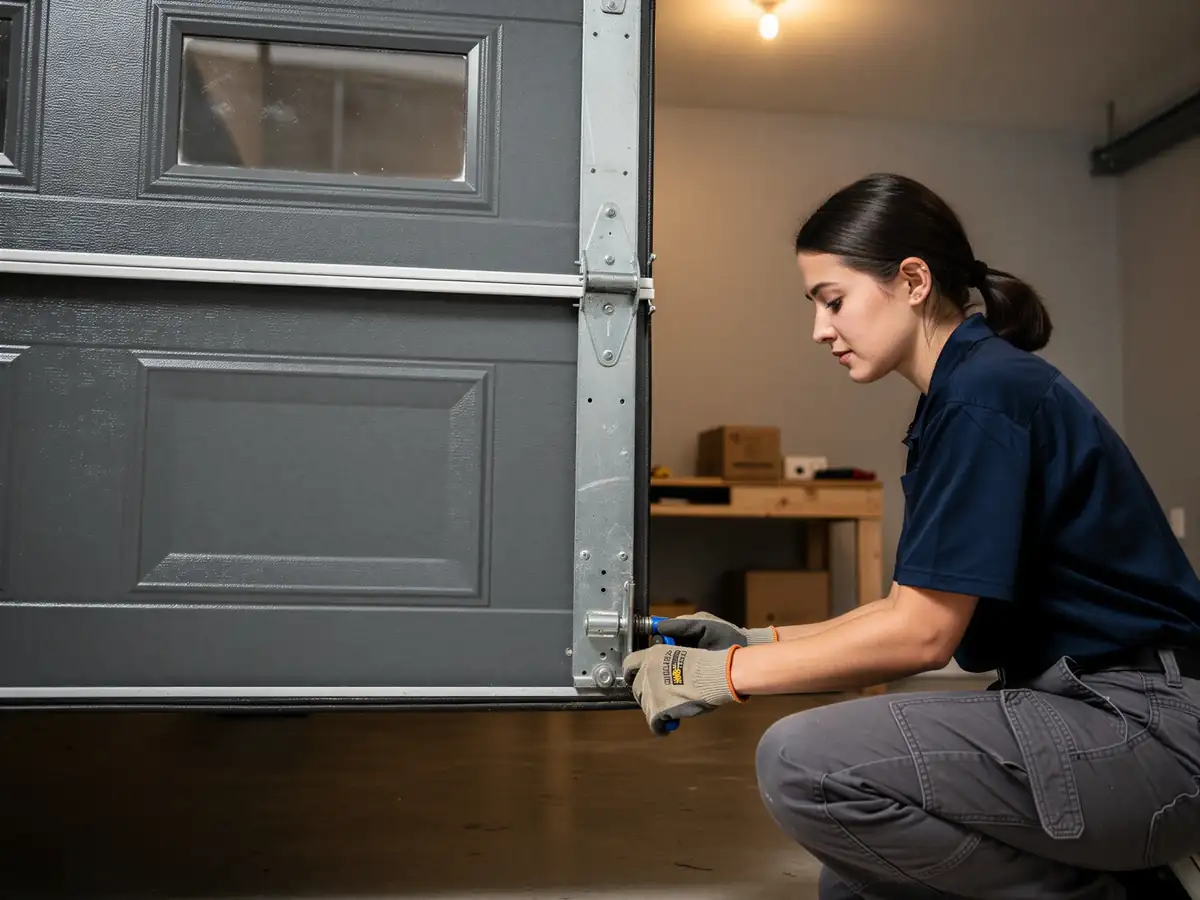
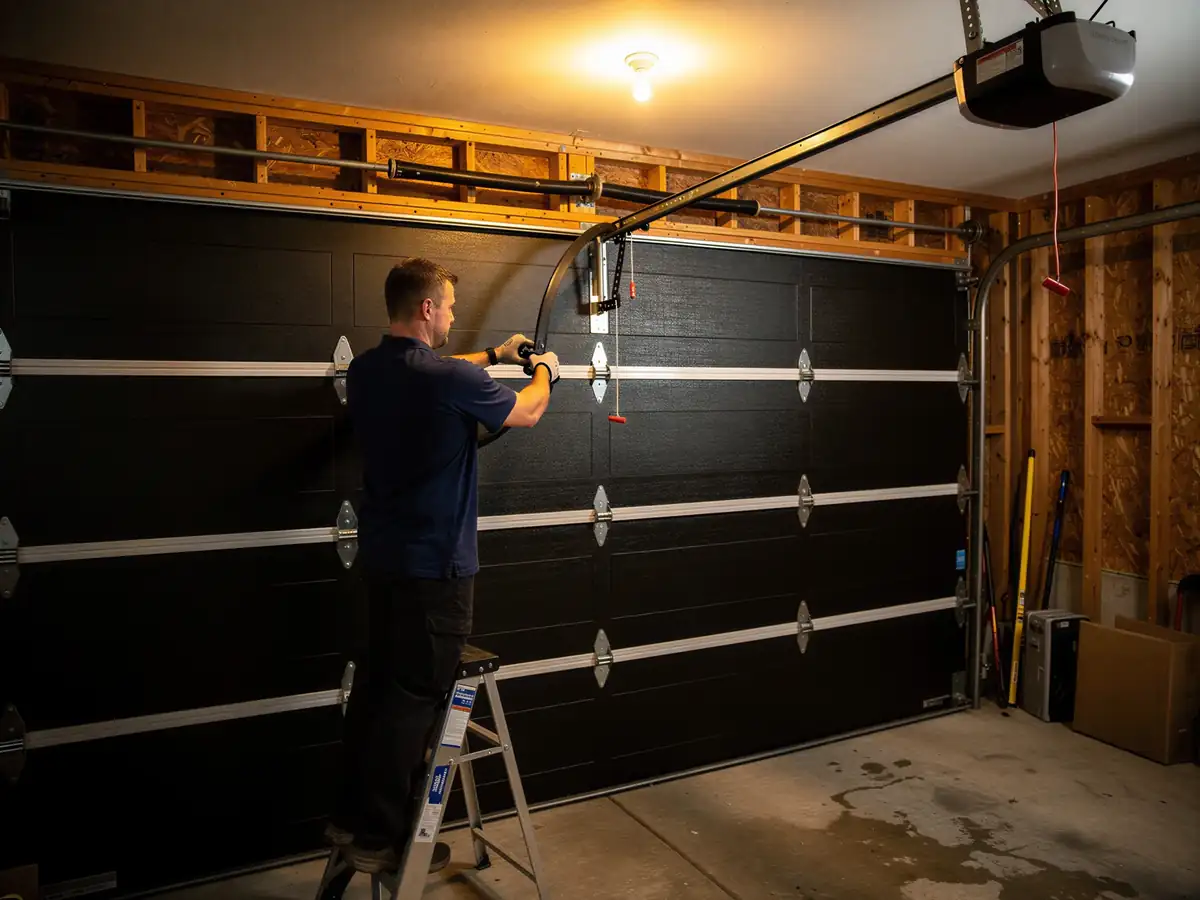
Square the jambs, confirm headroom and backroom clearance, and only then match a door to what the garage can actually take. If the framing is close to square, it's a standard install. If it's out by more than we're comfortable with, we tell you that's extra labor before we start, not after.
For the cold-climate seal issue, we set the bottom astragal and side seals tight to the jamb rather than relying on the door's factory gasket alone
That's the difference between a door that sheds snow and one that lets it in. We travel from Greensburg for the install, 8 miles out, so we schedule the visit around measuring first; we don't show up with a door and hope it fits.
- 8 miles
What Causes It Around Here
The 1956 median build year is the whole story. Garages from that era in Irwin were framed to the standards of the day - narrower bays, lower headroom, single-layer uninsulated panels - and most have had at least one replacement door since, usually matched to the old opening rather than updated to it. Each swap compounds the small misalignments the last one left behind.
Income in Irwin runs a bit higher than the wider service area average, $60,747 against $55,909, and we mention it only because it shows up in the choices people make here: more owners asking for insulated steel over the bare minimum, fewer settling for a like-for-like swap when a proper reframe would serve the house better long-term. That's an observation from the jobs we see, not a sales pitch - a basic door installed correctly still outperforms a premium door hung crooked.
How Long It Takes
A standard install on a square opening is a single visit. Add a reframe for an out-of-square 1956 jamb, or a non-stock panel size ordered to match a narrow opening, and the job splits into a measure visit followed by an install once the door arrives - lead time on a custom-width panel runs longer than a stock size, and we won't promise a date before the order's confirmed. We're honest about that gap rather than guessing a timeline to sound good on the phone.