Stocked Parts
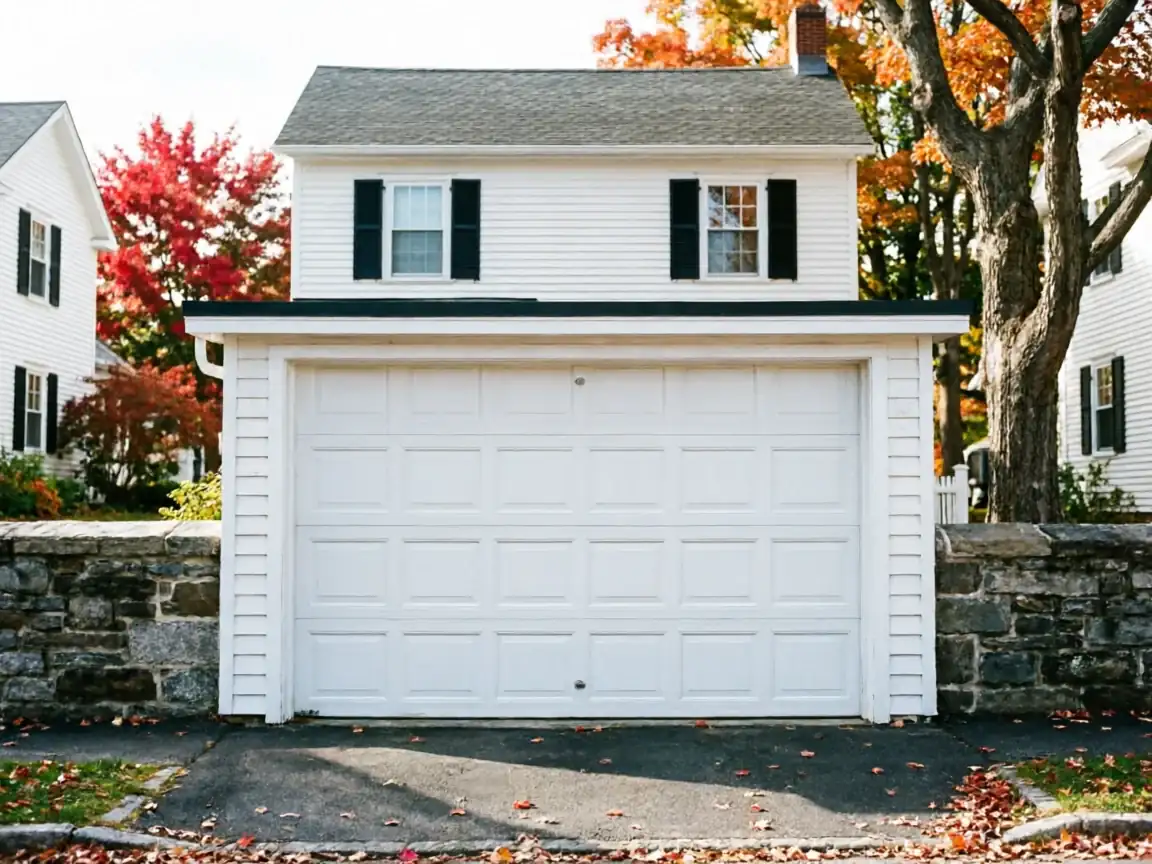
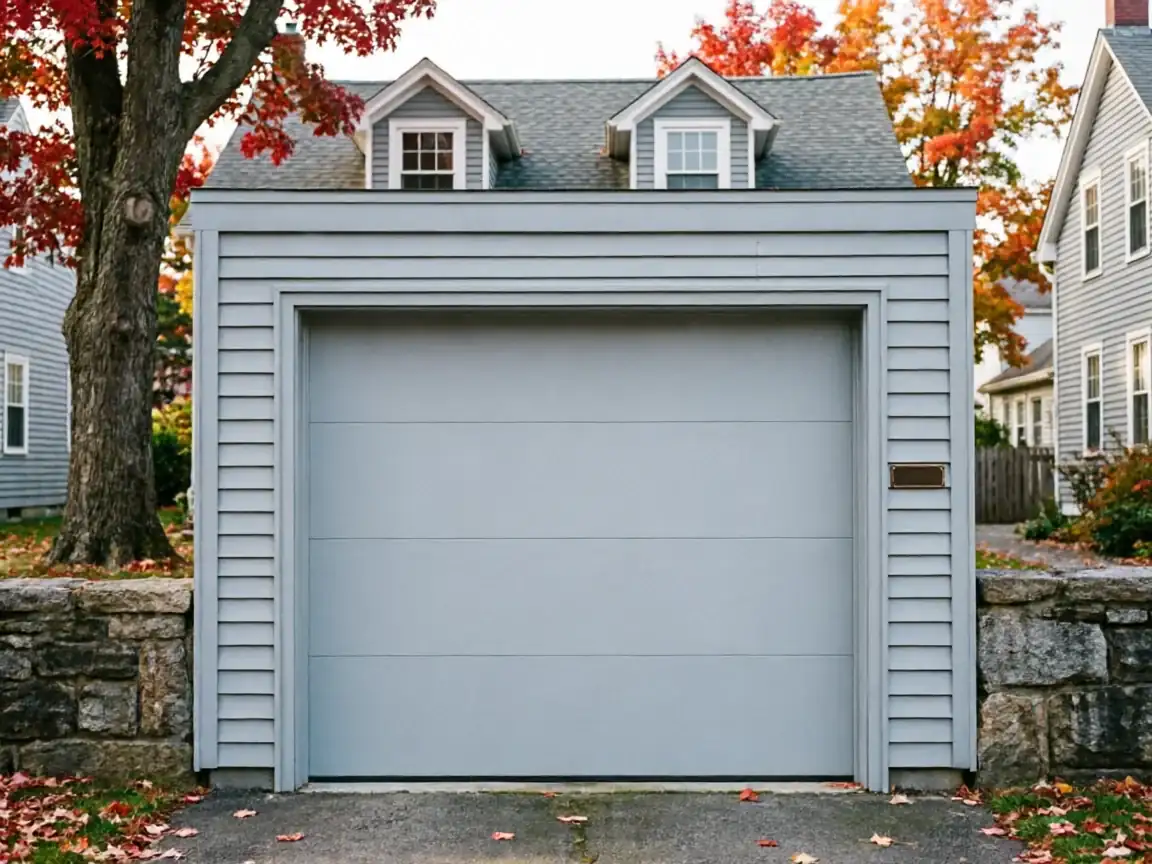
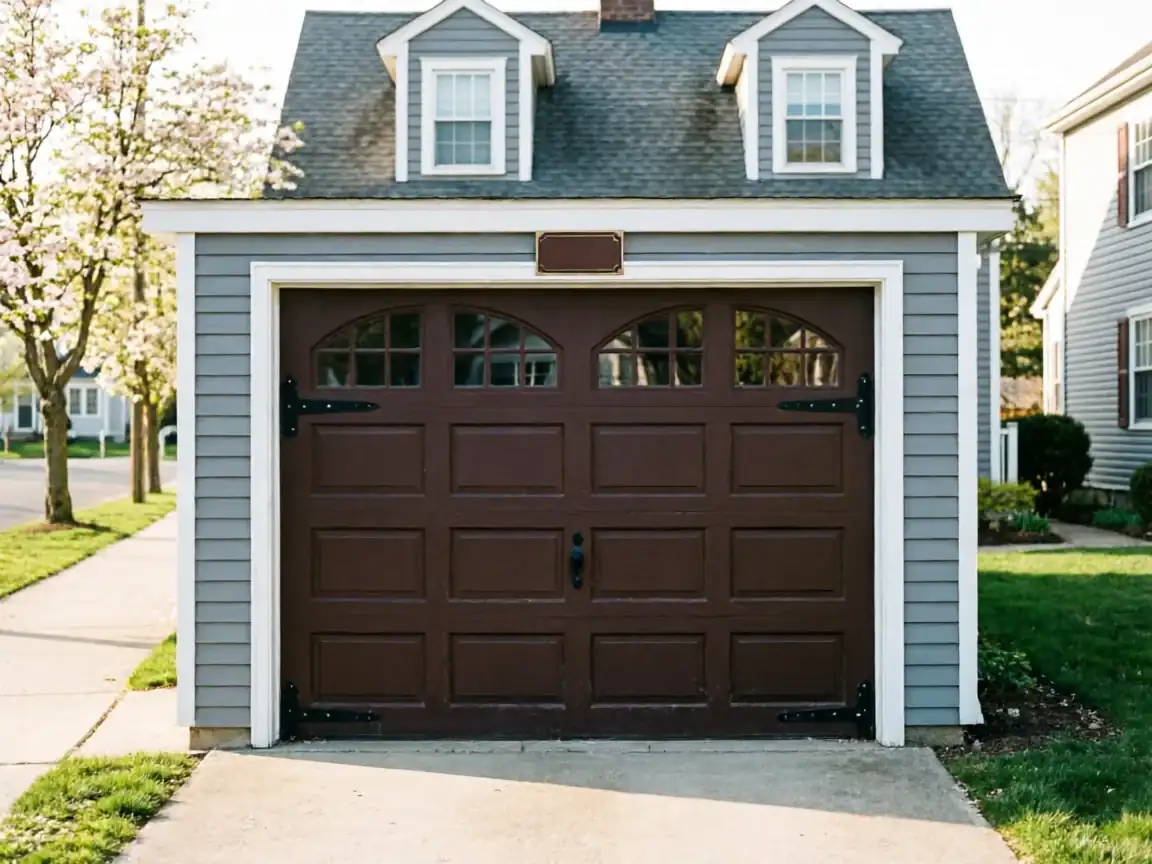
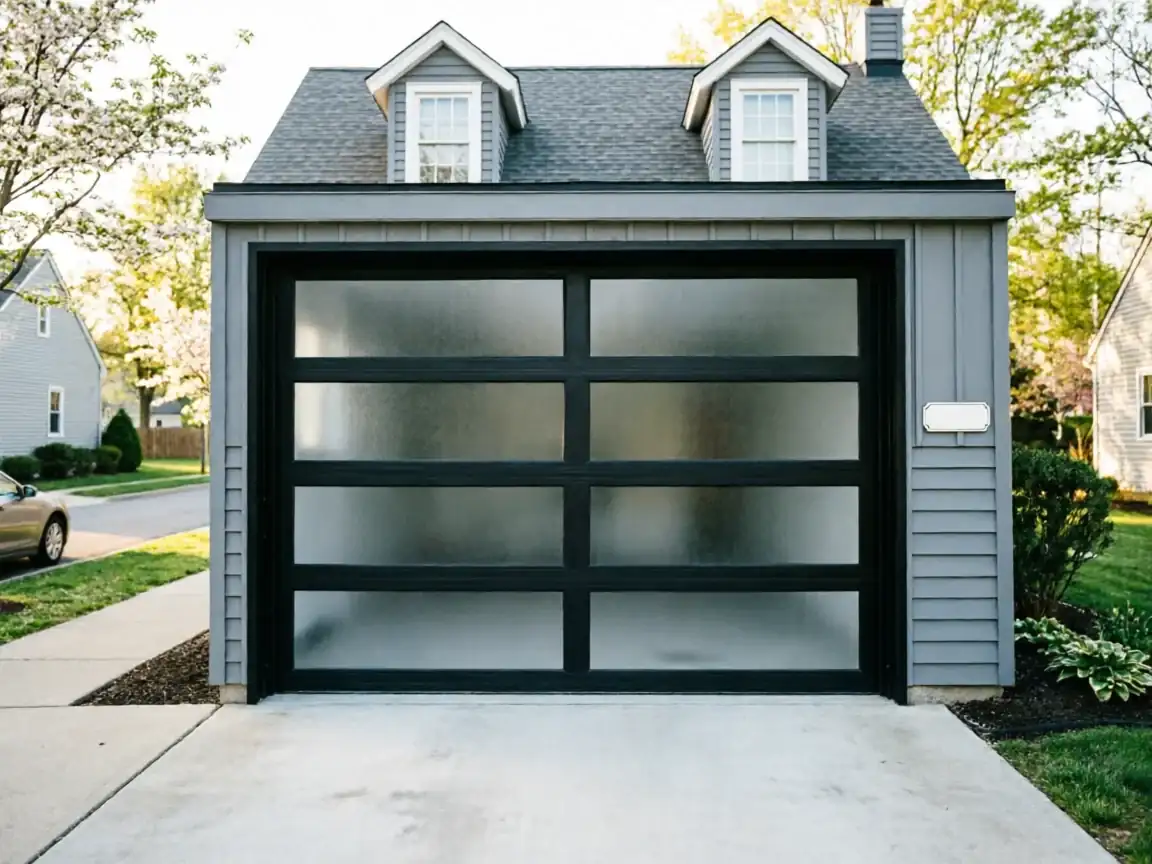
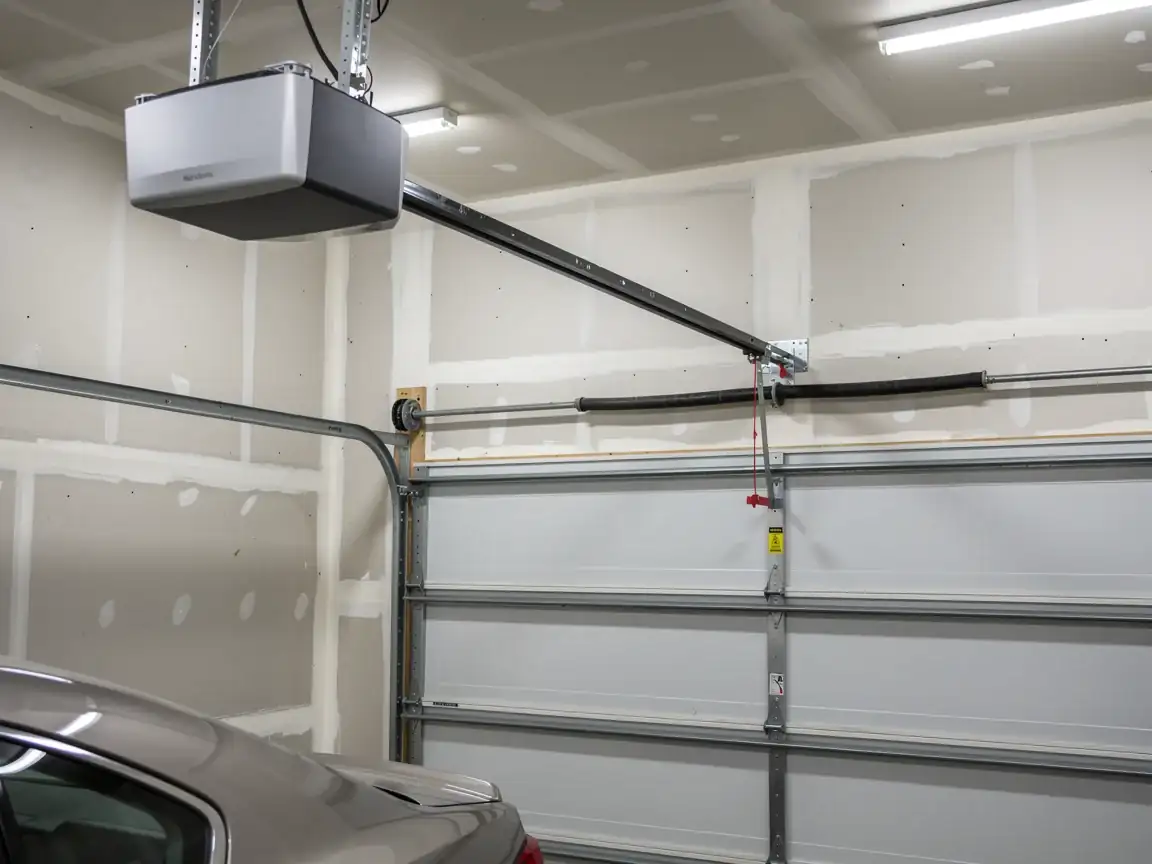
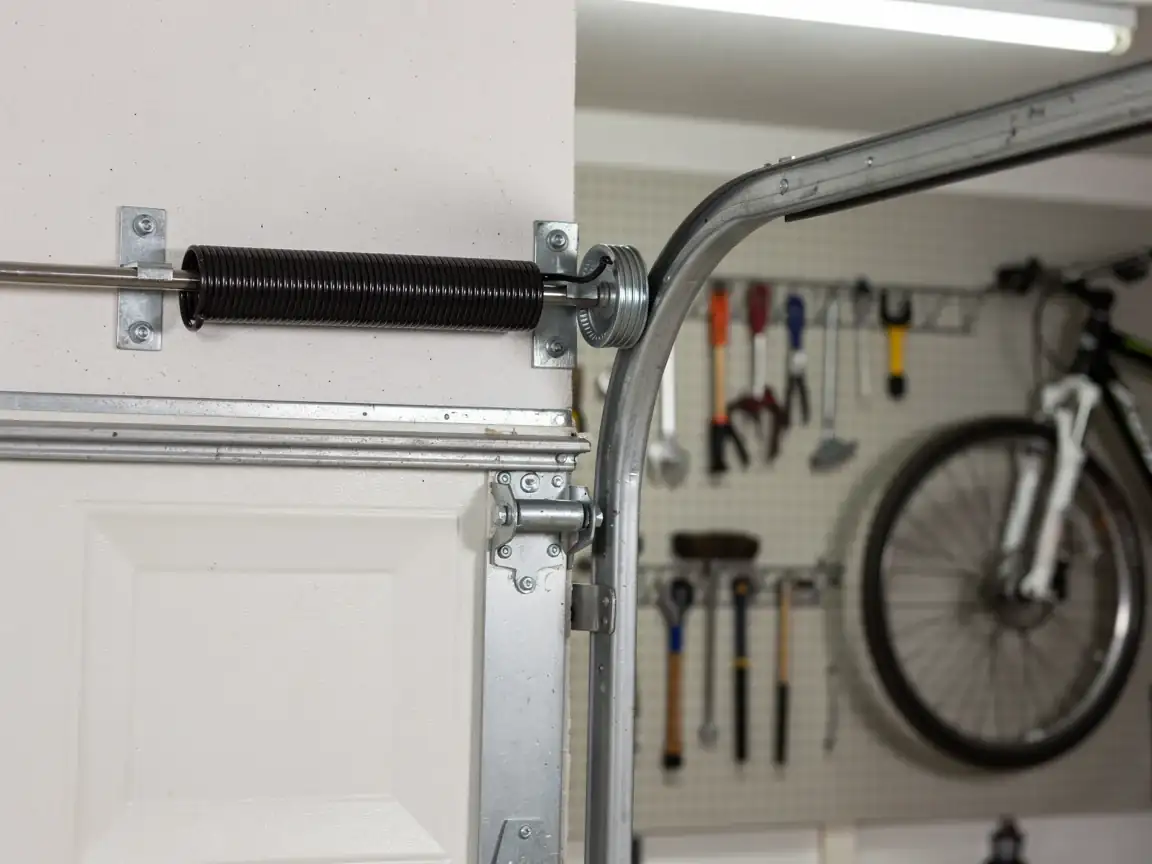
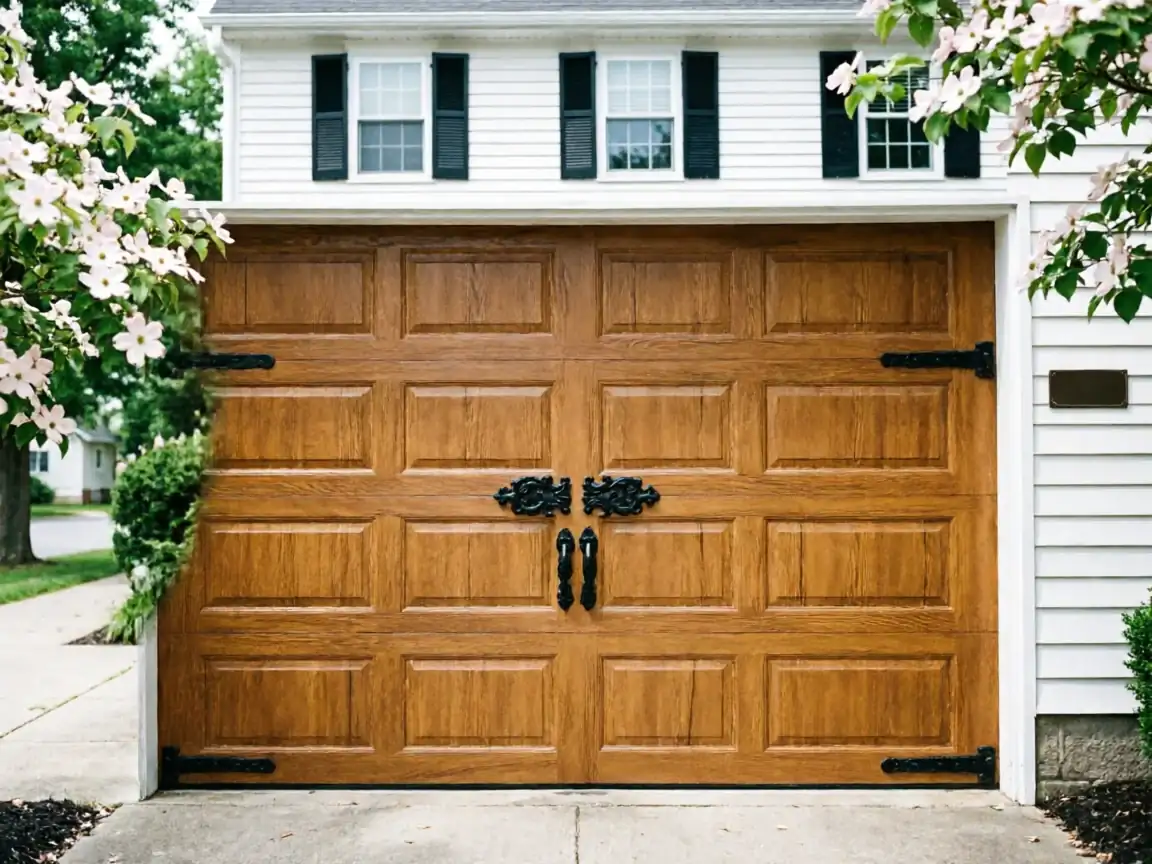
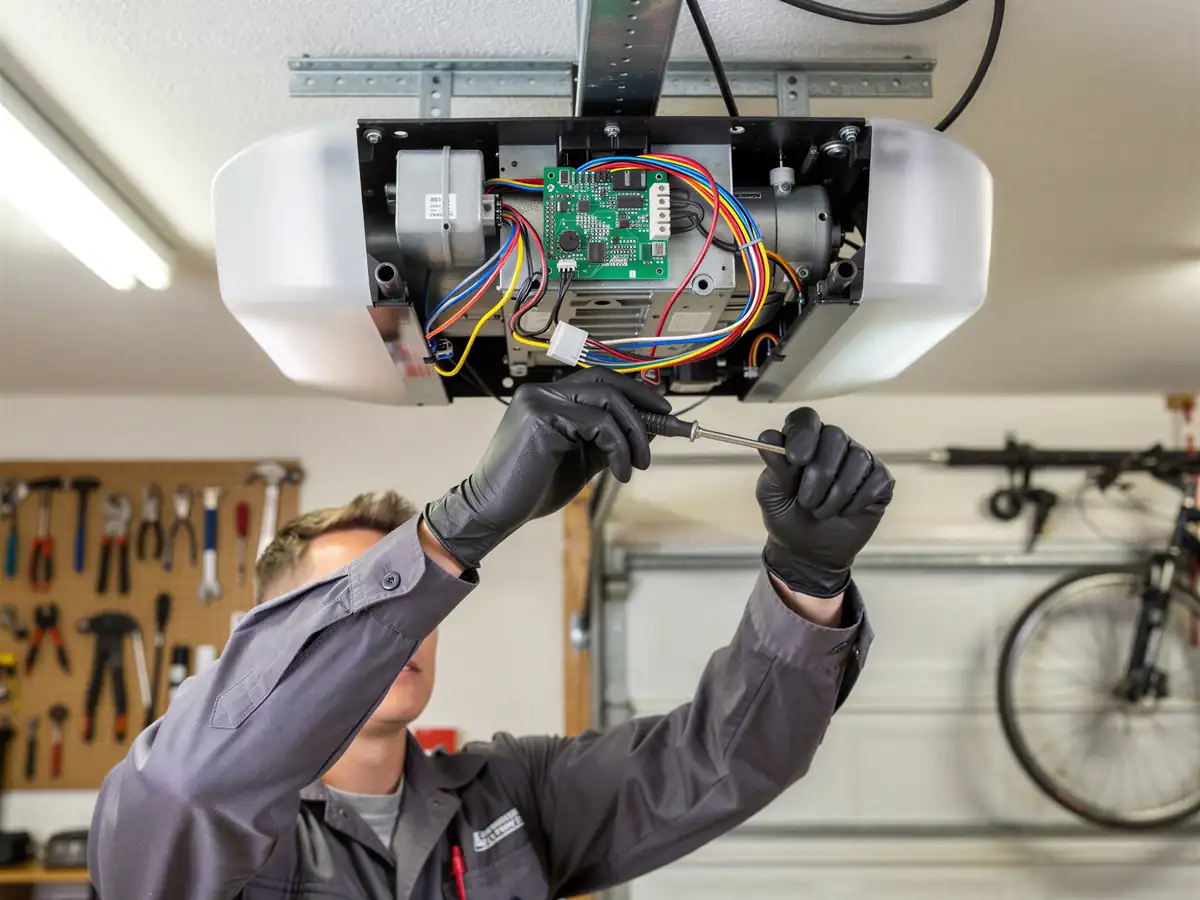
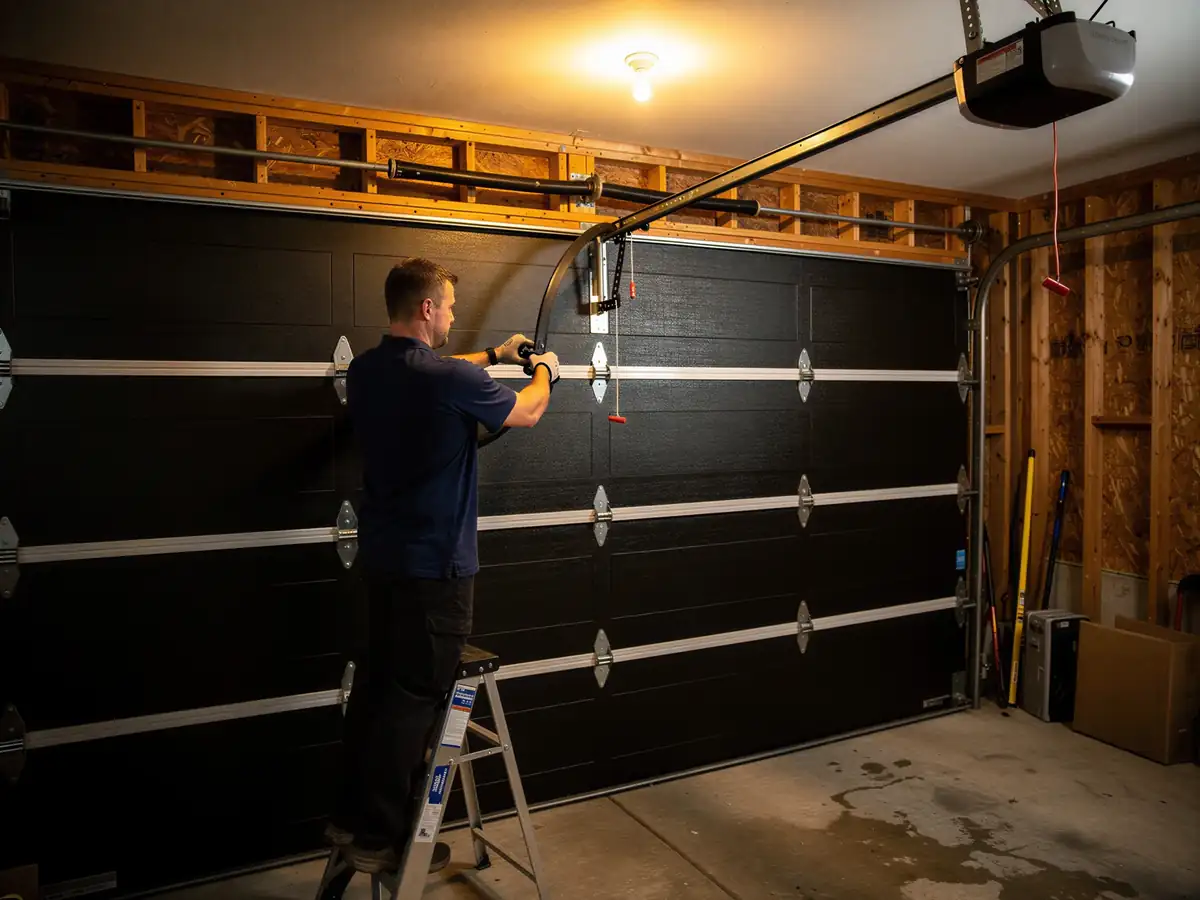
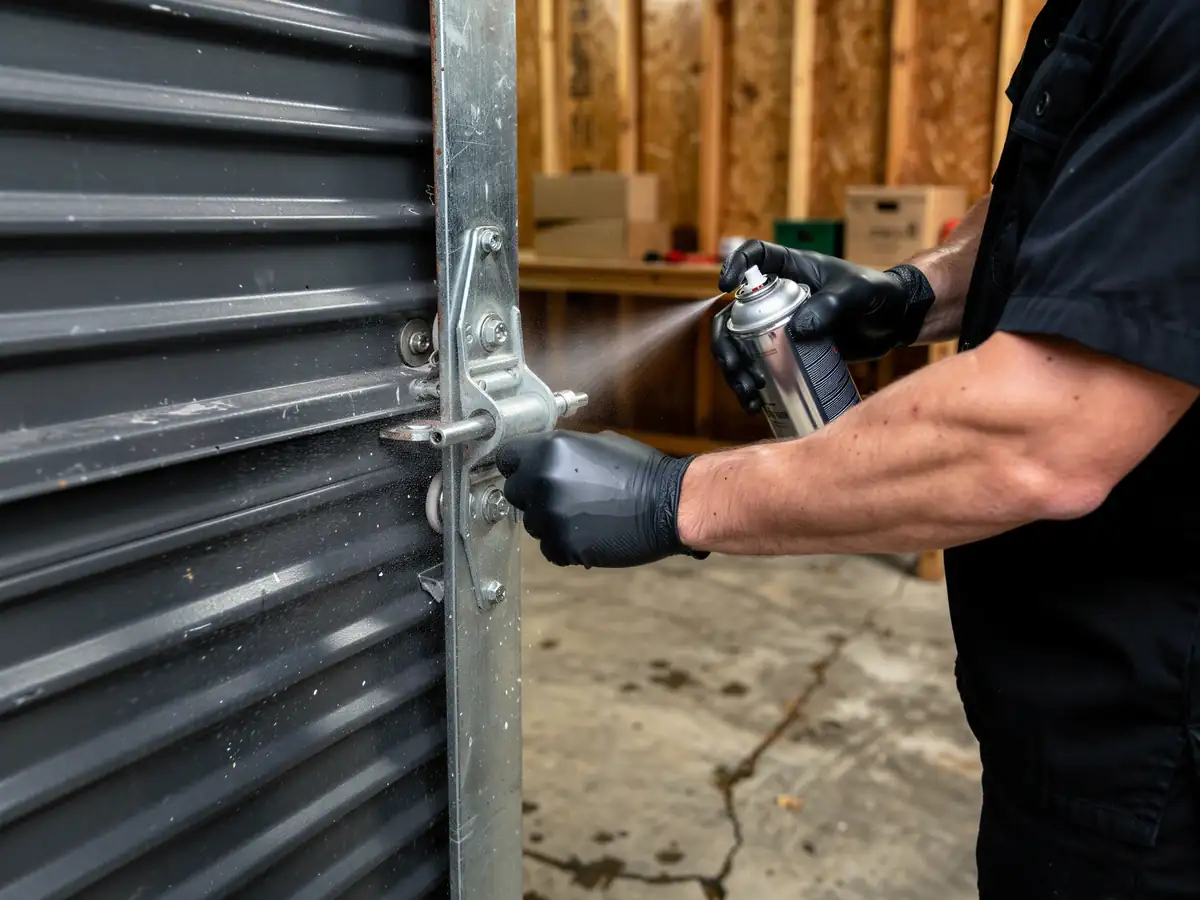
Irwin sits eight miles from our Greensburg shop, close enough that a panel job doesn't turn into a parts-chasing exercise. That distance matters more than it sounds: we load the truck with what the job needs before we leave, because driving back for a part costs the whole afternoon, not just the trip. Irwin's housing mostly dates to the 1950s (median build year 1956 here), so the doors we're pulling panels from are usually steel sectional units on older track hardware, sometimes with hinges and rollers that don't match anything sold today. We carry standard-width steel panels in the common finishes and the hardware that fits 1950s-era sectional doors - hinges, end stiles, roller brackets. What we don't stock is a wood panel to match an original carriage-style door from that era; those are special-order and we'll tell you that up front rather than promise a same-day fix.
What Can Go Wrong
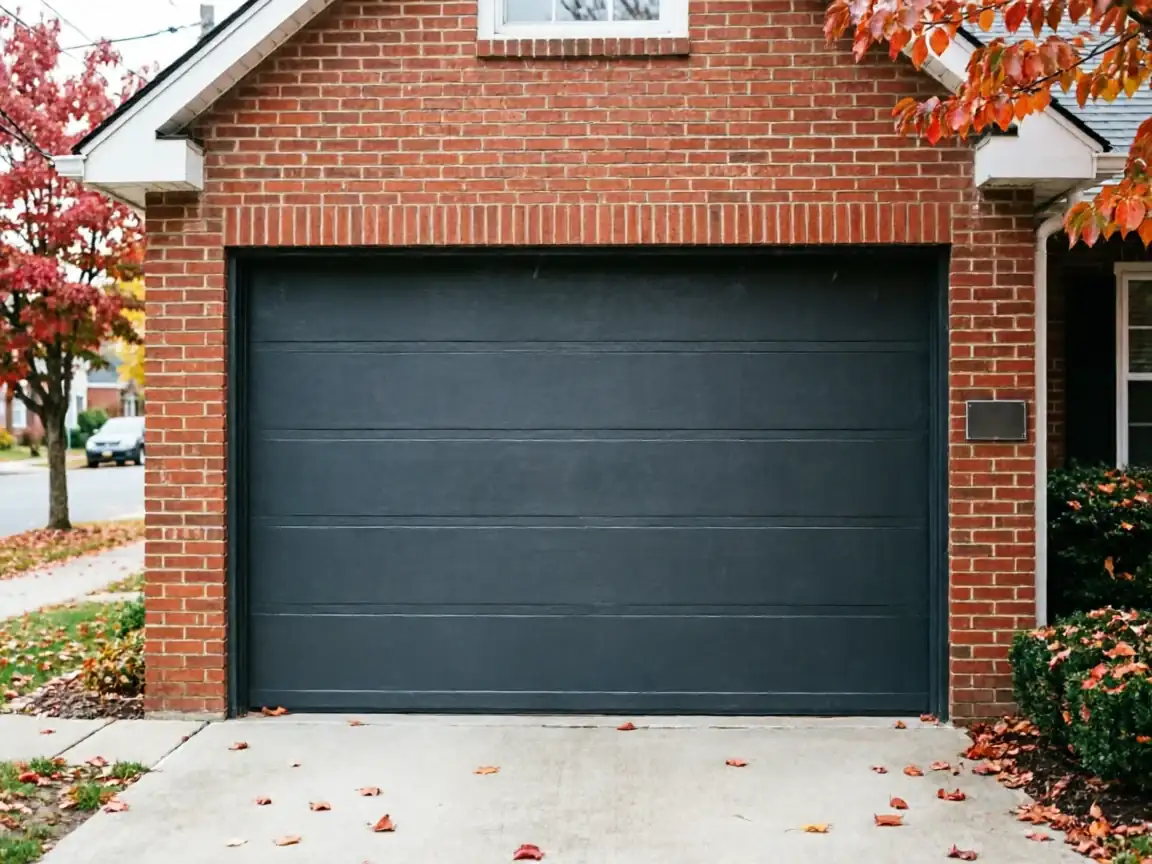
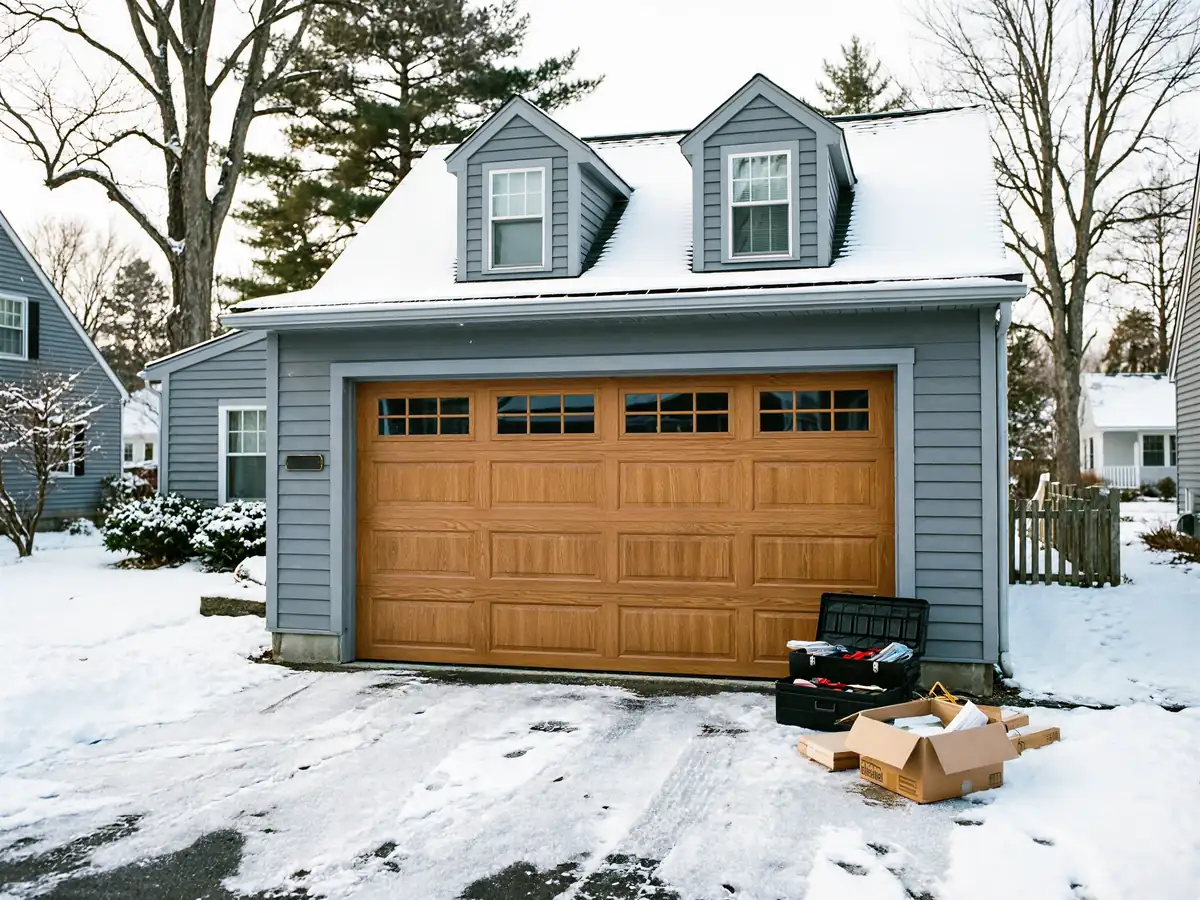
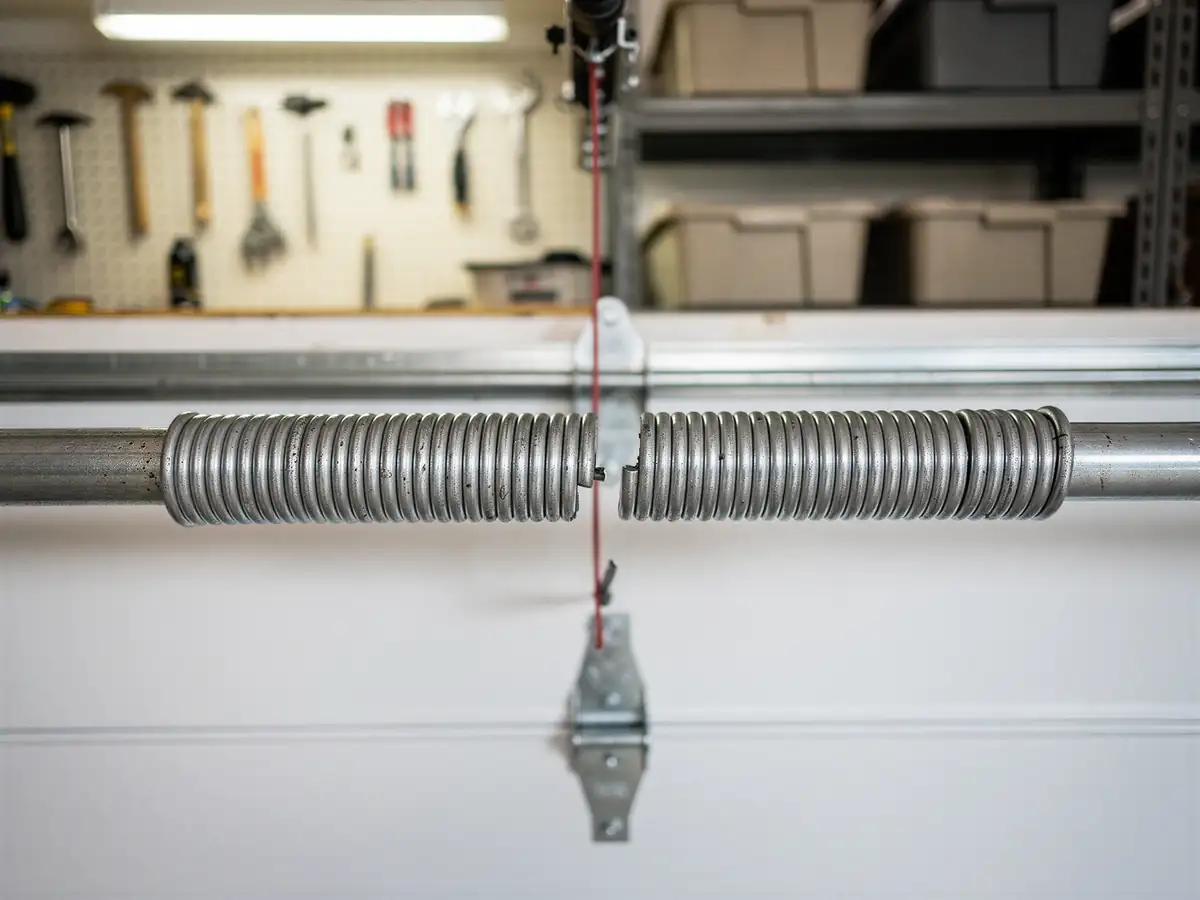
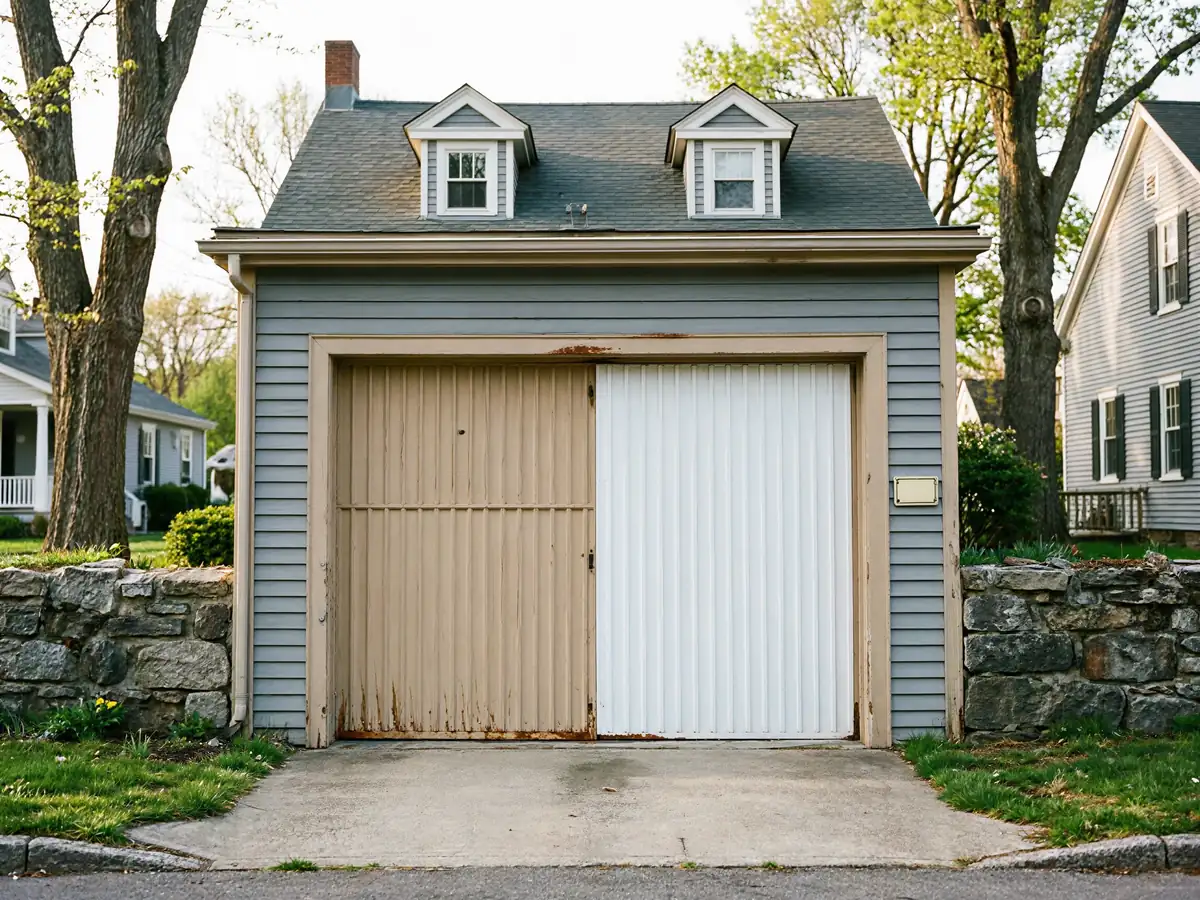
On a house built around 1956, the usual failure is a dented or rusted-through bottom panel - the one that takes the brunt of plows, trash cans, and a kid's bike. On doors this old, the panel itself might be fine but the track it rides in has worn enough that a new panel won't sit flush without adjustment. We also see cracked panels where a previous owner replaced one section decades ago with a slightly different gauge steel, creating a weak seam that fails again under cold-weather contraction. With Irwin's winters falling into the same severe cold band as the rest of our service area, steel panels that have already flexed once tend to crack along the same line the following January, not randomly.
What Causes It Around Here
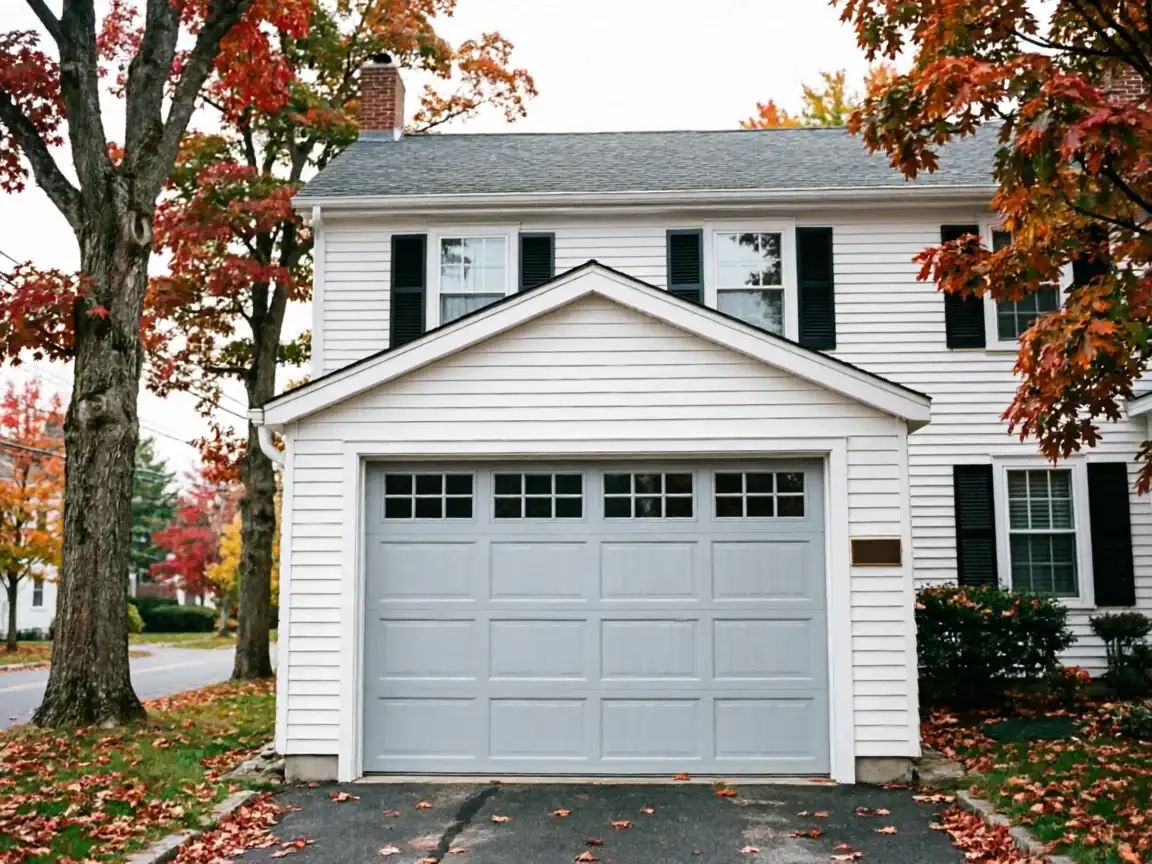
Irwin's building stock lines up with the broader pattern across this service area - mostly pre-1960 construction, with a median build year of 1956 here specifically. Garages from that period were built for cars half the width of what people park now, and the doors on them have taken fifty-plus years of mirrors, bumpers, and trailer hitches clipping the bottom corner. Add the area's severe cold winters, where steel contracts and expands through repeated freeze-thaw cycles, and small dents turn into stress cracks faster than they would in a milder climate. Household income here runs higher than the wider service area average ($60,747 versus $55,909 regionally), and we see that reflected in more owners choosing to replace a single panel properly rather than patch it with sheet metal and hope.
How Long It Takes
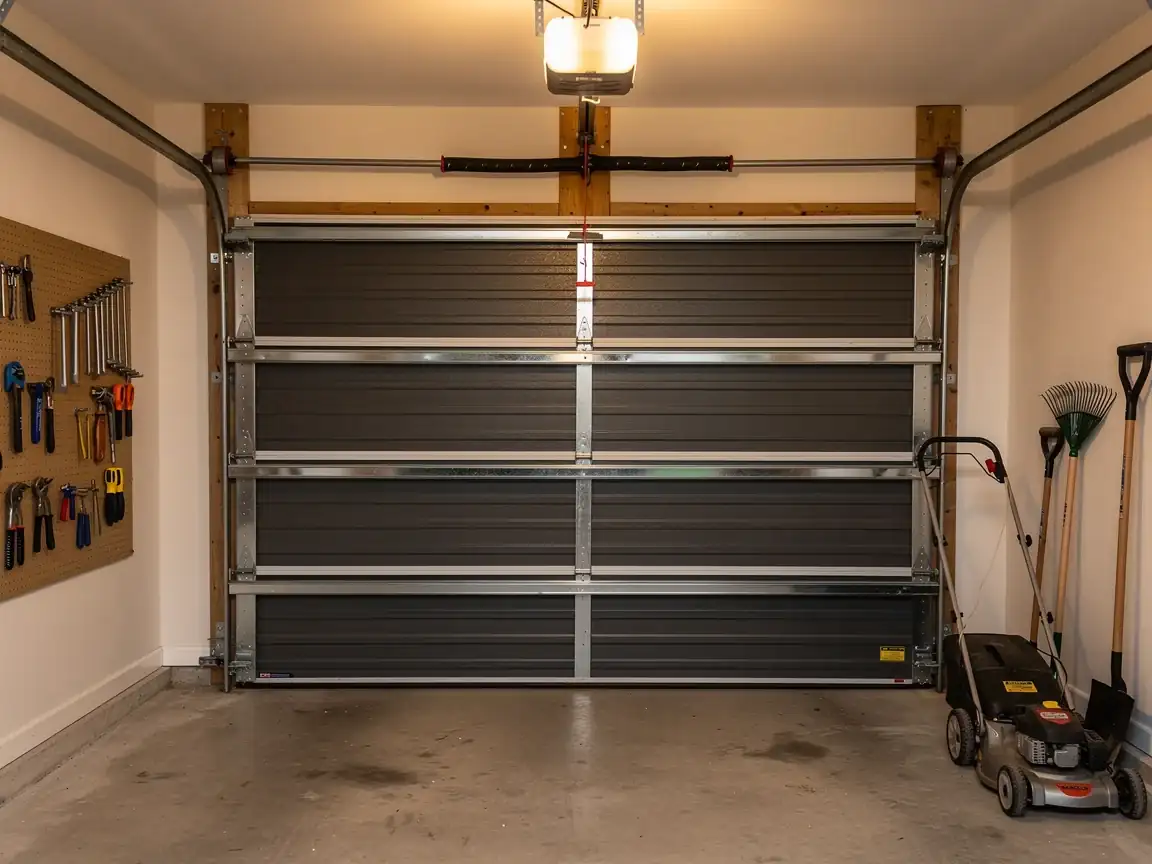
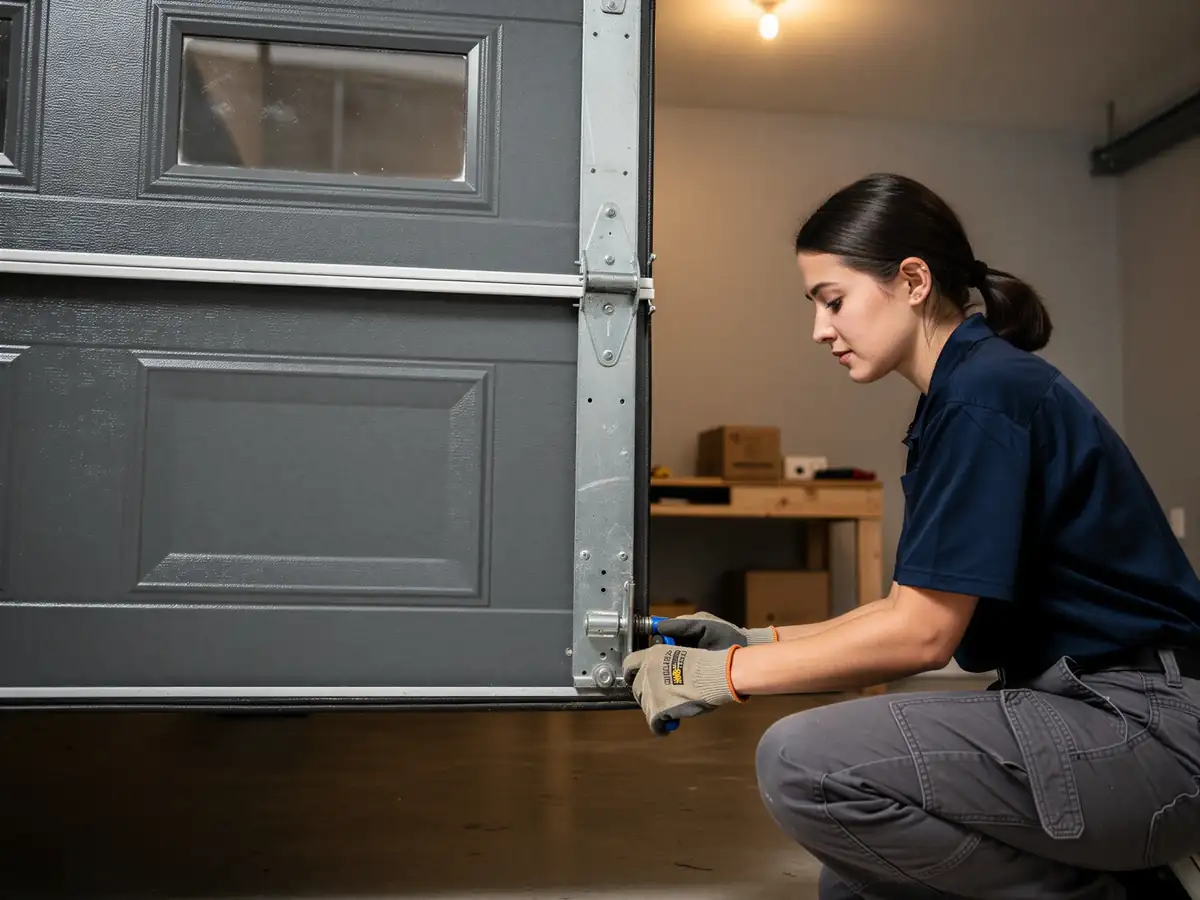
A single-panel swap on a standard sectional door, with the part in hand, is usually finished within a couple of hours once we're on site. The variable isn't the labor - it's the part. If your door takes a common panel size we already carry, the job happens on the day we show up. If it's an older or odd-width section specific to a 1950s-built house, we order it and schedule the install once it arrives; we won't guess at a timeline we can't back up. Either way, the eight-mile drive from Greensburg doesn't add meaningfully to the job itself, it just means we plan the trip with the right parts loaded rather than making two runs.