How Long It Takes
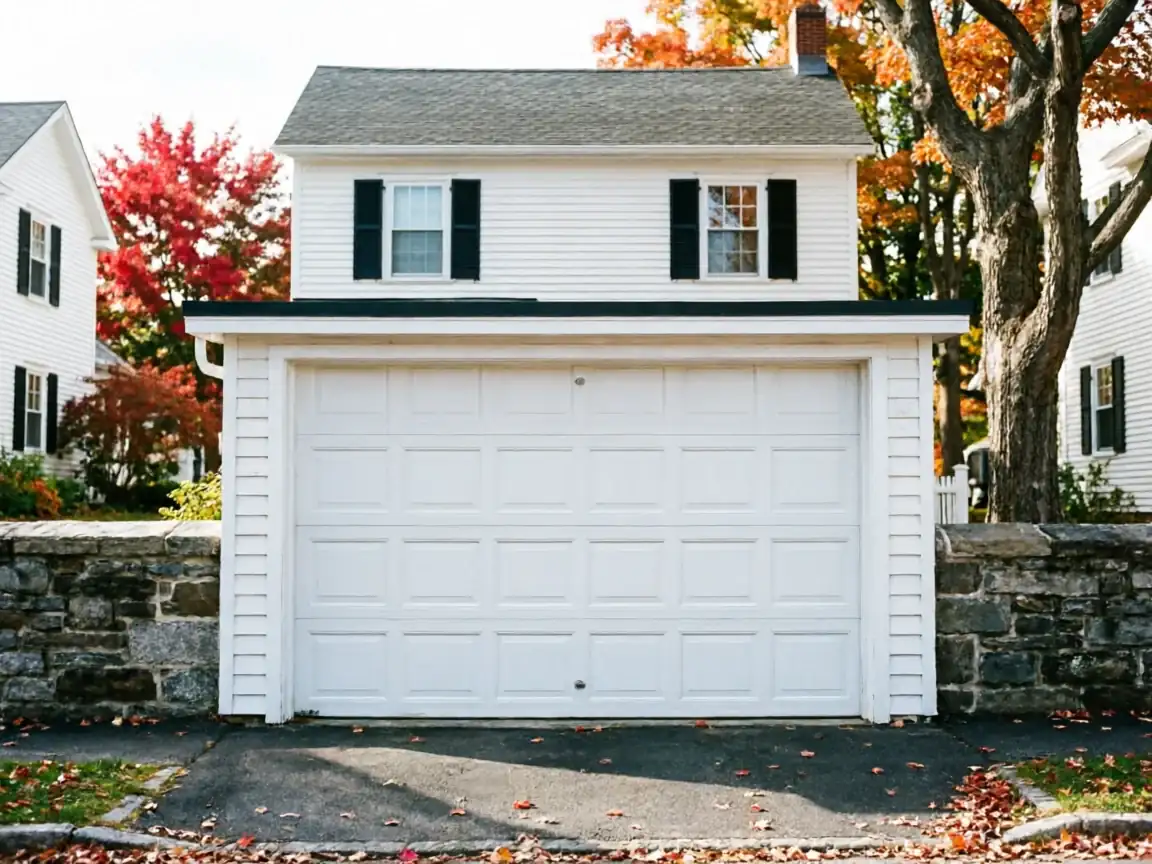
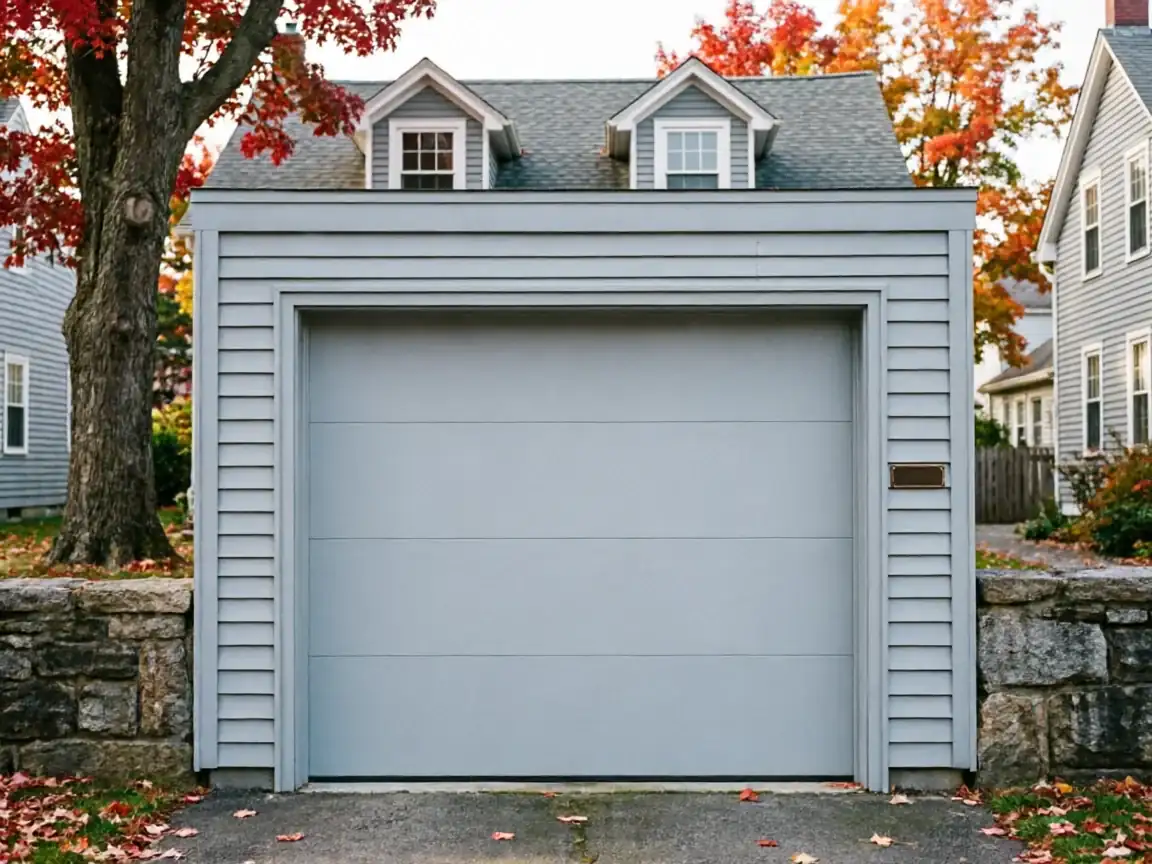
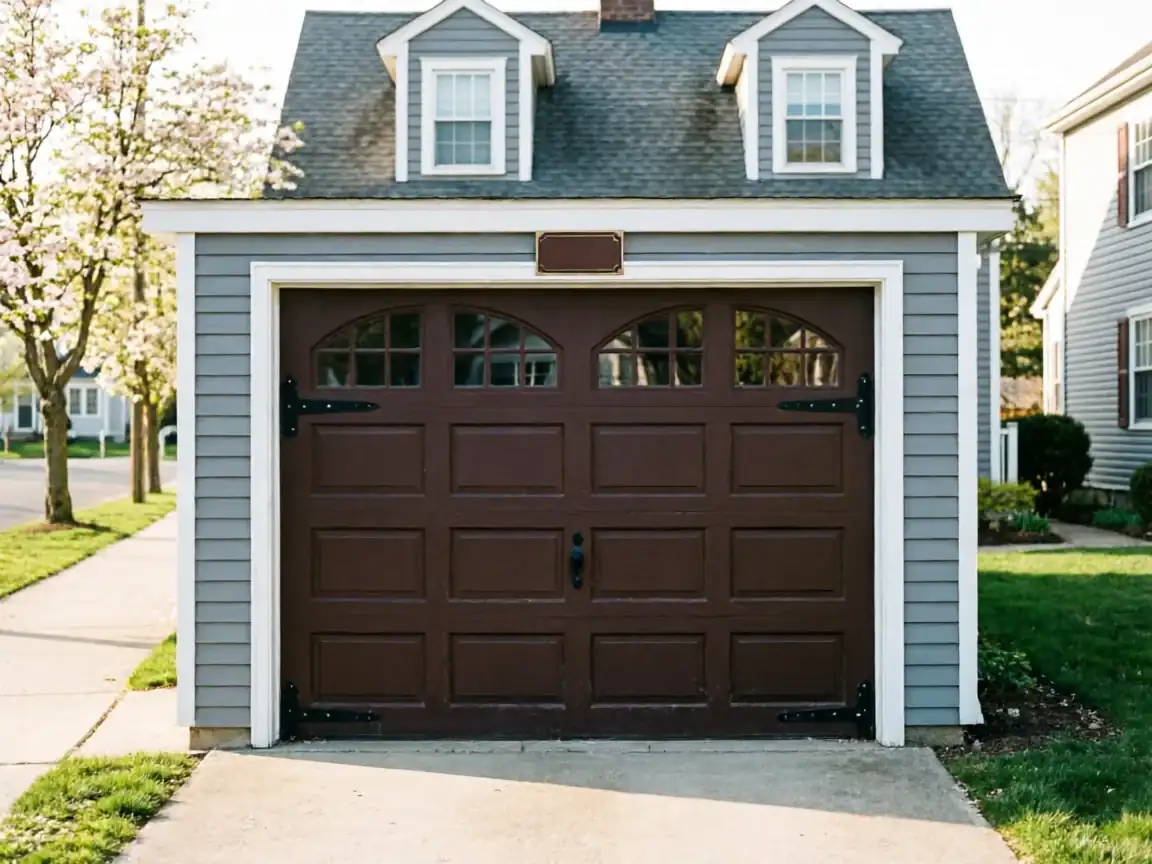
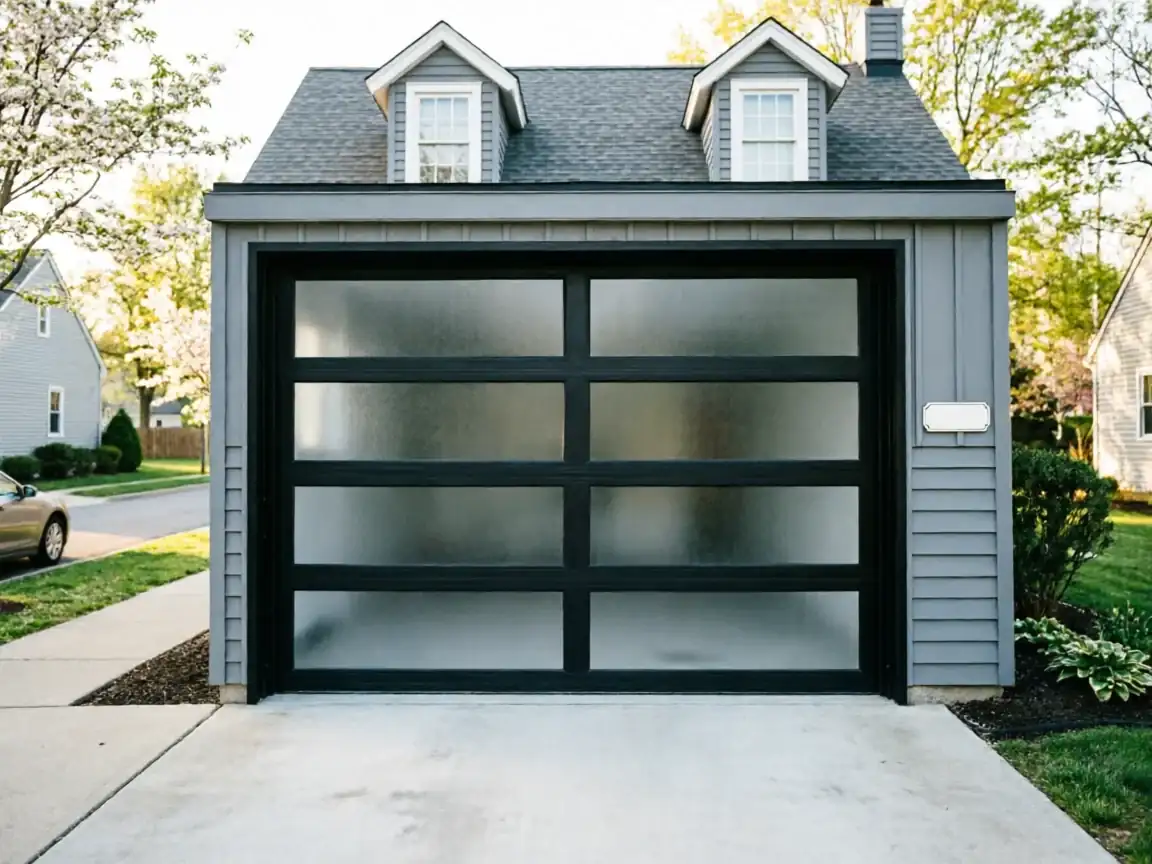
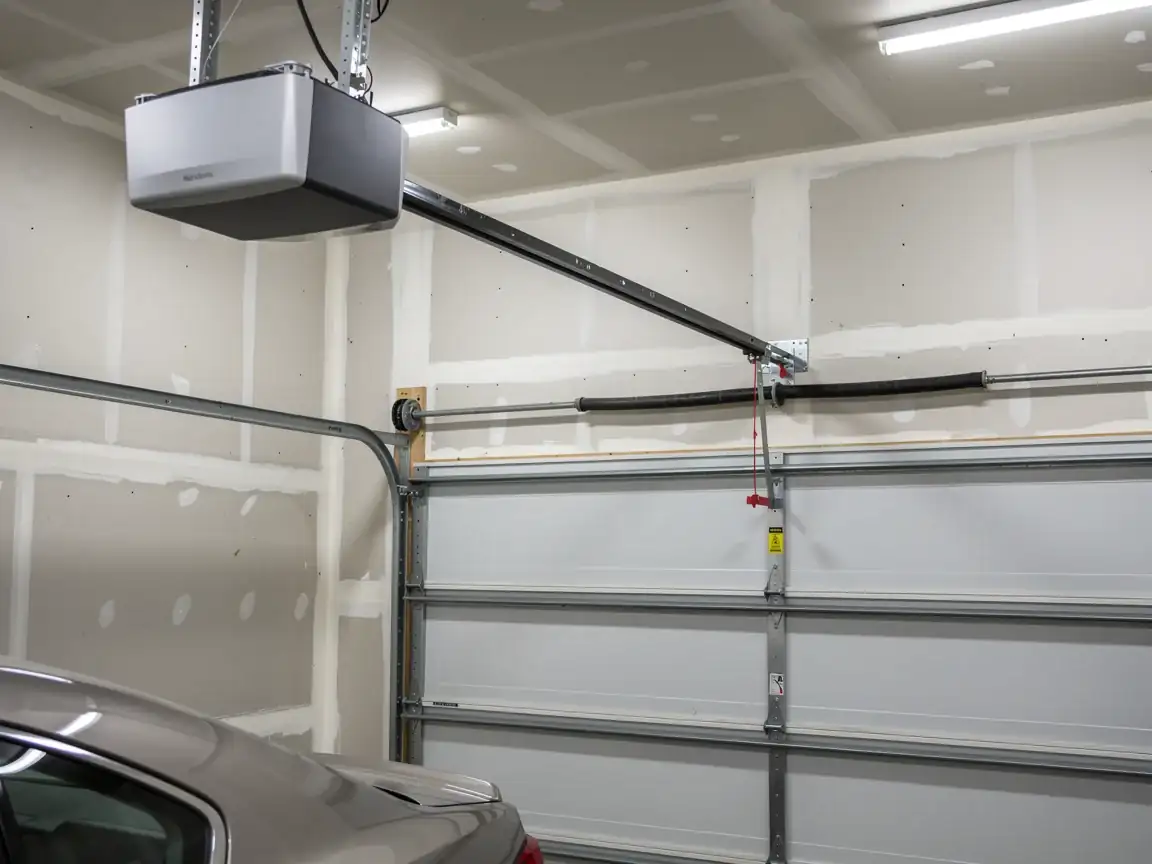
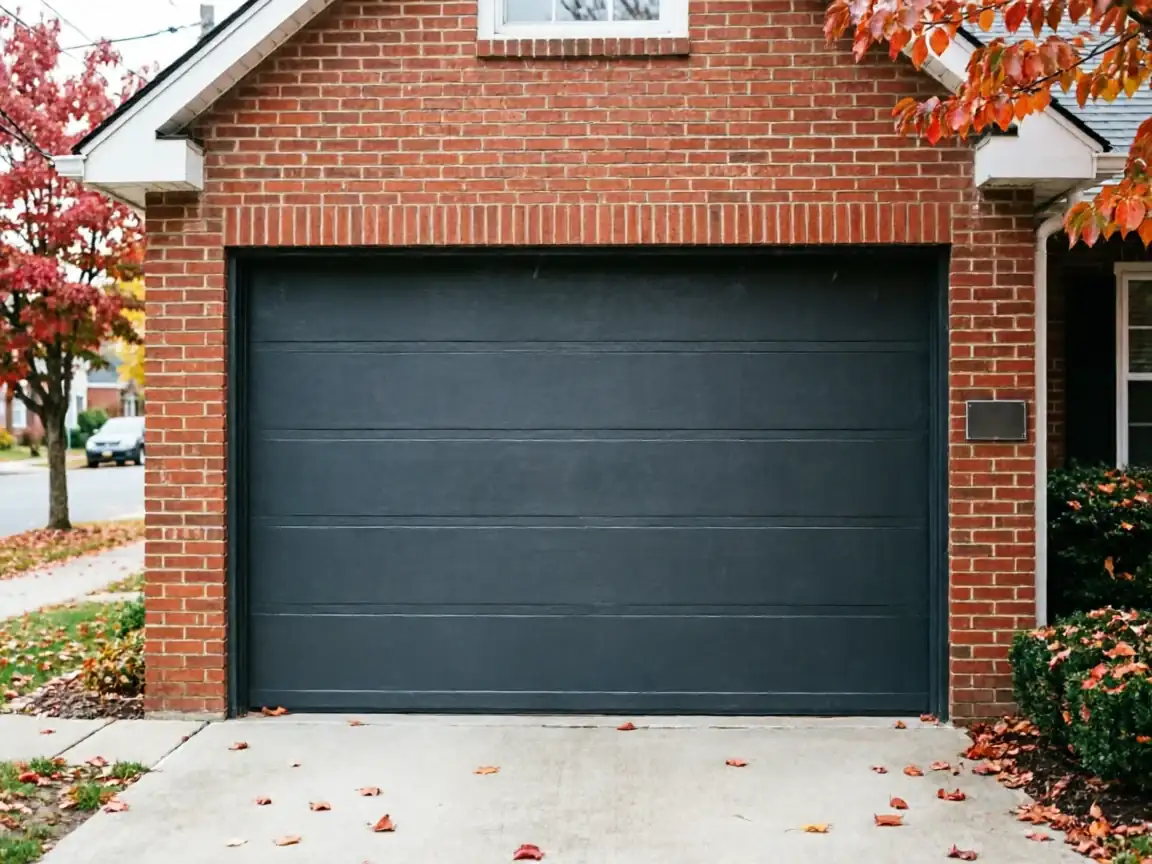
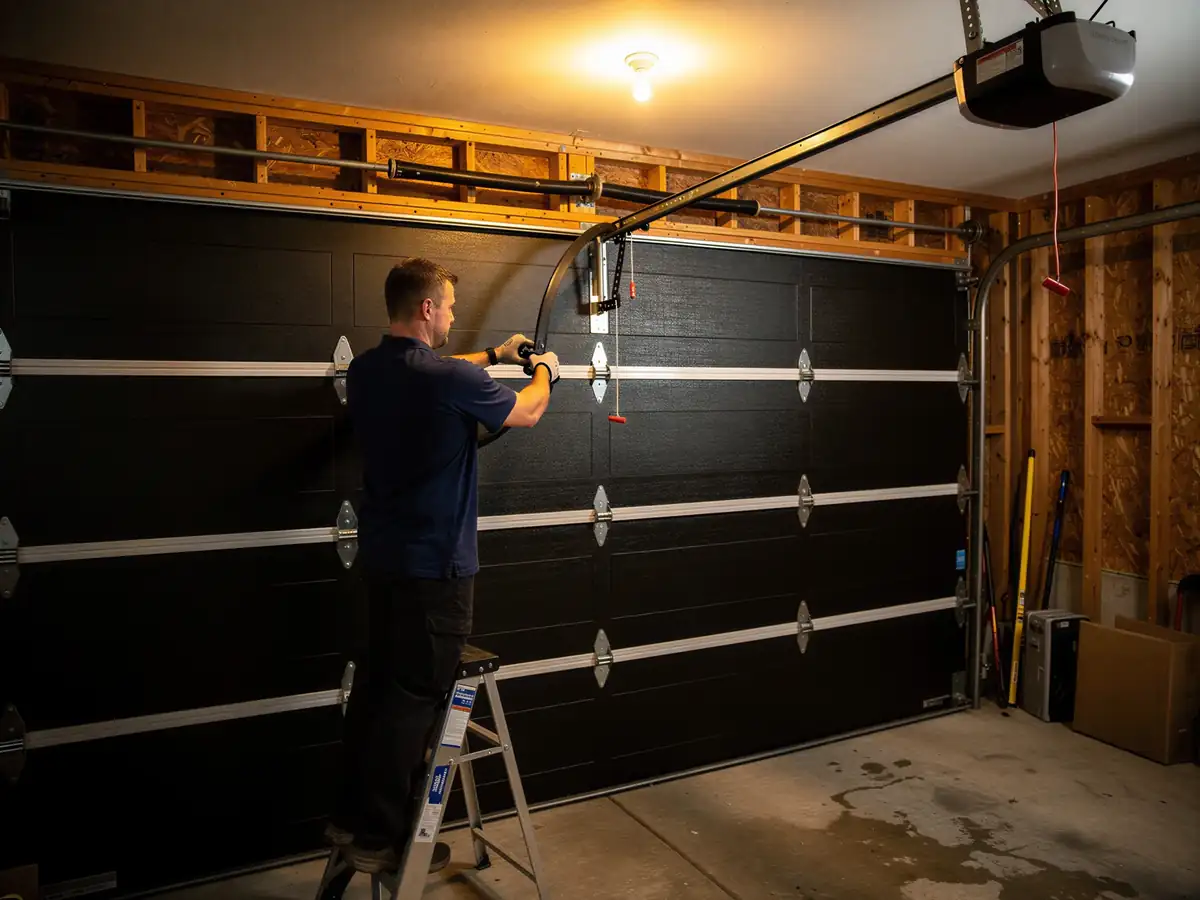
Manor sits about 7 miles from our shop in Greensburg, and that's the first thing to know about scheduling here - we're not based in Manor, we drive to it. We don't quote a same-day window as a blanket promise because truck load and the day's calls across the rest of the service area decide that, not distance alone. What we can tell you is that Manor's housing stock is younger than a lot of what we see closer to Greensburg. Median year built here runs around 1985, well past the 1938-1950 era that dominates the older boroughs on our list. That matters for the job itself: a 1985 door system usually means a chain-drive opener from the first wave of residential automatic openers, not the manual doors we're still pulling springs on in older housing stock nearby. Fewer original hand-crank systems, more first-generation electronics that are now pushing 40 years old and well past any manufacturer support. With only 1,283 households in Manor, it's a smaller pocket than most of the named areas we cover, so we're not running multiple trucks through it in a day - one call usually means one trip, planned around where else we're already headed.
What Causes It Around Here
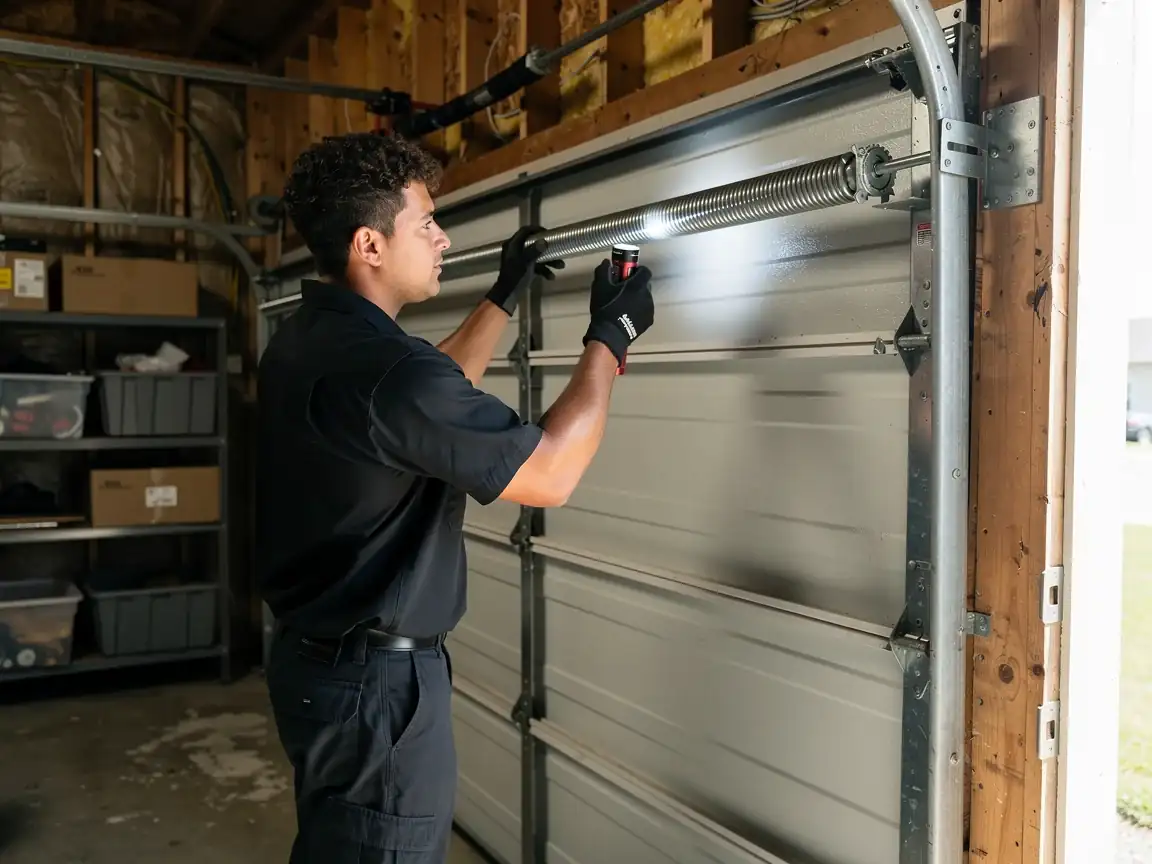
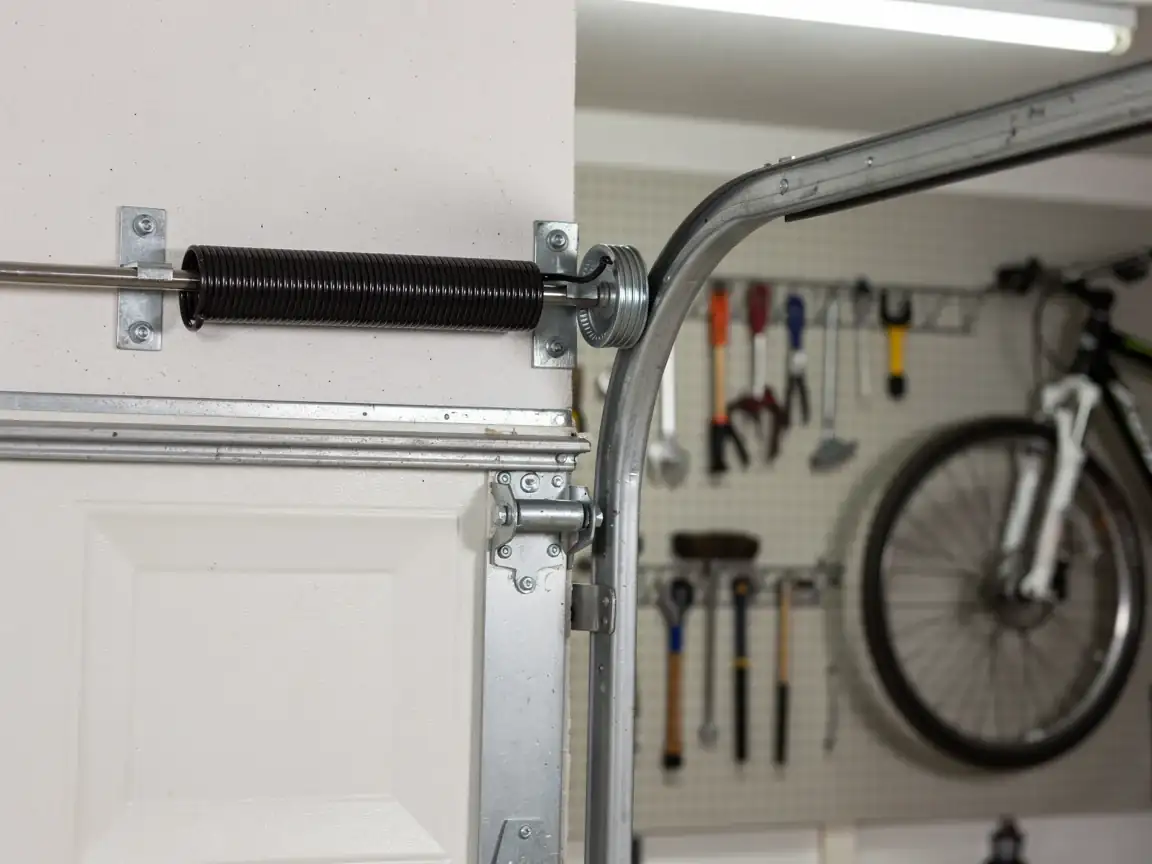
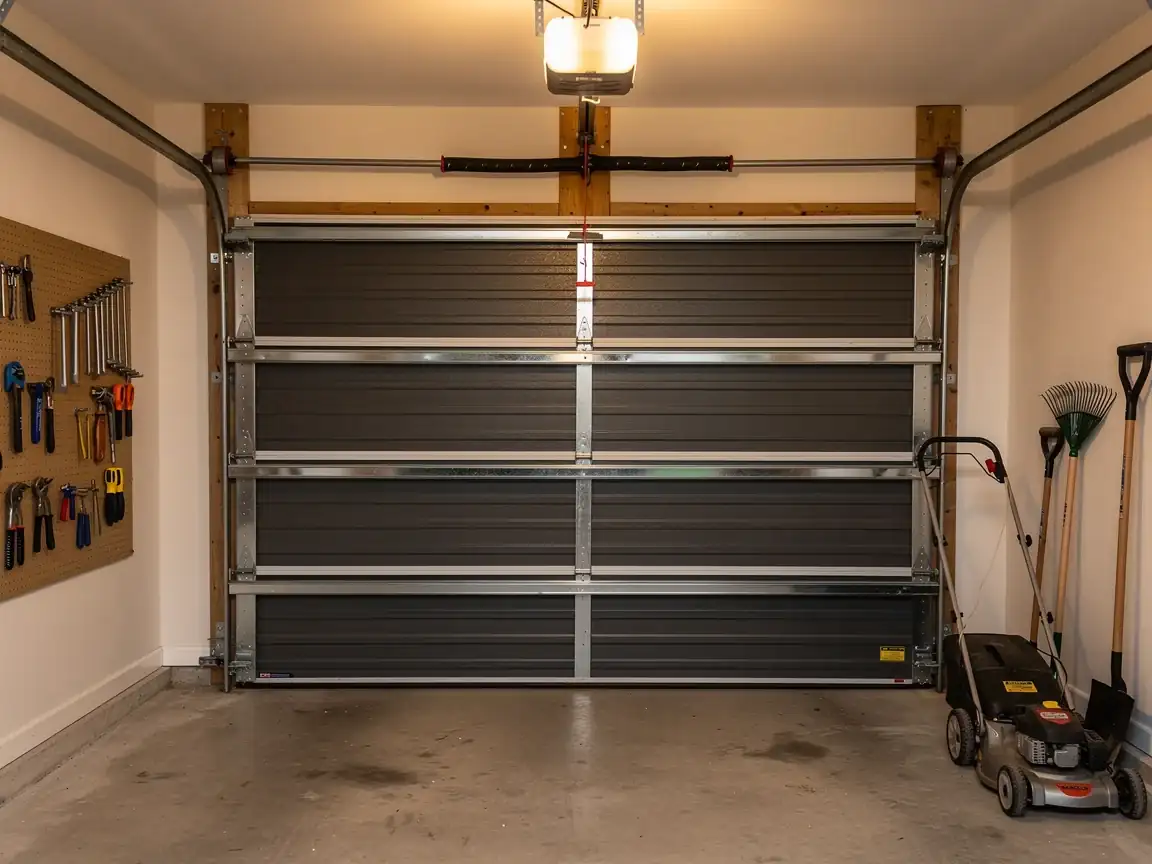
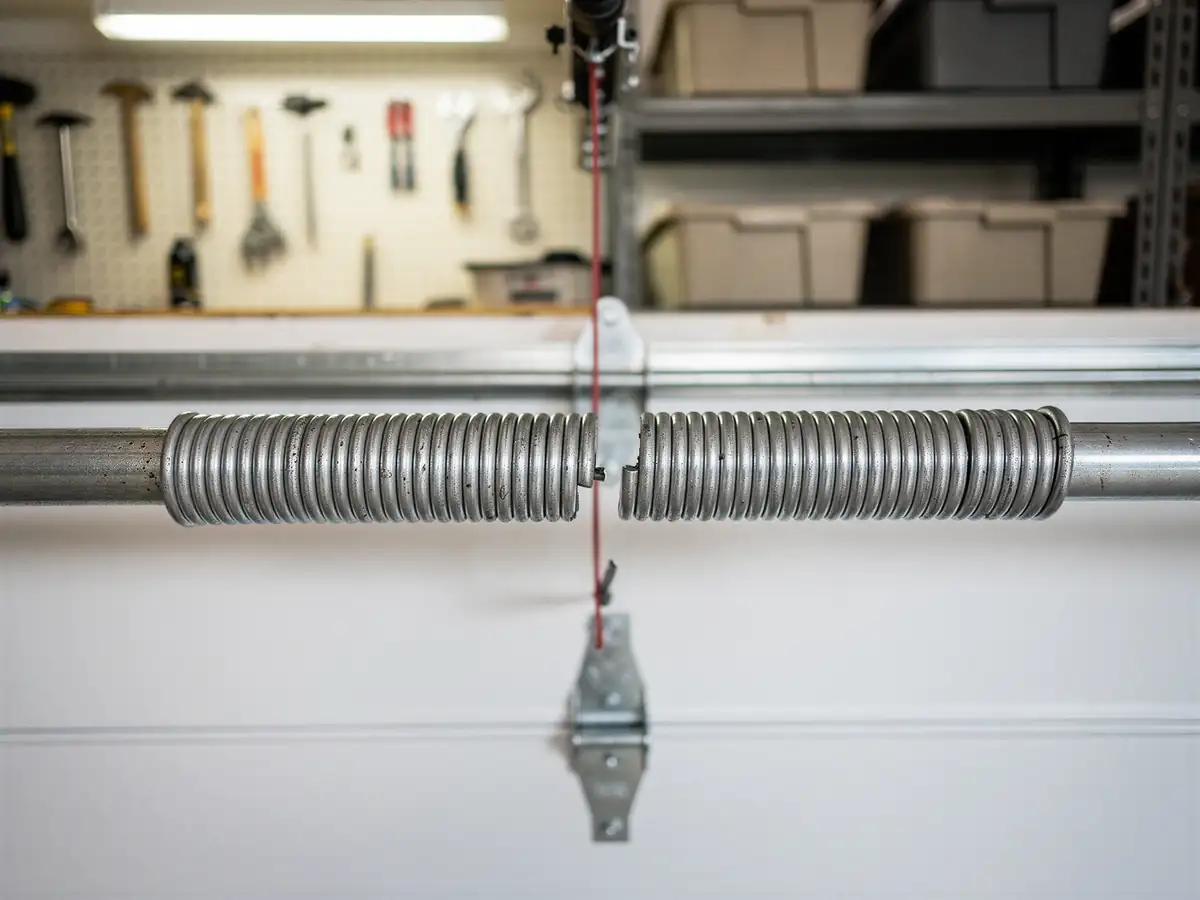
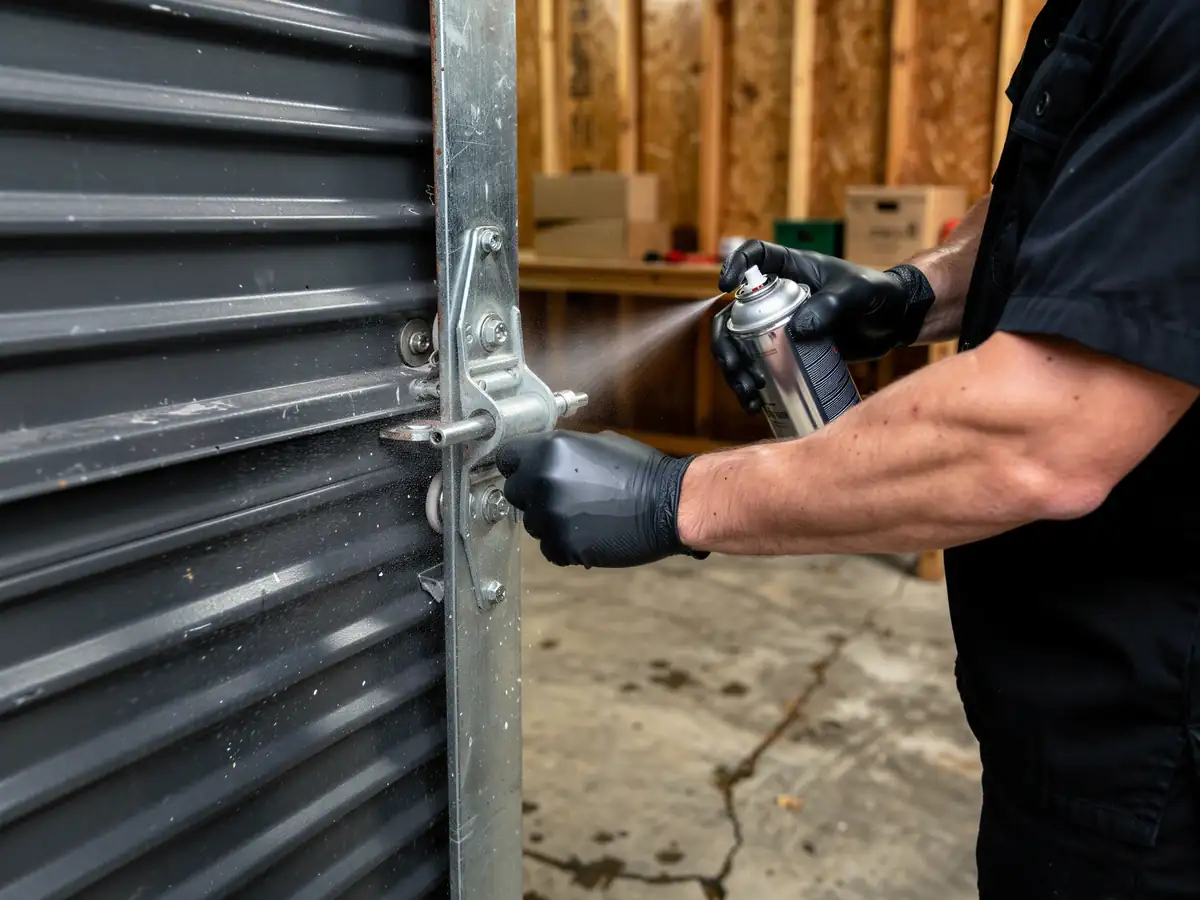
Winters here fall in the same cold-severe band as the rest of the region, and that doesn't change door to door - a steel panel contracts the same whether the house went up in 1950 or 1985. What does change is what's inside the door. A 1985-era build is old enough that the original torsion spring, if nobody's touched it, is well past its rated cycle count. Springs don't care about the house's resale value; they care about cycles and cold. Manor's median household income, at $134,479, is a good deal higher than the $55,909 figure for the wider area, and that shows up less in what breaks and more in what gets replaced before it fails outright - we see more owners here swapping an opener on schedule rather than waiting for the belt to snap. Still, the physics are the same: cold tightens steel, hardens lubricant, and finds the weak roller or the worn cable end faster than a mild month would. A door that's been quiet for years can seize up hard on the first real cold snap if nothing's been serviced since it was installed.
What You Are Seeing
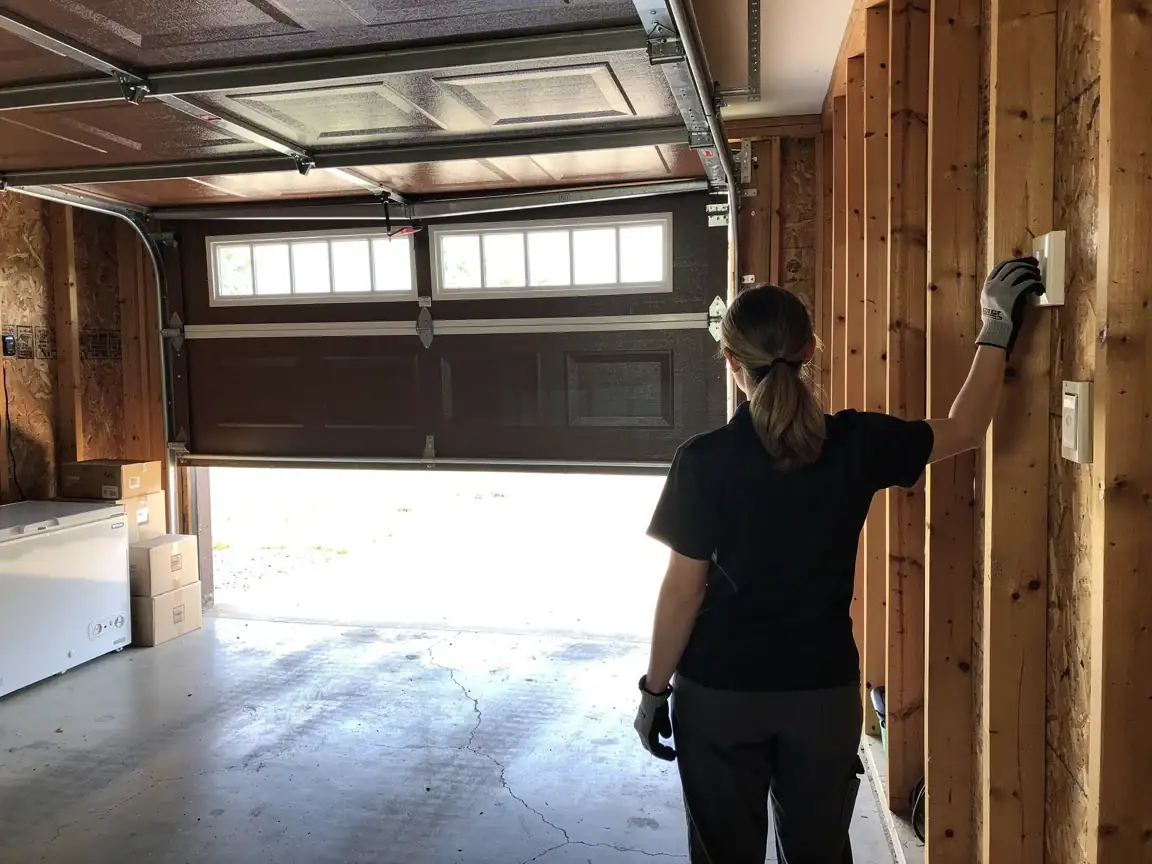
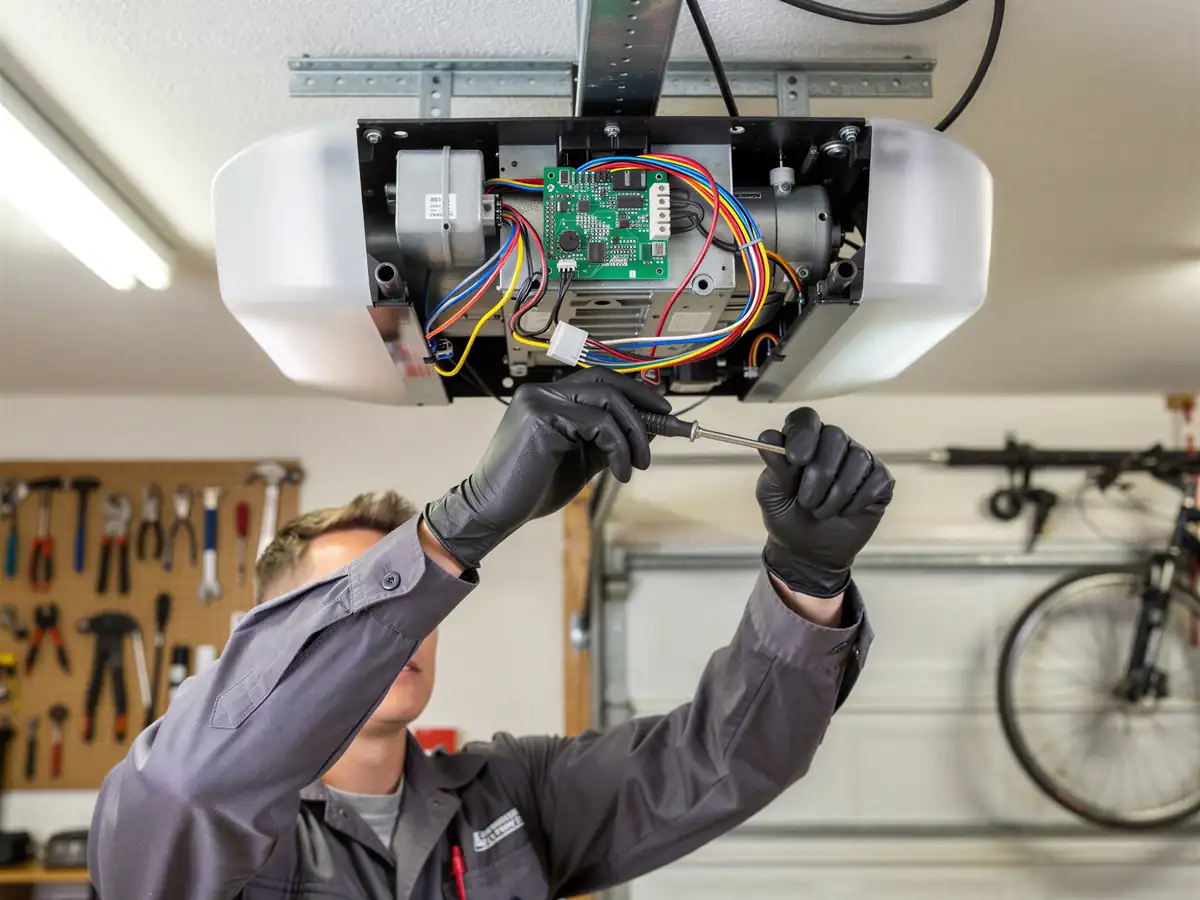
If your opener is straining, reversing partway, or running louder than it used to, that's consistent with a motor or chain nearing the end of its life on a system this old. A door that drops the last foot instead of lowering smoothly usually points to a spring that's lost tension, not an opener problem at all - easy to confuse, worth having someone look before you replace the wrong part. Cables with visible fraying near the bottom bracket are a stop-using-it-now signal, not a wait-and-see one. None of this is specific to Manor's weather; it's specific to the age of what's installed, and in a neighborhood built mostly around 1985, that means hardware is old enough to be worn but not so old it was ever meant to be rebuilt by hand the way a 1940s door was.