How Long It Takes
A new door install isn't a one-size job, and in Manor the timeline depends less on the house's age than on what's already bolted to the frame. Because most Manor homes went up around 1985, you're usually looking at a standard two-car opening with torsion hardware already in place, not the narrower single-car bays or extension-spring rigs common on the oldest houses in this part of the region. That makes swap-outs more straightforward: same opening width, same mounting points, less carpentry.
What slows things down is almost always the opener wiring or a frame that's shifted slightly after forty years of settling. We won't know which applies to your garage until we're standing in it. We don't quote a fixed turnaround here because we haven't measured your opening, and guessing a number before we've seen the job is how you end up with a door that doesn't close right on day one. What we can tell you: we're driving the job in from Greensburg, seven miles out, so scheduling is built around that trip, not a local branch.
What Causes It Around Here
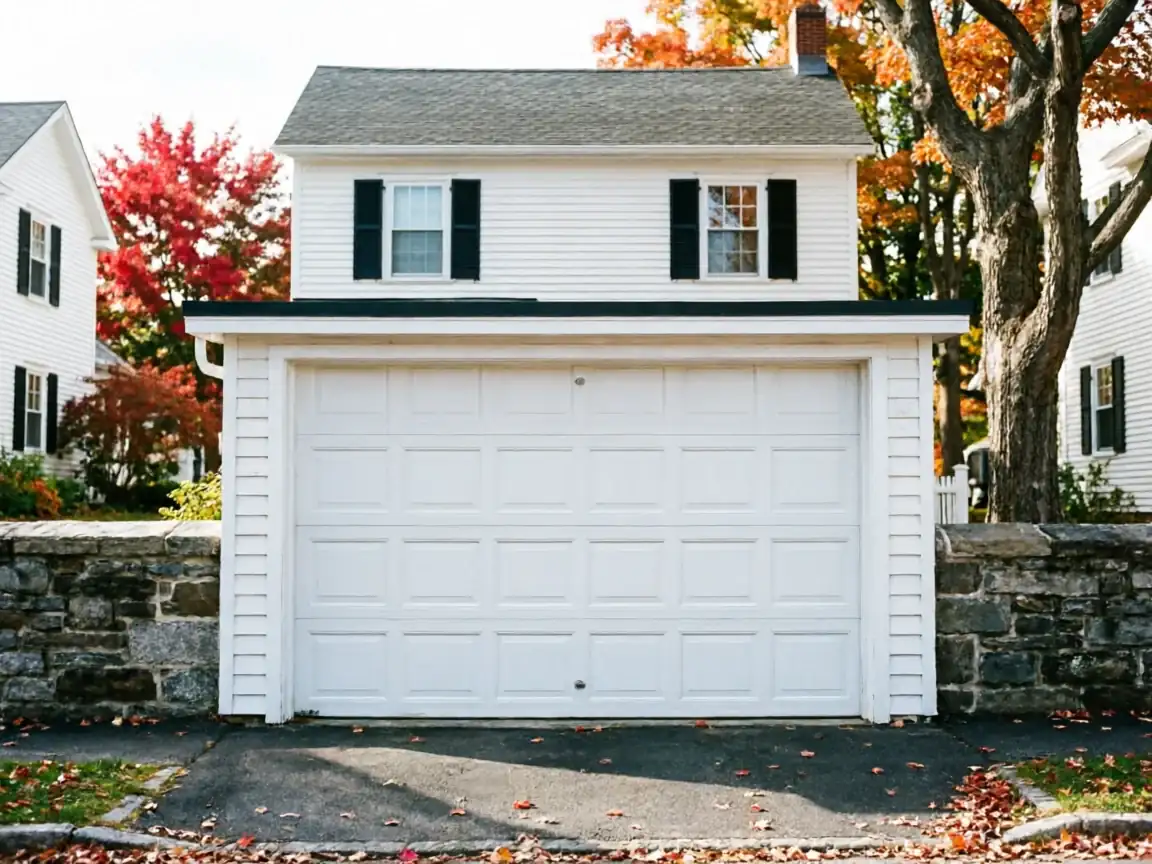
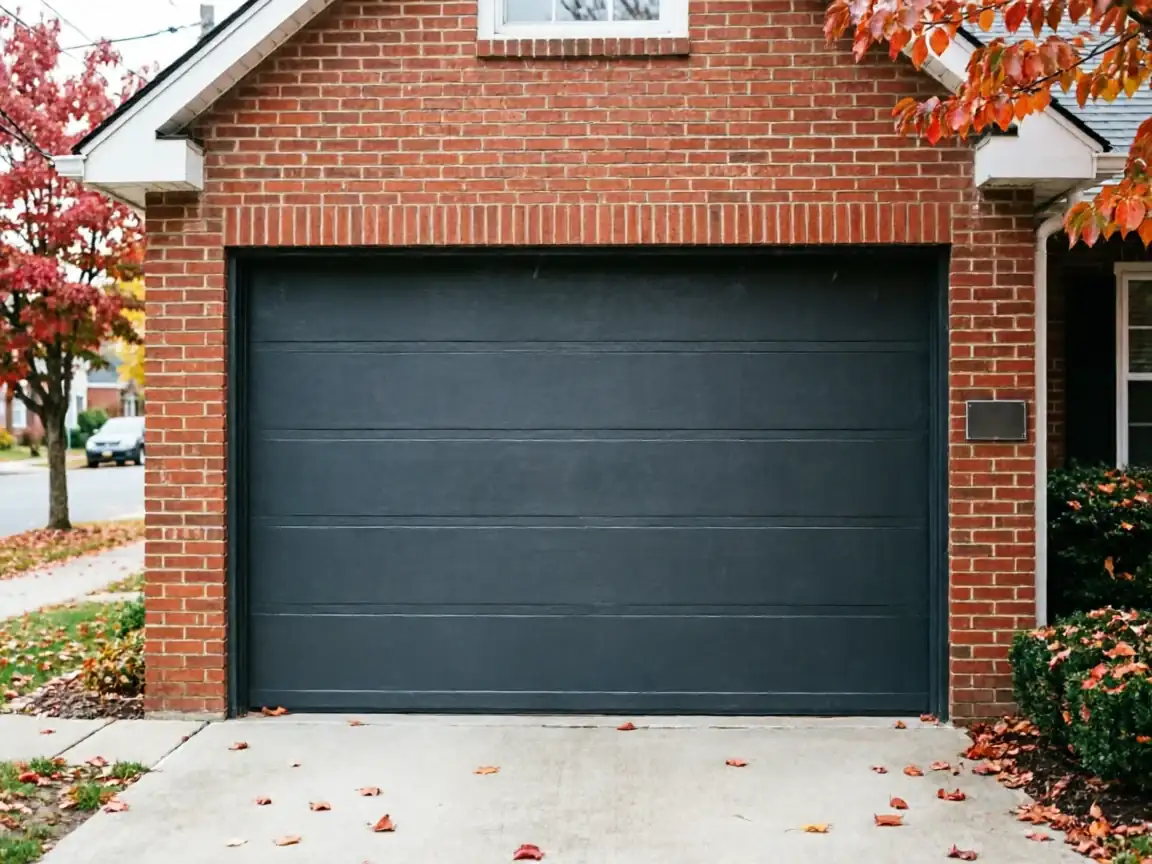
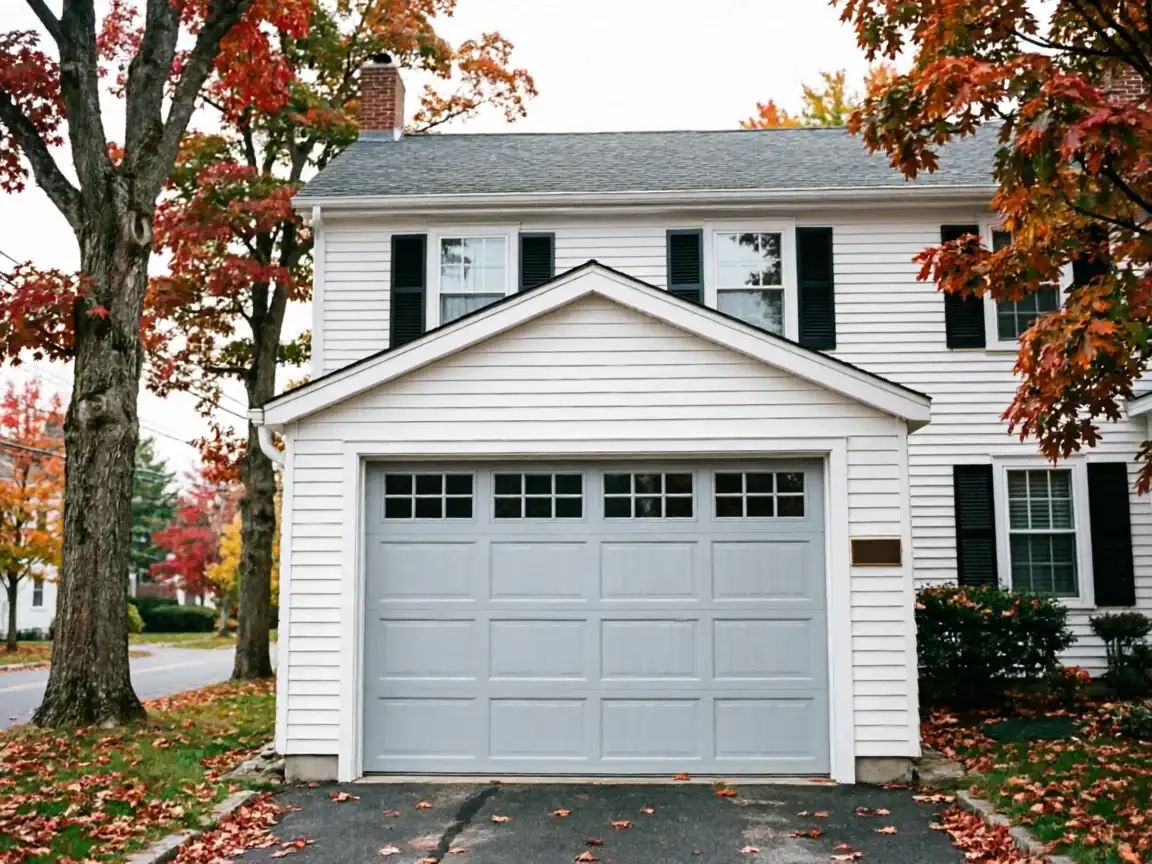
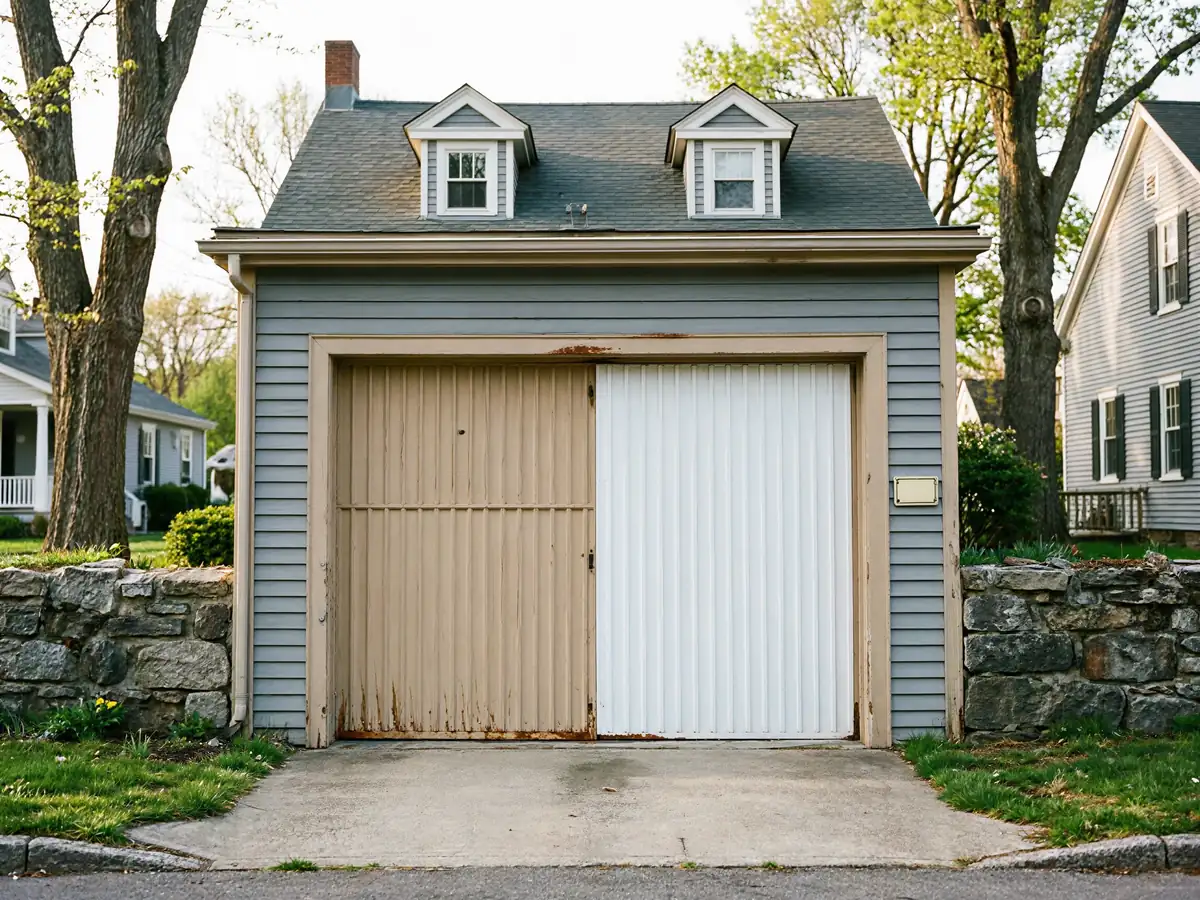
Manor's housing stock sits noticeably newer than the broader area around Greensburg, where the median home was built back in 1950. Manor's median is 1985, which means the original garage doors on a lot of these houses are steel sectional units, not the older one-piece or wood-panel doors you'd find on pre-1960 construction nearby. That's good news for hardware compatibility, but it means a different failure pattern: these doors are now pushing close to forty years old, and steel skins from that period weren't always insulated to today's standard.
This region sits in a cold, severe climate band, and a non-insulated steel door from the mid-1980s loses heat fast and tends to rust through at the bottom panel first, where snowmelt and road salt sit against the steel. Add a higher household income here than the area median, and a lot of Manor homeowners are replacing doors not because they've failed outright but because an aging single-layer door is working against the house's heating bill every winter.
How We Fix It
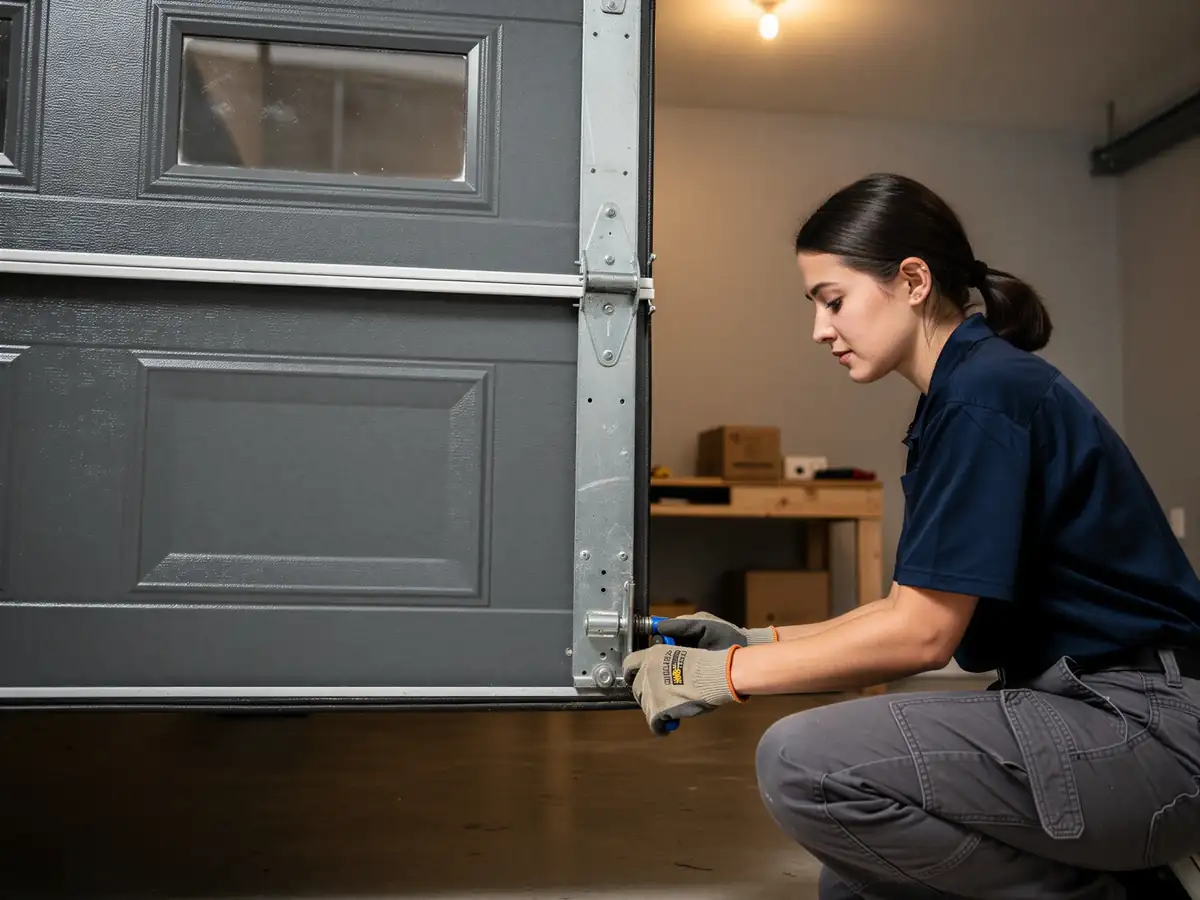
For a Manor install, we start by measuring the existing opening rather than assuming it matches a catalog standard
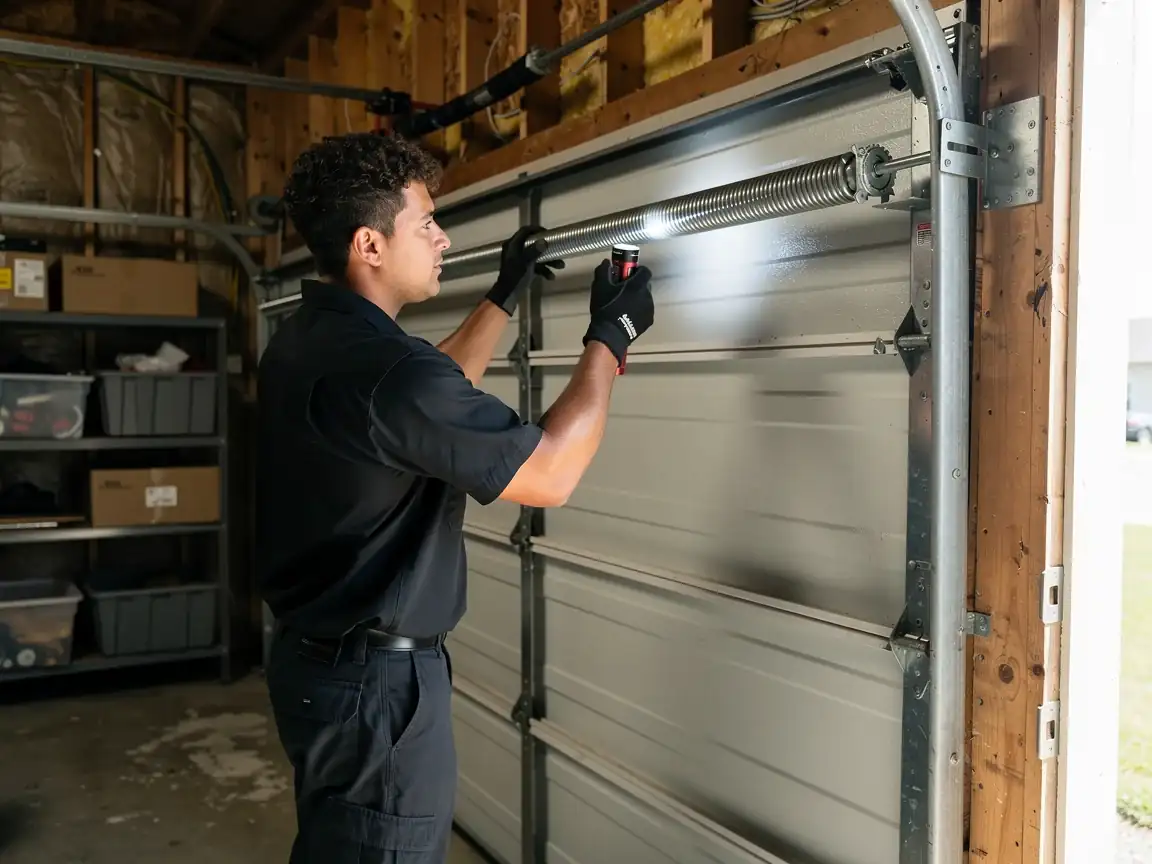
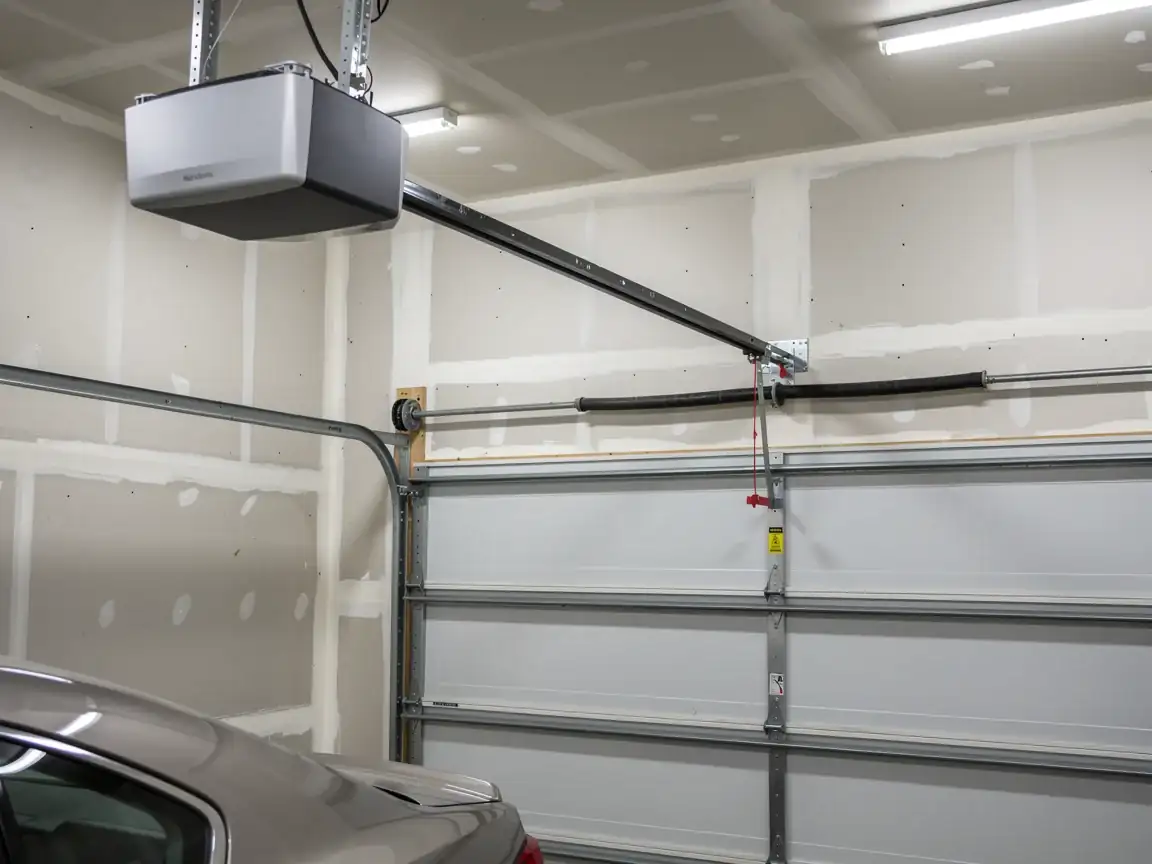
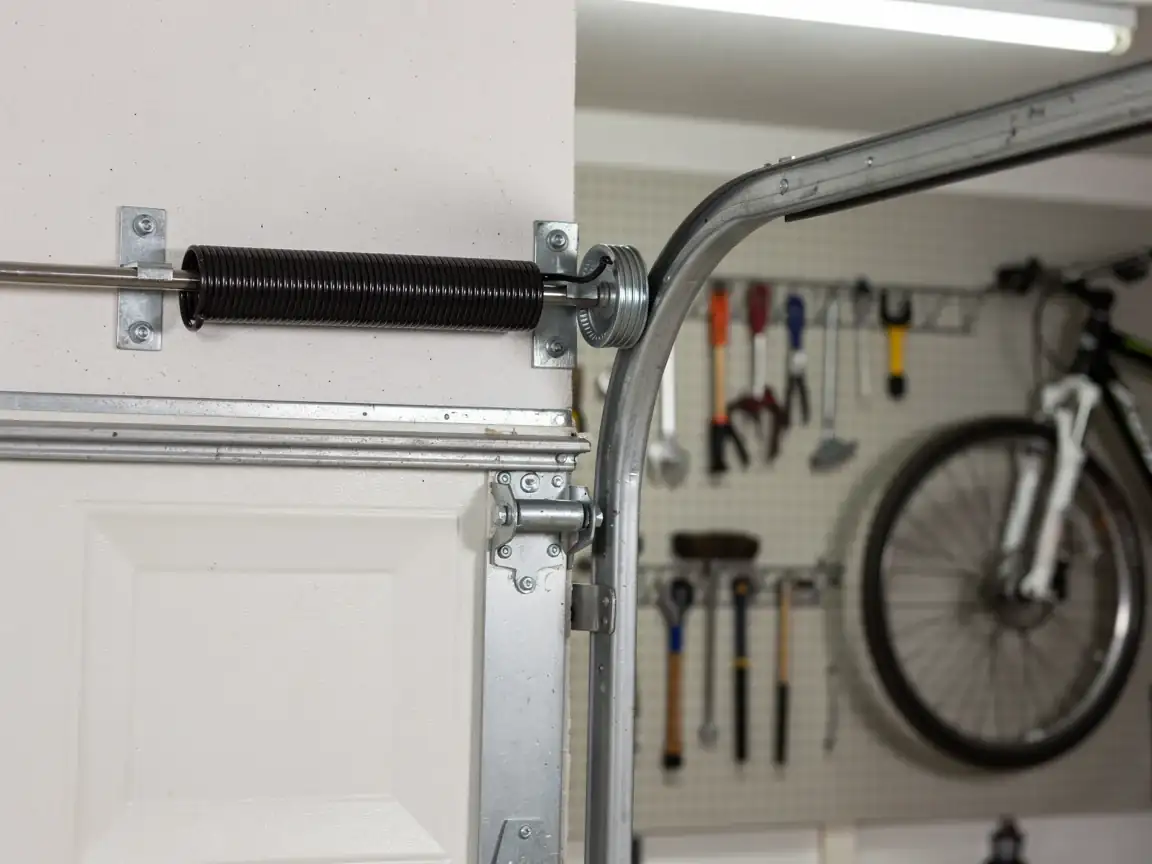
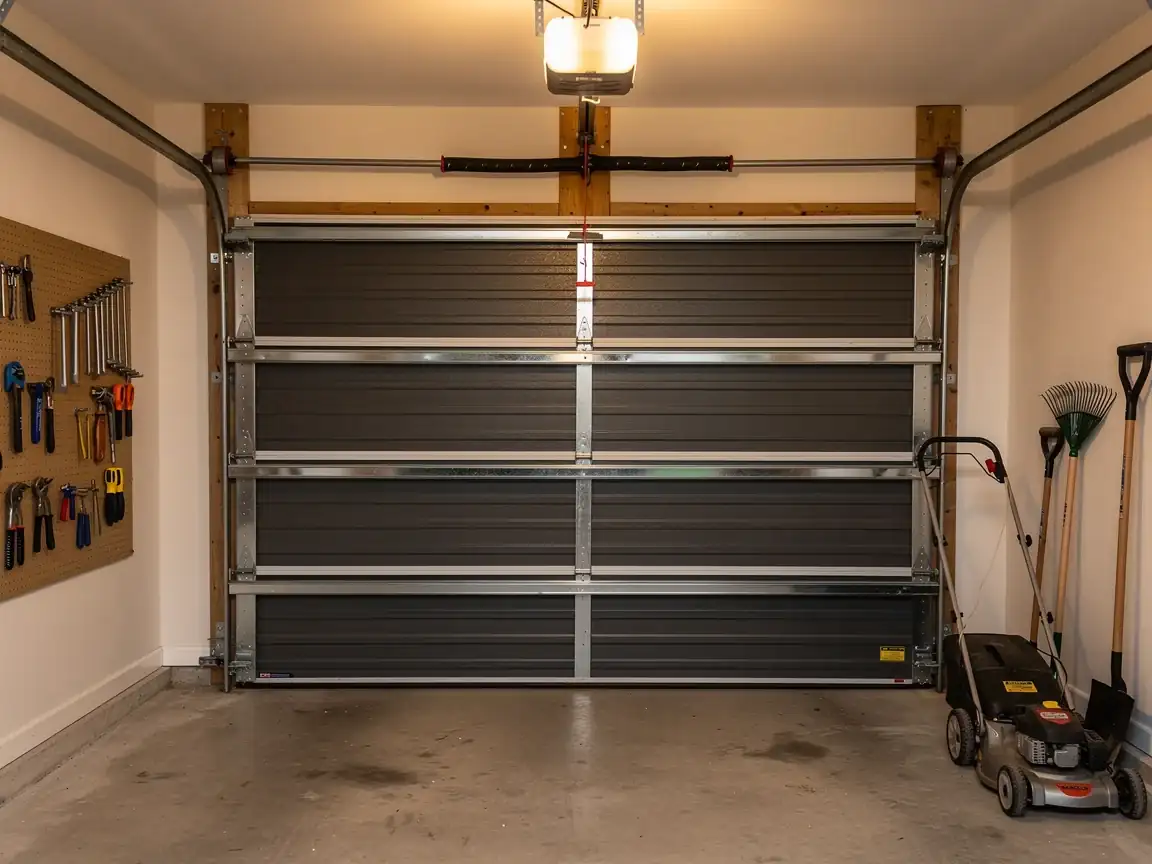
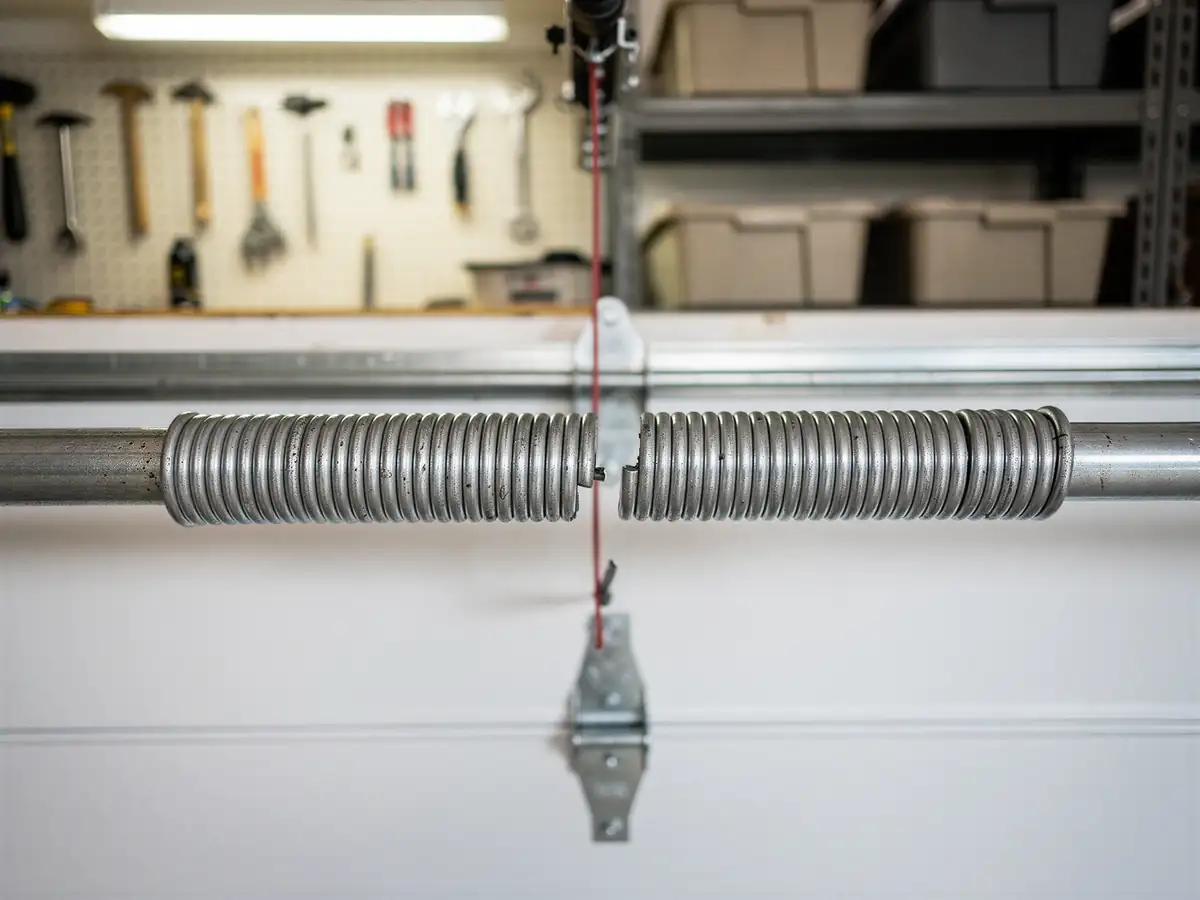
Even though most of these homes were built to the same era's code. If the opening is a standard double, we spec a new insulated steel door sized to match, with torsion spring hardware rated for the door's weight and the garage's ceiling clearance - torsion being what's typically already mounted on homes from this build period, so we're not retrofitting the whole header.
Given the cold climate here, we steer toward insulated panels rather than single-layer steel
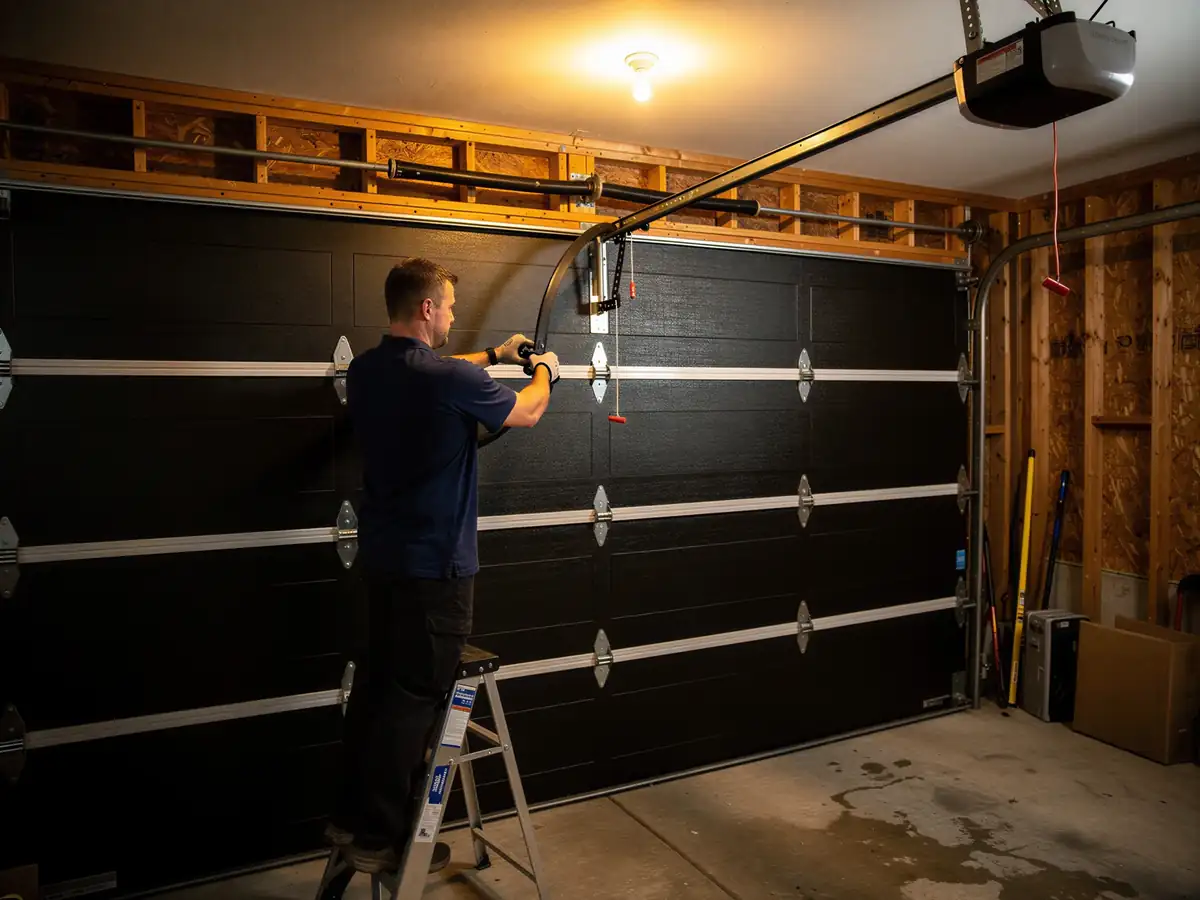
Since the house's age means the old door was likely uninsulated to begin with. We set the new springs to the door's actual weight rather than reusing the old cable tension, check the track alignment against the (often slightly settled) frame, and test the opener's force settings once the new door is hung. One honest limit: if your opening is non-standard or the framing has shifted enough that it's out of square, that adds a step we can't price or time until we see it in person.
What You Are Seeing
If your door is original to a Manor house built in the 1980s, the signs of it giving out tend to be slow rather than sudden. Watch for a bottom panel that looks pitted or bubbled under the paint - that's rust working through steel from the inside, usually starting at the weather seal where moisture collects. A door that used to close flush but now leaves a visible gap or lets daylight in at the bottom corner is telling you the panel has started to warp or the seal track has worn out from decades of use.
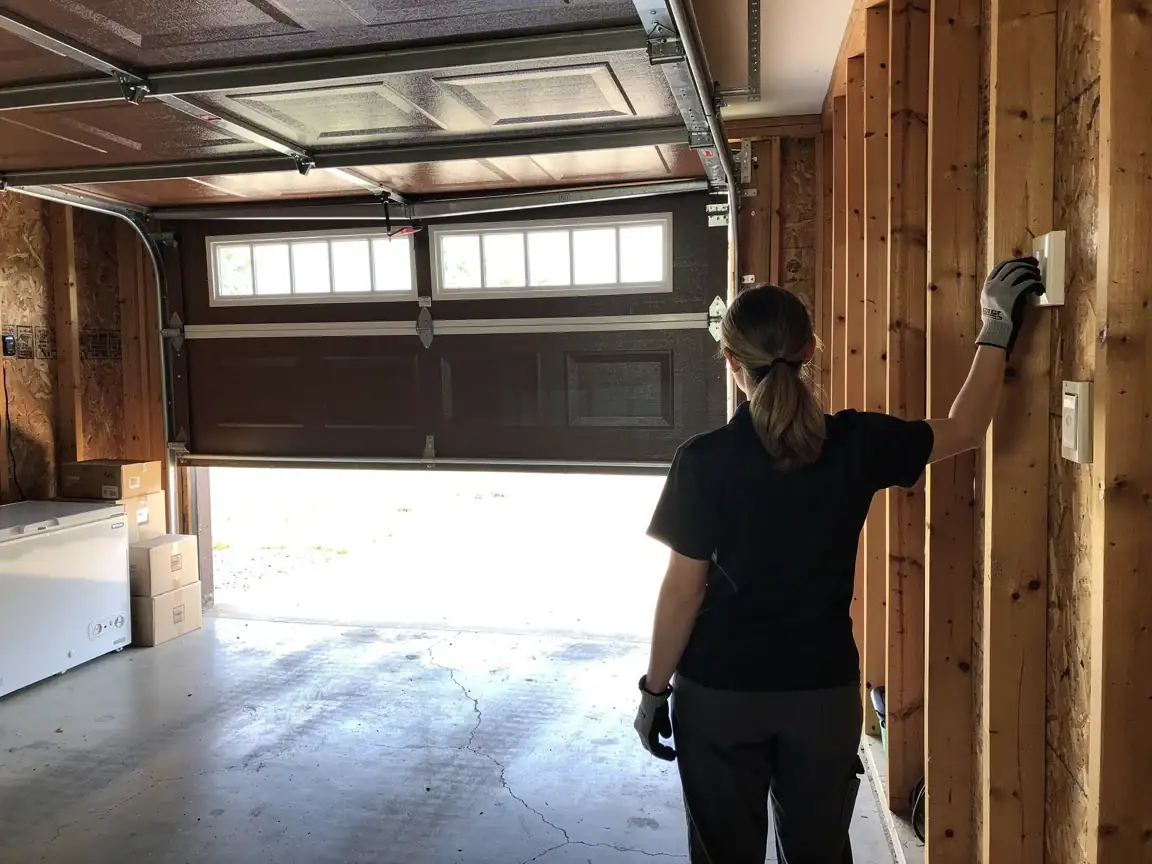
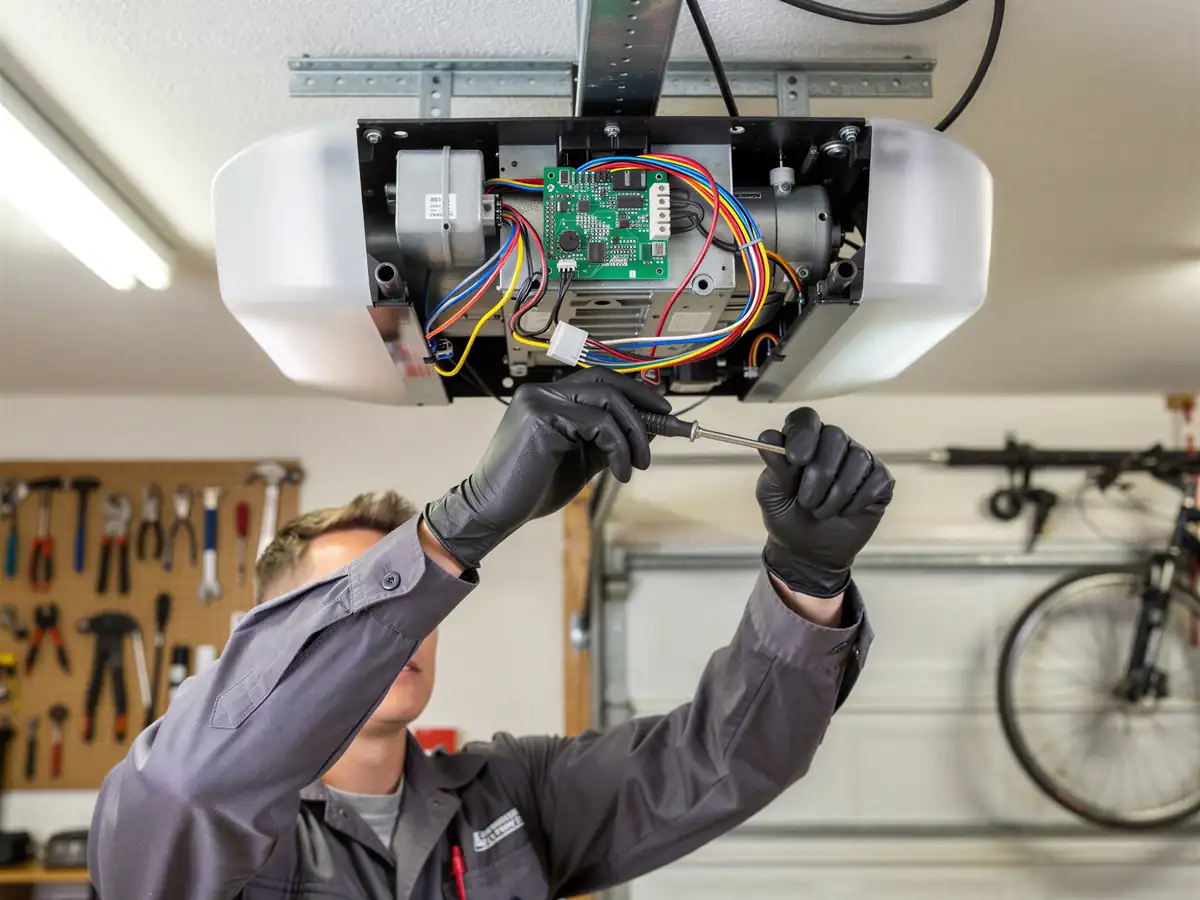
Another sign: an opener that strains or reverses partway through closing. On a door this age, that's often not the opener's fault at all - it's the springs, set for the original door's weight thirty-plus years ago, now mismatched to a panel that's heavier with rust or sagging unevenly. None of these symptoms mean you need to replace the whole door immediately, but on a door built in the mid-1980s, patching one issue usually means the next one is close behind.