How Long It Takes
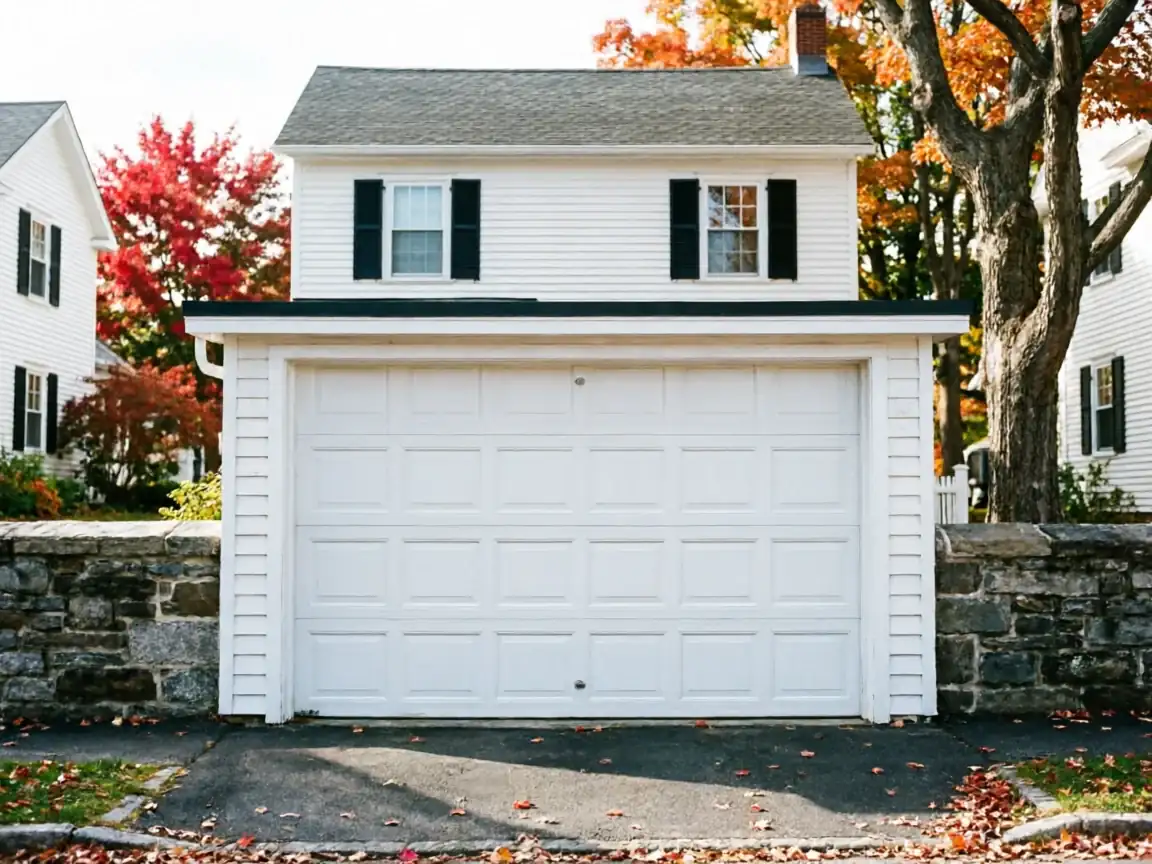
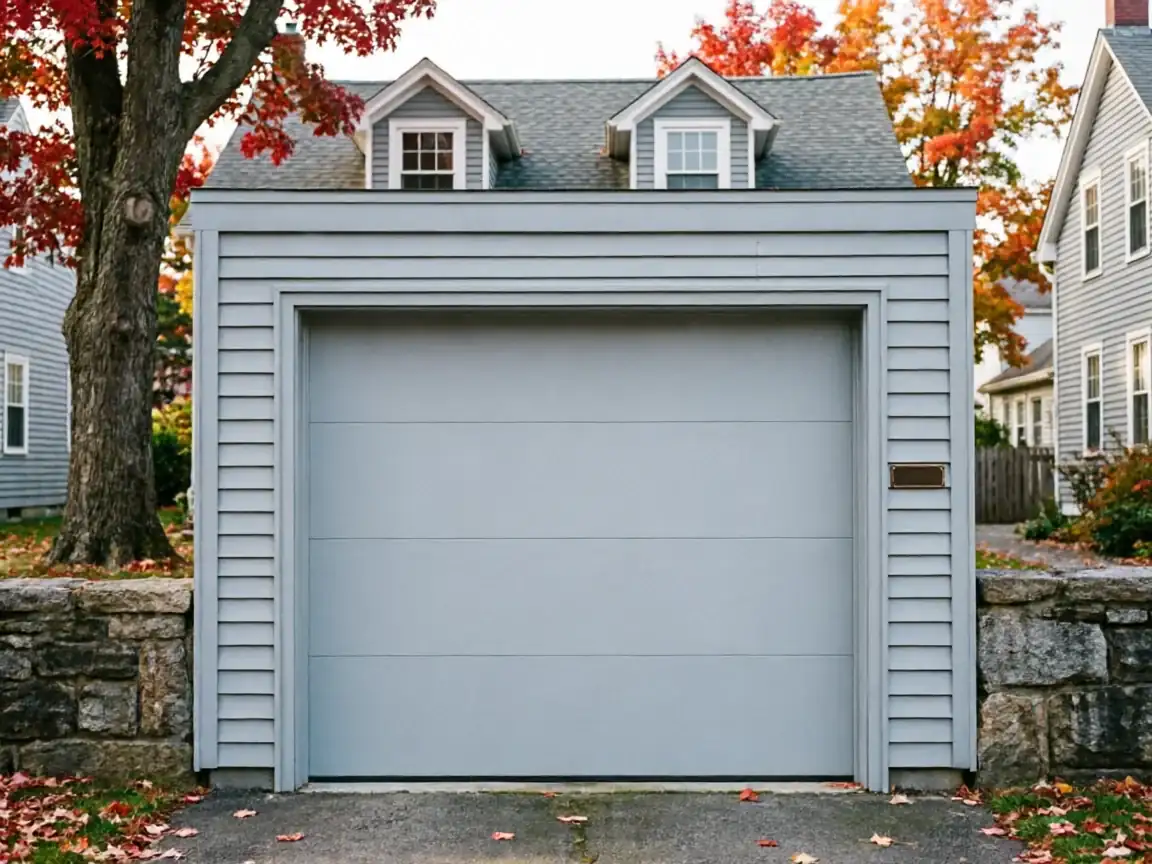
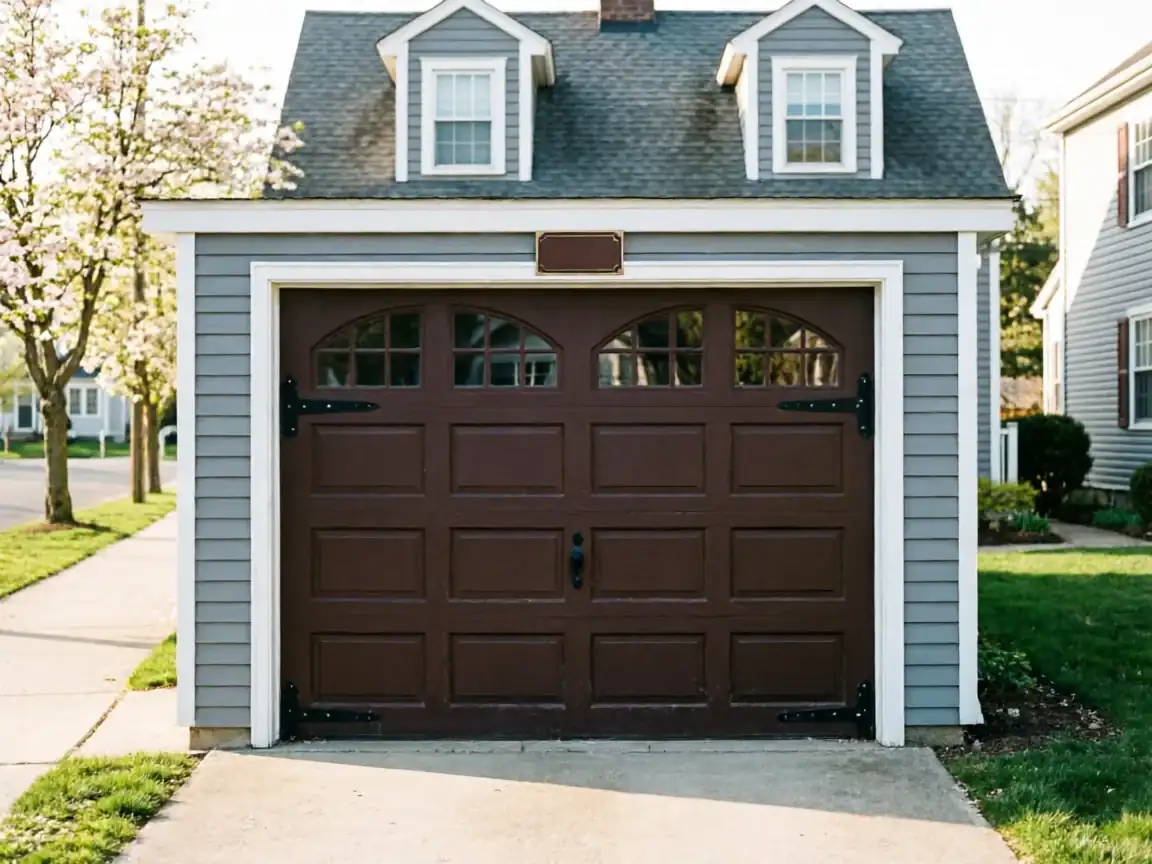
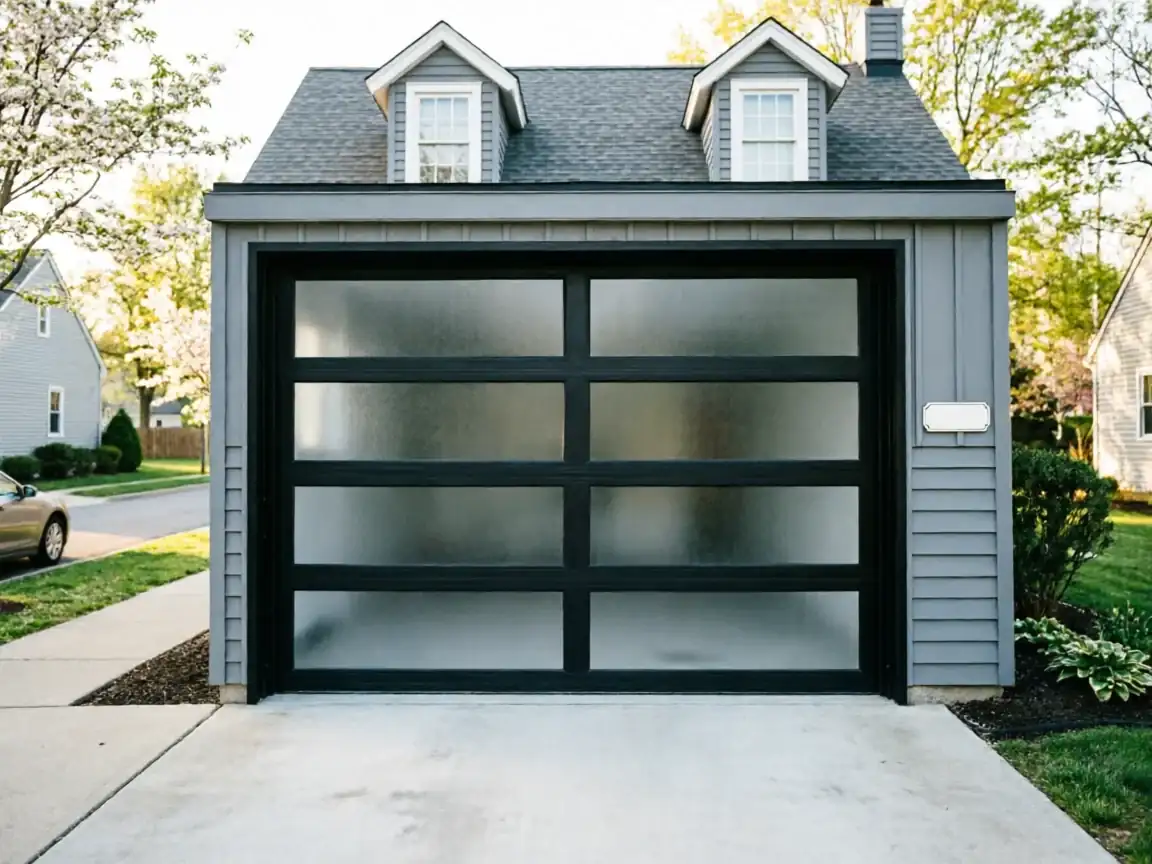
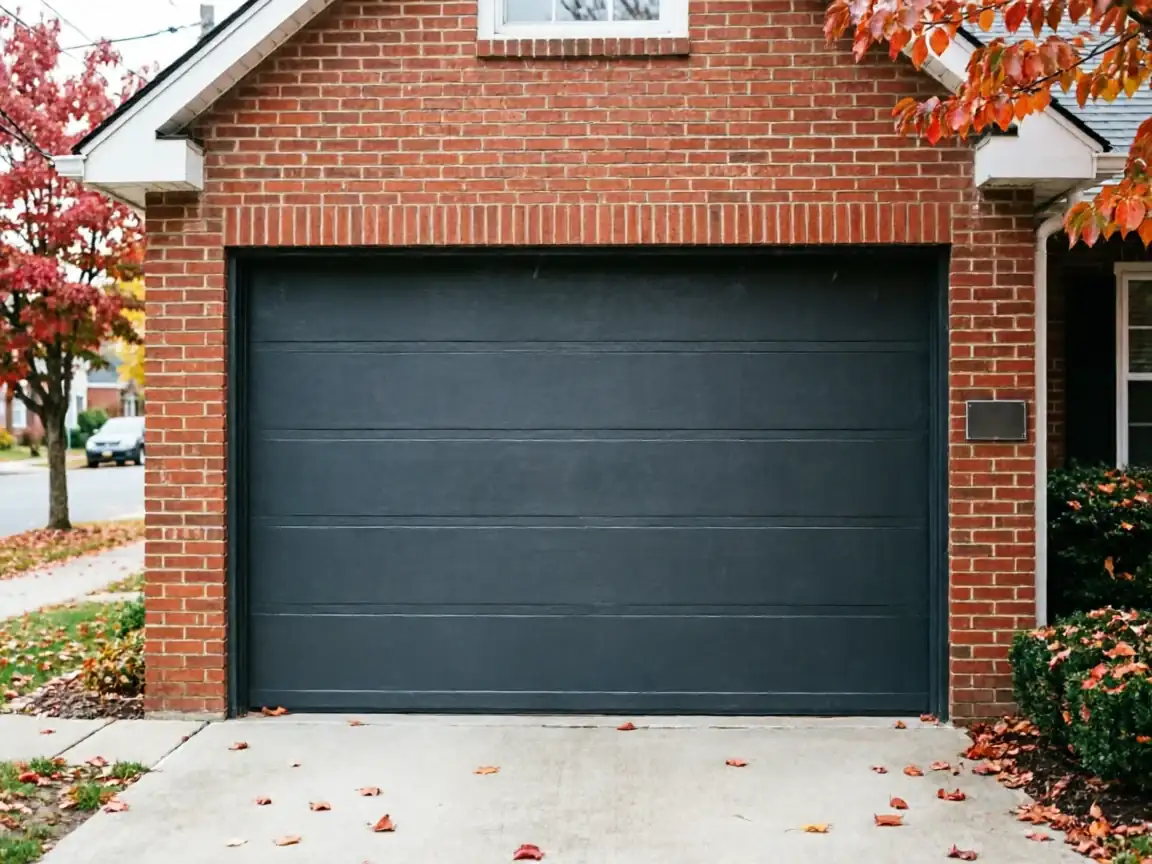
Most of the Greensburg area we cover sits on housing built between 1938 and 1985, with a median around 1950. Manor runs later - its housing stock centers closer to 1985 itself, which puts a lot of these garages a full generation newer than what we see on the Greensburg side of the route. That matters for a panel job because newer doors are more likely to use standard steel sectional sizes that a supplier still stocks, instead of the odd dimensions or discontinued embossing patterns we run into on pre-1960 doors elsewhere in the service area. We drive the 7 miles out from Greensburg for these calls, and the first thing we check is whether the existing panel is a common width - if it is, the job moves faster because we're not waiting on a custom cut. If it's an older or oddball door that happens to sit in Manor despite the newer build trend, that's a different conversation, and we'll tell you honestly if we expect a wait.
What Causes It Around Here
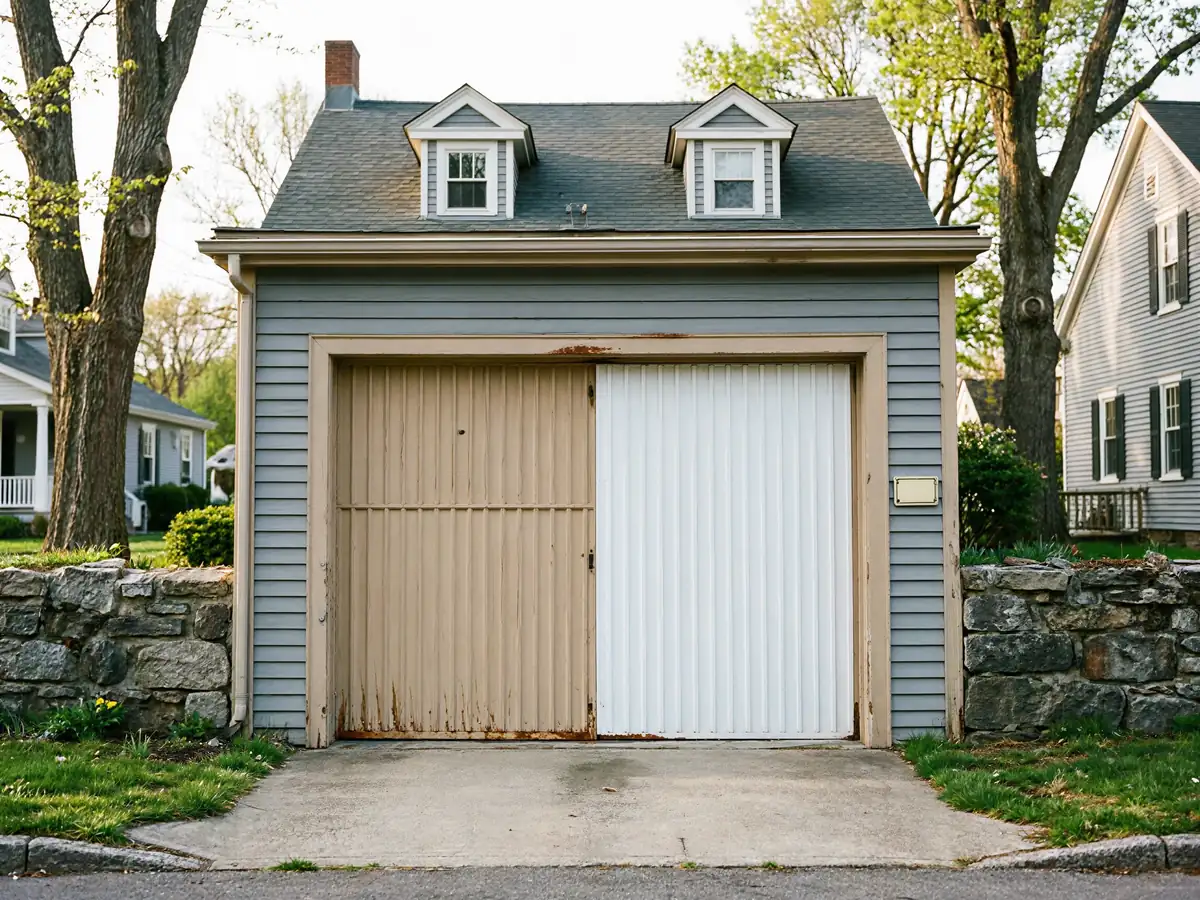
A 1980s-era door in a cold-climate area like this takes a different kind of damage than a 1950s one. The steel gauge is usually thinner than the older doors, and after enough winters of freeze-thaw cycling and road grit kicked up from a car pulling in and out, the bottom one or two panels are where you see it first - dents from a sliding mishap, rust creeping up from the bottom seal, or a crease where someone backed into it. Because Manor's housing is newer than the area average, we're also less likely to find the lead-paint-era panels or the heavy one-piece sections that show up on 1950s Greensburg stock. What we do find is more plastic trim and lighter hardware that cracks under impact rather than just denting. None of that is unique to any one house - it's a function of when the door itself was made, which lines up with when most of Manor got built.
What You Are Seeing
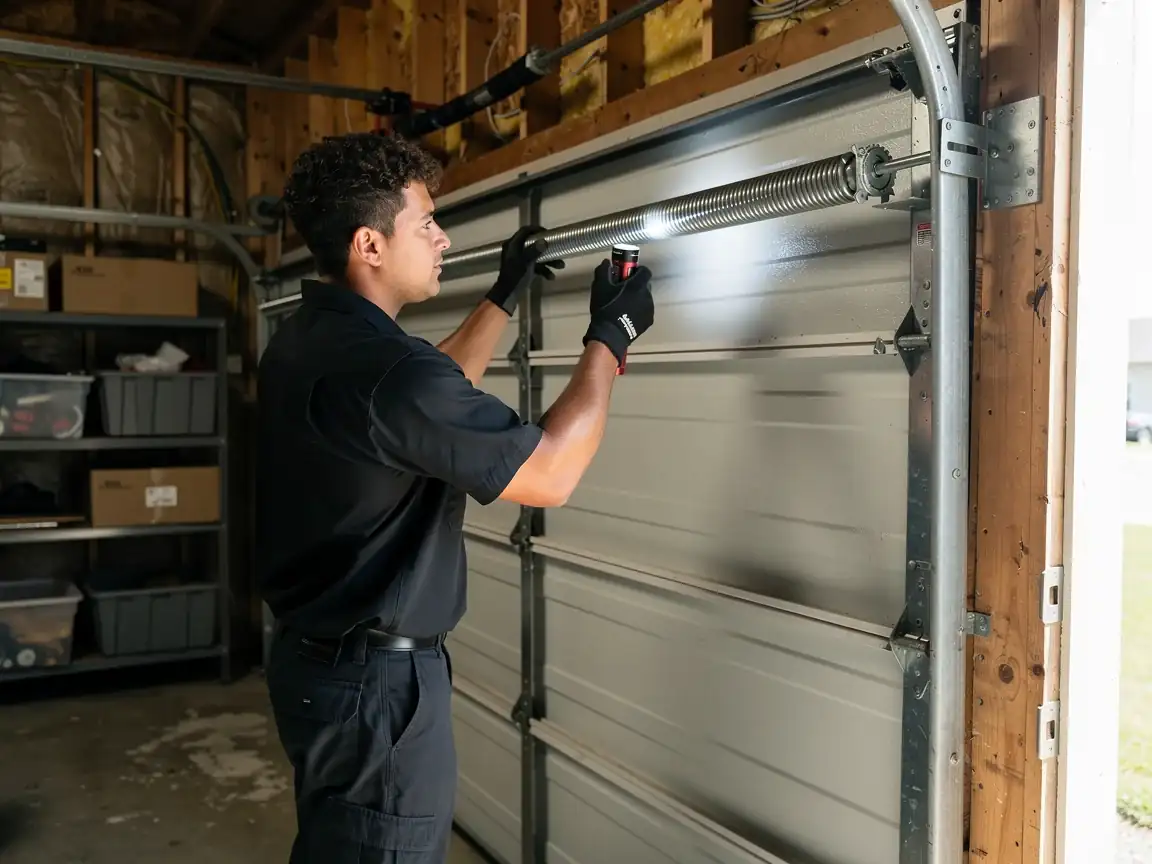
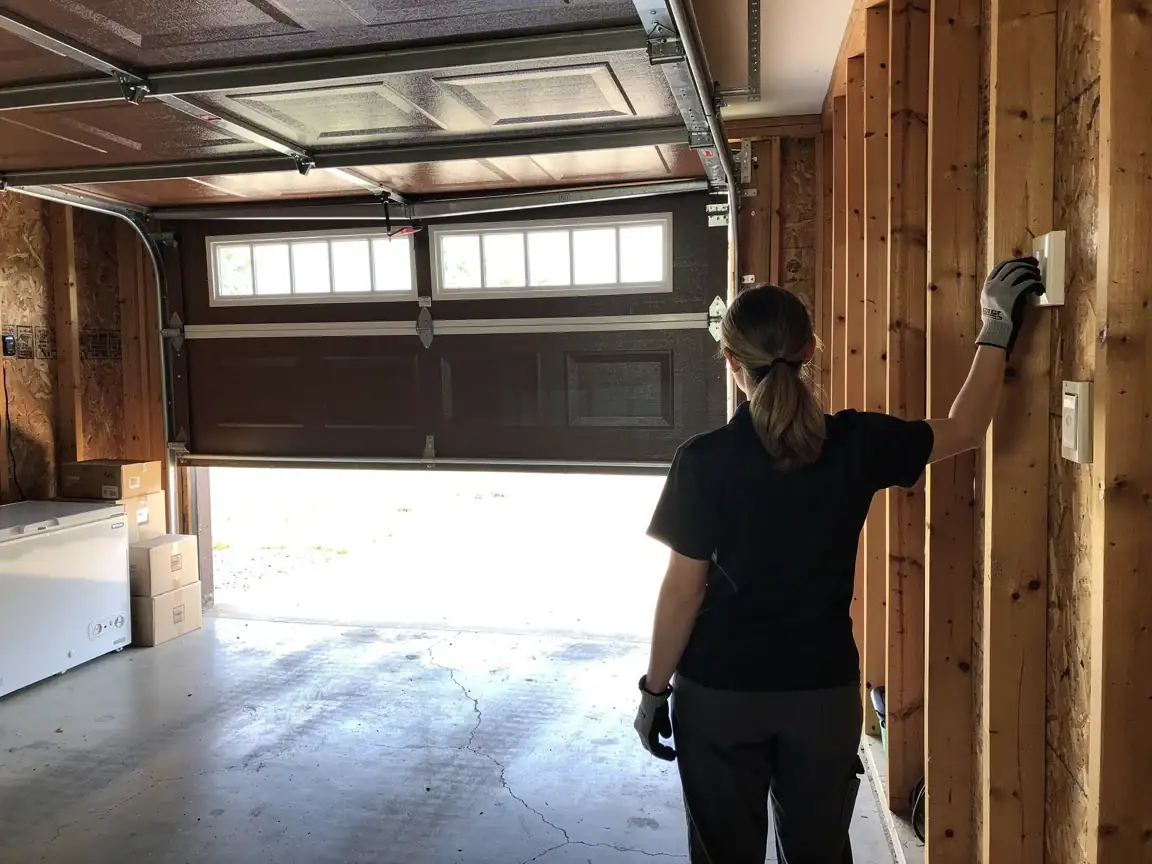
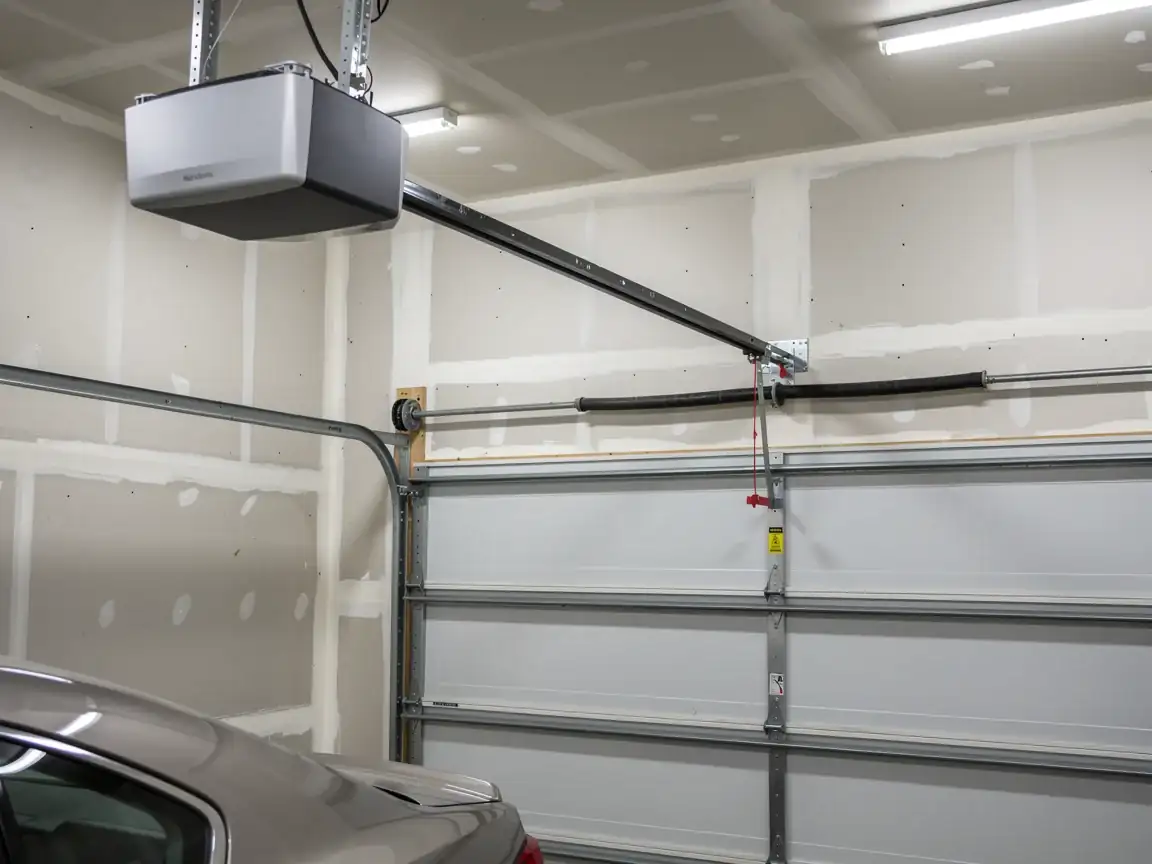
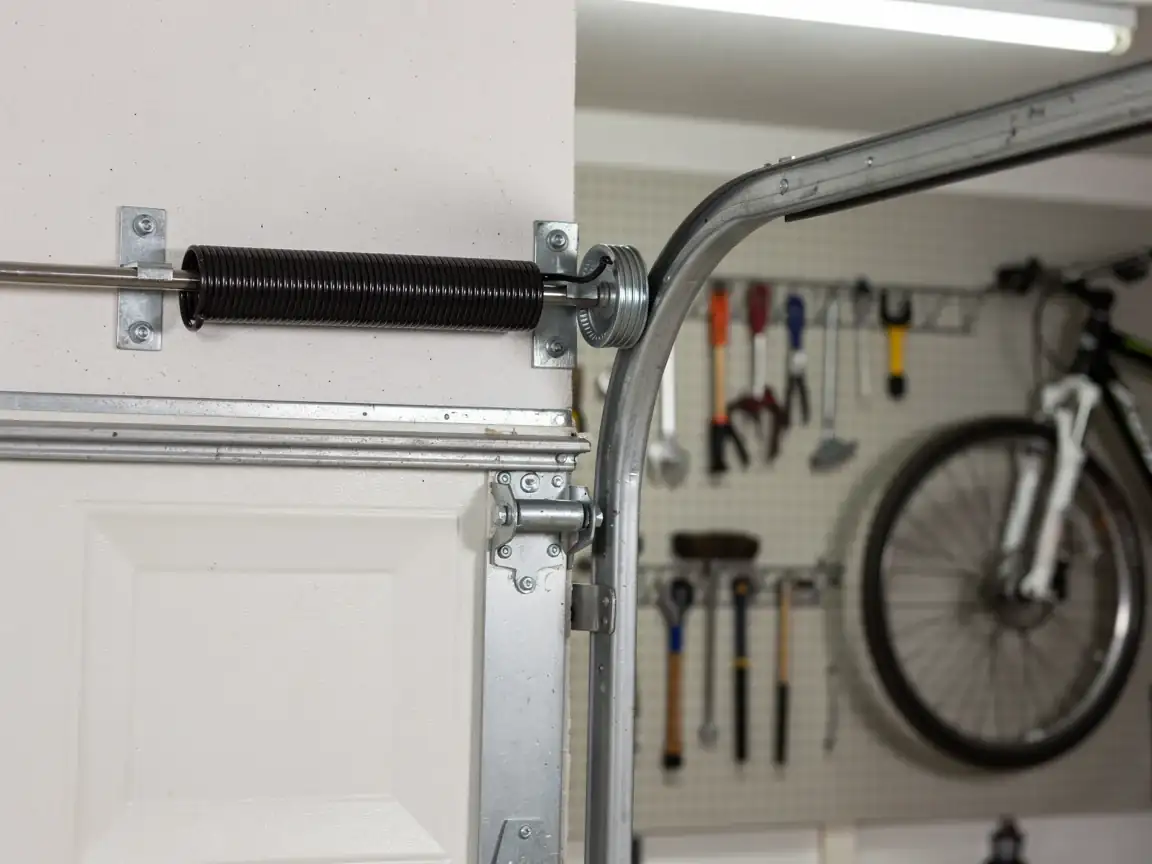
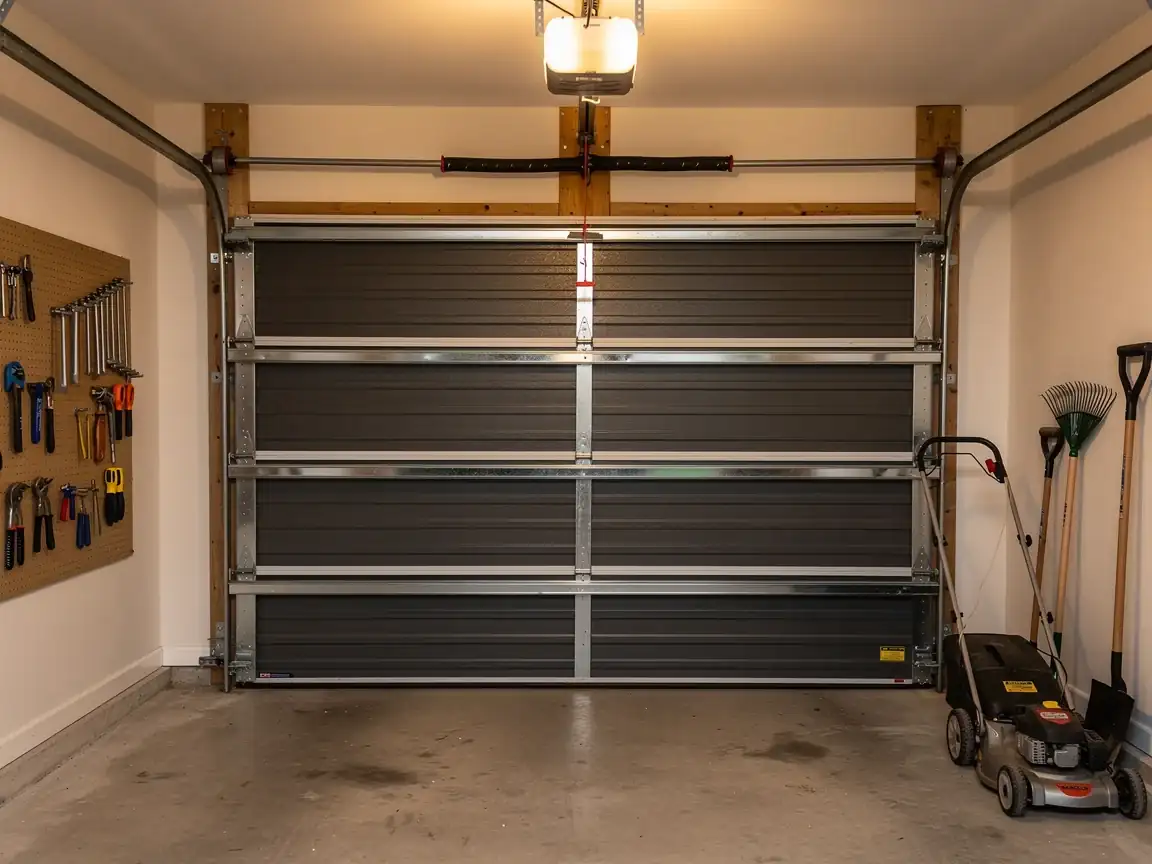
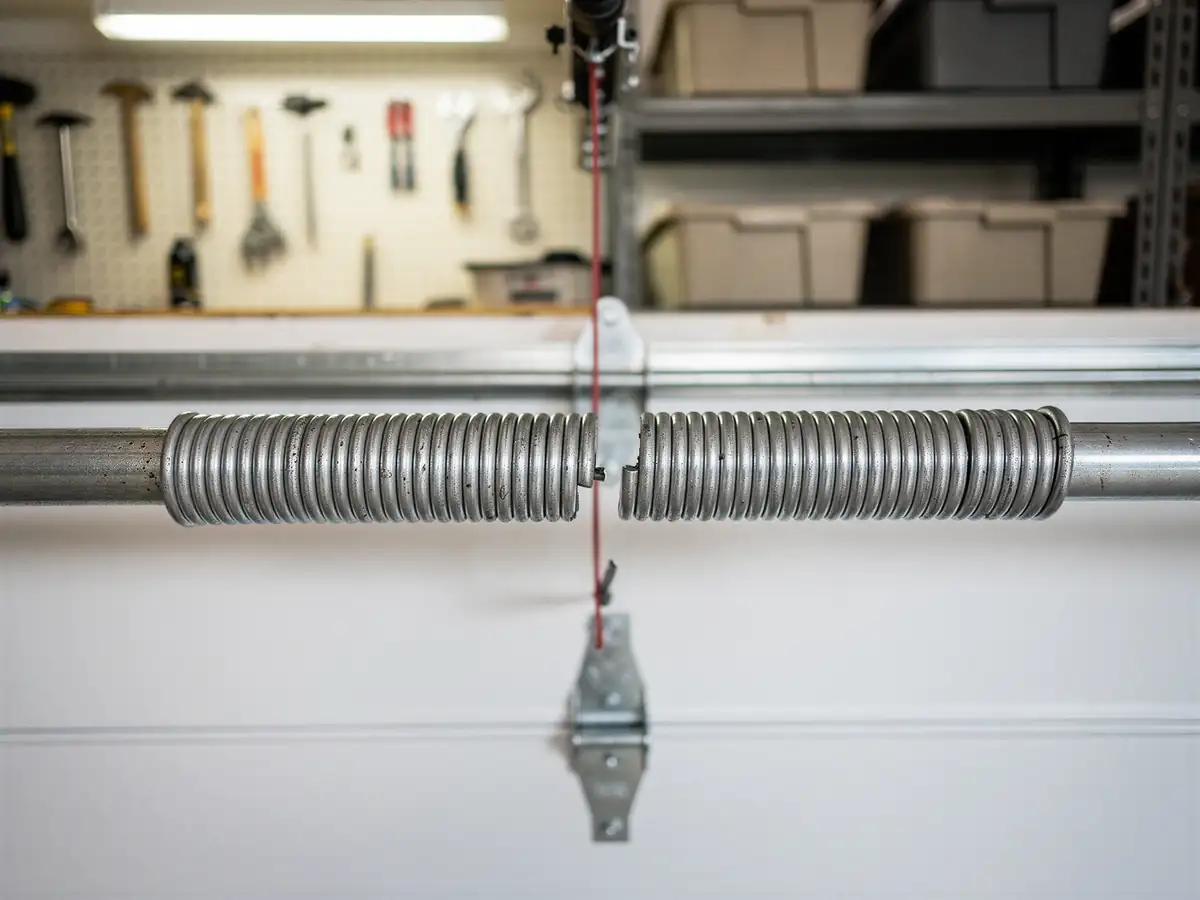
If you're looking at a dented or cracked bottom panel, a door that binds when it rolls past a certain point, or daylight showing through a seam that used to be tight, that's panel damage, not spring or opener trouble - though it's worth having both checked since a dragging panel puts extra strain on the springs over time. Given that much of the housing in this area went up through the 1980s, the panel in question is more likely a standard steel sectional than the heavier one-piece slab style still common on older Greensburg-area homes. That's good news for parts availability. It's still worth a look before you decide between a panel swap and a full door, since a door that's been through enough winters here may have more than one weak point.