How Long It Takes
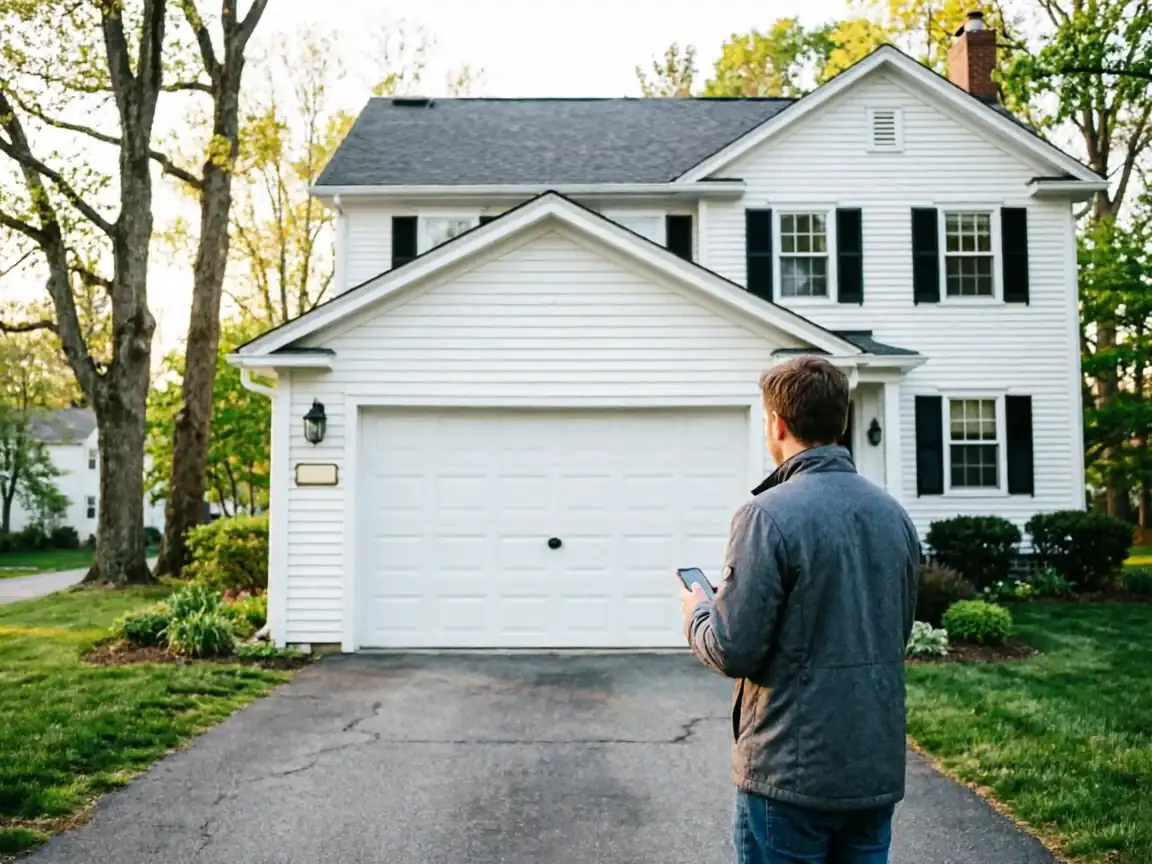
Manor is 7 miles from our Greensburg shop, so there's no local branch sitting around the corner waiting on a call. We load the truck in Greensburg and drive out, same as we do for Jeannette or Youngwood. That drive time matters less than getting the diagnosis right the first trip, because a wasted trip on a $134,479-median-income block isn't a small inconvenience, it's a day off work you didn't need to burn.
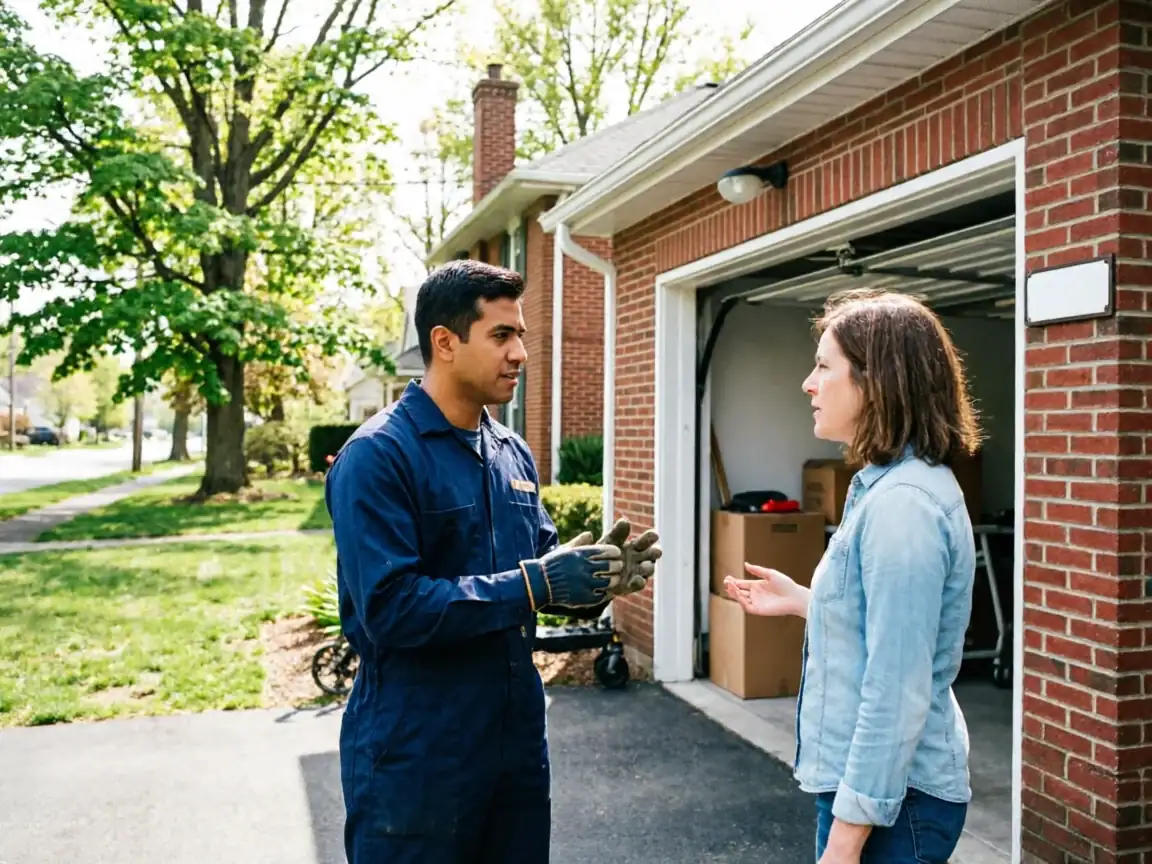
Most opener jobs here are a single visit: diagnose, carry the part, fix it. If a logic board or a specific gear kit has to be ordered because it doesn't match anything on the truck, that's a second trip, and we'll tell you that up front instead of guessing out loud in your driveway. We don't pad the estimate to cover a guess.
What we won't do is promise a same-day window just because Manor is close. Distance from Greensburg is short; the job itself still takes however long the actual fault takes.
What Causes It Around Here
The housing stock in Manor runs newer than a lot of the surrounding service area - median build year 1985 here versus 1950 across the broader 53-area footprint. That means fewer original chain-drive units from the 1960s still limping along, and more second- or third-generation openers installed as retrofits over the decades since. The failure pattern shifts accordingly: less "the whole unit is original and shot," more "the circuit board or the logic motor on a newer-generation opener finally gave out."
The service area sits in a severe cold climate band, and that doesn't care what year your house was built. Cold stiffens grease on the drive gear, shrinks seals around the safety sensors, and makes a marginal capacitor on the circuit board more likely to fail on the coldest morning of the year instead of a mild one. We see that pattern across every town we cover from Greensburg, Manor included.
With only 1,283 households in Manor itself, we're not running a high call volume here - but the openers we do see tend to be a step younger than what's typical two towns over.
How We Fix It
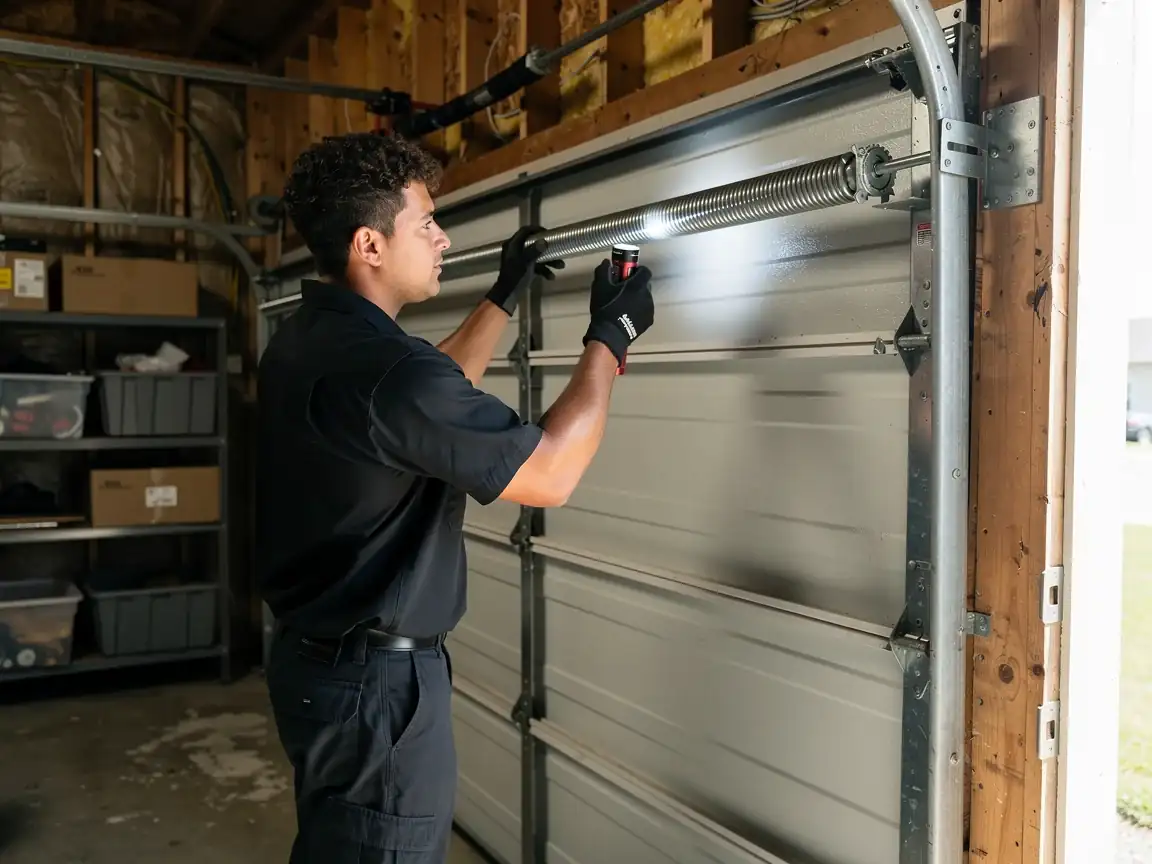
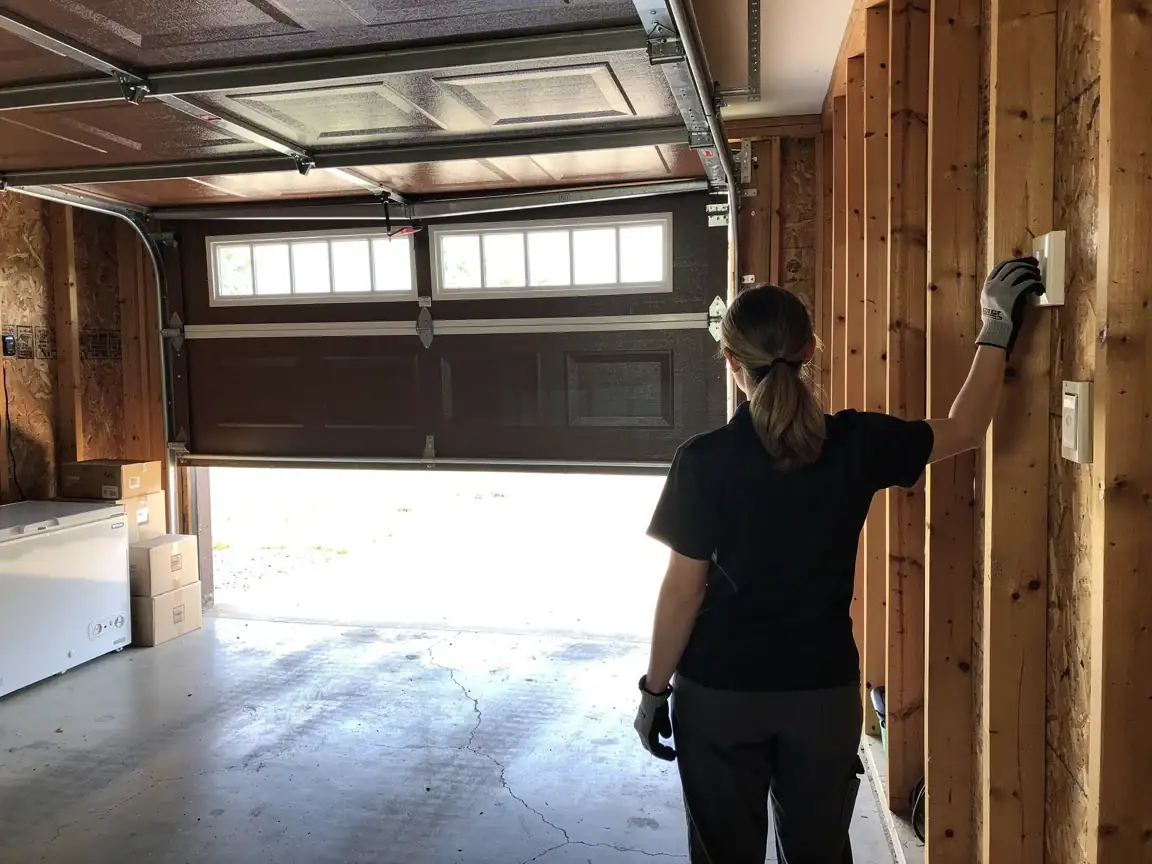
We start by watching the opener run a full cycle before touching anything
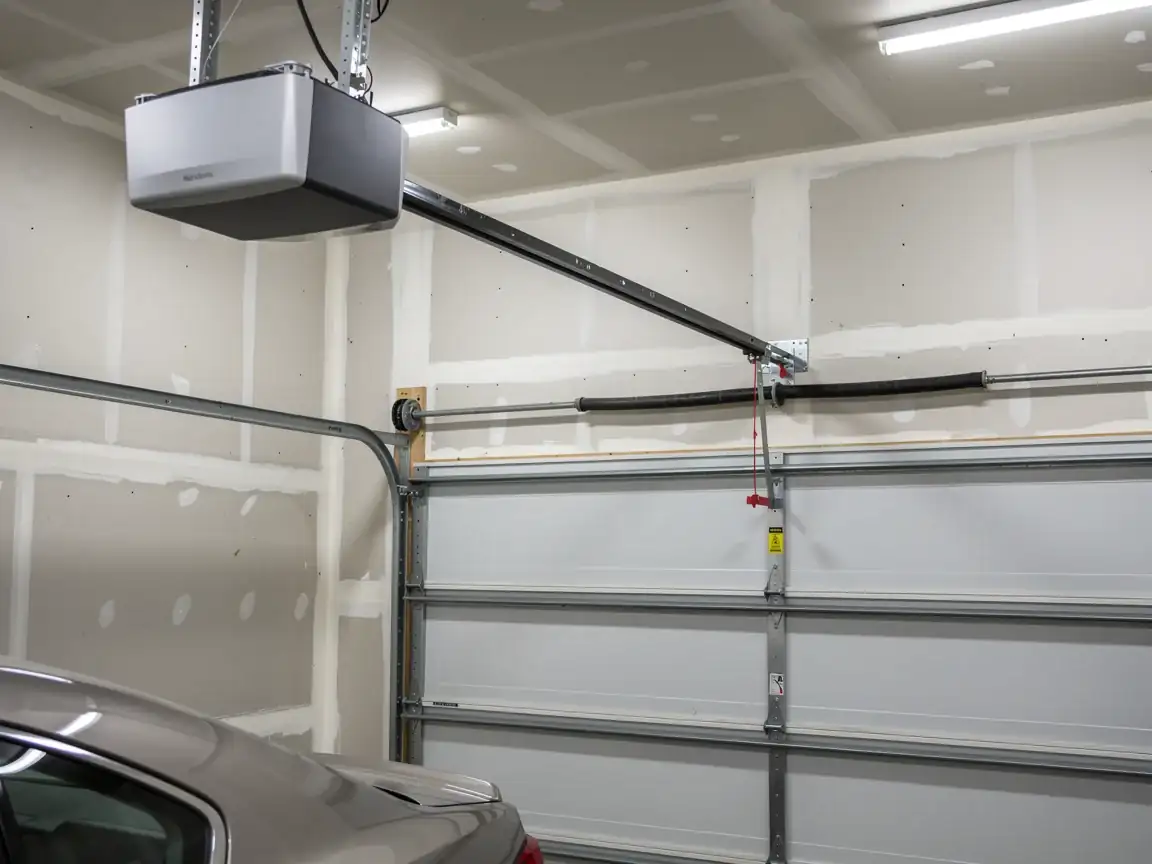
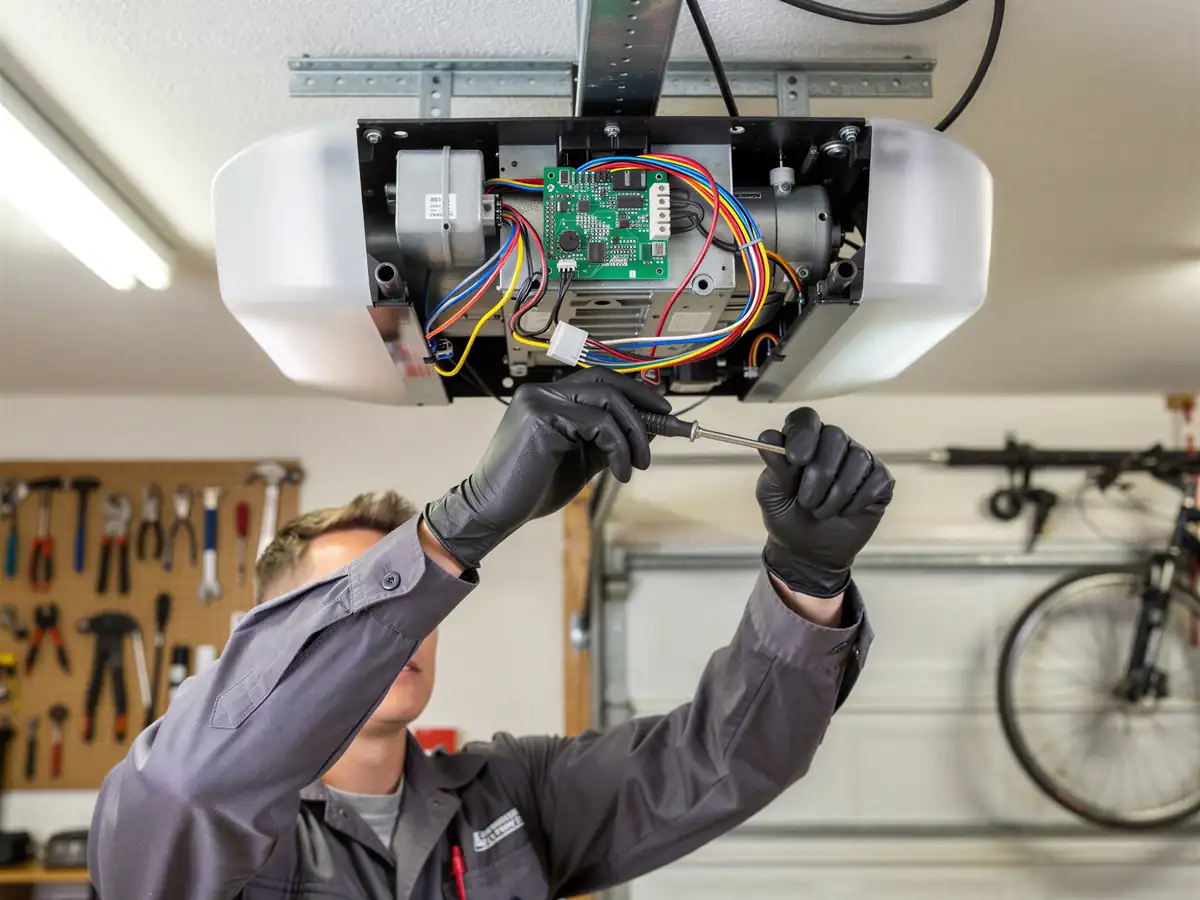
Most opener complaints are actually the opener doing exactly what a bad sensor, a stripped gear, or a dying board tells it to do. On a newer-build house like the typical Manor one, we're usually dealing with electronics rather than worn-out mechanical housings, so the fix is often a board, a logic motor, or a sensor pair rather than tearing the whole head unit off the ceiling.
Here's the honest limitation
If the opener itself is discontinued and the part has a long lead time from the manufacturer, we'll say so rather than have you wait two weeks on a promise. At a $134,479 median income, replacing the opener outright is often a smaller financial decision than it would be elsewhere in the area, and sometimes that's the faster, cheaper path than chasing a part nobody stocks.
We carry common gear kits, sensor pairs, and control boards on the truck
What we don't carry is every manufacturer's proprietary board for every unit built in the last forty years, and we won't pretend otherwise just to get the job booked.
What You Are Seeing
An opener that runs but the door won't move usually points to a stripped gear or a slipping drive belt, not the motor itself. A opener that hums and does nothing is often the capacitor or the logic board, especially after a cold snap. Lights blinking and the door refusing to close almost always traces back to the safety sensors near the floor, which cold weather and condensation can knock out of alignment without anyone touching them.
If your remote works from the driveway but the wall button doesn't, that's wiring, not the opener head - a cheaper fix than most people assume. And if the door reverses right after it touches the floor, that's a sensor or a travel-limit setting, not a sign the whole unit is dying.
Given the age profile of houses in Manor, we don't expect to find many original 1980s chain-drive openers still running - most of what we see has already been swapped once. That changes what we check first compared to an older-stock town nearby.