What You Are Seeing
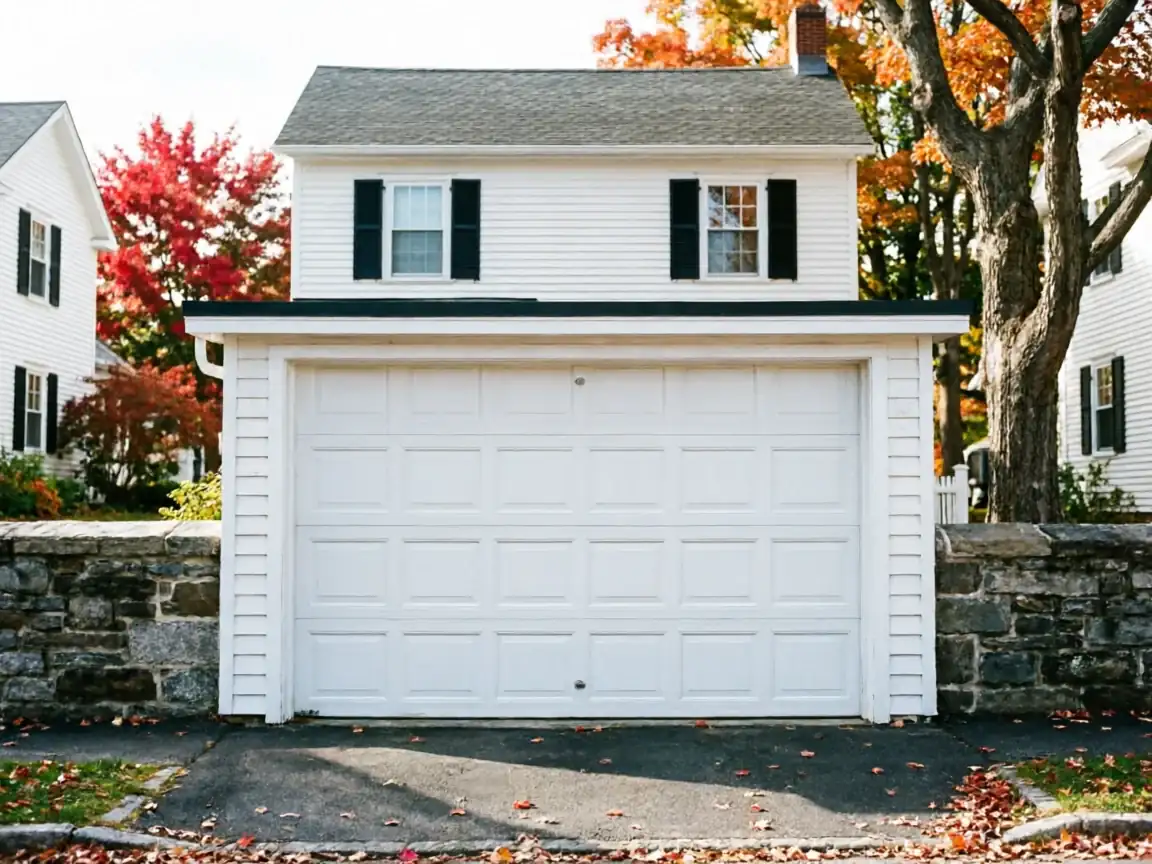
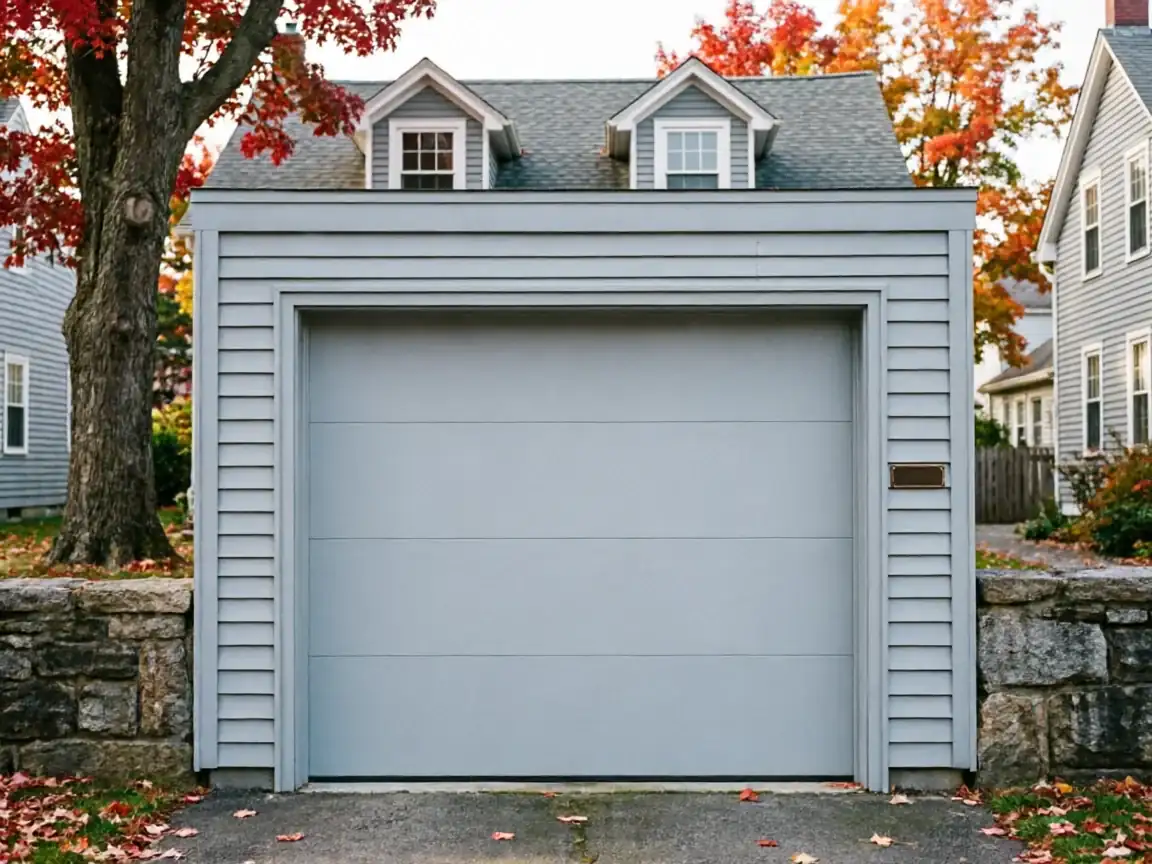
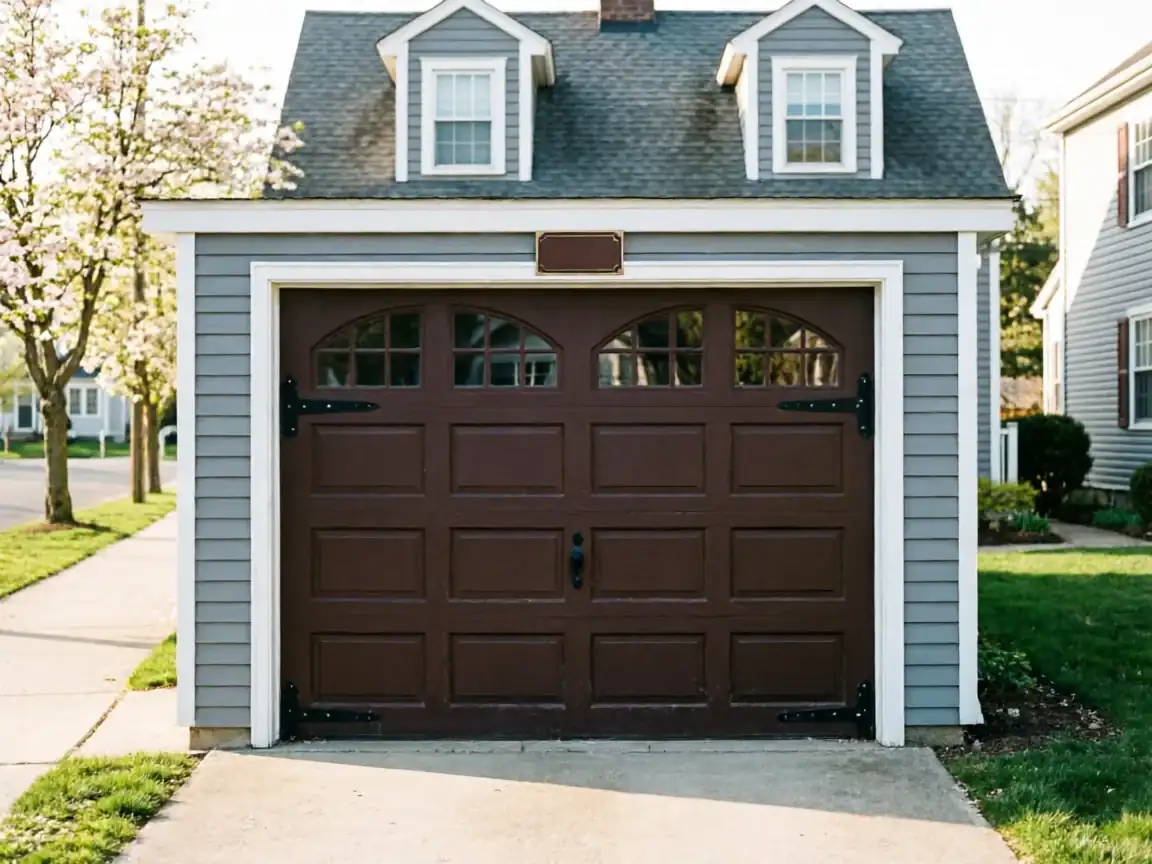
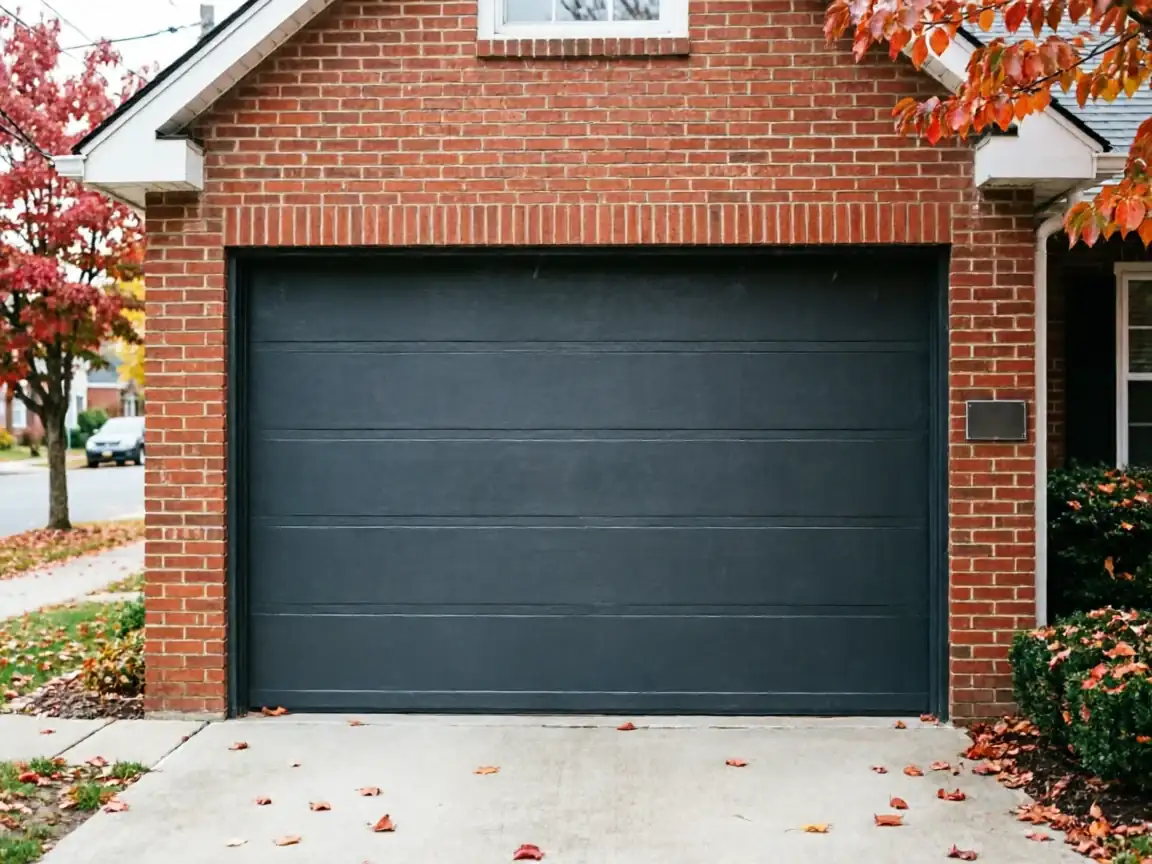
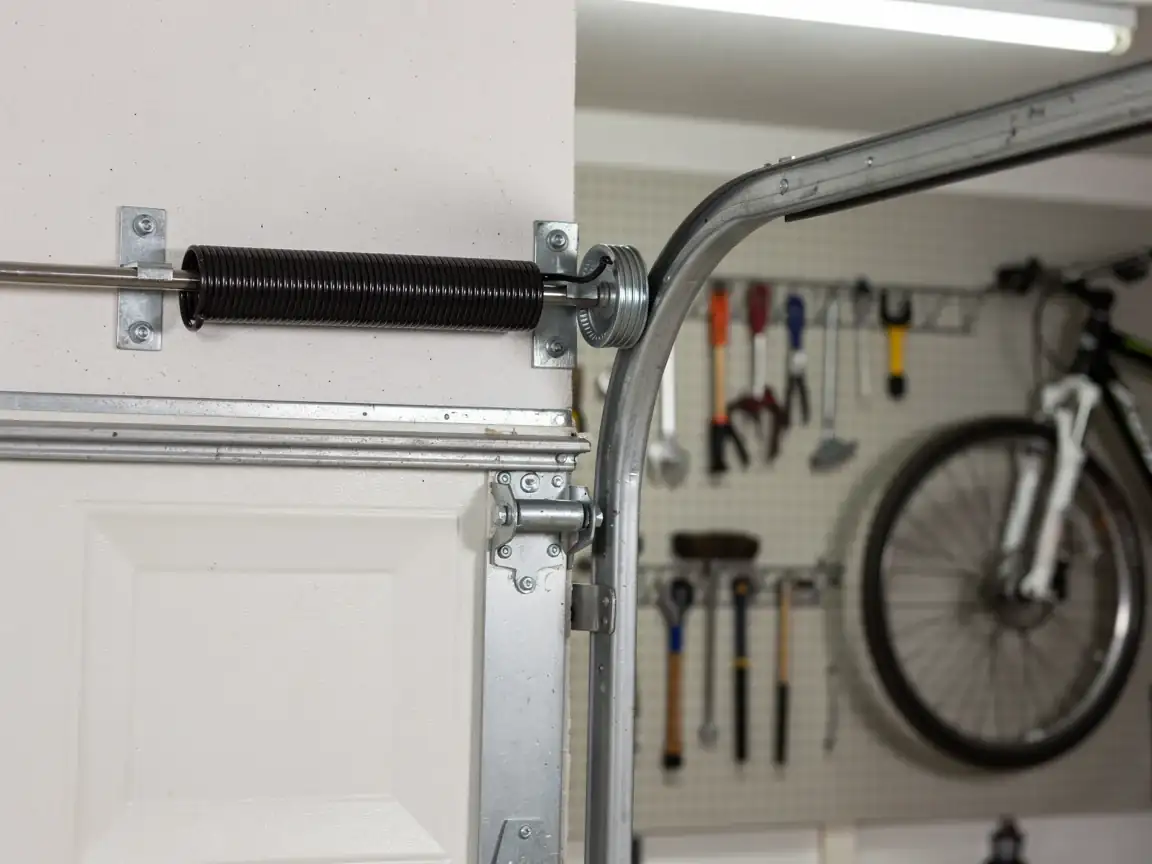
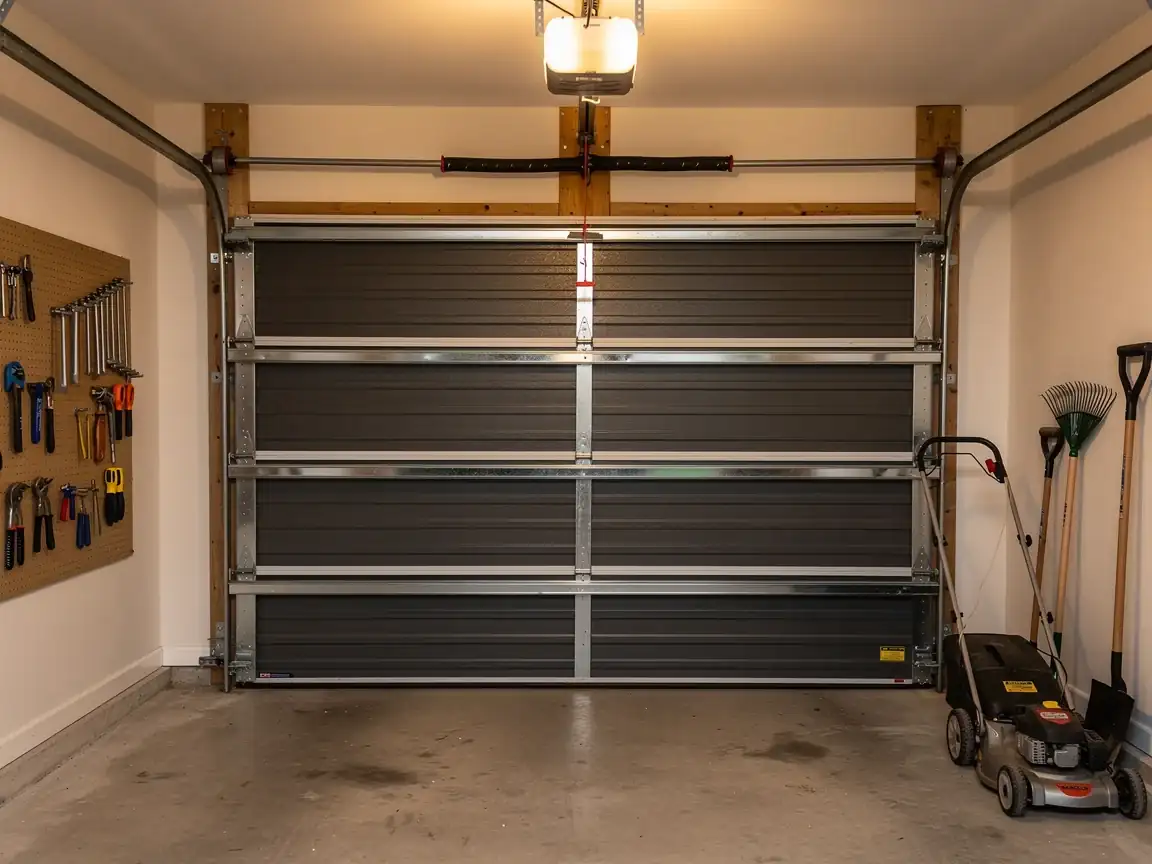
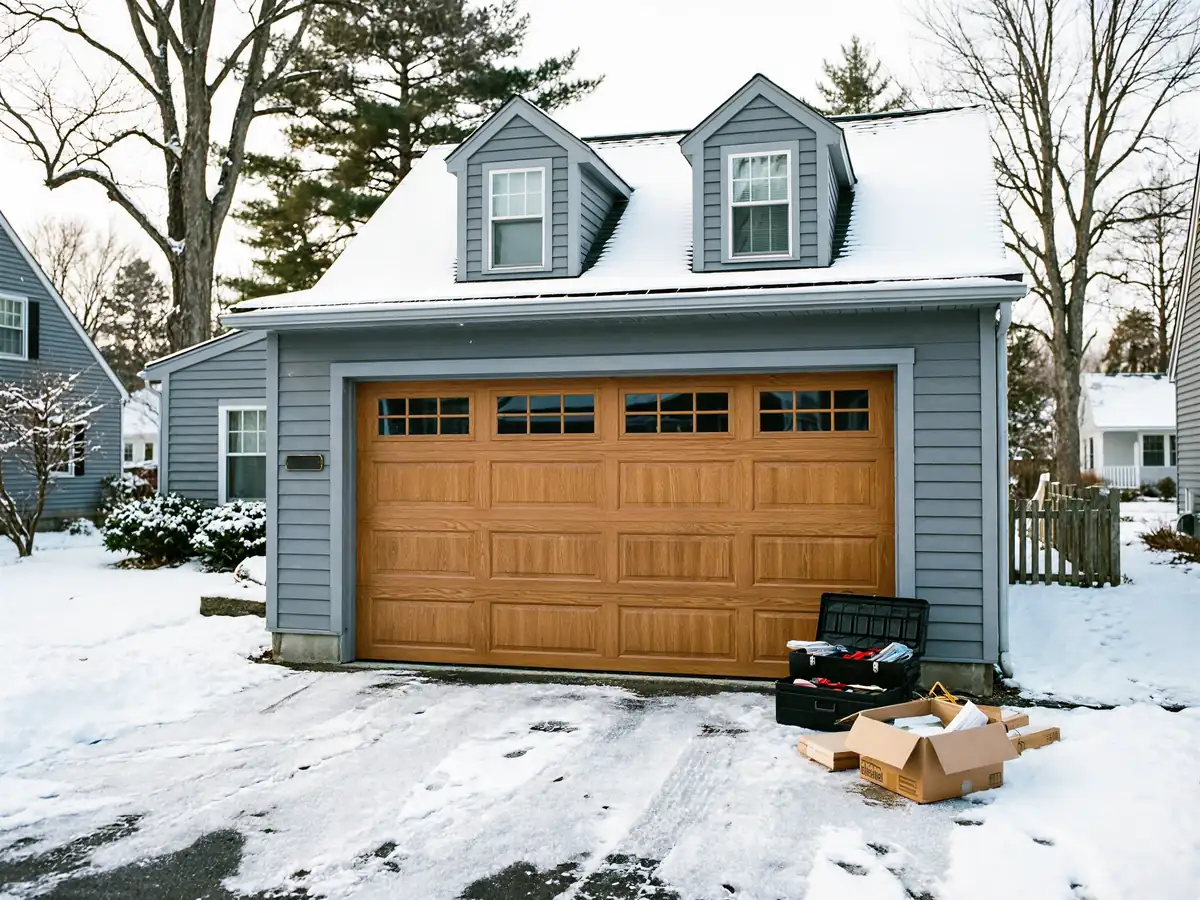
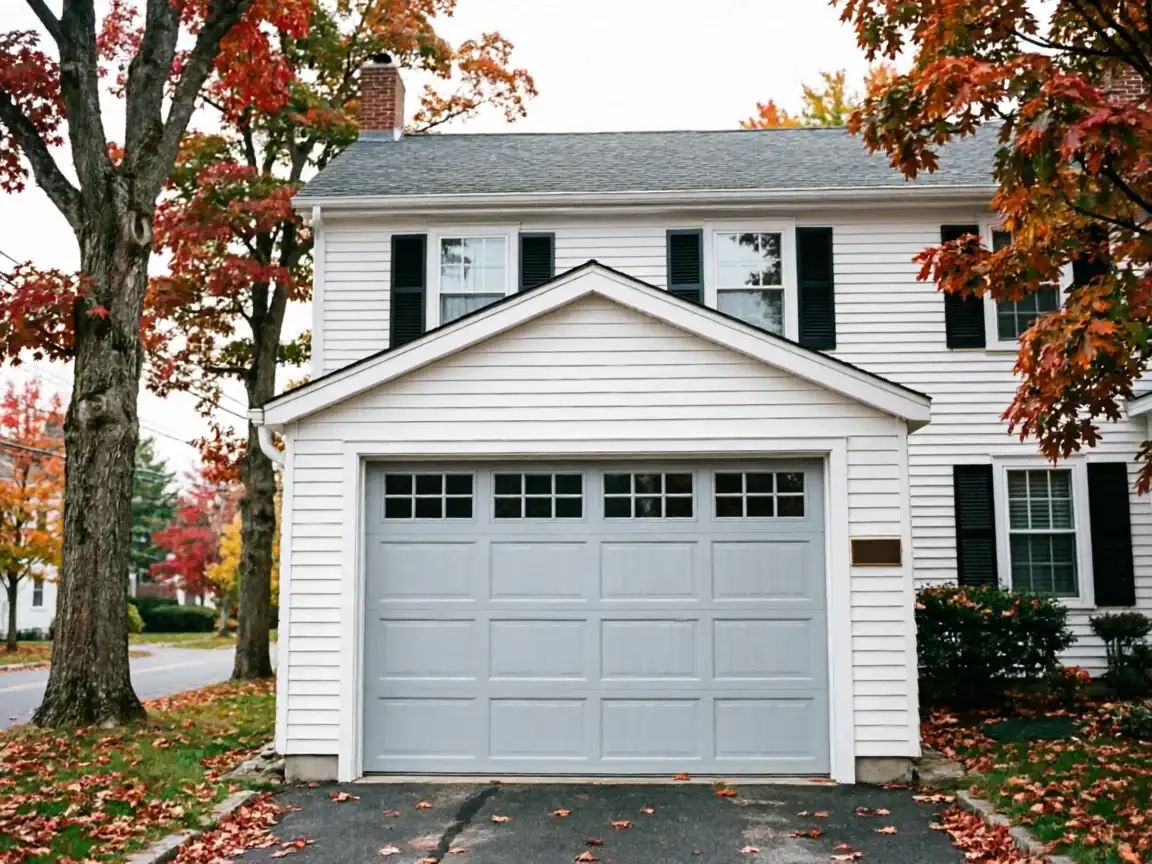
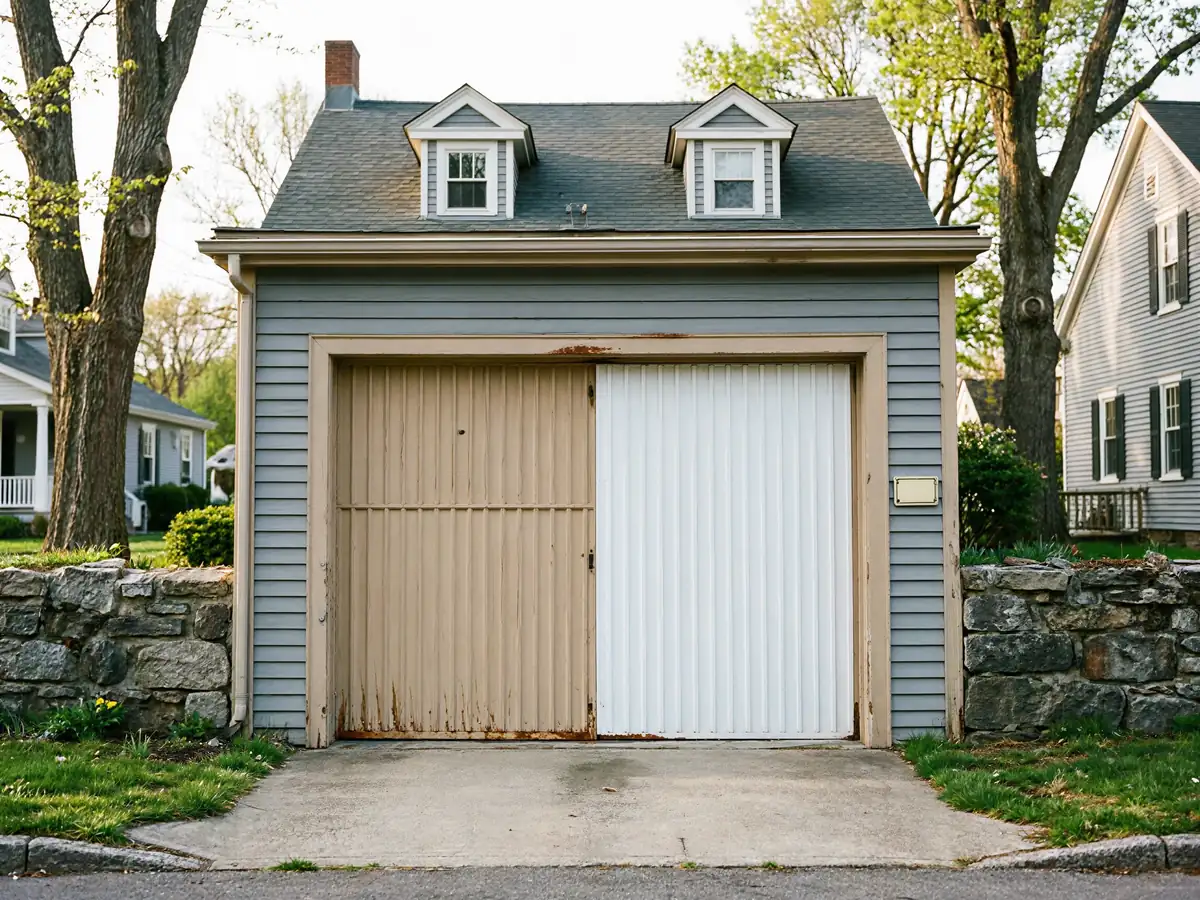
Most of Latrobe's housing went up around 1953, a few years into the post-war building boom that put one-piece steel and wood doors on torsion or extension hardware now pushing seventy years old. On a lot of these houses the door is a single flat panel, not the insulated sectional style you'd find on anything built in the last twenty years, and the opening is usually sized for the cars of that decade - narrower than what a lot of newer garages run. The track is often mounted to wood jambs that have shifted a little with the house, which throws the alignment off in ways a newer steel-framed opening doesn't have to deal with. If the door's never been swapped, the spring is almost certainly the original style of hardware for the era: a single torsion spring over the header, or two stretched extension springs along the horizontal track, neither of which gets installed on new doors anymore. None of that means the door is bad. It means the parts, the fasteners, and the way the whole assembly was hung are older than what most techs see on a daily call, and that changes what a repair actually involves.
What Can Go Wrong
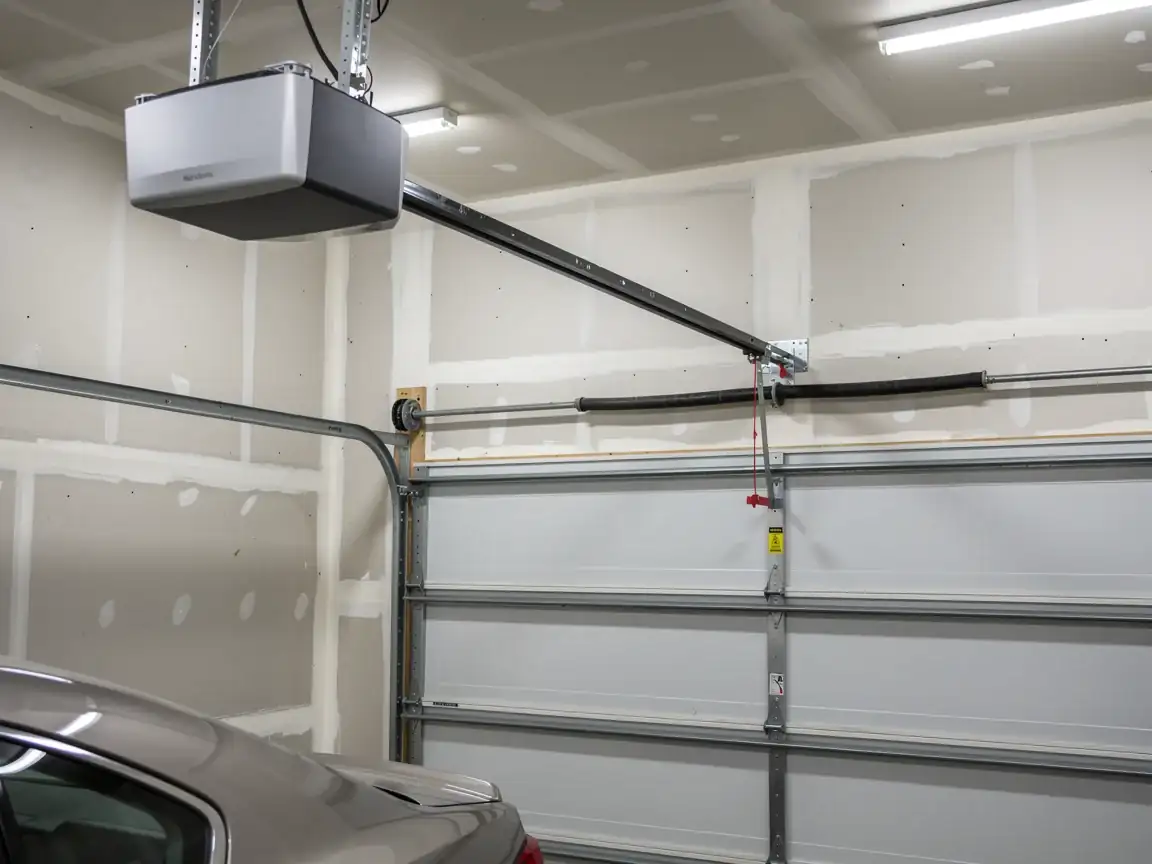
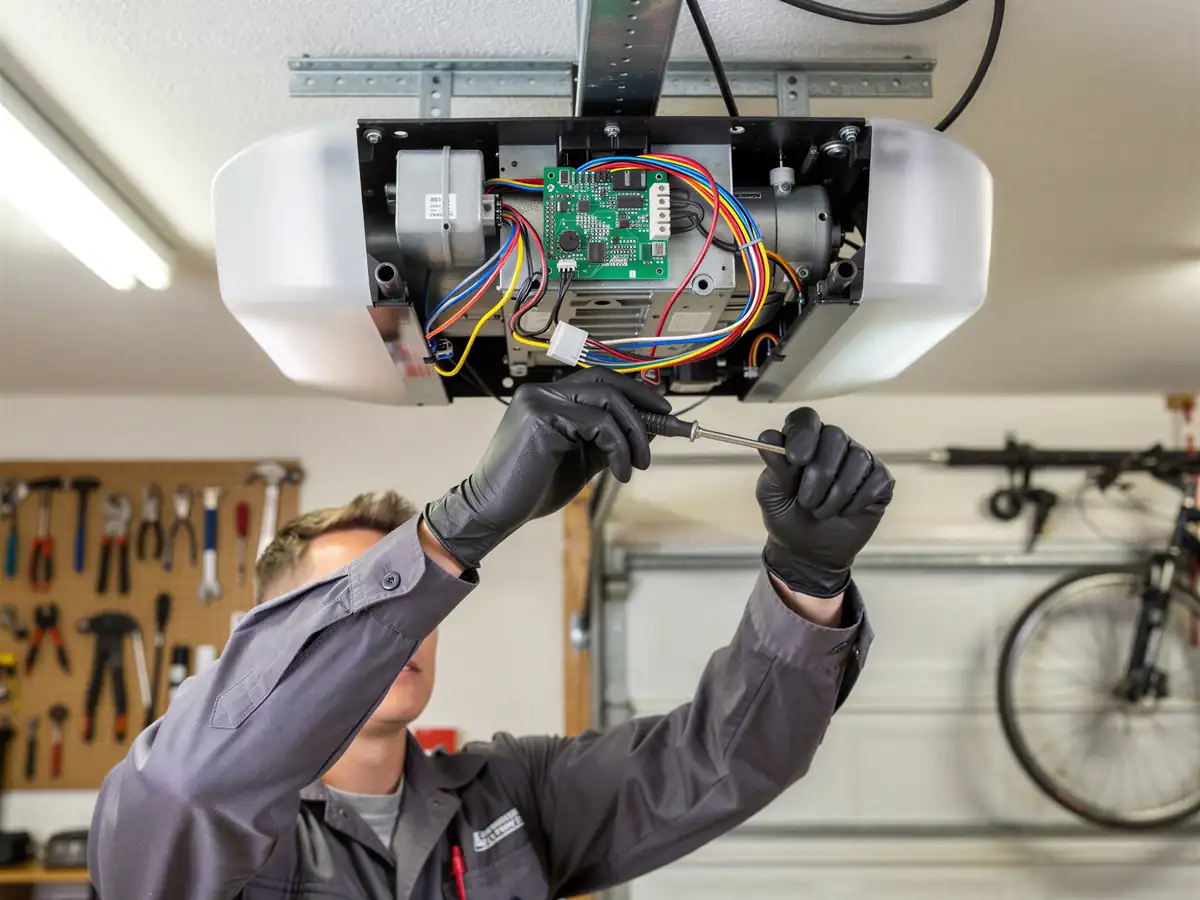
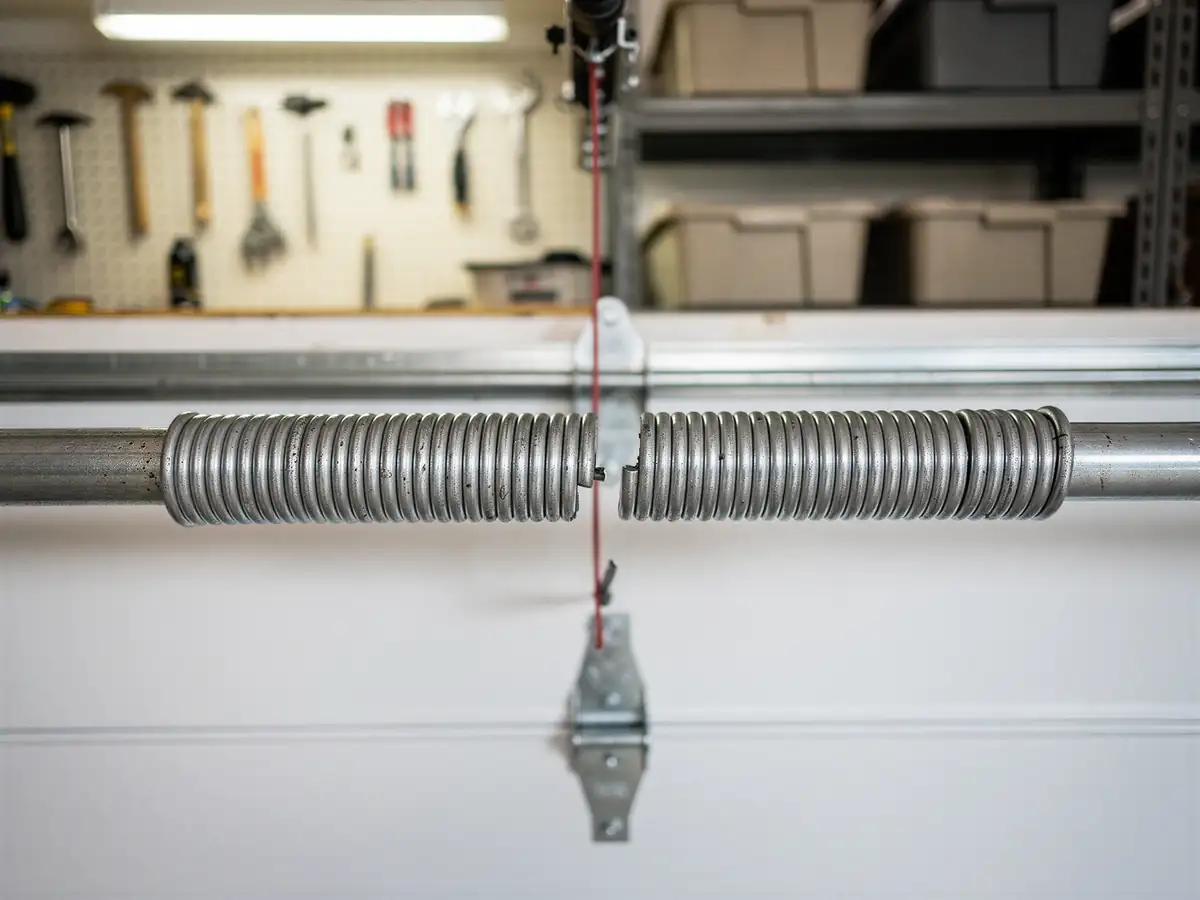
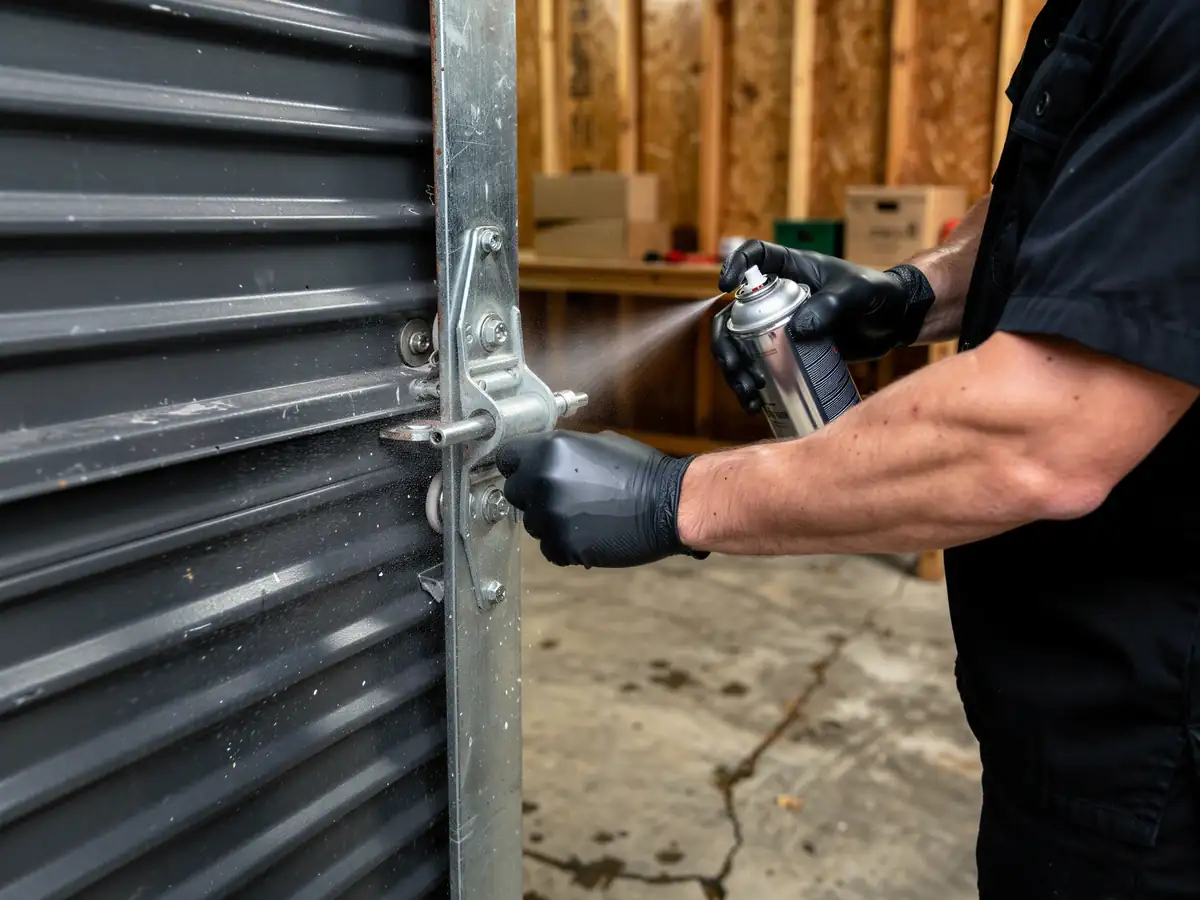
The county sits in a climate band the federal data marks as cold and severe, and that matters more on a door this old than it would on something installed last year. Steel panels from the 1950s don't have the thermal break or the galvanizing standard that later doors do, so repeated freeze-thaw cycles work rust into the hinge points and roller brackets faster. Torsion springs from that era, if they're original, are long past any reasonable fatigue life - most springs are rated in cycles, not years, and a door this old has gone through them. Extension springs without containment cables, which was common hardware for the period, are also a real safety issue if one lets go. Add in wood jambs that have moved over seven decades and you get tracks that are out of plumb, which shows up as a door that binds, reverses on its own, or drags on one side. Openers are usually a separate problem from the door itself - a chain-drive unit installed any time before the last decade or so is close to the end of its working life regardless of the door it's lifting.
Doing It Yourself
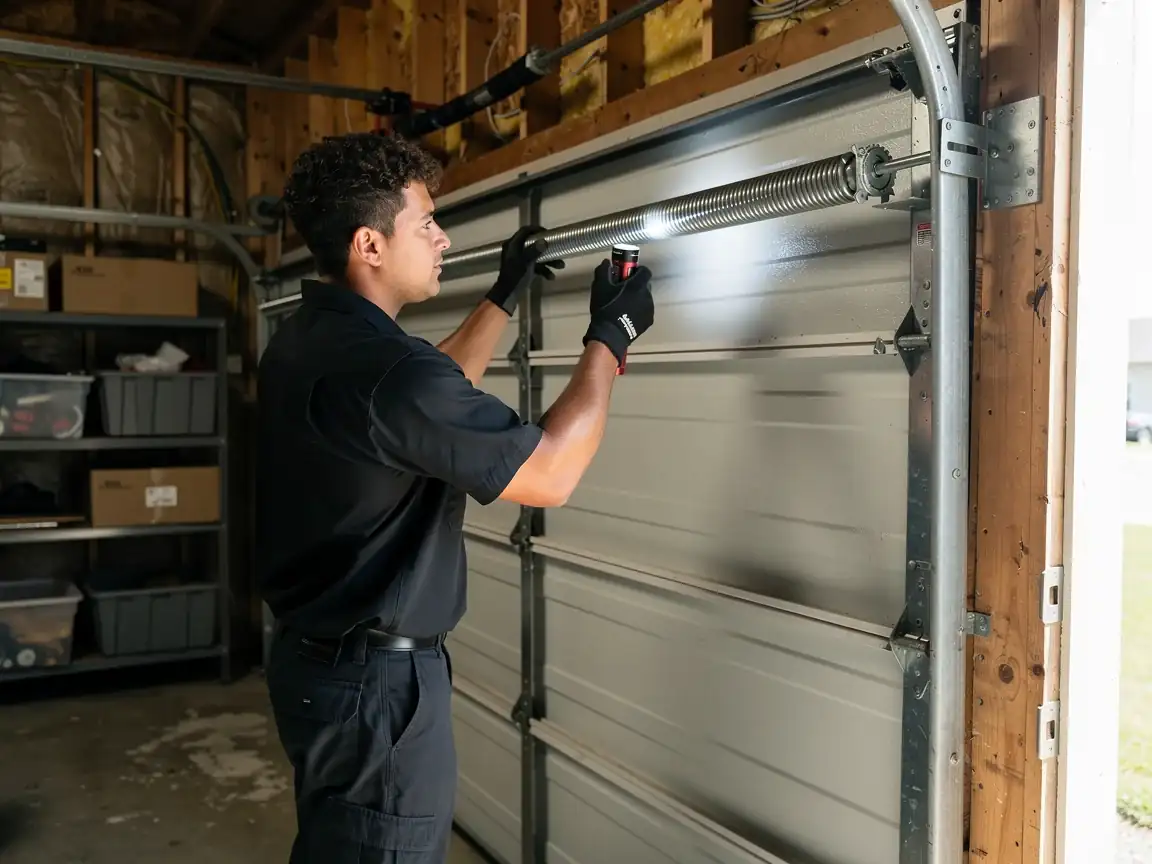
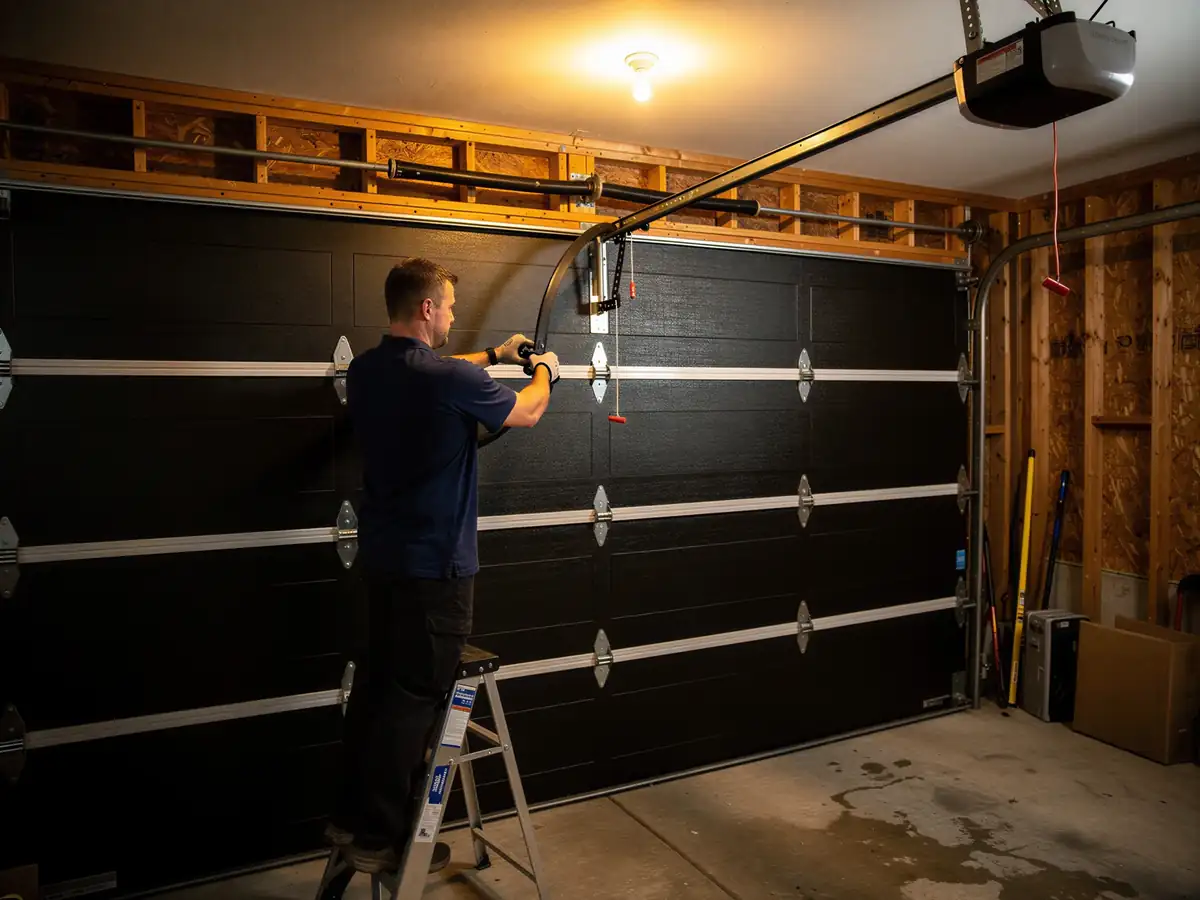
A torsion spring holds a dangerous amount of stored energy, more on a 1950s single-spring setup than people expect, because the whole door's weight rides on that one spring instead of being split across two. We don't recommend touching it yourself, and we won't walk anyone through adjusting it over the phone. Extension springs are somewhat safer to look at but still shouldn't be handled without the right clamps. What you can reasonably check yourself: the track for visible rust or separation at the wall brackets, the rollers for cracking, and whether the door reverses cleanly when it hits something light like a shoe. If the door's dragging on one side, that's often a jamb or track alignment issue rather than a spring problem, and it's worth mentioning when you call so we bring the right parts. One honest limit on our end - if the wood jamb itself is rotted or has shifted enough to need rebuilding, that's carpentry work outside a standard garage door repair call, and we'll tell you that up front rather than try to force a track onto bad wood.
How Long It Takes
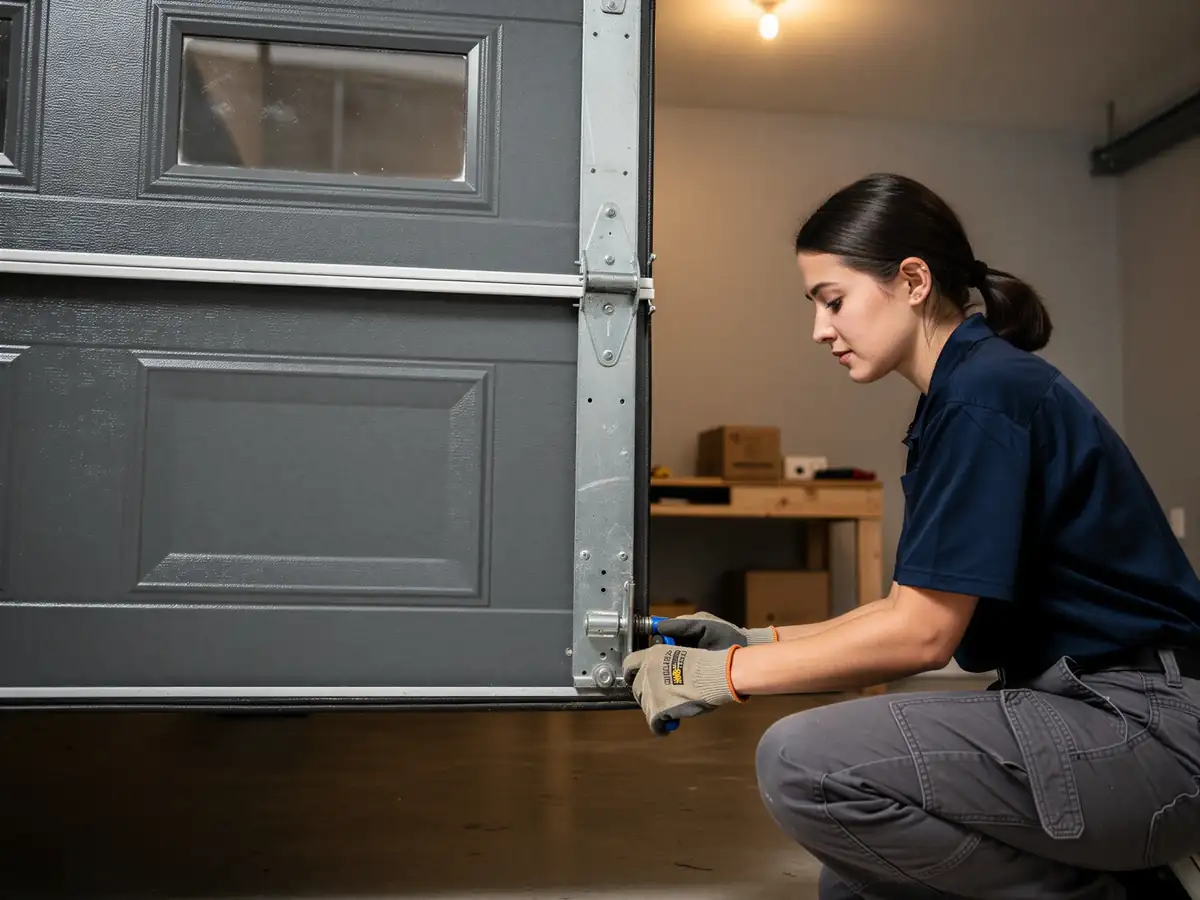
A straight spring replacement on original torsion hardware is usually a same-visit job once we're on site - it's a known fix with parts we carry. Where it takes longer is when the track or jamb needs attention too, since that's a second kind of work layered onto the first, or when the door itself needs measuring for a part that isn't a standard size anymore because of how these older openings were framed. We travel to Latrobe from Greensburg, about 8 miles out, so the drive itself isn't the long part of the job - it's diagnosing what's actually wrong on a door with seventy years of hardware history behind it. We'd rather take the extra few minutes to check the jamb and track before closing up a spring job than have you call back in a month for something we should have caught.