What You Are Seeing
Latrobe sits eight miles from our shop in Greensburg, which matters more than it sounds like it should. A call out here isn't a quick hop between jobs closer to home base - it's a planned trip, and that shapes how we schedule the visit and what we bring on the truck the first time, since a second trip for a part we didn't expect to need costs everybody time.
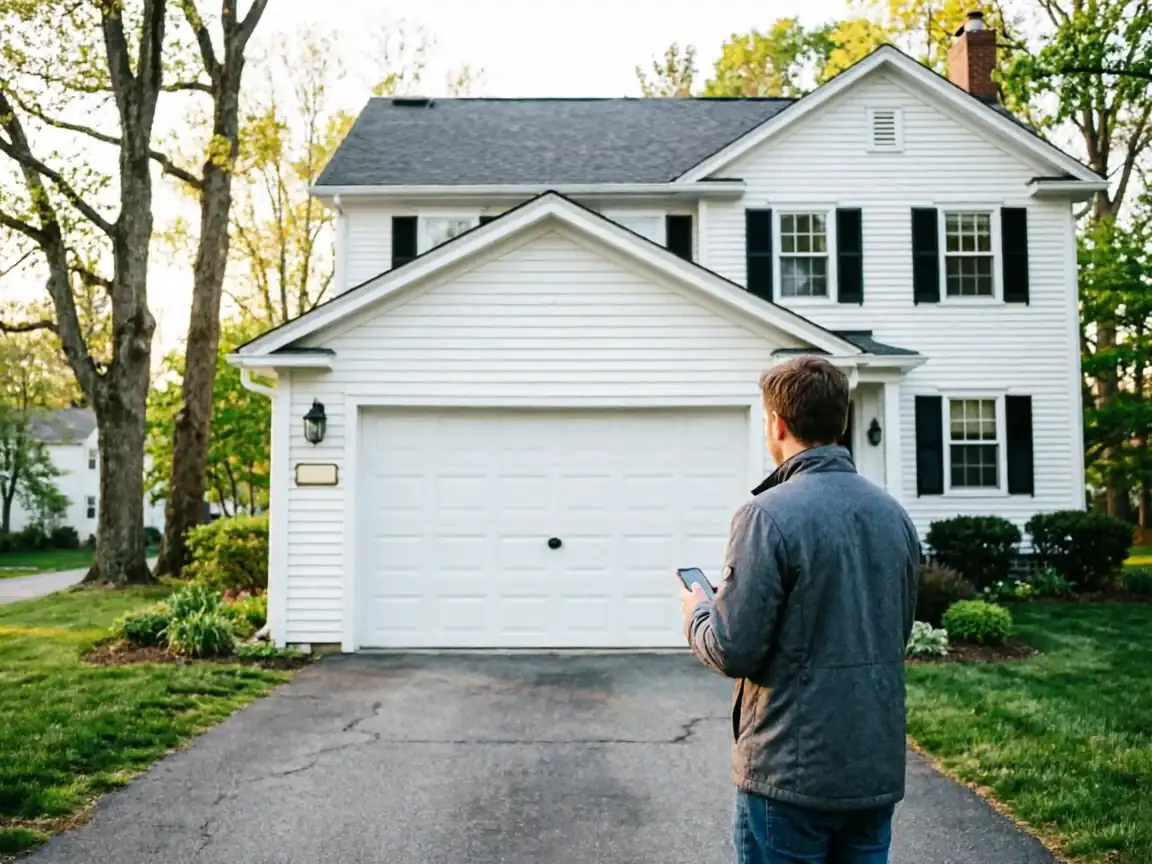
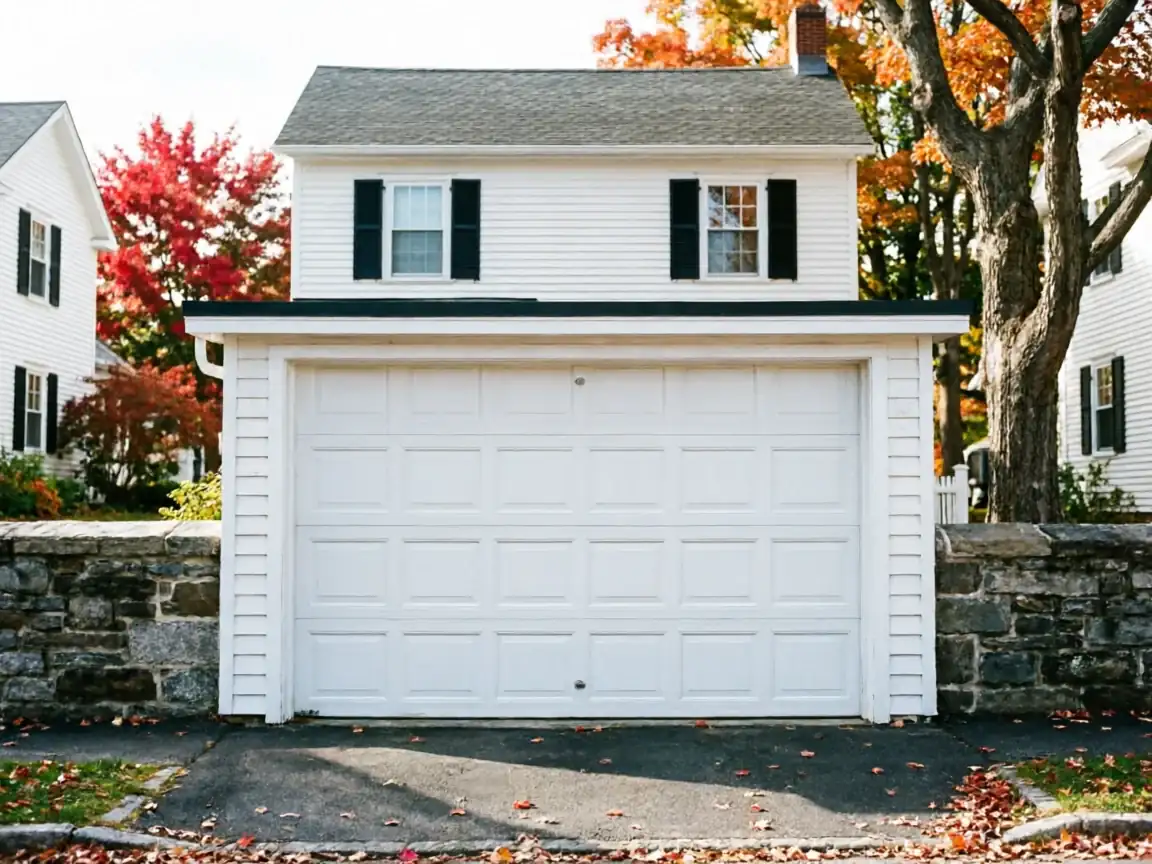
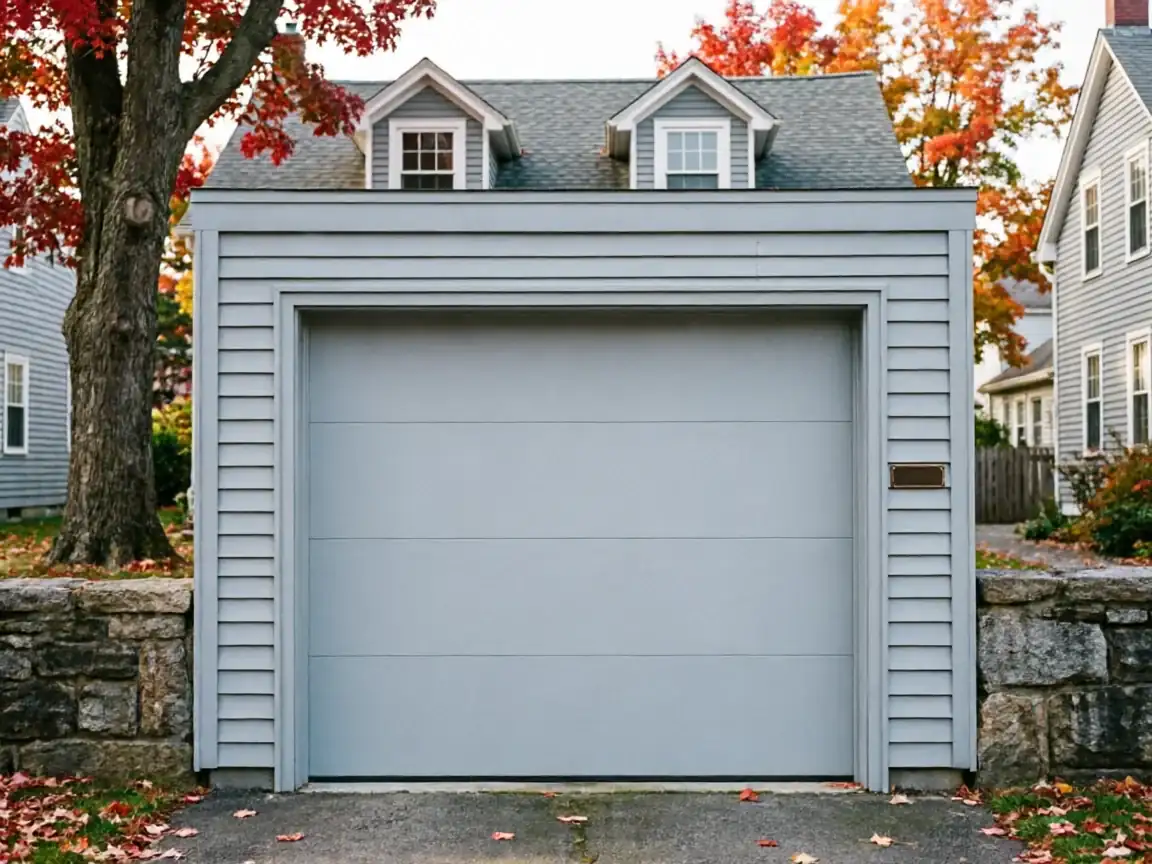
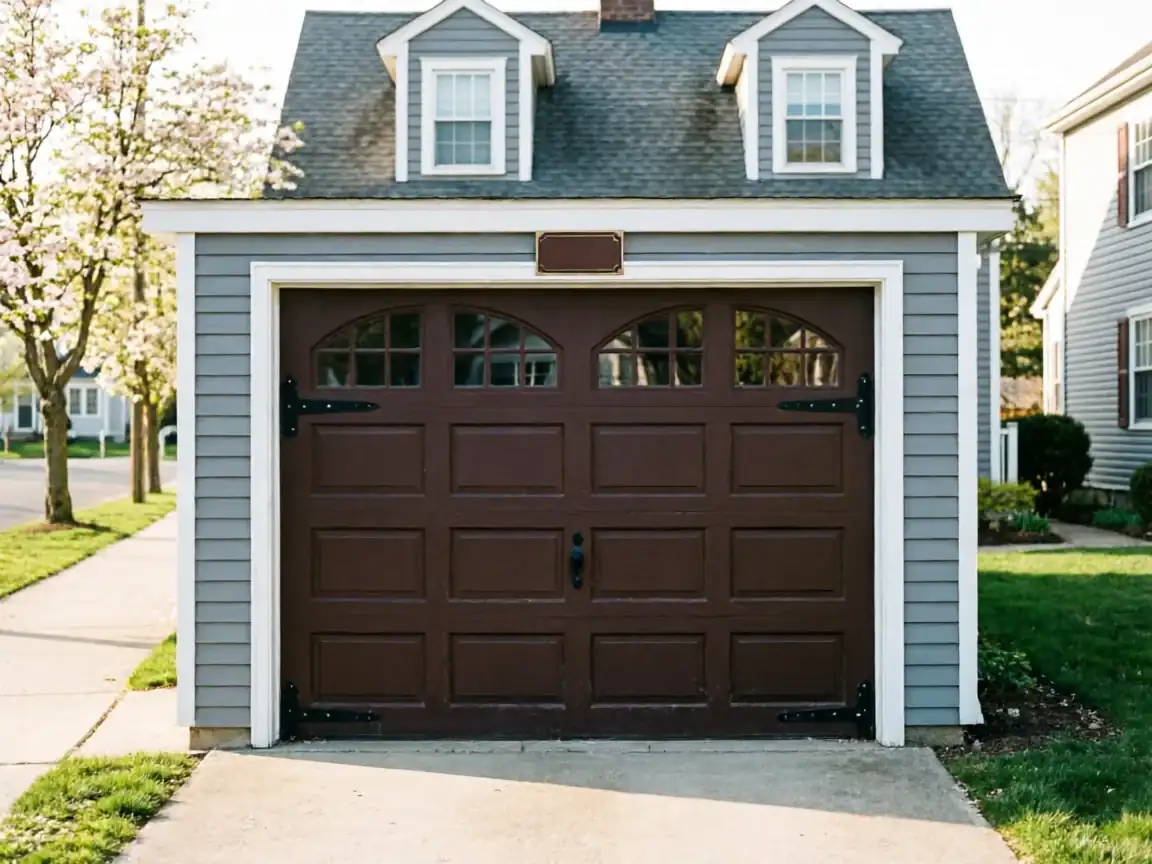
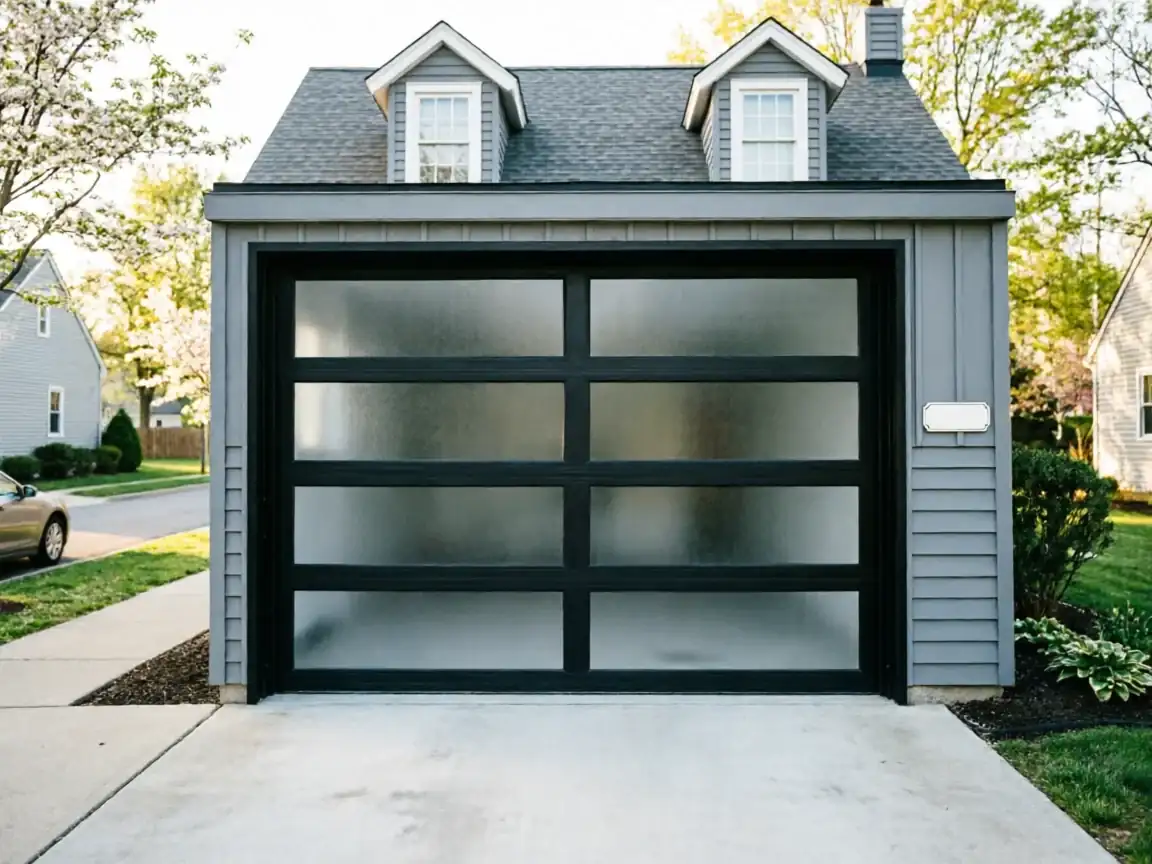
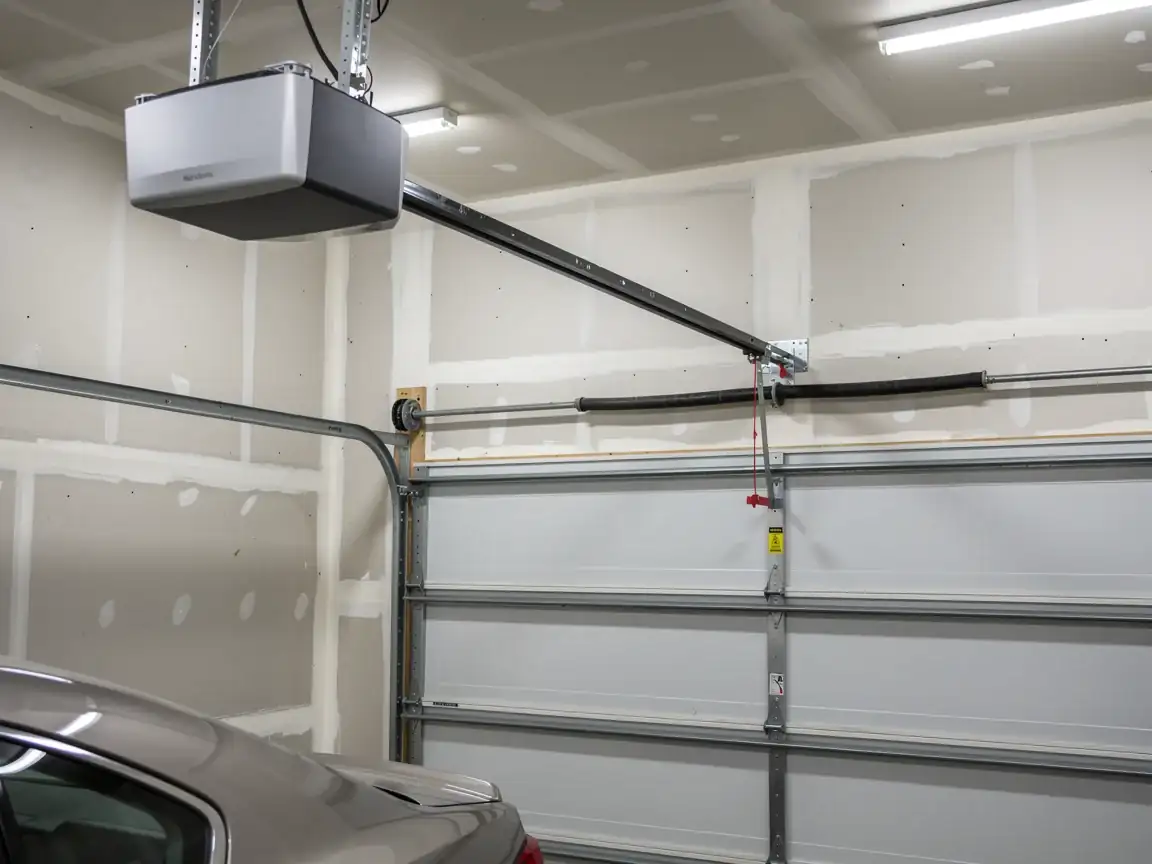
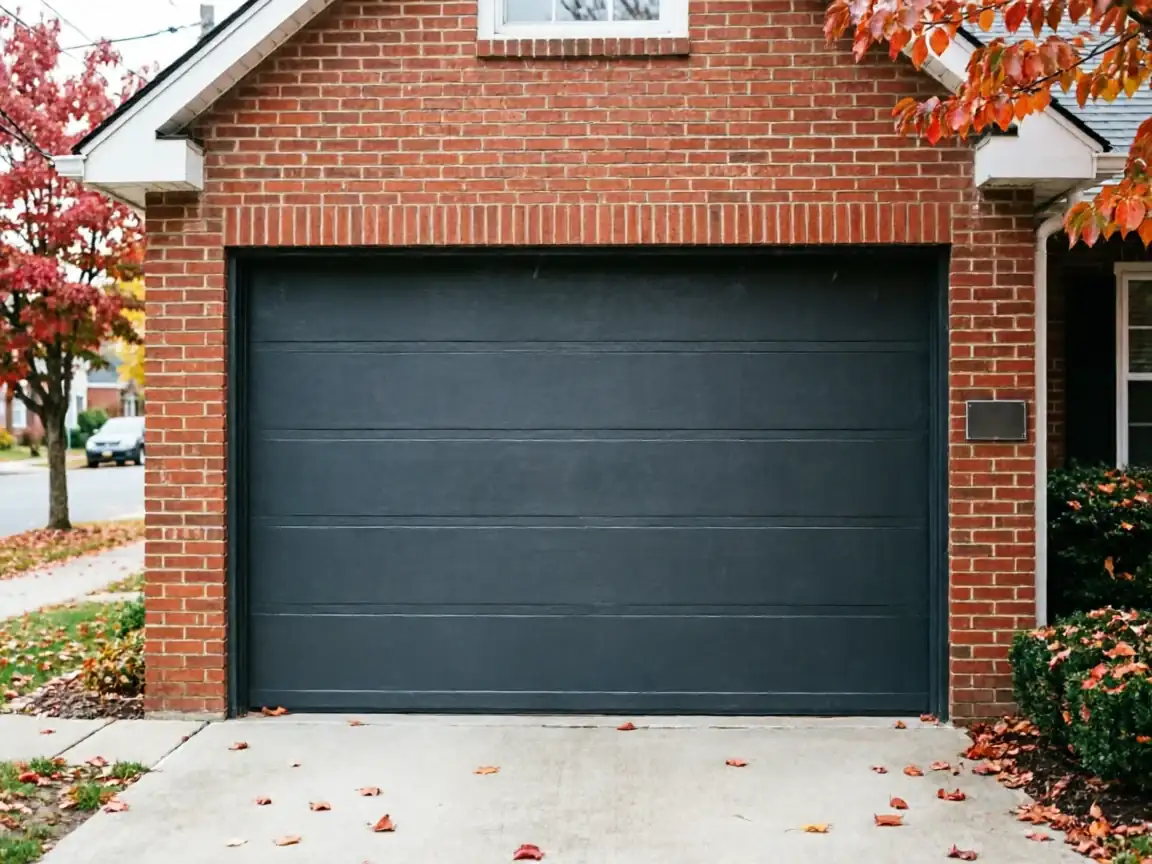
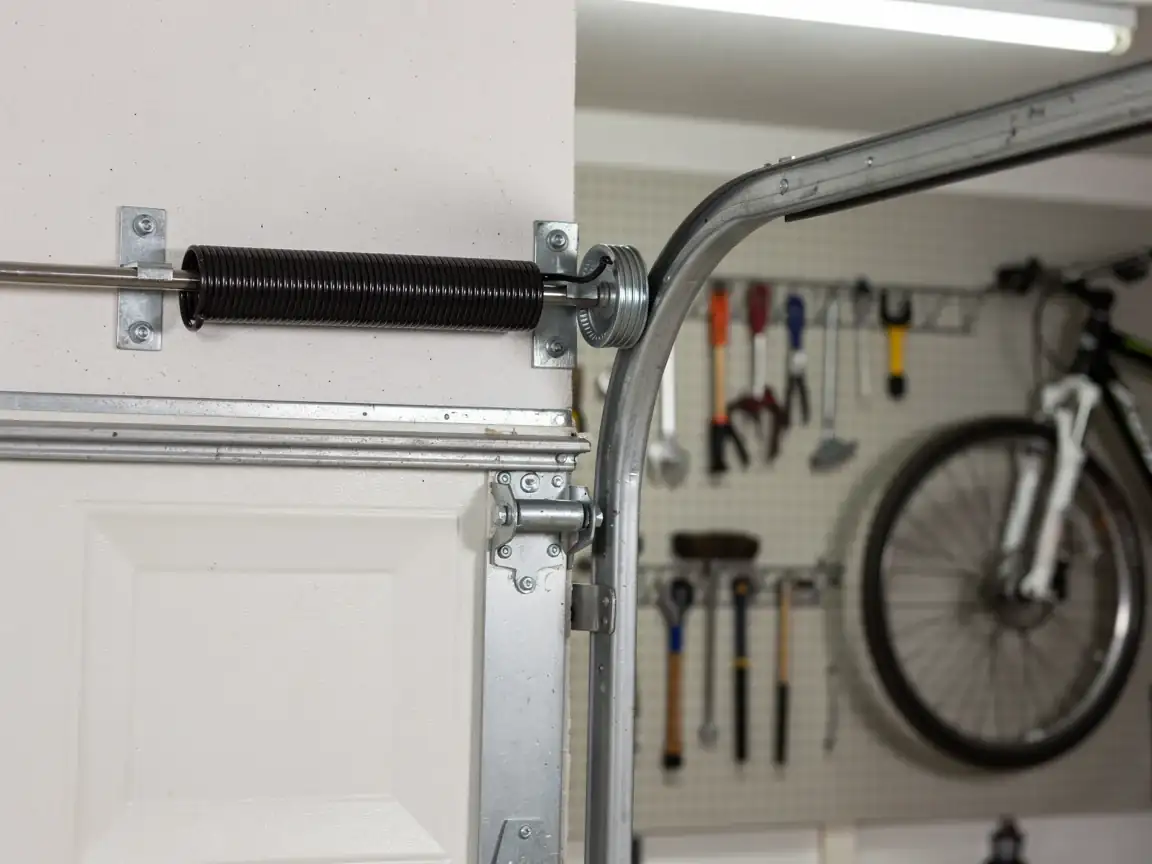
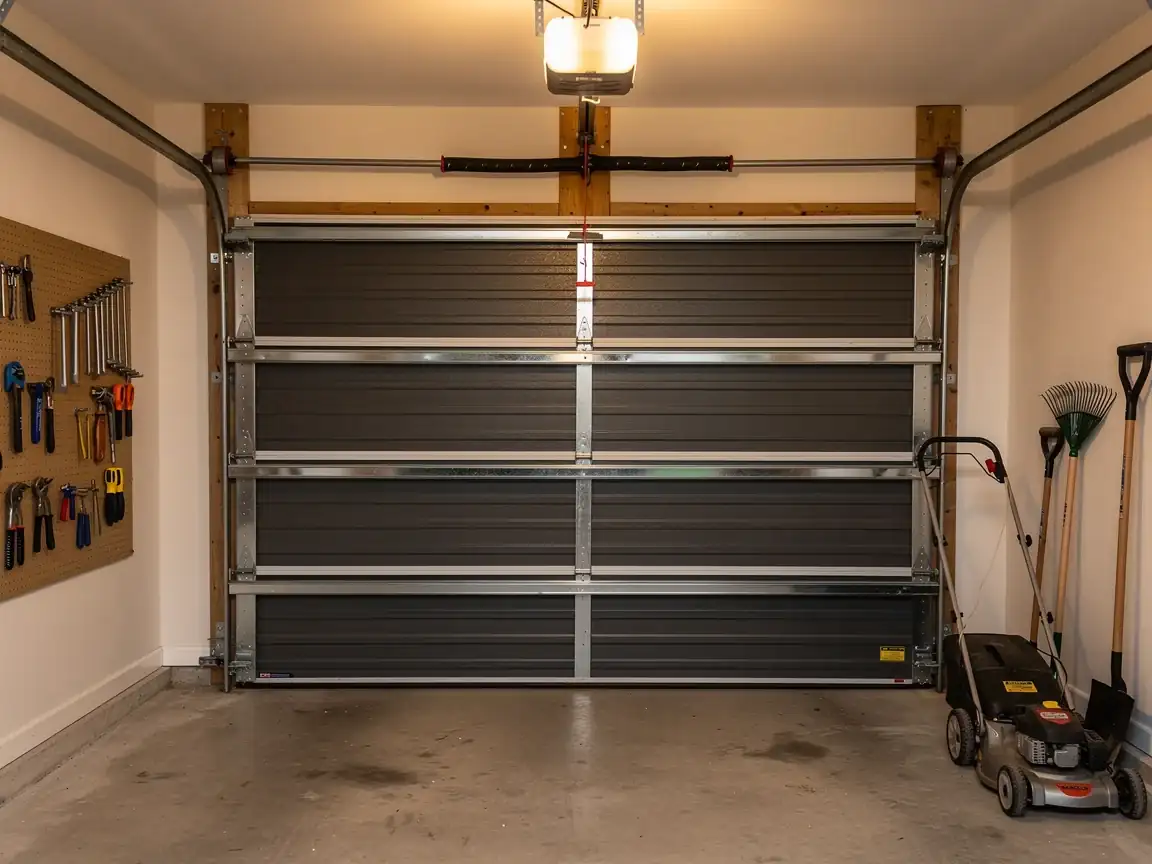
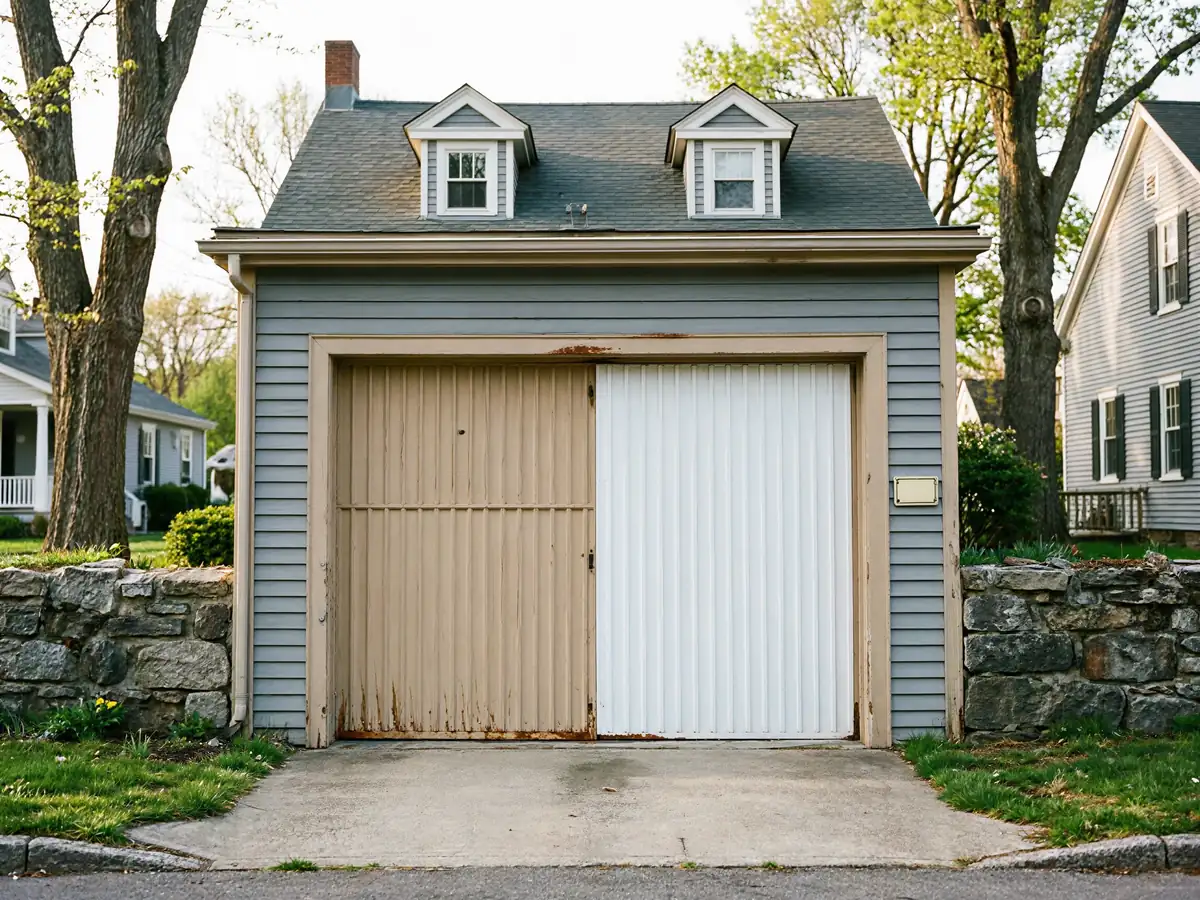
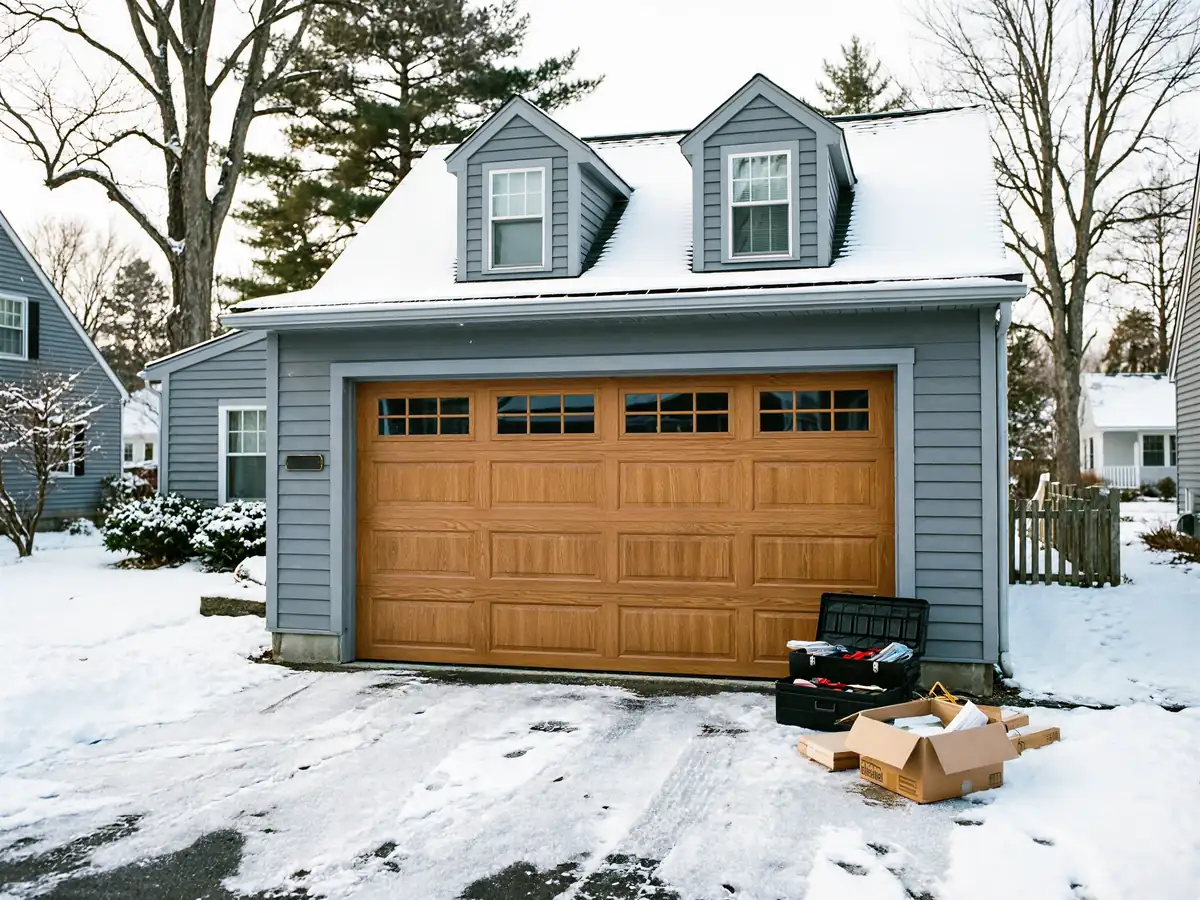
What we're usually seeing once we get there is a door that matches the neighborhood around it. Median year built here is 1953, and across the wider service area most of the stock went up between 1938 and 1985 with a heavy lean toward pre-1960 construction. That means a lot of original openings sized for doors nobody makes anymore - single panel, light track, extension springs instead of torsion - paired with framing that was never meant to carry a modern insulated door's weight.
With roughly 3,835 households in this part of town, that era of door isn't a one-off. It's a pattern. When one original door on a block gives out, the one two houses down usually isn't far behind it, because they went in around the same years off the same builder specs.
What Can Go Wrong
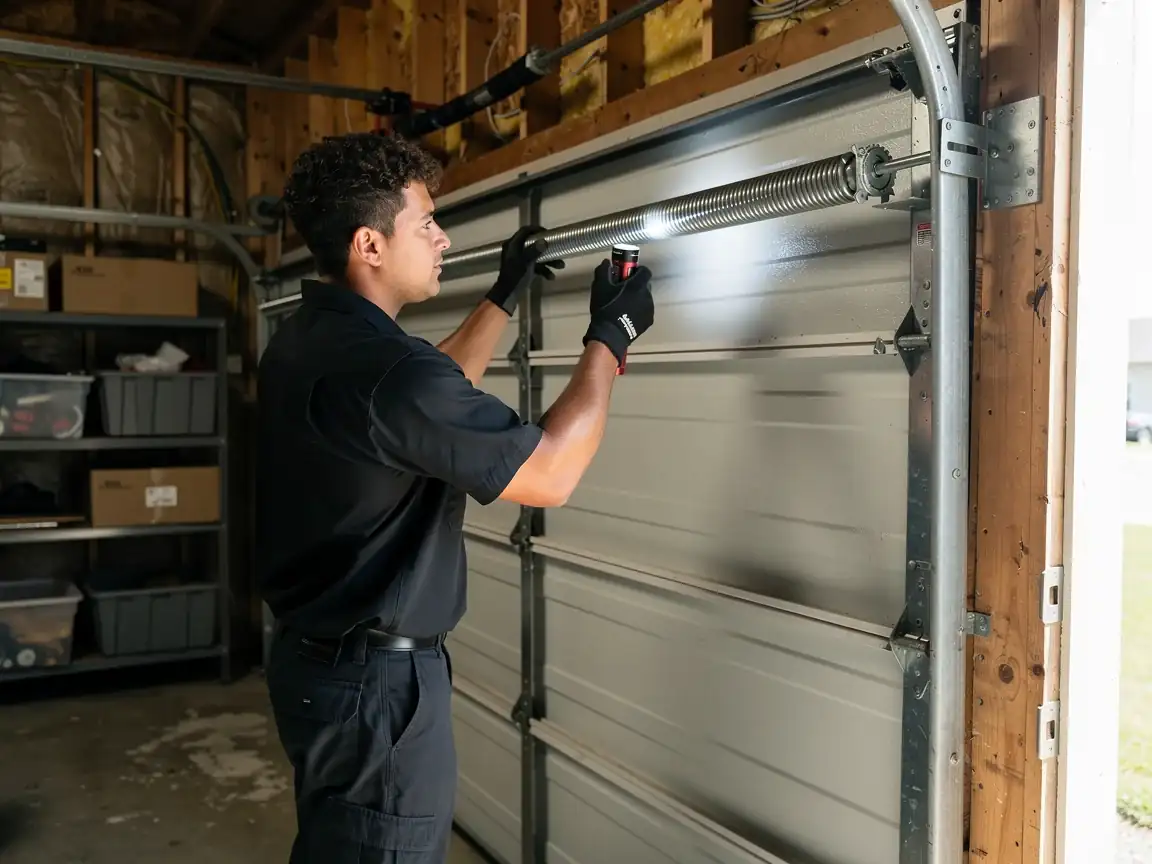
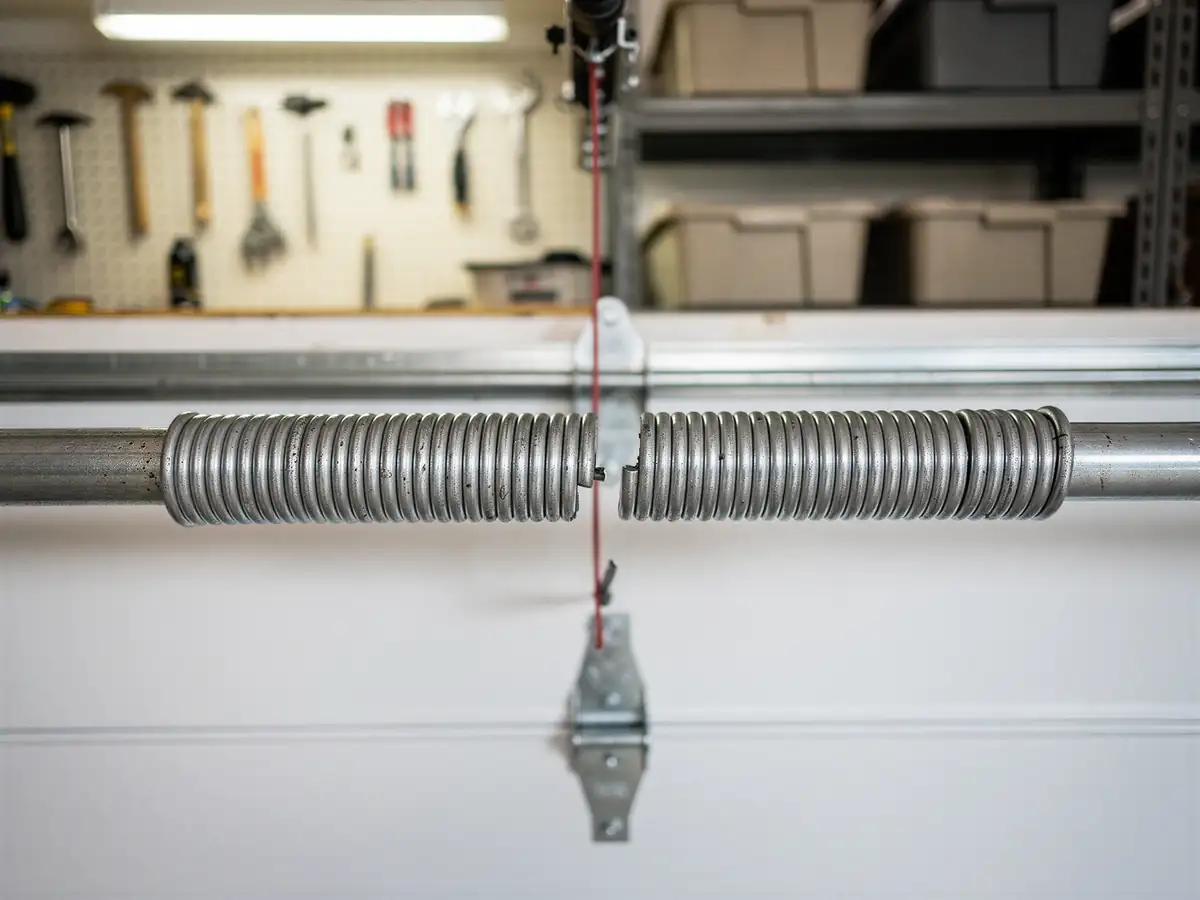
On a house from this era, the failure usually isn't the door panel - it's what's holding it. Extension springs on a 1950s opening stretch and sag over decades, and by the time a homeowner notices, the cable routing or the track alignment has usually drifted with it. Retrofitting a new door onto framing that age sometimes means the rough opening isn't square anymore, which nobody finds out until the new unit is halfway in.
The cold is the other half of it. This region sits in a severe cold climate band, and an old door with no insulation and a worn-out seal doesn't just look dated - it's actively working against the house all winter. A new install is a chance to fix that, but only if the opener, the track, and the wall framing all get checked together instead of just swapping the door face and calling it done.
The Cost of This Job
We don't post a flat number for installs here
And we're not going to make one up for this page. What a job runs depends on door size, insulation level, and whether the opening needs any framing work to take a modern door square - and on a house built in 1953, that last part is a real variable, not a formality.
Median household income in this pocket runs $55,168, close to the wider service area's $55,909
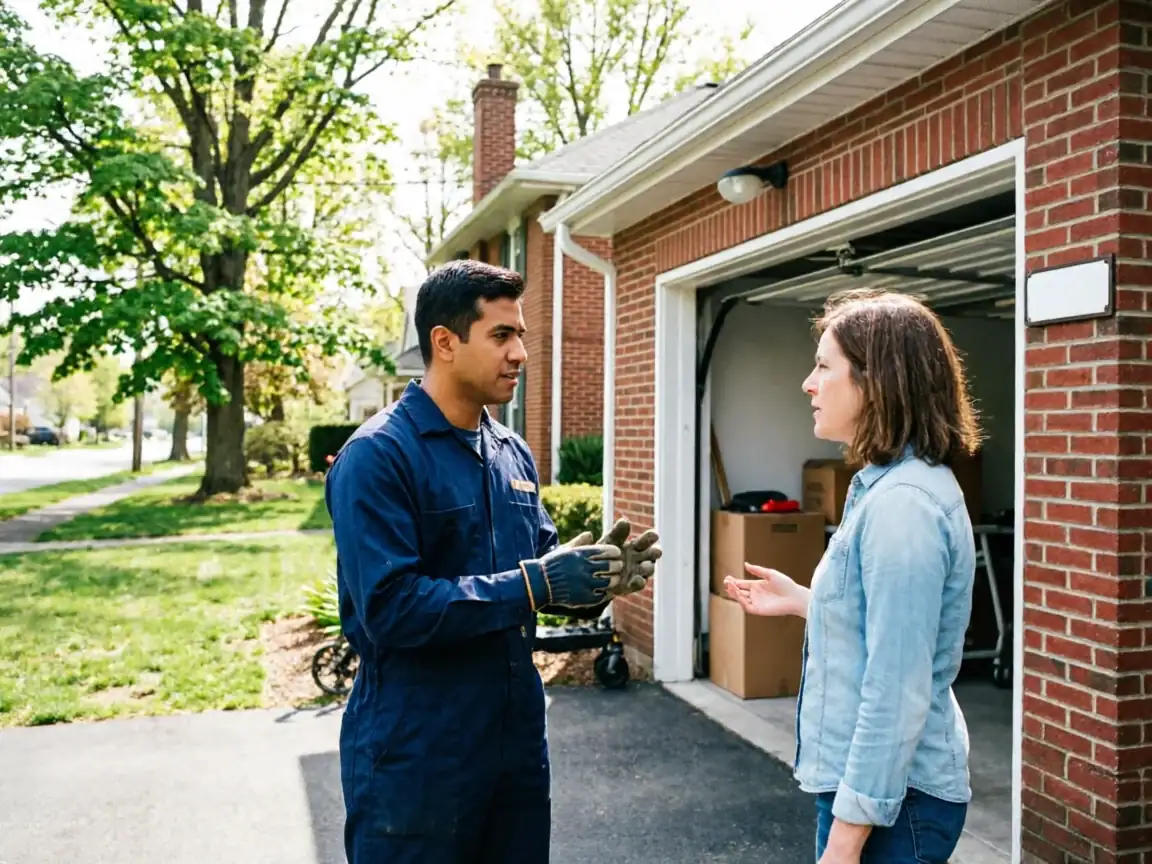
And most of the installs we quote here land in a range that fits a homeowner budgeting for a planned replacement rather than an emergency. We'll walk the opening with you before we give a number, because guessing at it from the road isn't worth either of our time.
Doing It Yourself
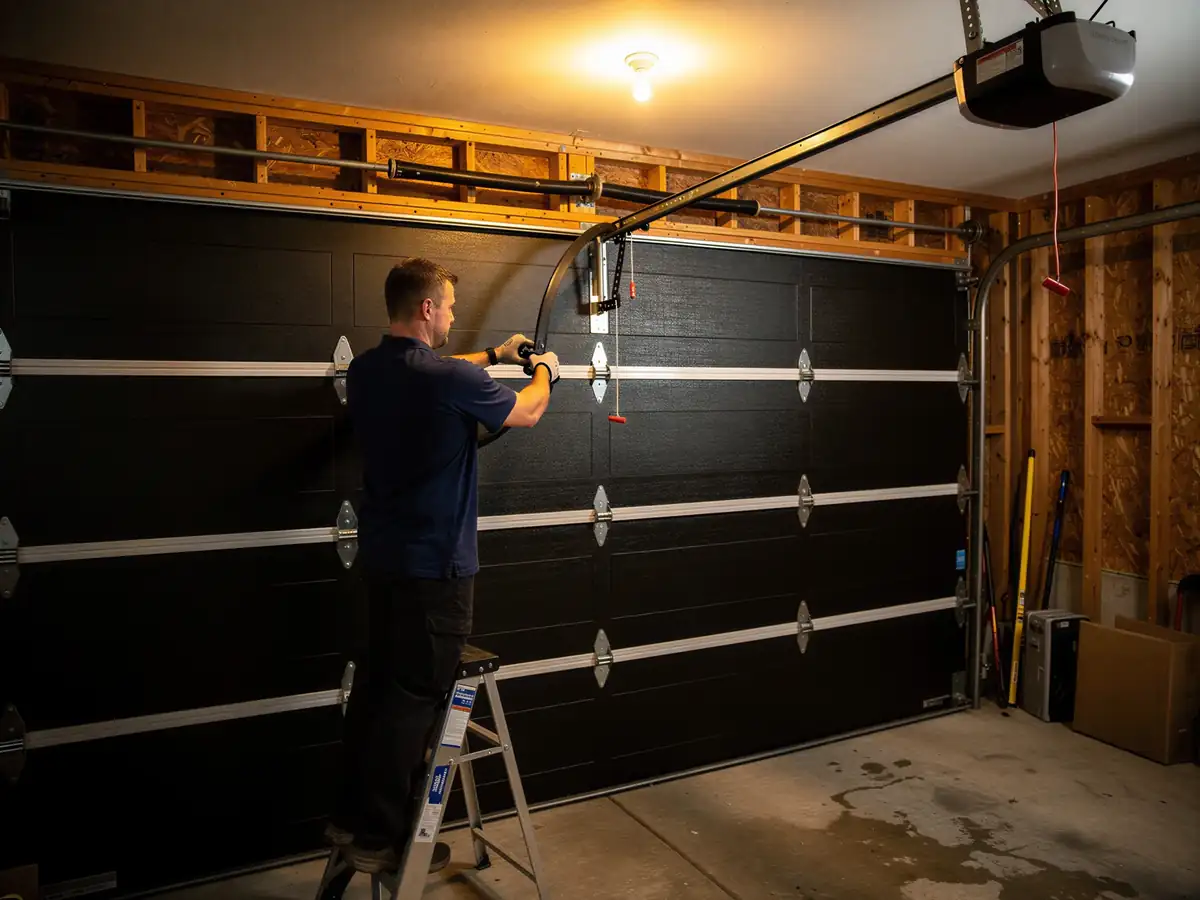
A torsion spring conversion or a full door swap on an opening this old is not a weekend project, and we'll say that plainly. The spring tension alone can put someone in the hospital if the winding bar slips, and on a 1950s frame you're often also dealing with warped jambs or settled headers that a kit door wasn't engineered around.
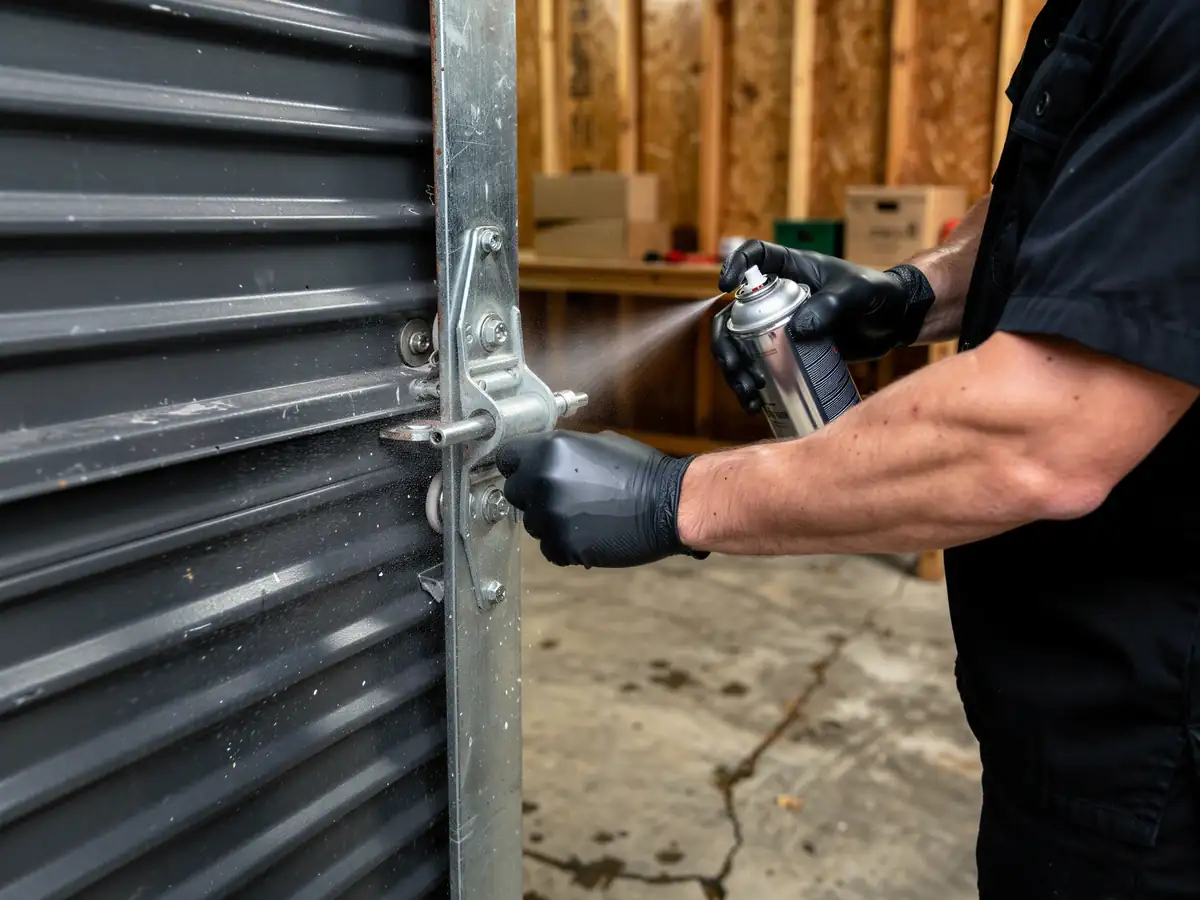
Where a homeowner can reasonably do their own work: weatherstripping, a new keypad, cosmetic hardware. Where we'd tell you to stop and call: anything involving the springs, anything where the new door doesn't sit flush in the old opening, and anything where the track has pulled away from the wall. That's not us protecting a job - that's where the injury numbers actually come from in this trade.
How Long It Takes
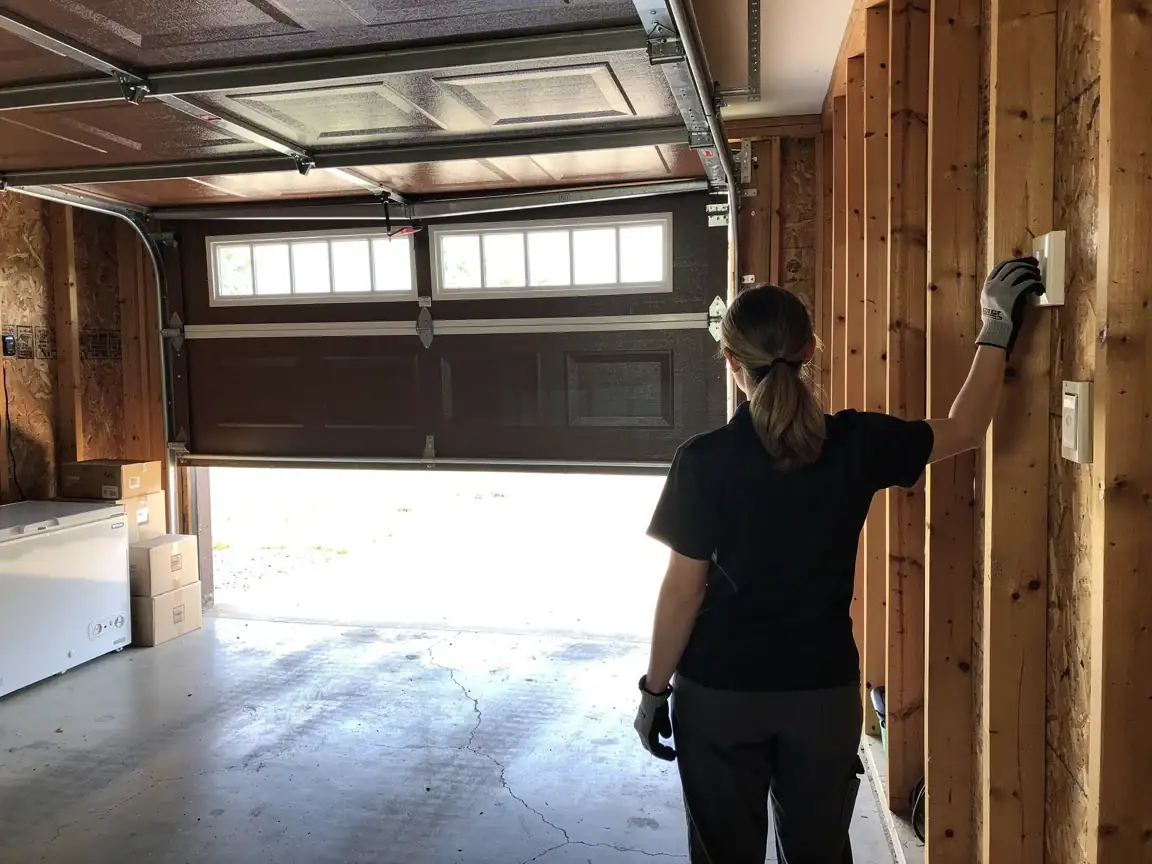
A straight swap - same size opening, no framing work - is usually a single visit. Where it stretches is the framing fix, and on houses from this era that's common enough that we plan for it rather than treat it as a surprise add-on.
Winter adds its own wrinkle. In a severe cold climate, we're working around weather windows for anything that involves cutting into framing or resealing an opening, since you don't want insulation going in wet or a seal set in freezing temps. We'll give you a realistic window once we've seen the opening, not before.
Booking a Visit
If you're in Latrobe and looking at a door that's original to the house, or close to it, start with a walk-through
We need eyes on the opening before we can talk size, insulation, or framing work. We cover this stop from our Greensburg shop, same as the rest of the surrounding towns in the area.
If you're after a broader look at what we do out of Greensburg beyond new installs
That's covered on our main installation page.