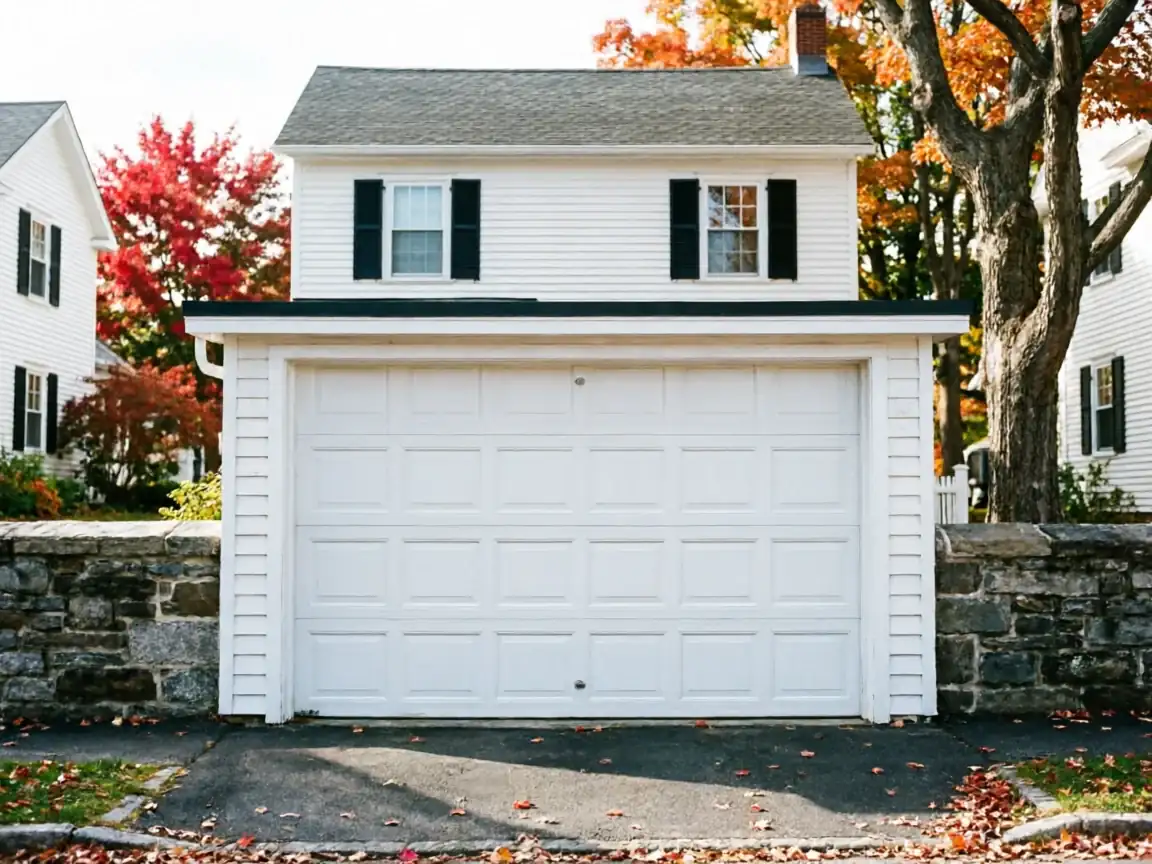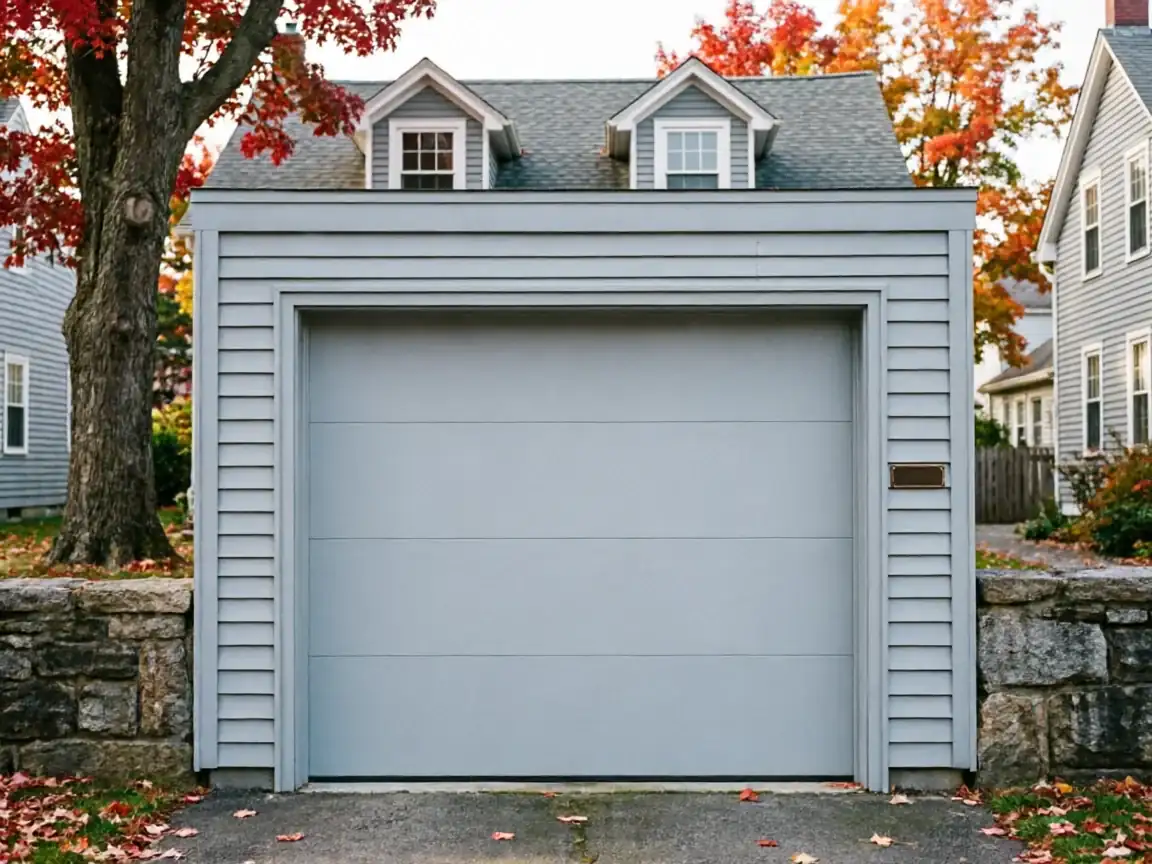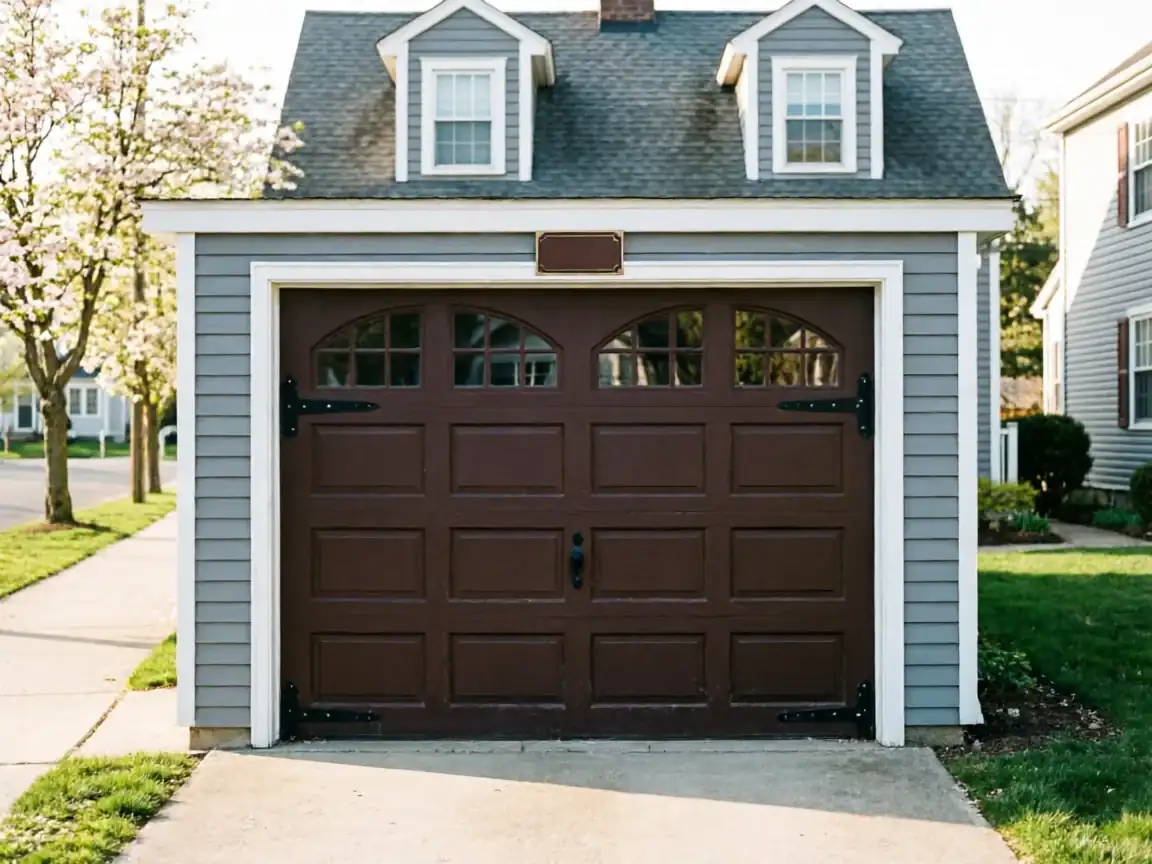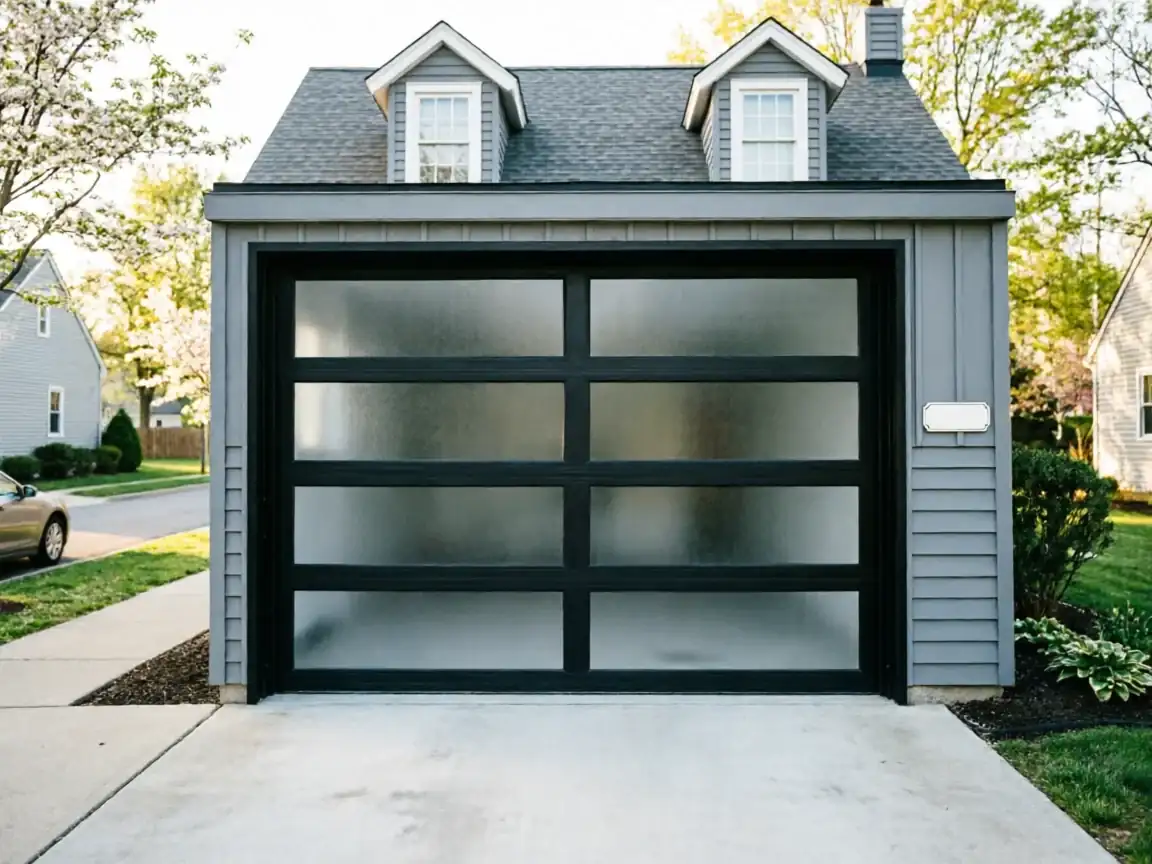
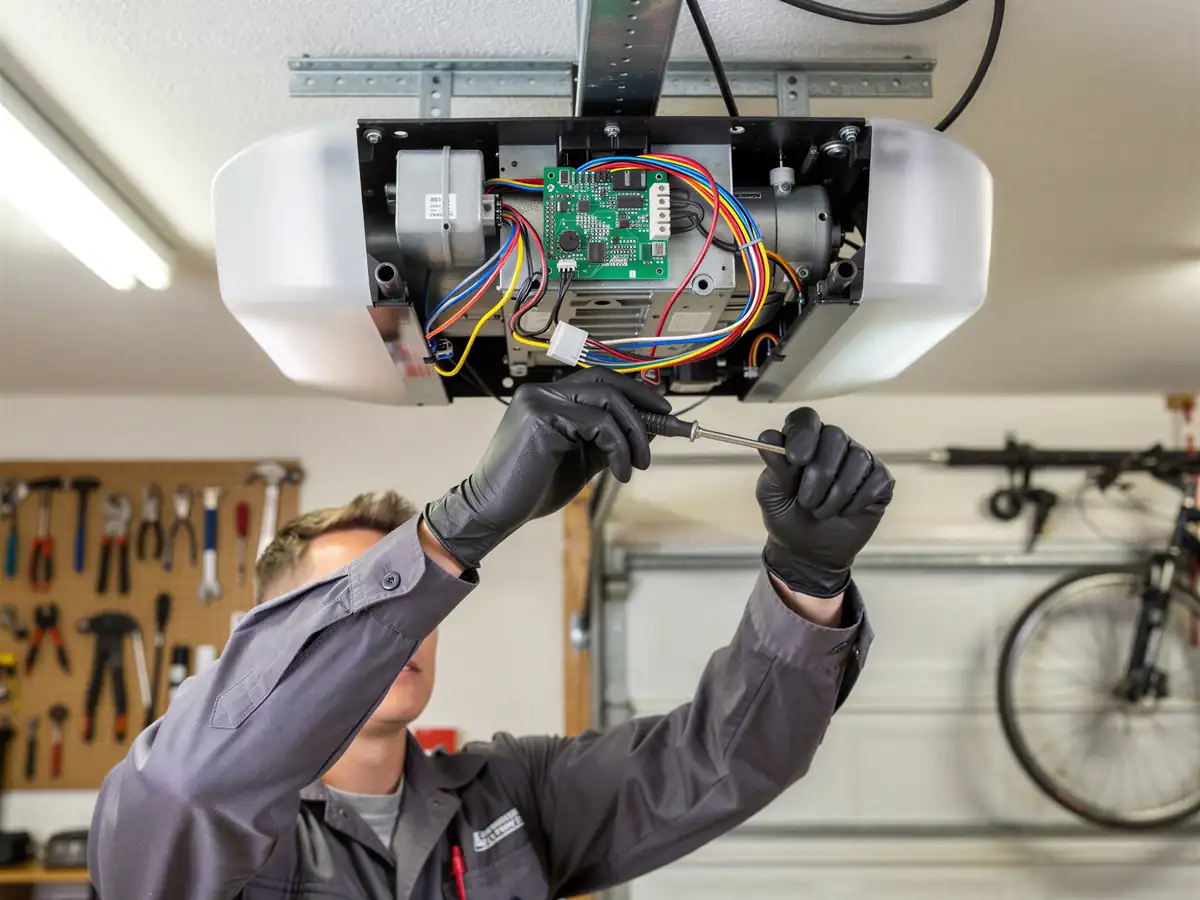
What You Are Seeing
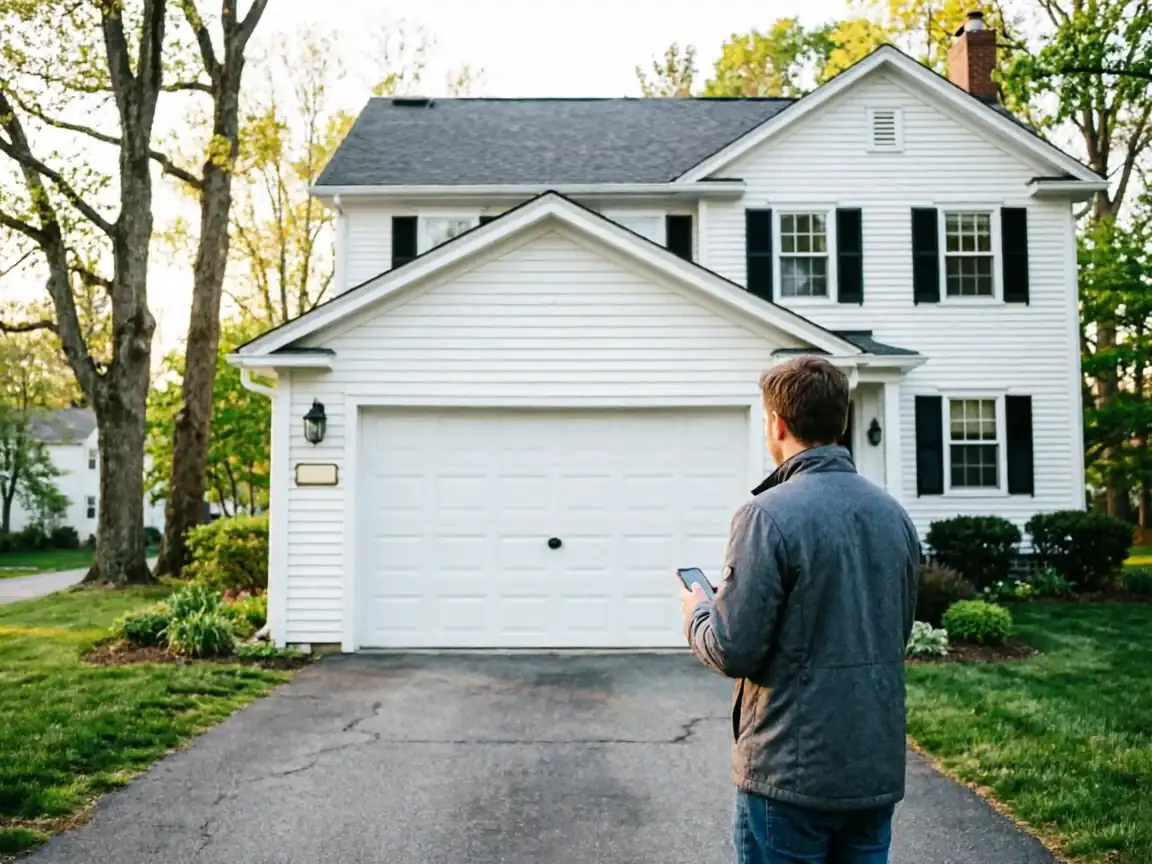
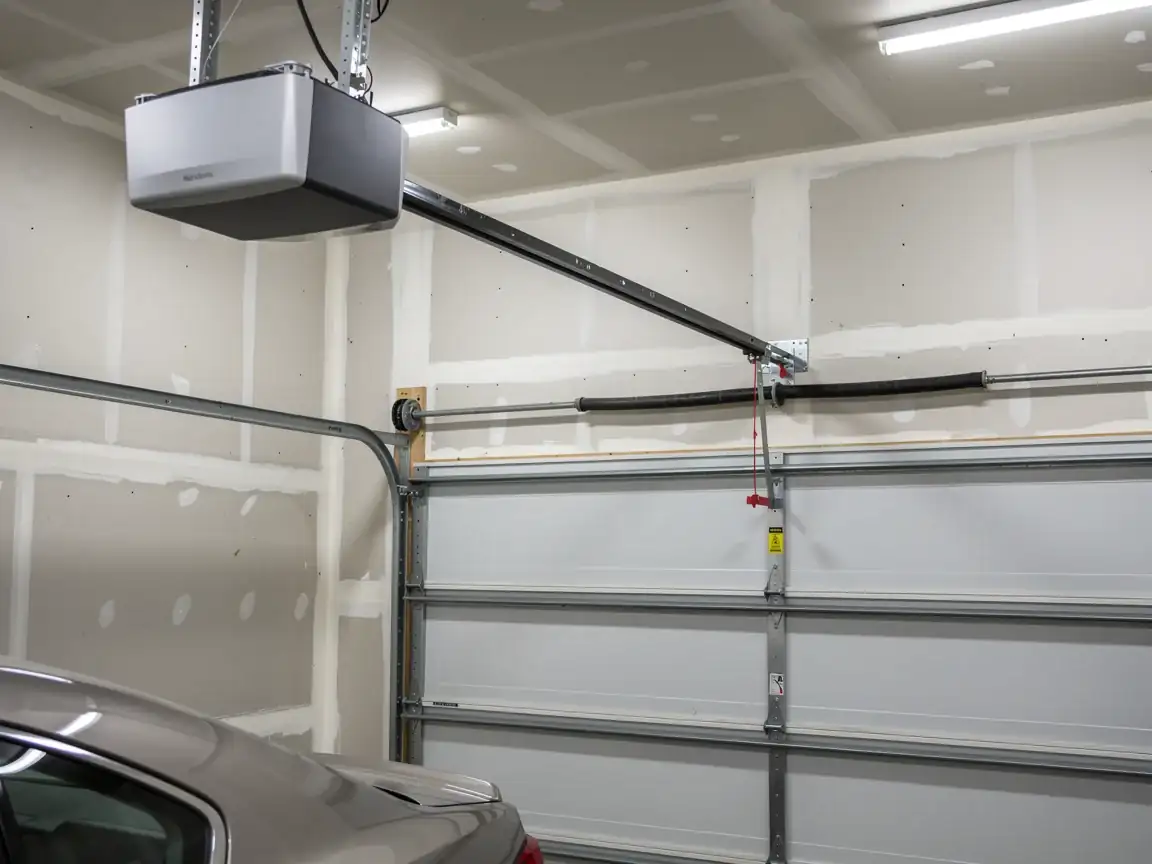
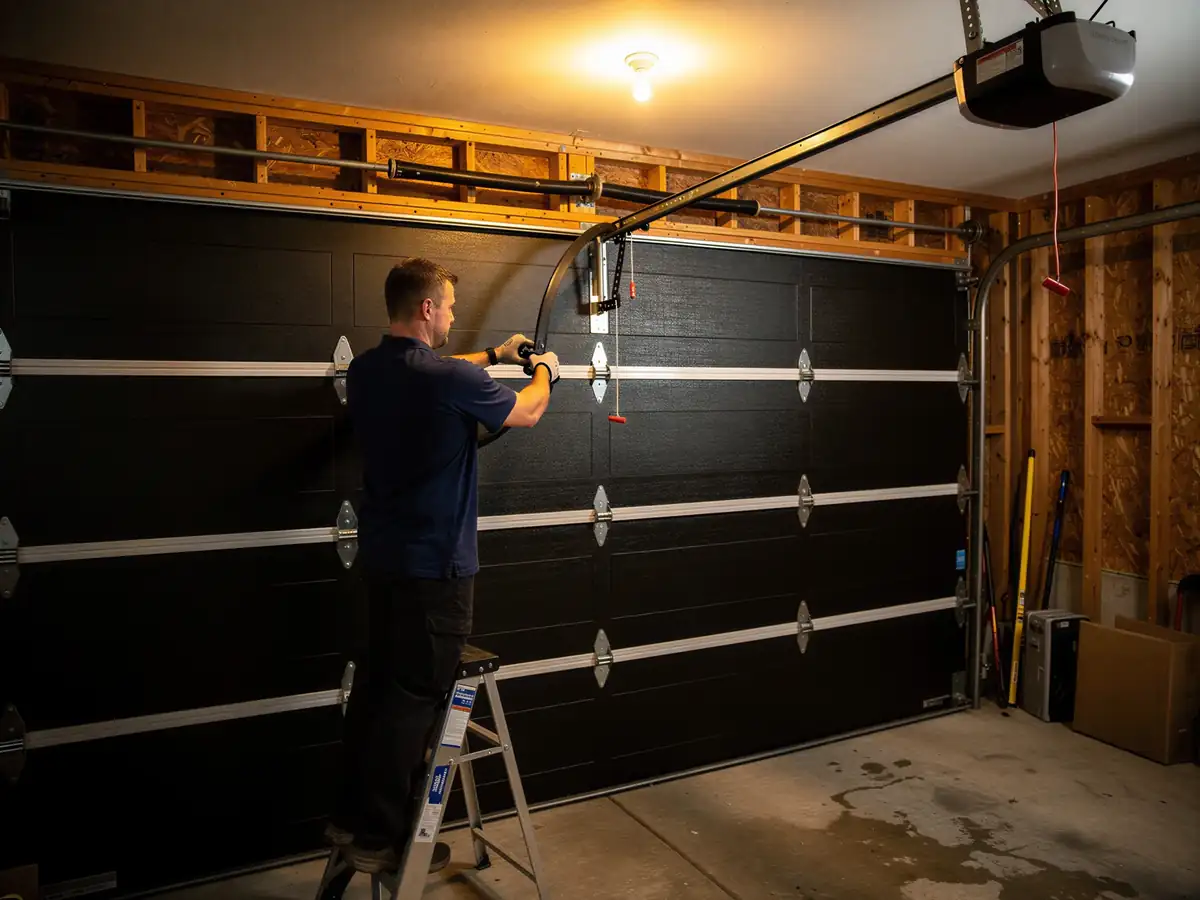
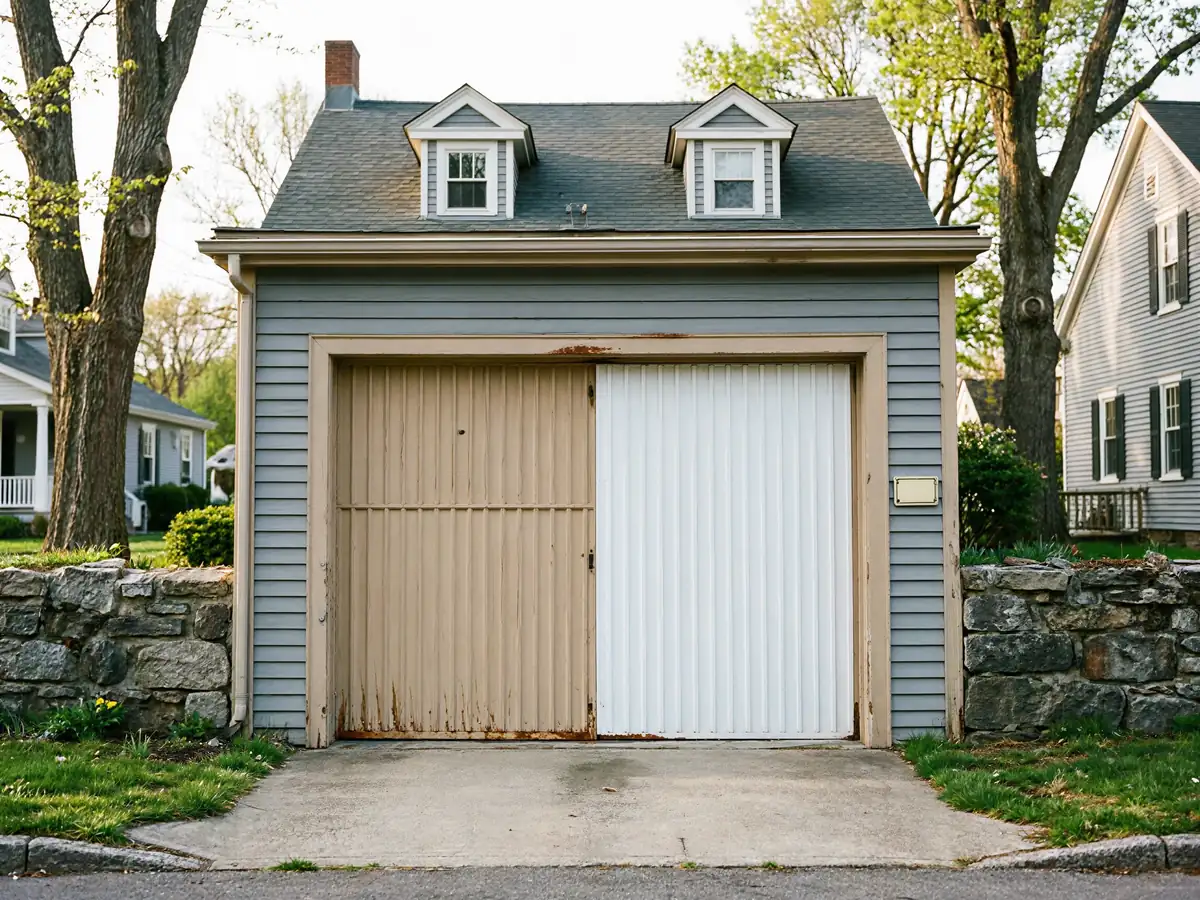
Latrobe's houses mostly went up around 1953, a touch later than the broader Greensburg service area's 1950 median, but still squarely in the postwar build-out that ran from 1938 to 1985. That half-decade matters for openers. A door framed and hung in the early 1950s was often fitted later with a bolt-on chain-drive opener as garages got retrofitted through the 60s and 70s, not designed in from the start. That means brackets mounted to joists that were never meant to carry a motor's pull, and header walls that flex more than they should when the opener strains. If your opener grinds, hesitates, or reverses on a door that's otherwise original to a 1950s build, the first thing we look at isn't the motor - it's whether the mounting ever matched the load.
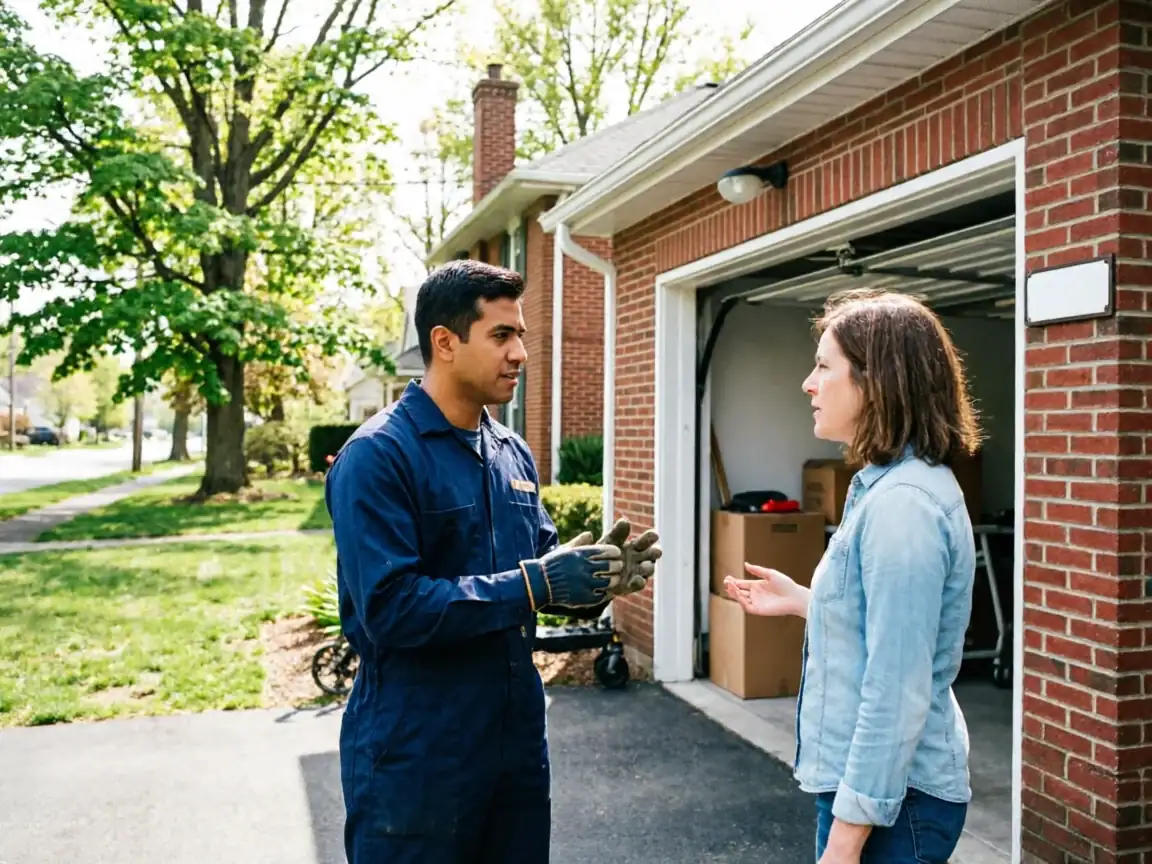
We come out from Greensburg, about 8 miles up the road, so we're not guessing at what a Latrobe garage looks like inside. The housing age here is consistent enough - most of this area's 3,835 households sit on stock from that same build window - that the openers we see failing follow a pattern: old travel limits, worn gears, and safety sensors added as an afterthought rather than built in.
What Can Go Wrong
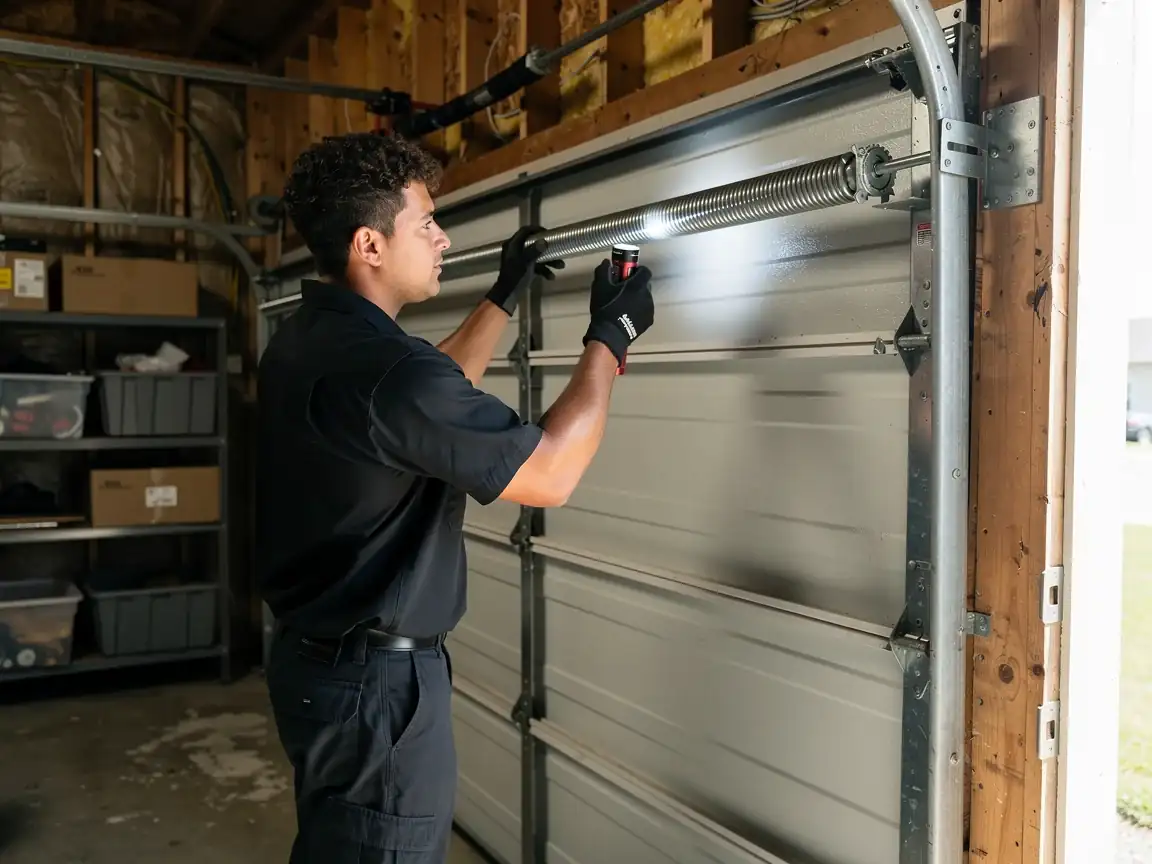
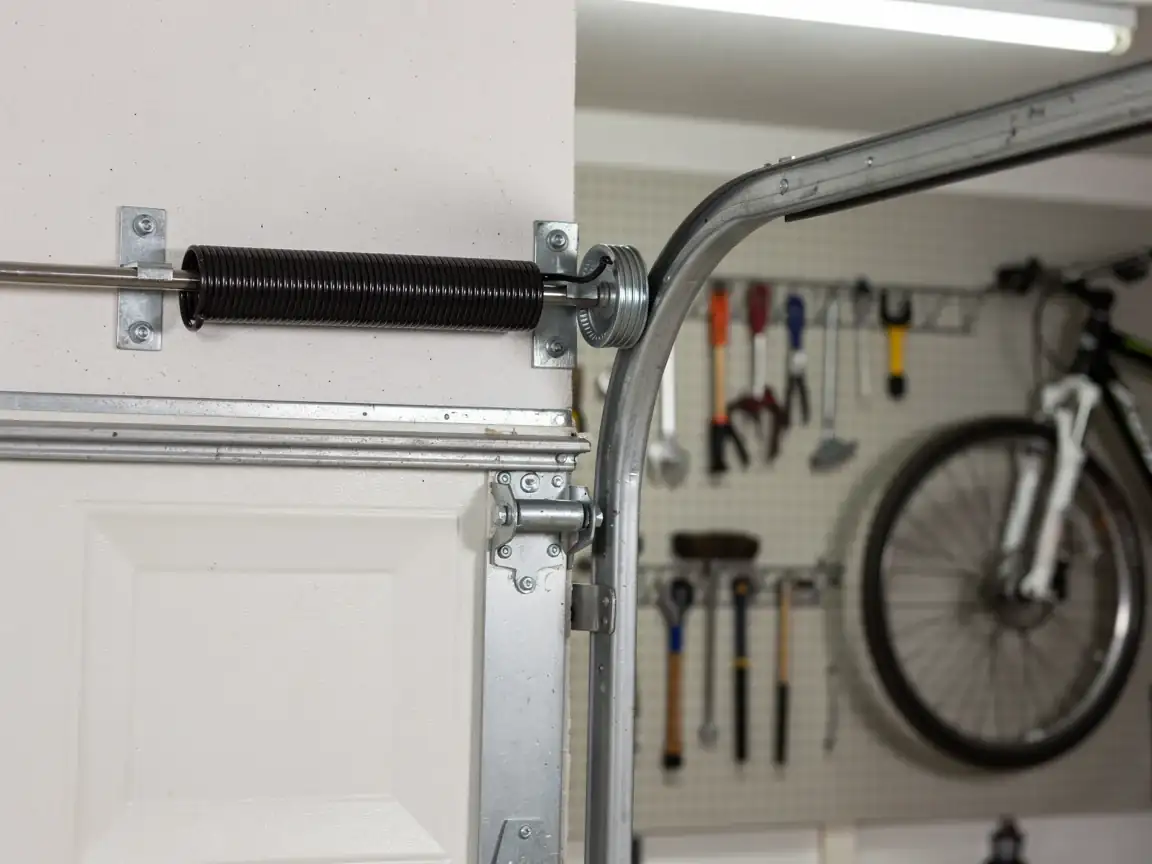
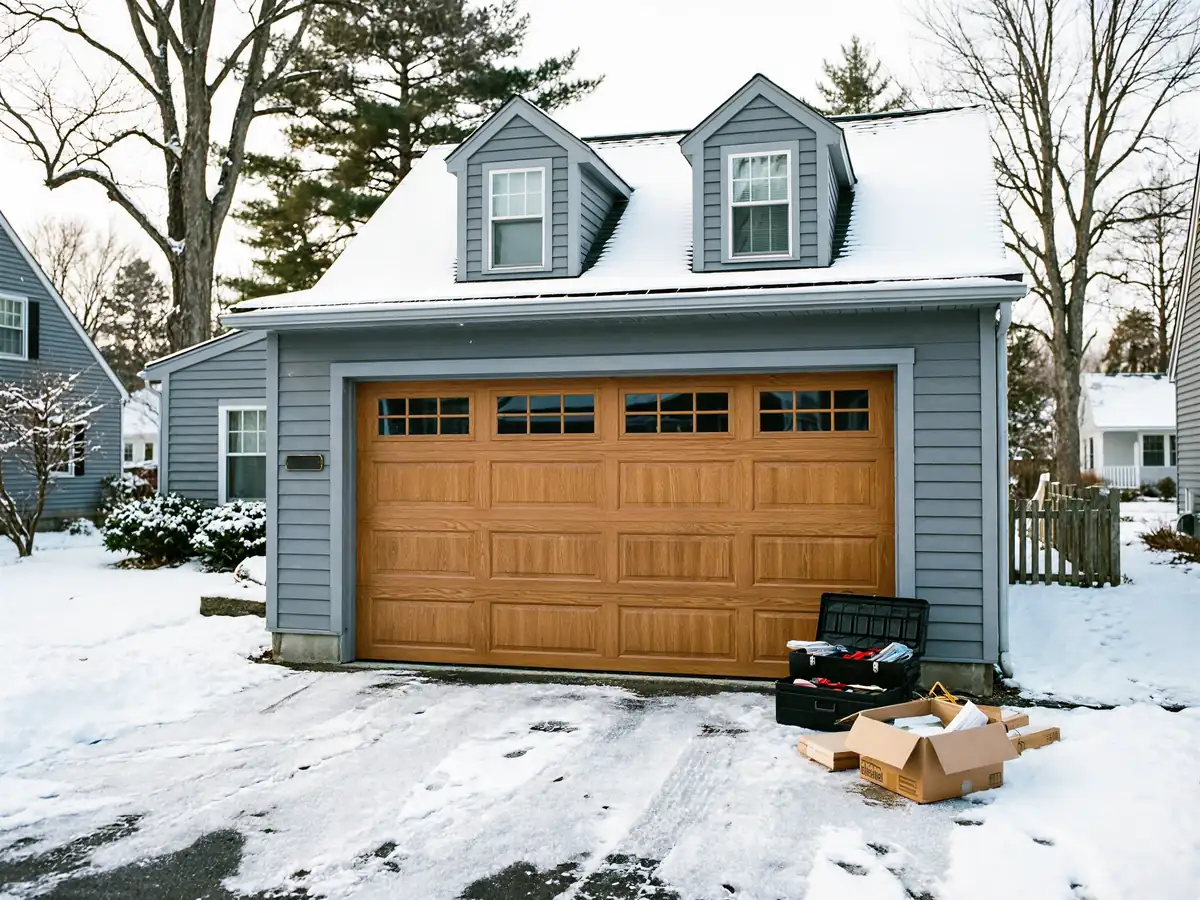
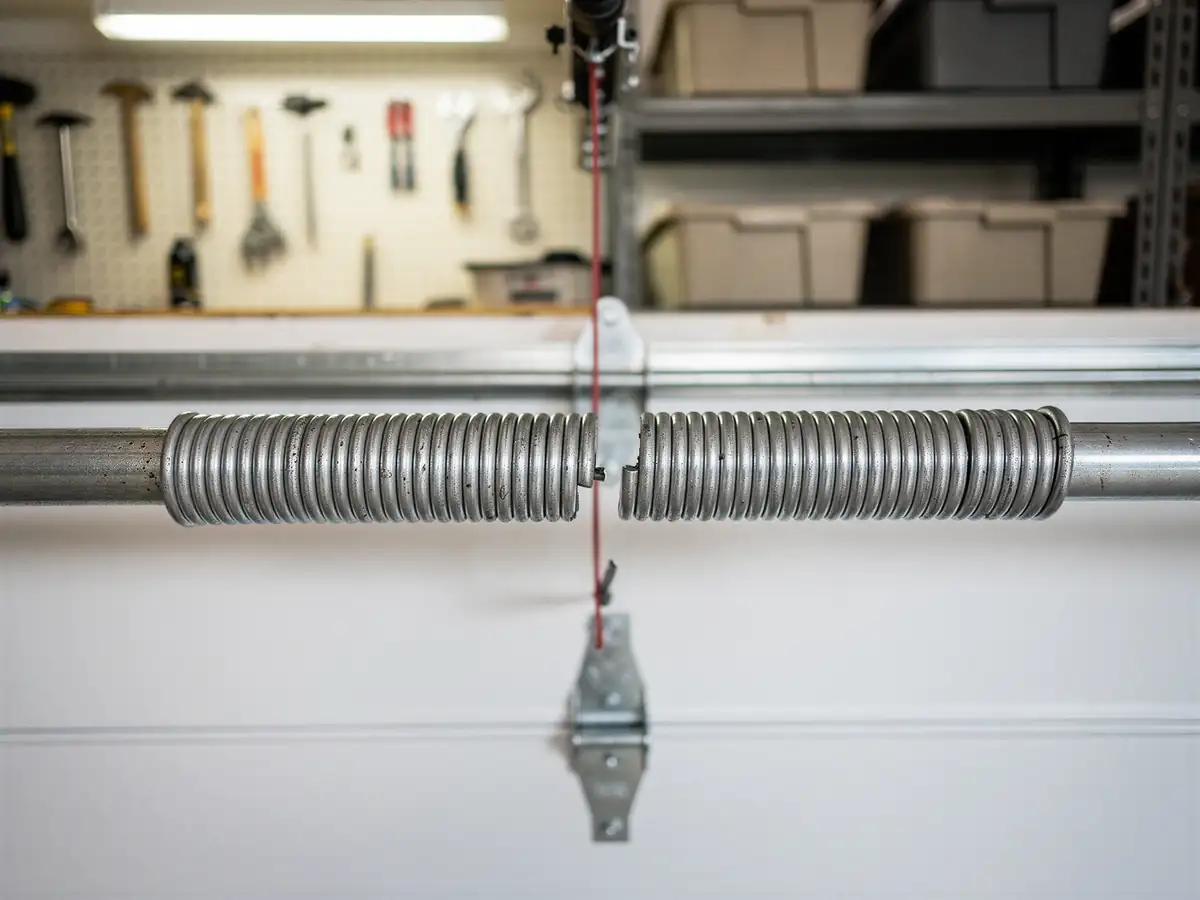
Cold is the other half of the story. This area sits in a severe cold climate band, and openers take that harder than most homeowners expect. Grease in the drive gear thickens in an unheated garage, the motor strains to turn a chain it could move easily in July, and capacitors that are already marginal give out on the coldest mornings of the year - not gradually, all at once. On a door from the 1953-era stock, that strain often meets a spring setup that's also aging, so the opener gets blamed for what's really a balance problem.
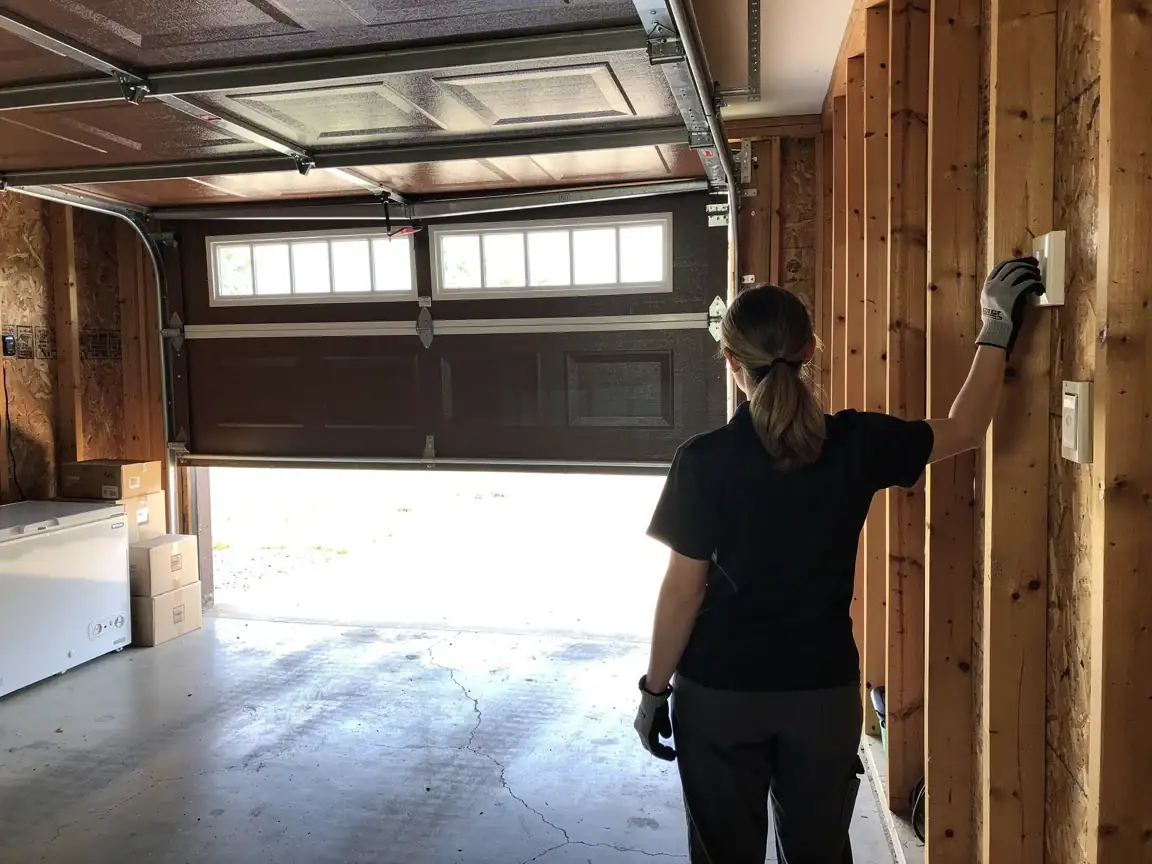
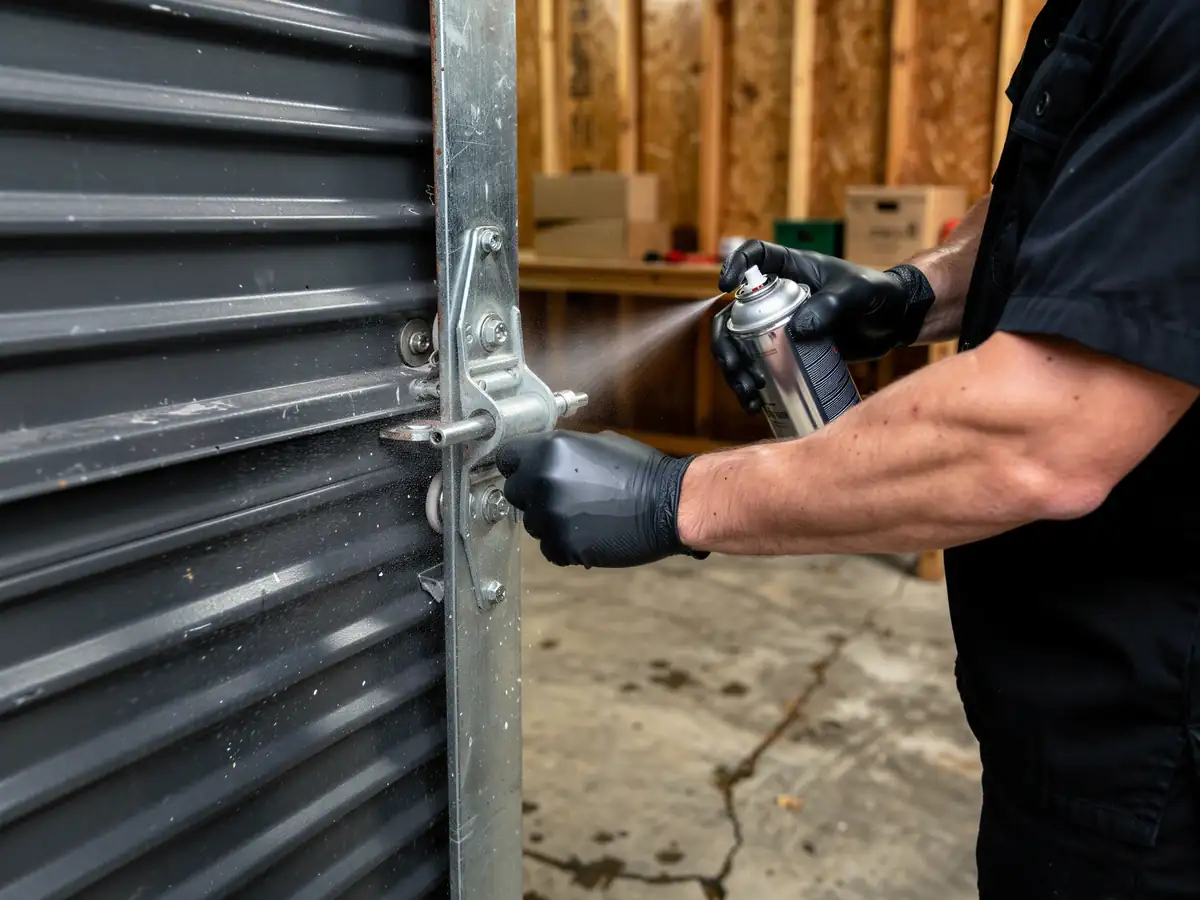
We also see logic board failures from power surges during winter storms, worn drive sprockets that skip without warning, and wall buttons wired decades ago that short out and send the opener into a cycle it can't finish. Travel limit switches drift on older units and the door either stops short or slams the floor. None of these are Latrobe-specific hauntings - they're what cold does to aging machinery, and this area has both in supply.
Doing It Yourself
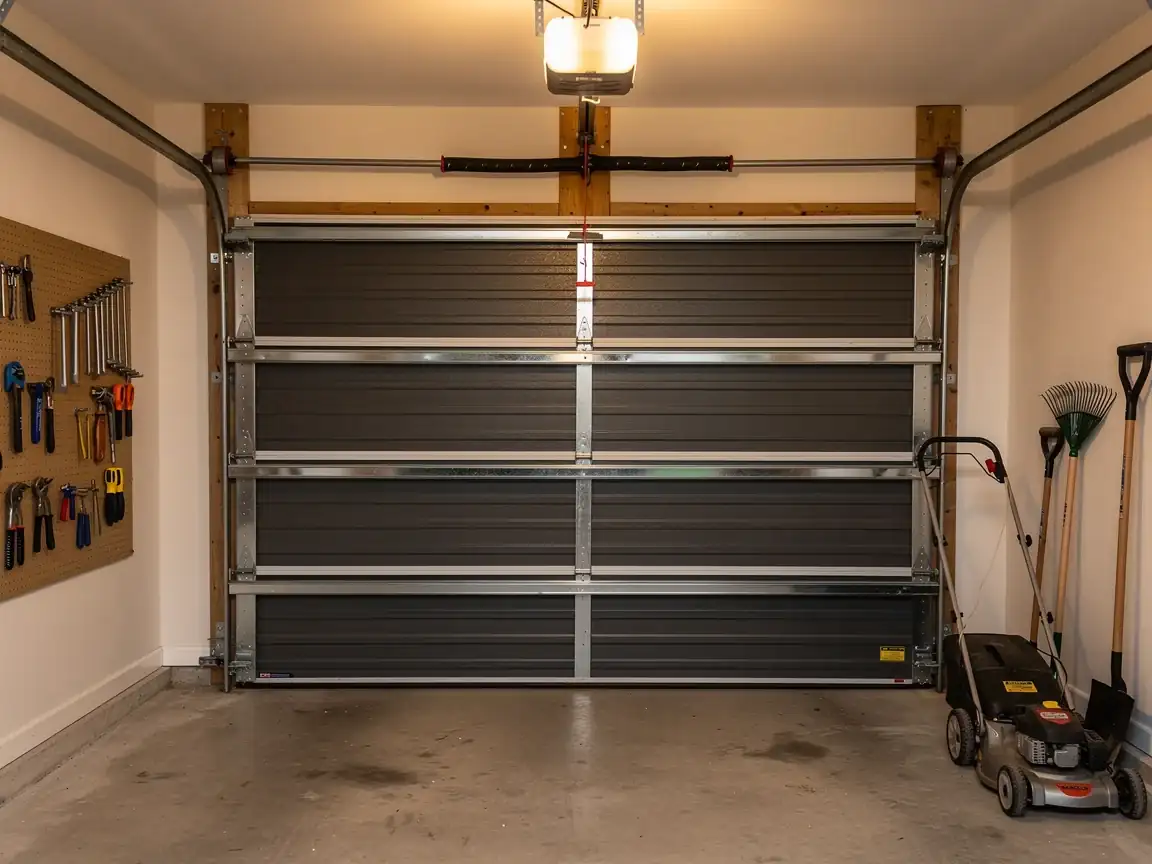
Some of this you can check before calling anyone. Pull the manual release and see if the door moves smoothly by hand - if it's heavy or uneven, the opener isn't your real problem, the spring or track is, and no amount of opener work fixes that. Check the wall button wiring for obvious fraying, and clean the photo-eye sensors near the floor since a smudge or cobweb is enough to make the door refuse to close in winter when condensation sits on the lens.
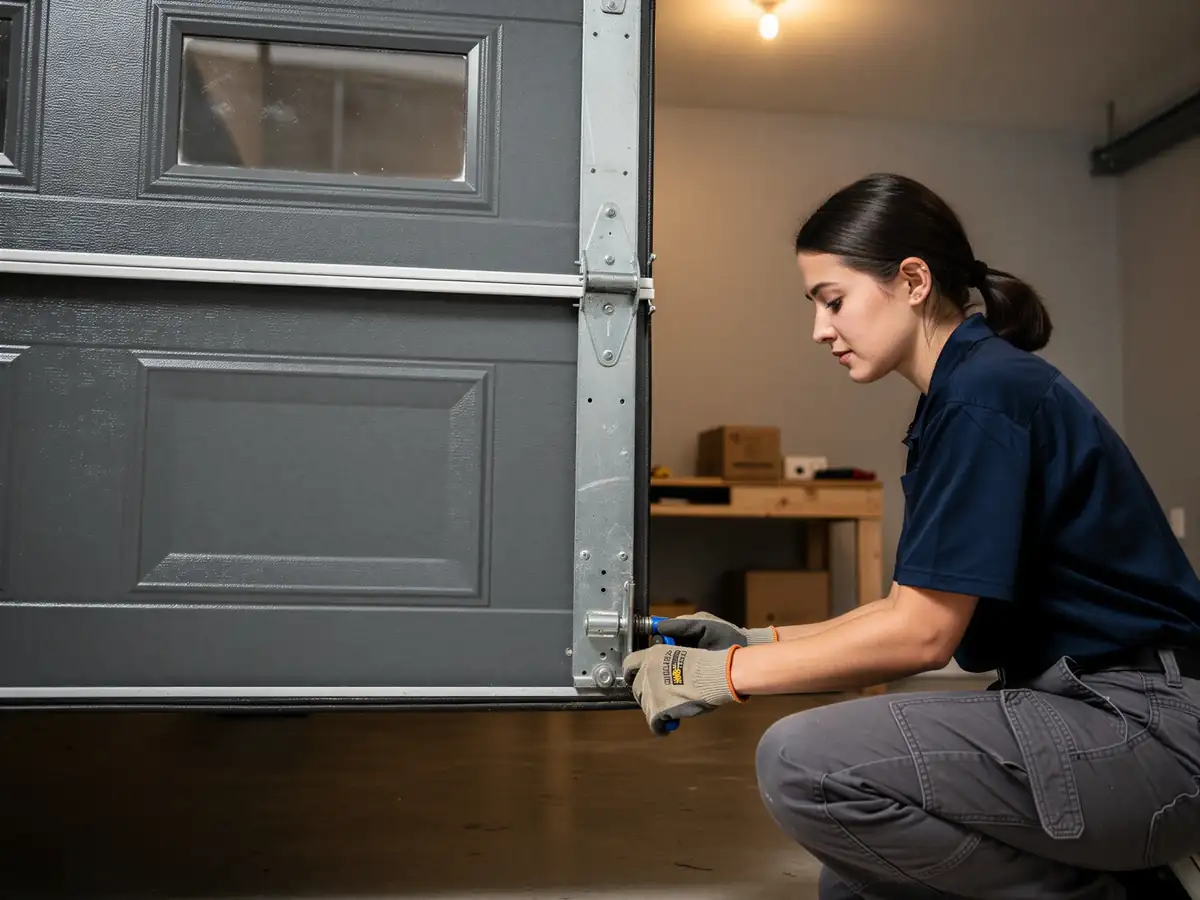
What we don't recommend doing yourself: opening the opener housing to replace gears or boards, or adjusting travel limits on a unit you're not familiar with. On a door from this area's older housing stock, the mounting hardware is often not what the manual assumes, and a wrong adjustment can let a door fall faster than it should.
How Long It Takes
Most single-opener repairs run under two hours once we're on site, longer if the gear and sprocket kit has to come apart or if we're tracing an intermittent electrical fault that only shows up cold. We travel from Greensburg, roughly 8 miles to Latrobe, so factor that into when we can get there rather than how long the repair itself takes once we arrive.