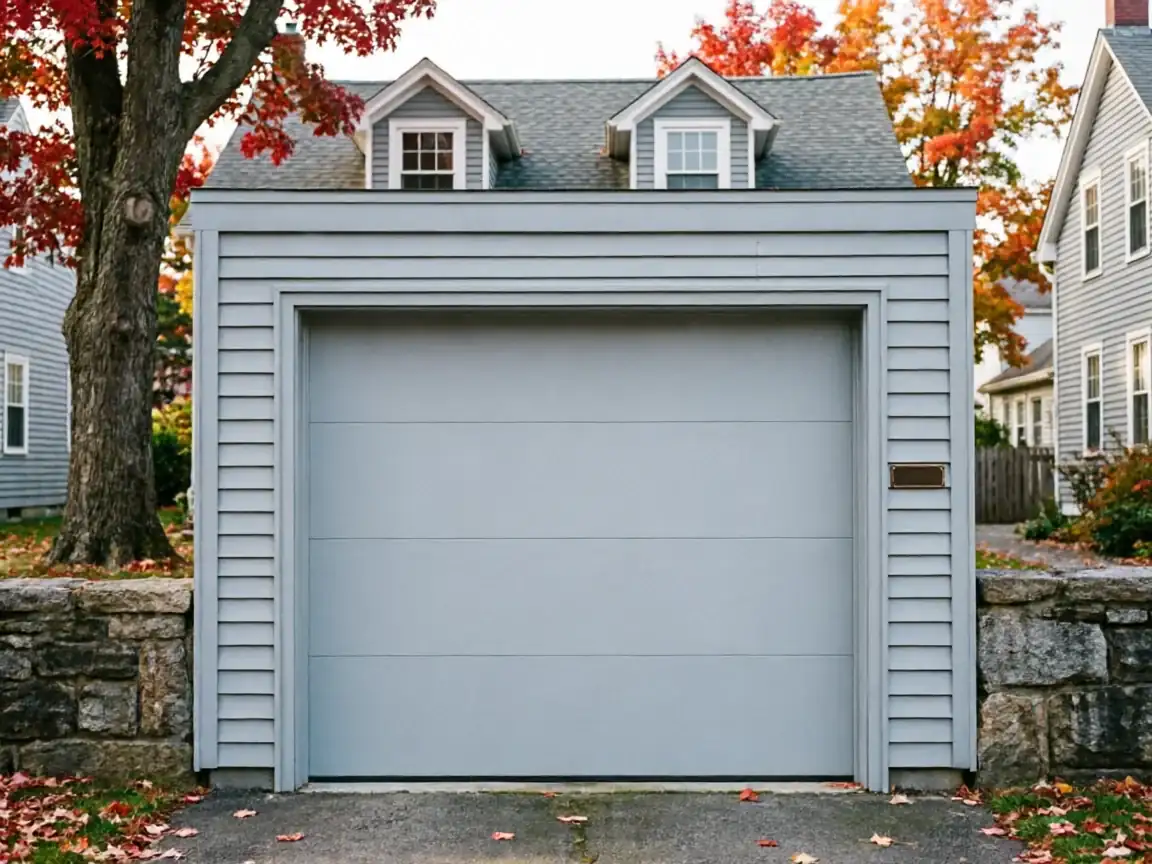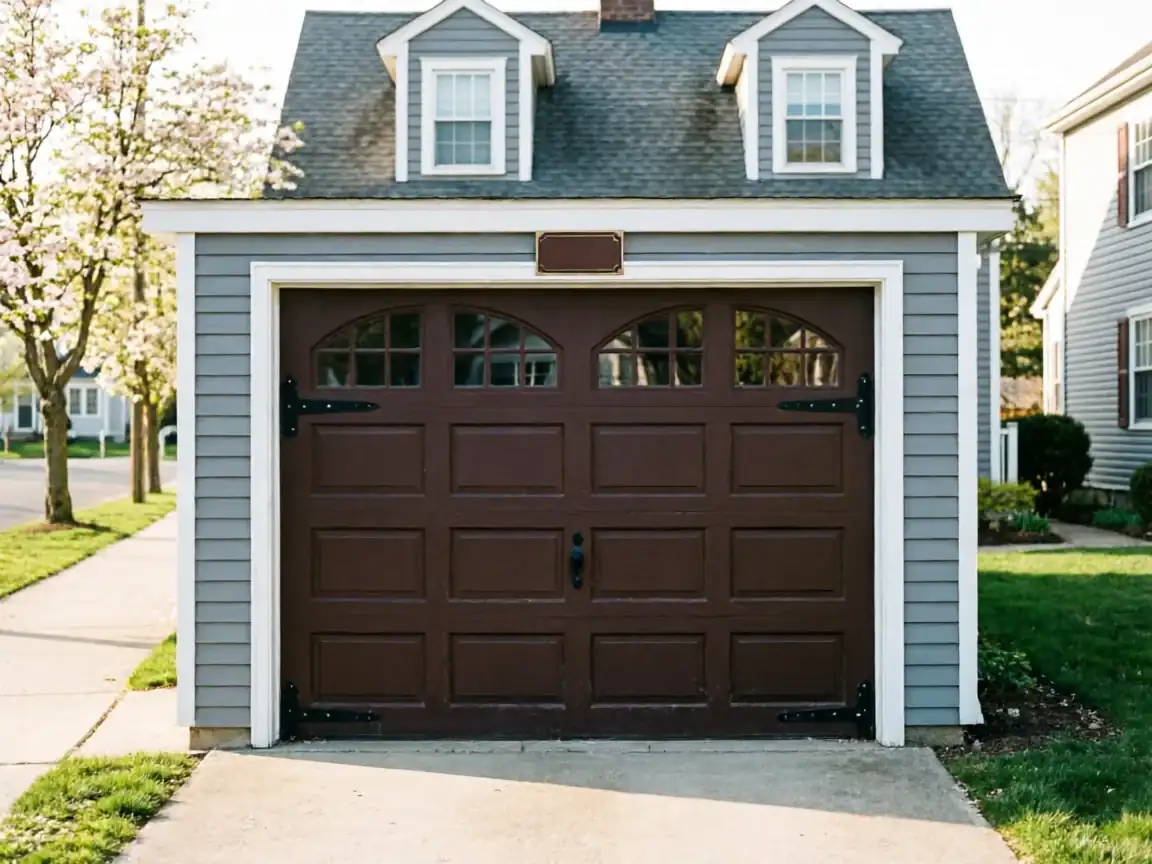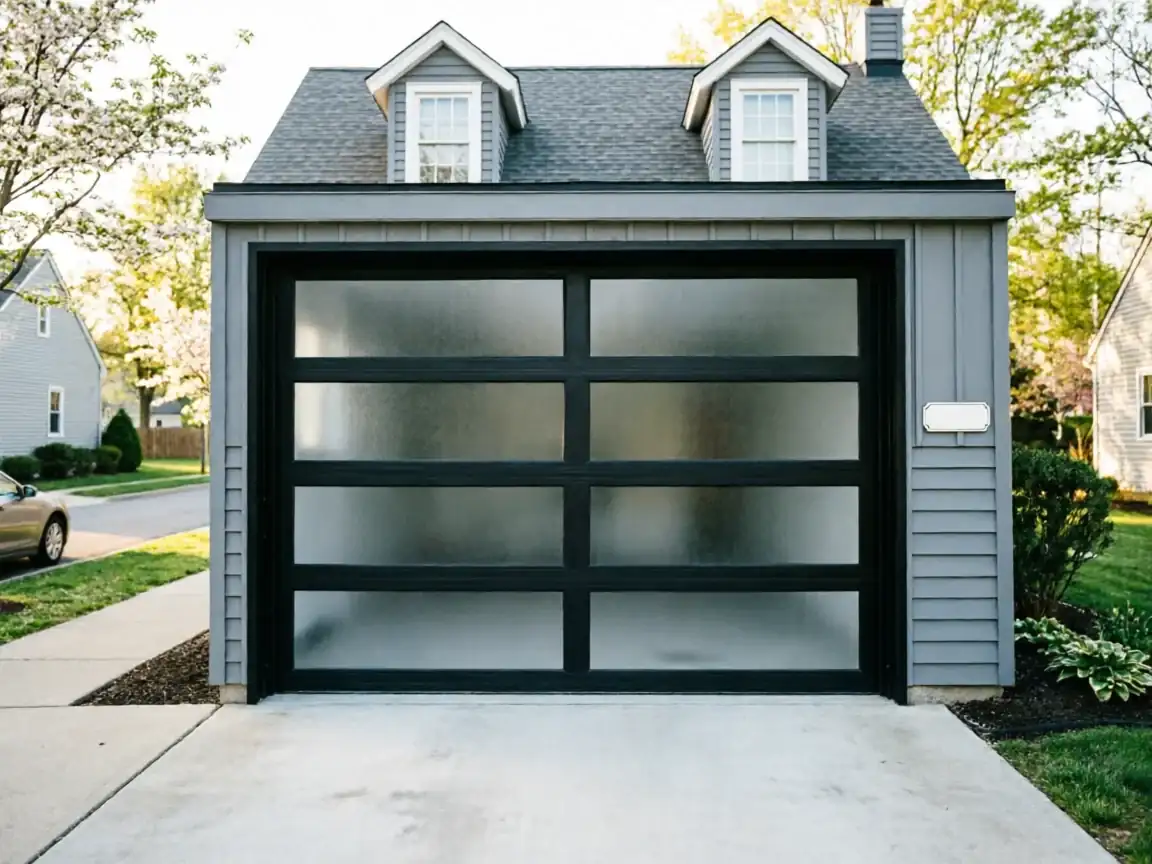
What You Are Seeing
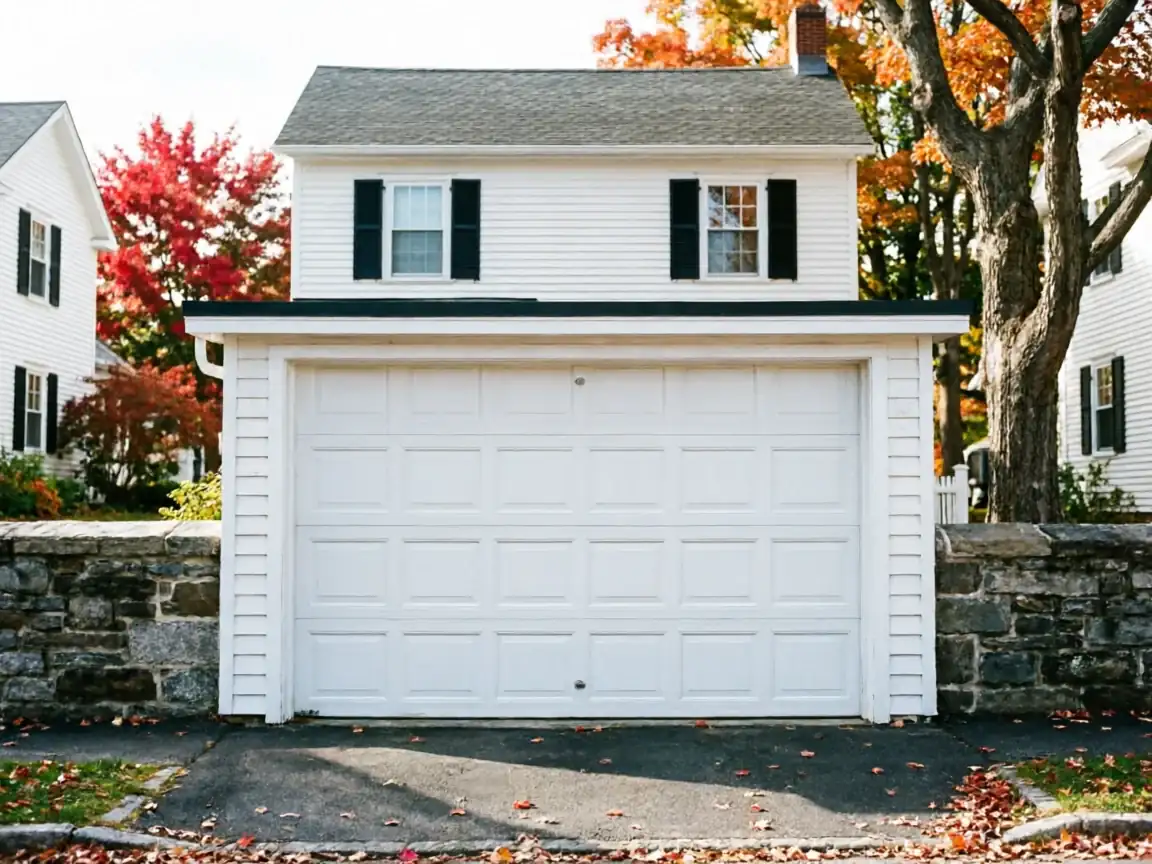
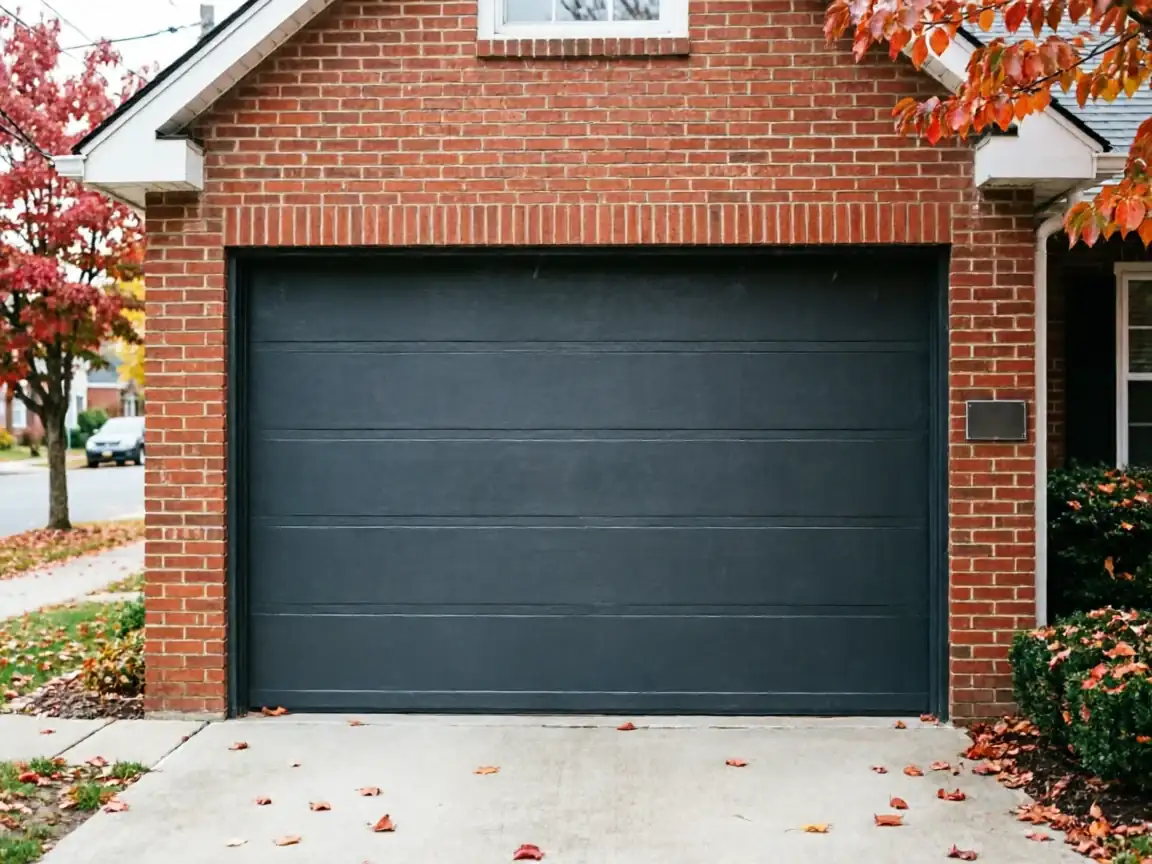
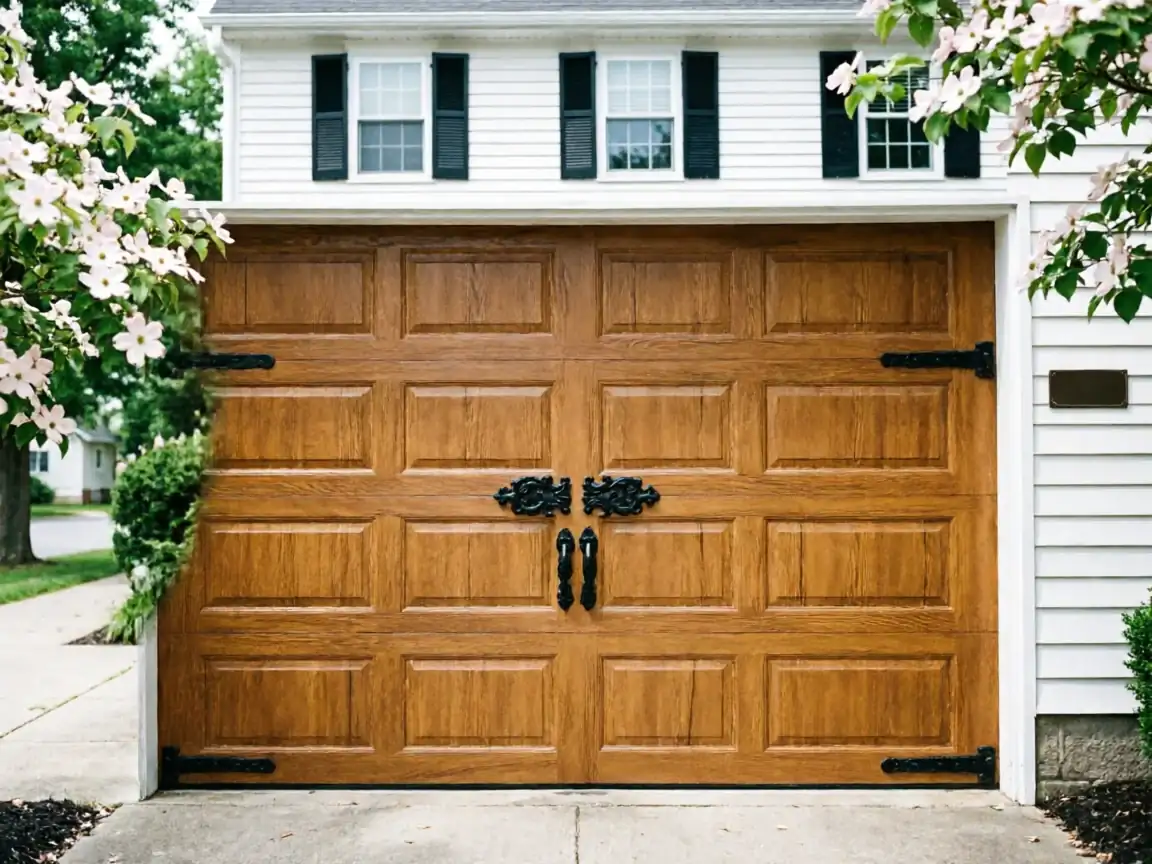
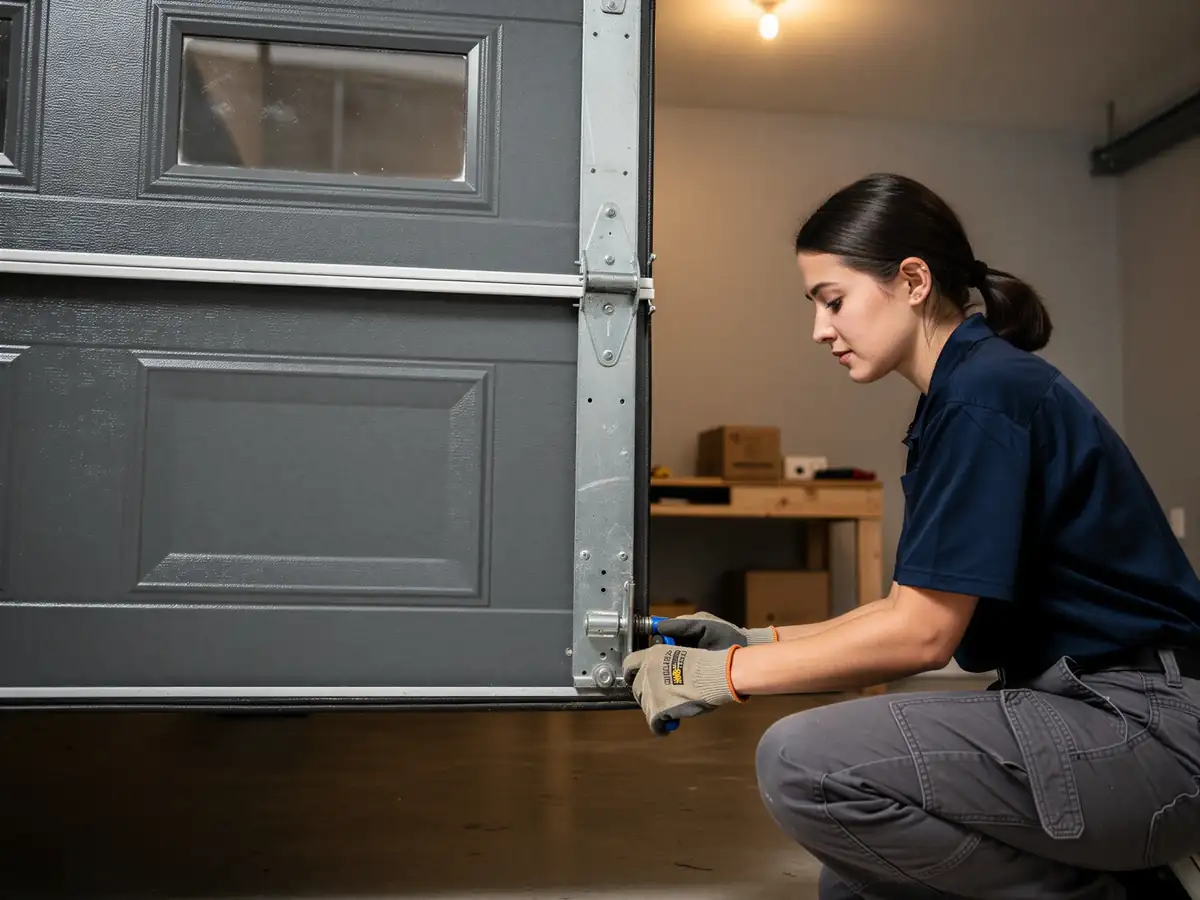
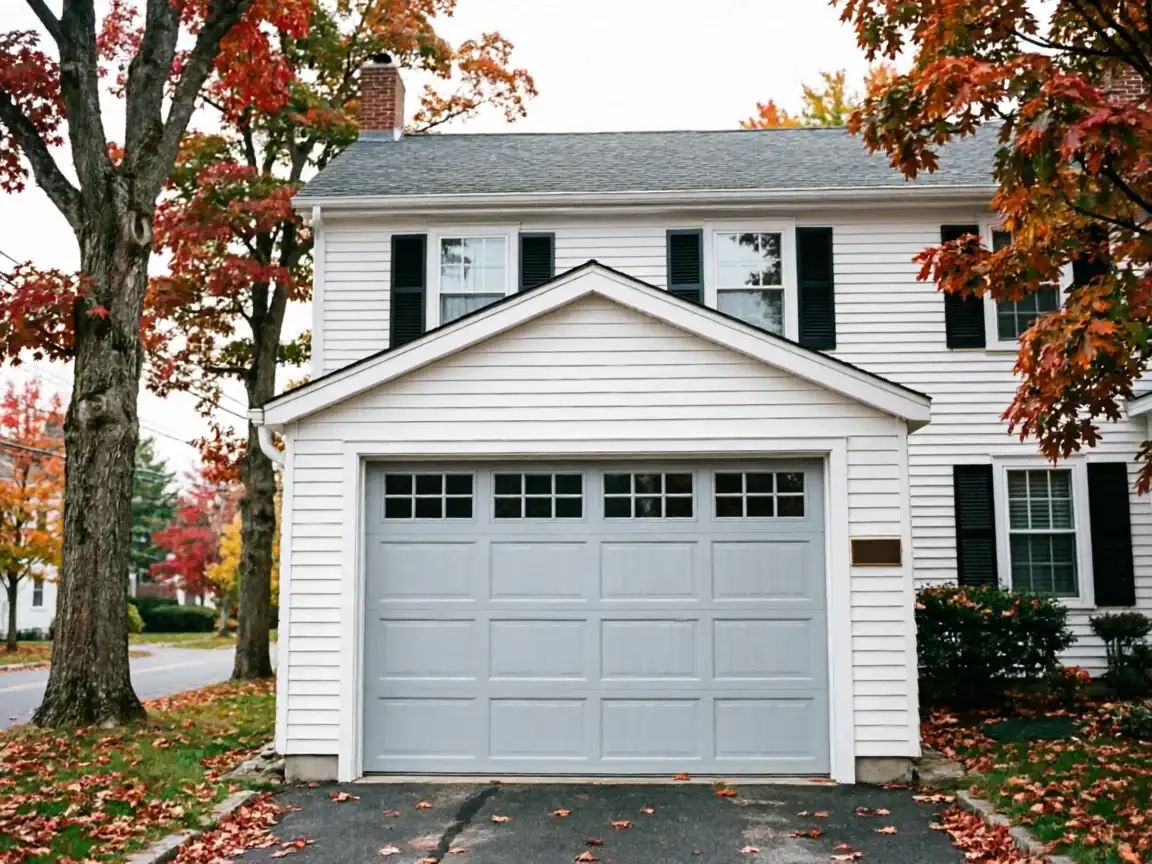
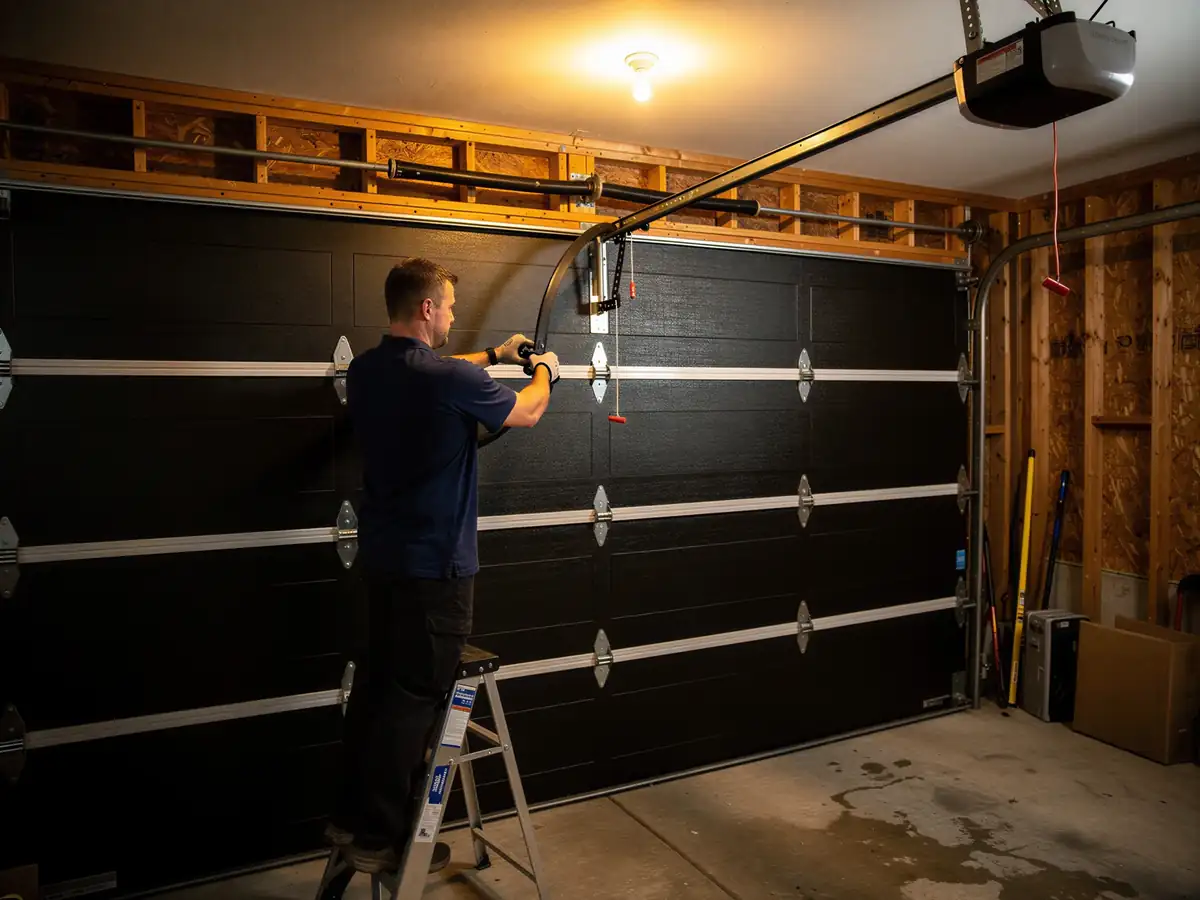
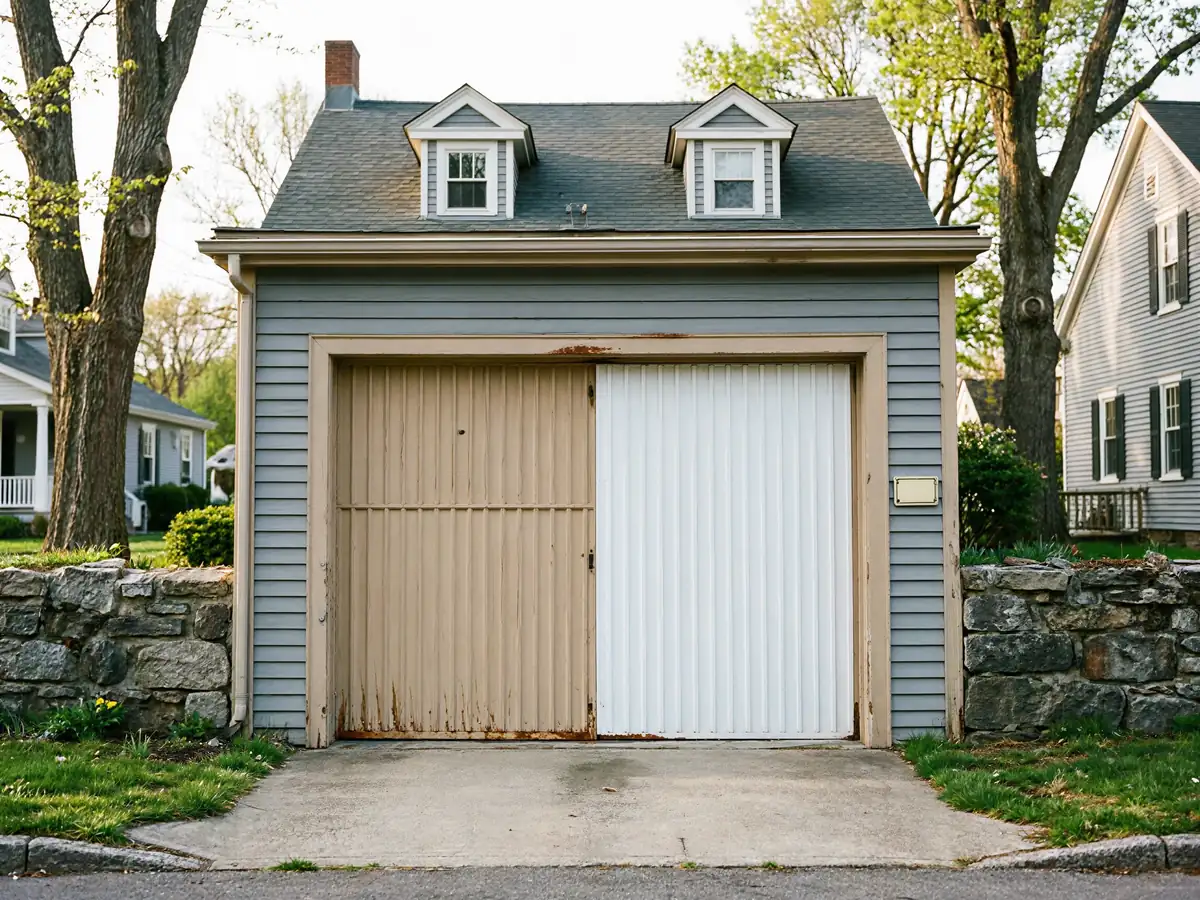
Latrobe is a small town by household count - about 3,835 of them - which means the fault patterns we see here repeat fast. A tech who's worked three houses on a given block has usually seen the fourth one's problem already. The housing stock leans older too: median year built is 1953, which lines up with the broader pattern across this part of the service area, where most stock went up between 1938 and 1985 with a median around 1950. That means a lot of doors here are still running on hardware installed decades ago, or replaced once in the 90s with parts matched to openings that haven't changed size. Across the 53 named areas we cover, pre-1960 construction is the rule rather than the exception, and Latrobe sits right in that band. What you're looking at in most Latrobe garages isn't a defective door - it's an older door that's never had anyone check the spring tension, lubricate the rollers, or true up a track that's drifted a half-inch out of plumb over sixty-some years of settling.
What Can Go Wrong
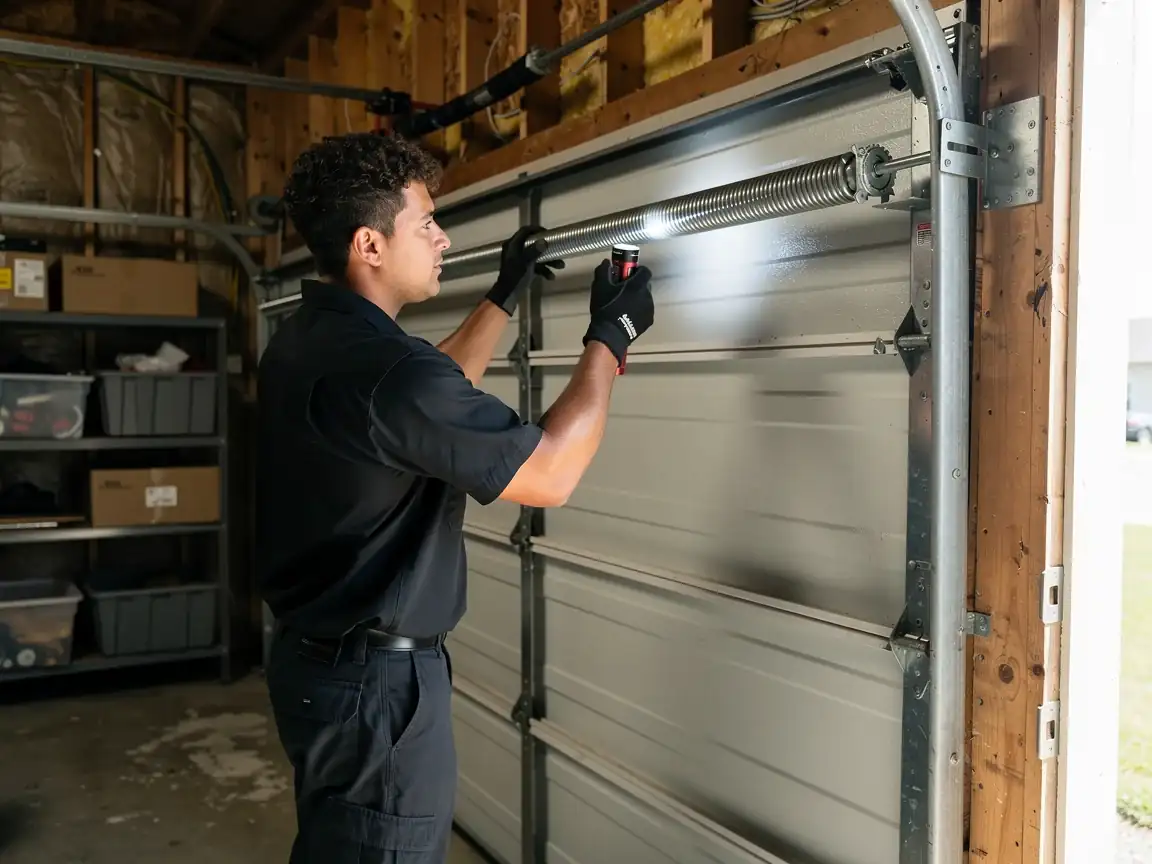
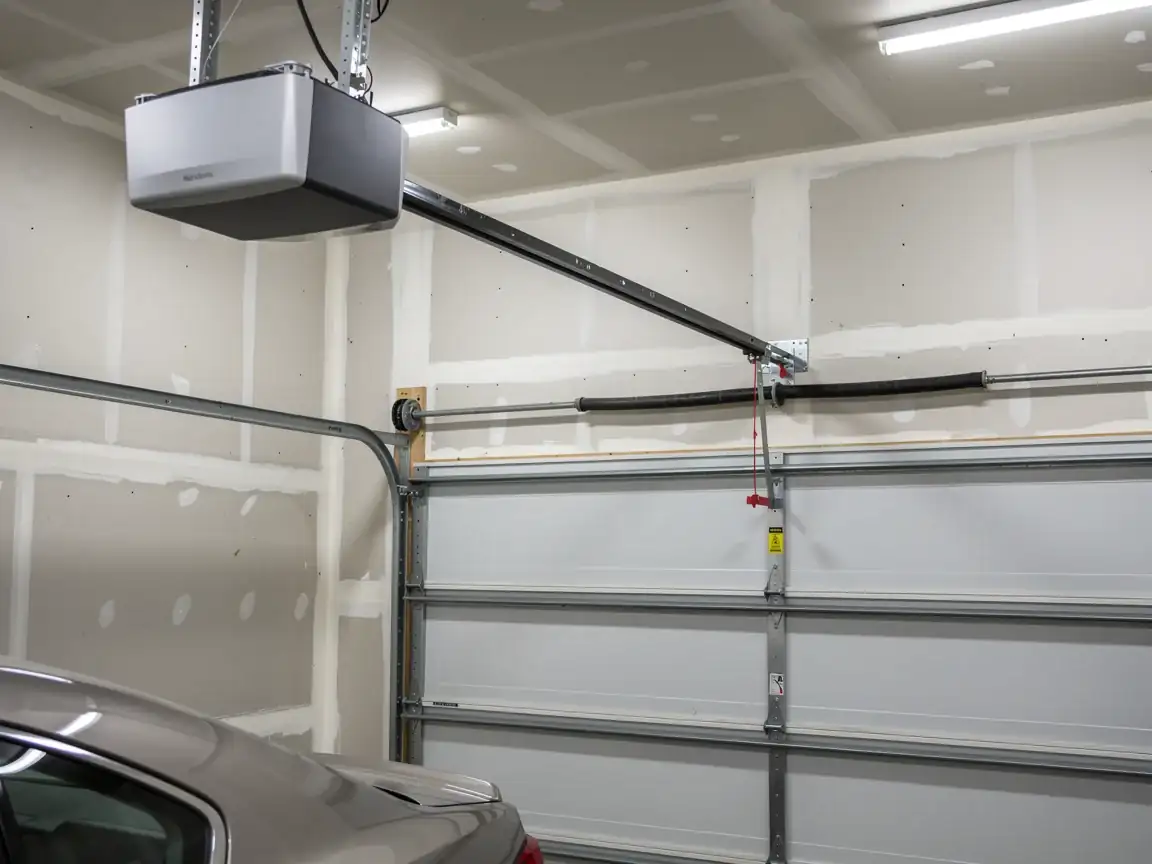
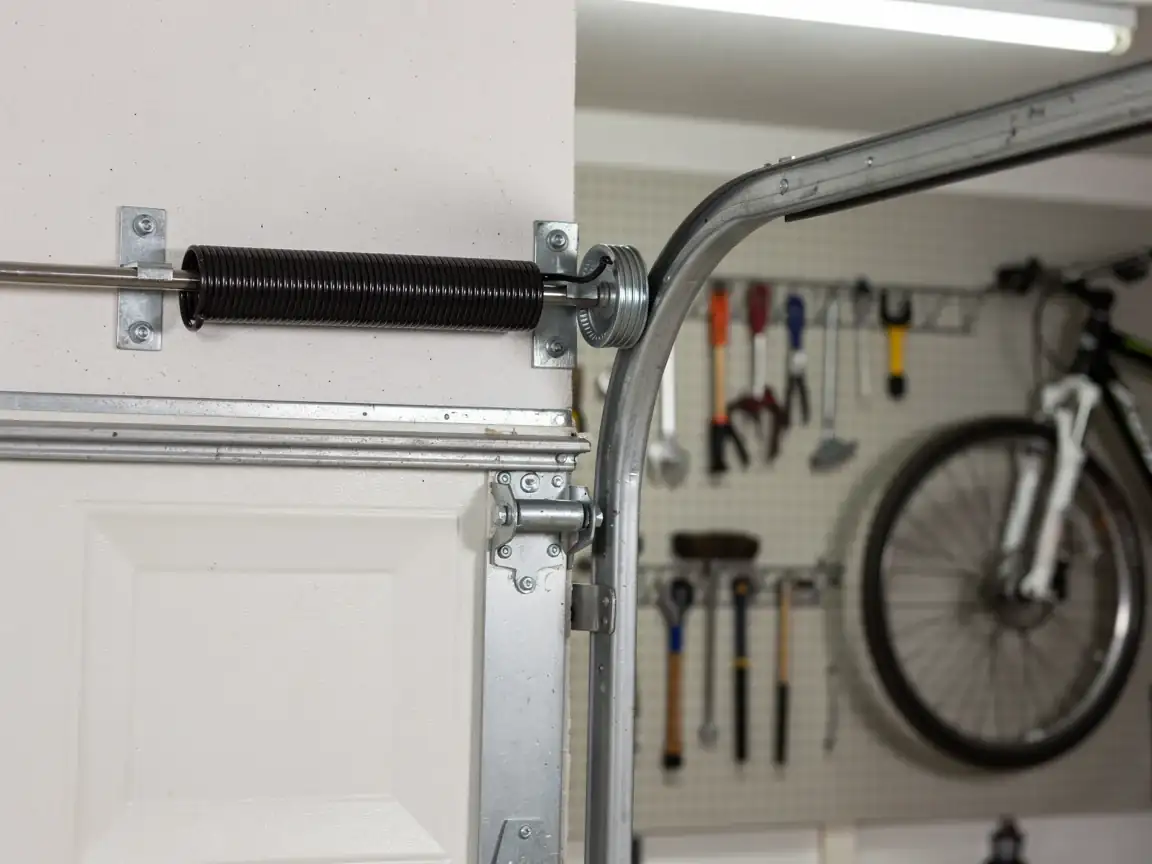
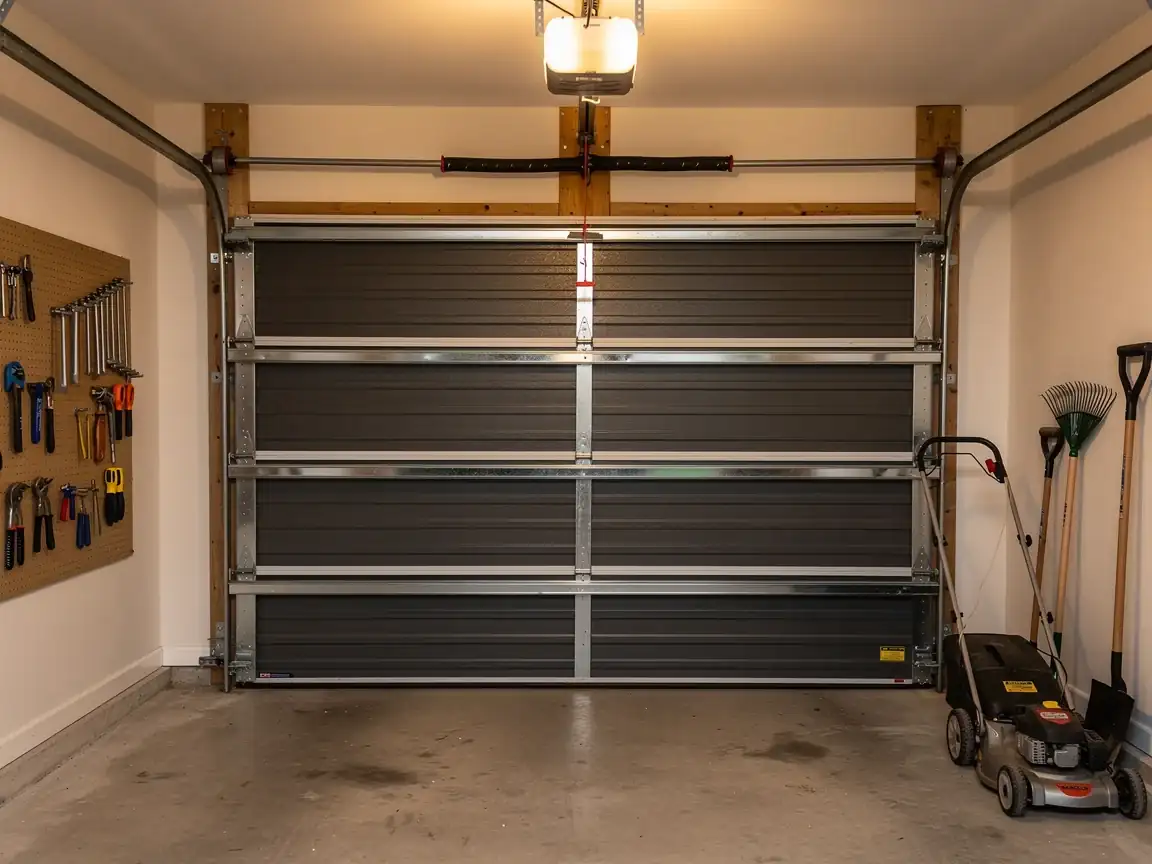
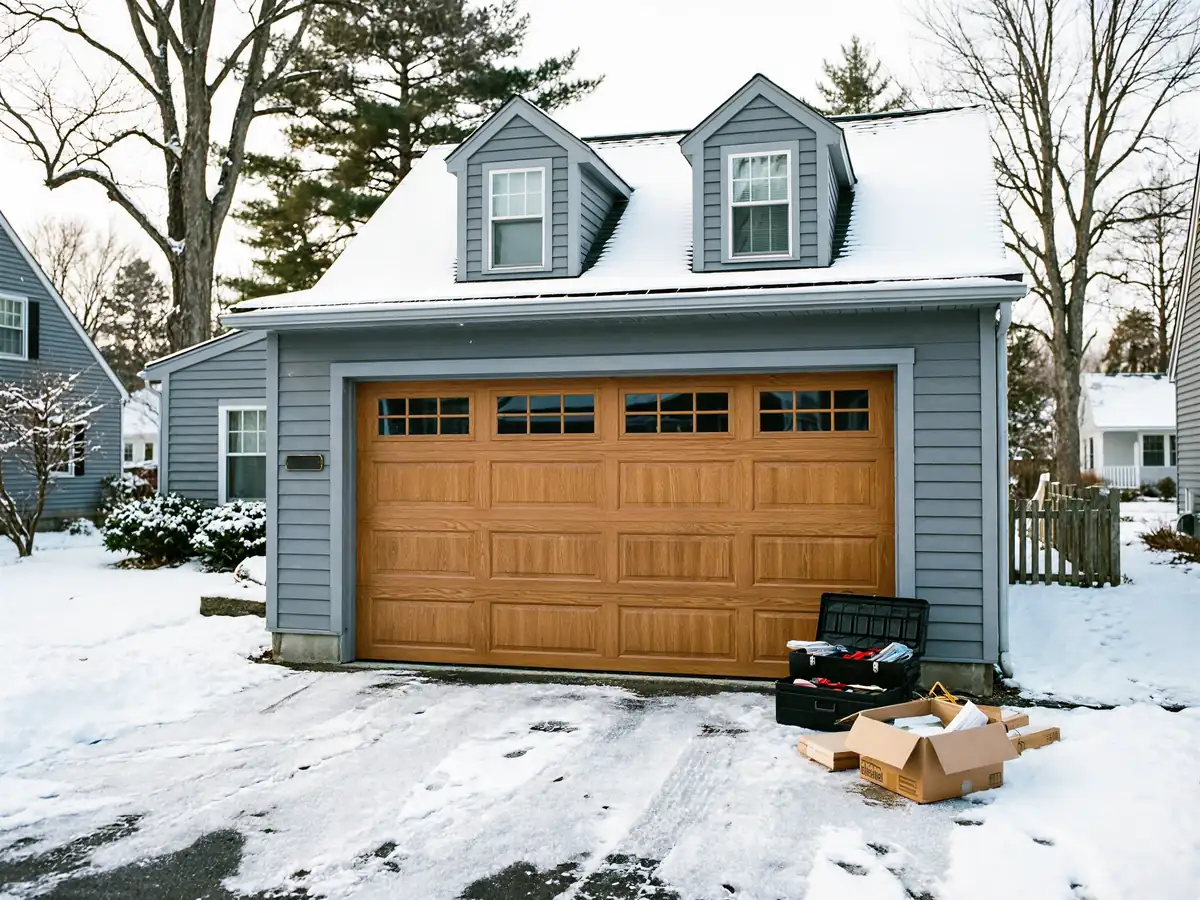
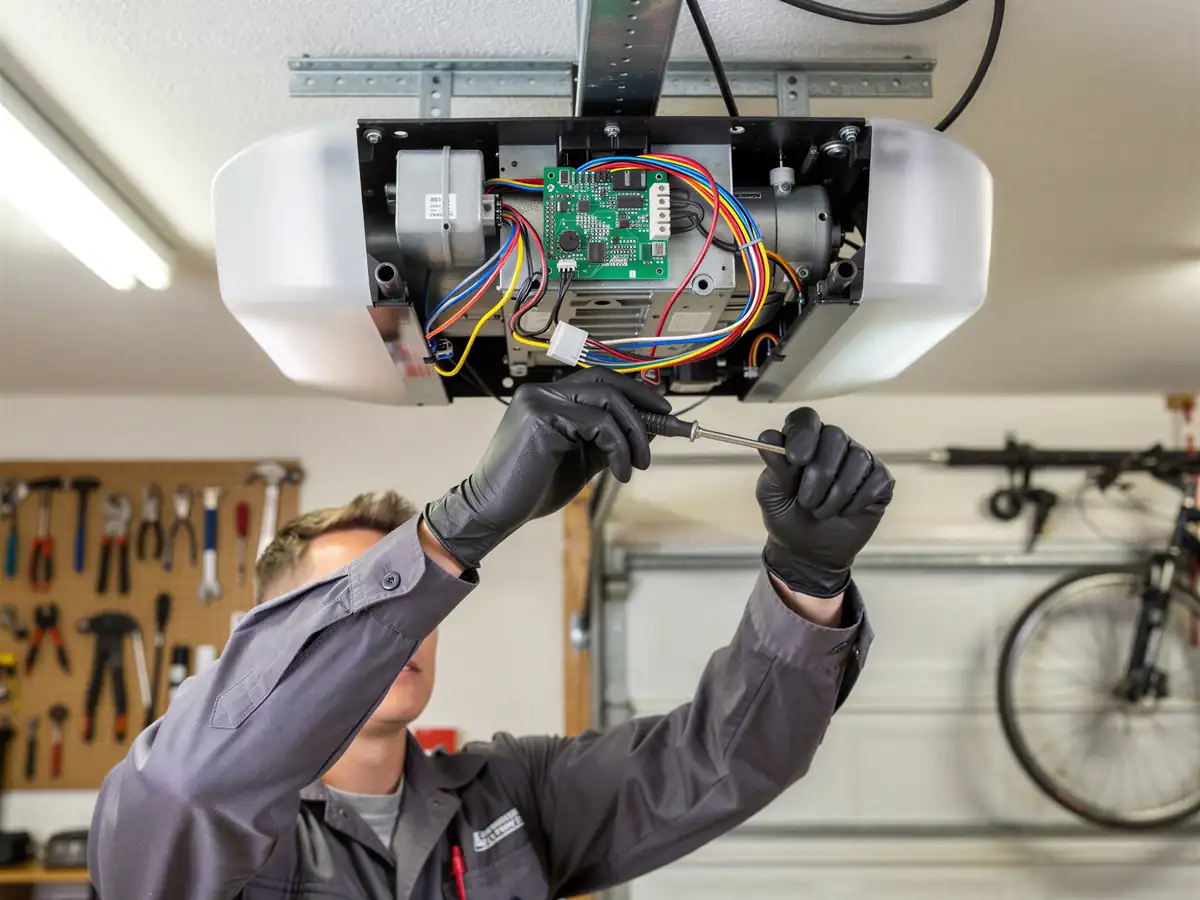
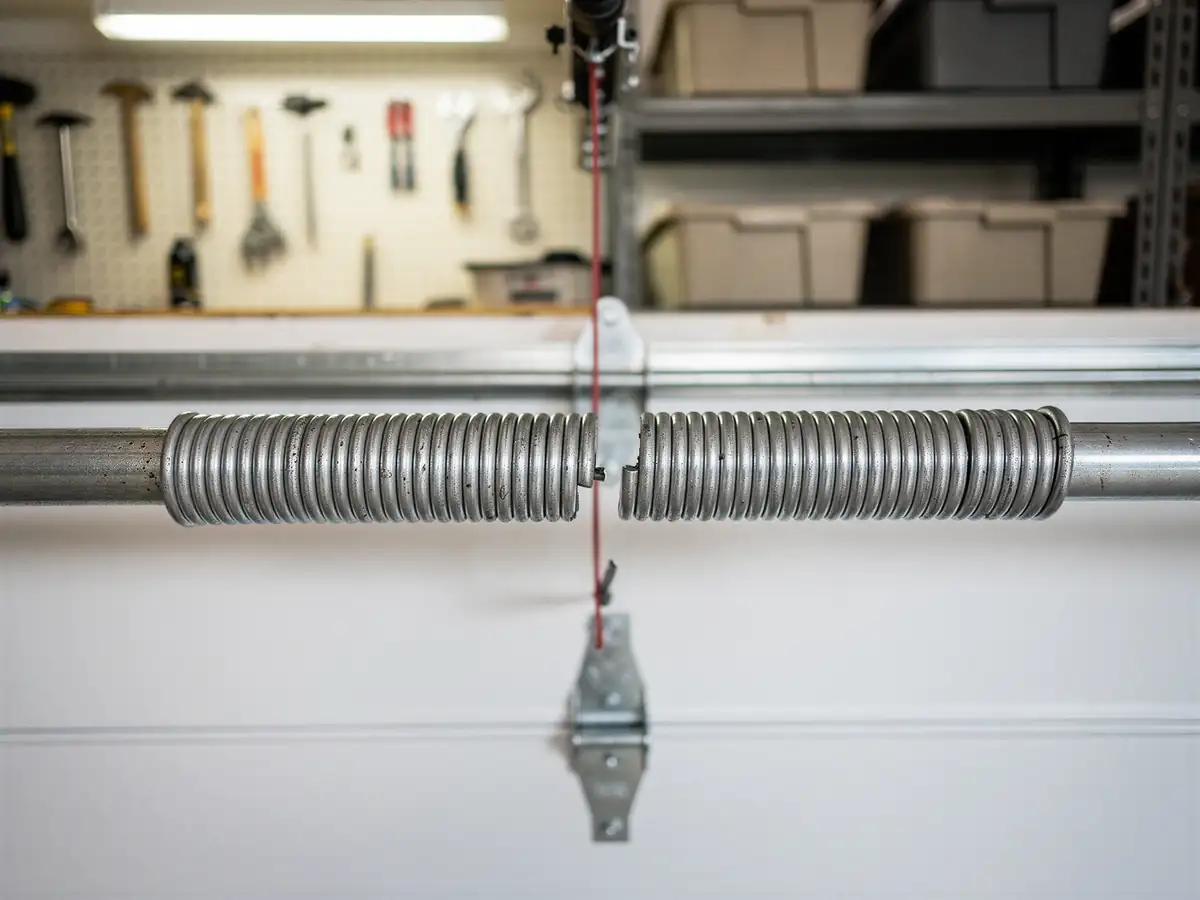
Winters here fall into the cold-severe band, and cold is hard on garage door hardware in specific ways: grease stiffens, metal contracts, and a torsion spring that's already near the end of its cycle count is more likely to snap on a sub-freezing morning than a mild one. On houses built in the early 1950s, we commonly find springs sized for the original lighter door now carrying a heavier insulated replacement panel - a mismatch that shortens spring life and strains the opener motor. Rollers on these older tracks are often the original steel type, which get loud and eventually bind as the track wears a groove. None of this fails all at once. It fails one cold snap at a time, usually on the coldest morning of the year, which is exactly when a maintenance visit six weeks earlier would have caught it.
Doing It Yourself
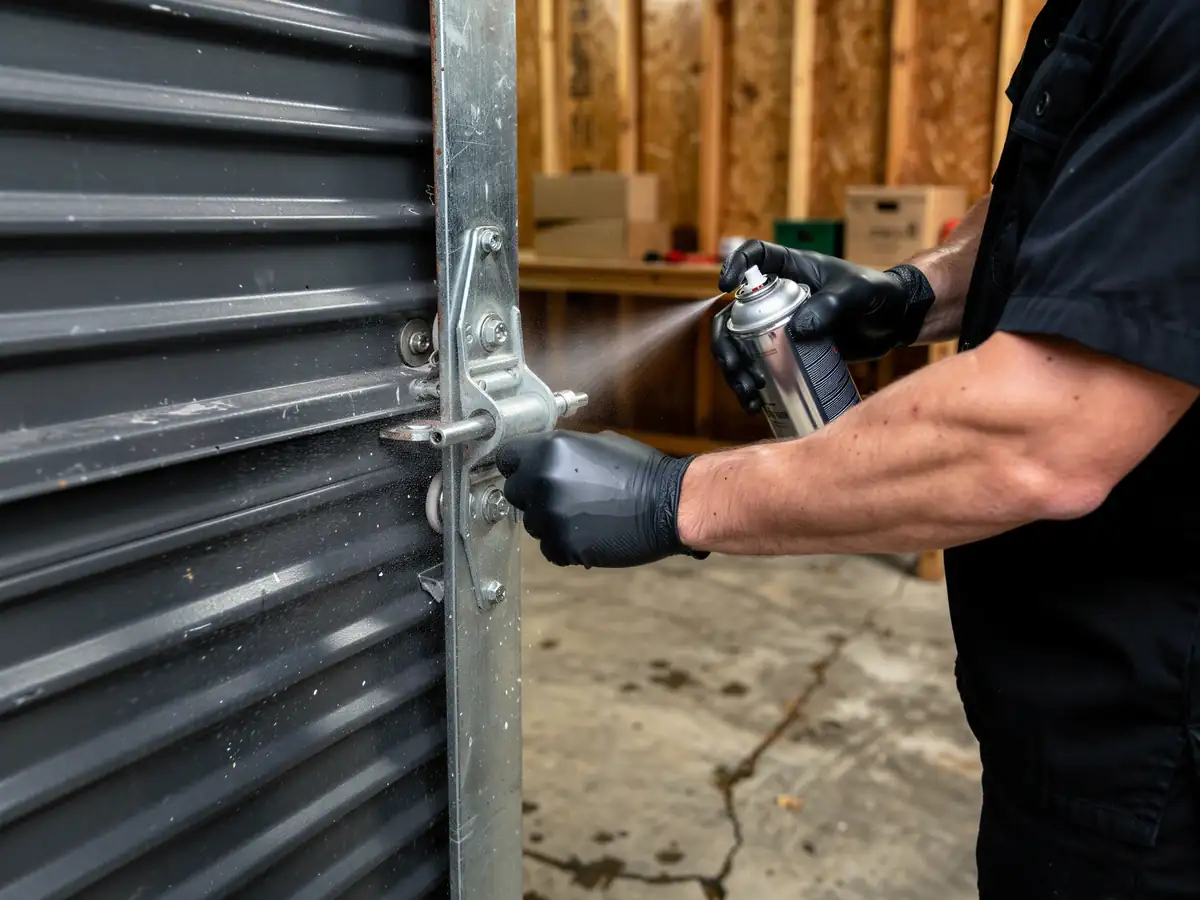
Plenty of this is reasonable to do yourself. Wiping down and lubricating the tracks, checking that the auto-reverse sensors aren't knocked out of alignment, and tightening visible hardware are all fine weekend jobs on a door this age. What isn't a DIY job is the torsion spring. A spring under tension on a door built to 1950s specs can be a different wind and wire gauge than what's on the shelf at a hardware store, and getting the tension wrong on a wound spring is how people get hurt. If your door is original to a house from this era and nobody's touched the spring in years, that's the one thing to hand off rather than guess at.
How Long It Takes
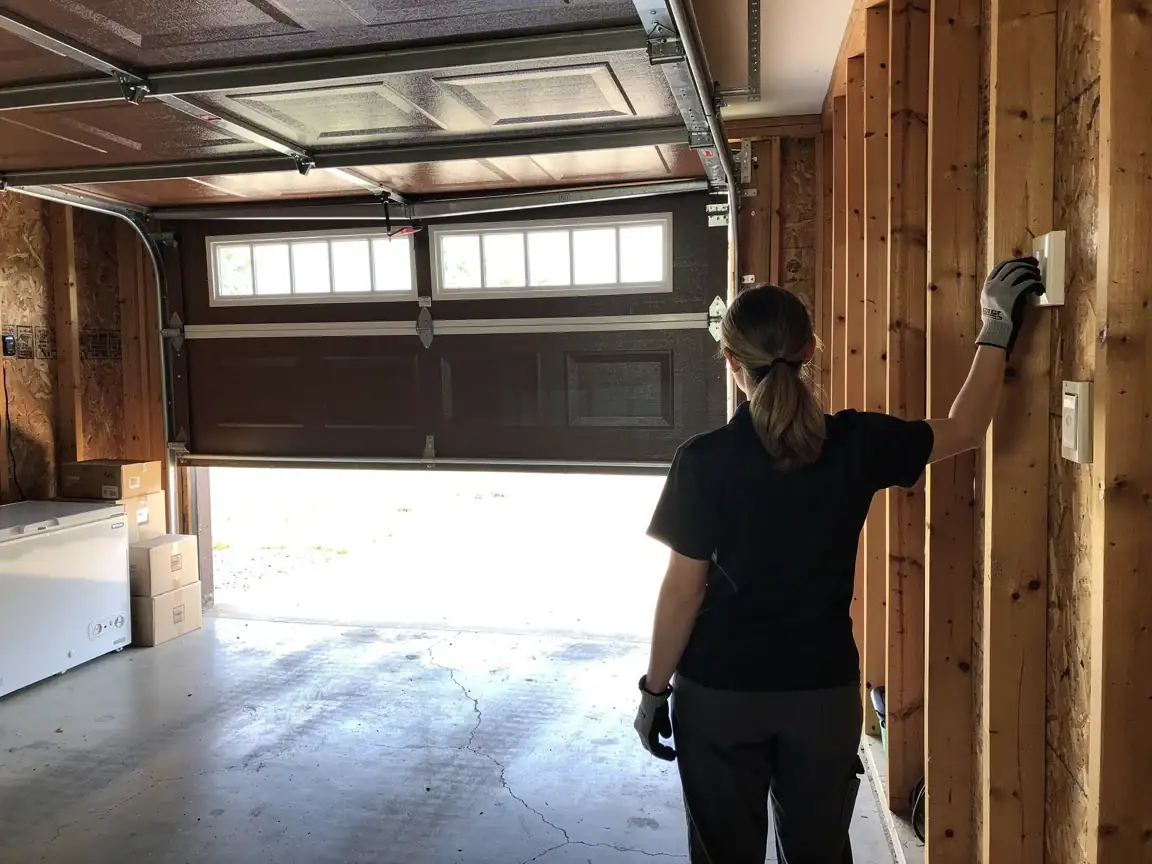
A routine maintenance visit on a single door runs about the same length of time in Latrobe as it does anywhere else we go - the work itself doesn't change by zip code. What can add time is the condition of hardware that's never been serviced: a track that needs realigning instead of just wiping down, or a spring that's close enough to failure that it makes sense to address it the same visit rather than schedule a second trip. We won't know which until we're looking at the actual door.