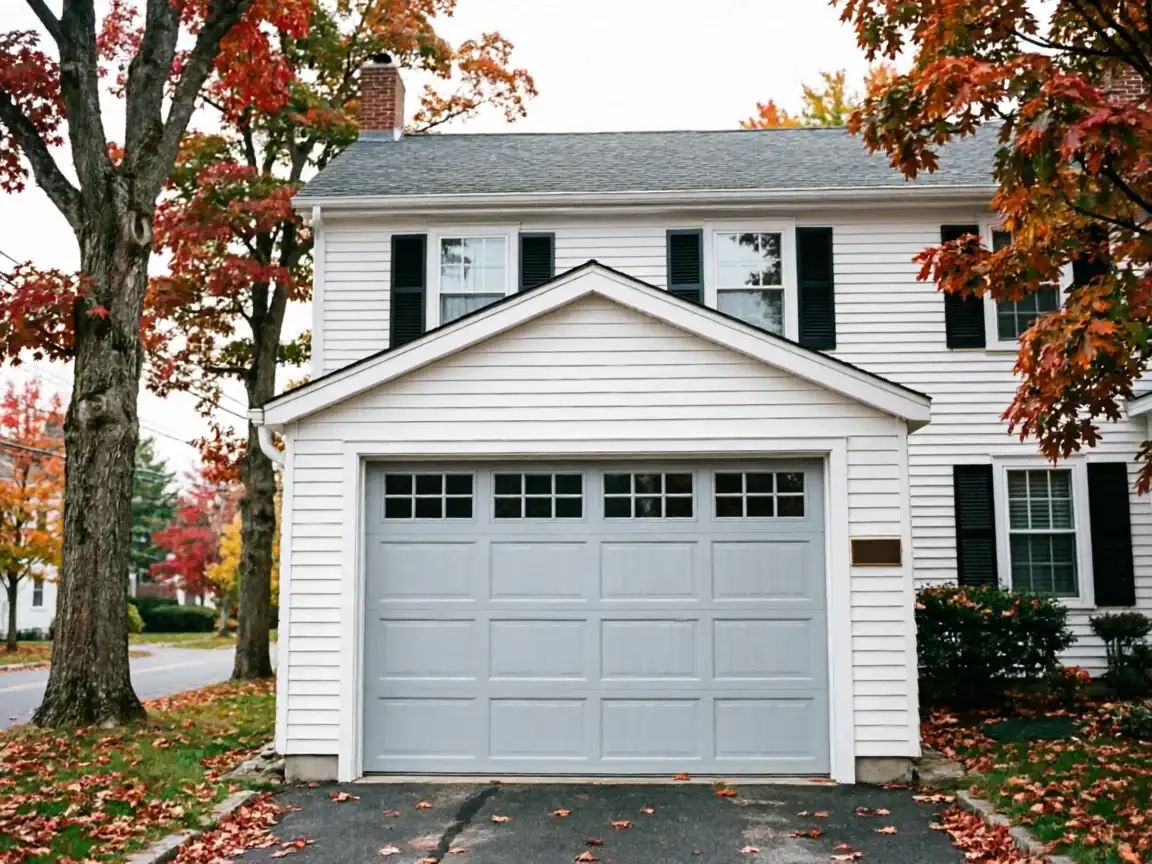
What You Are Seeing
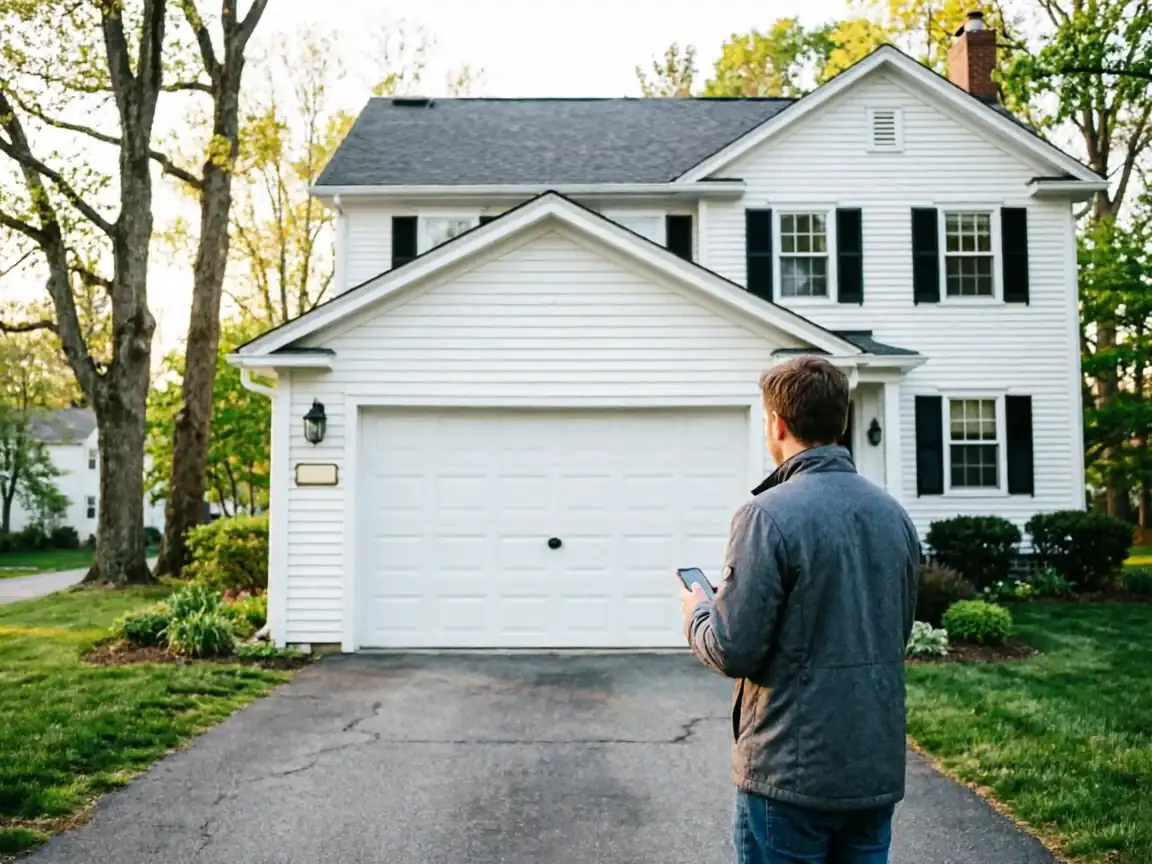
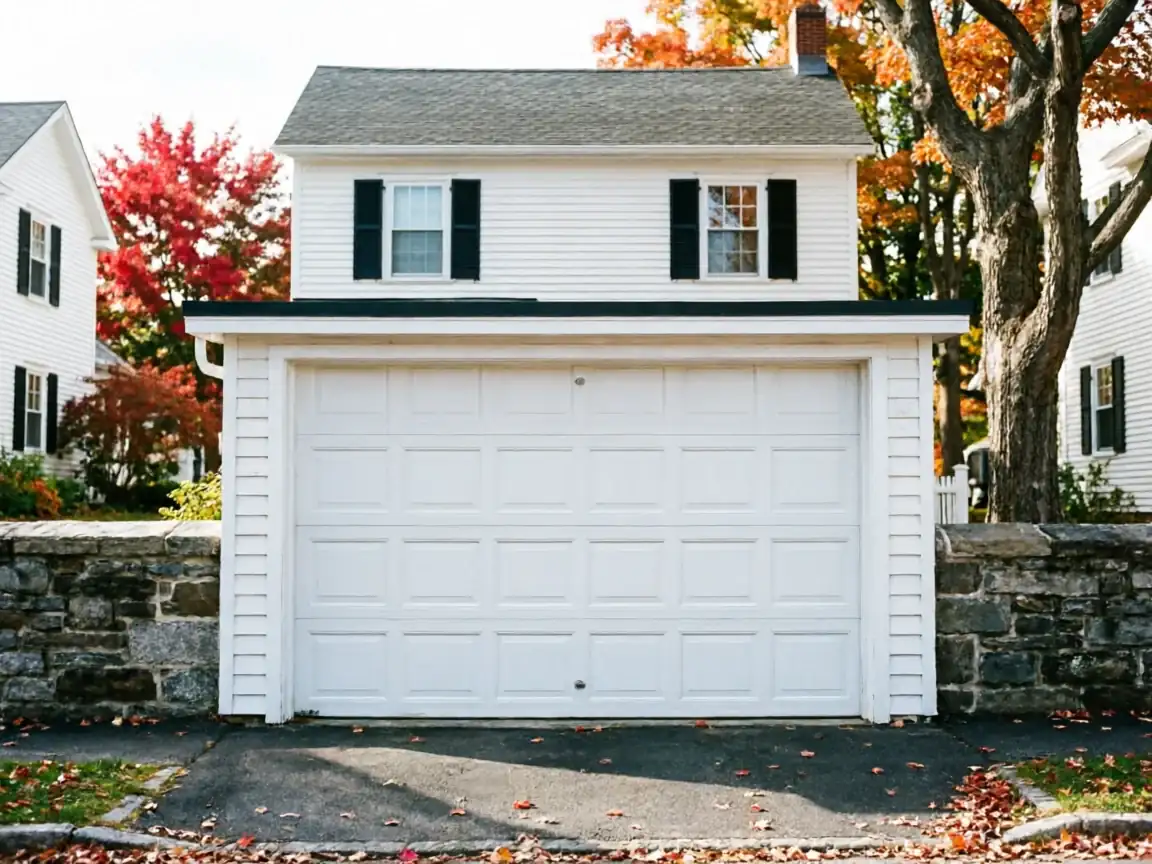
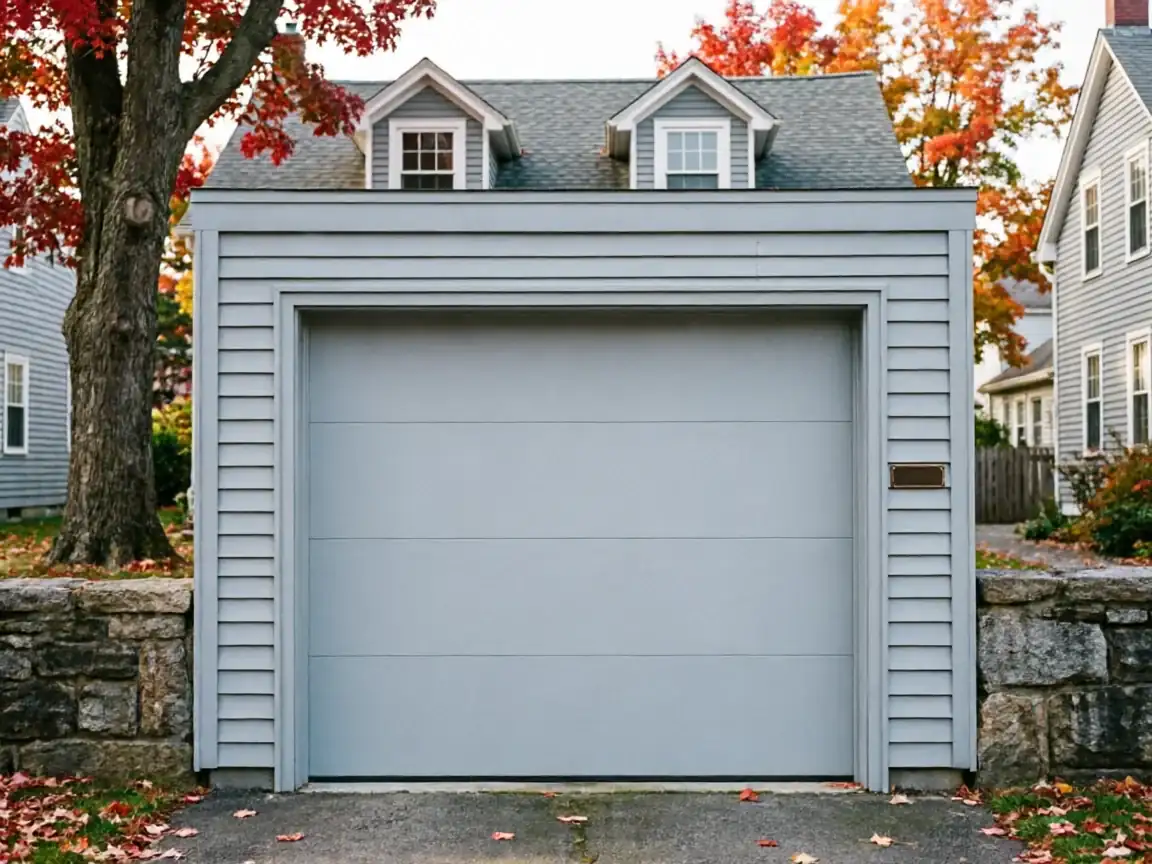
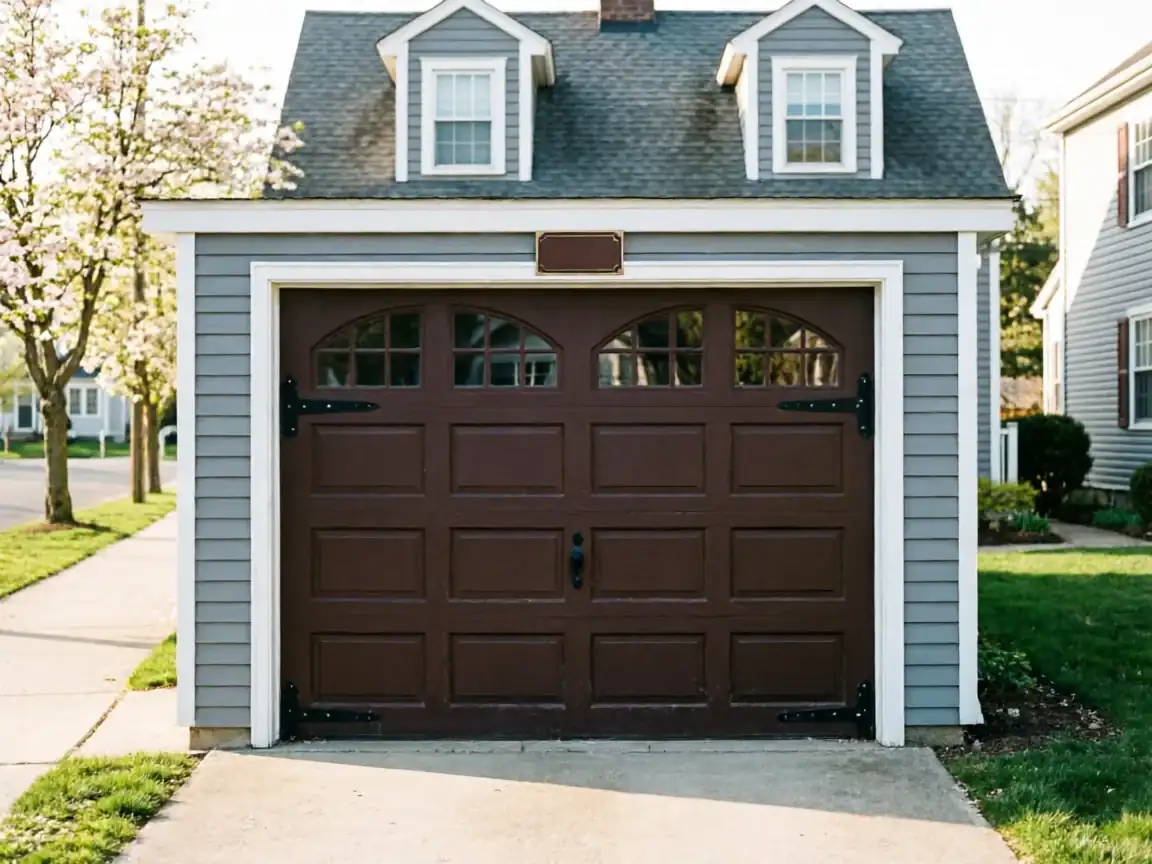
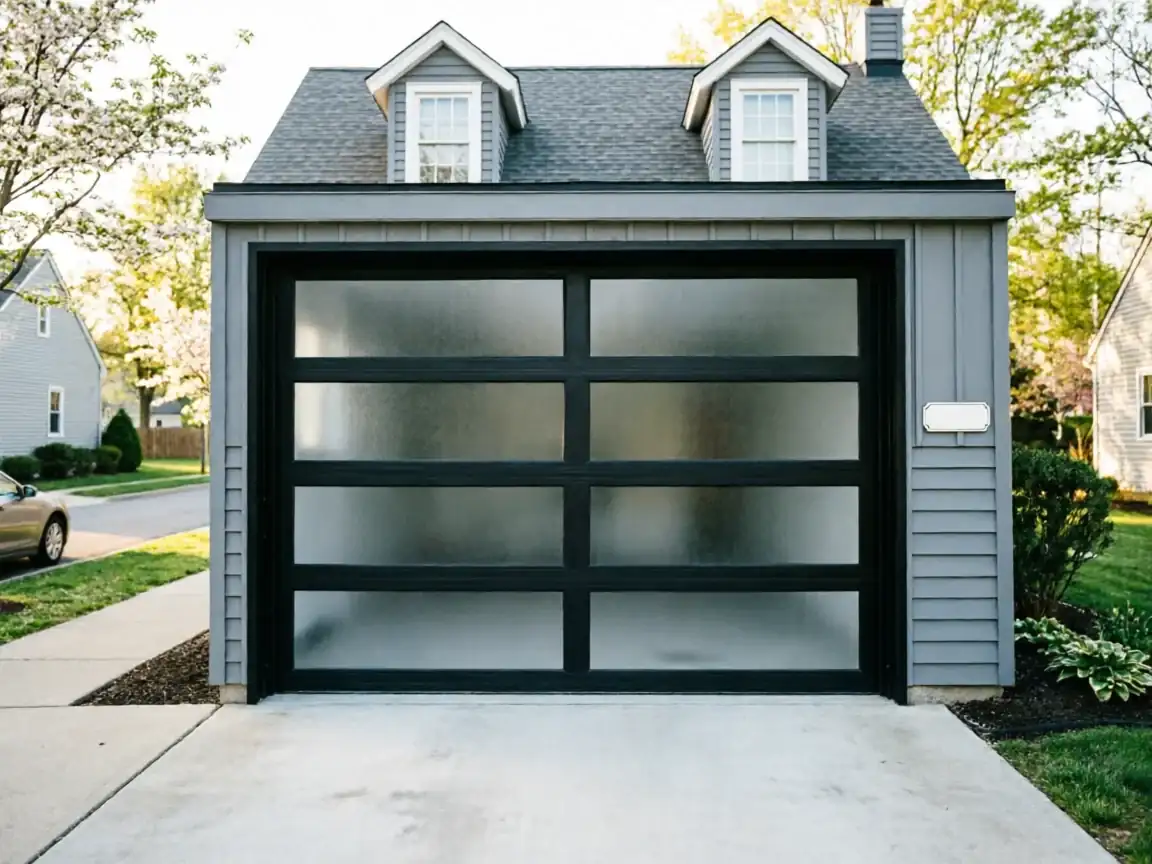
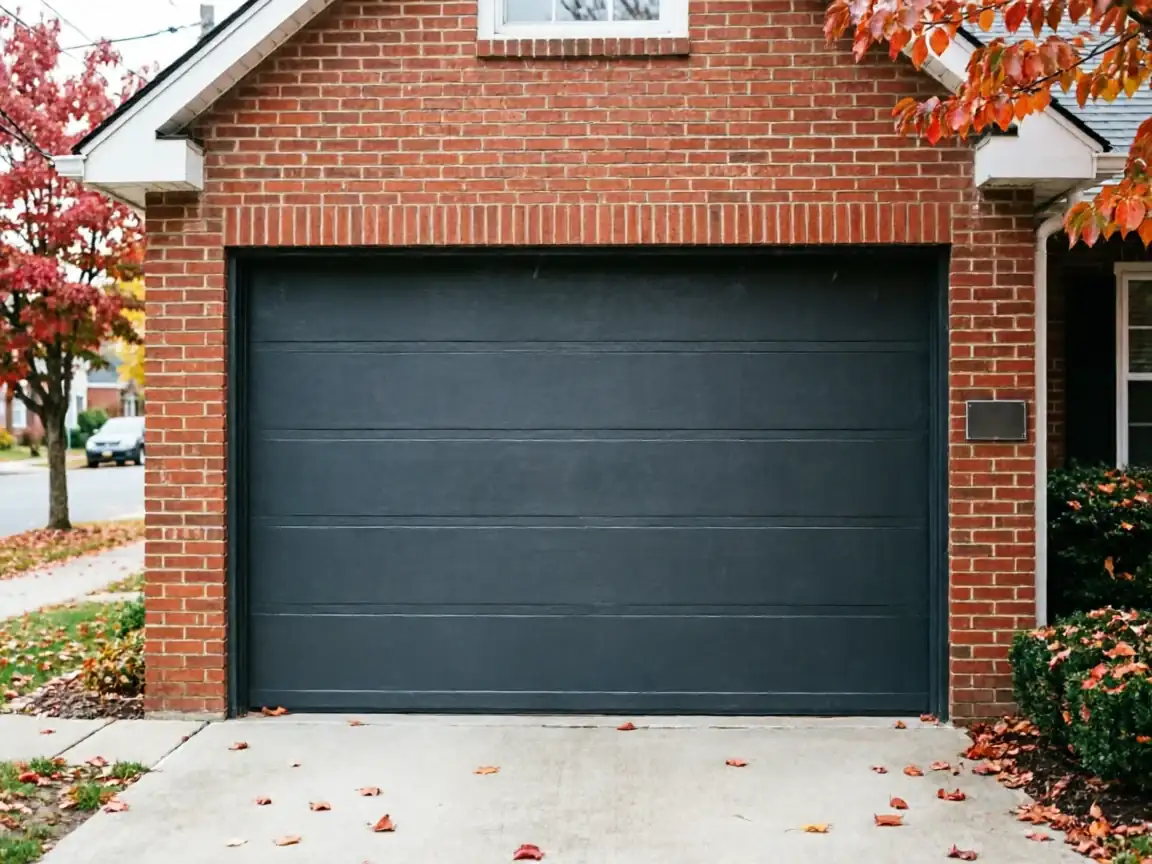
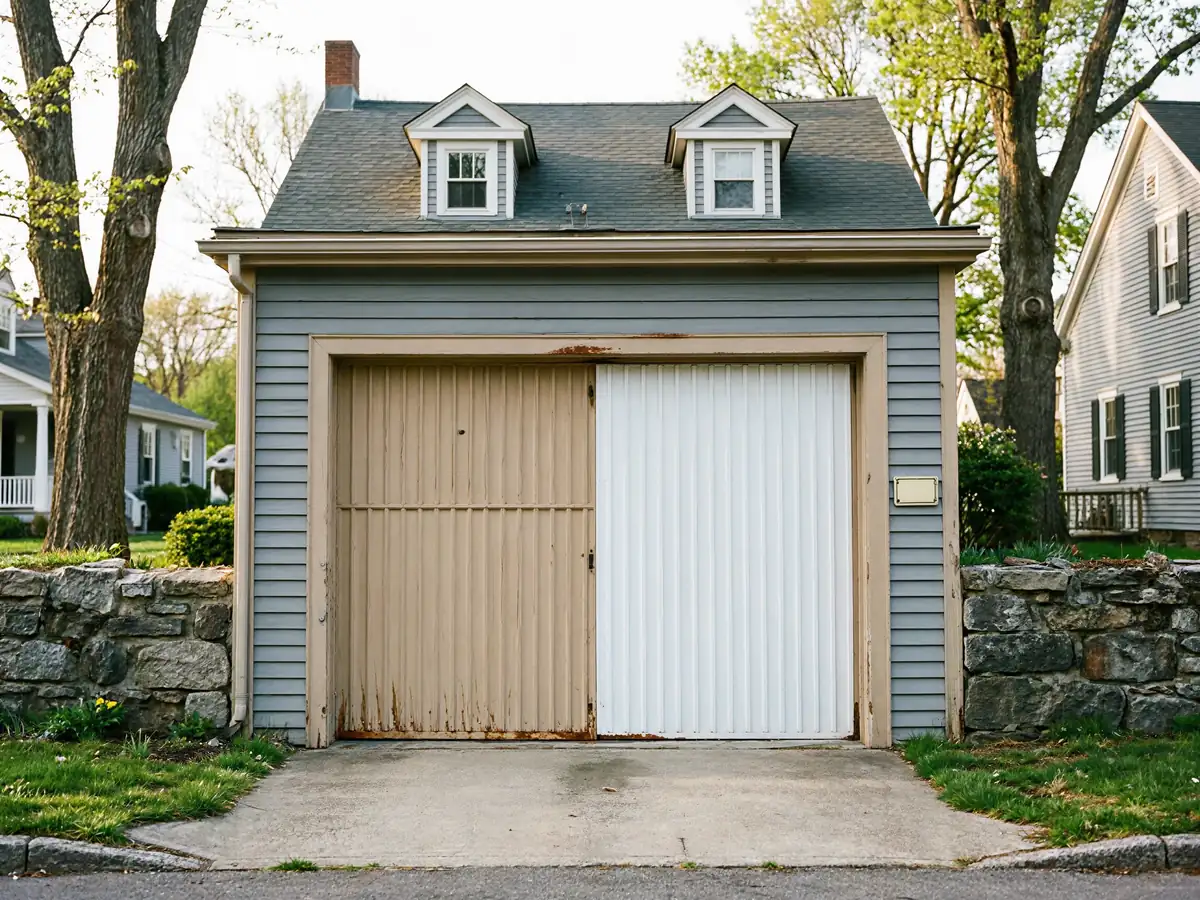
Latrobe's housing stock centers on 1953, which puts most garages here in the same bracket as the wider county's pre-1960 majority. Doors going up in that era were almost always one-piece slab doors, not the sectional panels you see on newer builds, and they ran on side-mounted hardware with a single horizontal track rather than the vertical-then-horizontal curve sectional doors use now. A lot of those original doors have long since been swapped for sectional units, but the framing and the header height often haven't changed, which means replacement doors sometimes get forced into openings they weren't quite sized for. If your door sticks at a weird angle or the stop molding doesn't sit flush, that mismatch is usually why. We come out from Greensburg, about 8 miles away, so there's no local branch here - just a truck that knows what a 1950s Latrobe opening tends to hide.A smaller share of homes in town were built after that window, and those tend to have more standard sectional setups with less to untangle.
What Can Go Wrong
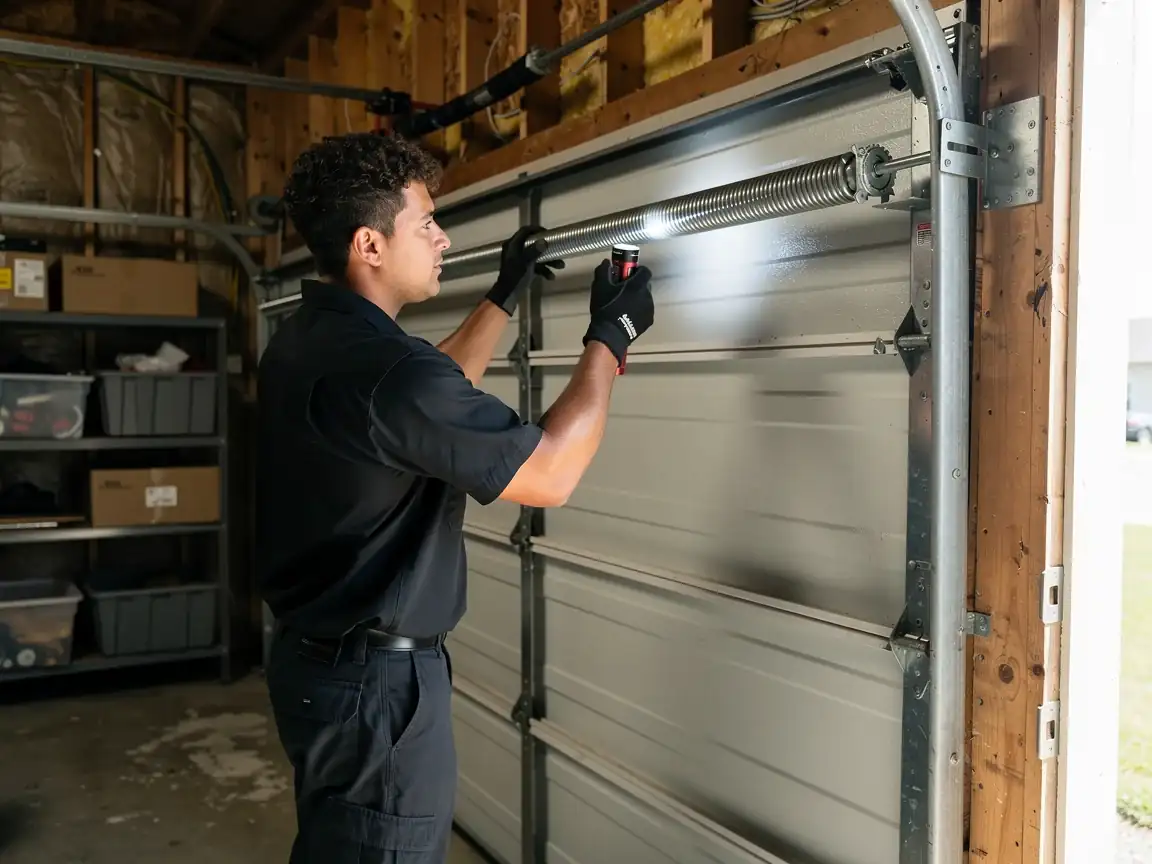
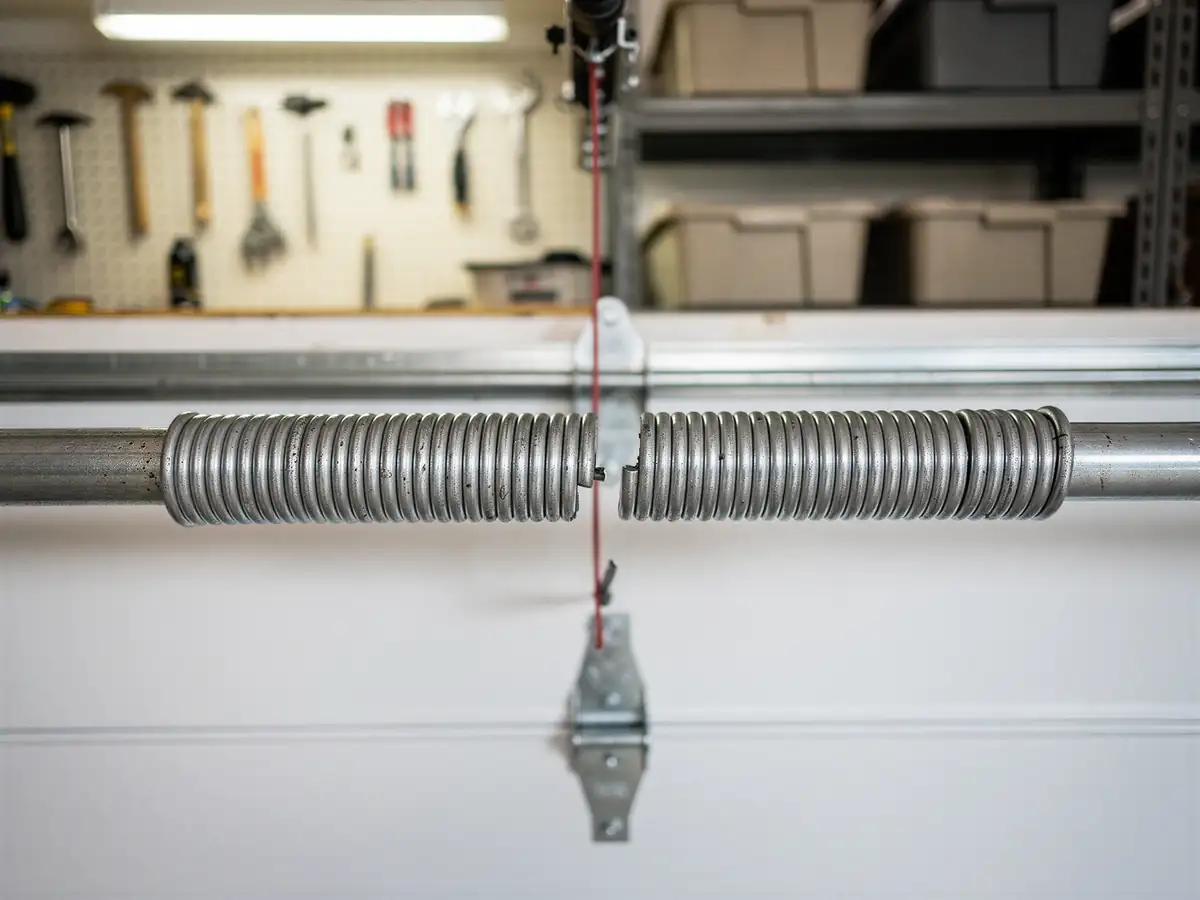
The service area runs cold-climate severe, and Latrobe sits right in that band with everyone else nearby. Cold doesn't just stiffen grease - it shrinks steel cable and torsion spring wire enough to change the tension a spring was set at, and a spring that was fine in July can snap in January under the same door weight. On the older one-piece doors still around town, the weak point is usually the vertical track brackets, which were hung with lag screws into jamb wood that's now seven decades old and often split at the screw holes. On sectional replacements, it's more often a bottom roller or a cable that frayed from being undersized for the door's actual weight. Either way, the failure mode in Latrobe tracks with the housing era more than with anything particular to this town's weather - it's the same cold that hits every town at this elevation, acting on hardware that's older than average because the houses are older than average.
Doing It Yourself
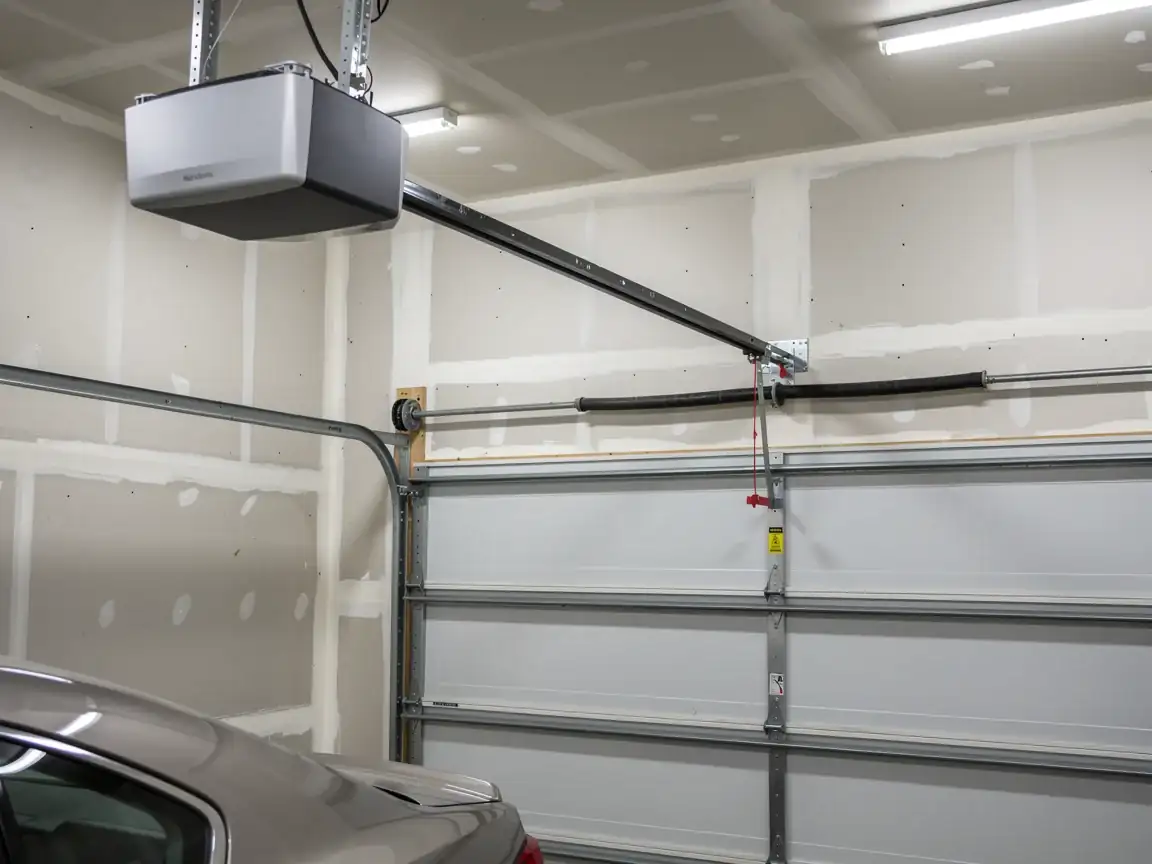
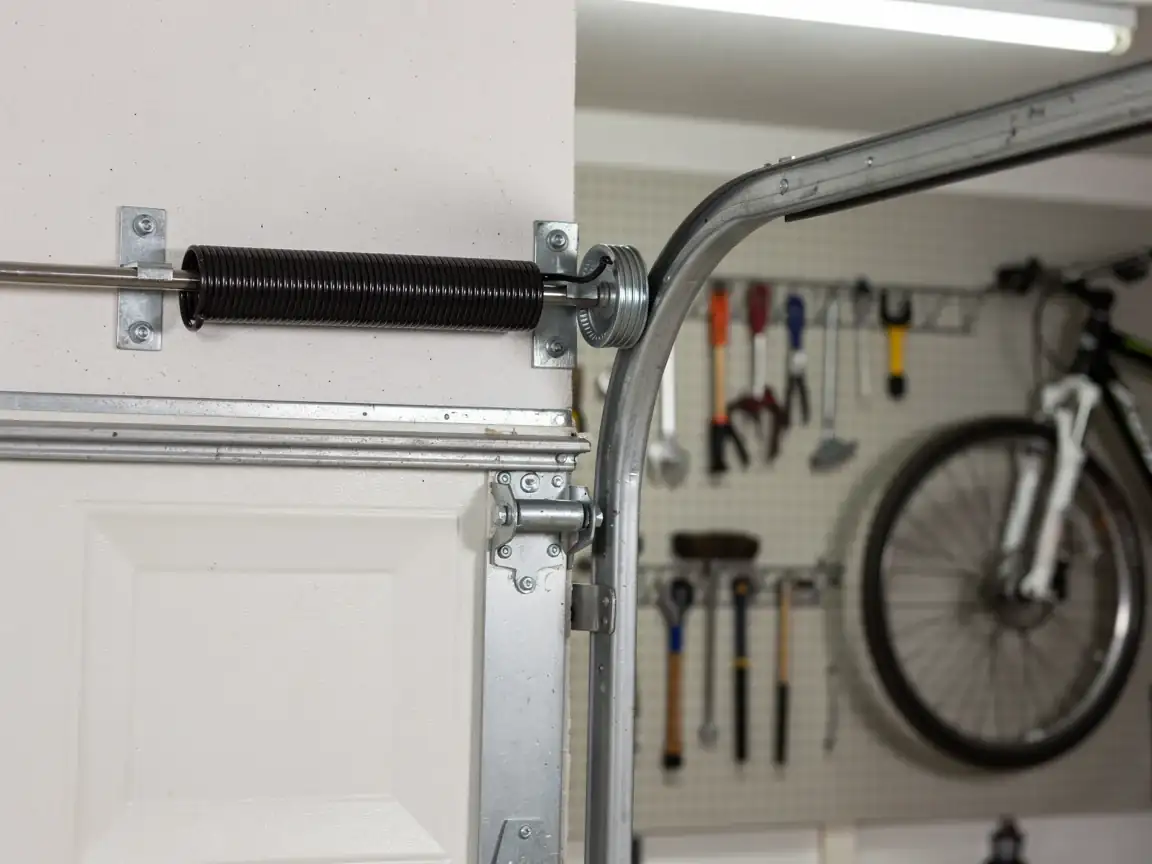
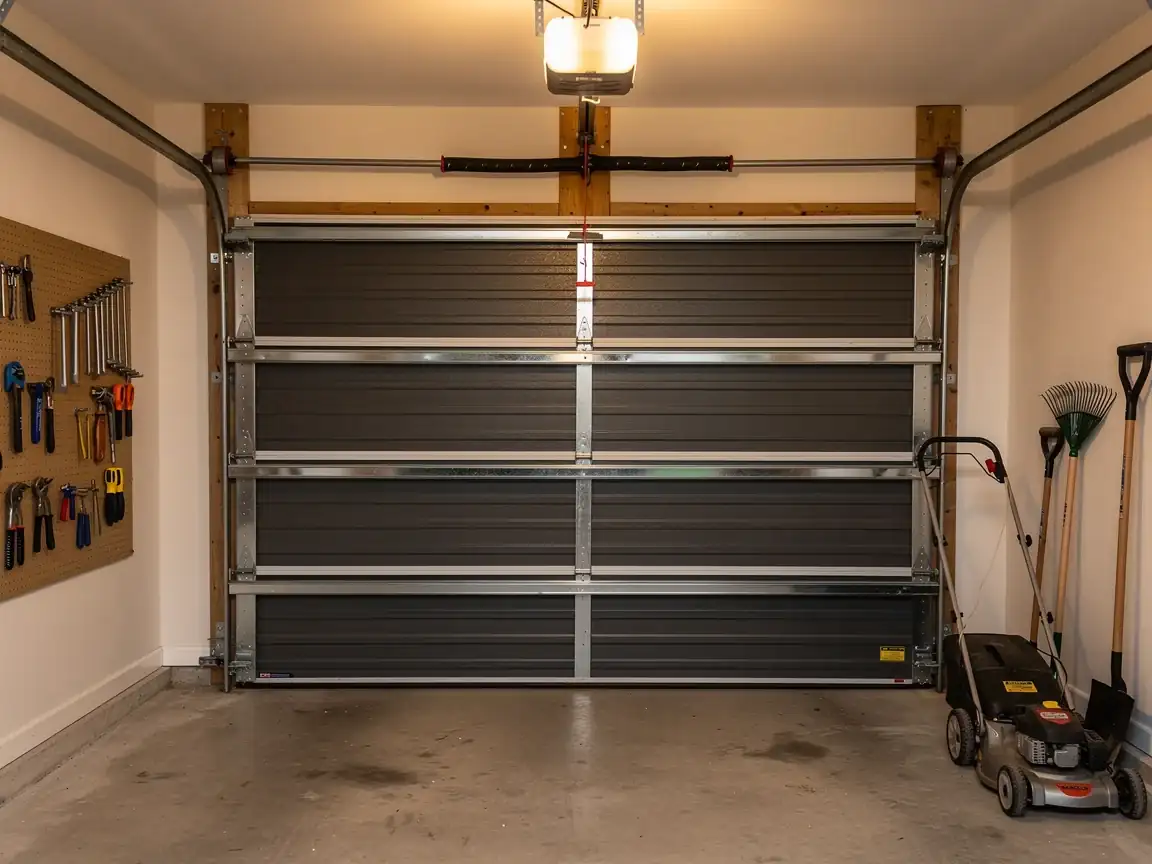
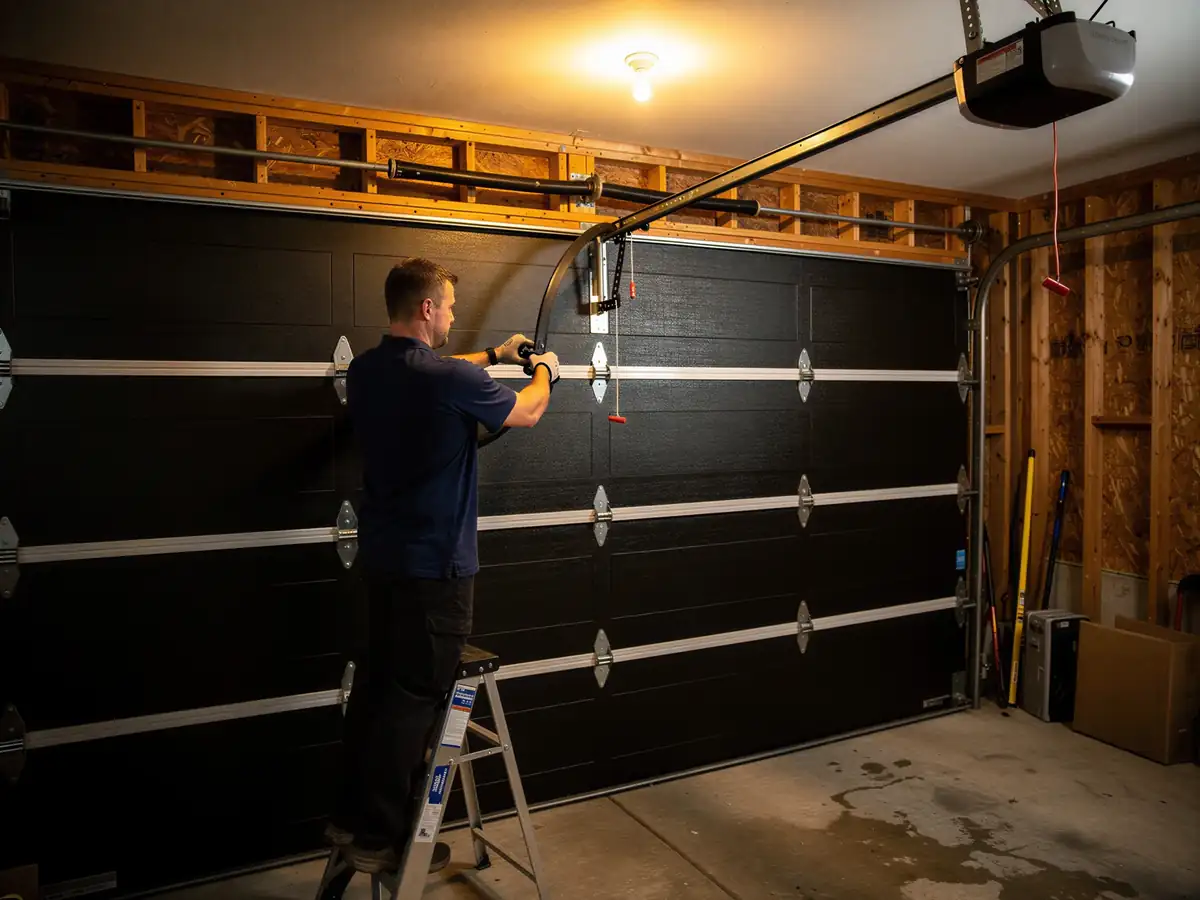
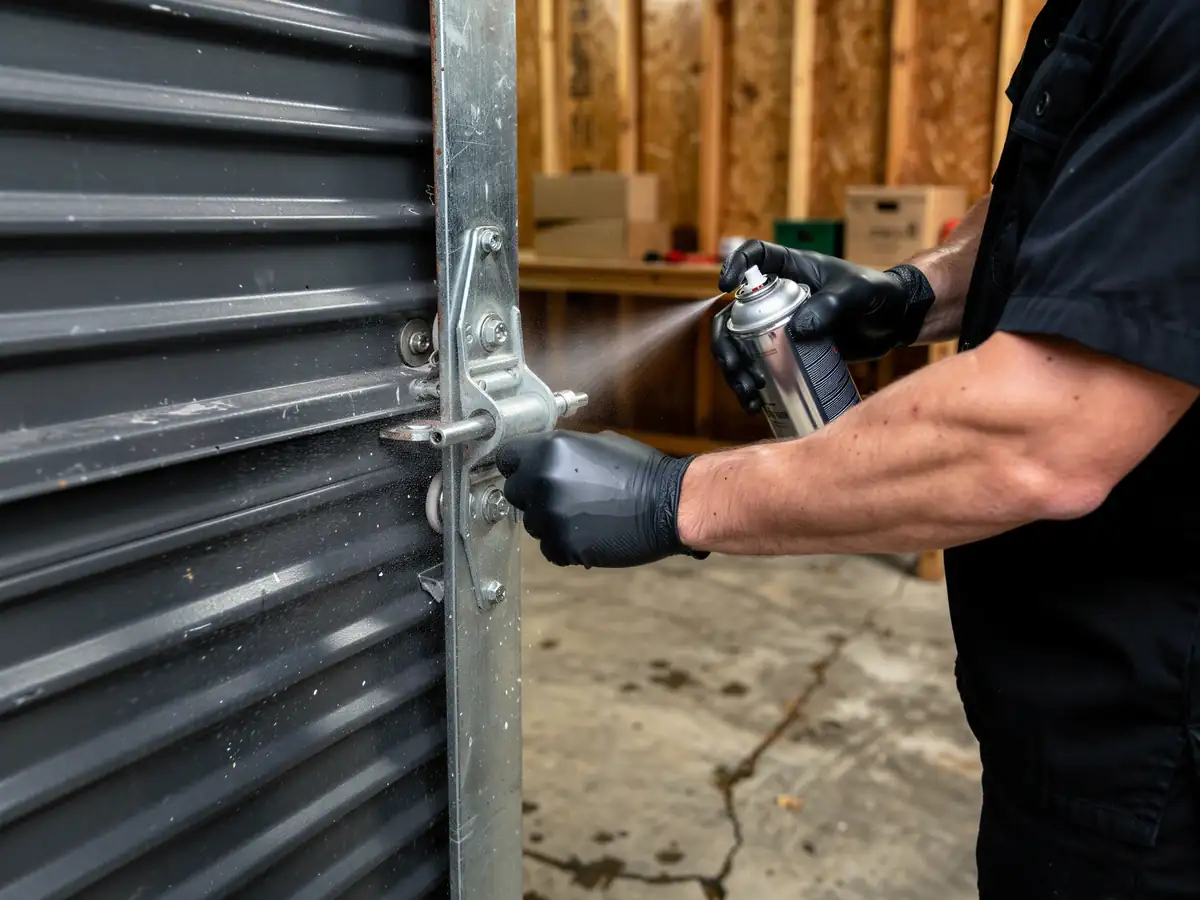
Lubricating hinges, rollers, and the track with a garage-door-specific lubricant is safe to do yourself and worth doing twice a year, more in a cold-climate-severe area like this one where grease thickens hard by midwinter. Tightening visible lag screws on track brackets is also reasonable if you can reach them safely. Torsion springs are not a DIY job - the wire is under enough stored tension to break a hand or worse, and on a lot of Latrobe's older one-piece doors the spring is mounted differently than on a standard sectional door, which trips up even confident DIYers who've watched a video made for a newer setup. If a door won't open, don't force it with the opener motor. That's how you turn a $200 cable fix into a bent track and a new opener both.
How Long It Takes
A straightforward spring or cable repair is usually a same-visit job once we're on site. Jobs that turn into full hardware replacement - more common here given how many openings still carry original 1950s-era brackets and track - take longer because we're often fabricating a fit rather than bolting on a stock part. We travel to Latrobe from Greensburg rather than keeping a crew stationed in town, so scheduling runs through that single dispatch rather than a local branch, and drive time is part of any estimate we give you. We'll tell you up front if your job looks like the quick kind or the kind where we need to come back with a part.