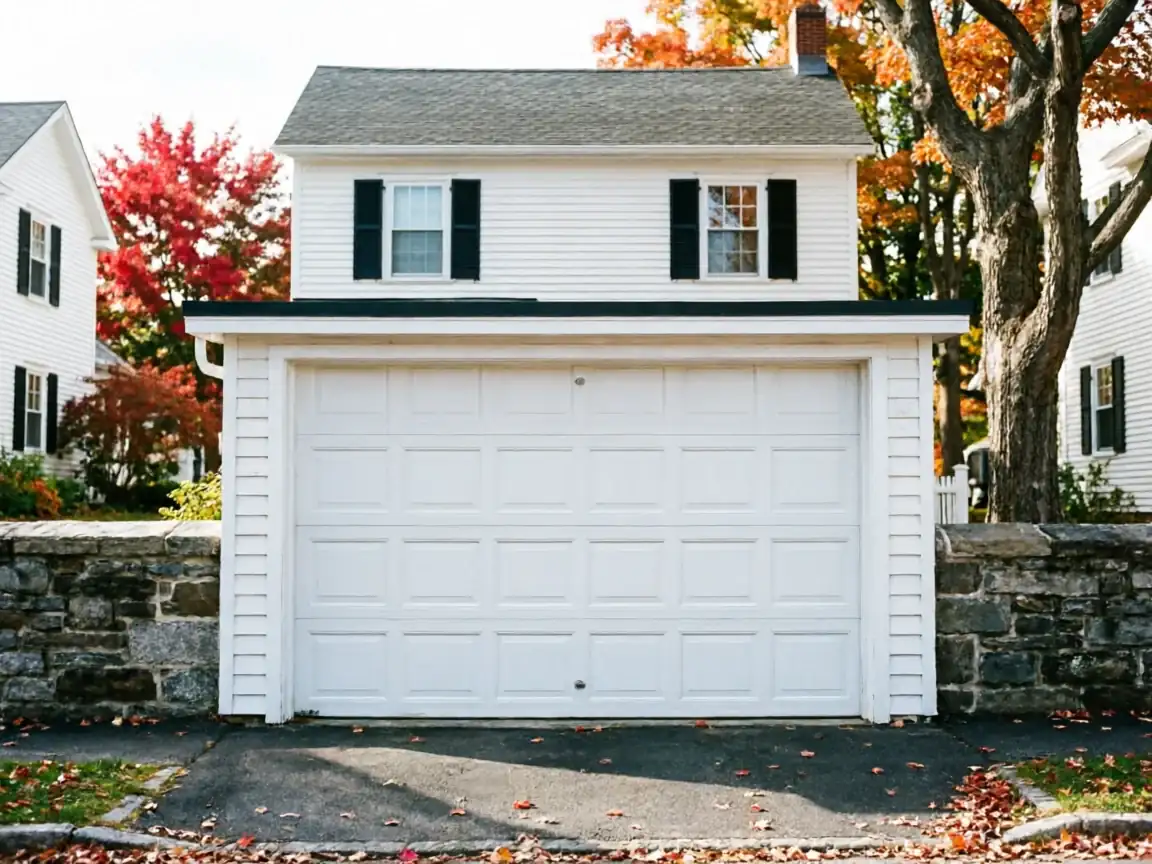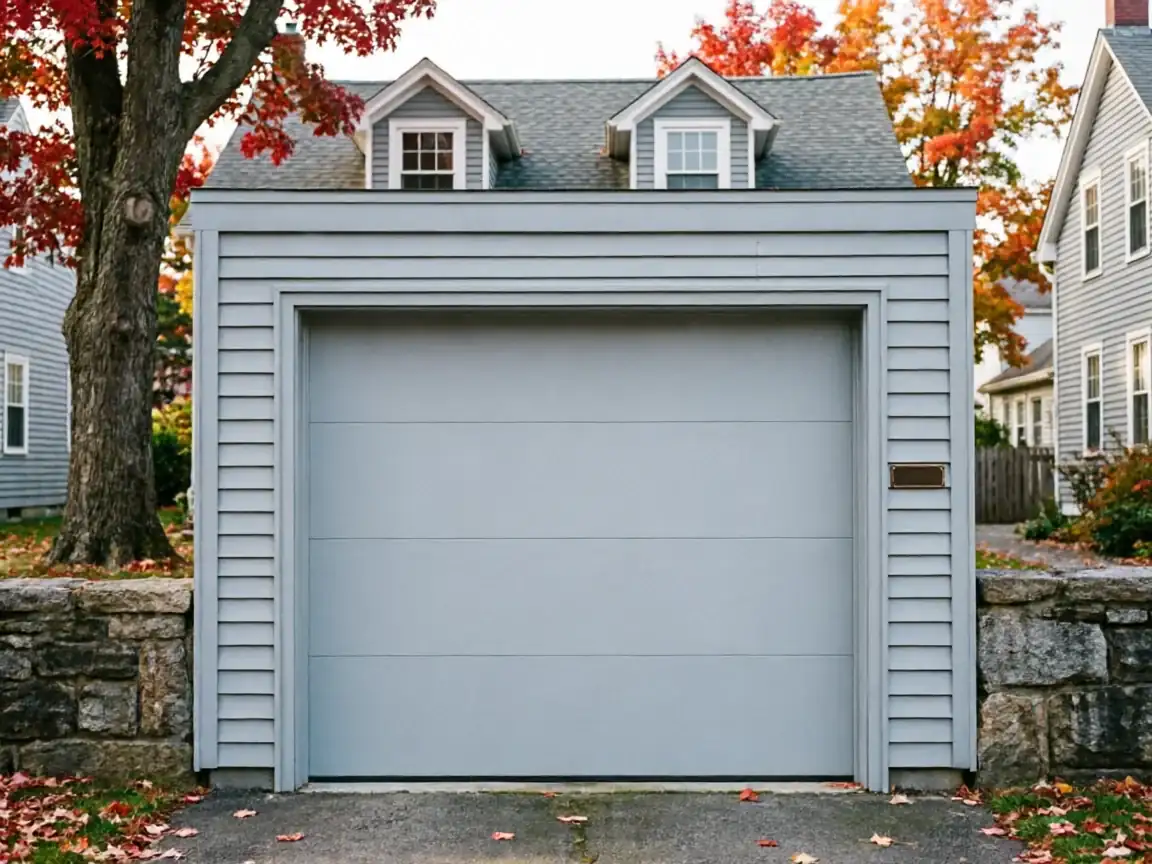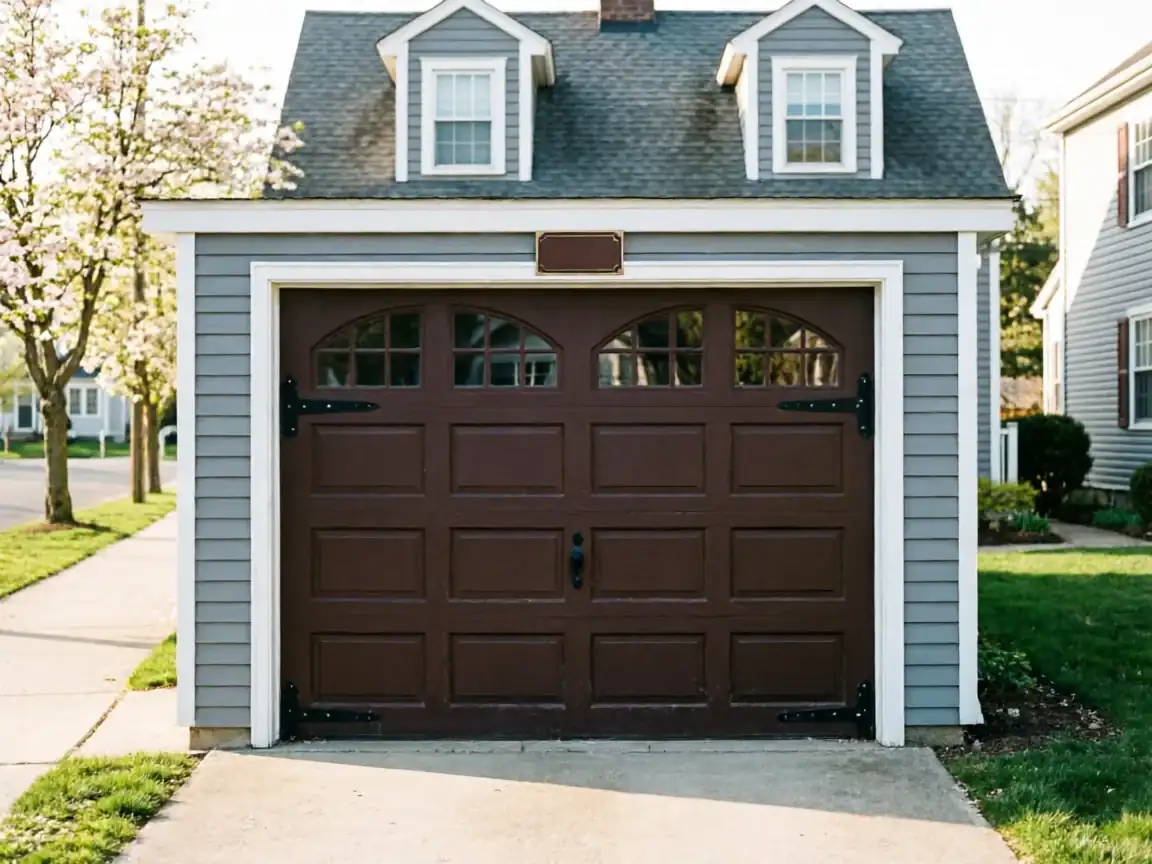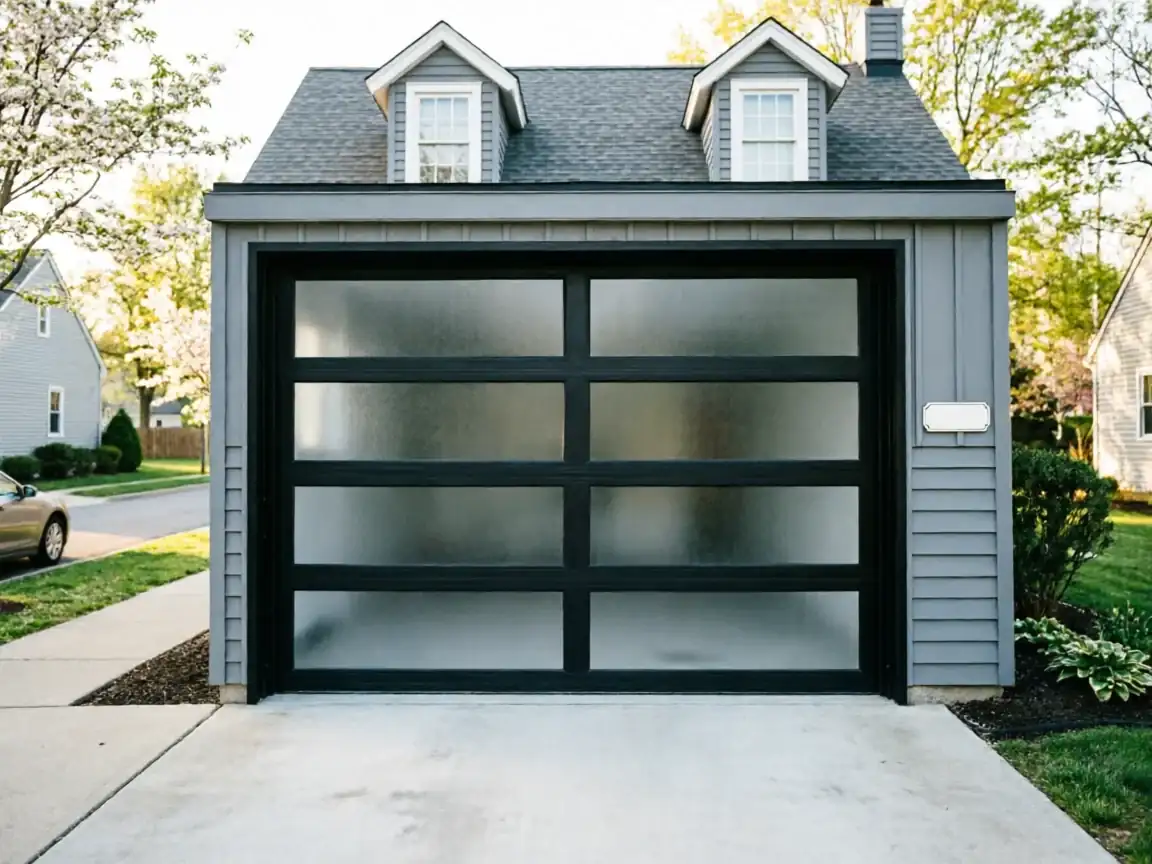
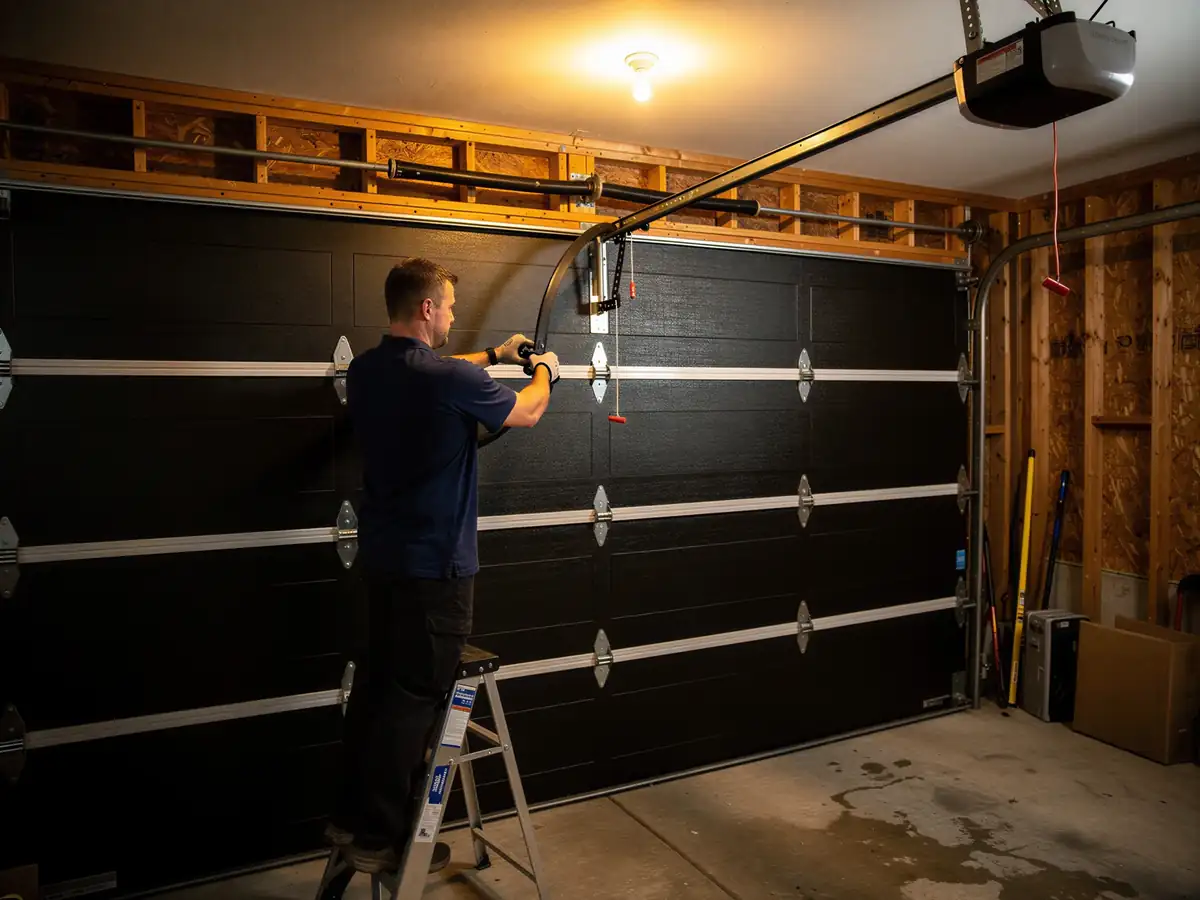
What You Are Seeing
Start with the number that decides most of this job: median household income in Latrobe sits at $55,168. That's the figure that sets where a repair-or-replace call lands. A new opener runs a real cost against a budget that size, so the question isn't whether you can afford an opener, it's whether the door and track underneath it are worth the investment.
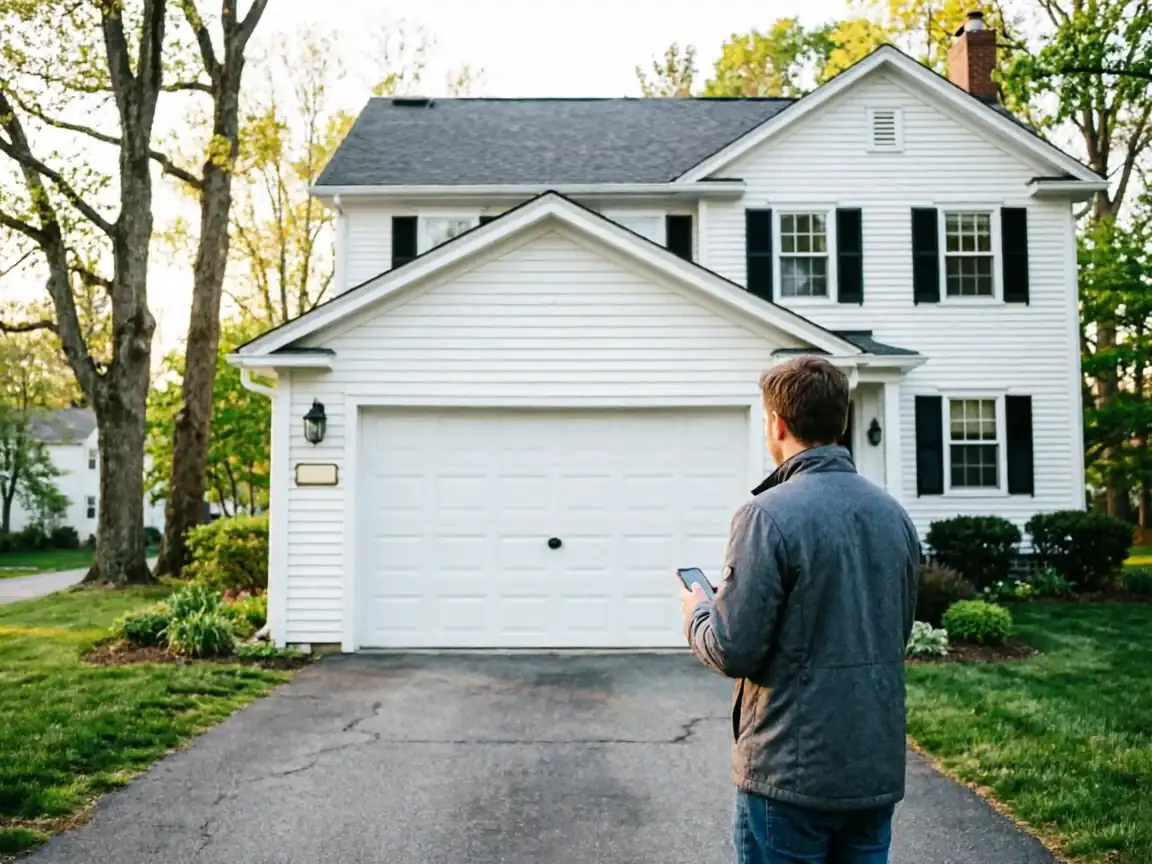
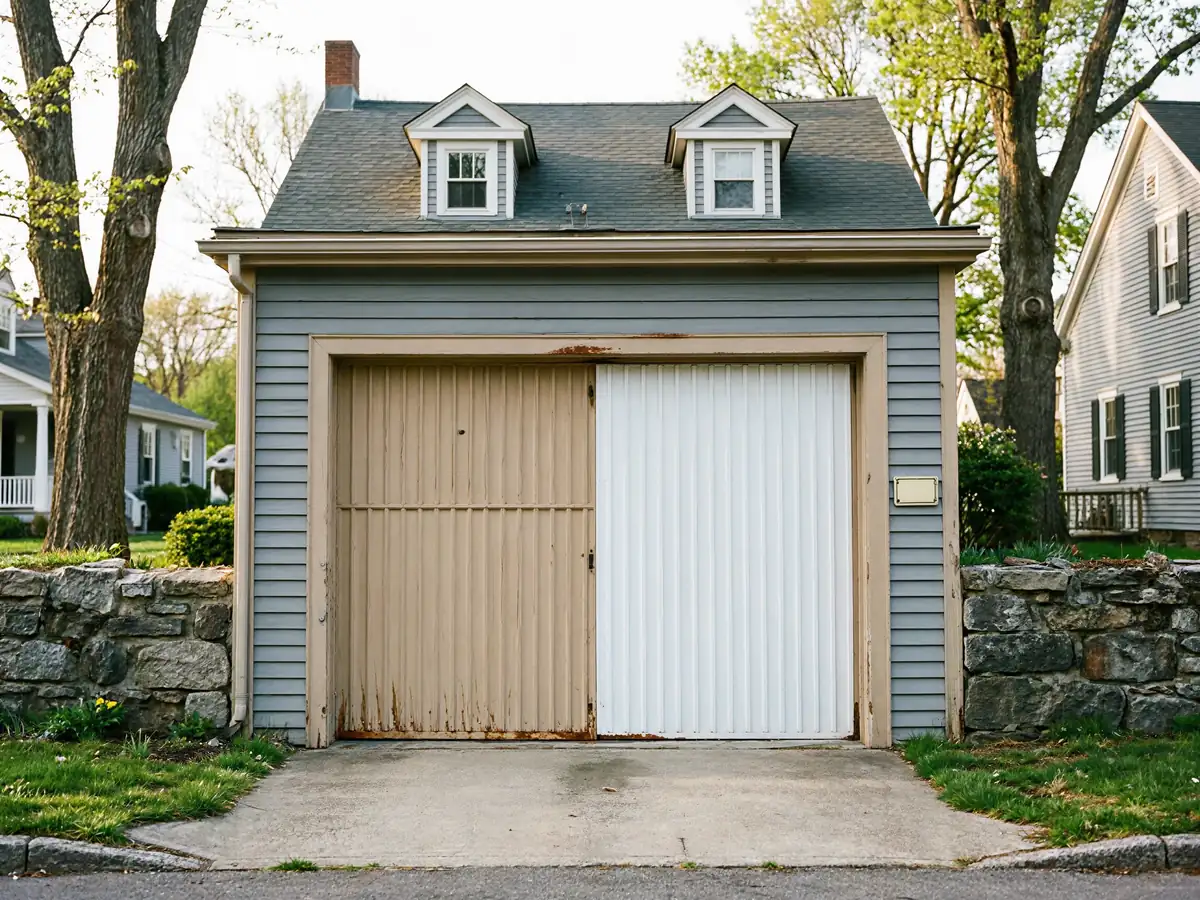
And in Latrobe, that underneath part matters more than usual. The median house here was built around 1953, which puts a lot of the housing stock in the same window as the broader area's 1938-1985 range, most of it pre-1960. Openers from that era, if they've been replaced at all, were often swapped onto original hardware that was never built for a chain-drive unit's weight and torque. You'll see this as a door that opens unevenly, a track mounted slightly off the way old-house framing settles, or brackets that were clearly added later and not quite squared.
We come out from Greensburg, about 8 miles up the road, so we're not guessing at this pattern - it's what shows up on most calls in towns like this one at this build age.
What Can Go Wrong
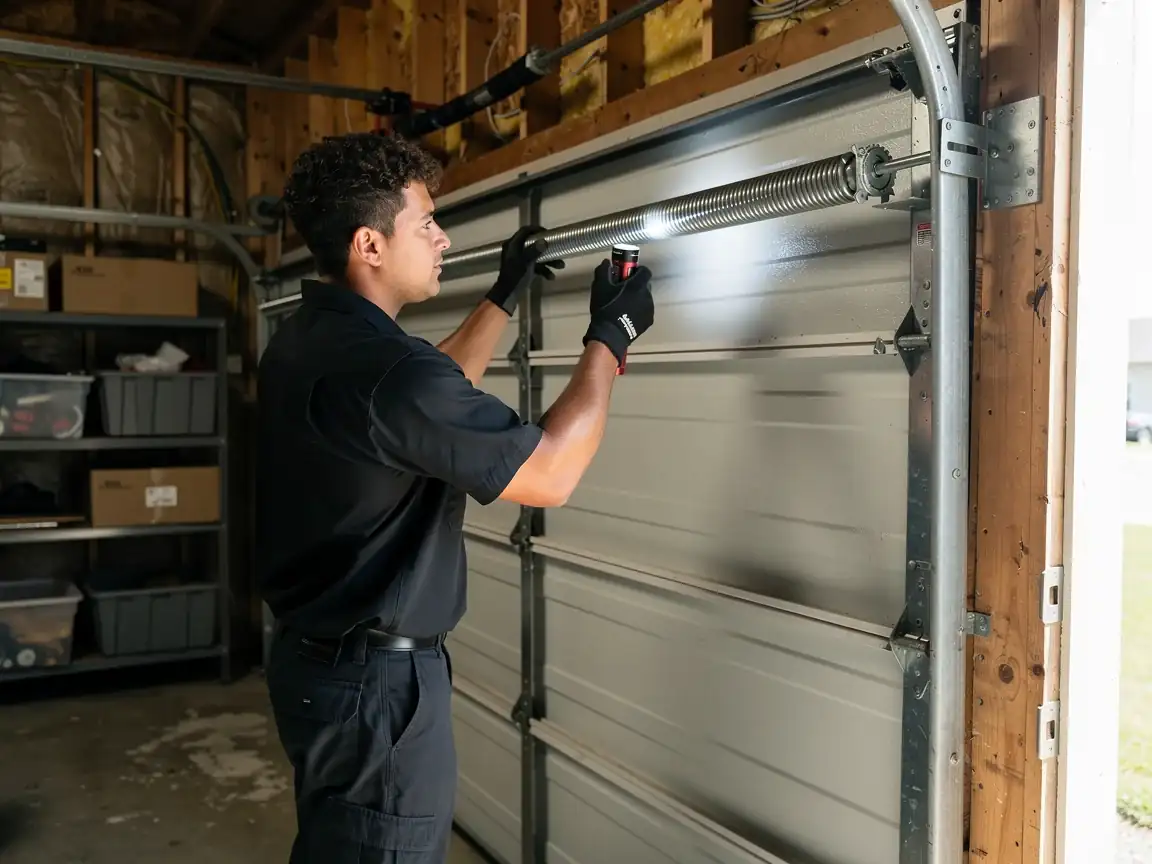
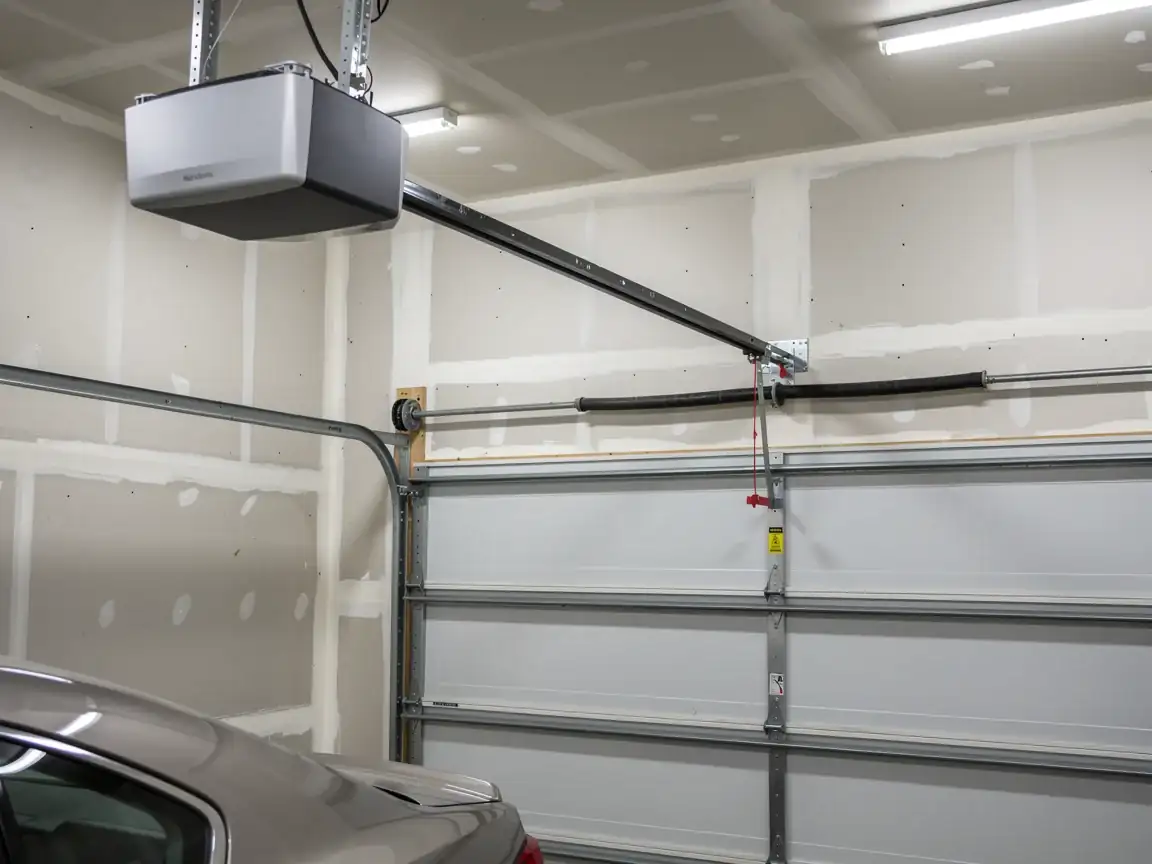
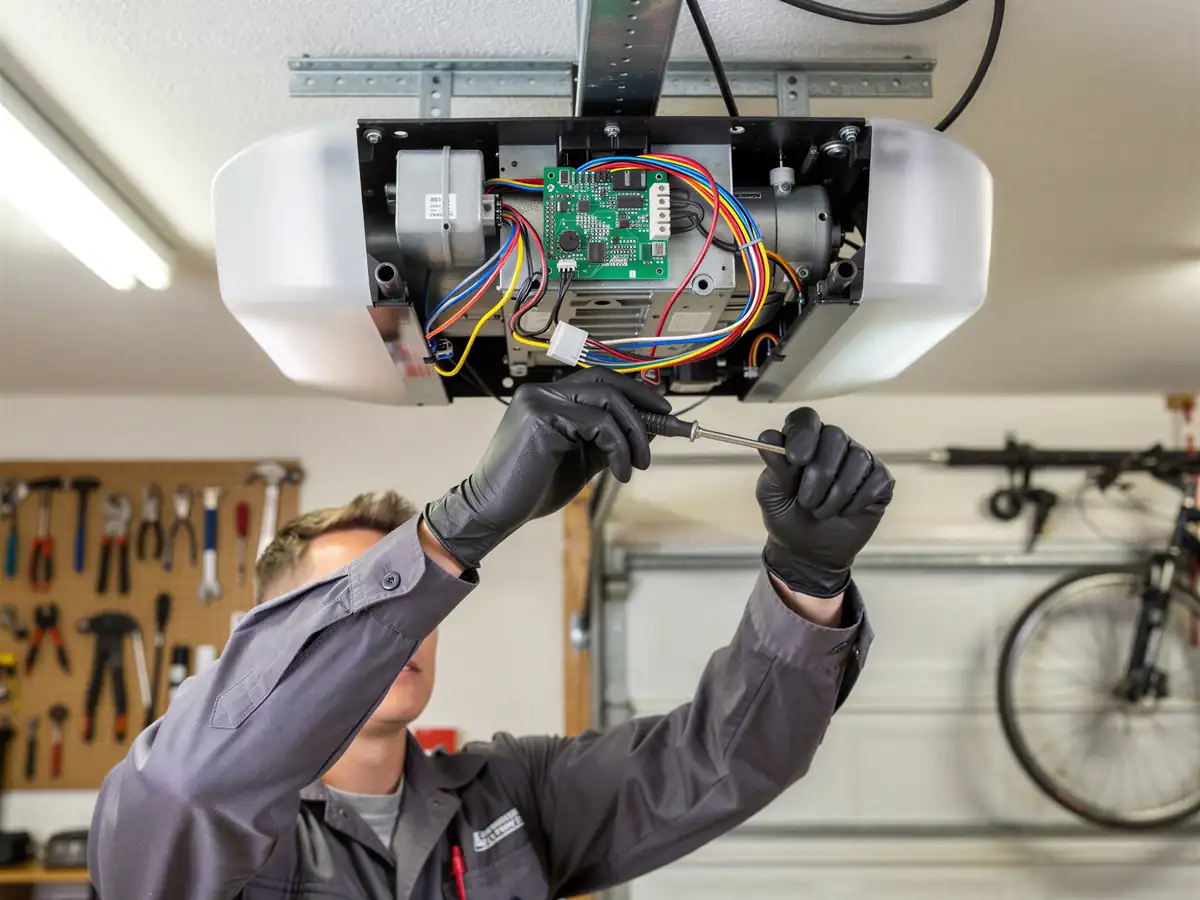
The most common failure we see on older Latrobe installs is a new opener bolted to an old header without reinforcing the mounting point first. The opener runs fine for a while, then the header flexes, the travel limits drift, and the unit starts grinding or reversing on its own. On a house from the early 1950s, that header was sized for a much lighter door than what often sits on it now.
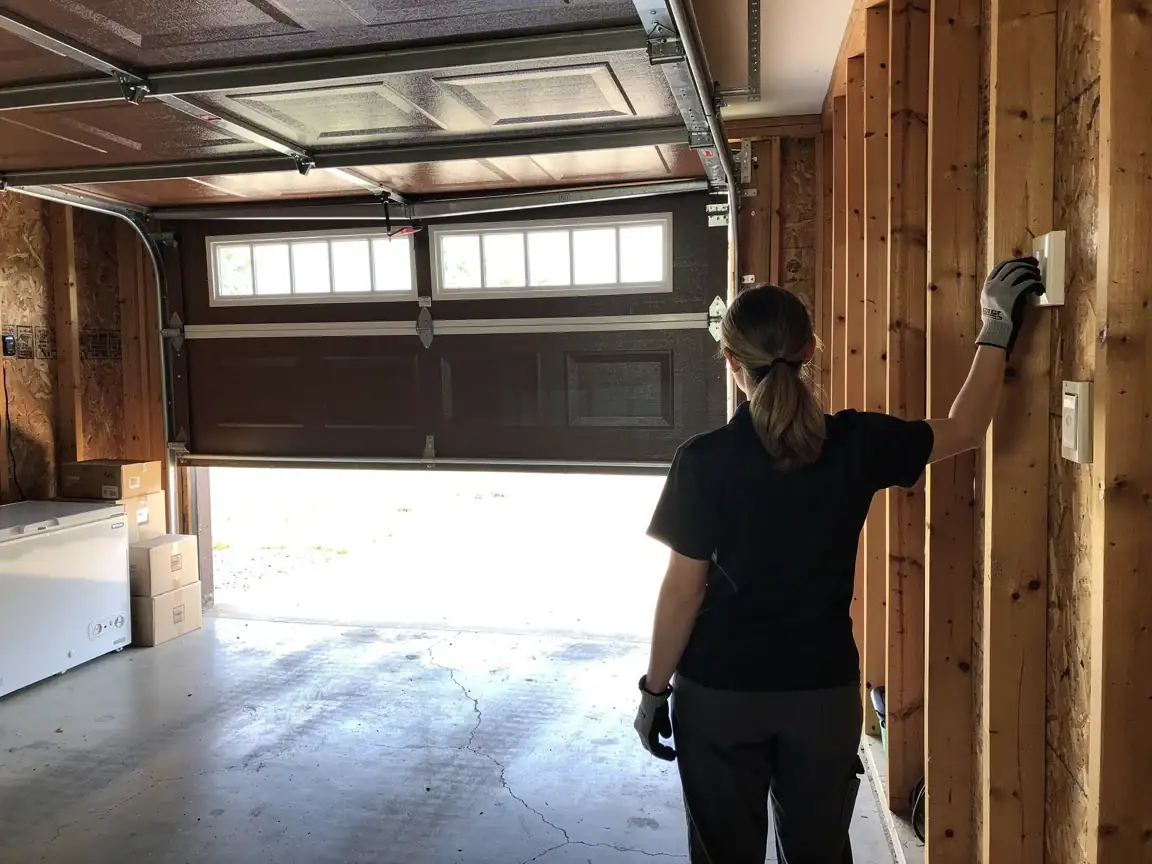
Second is wiring. Pre-1960 garages in this area rarely had a dedicated circuit for anything beyond a single bulb. Running a modern opener off a shared or undersized circuit causes nuisance tripping, especially in a cold winter when the motor draws harder on startup.
Third, and this one's regional, not just local to the house: this area sits in a severe cold climate band. Openers with plastic drive gears or belt systems not rated for sustained cold can bind or slip on the coldest mornings. It's not dramatic, just a door that hesitates halfway up until the mechanism warms.
The Cost of This Job
We don't quote a number without seeing the door and the header
But the honest framework is this: at a median income of $55,168, a mid-range chain-drive opener is a reasonable buy for most households here, and a belt-drive unit is a stretch that pays off mainly in noise reduction, not function. If the header needs reinforcing or the circuit needs upgrading first, that's a second line item, not folded into the opener price - and we'll tell you that before we start, not after.
- $55,168 median household income
We won't push a premium unit onto a door that's near the end of its own life
If the door itself is original to a 1953-era build and the panels are failing, spending on a new opener before the door is replaced is money spent twice.
Doing It Yourself
A lot of homeowners handle the opener box itself - mounting the head unit, wiring the wall control, setting travel limits. That part isn't the hard part. The hard part on houses this age is confirming the header can take the load and that the garage has a circuit rated for it, and that's not something you want to find out by trial and error in January. If your garage still runs off the same wiring it had when the house went up around 1953, get that checked before you buy anything.
How Long It Takes
A straightforward swap, where the header and wiring are already sound, is a single visit. Where we find the reinforcing or electrical work this housing stock tends to need, that adds time on site and sometimes a second trip if parts aren't something we carry on the truck. We'll tell you which situation you're in once we've looked at the header, not before.