Booking a Visit
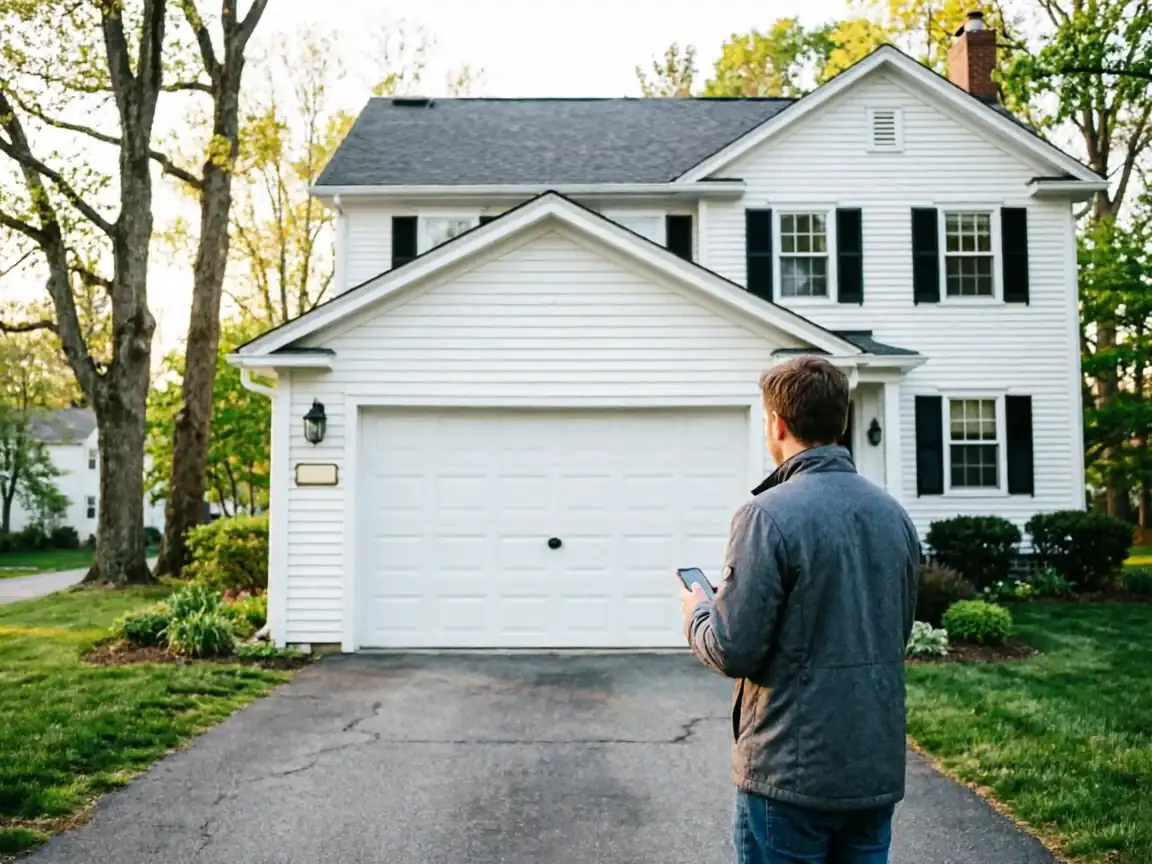
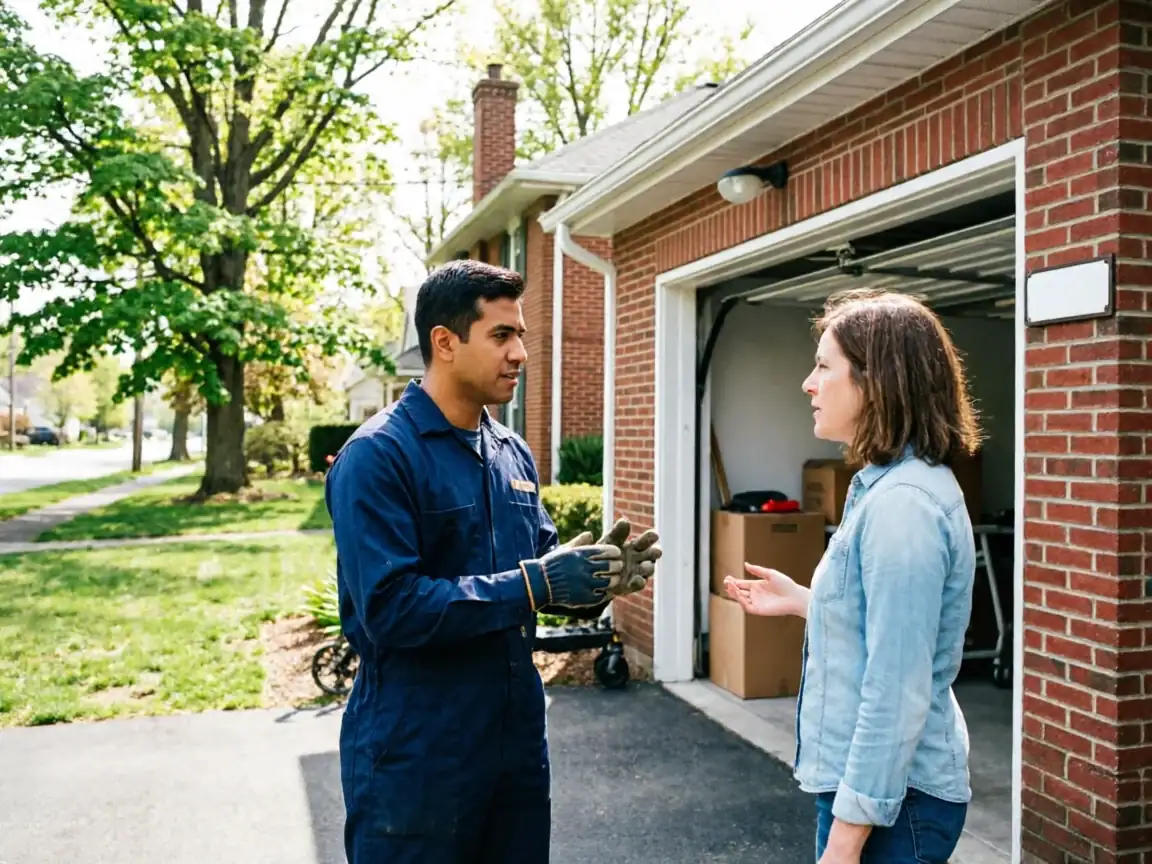
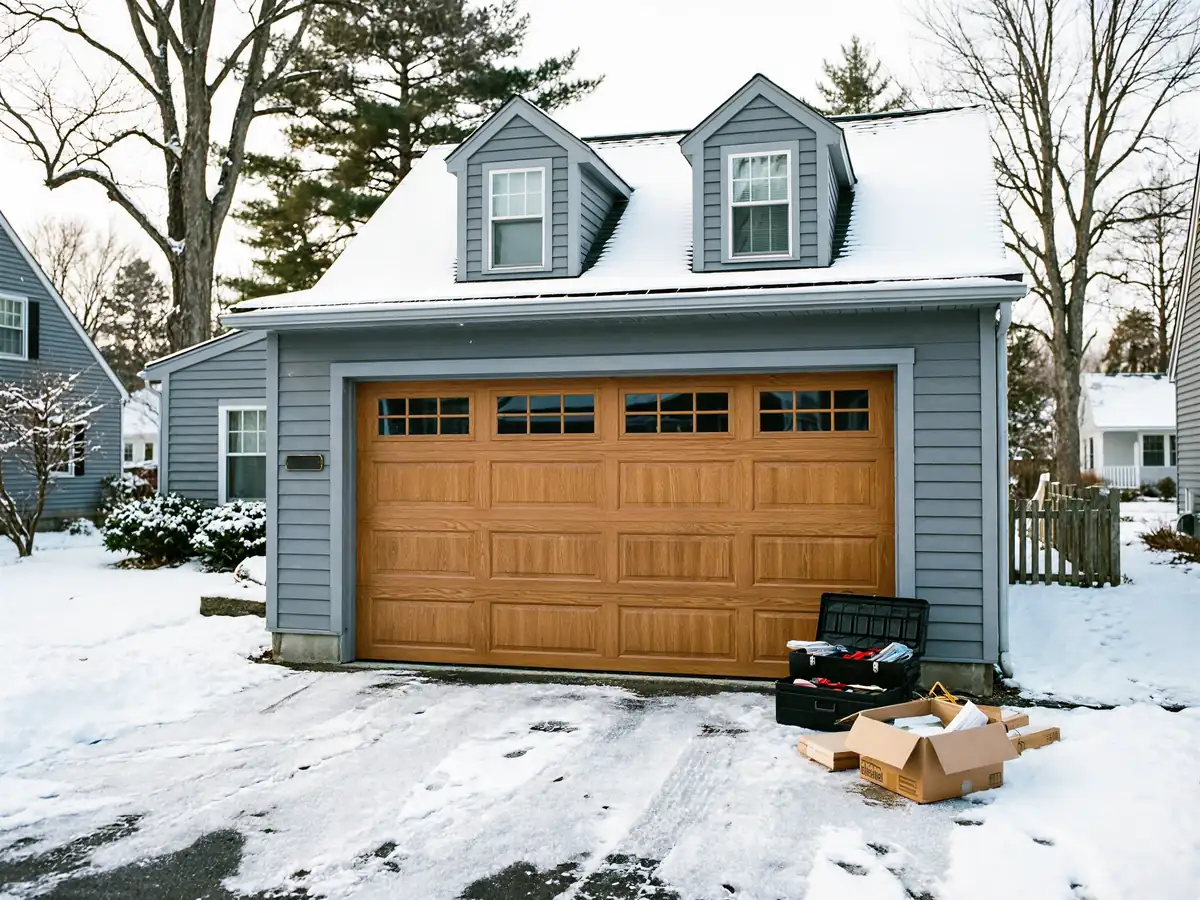
Lawson Heights is a small place - about 1,237 households, not a sprawling district - so the work we see out here tends to repeat itself house to house rather than vary wildly like it does in a bigger town. We come out from Greensburg, 8 miles in, and because the area is compact, one visit usually covers what needs doing without a string of follow-ups. Call ahead so we can bring the right spring size and the right opener parts on the truck the first time, since a second trip for a part we didn't expect wastes your afternoon and ours. We book by phone, same as we do for the rest of the service area, and we'll ask what the door is doing - won't open, opens crooked, makes noise on the way down - before we load the truck. That question matters more here than it sounds: a neighborhood this size with housing clustered around one era means the answer usually points to the same two or three culprits before we even pull in the driveway.
What Can Go Wrong
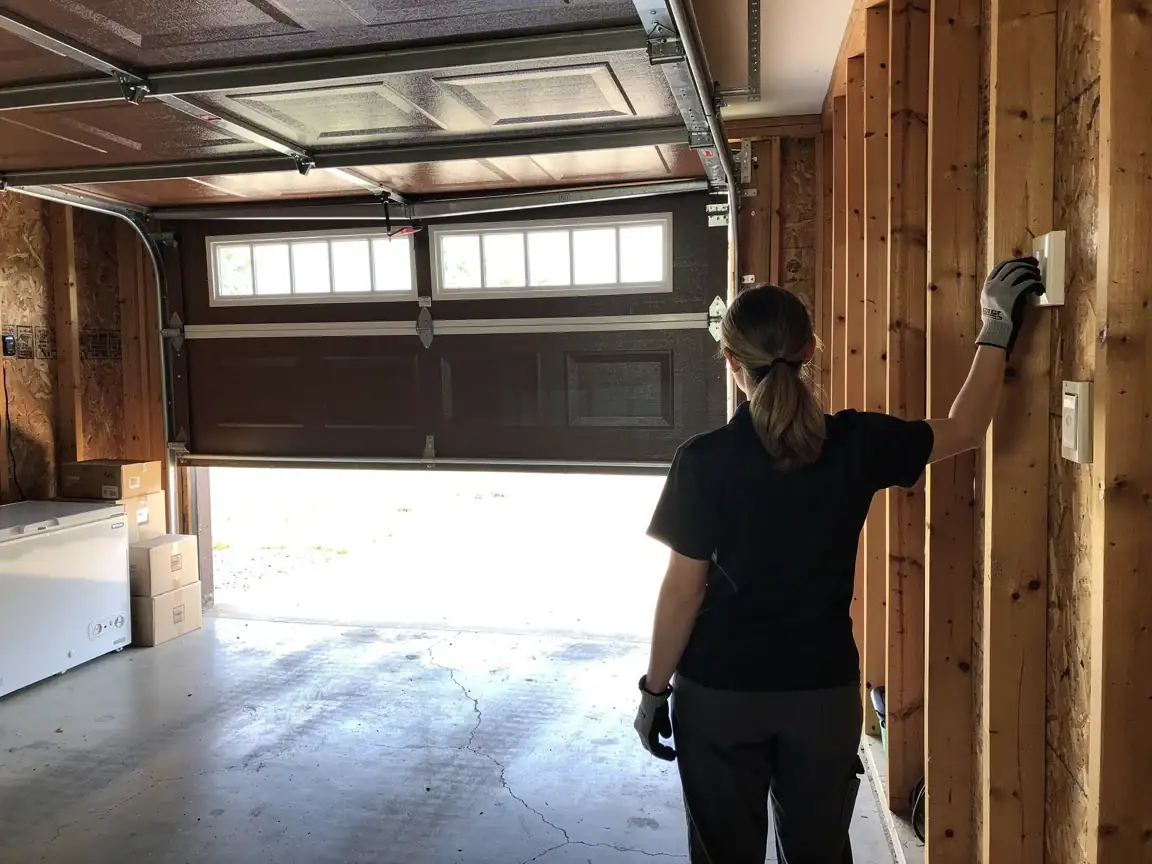
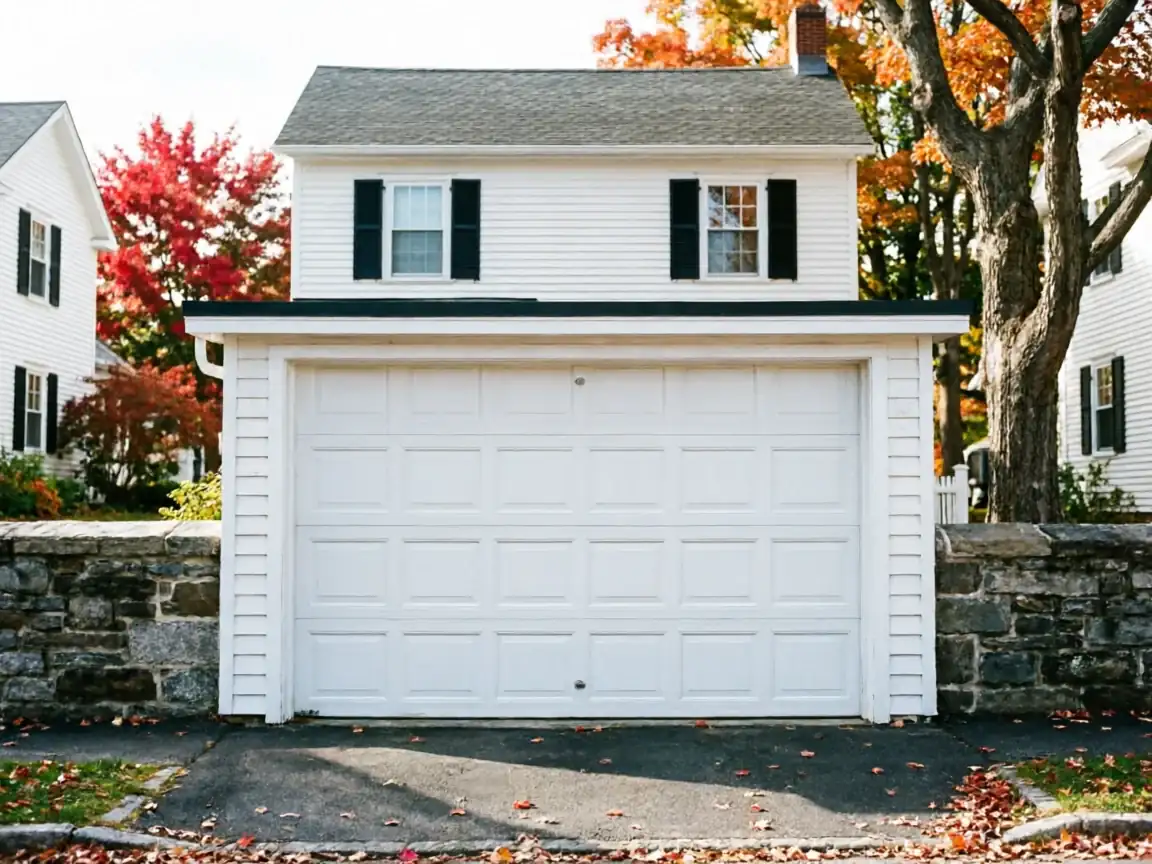
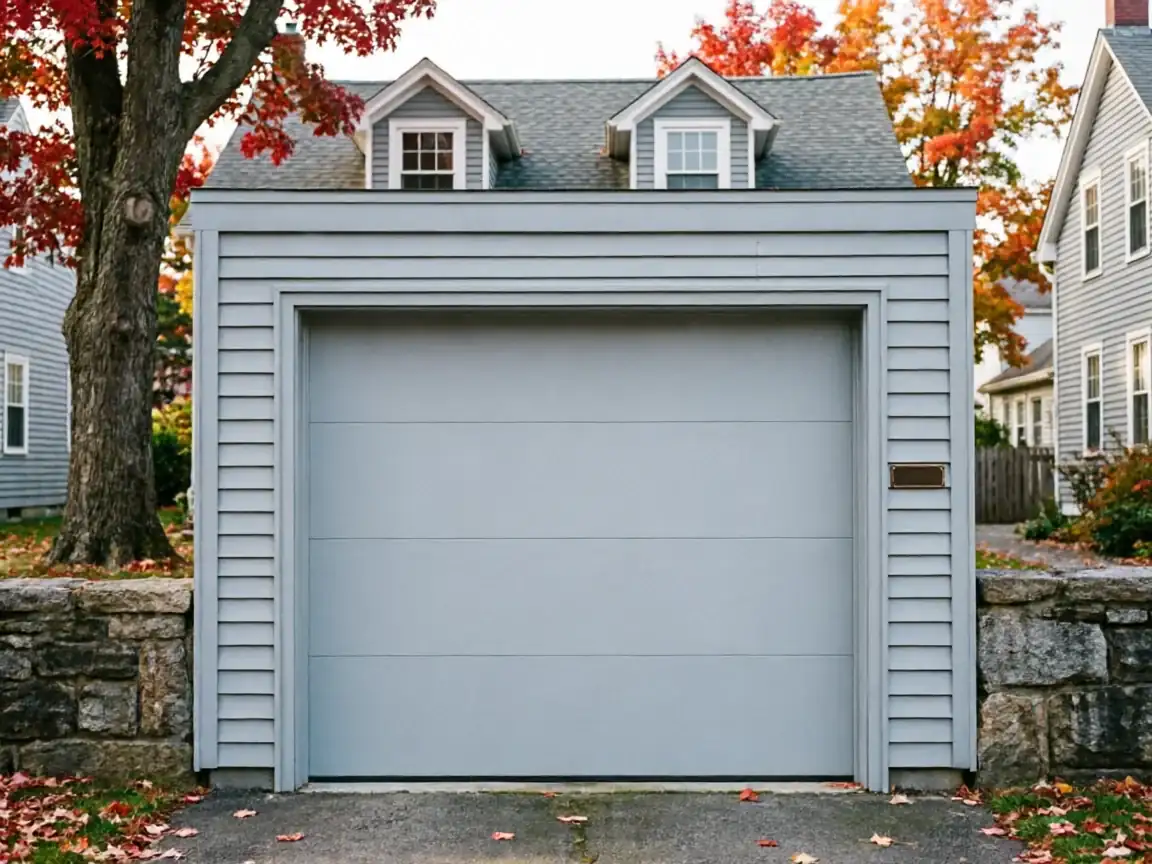
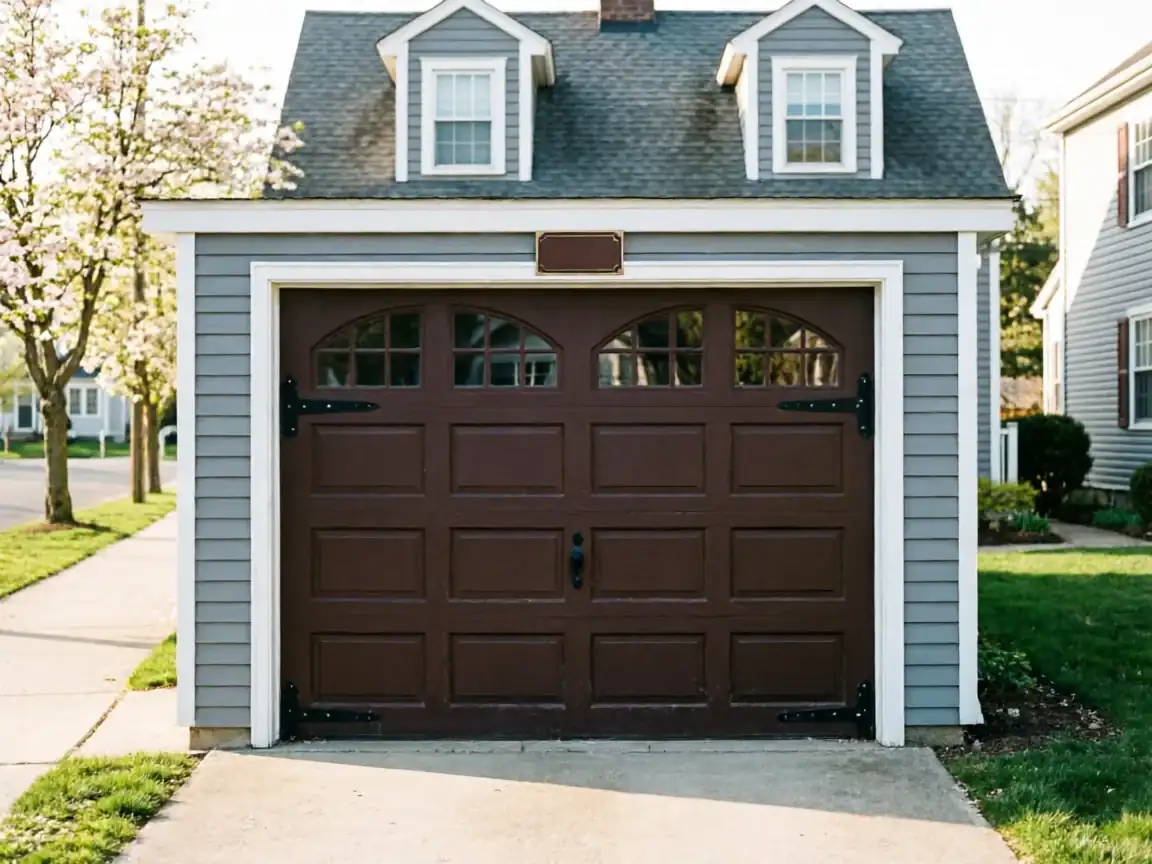
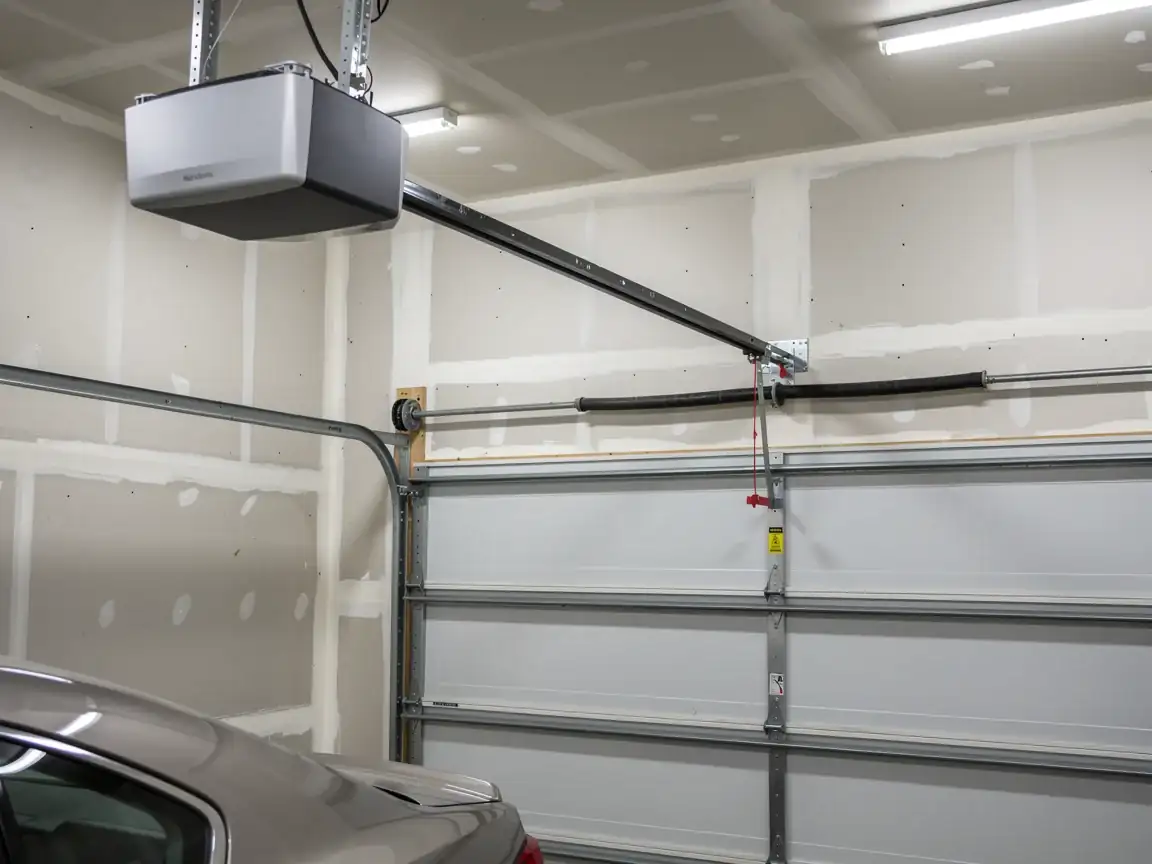
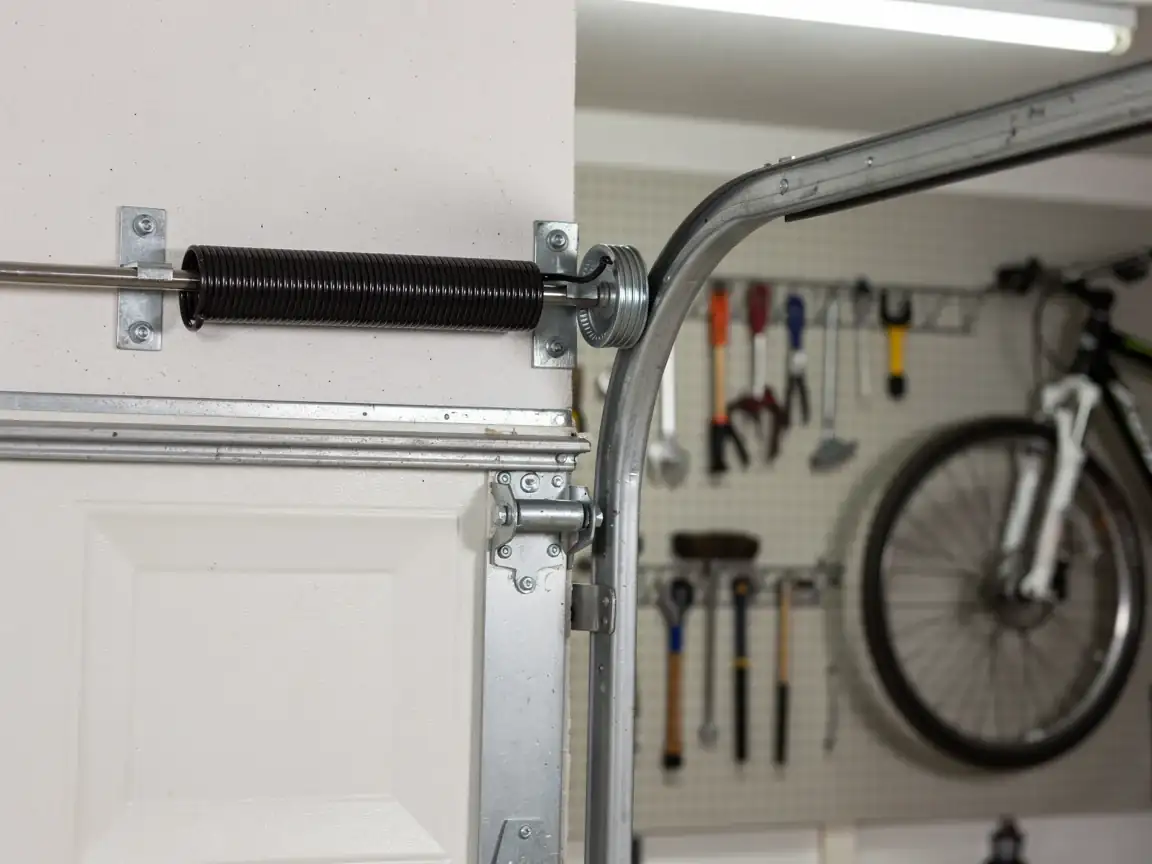
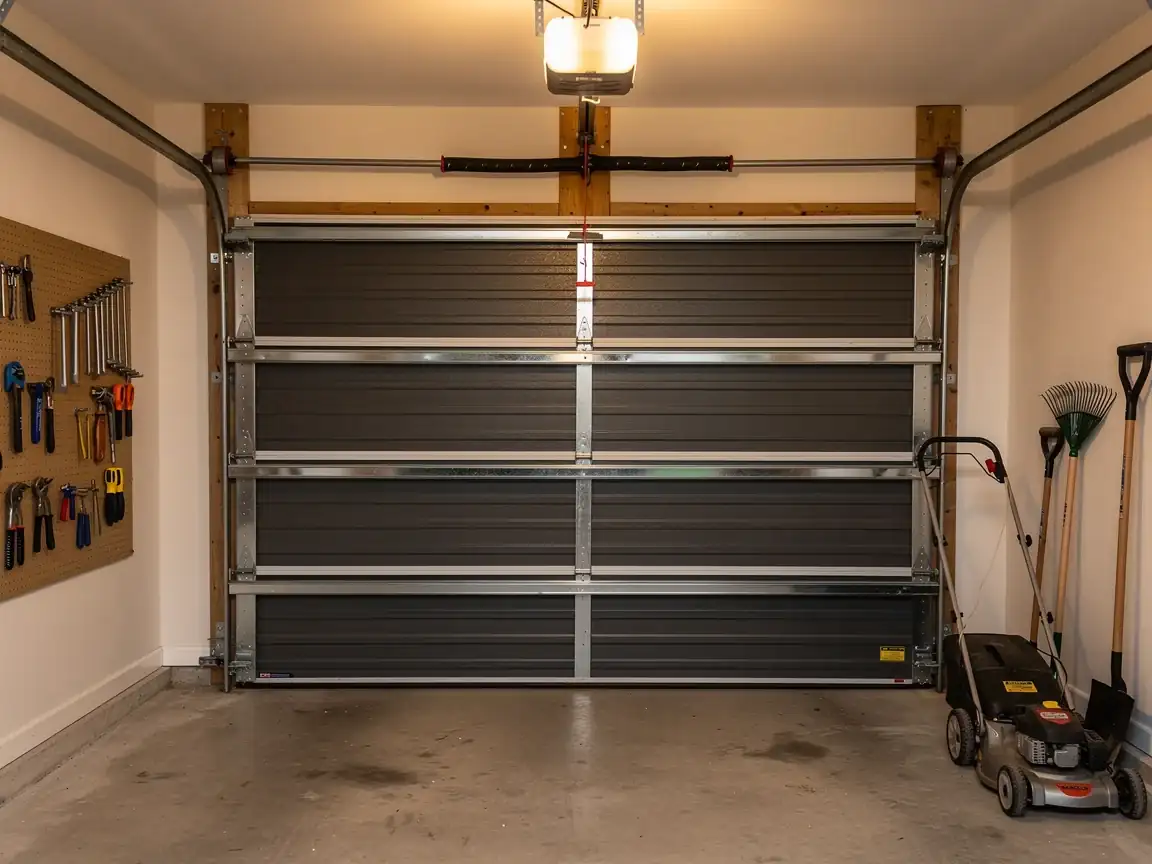
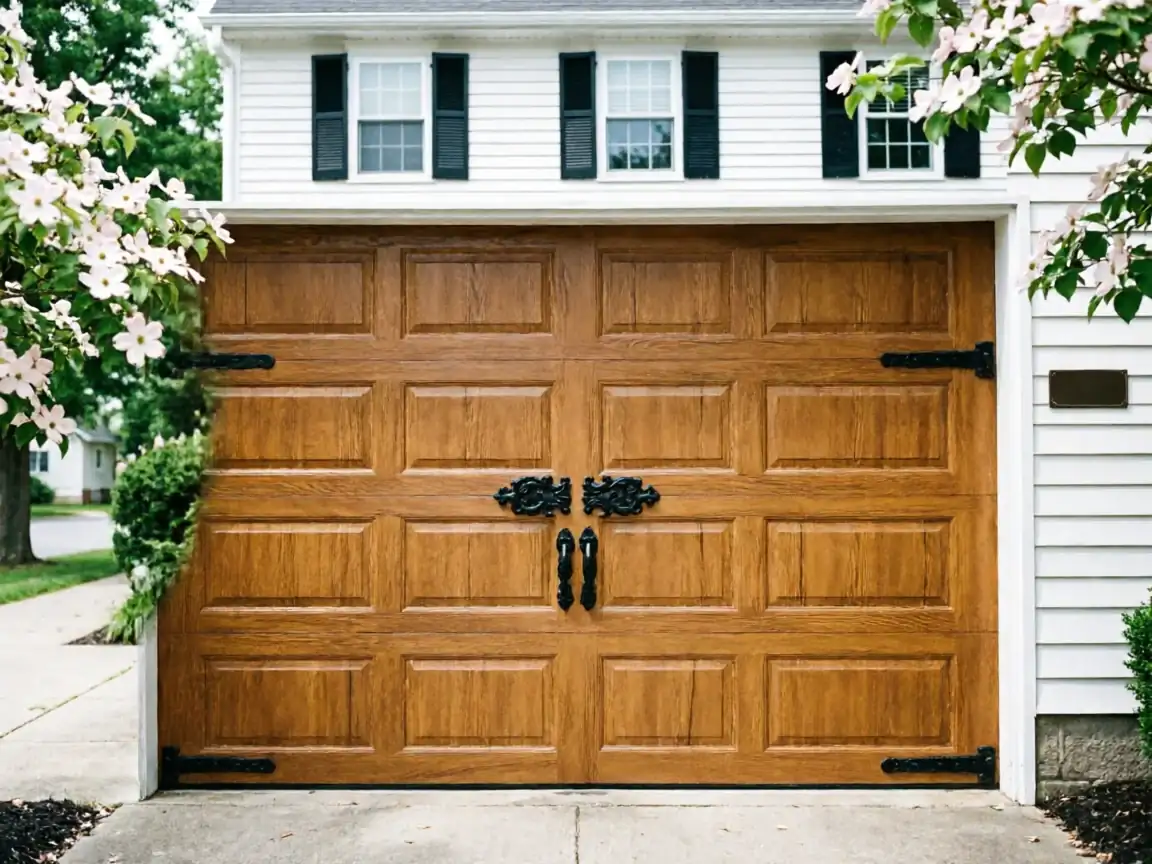
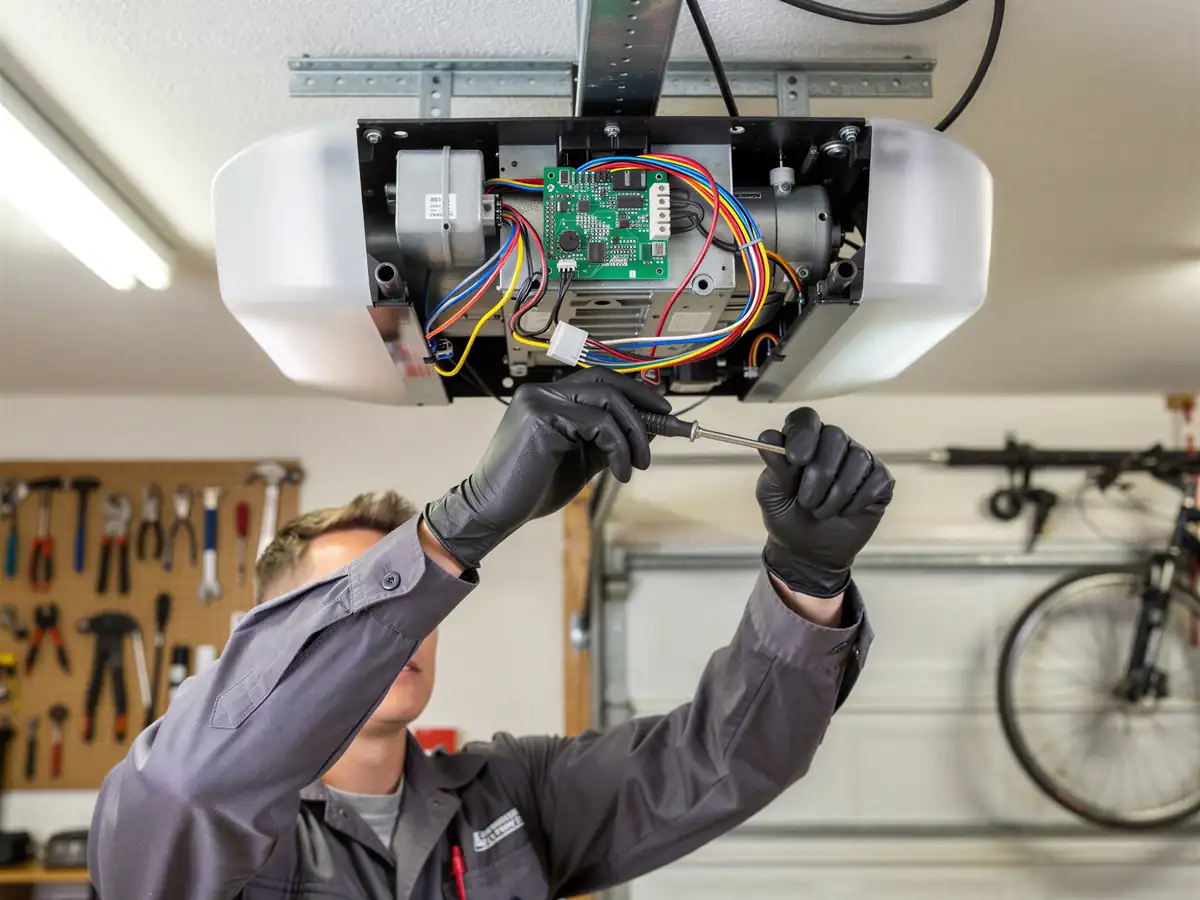
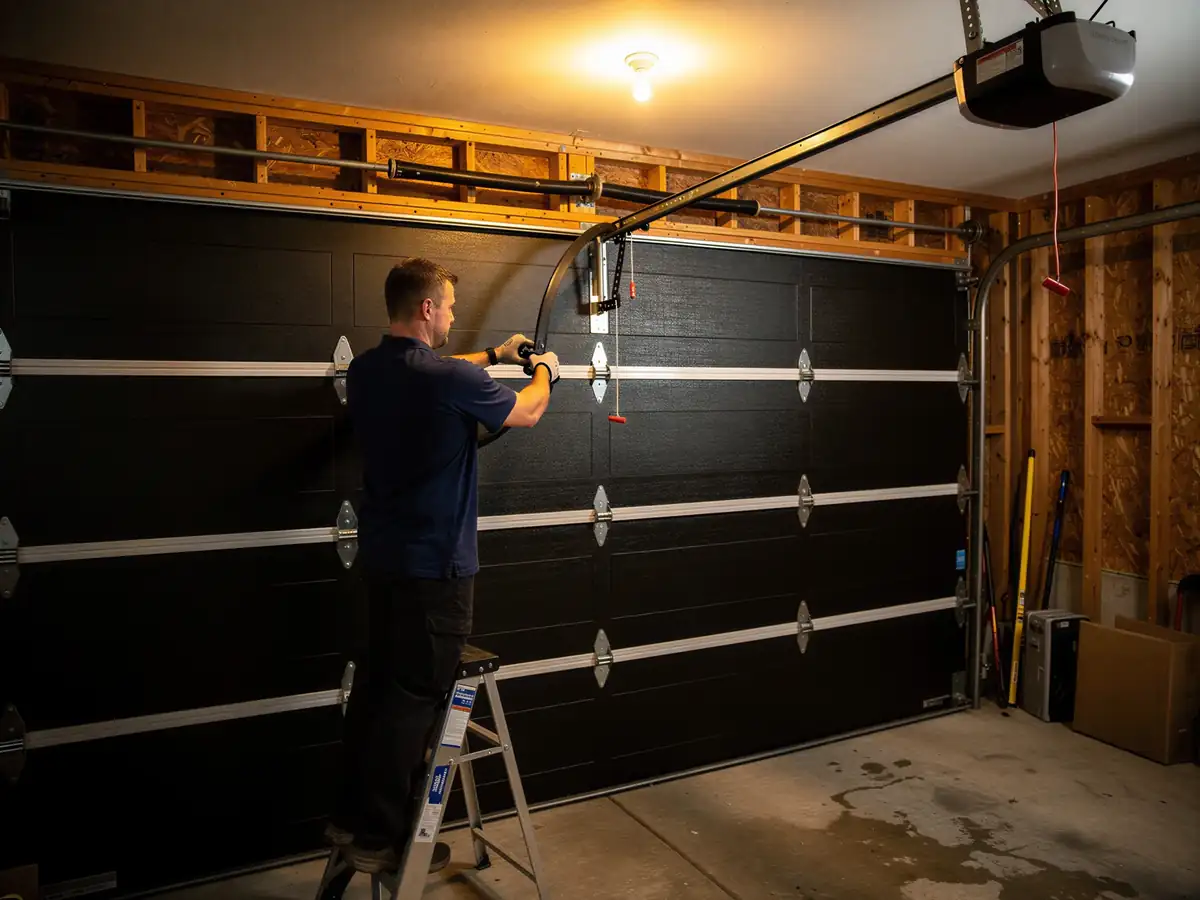
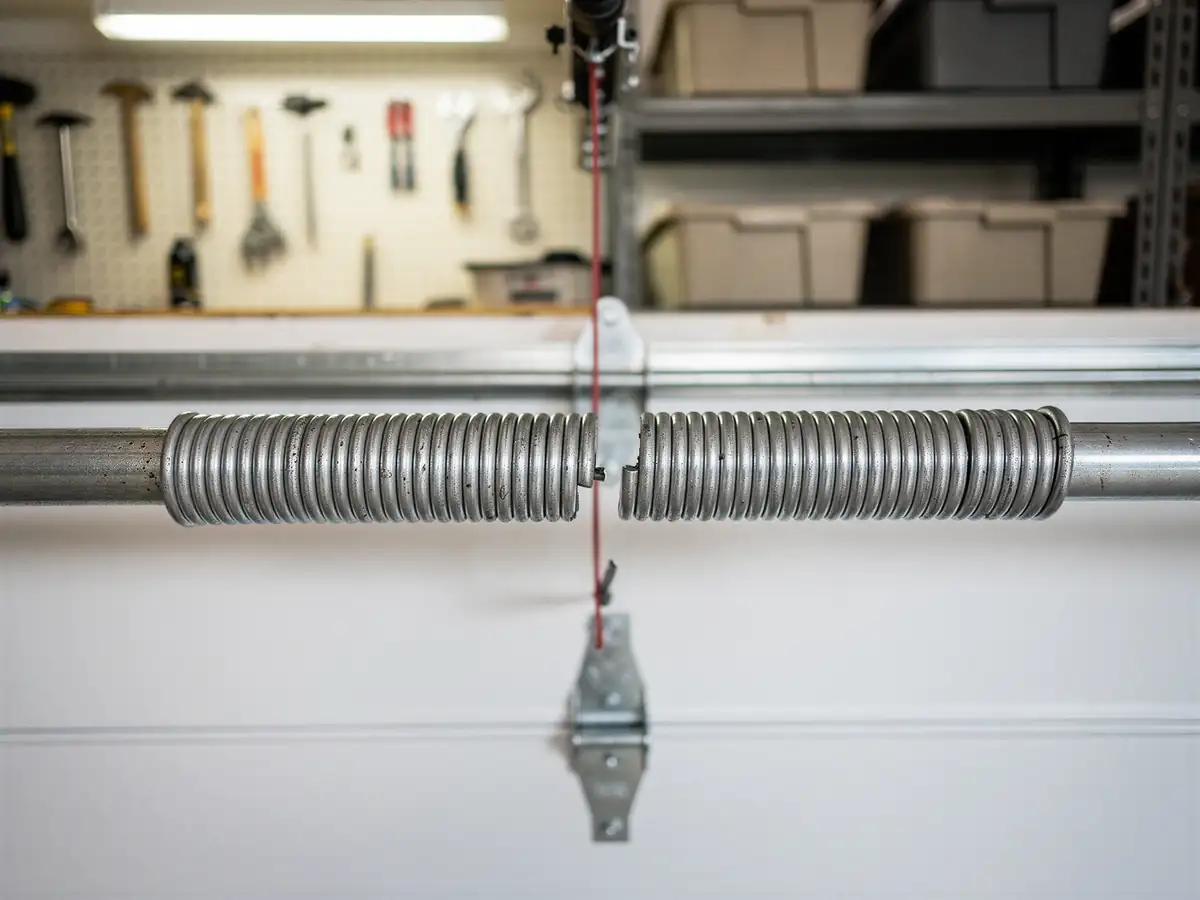
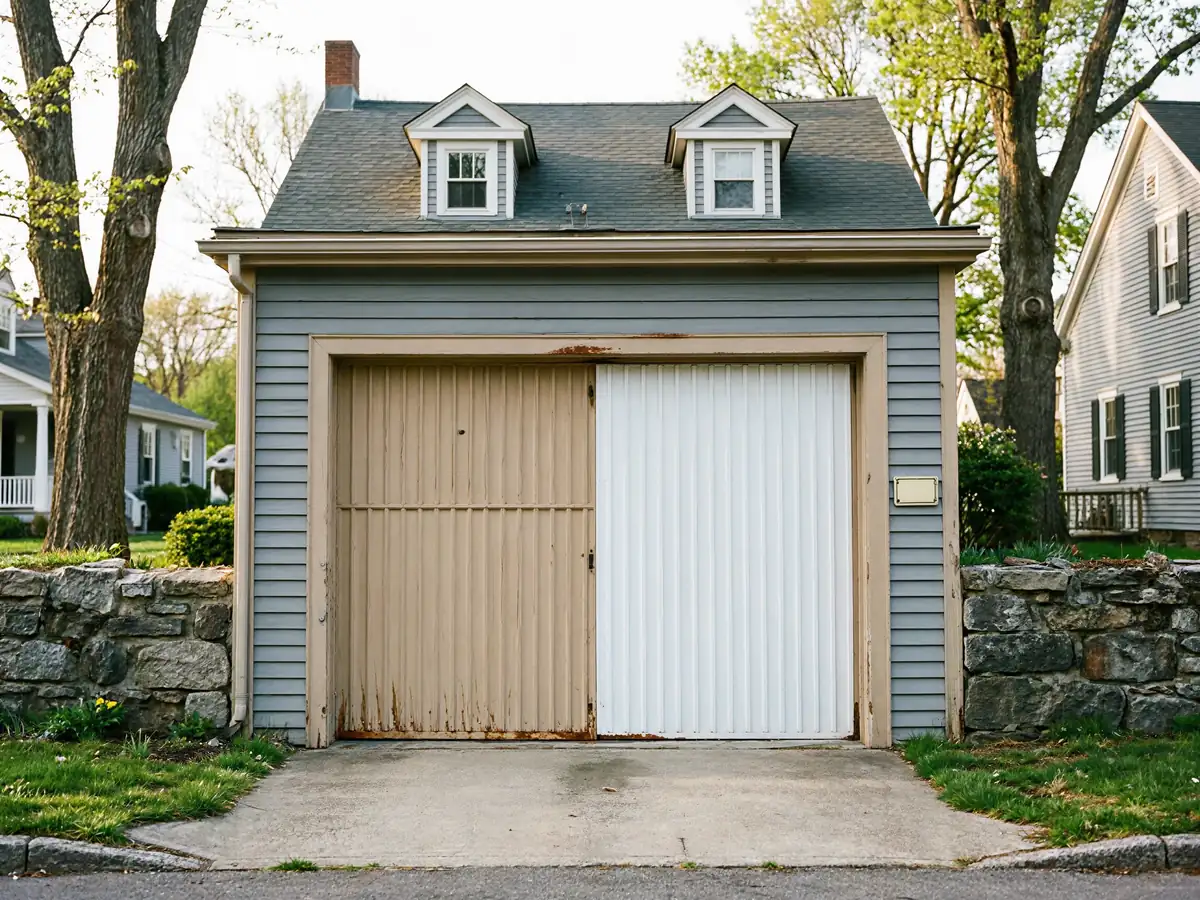
With most of Lawson Heights built around 1960, the garage doors going bad right now are original-era doors or their first replacement, paired with torsion or extension spring setups that were standard for that build year. The springs on doors from this period are past the end of their rated cycle count in most cases, which shows up as a door that won't lift, or one that slams down fast because the spring tension is gone. Openers from a later retrofit don't always match the original door weight, so we also see chain drives straining against heavier wood-panel doors that were never swapped out. Rollers and hinges on houses this age have usually seen one replacement cycle already, and in a neighborhood this size the hardware tends to fail in the same order it was installed - springs first, then rollers, then the opener itself.
How Long It Takes
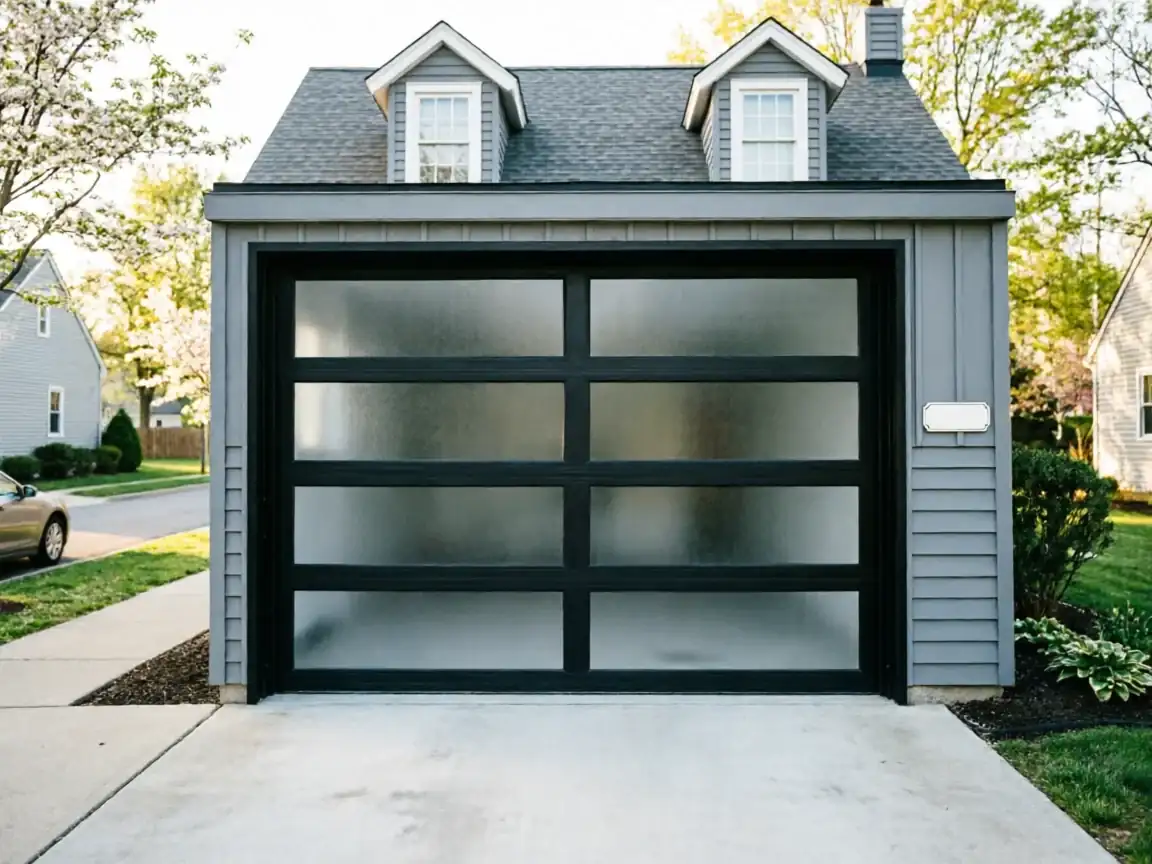
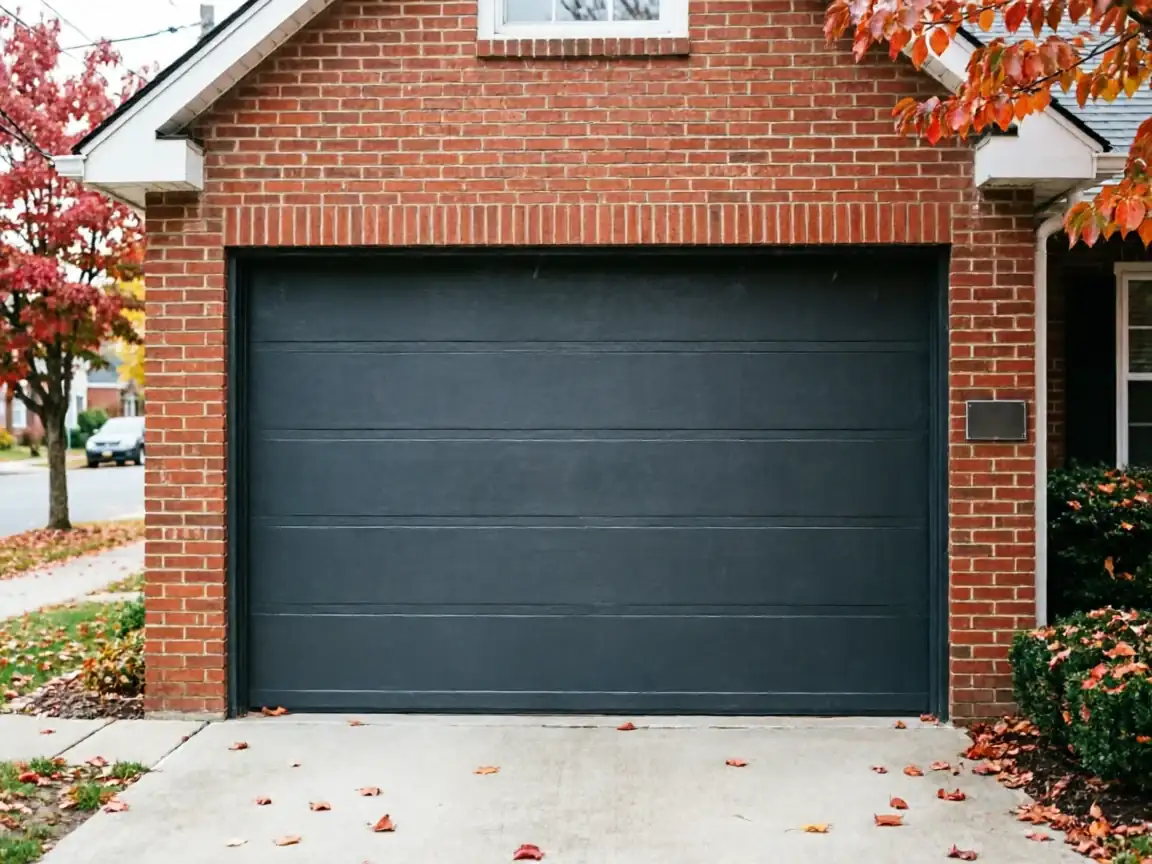
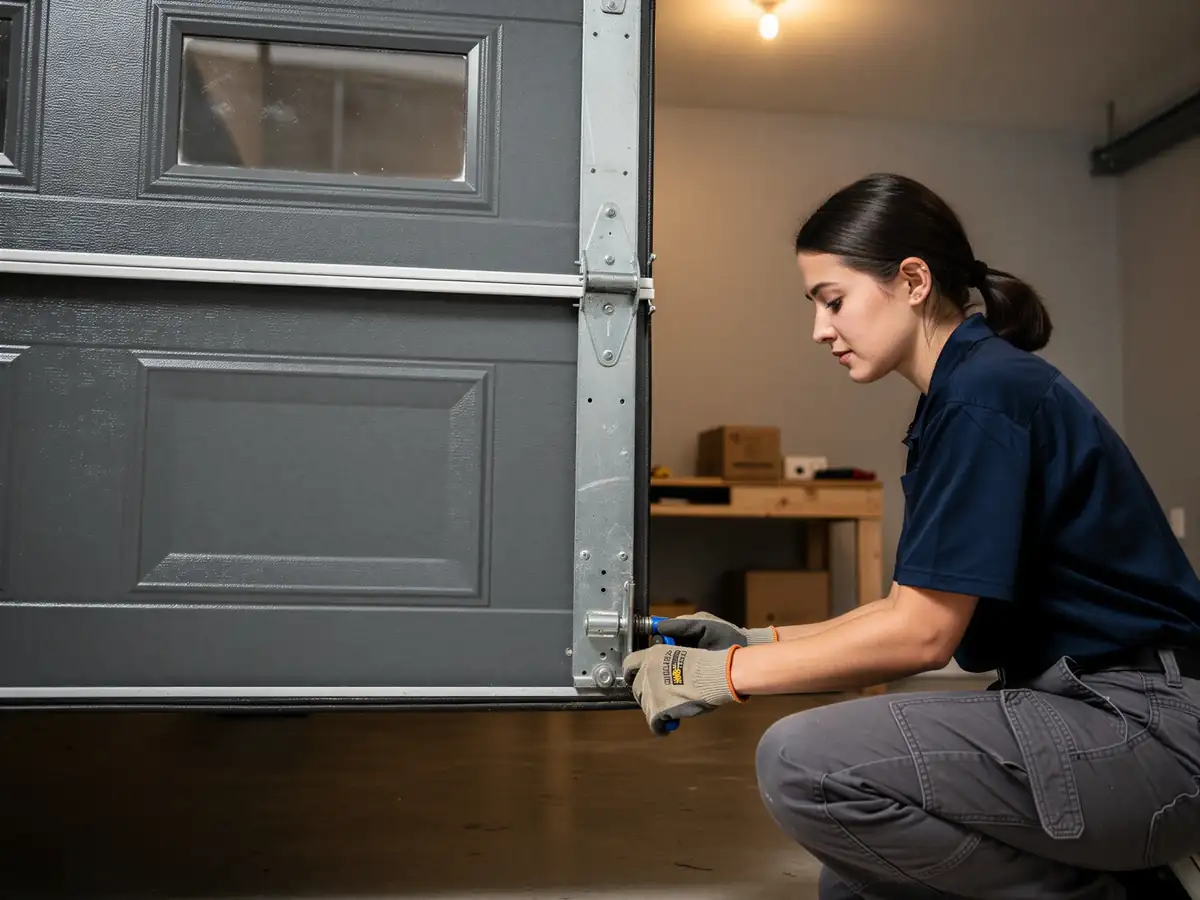
A spring replacement or roller job on a typical Lawson Heights door usually wraps in one visit - the hardware here isn't exotic, just older, and we carry the common torsion spring sizes for 1960s-era doors on the truck. What takes longer is anything involving a full door swap, since a replacement panel or insulated door has to be ordered rather than pulled off the truck, and that lead time isn't something we control. If your opener is the original from a later retrofit and needs a matching replacement, same story - the unit itself we can usually source fast, but a specific drive type or rail length can add a day or two to scheduling.
How We Fix It
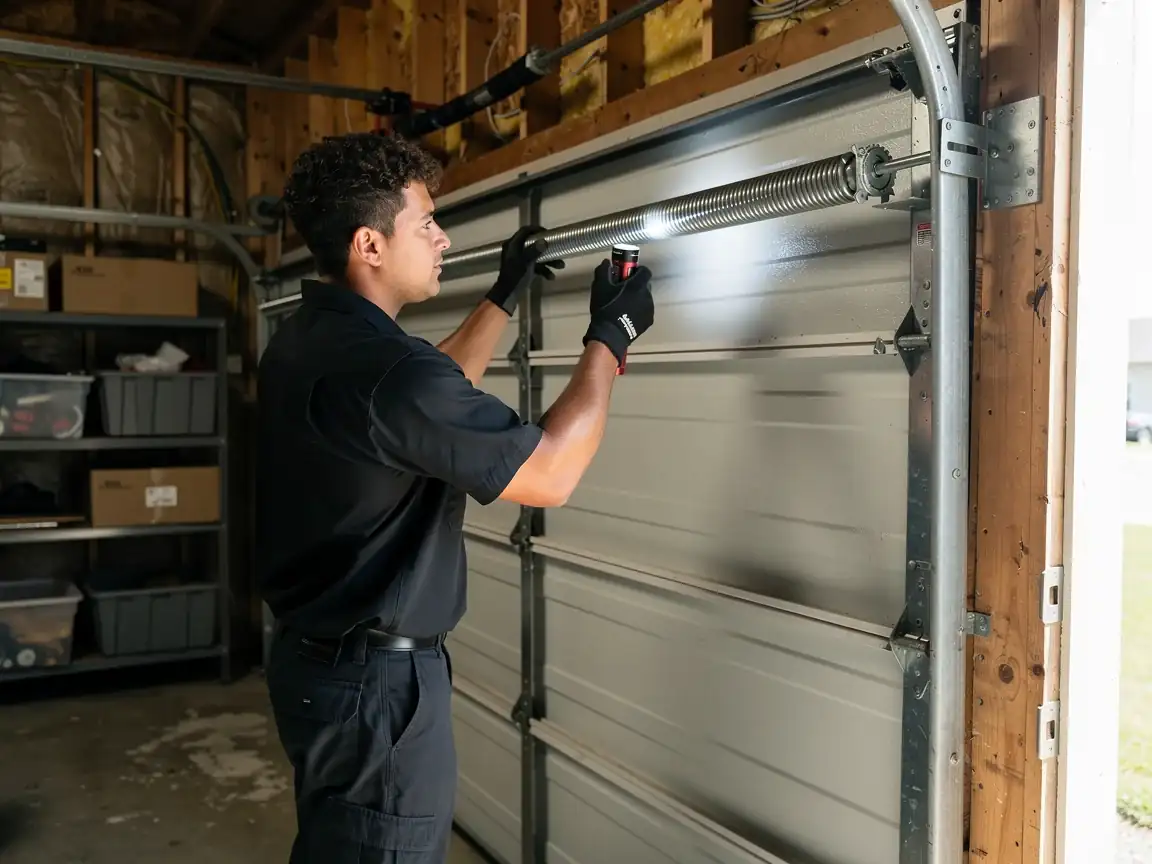
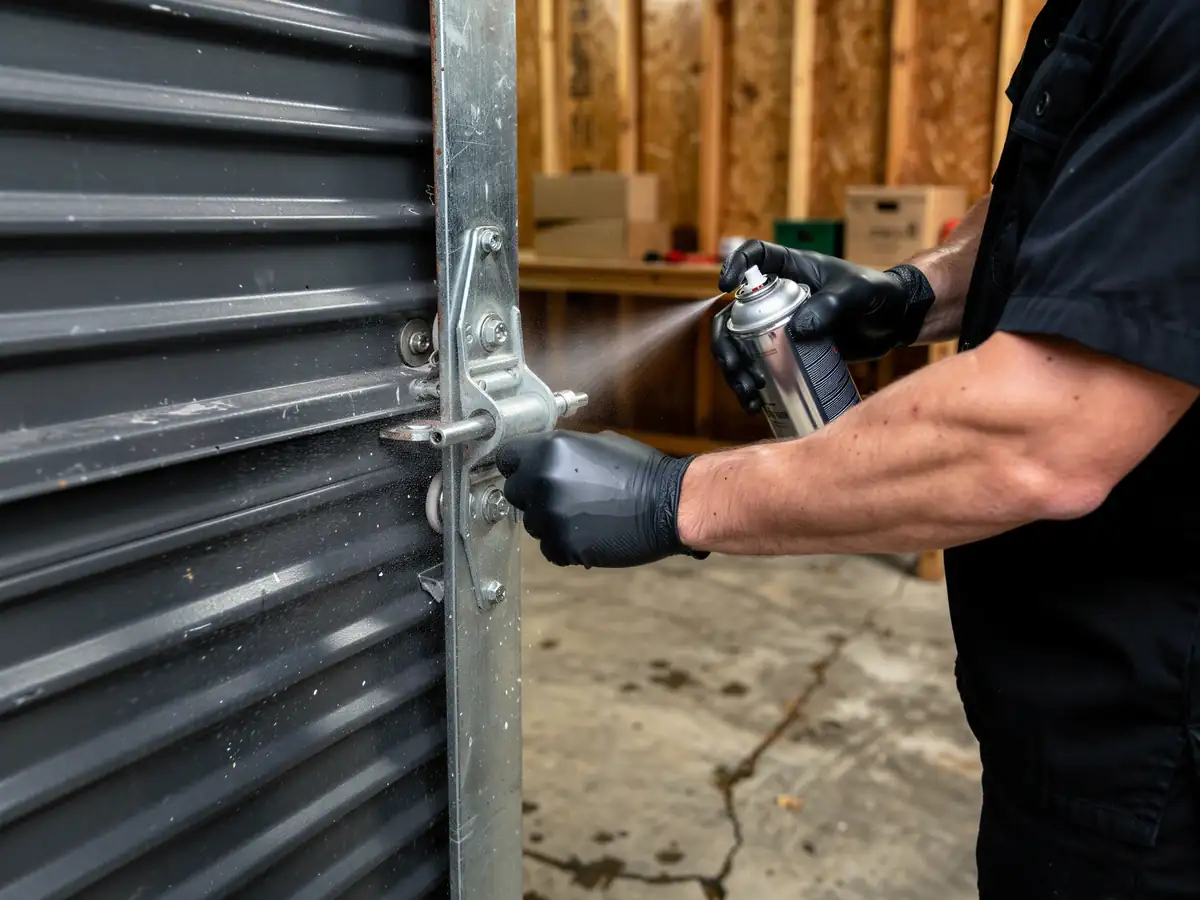
We start by checking whether the problem is the spring, the opener, or the track alignment, in that order, because on doors this age it's almost always one of the first two. If it's the spring, we replace it with hardware rated for the door's actual weight rather than whatever was cheapest when the house was built - a mismatch is part of why so many of these springs failed early in the first place. If it's the opener struggling against an original wood-panel door, we'll tell you straight whether a new opener solves it or whether the door itself is heavier than it should be and due for replacement. We don't recommend patching a door that's failed structurally just to save a service call; past a certain point, repair costs more over two years than replacement does once.