Booking a Visit
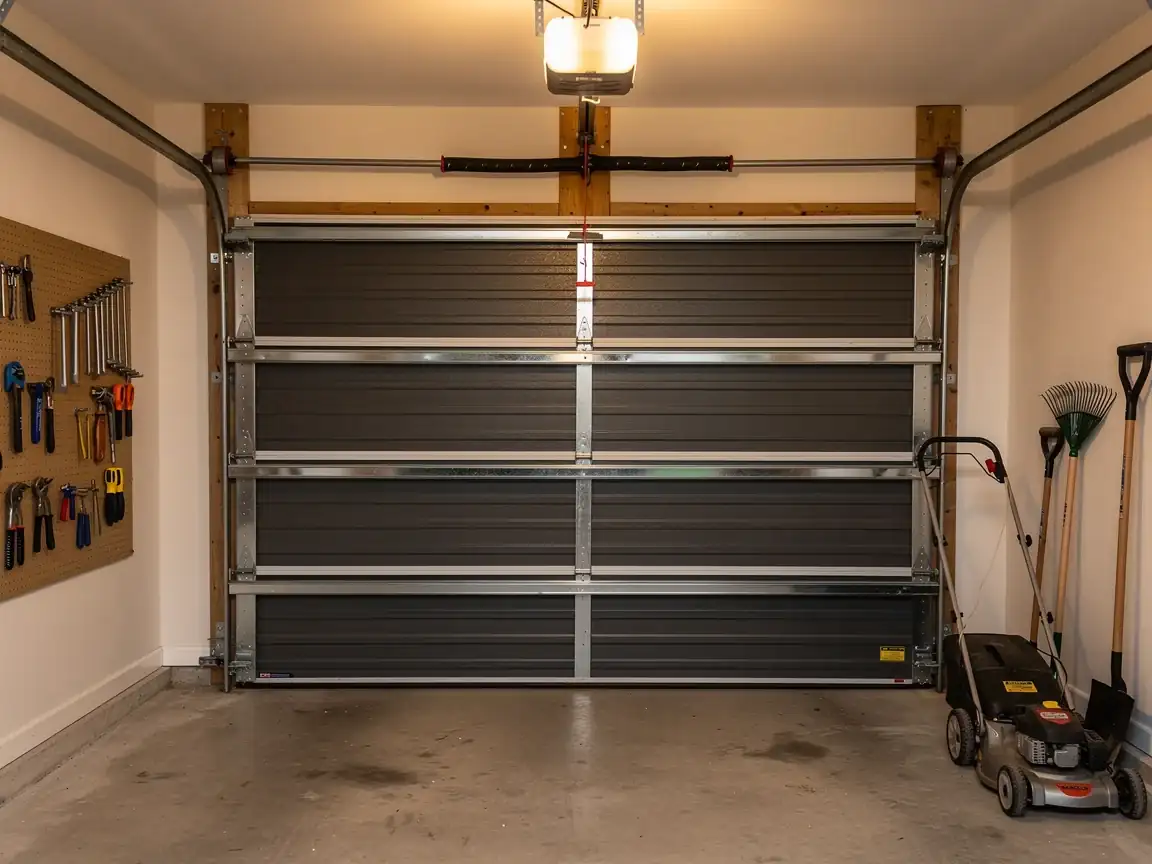
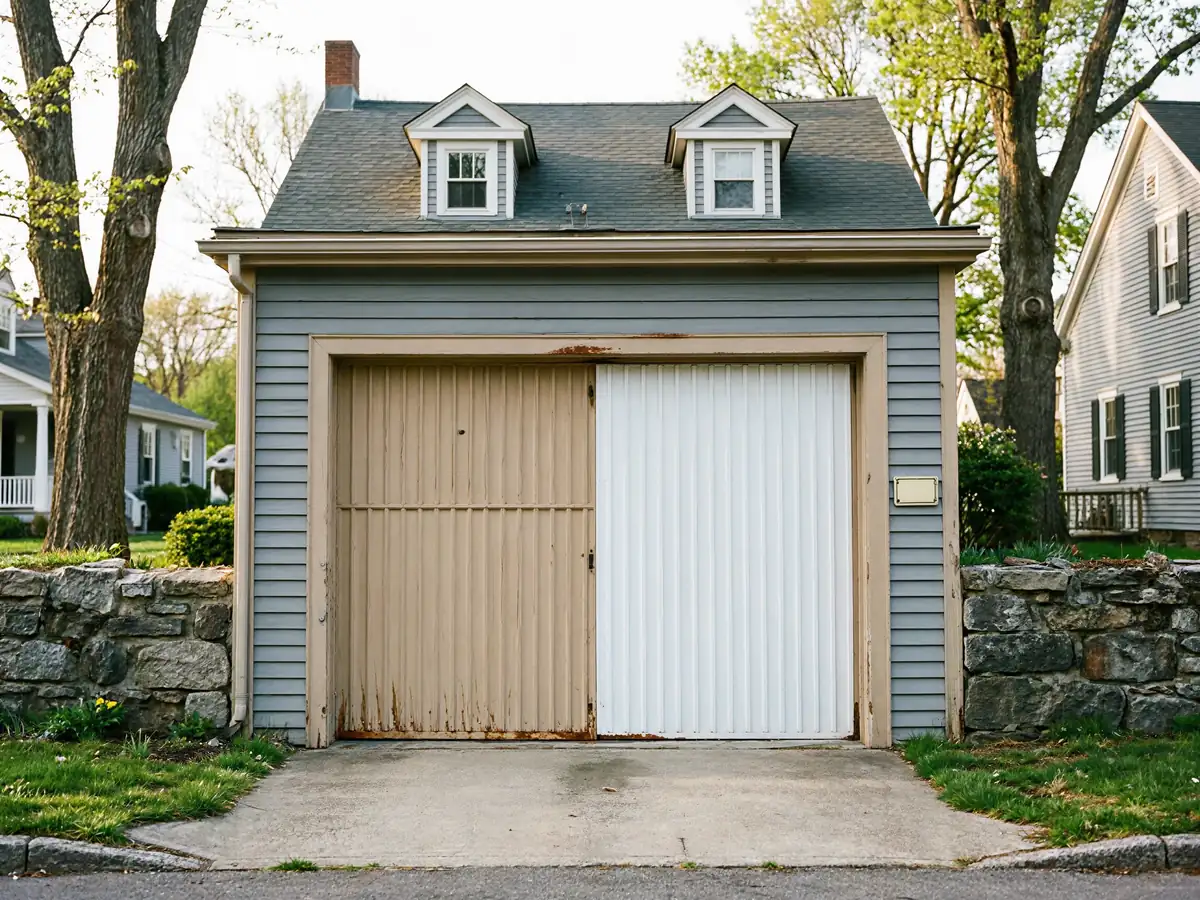
We run this job out to Lawson Heights from our Greensburg shop, about 8 miles up the road. When you call, tell us the age of the house if you know it - Lawson Heights homes cluster around 1960 construction, and that one detail tells us whether we're likely dealing with an extension spring setup over the tracks or a torsion bar across the header. Knowing that before the truck rolls means we show up with the right spring diameter and wind, not a guess.
We don't keep a crew stationed in Lawson Heights itself - it's a stop we make from Greensburg, same as the other places out this way. That means we schedule rather than drop in, so a call ahead of time gets you on the board faster than a same-day walk-in hope. If your door is stuck shut with the car inside, say so when you call; that changes how we stack the day.
What Can Go Wrong
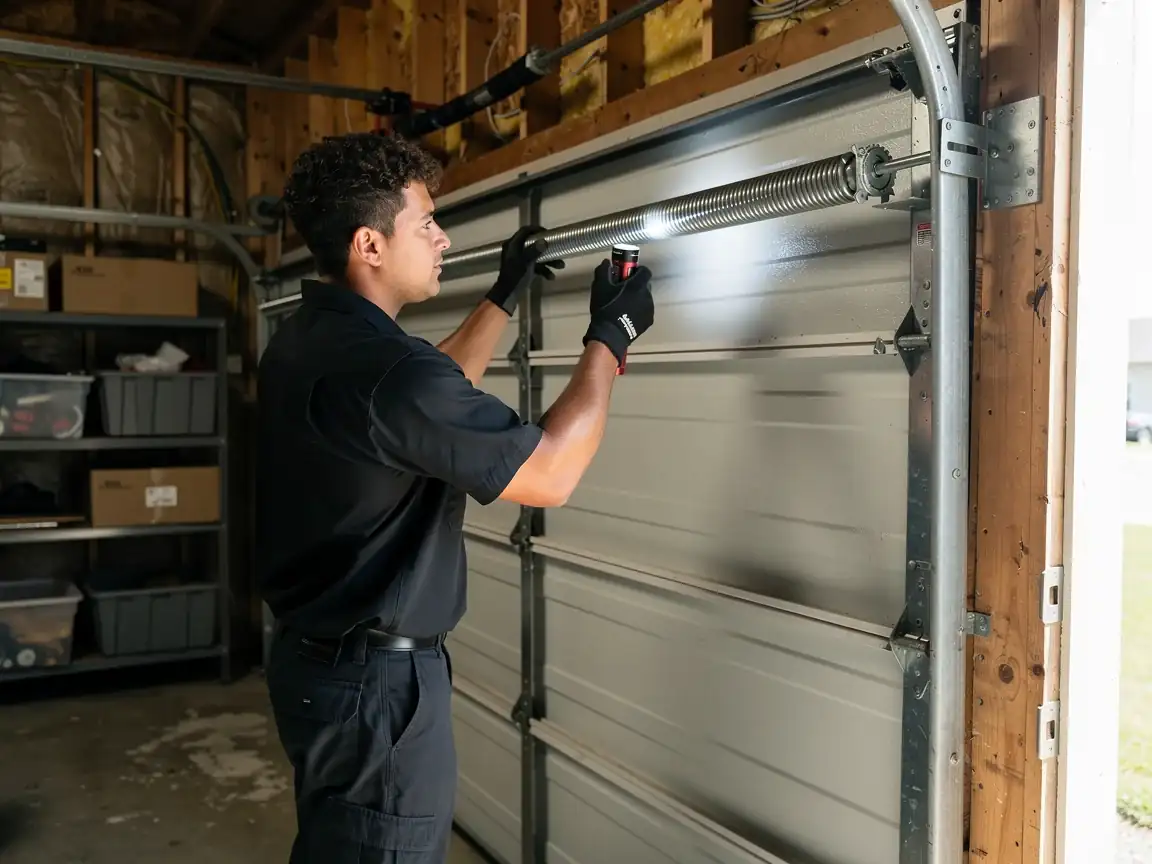
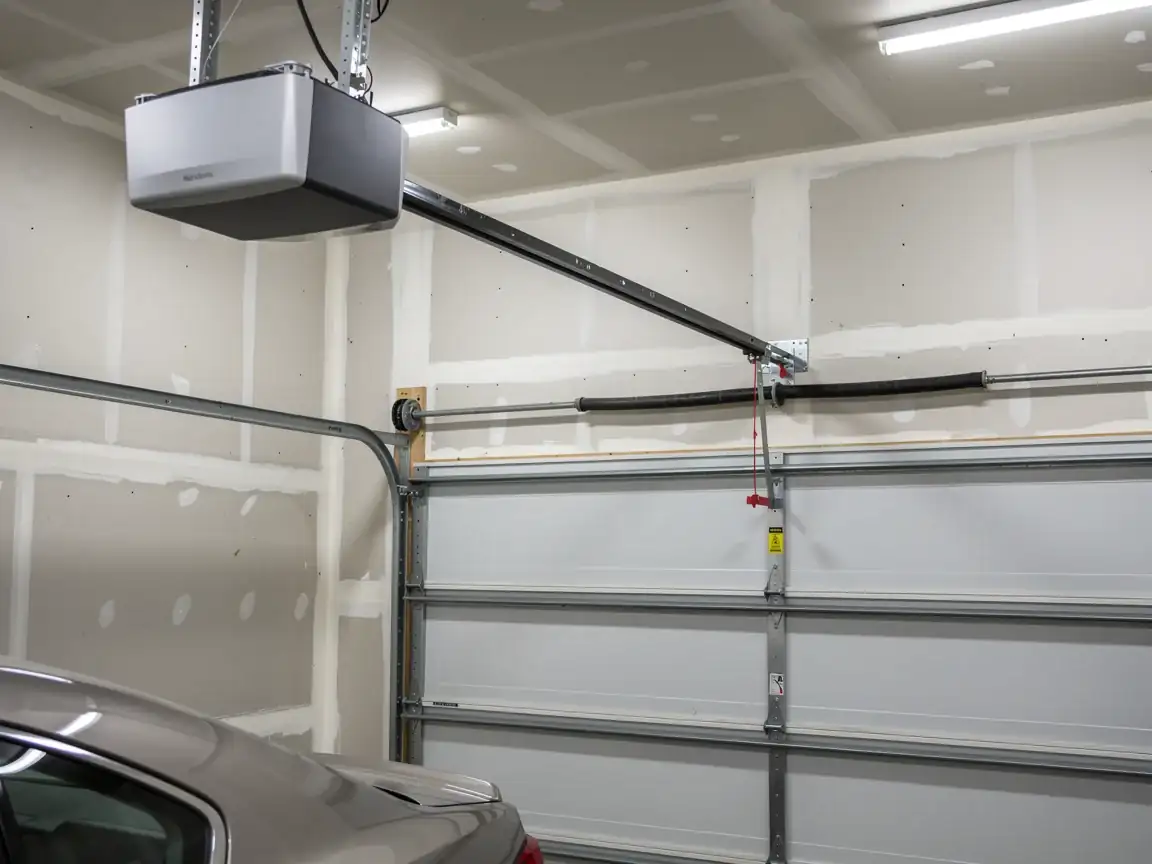
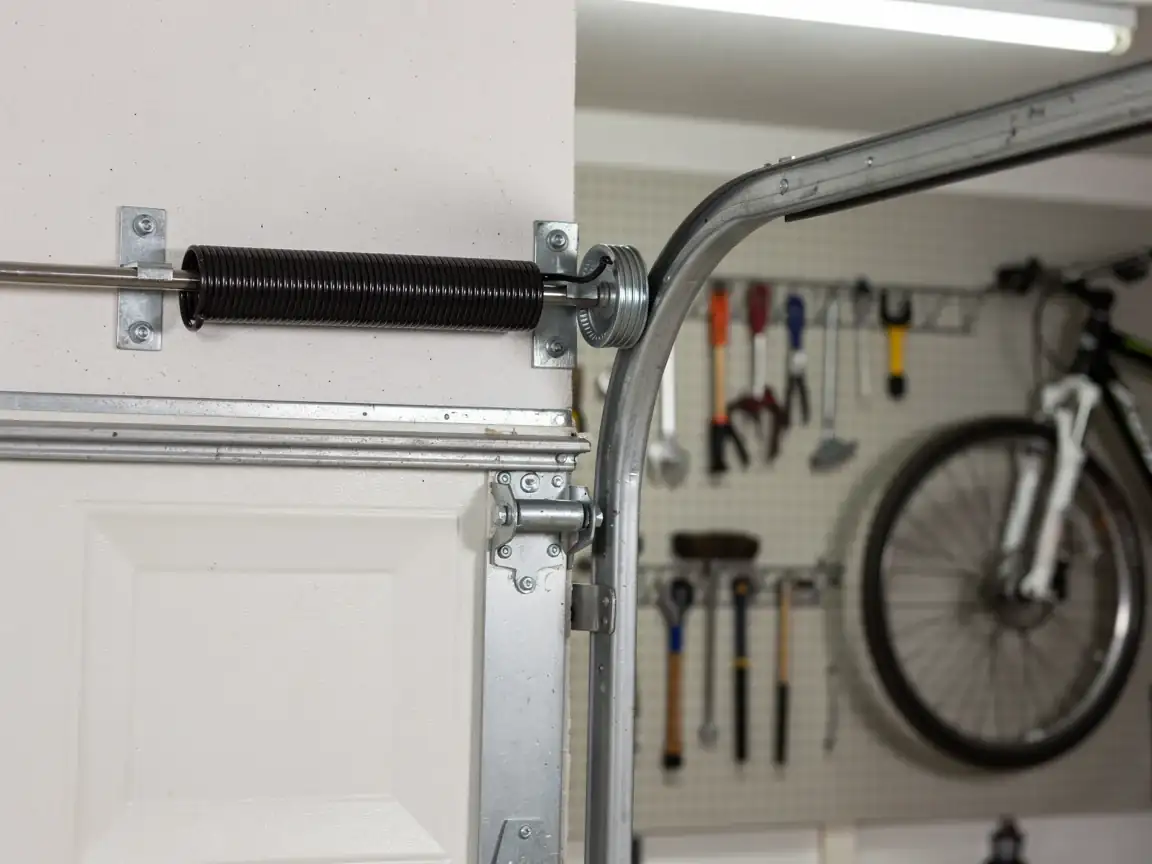
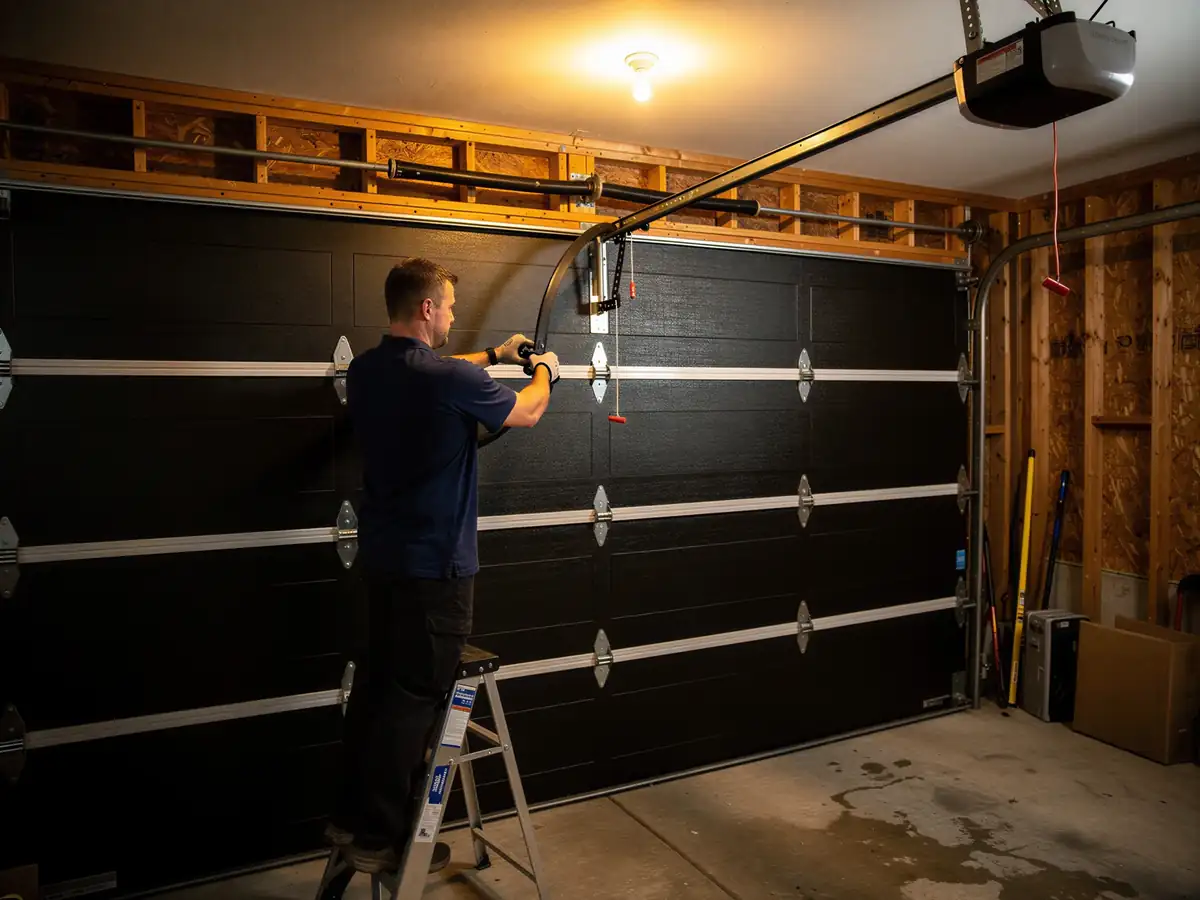
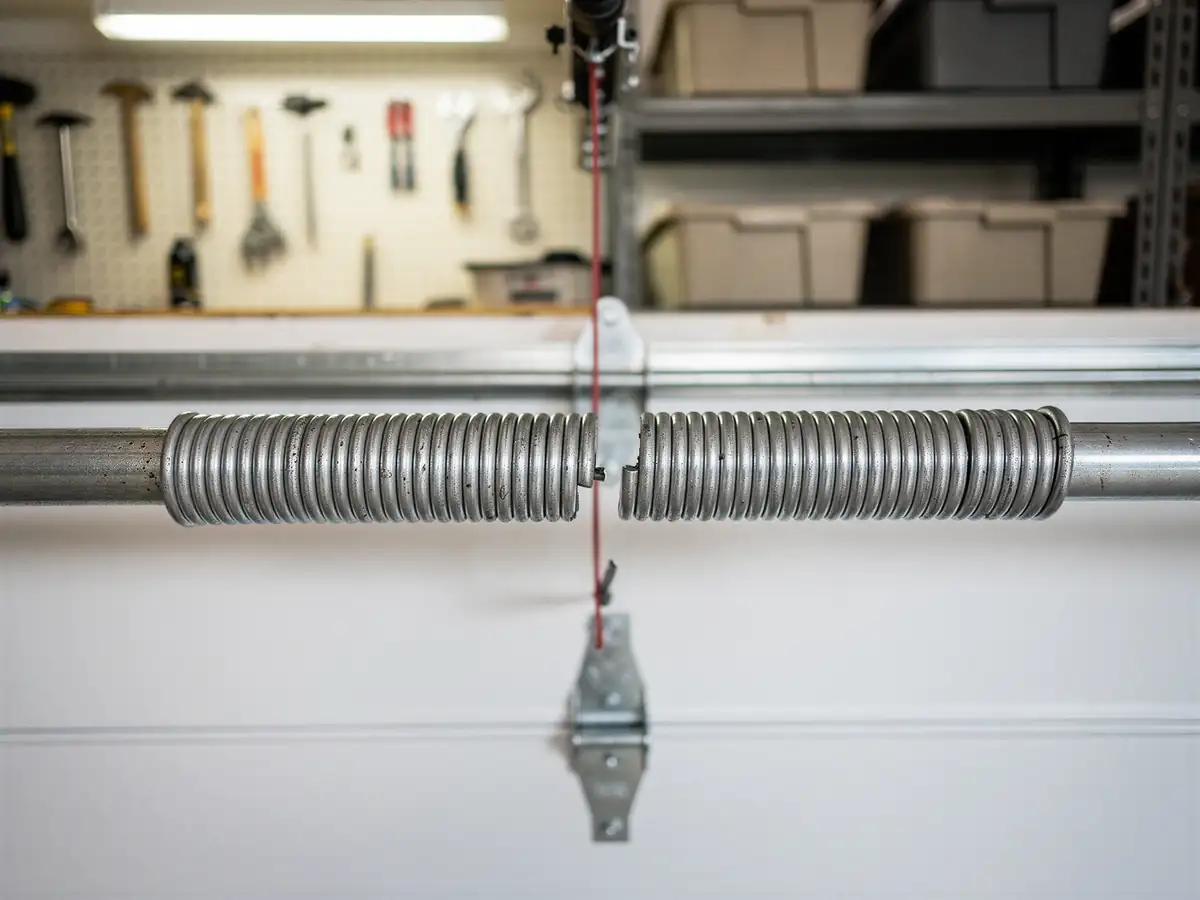
A house built around 1960 usually went up with a single extension spring on each side of the door, stretched along the horizontal track and caught by a safety cable - if the cable's even there, since it wasn't always required back then. When one of those springs lets go, the door comes down unevenly or won't lift past a foot or two. On the torsion side, which shows up on some of these doors after an opener upgrade, a cracked or broken spring usually means the opener strains, reverses, or just hums without moving the door at all.
Hardware this old also means the pulleys and stationary cones have had sixty-plus years to rust or crack, so a spring that lets go on an extension system can whip the broken end back along the track hard enough to dent the door skin or crack a pulley bracket. That's the part of this job that isn't just 'replace the spring' - we check the whole rail for stress damage before calling it done.
The Cost of This Job
We don't post a flat number here because the two spring systems common in Lawson Heights price differently
A matched pair of extension springs is usually the cheaper fix. A torsion conversion, or replacing a torsion spring that's been undersized for the door's weight - common when an older door got a heavier insulated replacement panel without upgrading the spring - runs more. The honest answer is we quote it once we see which system is on the door and what shape the rest of the hardware is in.
What we won't do is sell you a single spring when the other one is the same age and same wear
On a double spring setup, one going usually means the other is close behind, and coming back out for a second call costs you more than doing both while the truck's already there.
How Long It Takes
Most spring jobs on these older doors are a same-visit fix once we're on site - the spring itself isn't the slow part, matching it to the door is. Where it runs longer is when the torsion drum or the stationary cone on an extension system has corroded enough that it won't release cleanly, which happens more on houses that have never had the hardware touched since the 1960 build date. That adds time, not a return trip, in most cases.
What does push a job to a second visit is a spring size we don't carry on the truck. Standard extension and torsion springs are stock items, but an odd wind or a wire gauge from a less common opener-door pairing sometimes has to be ordered. We'll tell you on site if that's the case rather than let you wait and wonder.
How We Fix It
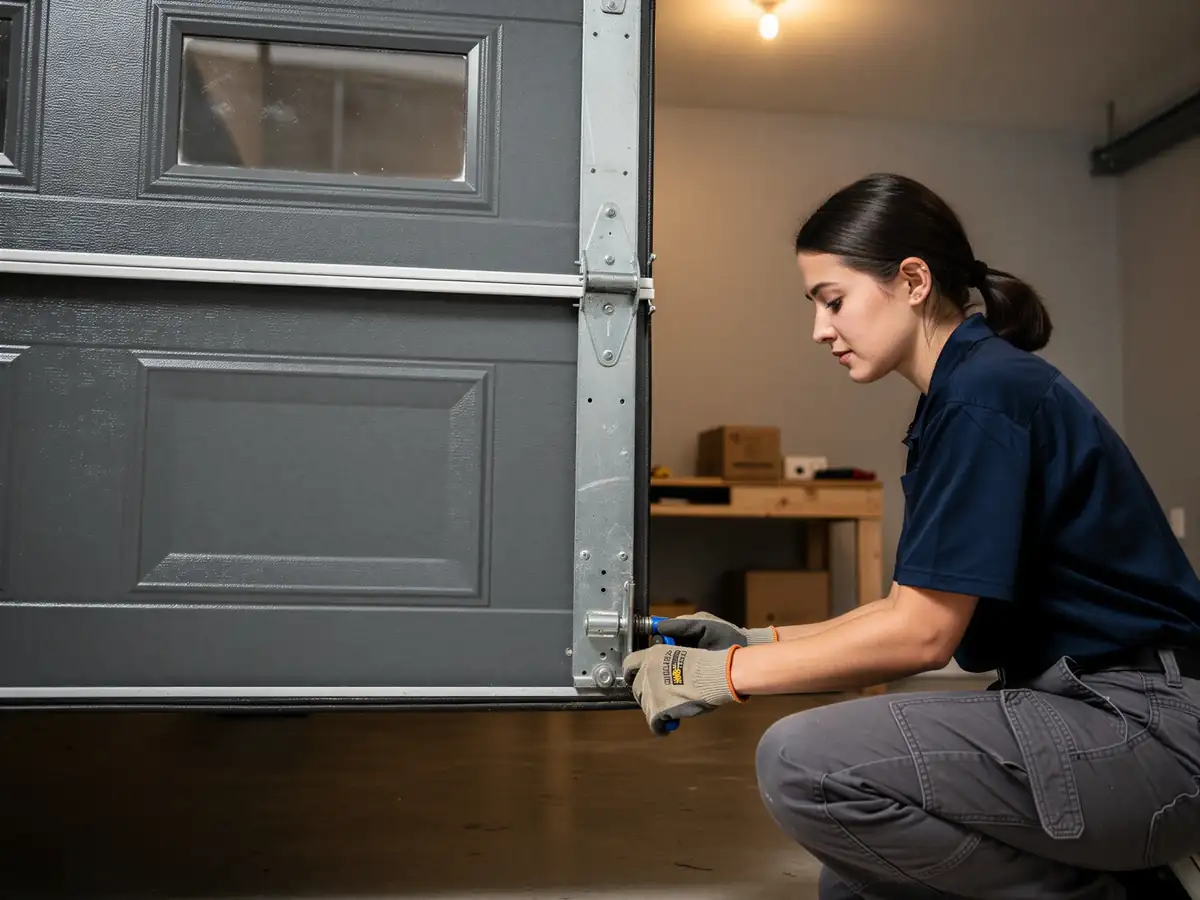
For extension spring doors, we pull both springs as a set, check the pulleys and the safety cables for wear, and replace anything frayed or rusted through before putting the door back together - not just swap the spring and call it done. For torsion systems, we measure the door's actual weight rather than assume it matches the original spring spec, since a lot of these houses have had at least one door replacement since 1960 and the new door is often heavier than what the original spring was wound for.
We test the balance by hand after the install, not just by running the opener. A properly sprung door should hold at waist height on its own. If it doesn't, the spring's wrong for the door, and we adjust before we leave, not after a callback.
What Causes It Around Here
Lawson Heights sits in a cold-climate band with real winter swings
And steel spring wire fatigues faster through repeated hard freezes and thaws than it does in a milder climate - that's physics, not a sales pitch. Combine that with a housing stock centered on 1960, meaning most of these springs are well past any reasonable service life even if they haven't failed yet, and you've got a neighborhood where spring calls aren't rare.
The other factor is simple cycle count
A spring rated for a set number of open-close cycles doesn't care how old the house is, just how many times the door's gone up and down. On an original 1960-era door that's never had the spring swapped, that count adds up over six decades regardless of how well the rest of the house has aged.