Booking a Visit
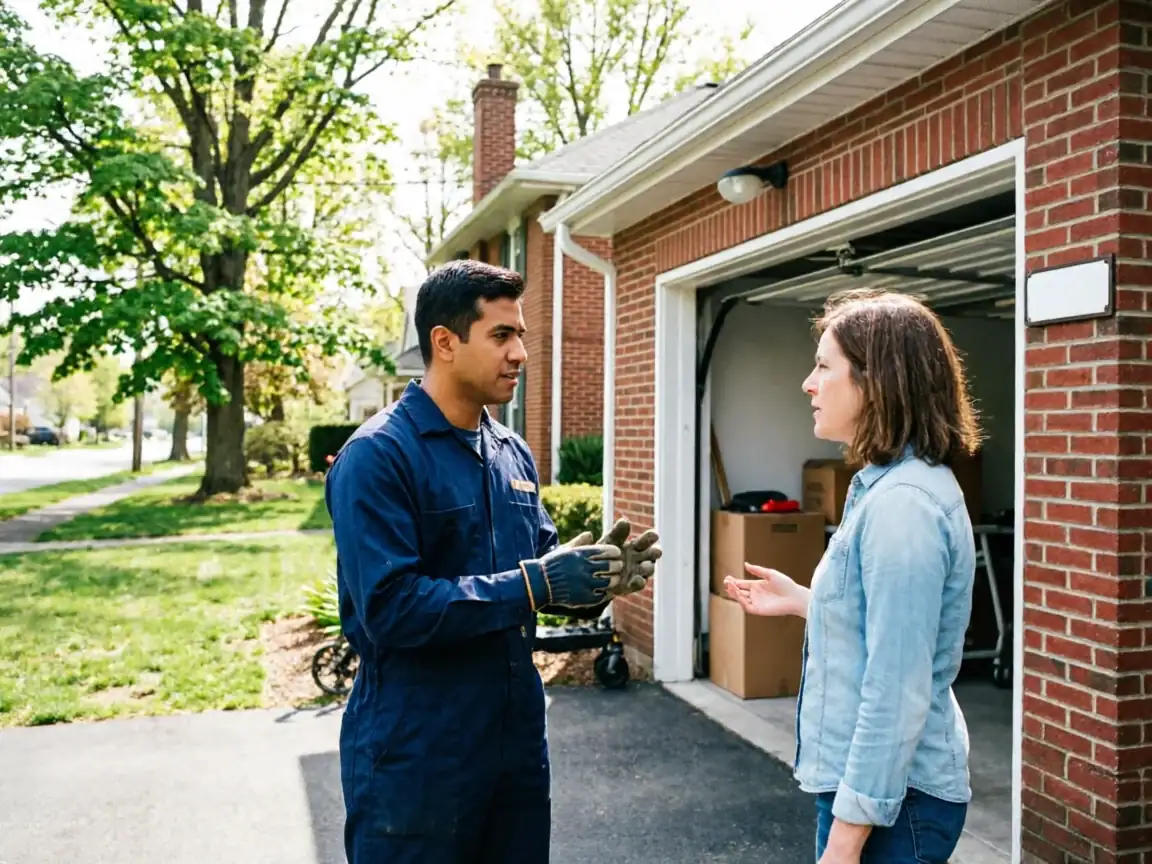
We run this call out of Greensburg, about 8 miles down the road, so there's no branch office sitting in Lawson Heights and we won't pretend there is. What that means for you: tell us the opener brand and the year of the house when you call, and we'll bring the parts most likely to fail on a unit that old, rather than show up guessing. A lot of the garages up here were built around 1960, which narrows down the kind of opener we expect to find before the truck even leaves Greensburg. If you know whether it's chain, belt, or the older screw-drive style, that's worth mentioning too - it changes what's in the toolbox.
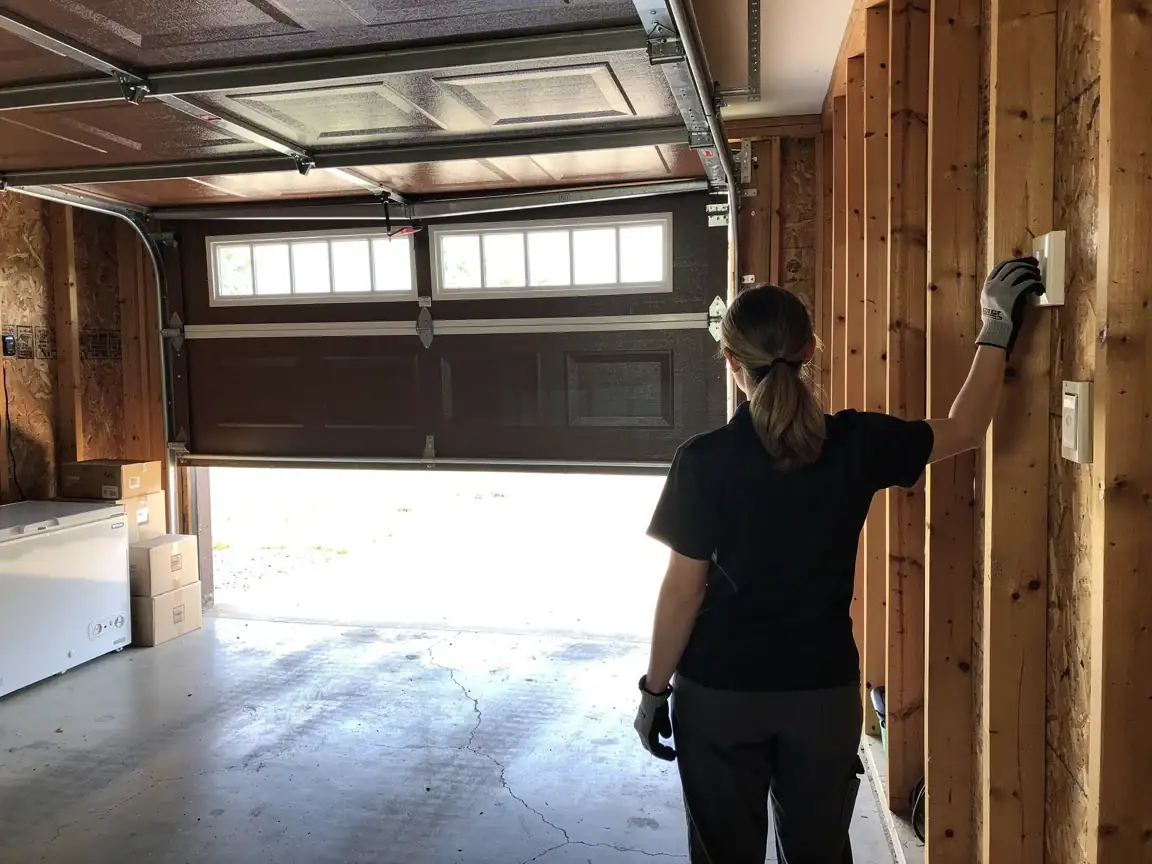
We don't keep a standing schedule for Lawson Heights specifically, since it's one of several areas covered from the same shop, but we route calls here regularly enough to know what's waiting on the other end. If your opener has stopped responding to the wall button and the remote both, say that up front - it usually means a different fix than a door that just won't close all the way.
What Can Go Wrong
With a median build year around 1960 in Lawson Heights, a fair share of garages never got a full opener swap - they got a replacement motor head bolted onto the original rail, or a new logic board dropped into an old housing. That mismatch causes its own problems: worn sprockets grinding against newer chain, or a modern safety sensor wired into a system that was never built to expect one.
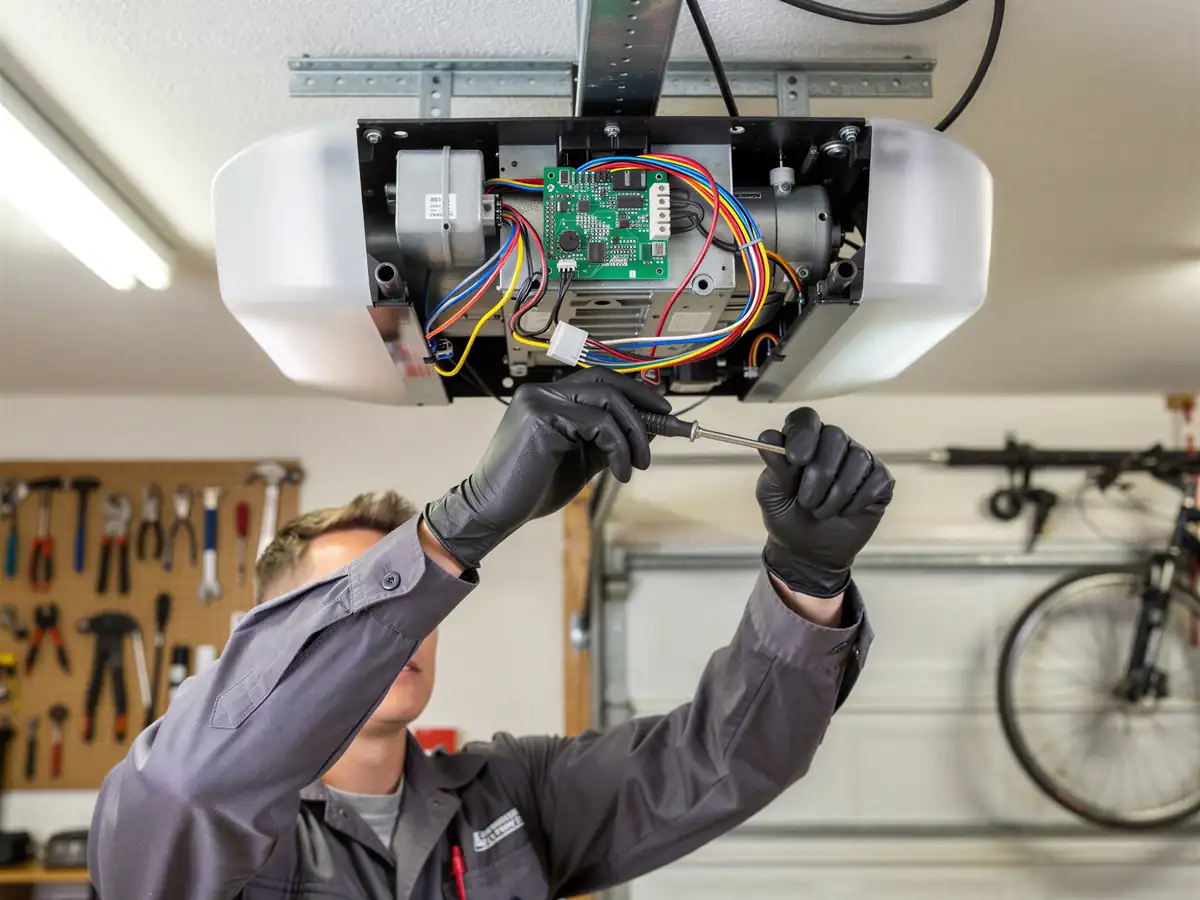
The common failures we see on houses from this era are a stripped plastic drive gear (the part designed to fail before the motor burns out), a chain or belt that's stretched past adjustment, and limit switches that drift out of calibration on rail hardware that's flexed for six decades. Circuit boards in openers from the first replacement wave - units put in during the 80s or 90s to update an original 1960s door - are now old enough that control boards fail outright rather than just needing a sensor realignment.
Less common, but worth naming: capacitor failure on older motor units, which looks like a dead opener but isn't a logic board problem at all.
How Long It Takes
Most opener repairs on a single garage run one visit, start to finish, once we're on site - gear and chain work especially. Circuit board swaps take longer if the board isn't a common stock item; those are ordered in and scheduled as a second trip more often than not. That's the honest limitation here: we don't carry every control board for every opener brand on the truck, and a board for an opener that's 30-plus years old sometimes has to be sourced rather than grabbed off a shelf. We'll tell you at the first visit whether your fix is same-day or needs a part ordered.
How We Fix It
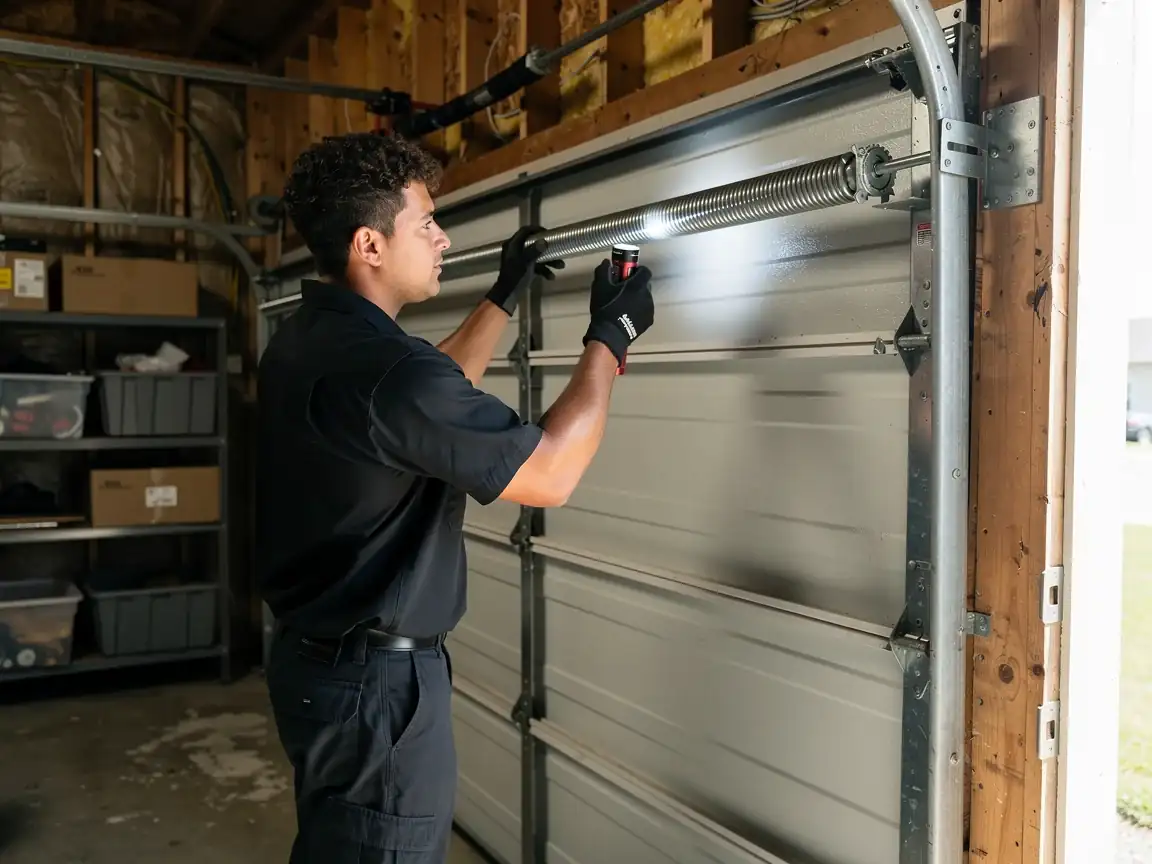
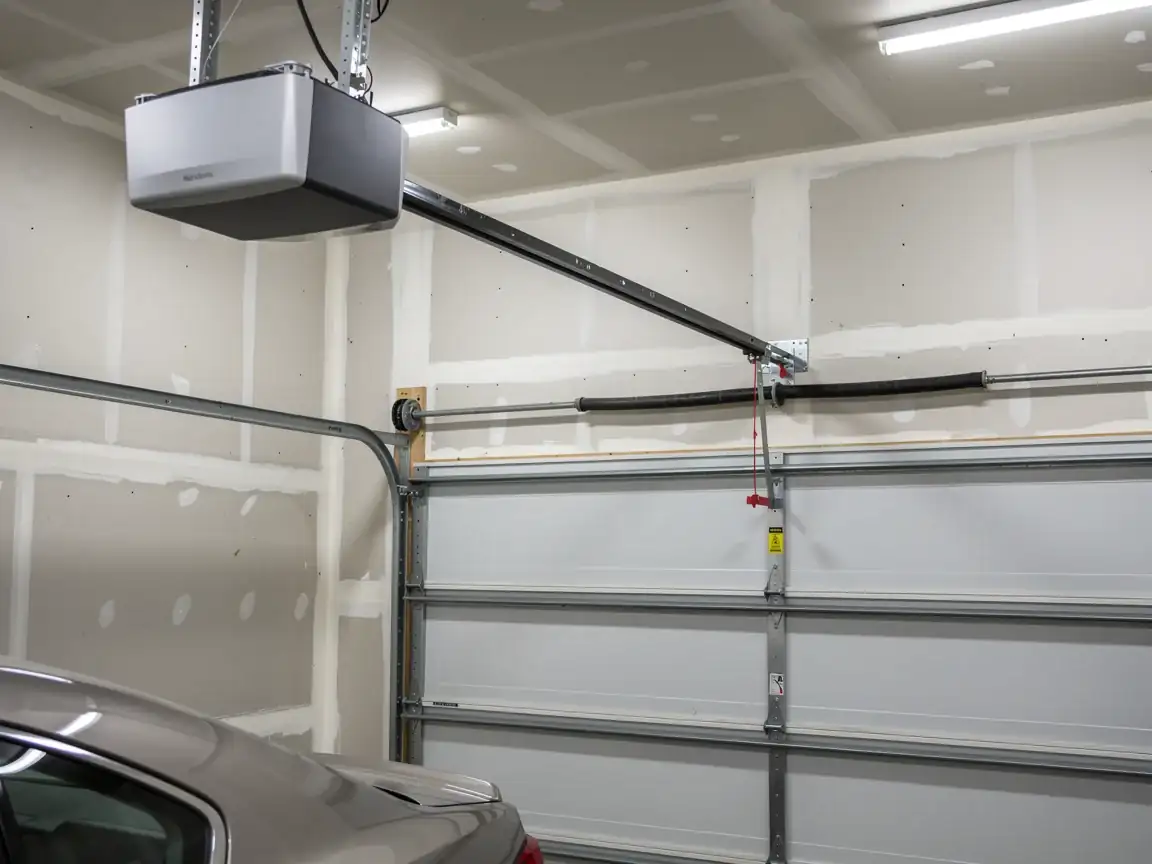
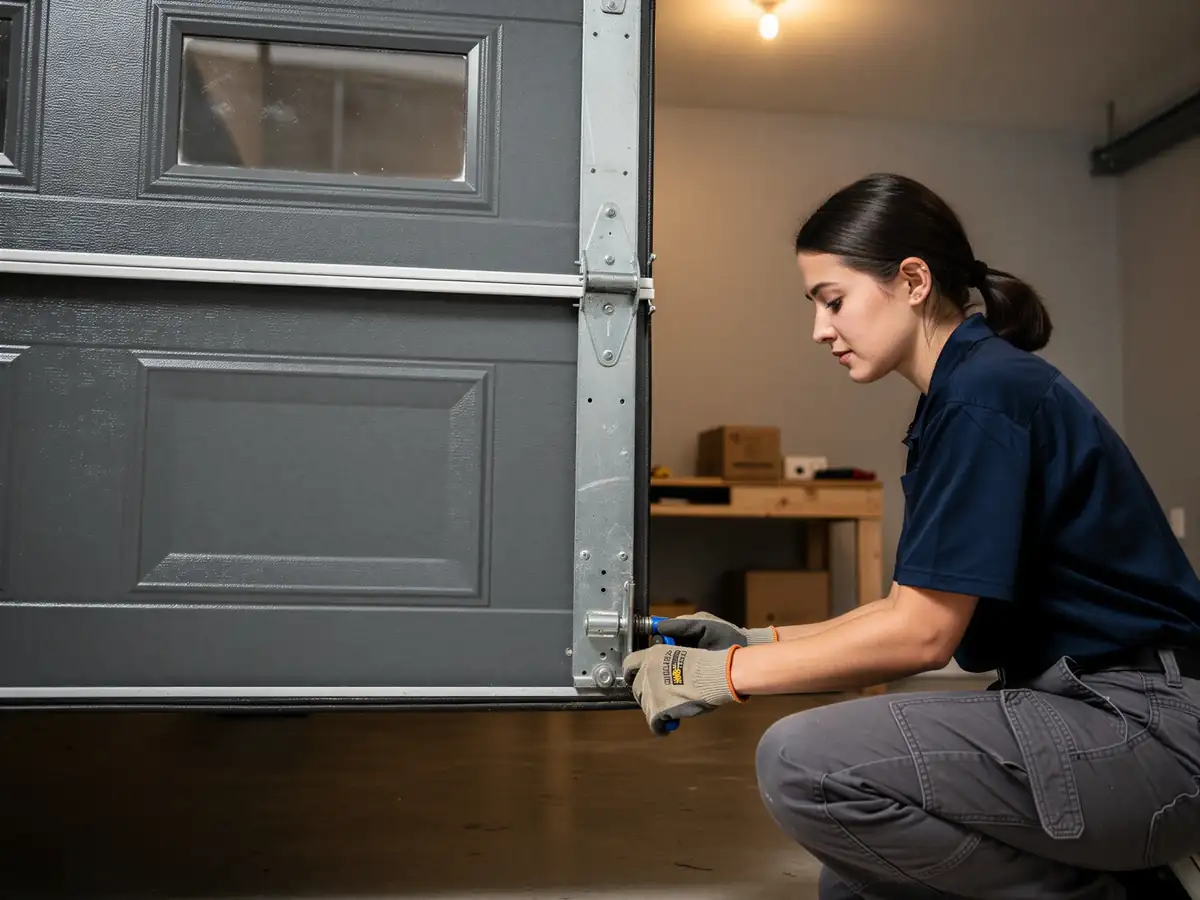
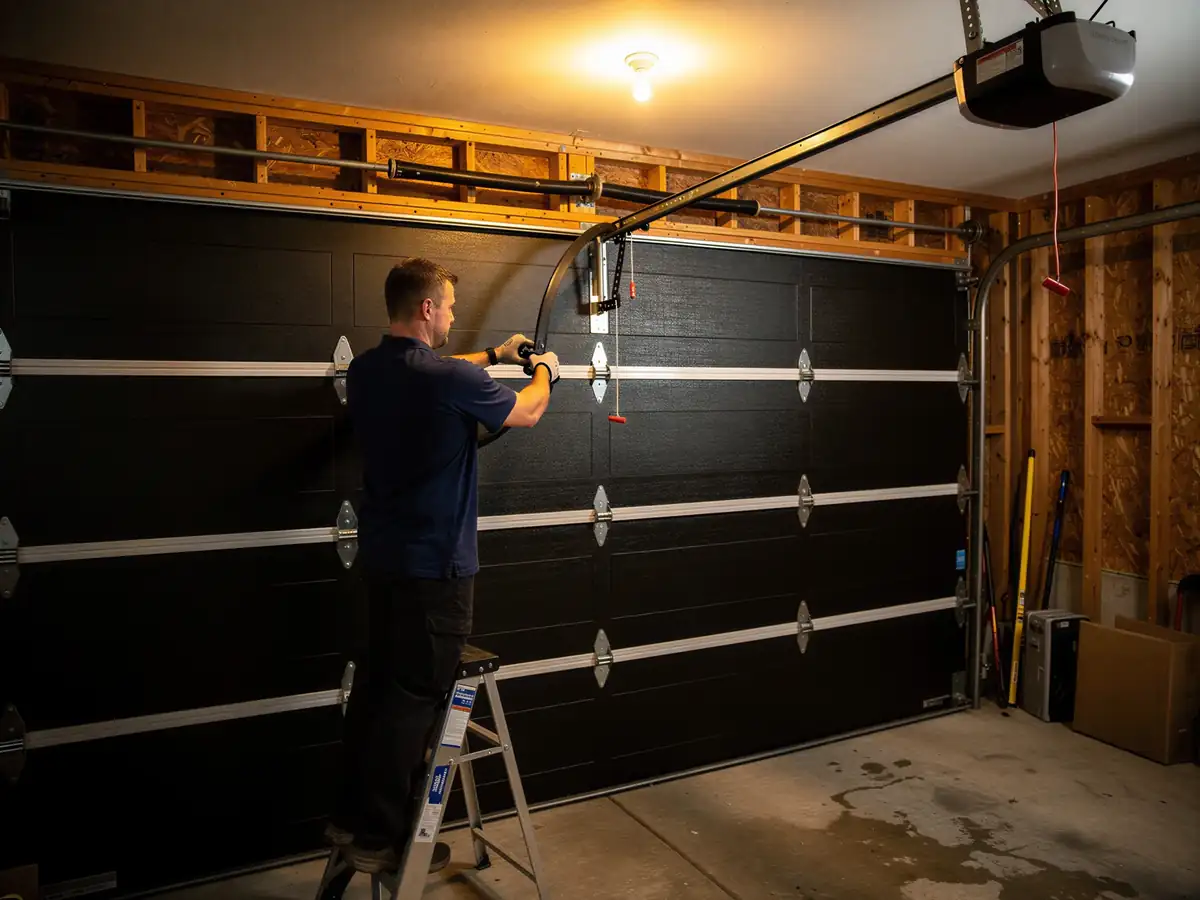
First step is always ruling out the simple stuff - power to the unit, safety sensor alignment, travel limits - because those get blamed for a dead opener more than they actually cause one. From there we test the motor under load, check the drive mechanism (chain, belt, or screw) for wear against the housing it's paired with, and pull the logic board if the motor's turning but nothing upstream is responding.
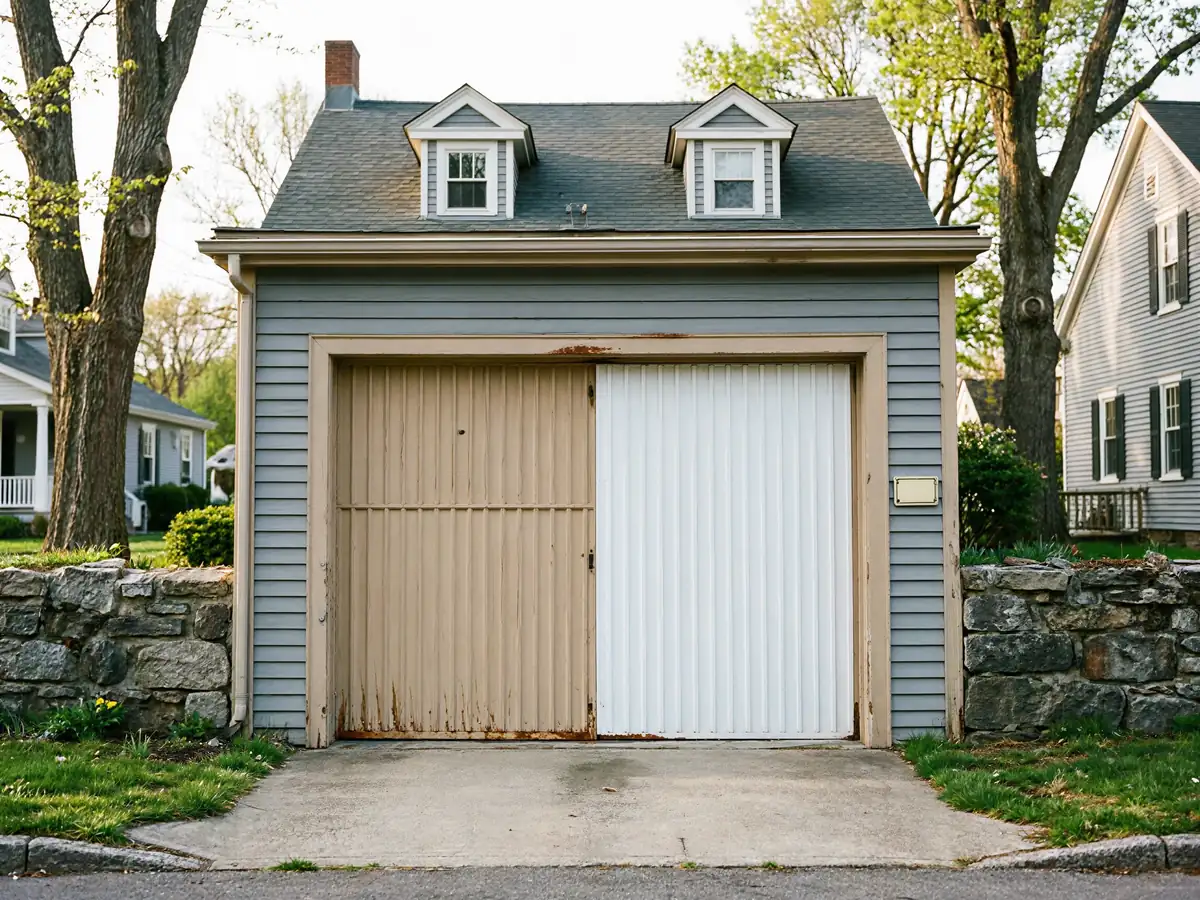
On the older 1960s-era garages up here, a lot of the fix is working around hardware nobody makes new anymore - a rail bracket pattern, a mounting plate - rather than just swapping the opener head. We reuse what's sound and replace only what's actually failed; there's no reason to put a new motor on a rail that's still square and true.
What Causes It Around Here
Lawson Heights sits in a cold-climate zone with real winter severity
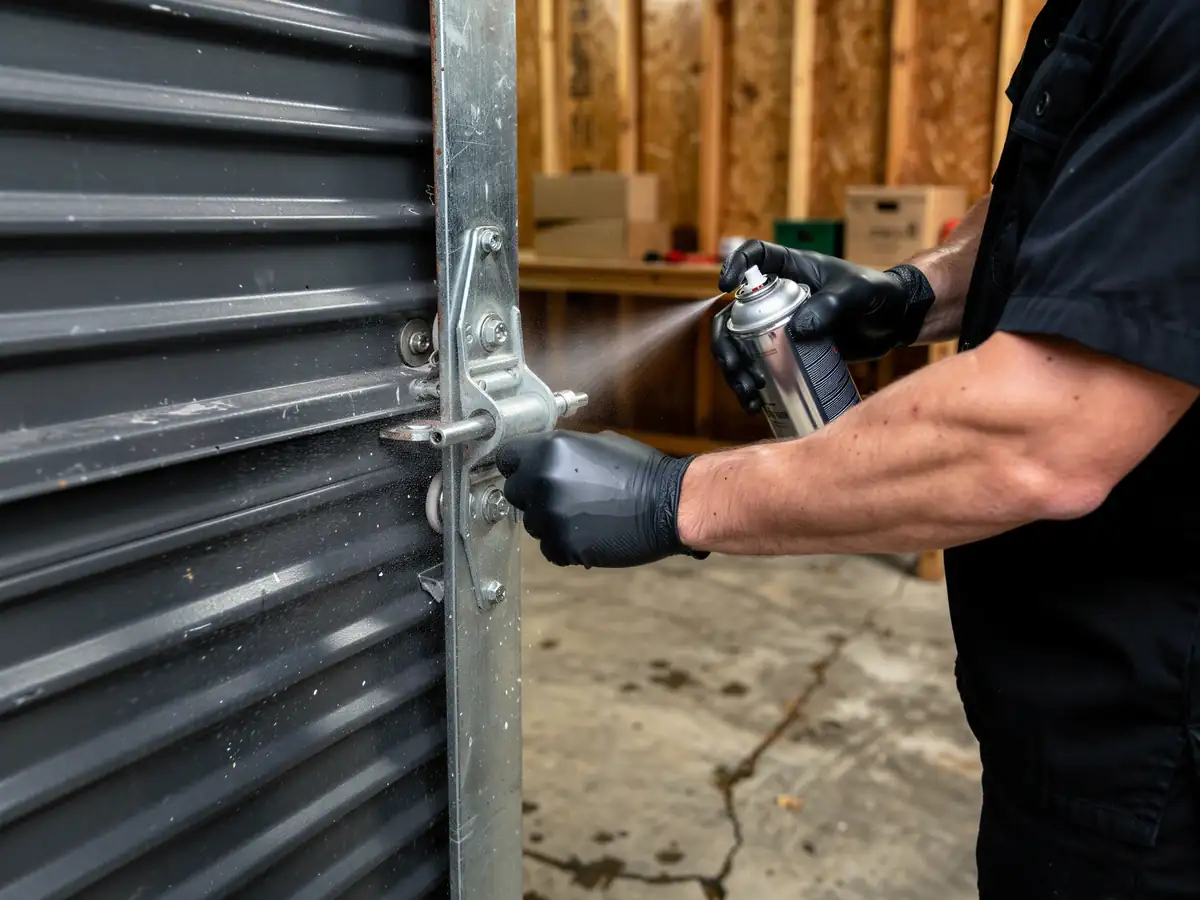
And that matters more for openers than people expect - cold makes grease in the drive gear stiffen up, which puts extra load on the motor every time it starts a cycle. On a house built around 1960, that gear has usually been cycling through sixty-some winters, original or close to it, and it's often the first thing to strip.
The other driver is simply age distribution
With most of the area's housing dating to 1938 through 1985 and a median around 1950 across the wider region, Lawson Heights' 1960 median puts it on the newer end of that range - but newer here still means an opener installed before most of the digital safety features homeowners expect today existed at all.