Booking a Visit
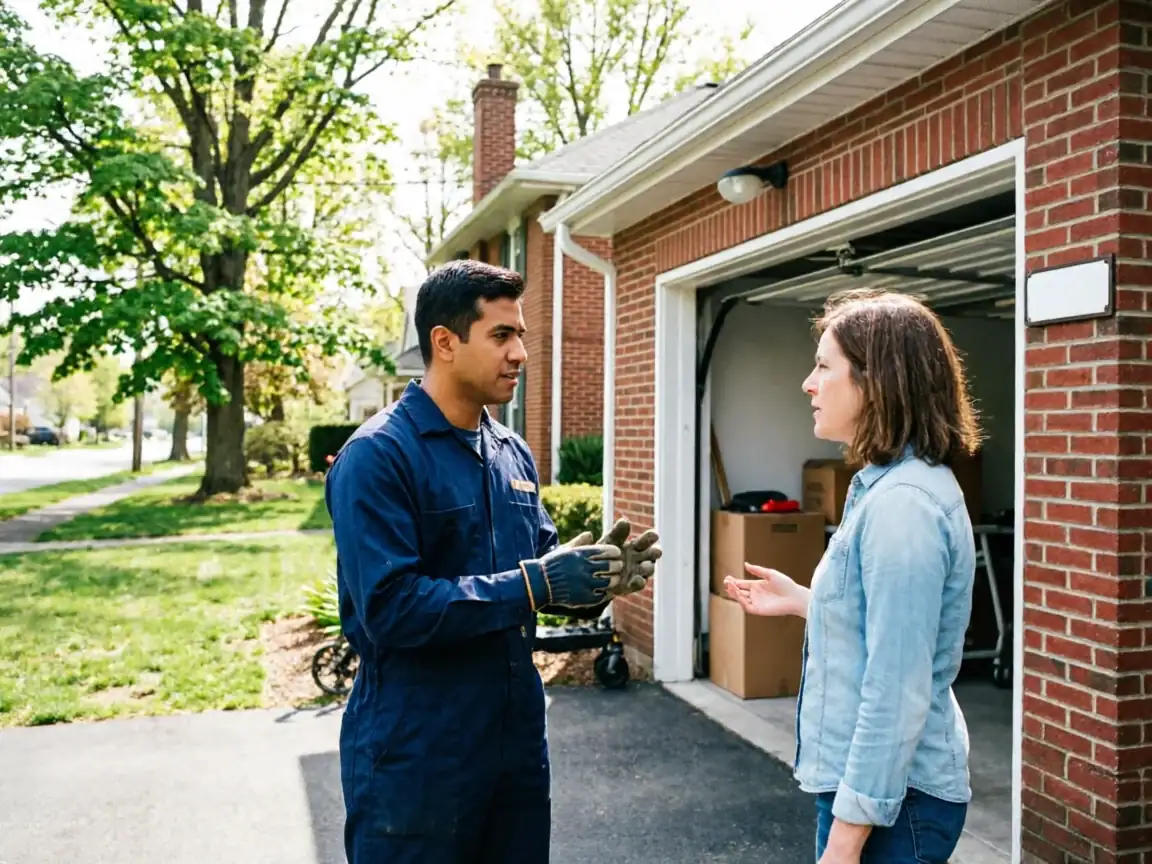
We run this job out of Greensburg, about 8 miles from Lawson Heights, so we ask a few questions before we load the truck: door width, how many panels are damaged, and whether the track got bent along with the panel. A dented panel on a 1960s-era door is usually a single-car job, 8 or 9 feet wide, and knowing that up front means we bring the right panel instead of guessing twice. We don't keep a branch in Lawson Heights itself - every visit starts with that drive, which is worth knowing if you're hoping for a same-hour fix. Tell us the door's approximate age and we can usually tell you over the phone whether a matching panel is realistic or whether the whole section run needs replacing instead. See how we cover the wider area.
What Can Go Wrong
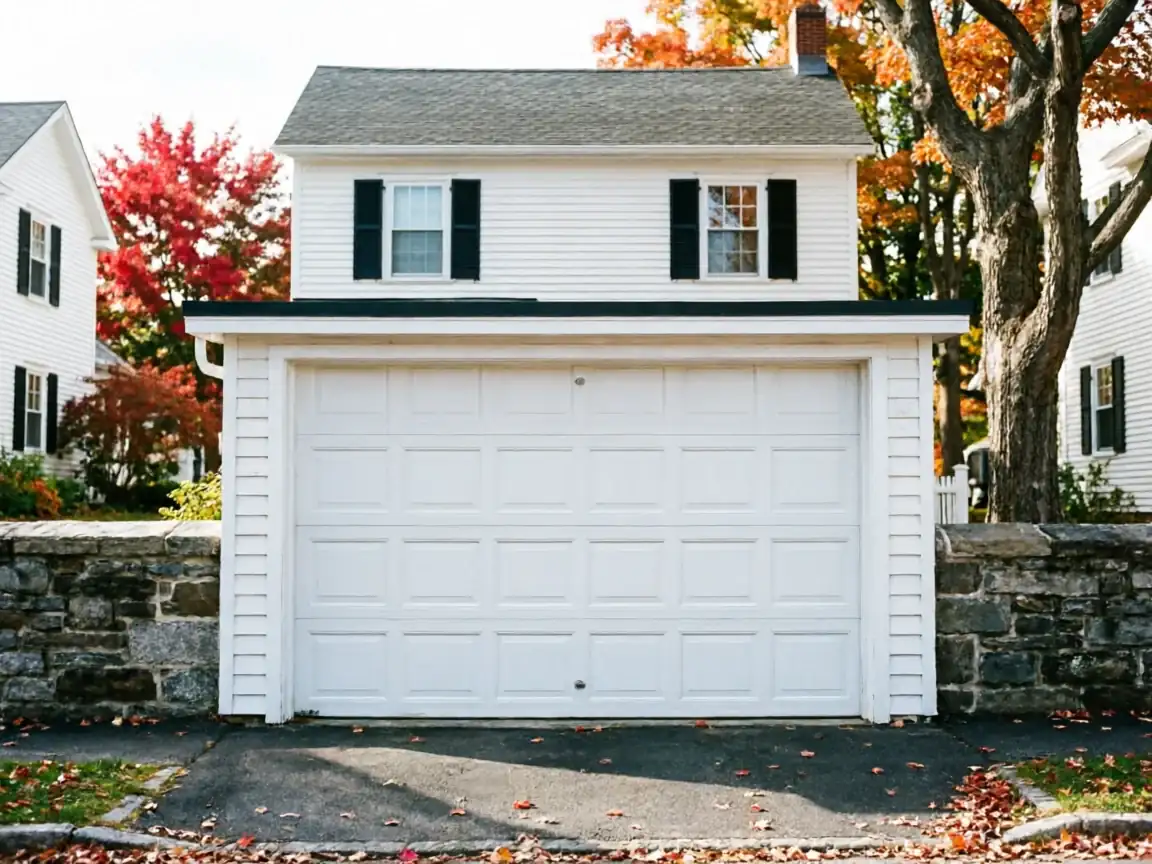
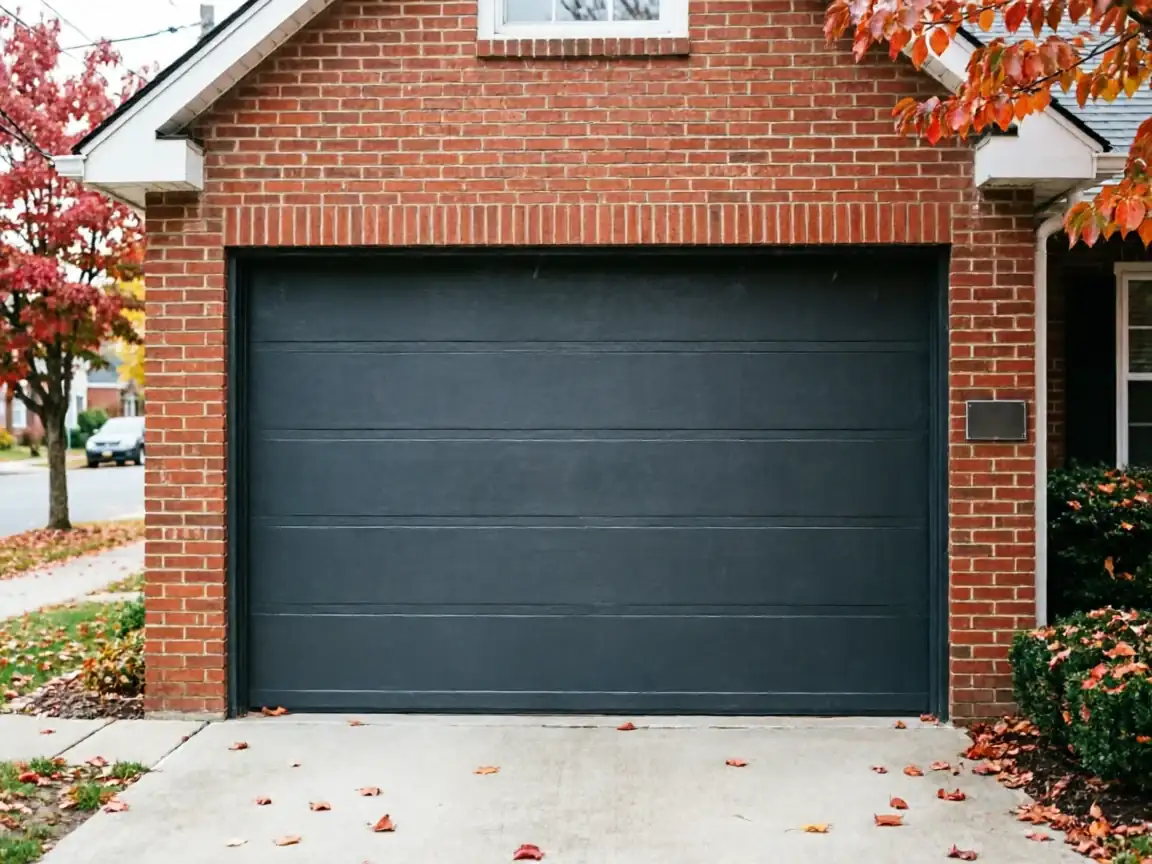
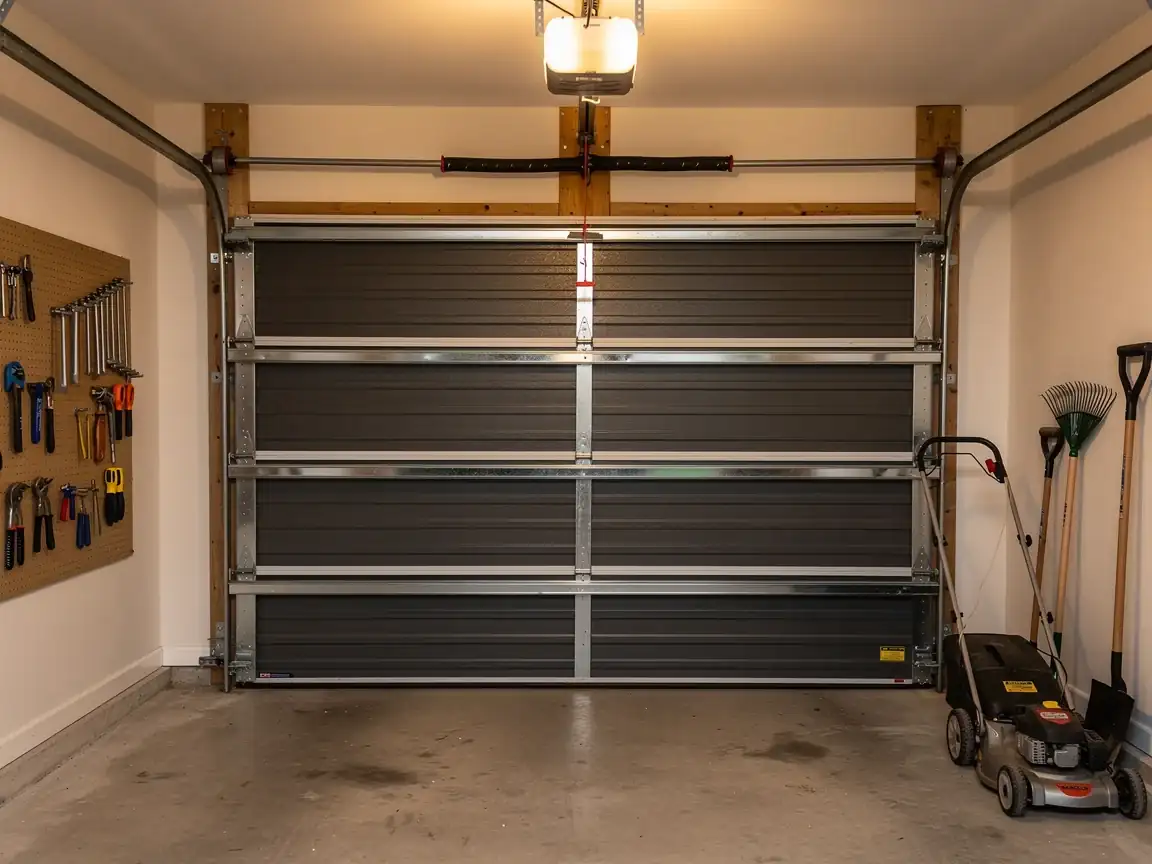
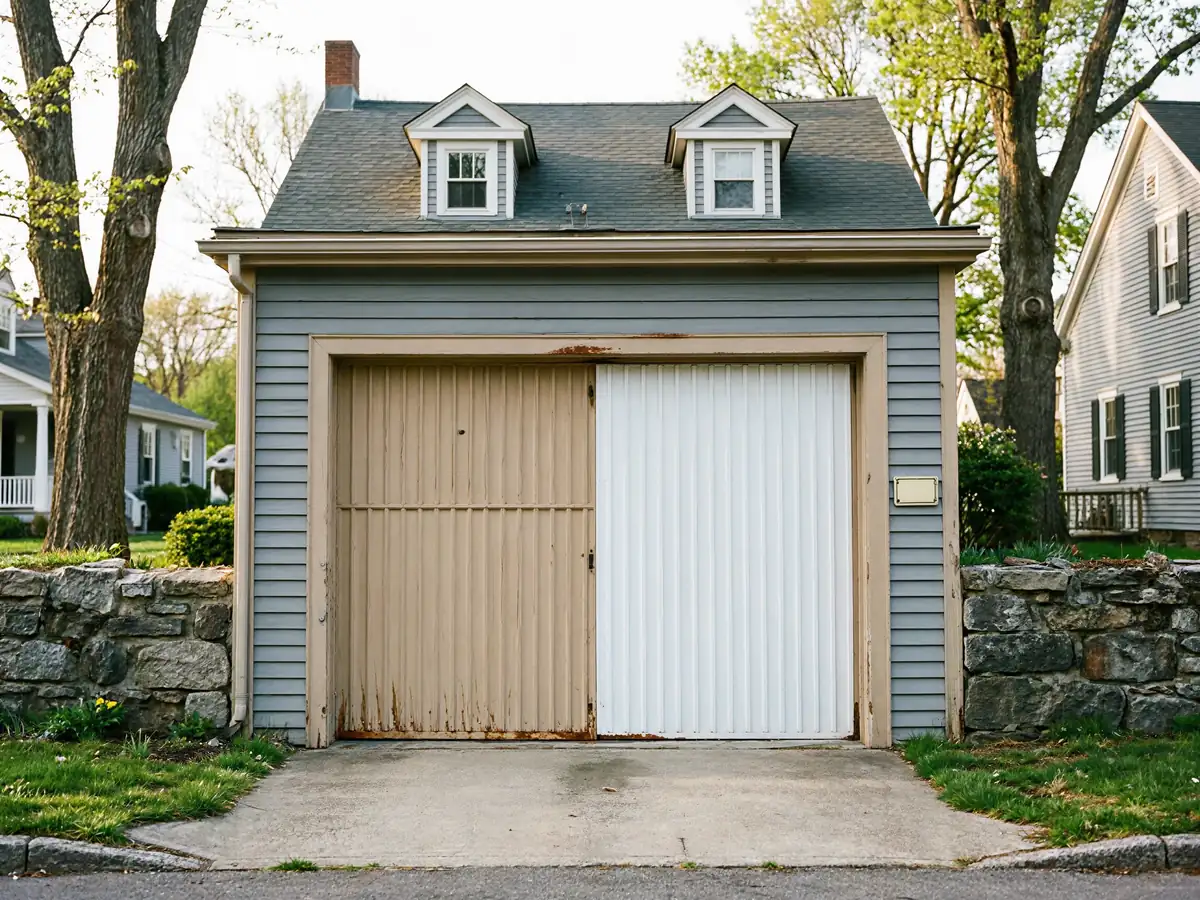
Most Lawson Heights garages went up around 1960, when a single-layer steel panel on a basic raised-panel pattern was the standard. That steel is thinner than what gets installed now, and after six decades it dents easier than a modern double-layer door, especially down low where a bumper or a mower clips it. The seams between panels on these older doors were never meant to flex much, so one bent panel can throw off the roller alignment on the whole section, not just the dented spot. Rust along the bottom panel is common too, since that's the section closest to runoff and road salt. On a door this old, a replacement panel is often a special-order item rather than something a supplier keeps on the shelf, which changes the timeline more than the dent itself does.
How Long It Takes
If we're swapping one panel and the hardware underneath is sound, it's usually a same-visit repair once the part is in hand. The hold-up is almost never the labor - it's sourcing the panel. A door built around 1960, like most of what's standing in Lawson Heights, often isn't a current model, so we may need a few days to track down a matching section or a close enough substitute before we come back. We'll tell you at the first visit whether your panel is a quick-turn job or a wait-on-parts job, and we won't promise a timeline we can't back.
How We Fix It
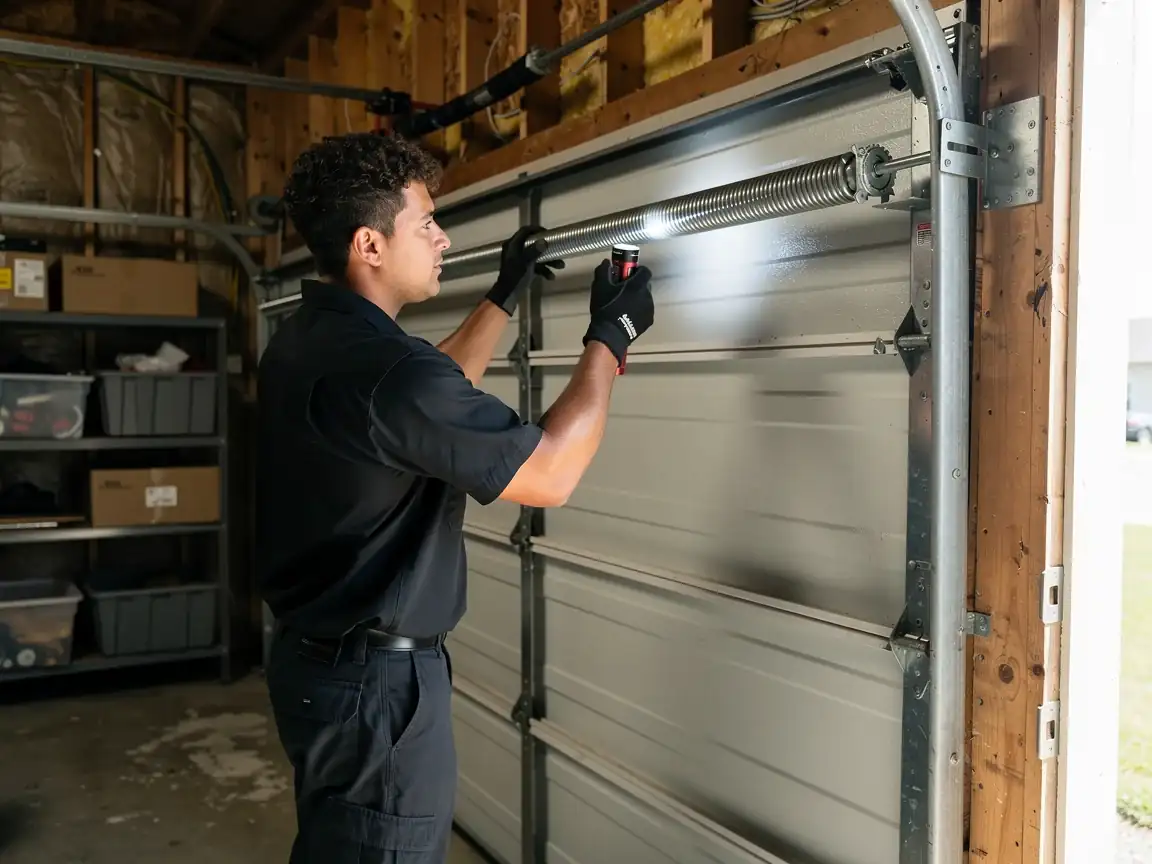
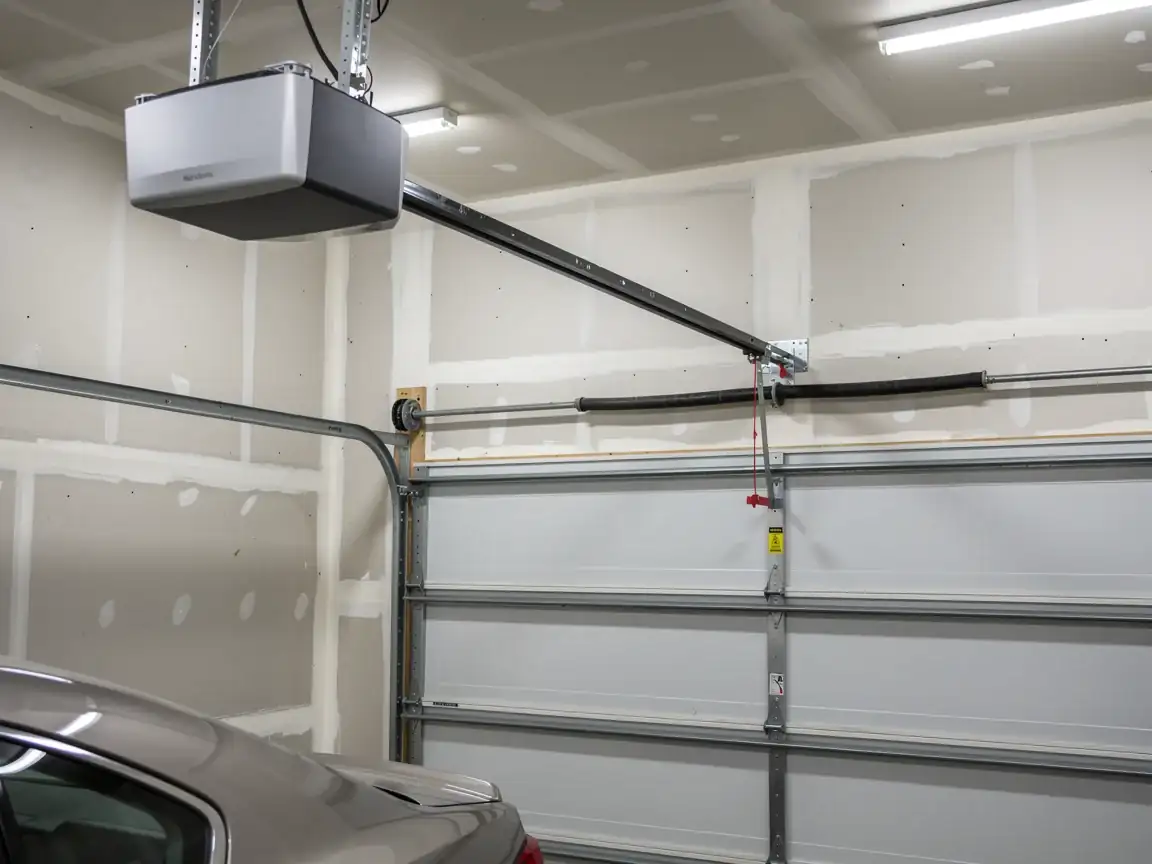
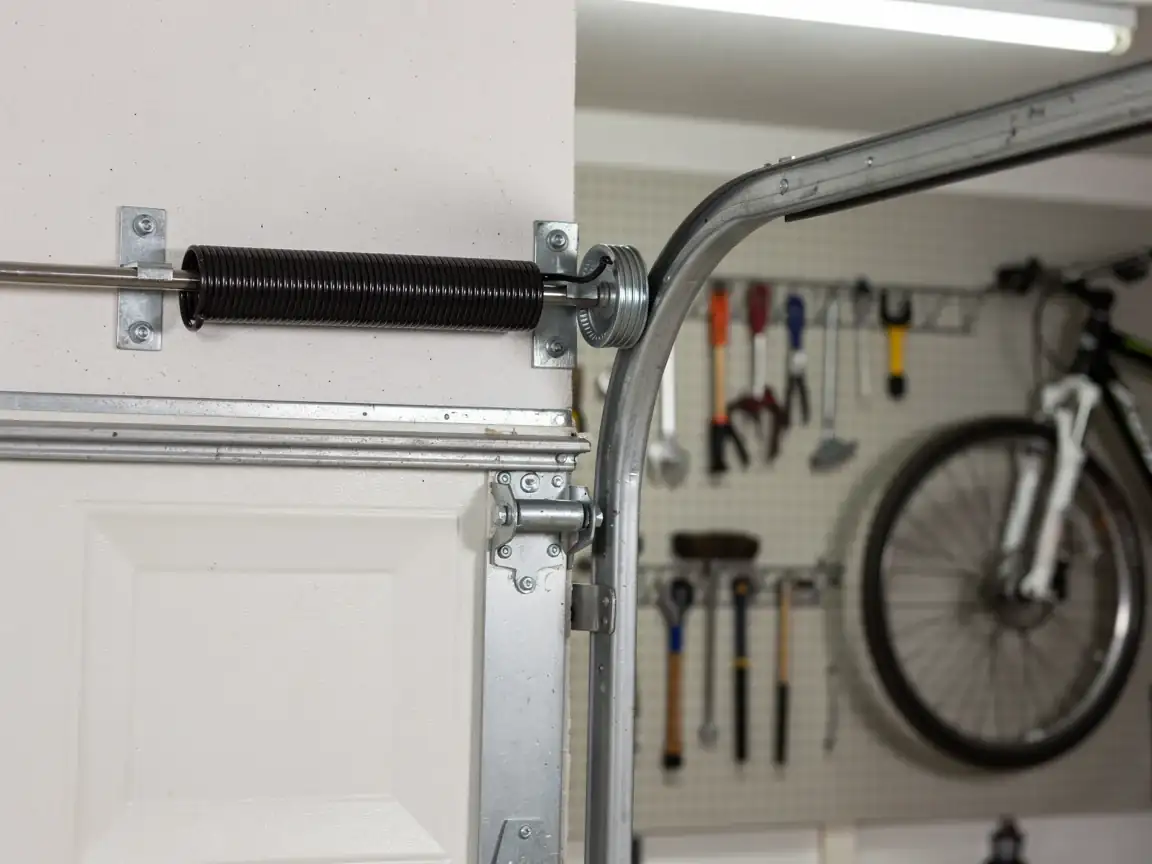
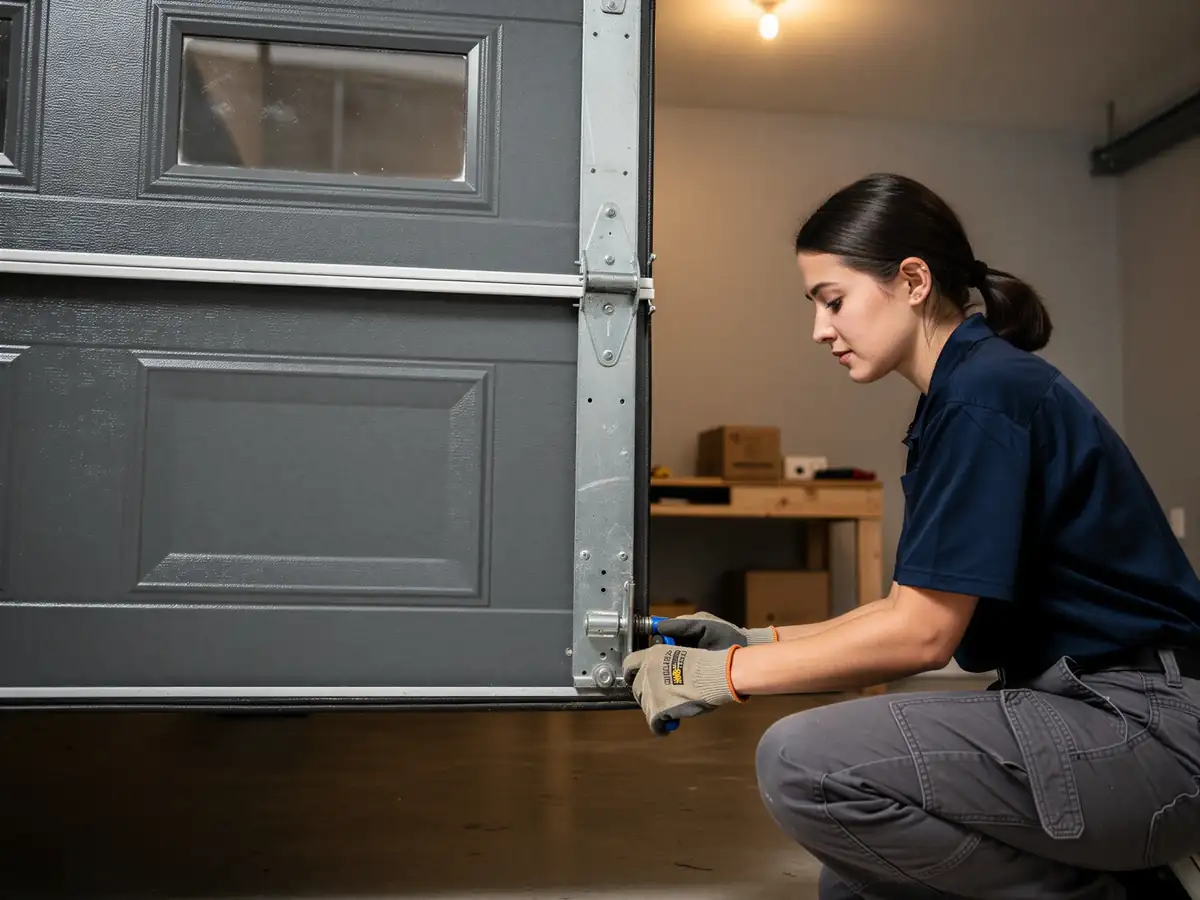
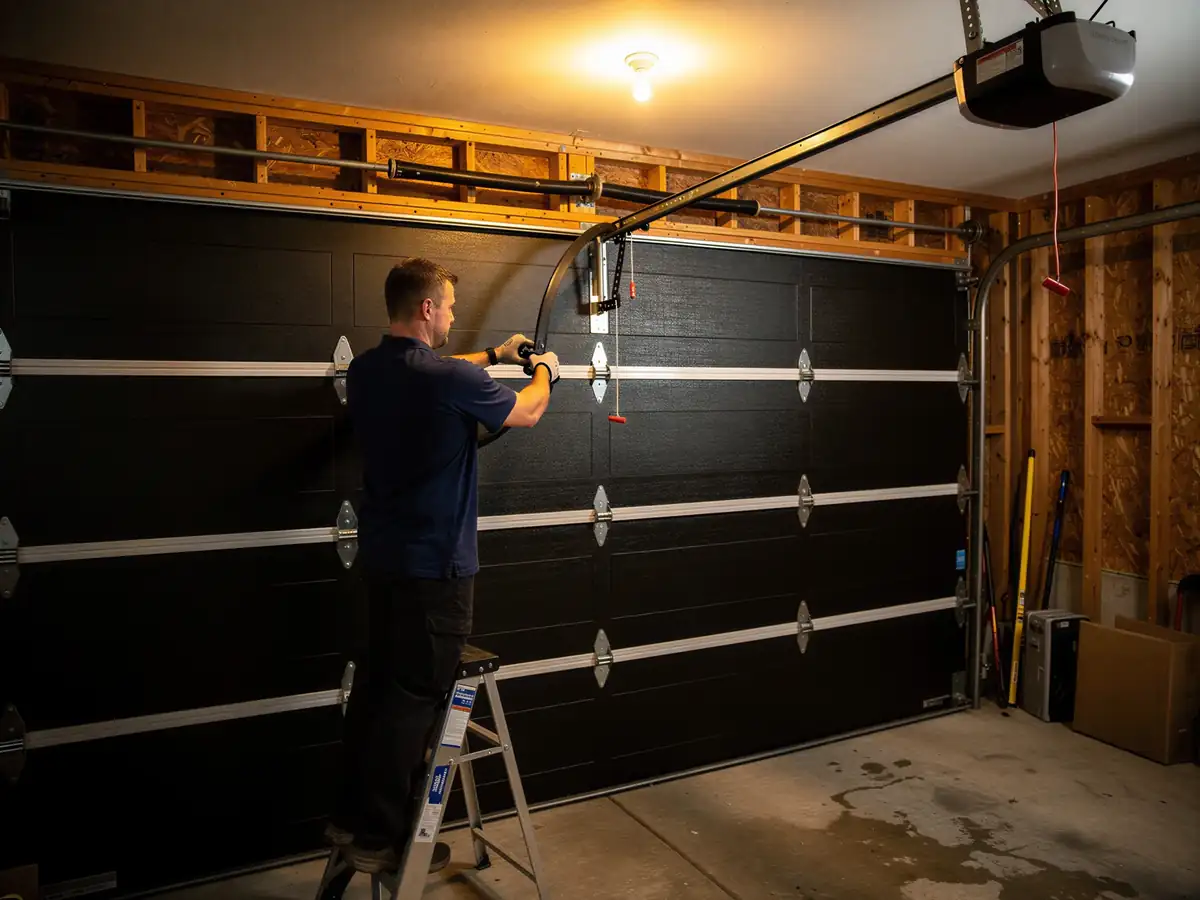
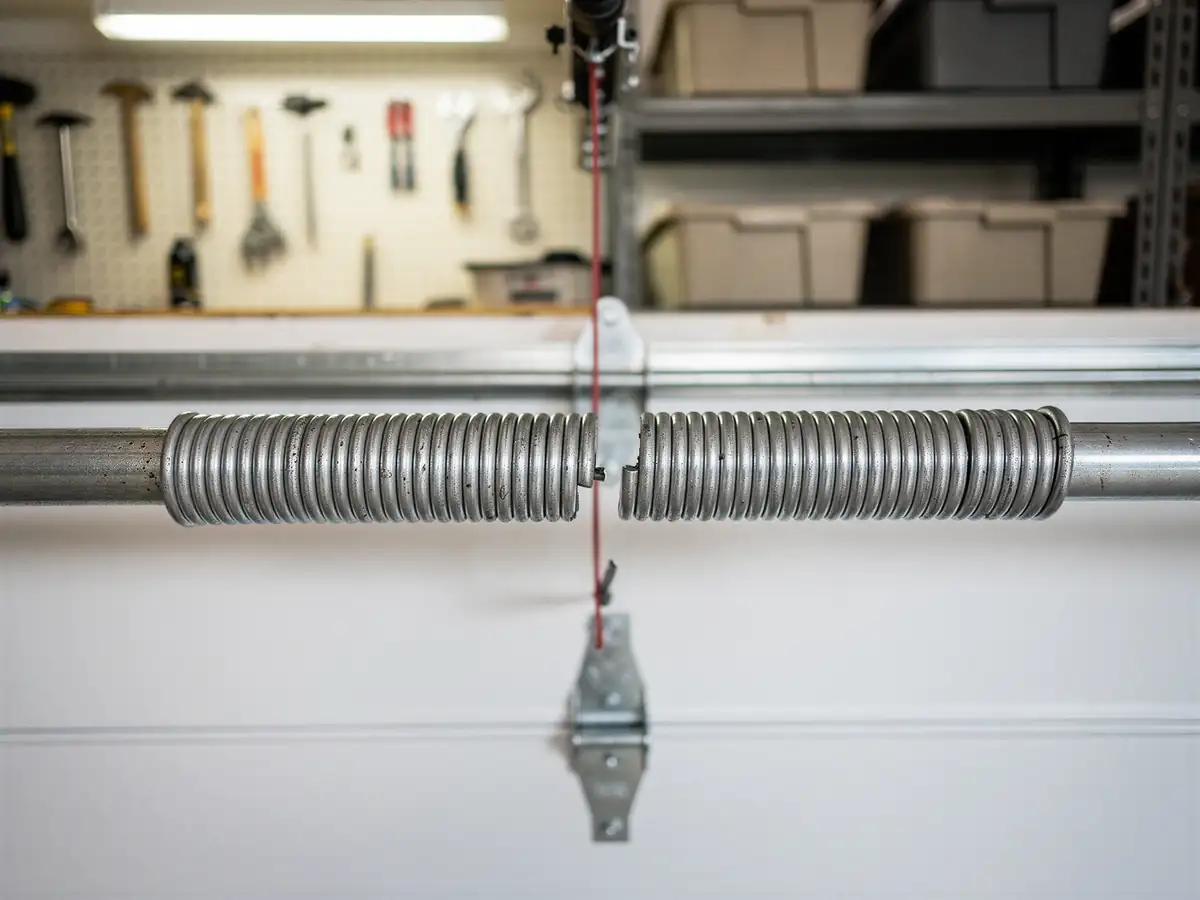
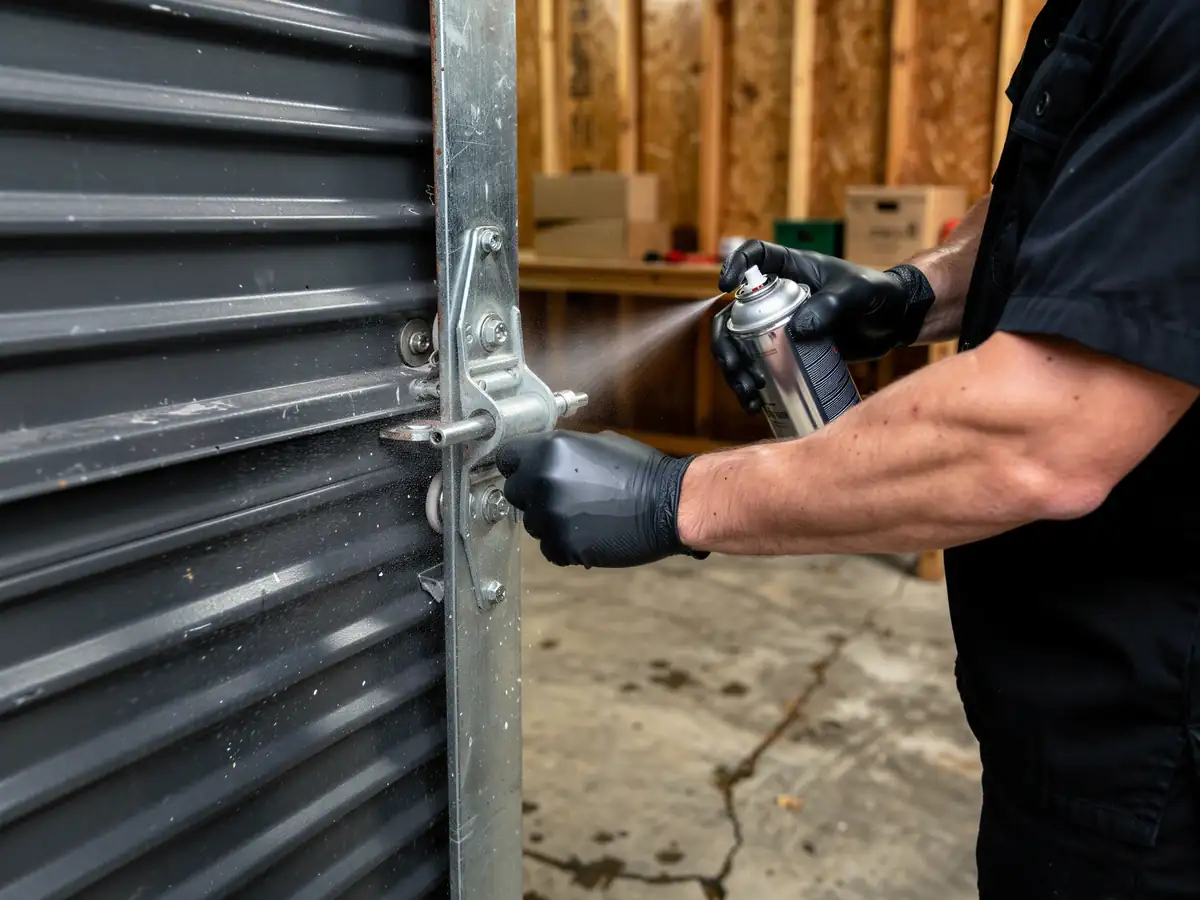
First we check whether the dent is cosmetic or whether it's bent the track or pulled a hinge loose, because that changes what gets replaced. If it's just the panel, we unbolt the hinges on either side, slide the damaged section out, and set the new one in, then re-torque the hinges and run the door through a few open-close cycles to check for binding. On these older steel doors we also check the roller stems and the torsion spring tension while we're in there, since a system built around 1960 is overdue for new rollers even if the panel was the only visible problem. We'll flag a worn spring rather than just leave it - replacing it later as a separate call costs you a second visit for something we could've caught the first time.