Booking a Visit
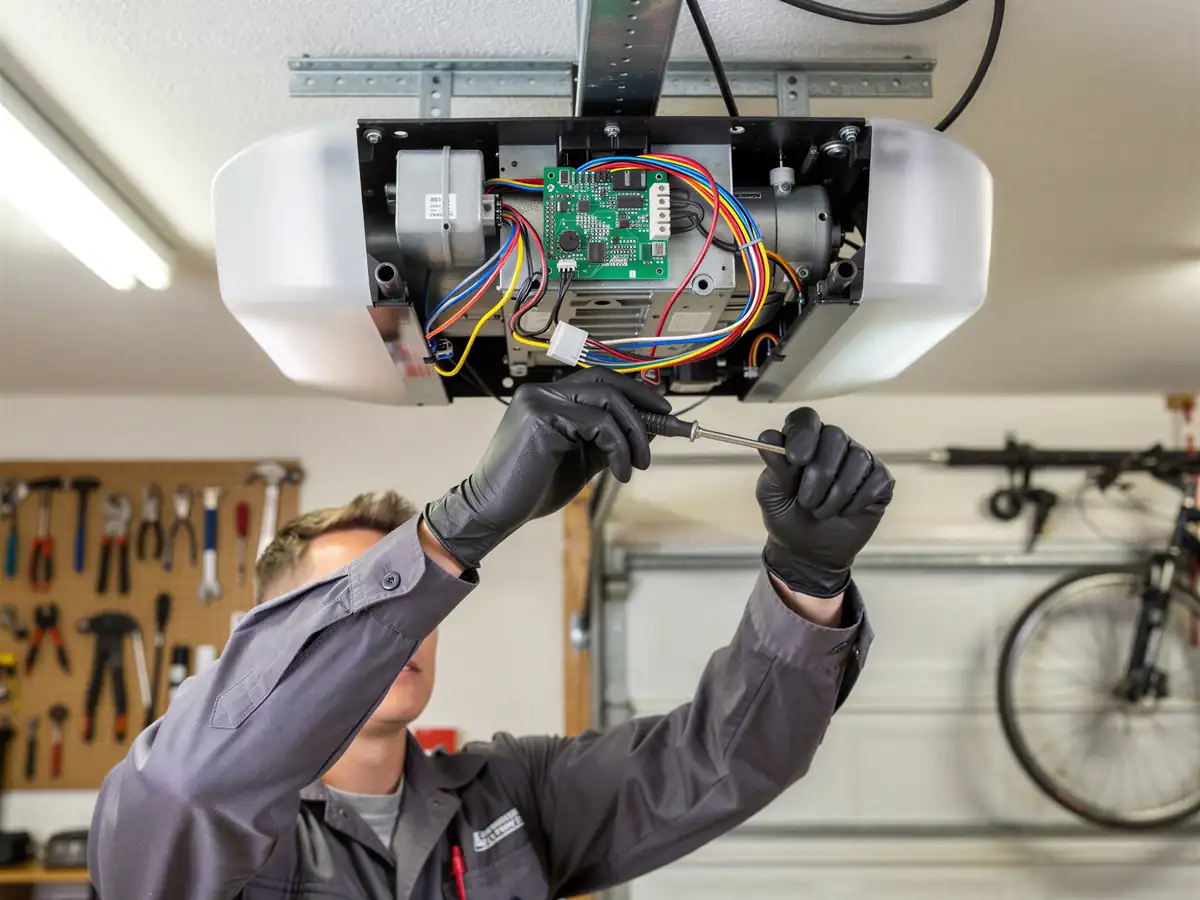
We run this job out of Greensburg, about 8 miles from Lawson Heights, so when you call we're scheduling a truck to come to you, not sending you to a counter. Tell us the door width, whether the opener is chain or belt drive now, and roughly how old the house is. For a neighborhood built mostly around 1960, that last detail matters more than most people think, because it tells us what kind of header clearance and track mount we're probably walking into before we even pull up.
We don't keep a branch or a drop-in showroom in Lawson Heights itself. What we do is bring the opener, the rail, and the mounting hardware already matched to what a 1960-era frame usually takes, so the visit is one trip instead of two. If your house turns out to need a header reinforcement kit we don't have on the truck that day, we'll say so and come back rather than force a fit that won't hold.
What Can Go Wrong
The most common call we get from this part of the service area isn't a dead opener - it's one that still runs but has stopped reversing properly on contact, or has a photo-eye setup that was added on later and never aimed right. Houses built around 1960 typically got their first automatic opener installed well after the house itself, often in the 70s or 80s, and a second or third one after that as units wore out. Each swap left behind a little mismatched hardware: a bracket from one brand, a rail from another, wiring spliced instead of replaced.
That layering is the actual fault pattern here, more than any one part failing. We find openers rated for a lighter door than the one it's lifting, because somebody replaced a hollow door with a heavier insulated one and kept the old motor. We find travel limits set wrong because nobody recalibrated after a track adjustment. None of this is dramatic, but it's why a straight swap - old unit out, new unit in, nothing else checked - often doesn't fix the actual complaint.
The Cost of This Job
We don't have a posted price list to quote here
And giving you a number without seeing the door would be a guess dressed up as a fact. What we can tell you is what drives the cost up or down on this specific job: whether your existing rail and mounting bracket can be reused, whether the wall header needs reinforcing, and whether you want a basic chain-drive unit or a quieter belt-drive for a bedroom-adjacent garage.
Lawson Heights' median household income sits around $64,844, somewhat above the wider service area's $55,909
And we mention that only because it shapes what people here typically choose - more owners ask about belt-drive and battery-backup options than ask about the cheapest unit on the shelf. That's a preference, not a requirement, and we'll install either one.
How Long It Takes
A straightforward swap, where the existing rail and bracket are sound, usually runs under half a day once the crew is on site. Add header work or a full rail replacement and it runs longer. The bigger time factor for Lawson Heights specifically is the trip itself: since we're coming from Greensburg, 8 miles out, we schedule the visit as a full appointment window rather than a quick add-on between two other jobs closer to the shop.
If parts need to be special-ordered - a specific rail length, a header kit, a reinforced bracket for a double door - that adds days, not hours, and we'll tell you up front rather than let you assume same-day.
How We Fix It
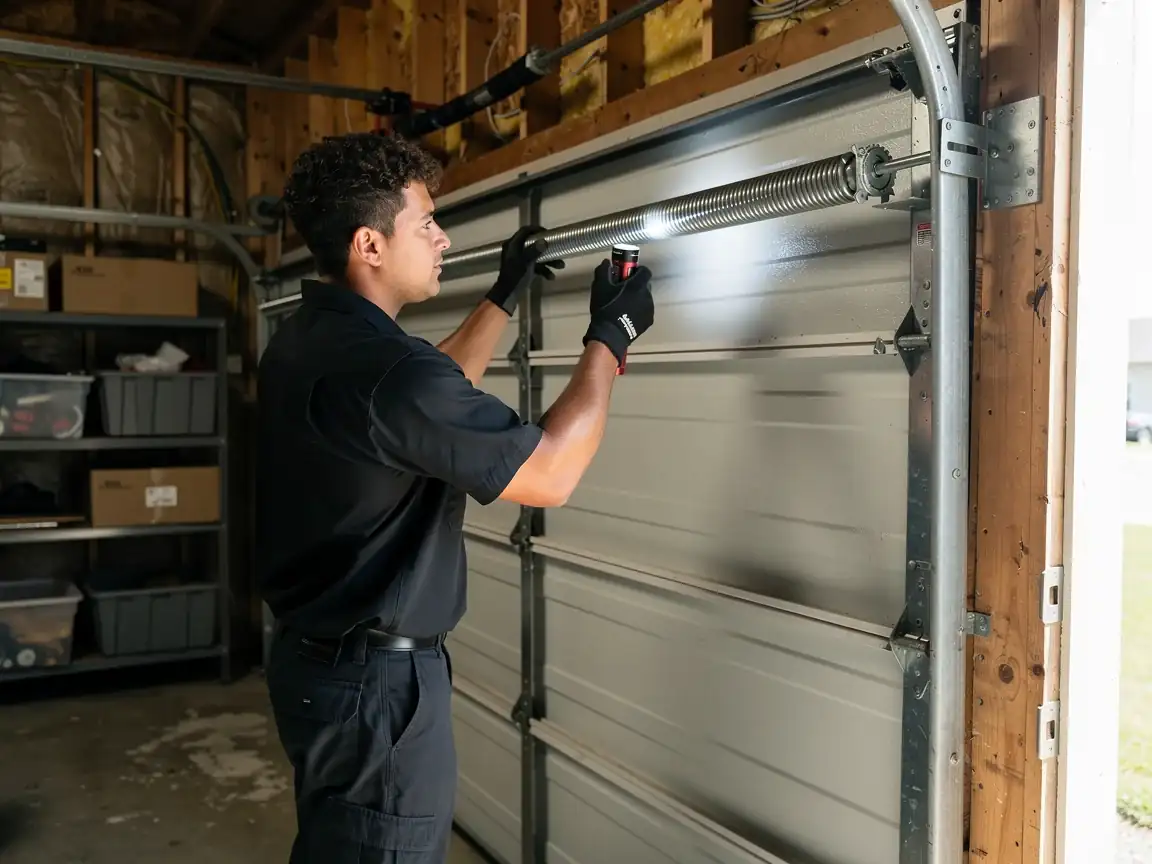
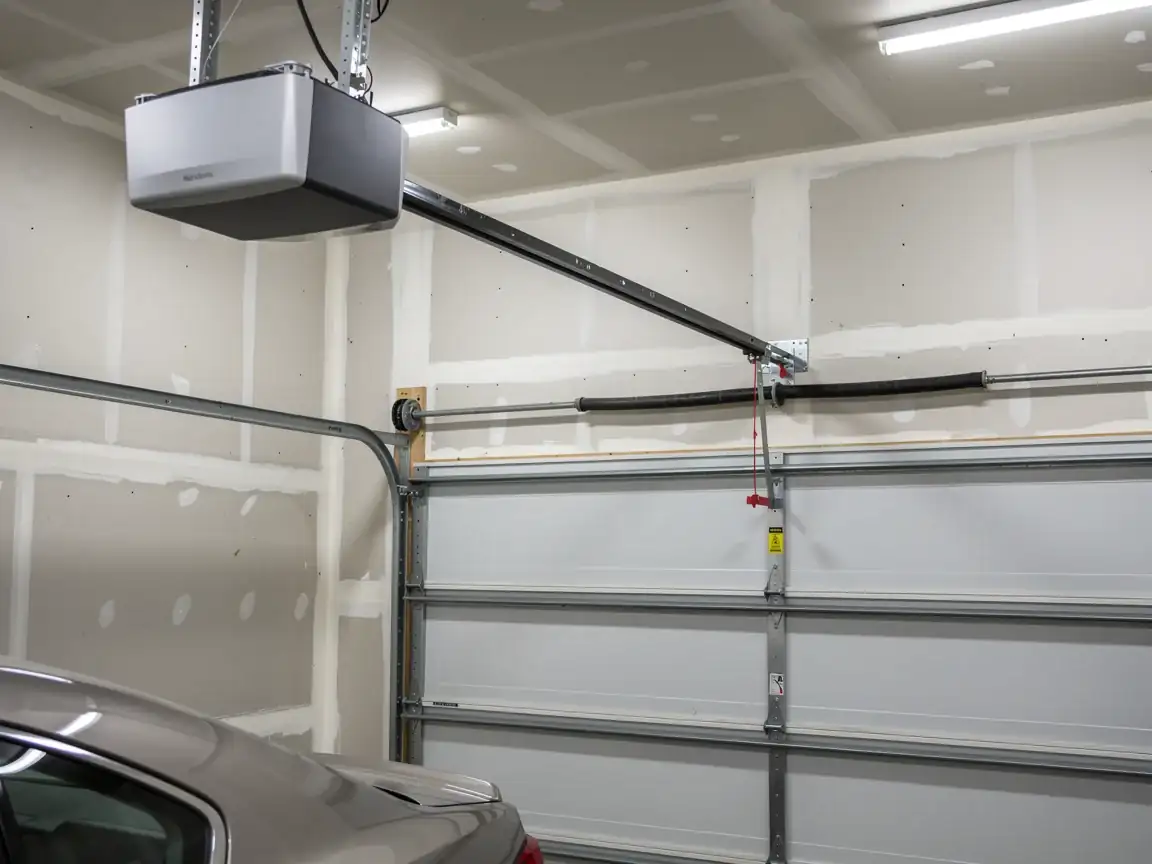
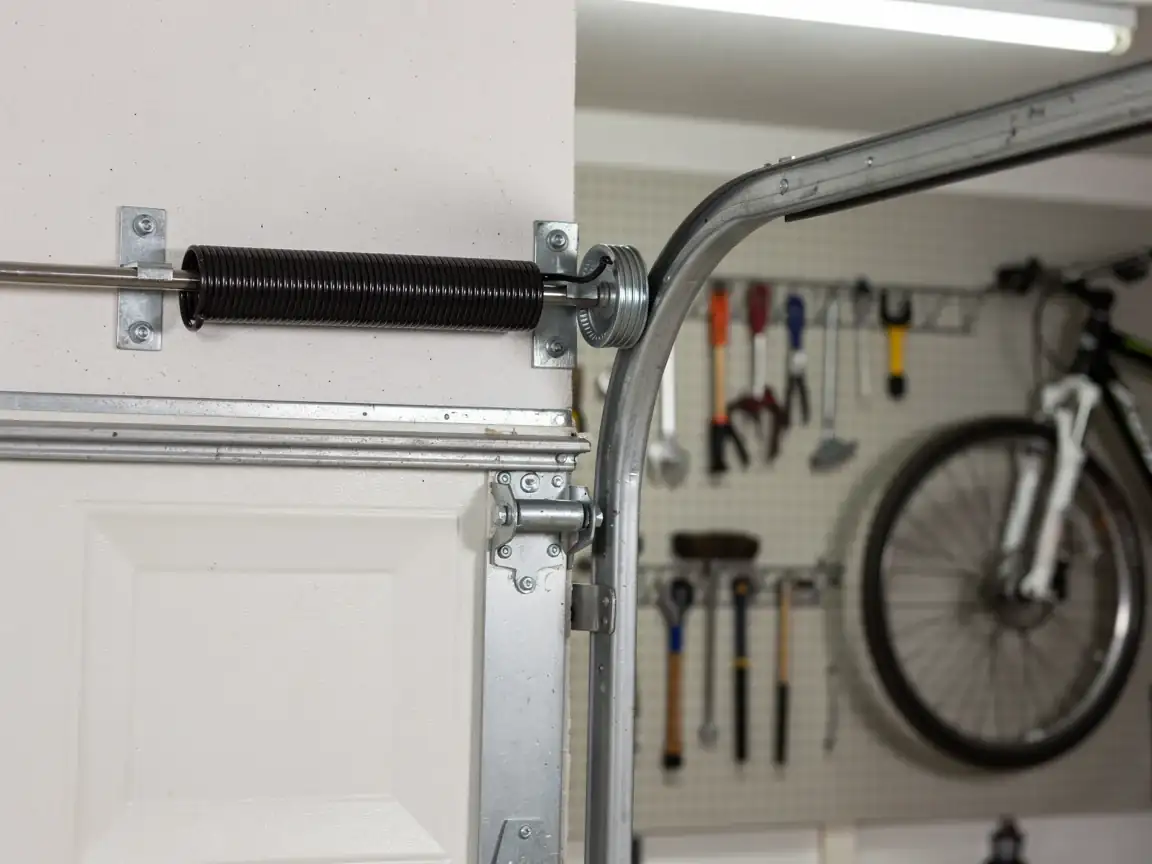
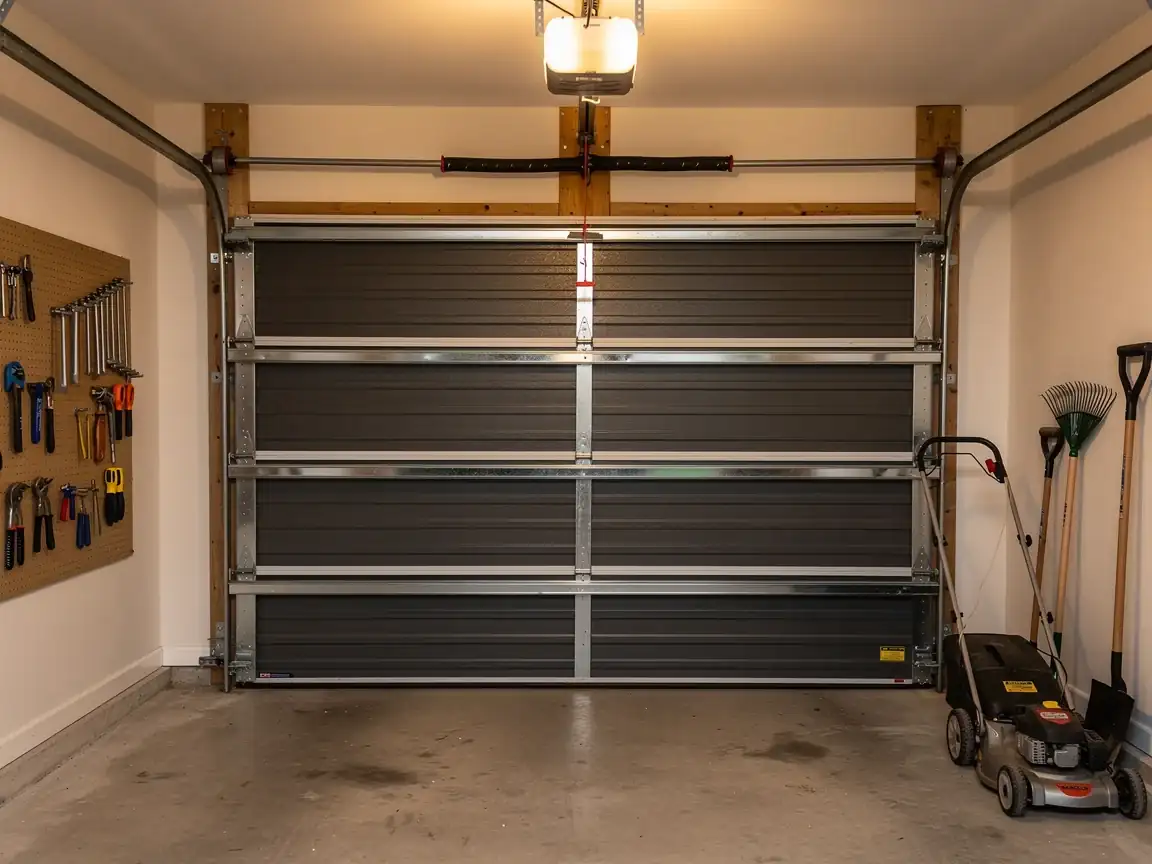
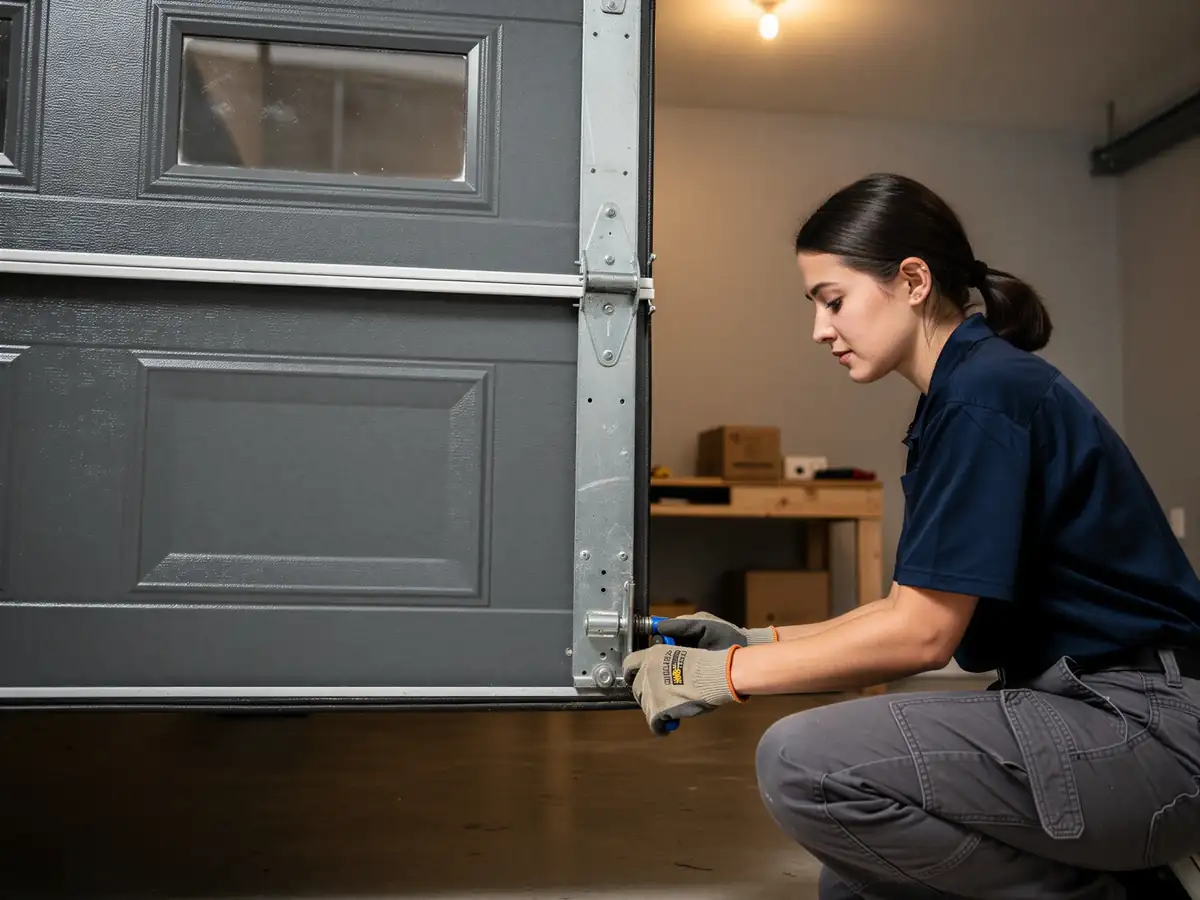
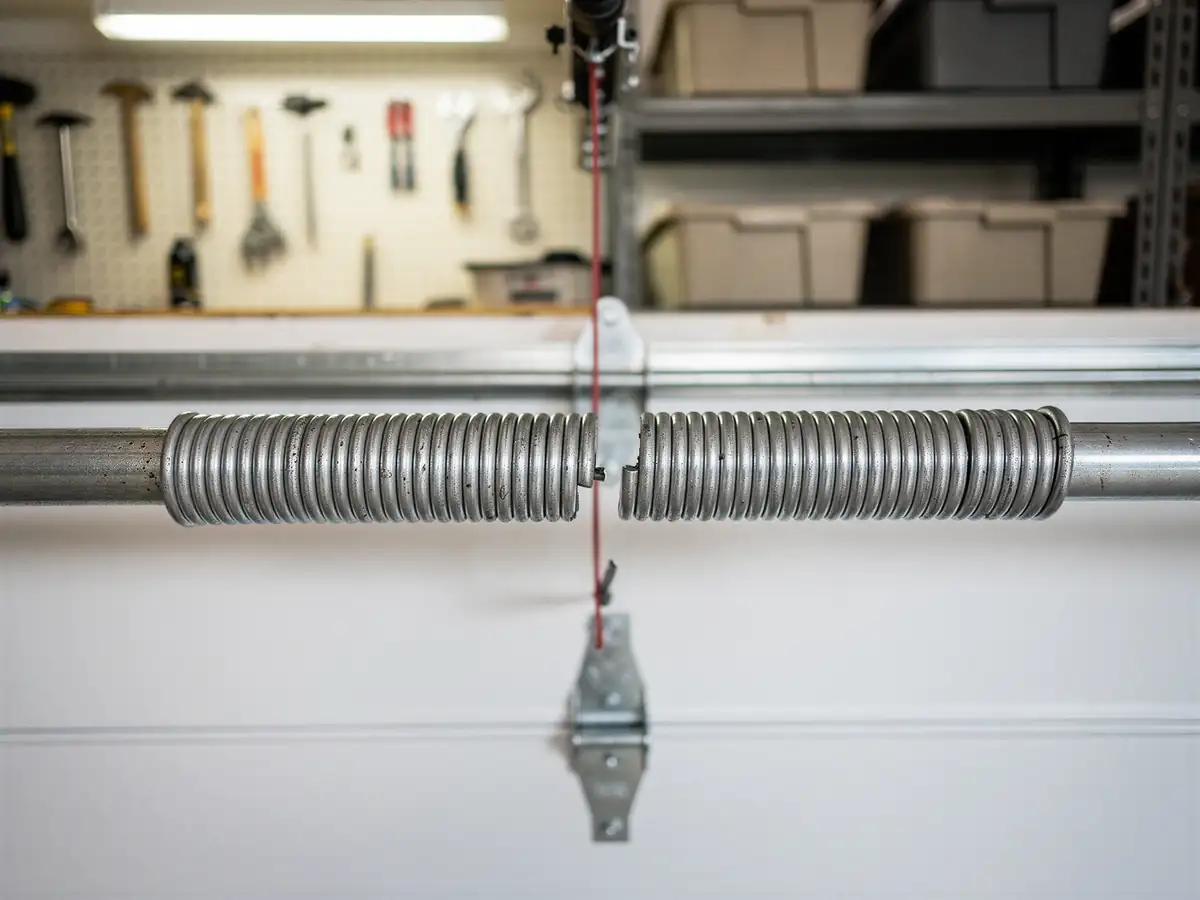
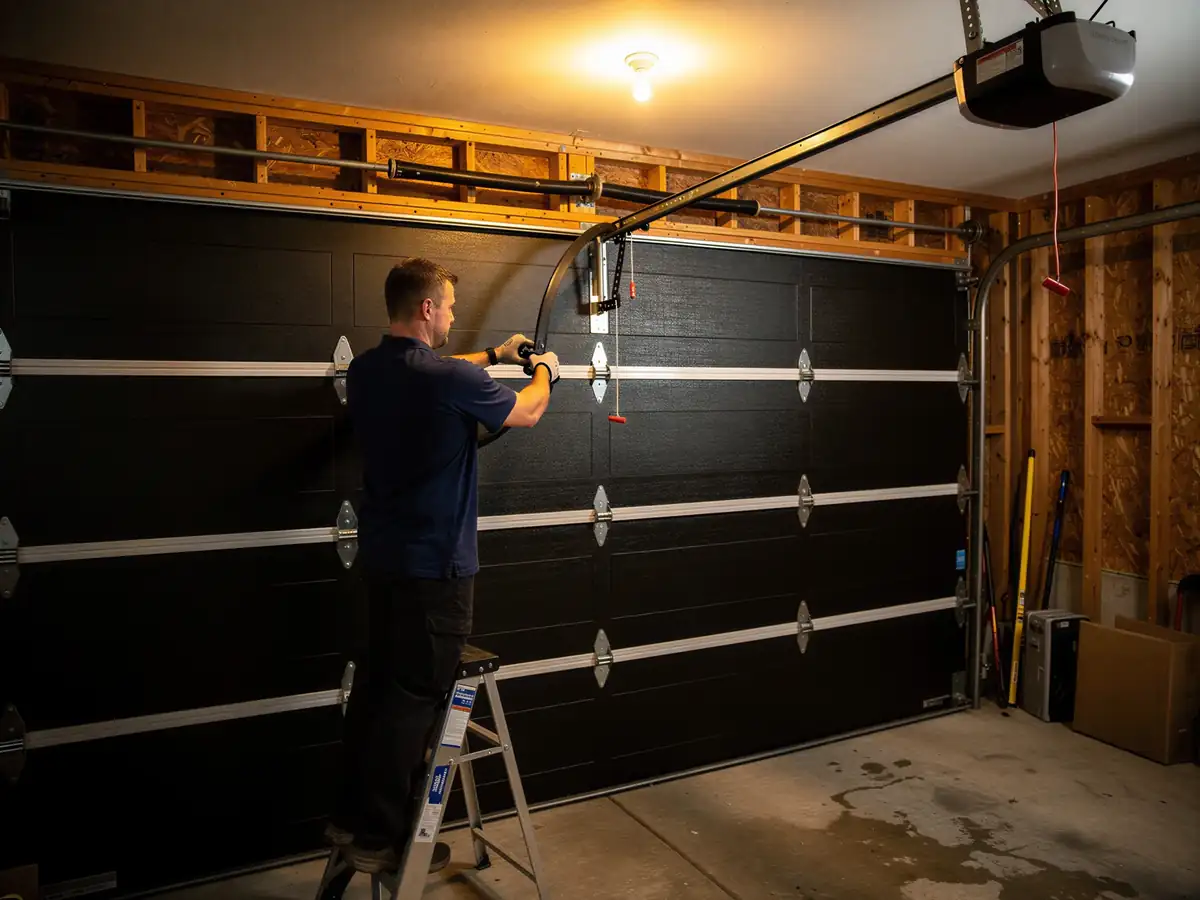
First we check what's actually there before we touch the new unit: rail condition, header strength, whether the door itself is balanced on its springs. An opener fighting an unbalanced door burns itself out early no matter how good the motor is, and that's a separate problem from the one you called about. Then we match the opener's horsepower and drive type to the actual door weight, not to whatever was on the wall before.
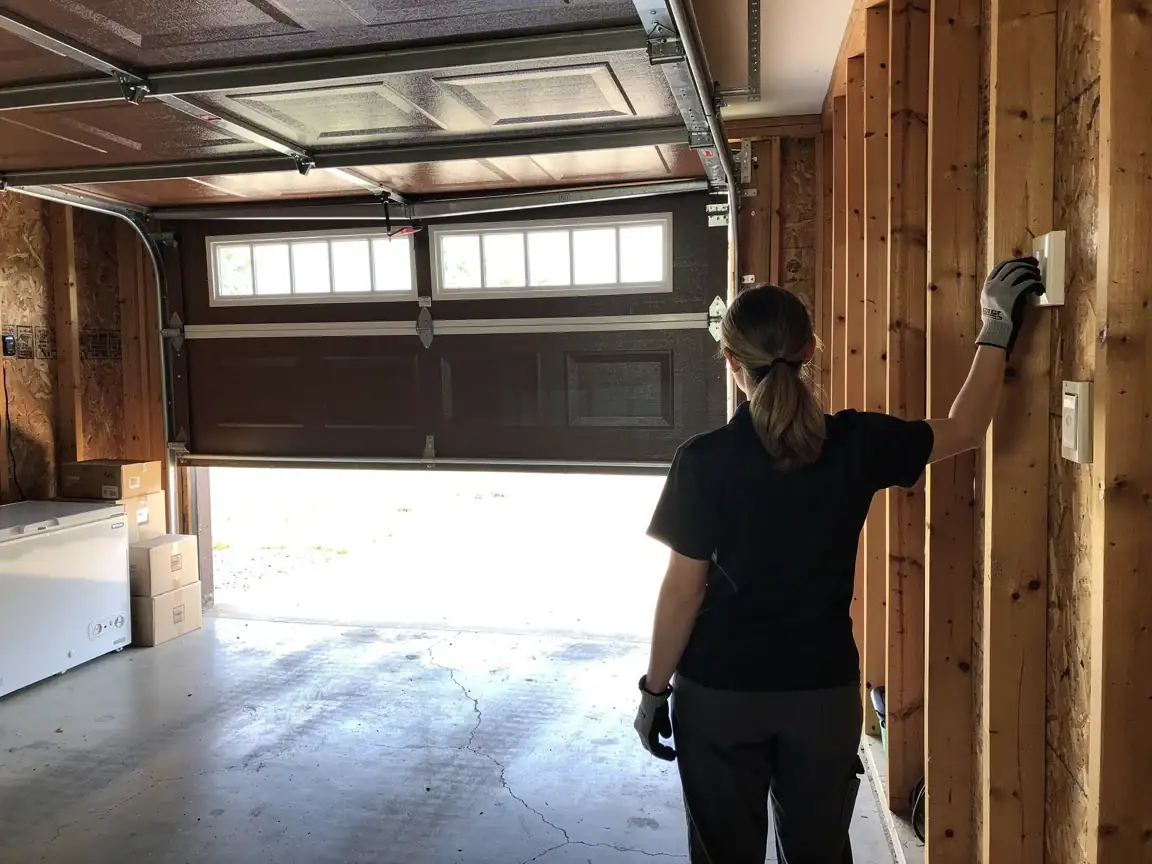
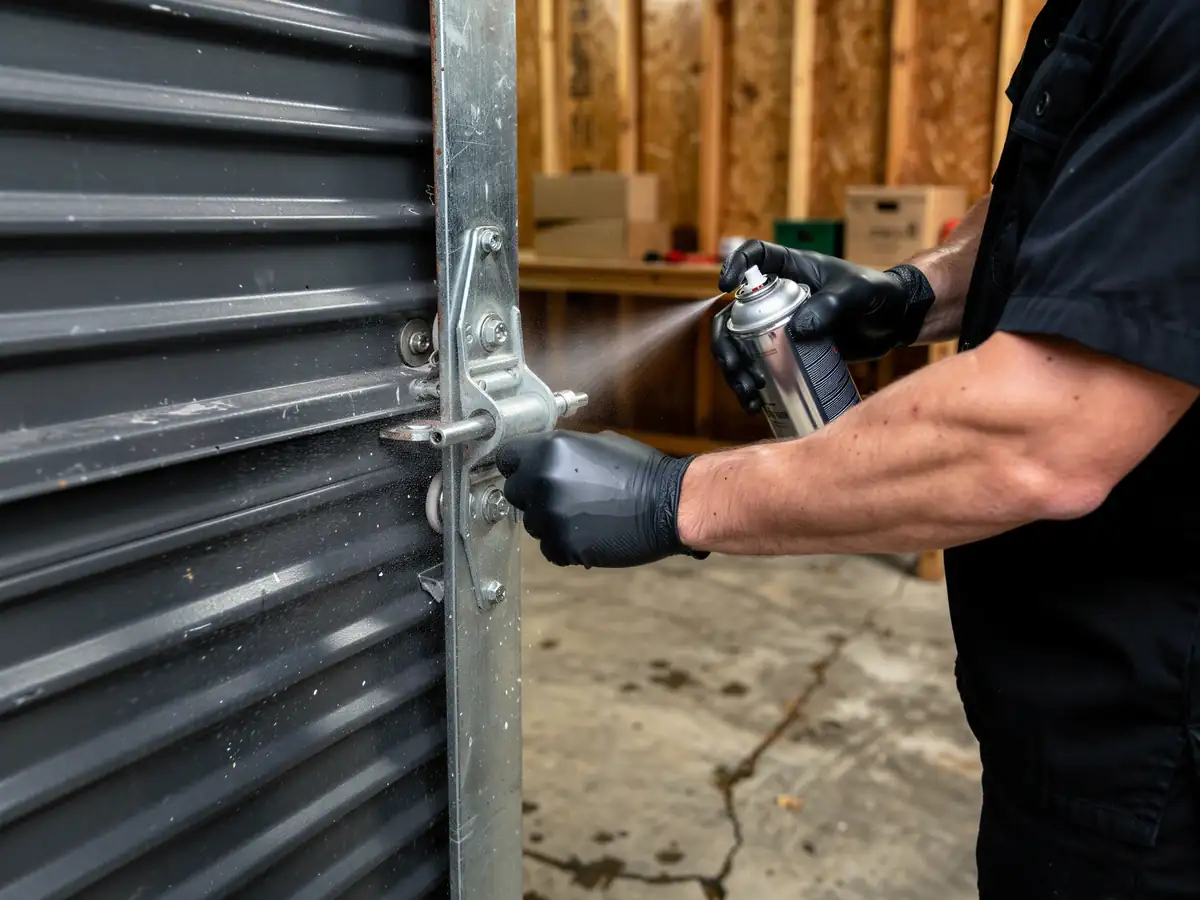
For homes in this part of the service area, built mostly in the 1950s-through-80s range, we pay particular attention to the header mount, since older framing sometimes needs a reinforcement plate before a heavier belt-drive unit can hang safely. We set travel limits and force settings by hand and test the reversal response before we leave, not just by eye but by running the auto-reverse test on a solid object. If the existing rail is bent or pitted, we replace it rather than bolt a new motor to old metal - that's the one shortcut we won't take, because it's the part most likely to come back as a safety call later.
What Causes It Around Here
The service area runs through a cold climate band with real winter load on hardware
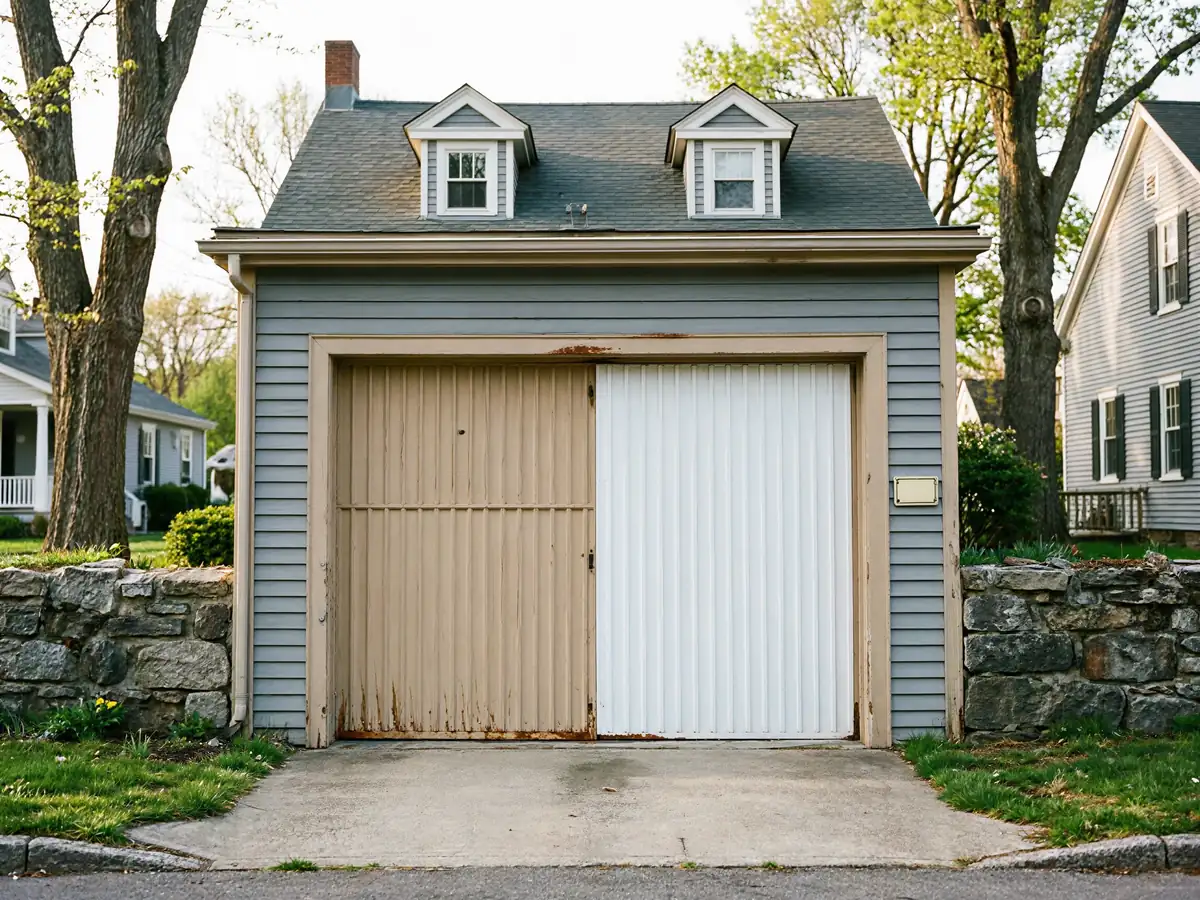
And Lawson Heights sits inside housing stock that's mostly pre-1960 across the wider area, with this neighborhood's own median build year landing right around 1960 - slightly newer than many of the 53 named areas nearby, but still old enough that most openers running today are at least a second or third unit on that door, not the original. Cold temperature swings stiffen chain tension and make older springs feel tighter in January, which puts more draw on an opener motor than it sees in July.
Combine that seasonal load with hardware that's been added to and patched over decades
And openers here tend to fail at the control board or the gear, not the motor housing. We don't see much rust-through on openers this far from the house's structural age - the climate here is cold, not wet enough to rot housings the way we'd expect somewhere humid. It's cold stress on moving parts, plus mismatched generations of hardware, that we plan the install around.