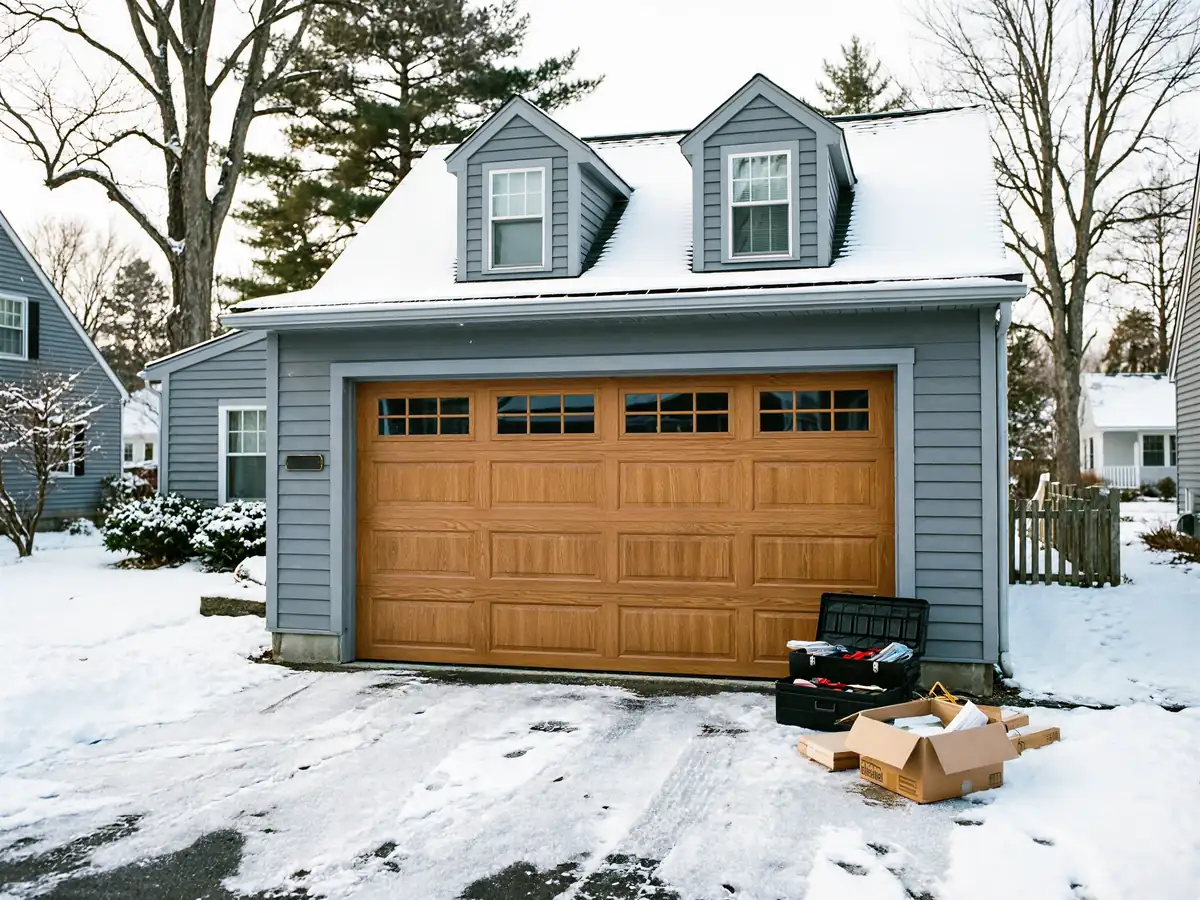
Booking a Visit
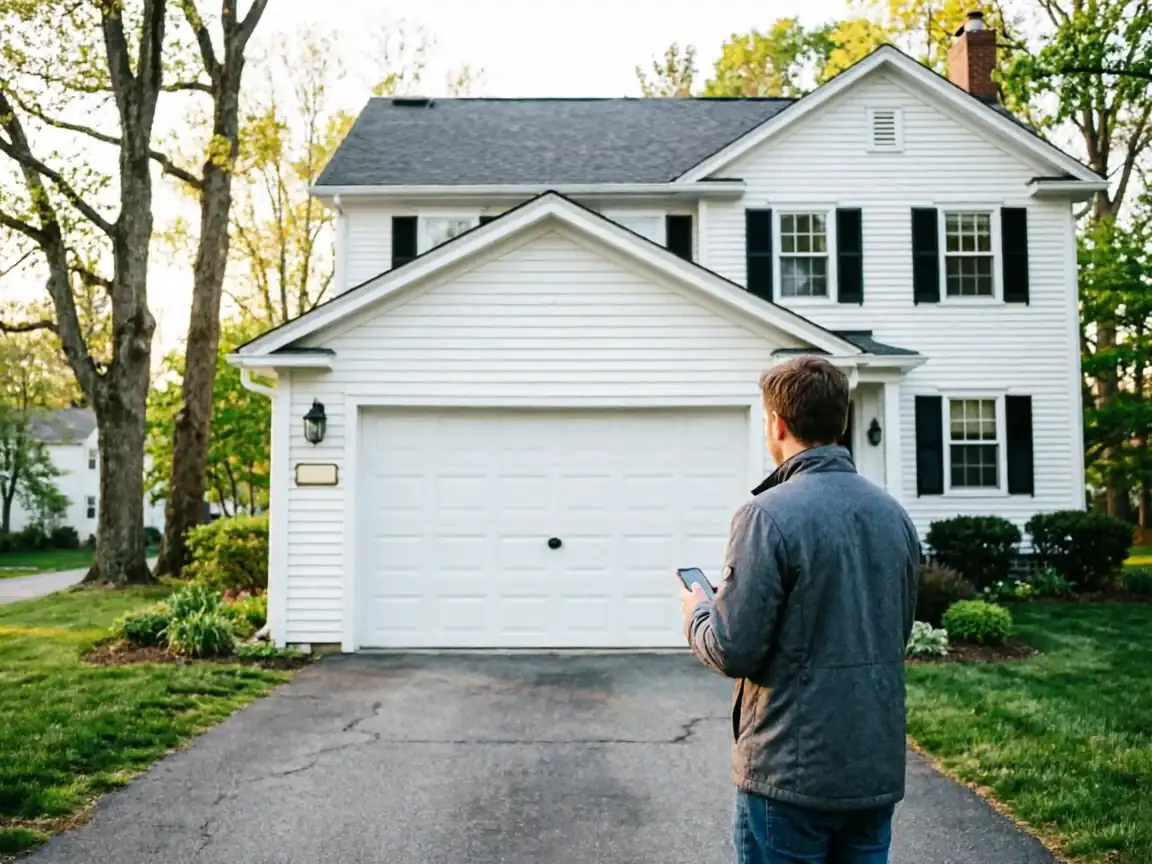
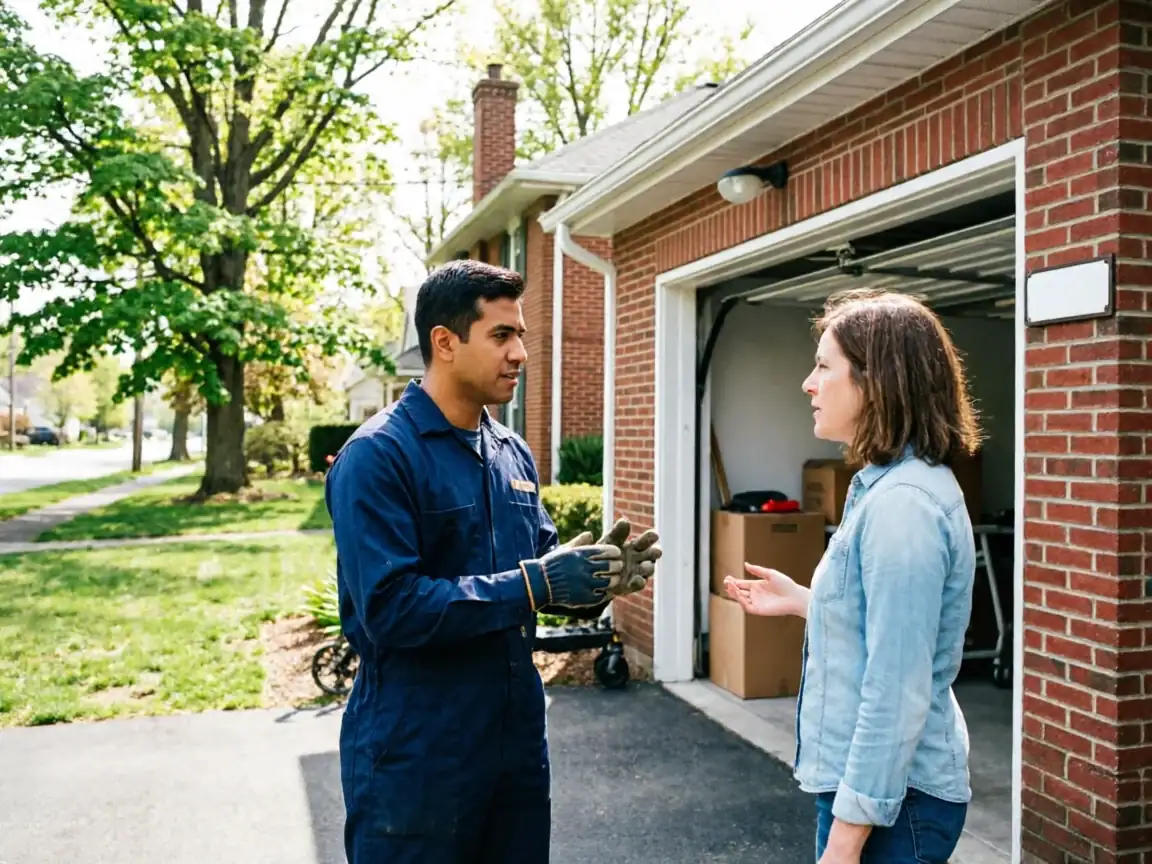
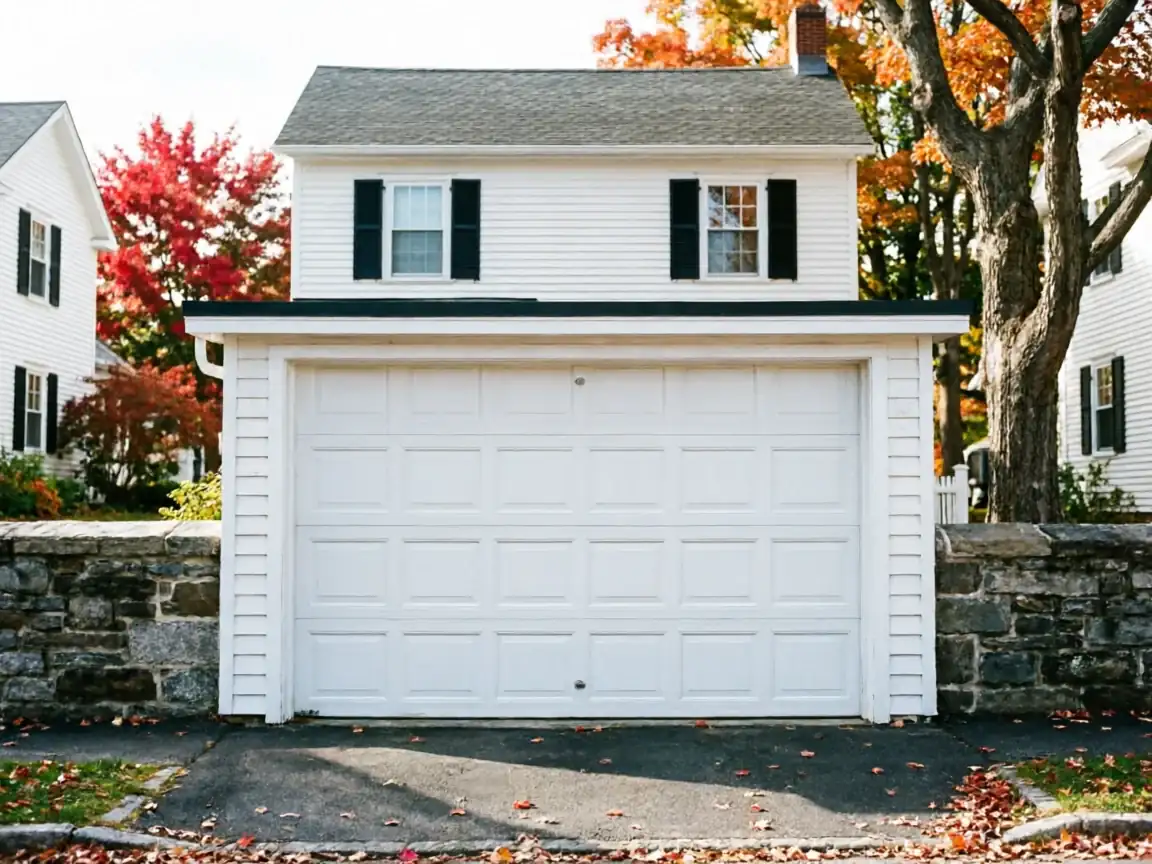
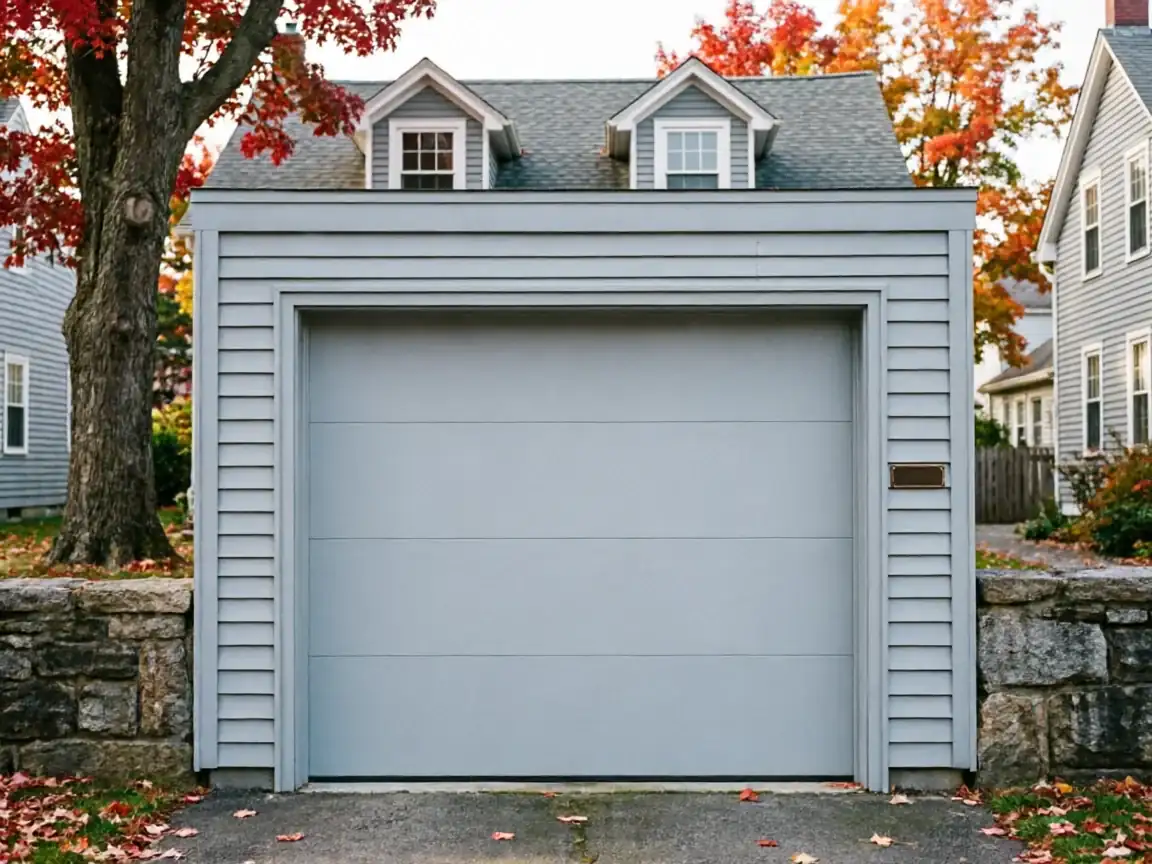
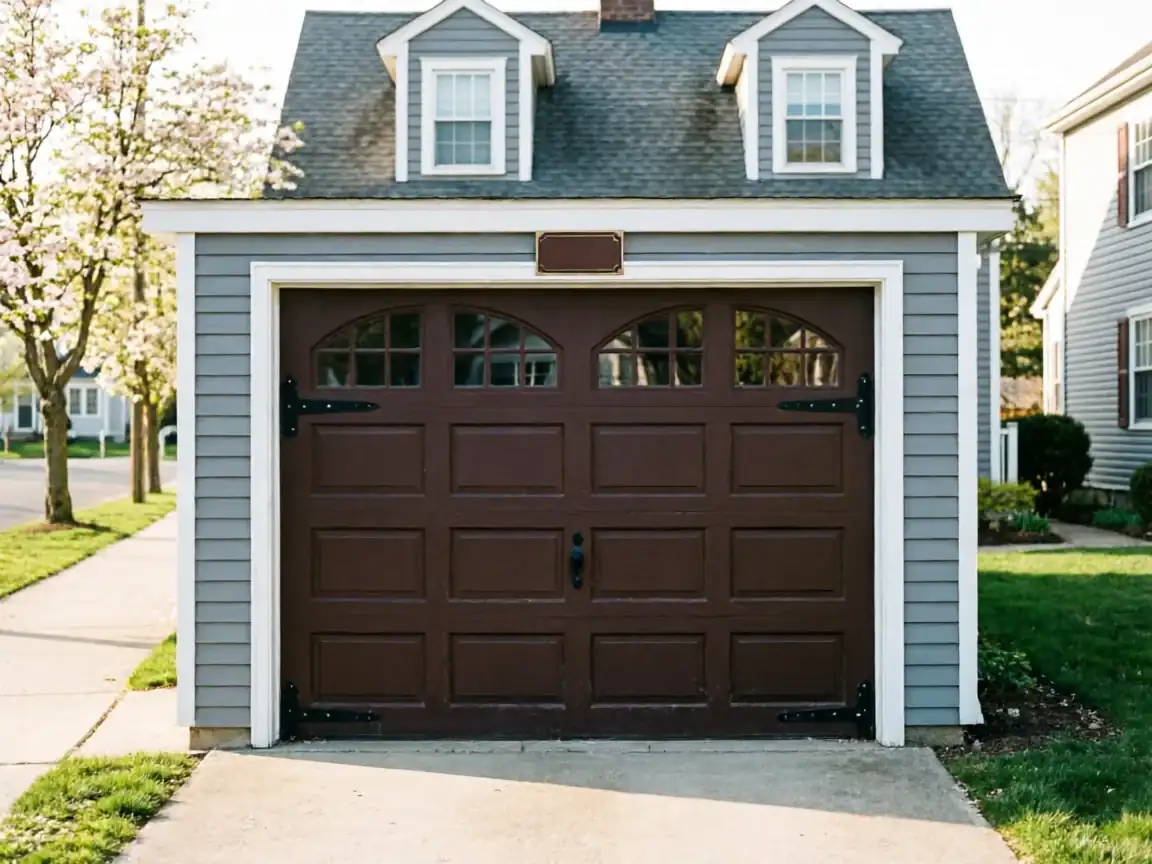
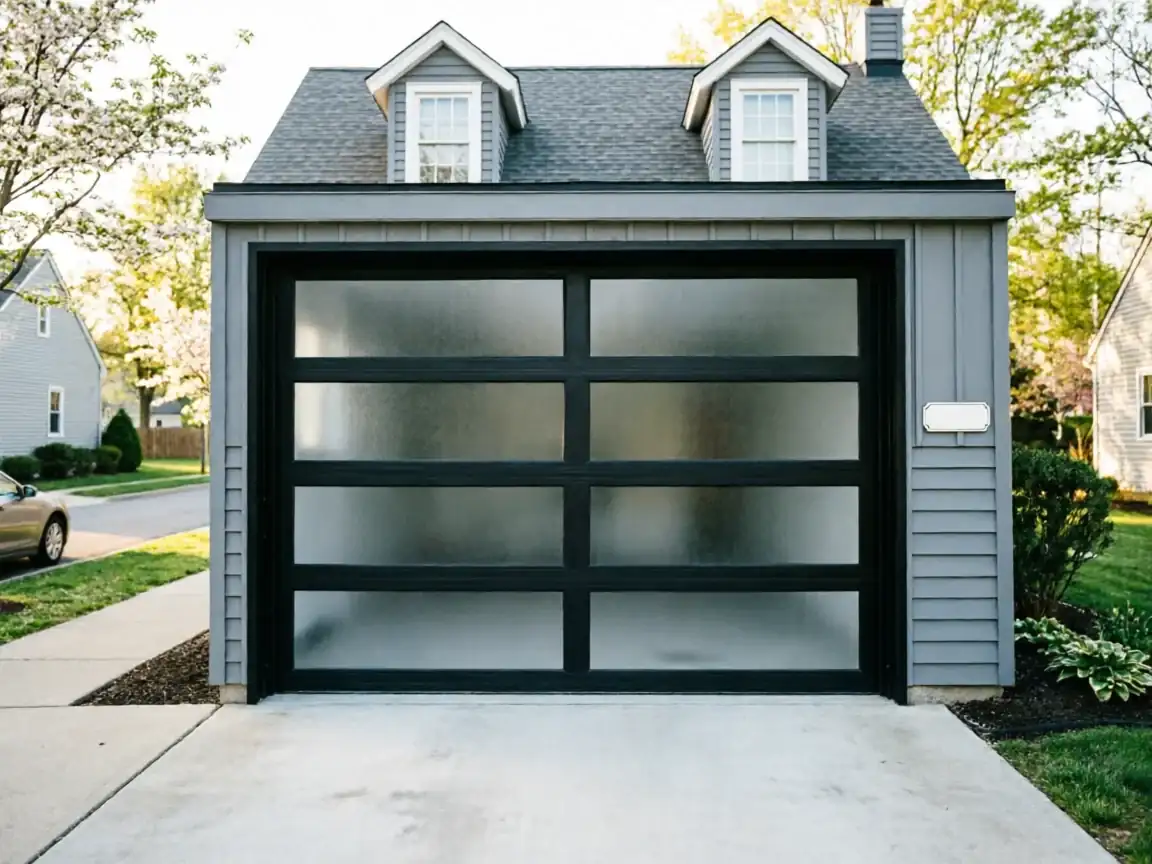
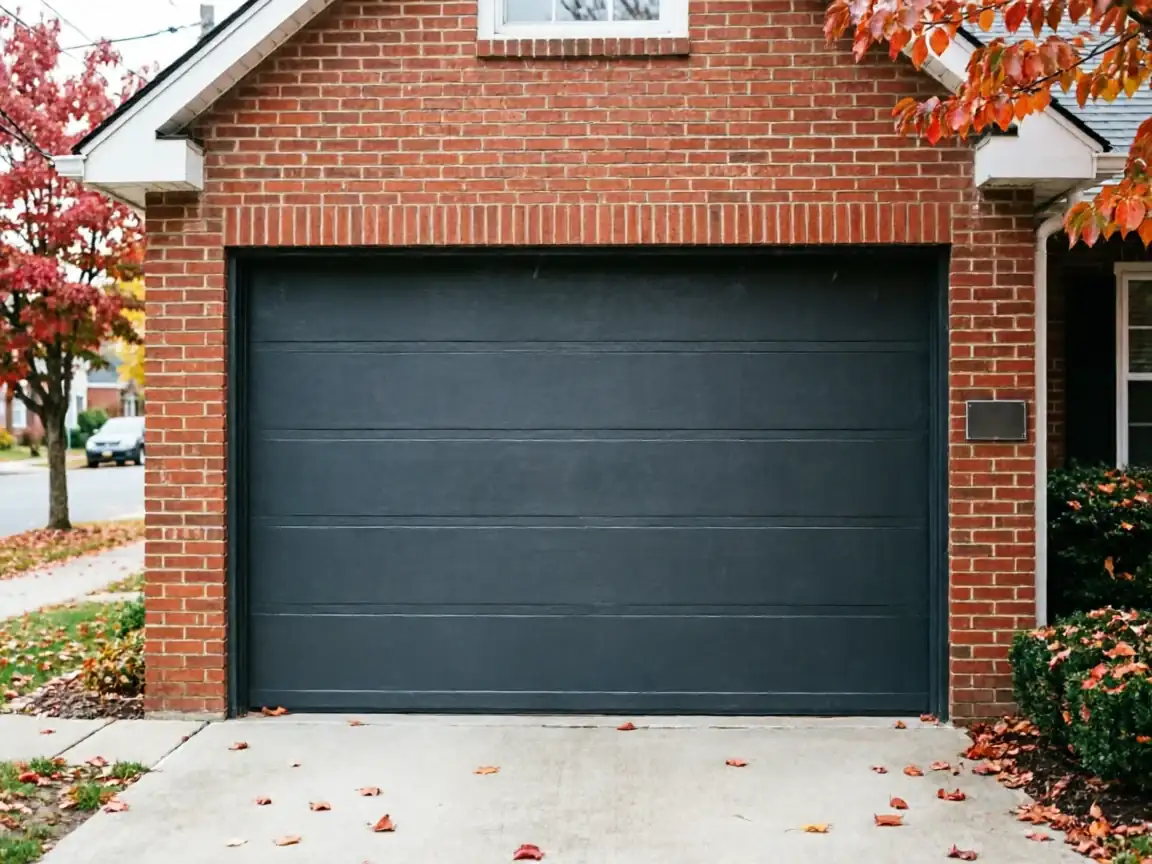
We run out of Greensburg, about 8 miles from Lawson Heights, so a visit here means a scheduled trip, not a drop-in. That's fine for a new install - this isn't an emergency call, it's a planned job, and planned jobs are where we do our best measuring and ordering. When you call, tell us the rough age of the house and whether the door is a single or double bay. Houses in this pocket tend to date to around 1960, which usually means a 16x7 or two 9x7 openings framed to older lumber dimensions, and we'll bring the right jamb hardware instead of guessing on site. We'll set a date, confirm the opening size with you or a quick measurement, and order the door ahead of the visit so the truck isn't idle waiting on a panel. Link to the area page below if you want to see what else we cover out this way, and the main installation page if you're comparing this job against what Greensburg itself pays. area install
What Can Go Wrong
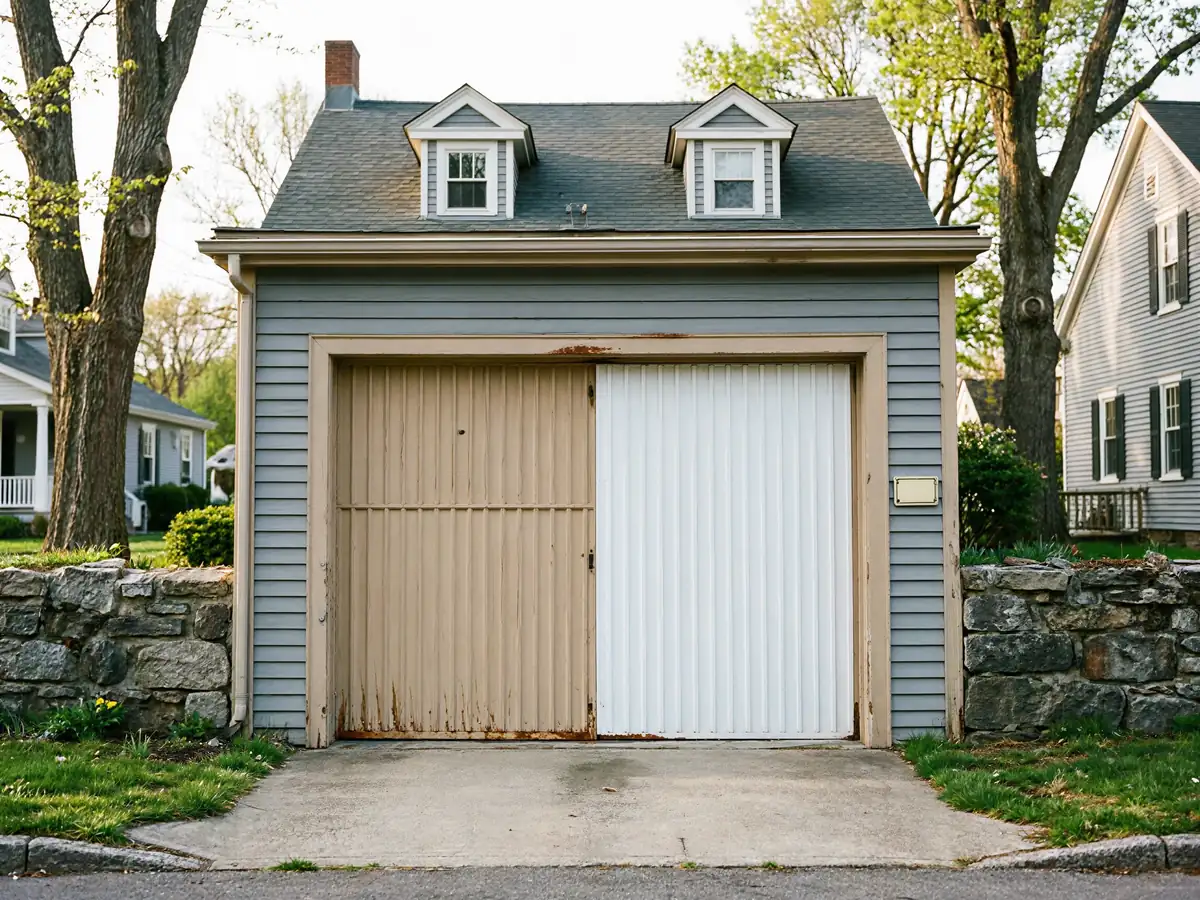
On a house built around 1960, the most common surprise isn't the door panel, it's the track and jamb behind it. Framing from that era is often a half-inch or more off true, and a new standard-width door won't sit flush without shimming the vertical track or re-squaring the header. We also see old single-layer steel doors with no insulation, which matters here given the cold winters this region gets - a new door without a thermal break won't perform much better than the one it replaced. Opener brackets mounted to original 1960s framing sometimes need a backing plate before a new opener can be hung safely; that's not a flaw in the new unit, it's a mismatch with what's already there. None of this is unusual for houses from this build period, but it does mean the job can run a bit longer than a straight swap in newer construction, and we'd rather tell you that before the truck shows up than after.
How Long It Takes
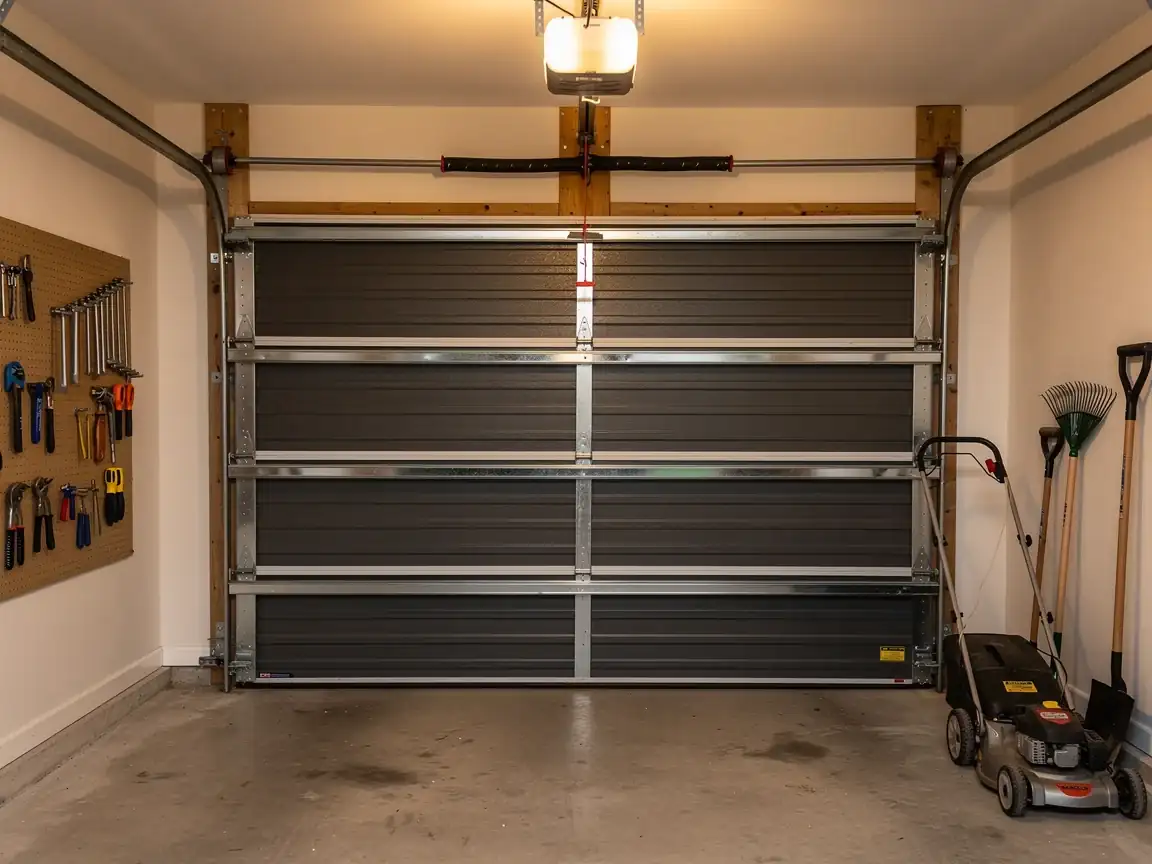
A single-door install on a straightforward 1960-era opening is usually a one-day job once the door and opener are on the truck. Where we run longer is when the jamb needs re-squaring or the header needs a backing plate added for the opener - both of which, as noted above, show up more in this building era than in newer construction. Double doors or two separate single bays add time, mostly because each opening gets its own fit check rather than a single pass. We order the door to the measured opening in advance, so the delay is almost never the part - it's the framing adjustments on site. We'll tell you up front during the estimate if your opening looks like it'll need extra work, rather than discovering it mid-install and running the day long without warning you.
How We Fix It
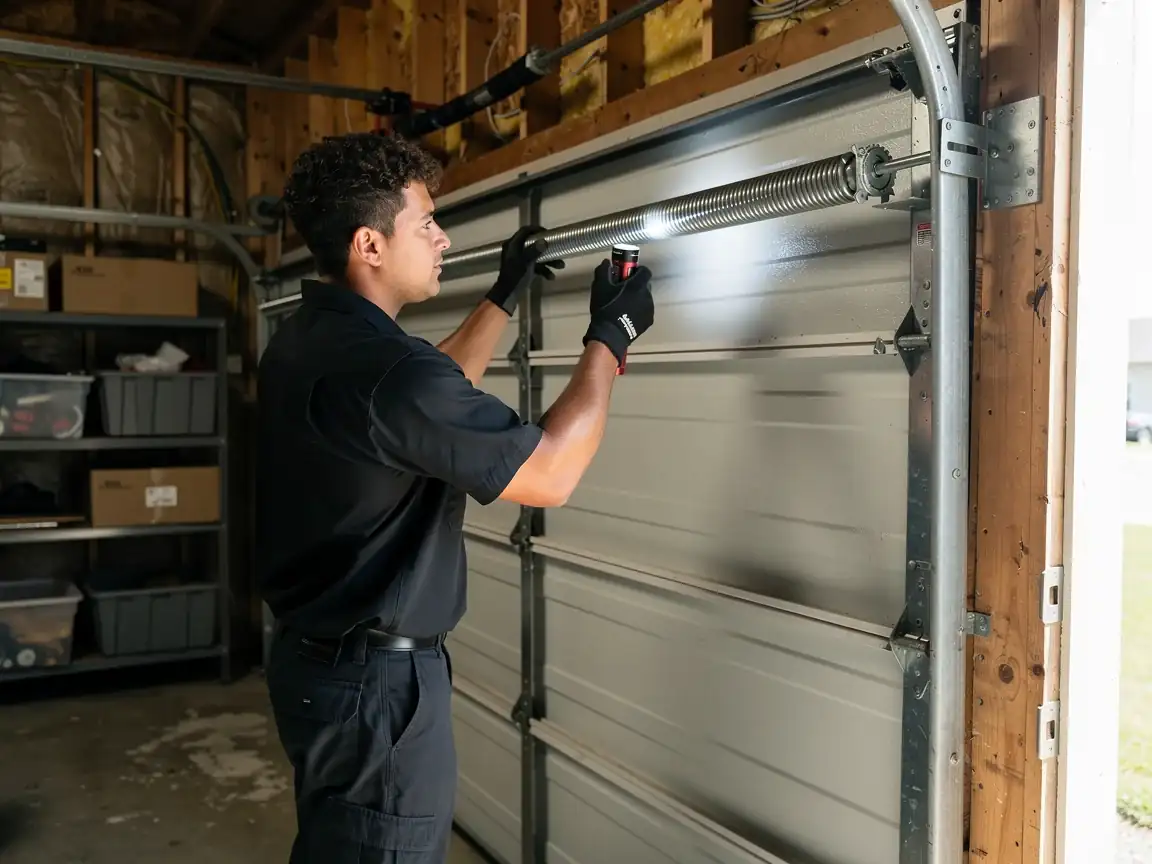
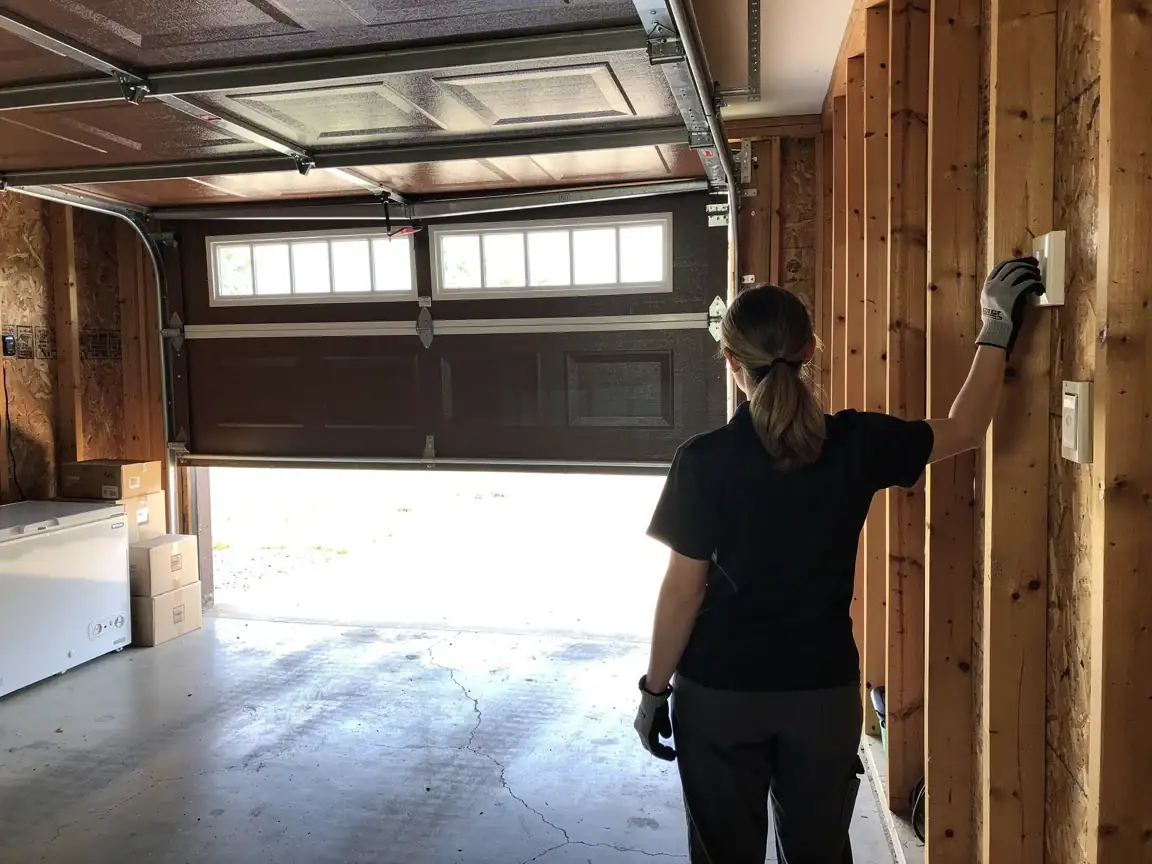
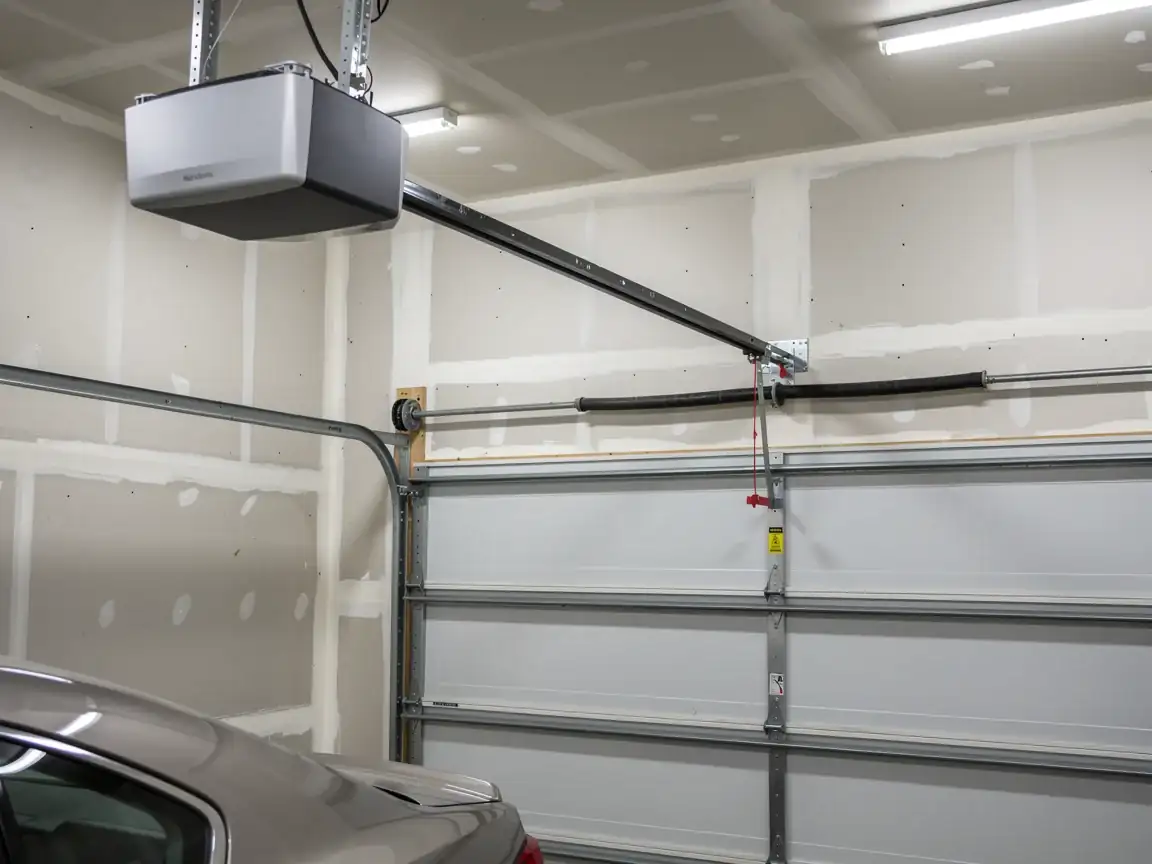
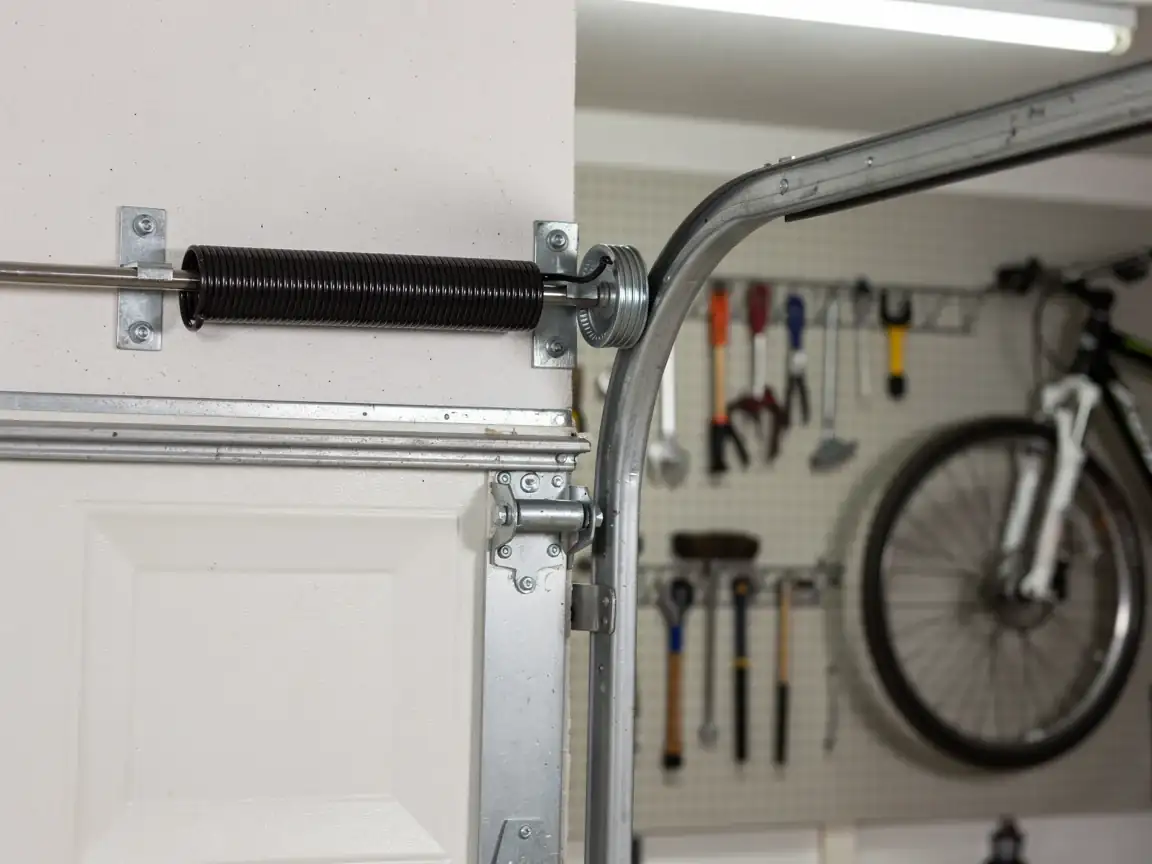
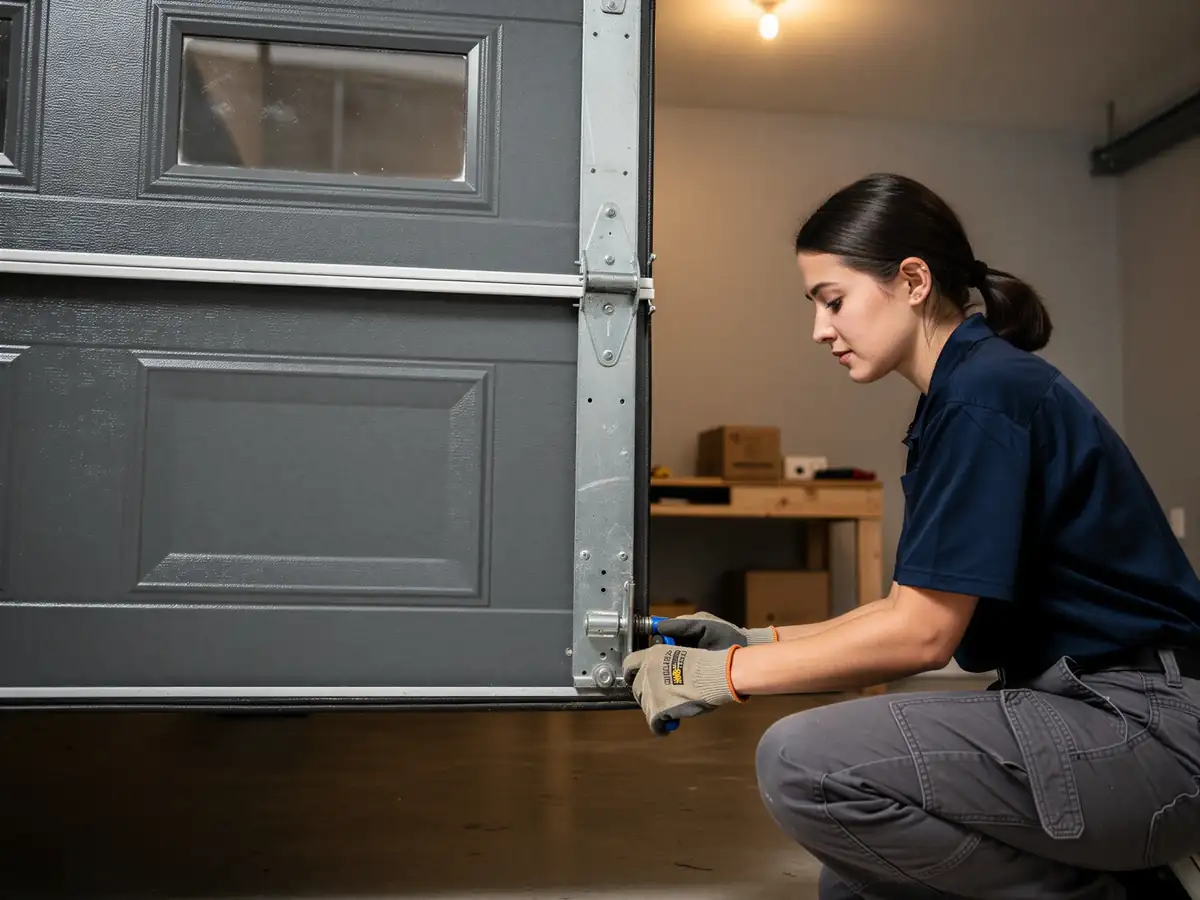
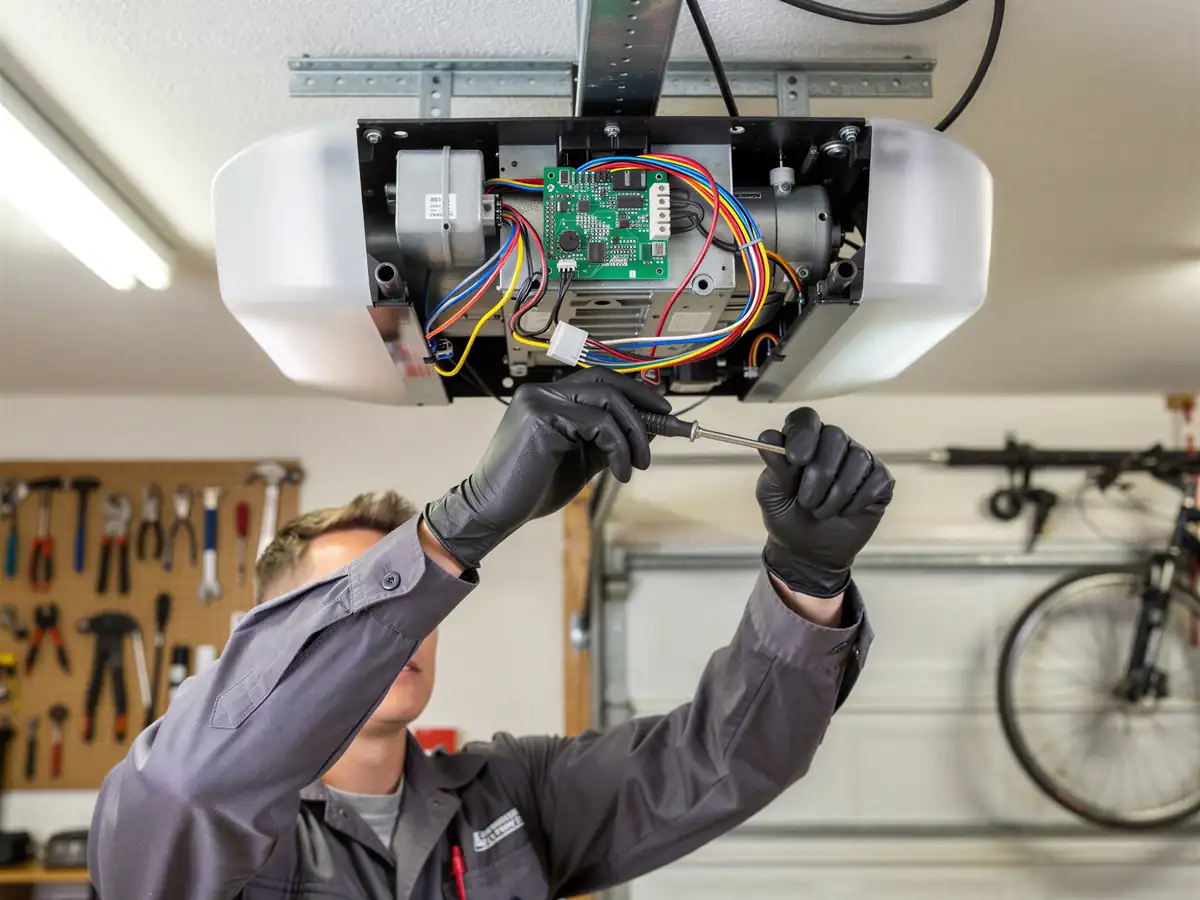
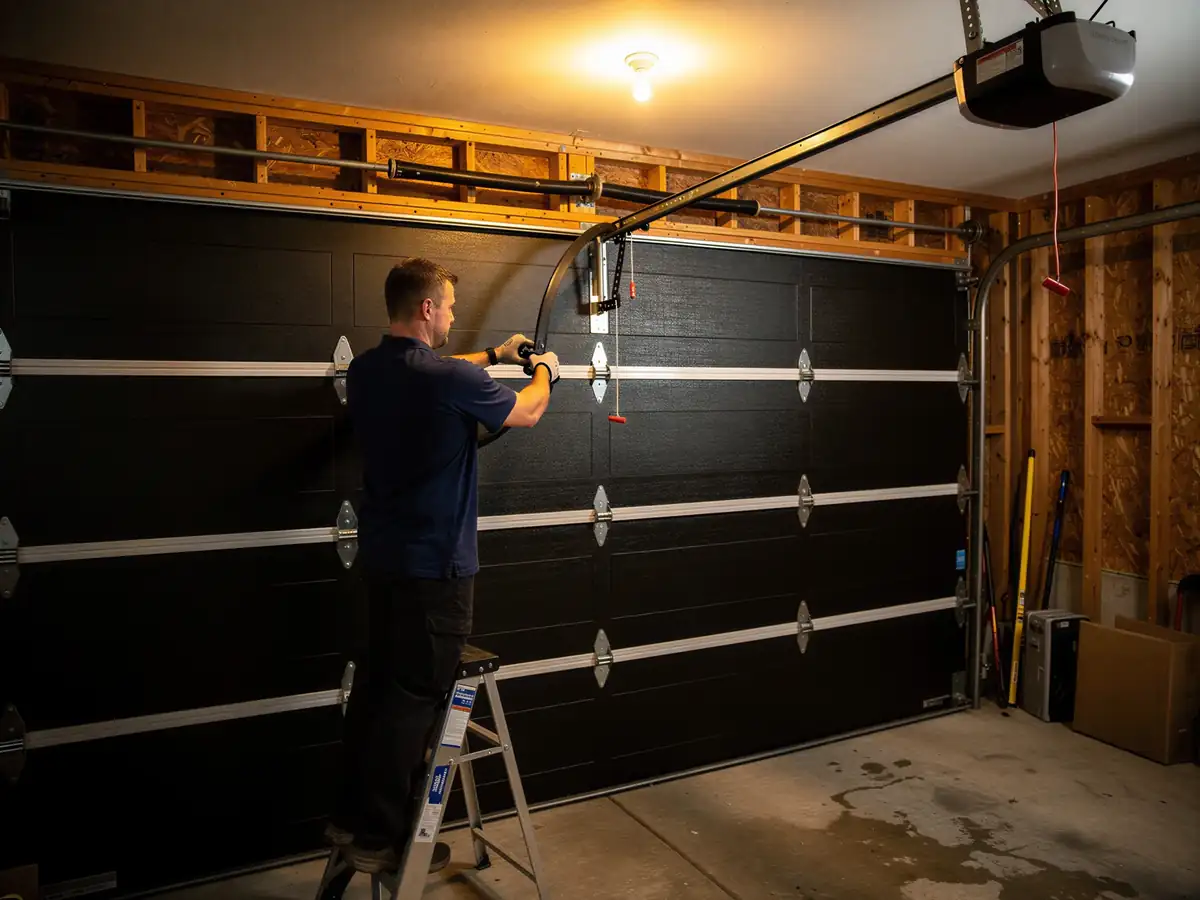
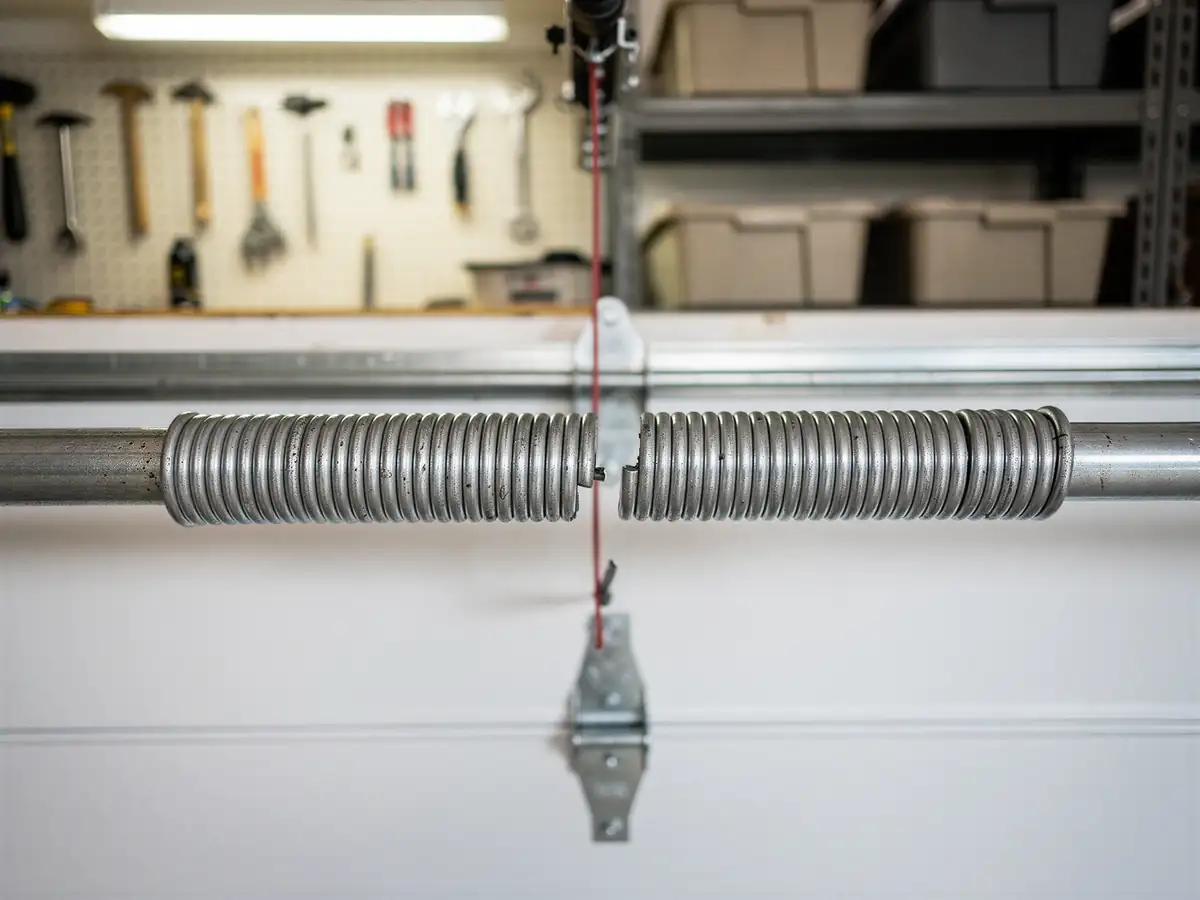
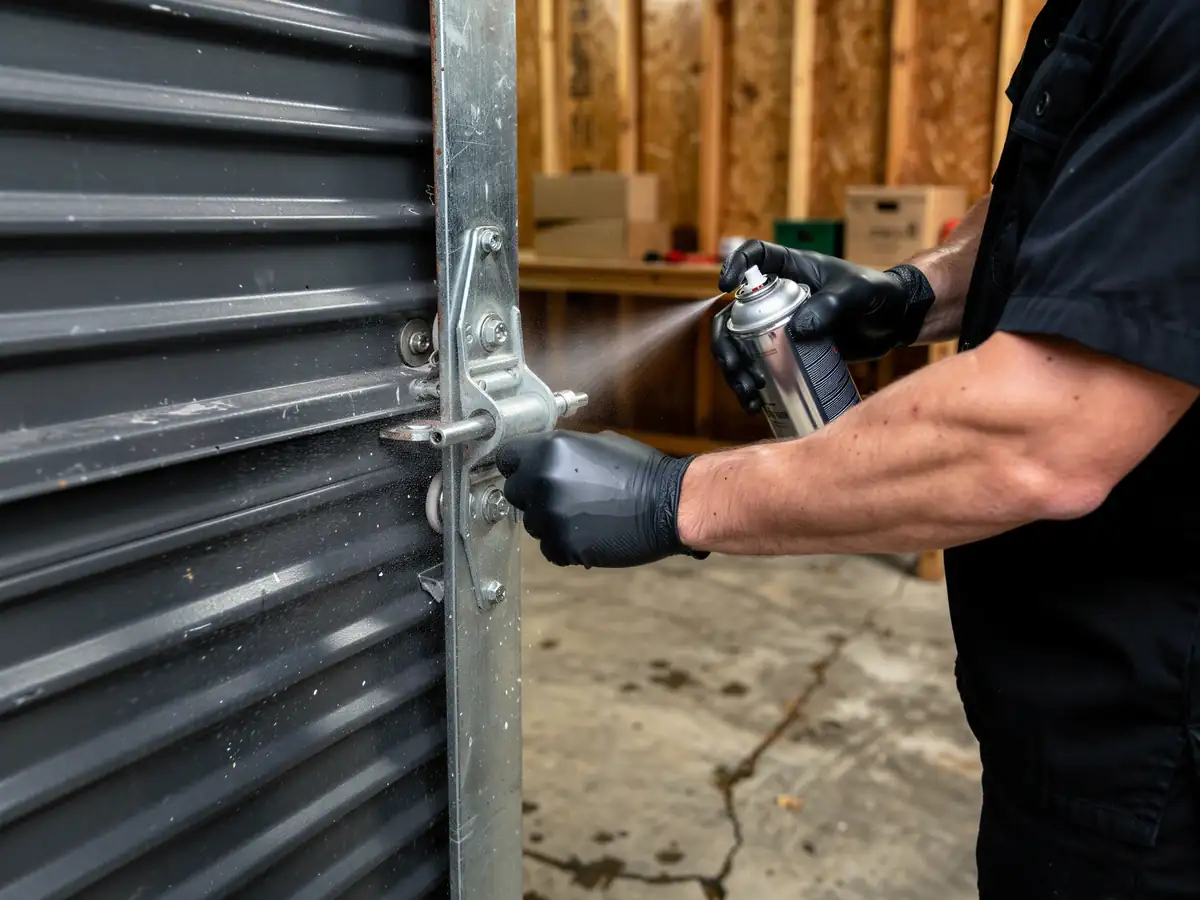
We start by measuring the actual opening, not trusting the nominal size stamped on the old door, since framing from the 1960s often drifted from standard dimensions over sixty-some years of settling. We pull the old door and track, check the jamb for square, and shim or re-shim as needed before the new track goes up - this is the step that gets skipped on a rush job and causes binding six months later. The new door goes in with new rollers and cable sized to the door's actual weight, not a universal kit. If the opener's being replaced too, we mount it to solid backing, which on older framing sometimes means adding a brace first. We test the balance with the door disconnected from the opener before we ever power it up, because an opener fighting an unbalanced door is how springs burn out early. Last step is a full cycle test and a walk-through on the new remote and keypad settings.