Booking a Visit
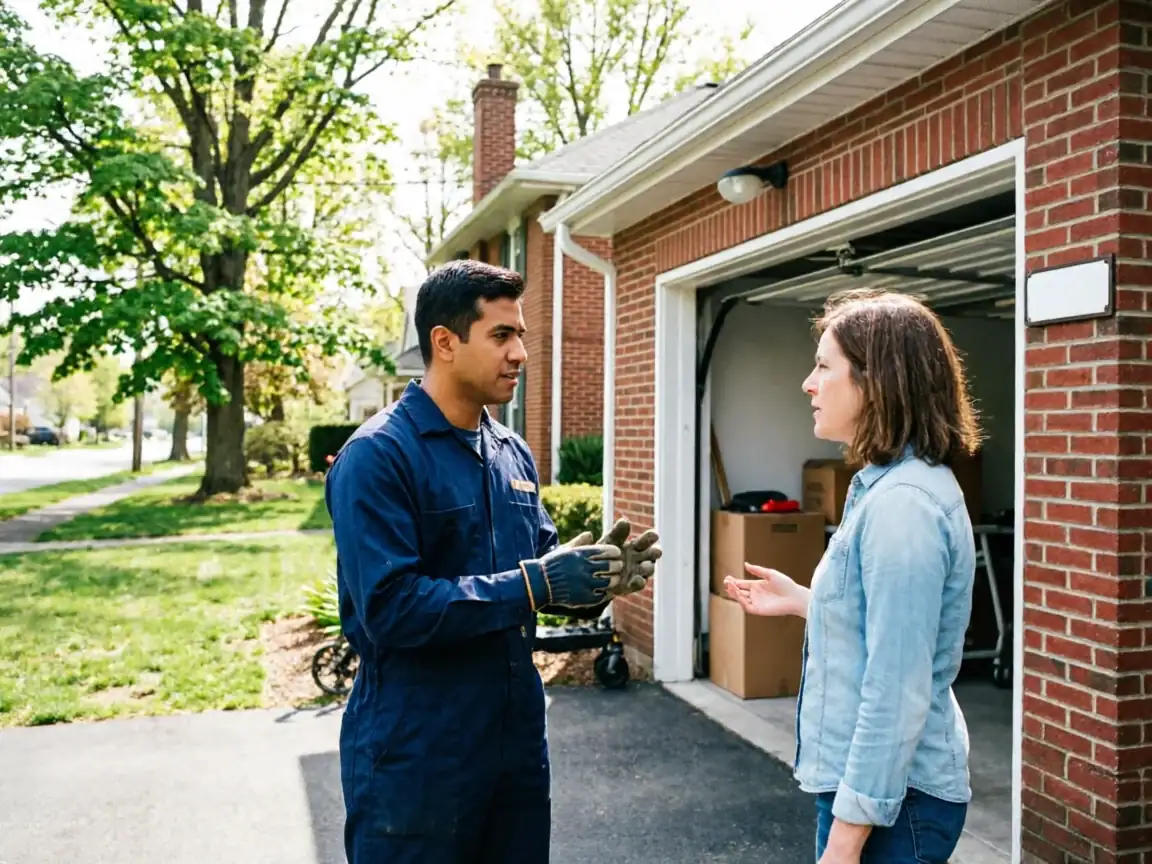
We run out of Greensburg, eight miles from Lawson Heights, so a maintenance visit here gets scheduled, not rushed out the door same-hour. That's the right way to do this work anyway - a tune-up isn't a 911 call, it's a planned look at a door before something breaks on a Saturday morning. Because Lawson Heights sits far enough from our shop that we're not driving past daily, we batch these visits when we can, which usually means booking a few days out rather than same-day. If your door is already off the track or a spring has let go, that's a repair call, not a maintenance one, and we'll say so when you call. For a routine check - tightening hardware, testing balance, lubricating rollers and hinges - tell us your address is in Lawson Heights up front so we can route the truck sensibly and give you an honest window instead of a guess.
We don't keep a branch or drop box out this way. Every visit starts from Greensburg, which is worth knowing if you're hoping for a walk-in look at your door.
What Can Go Wrong
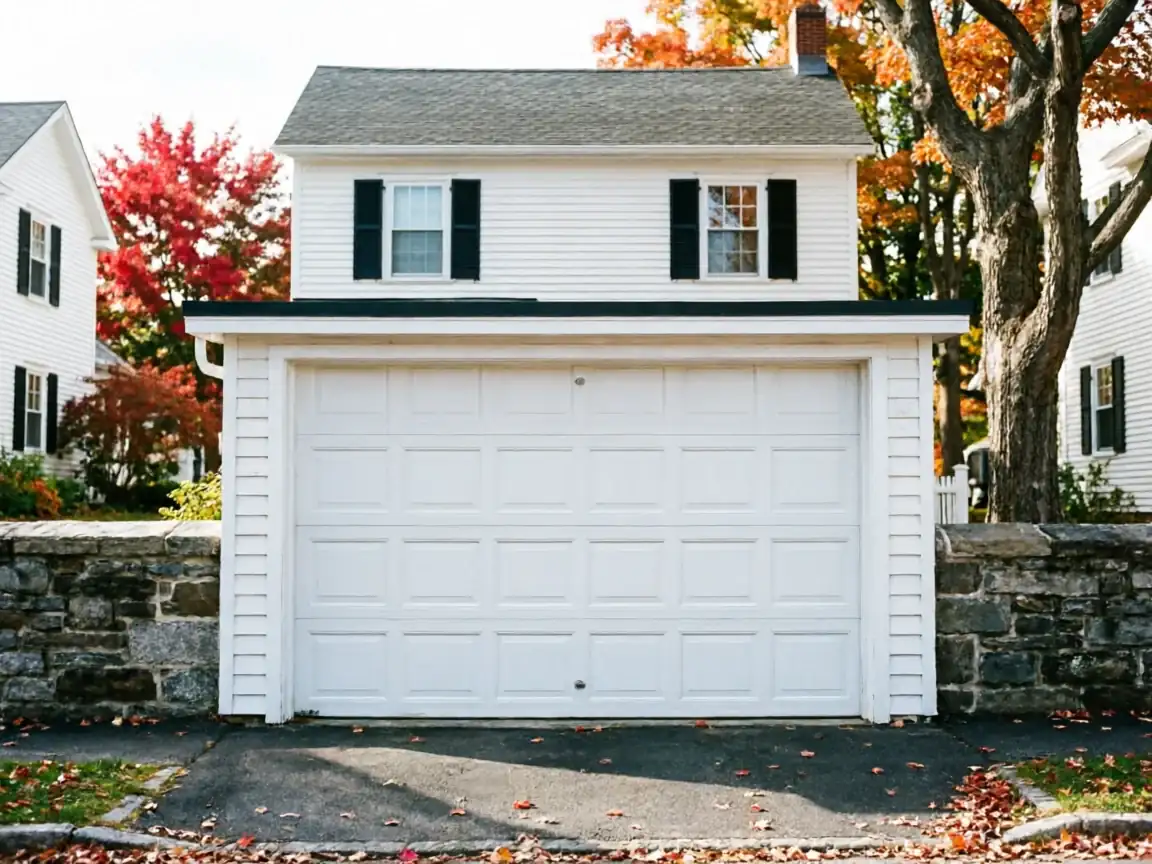
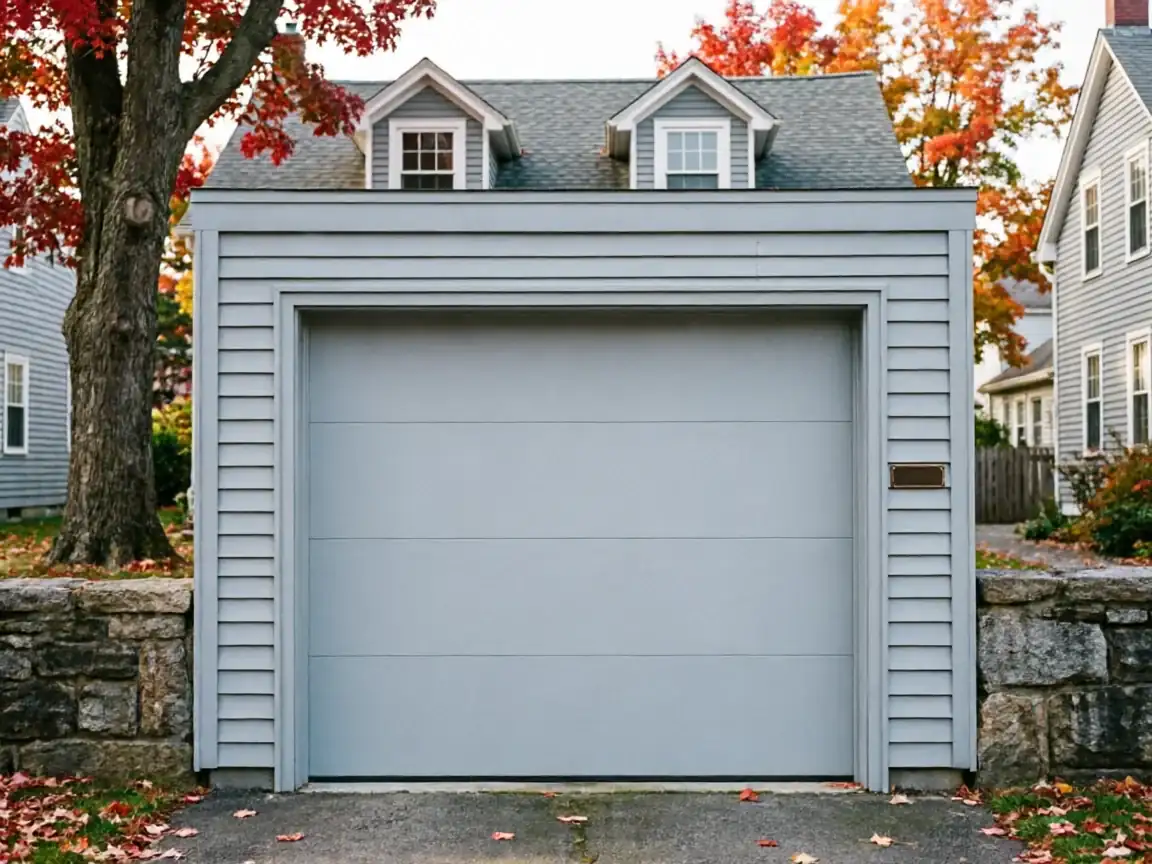
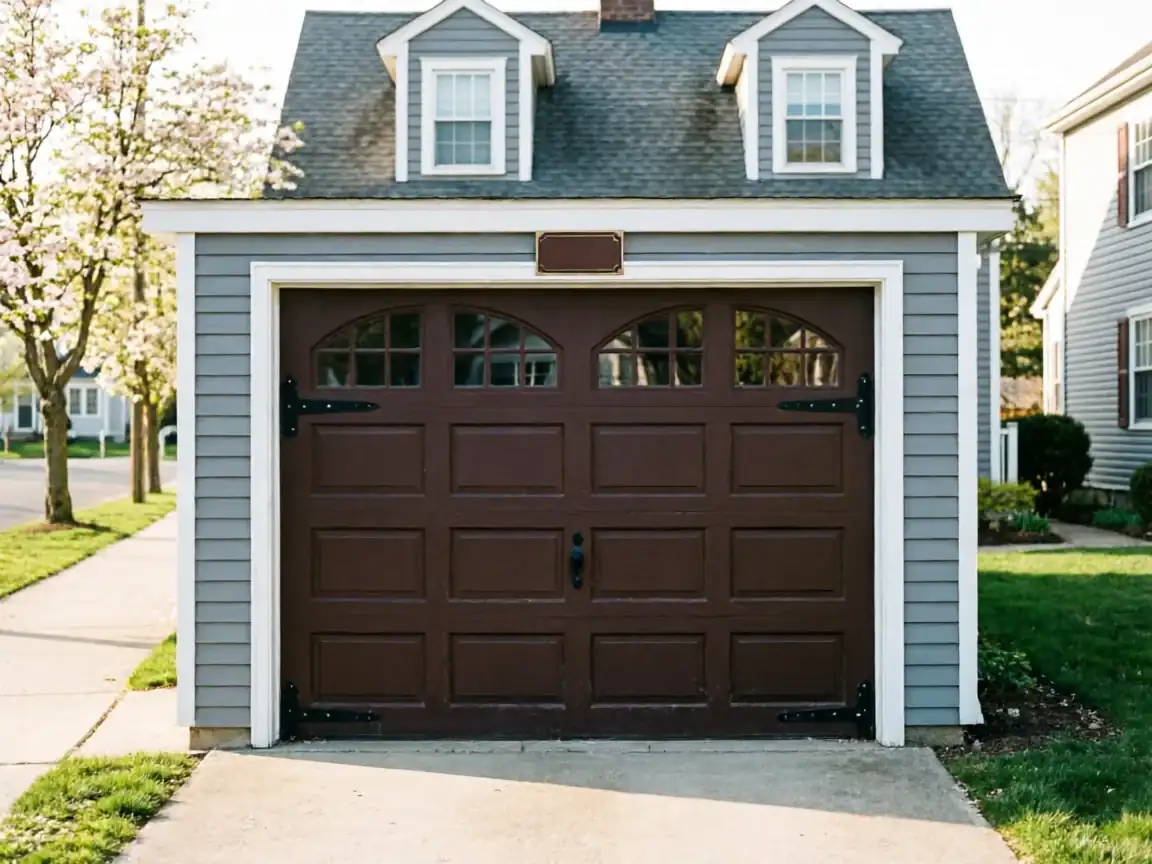
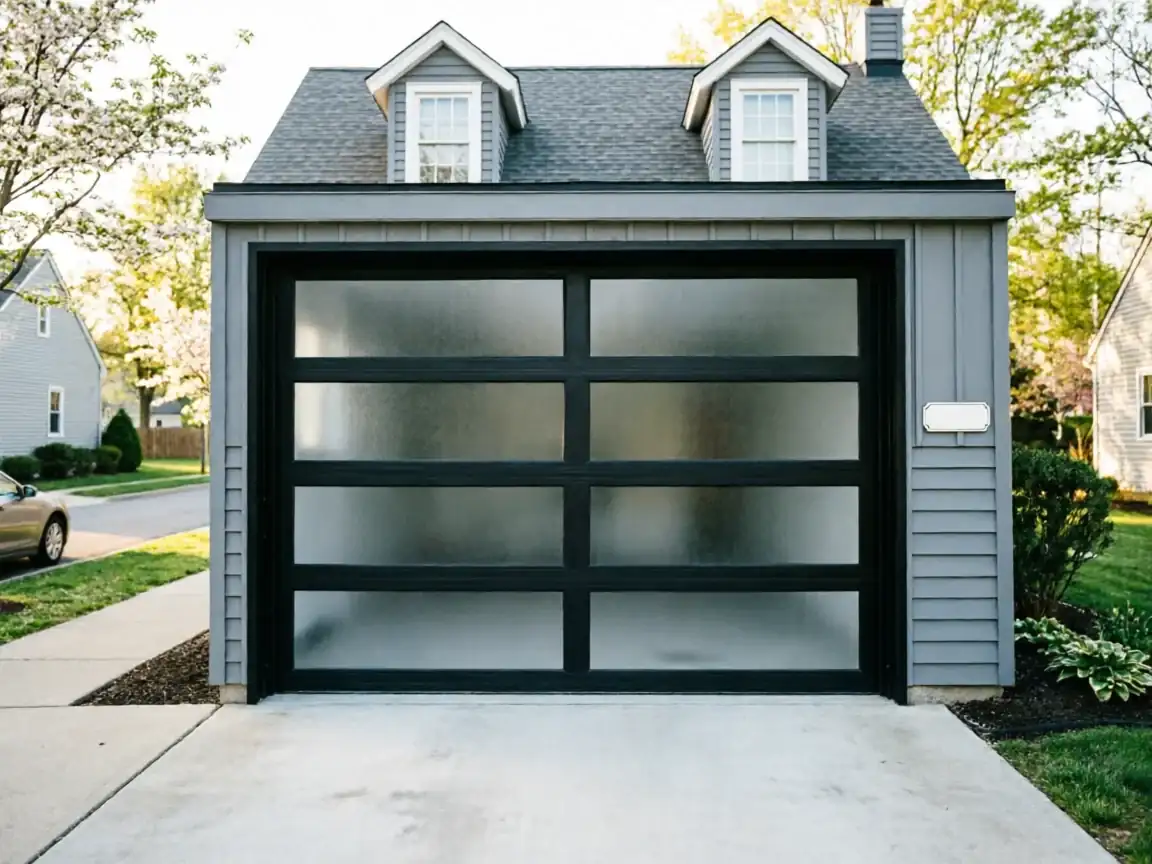
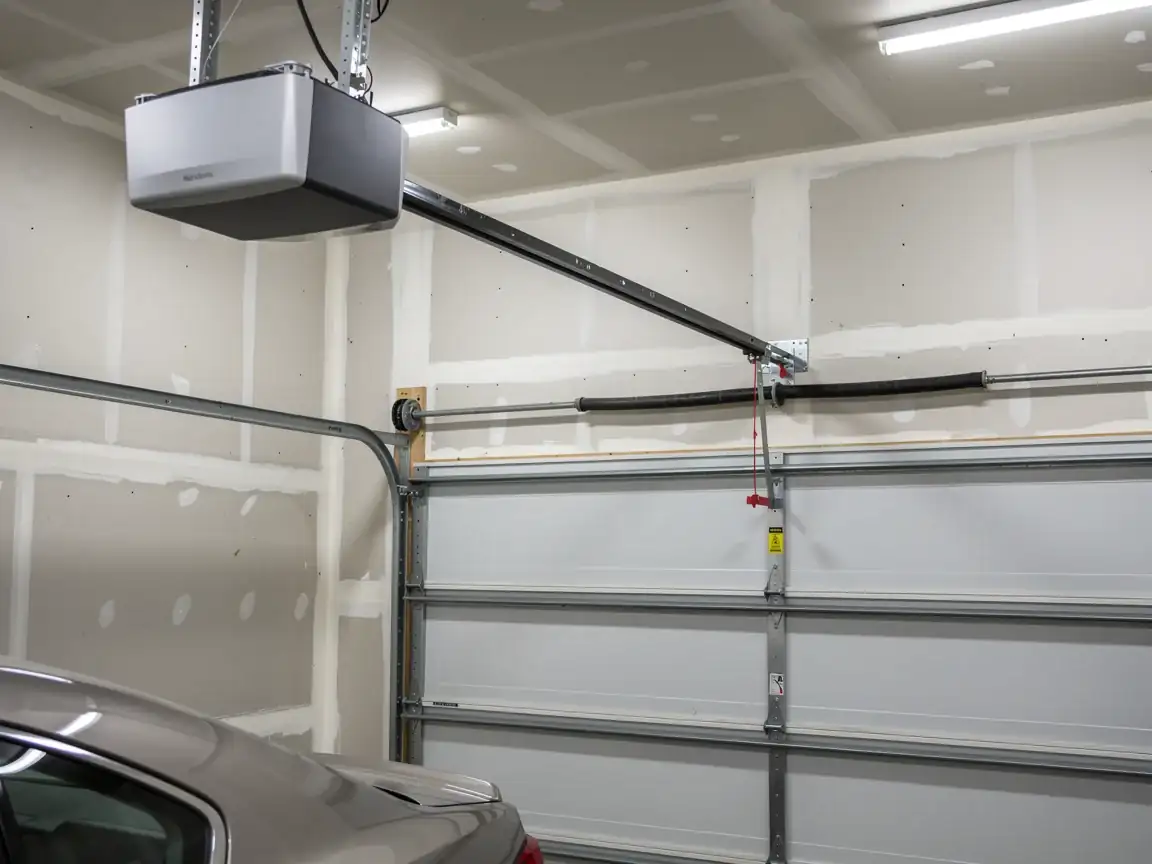
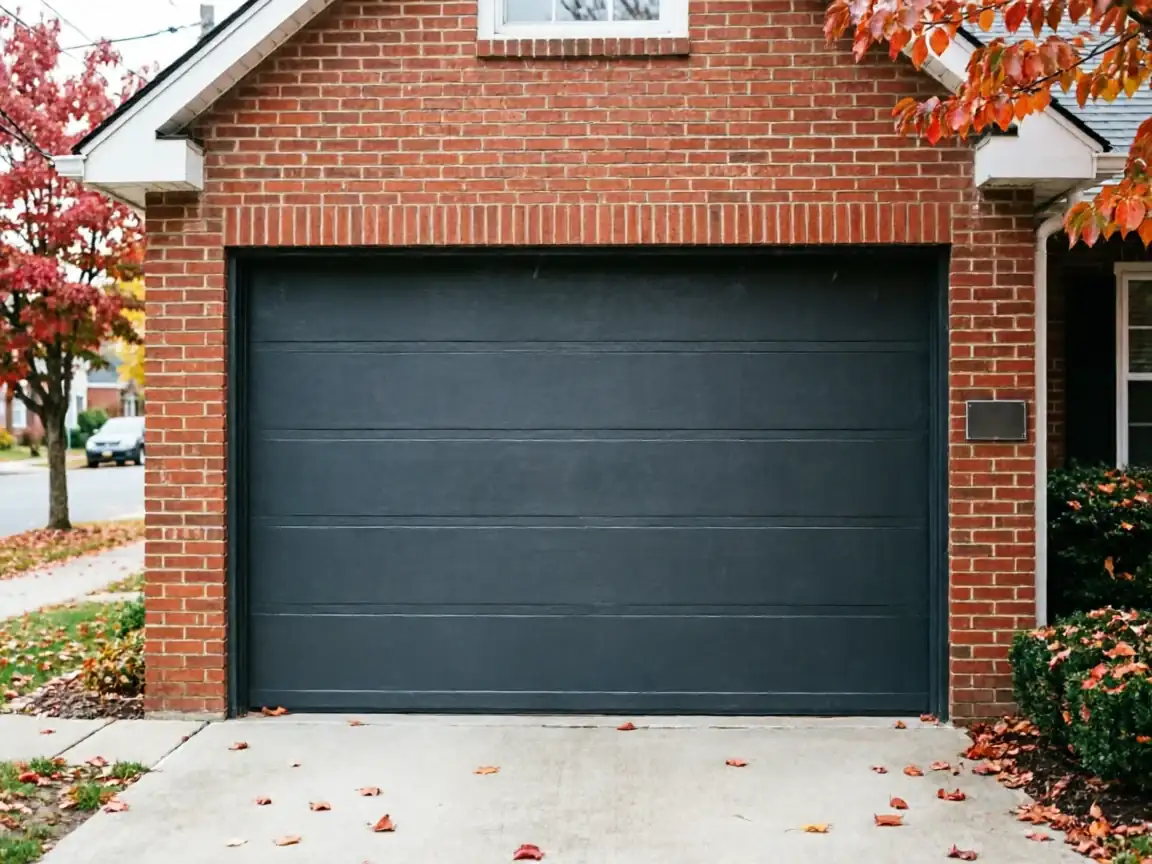
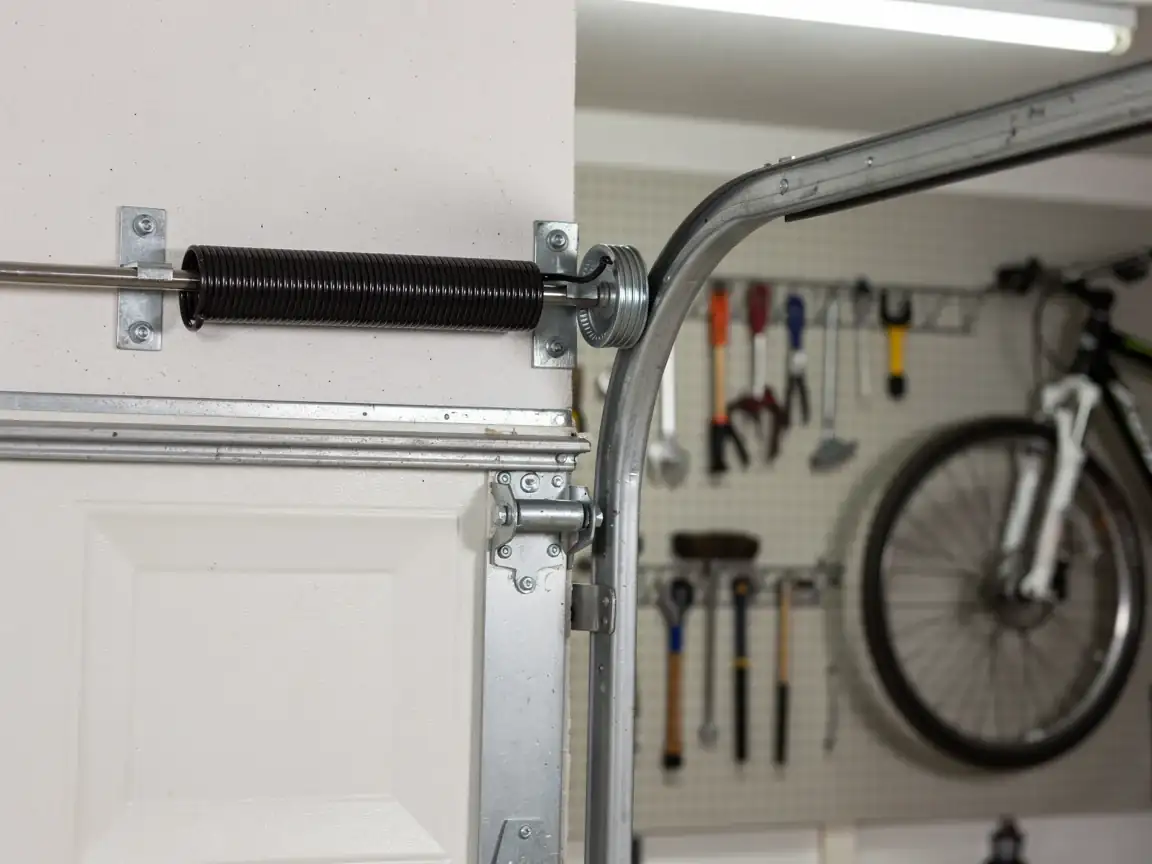
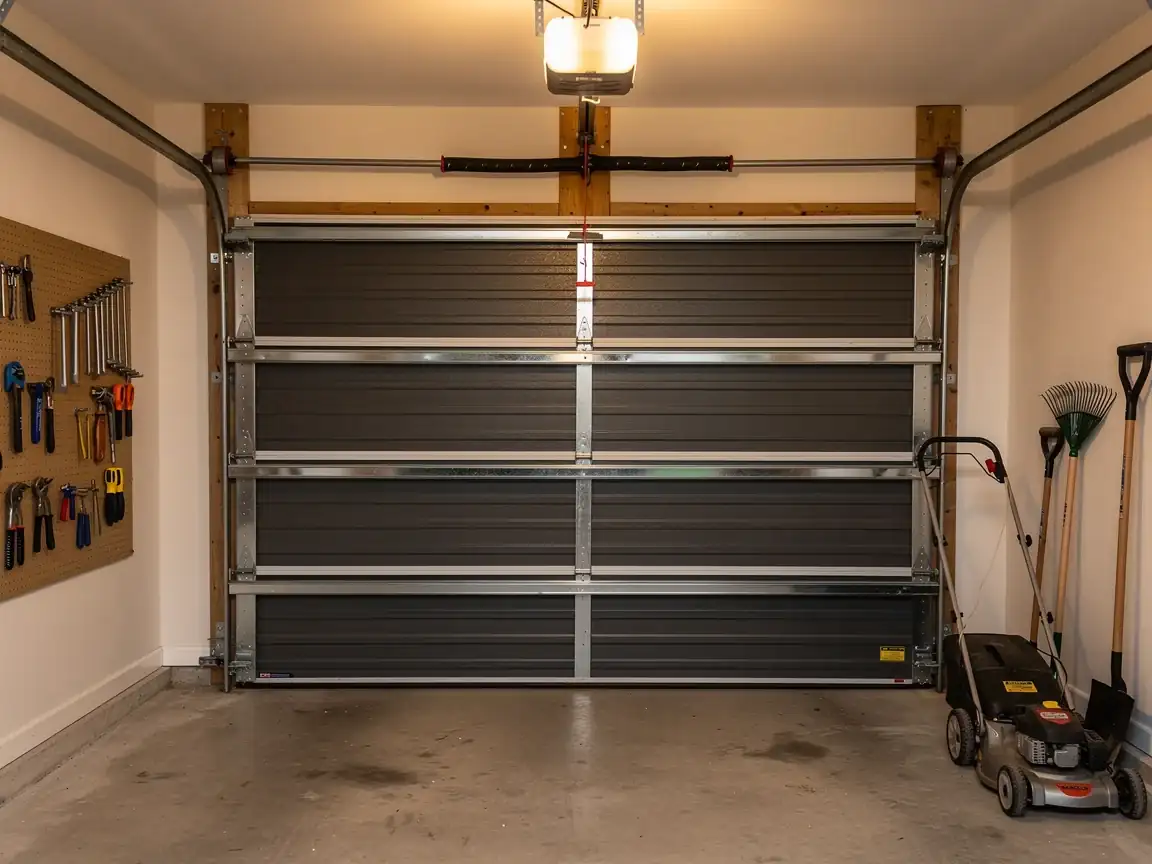
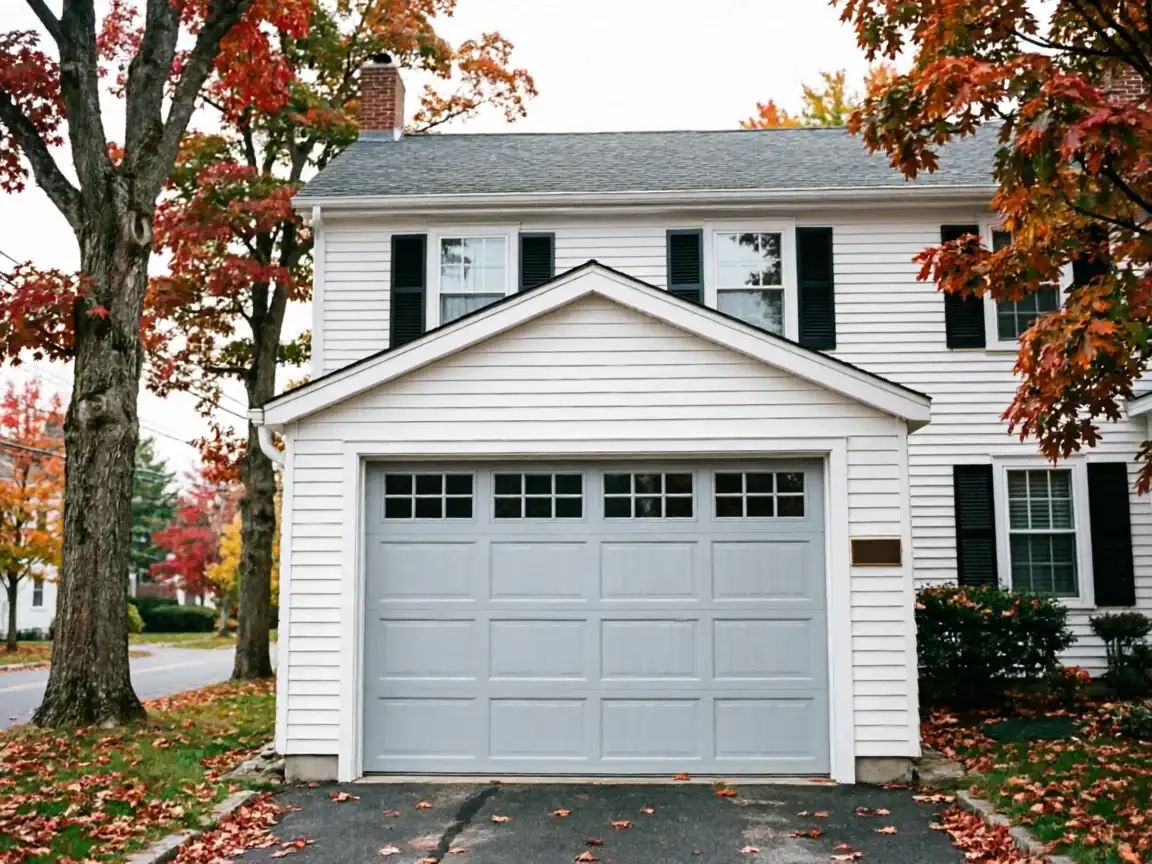
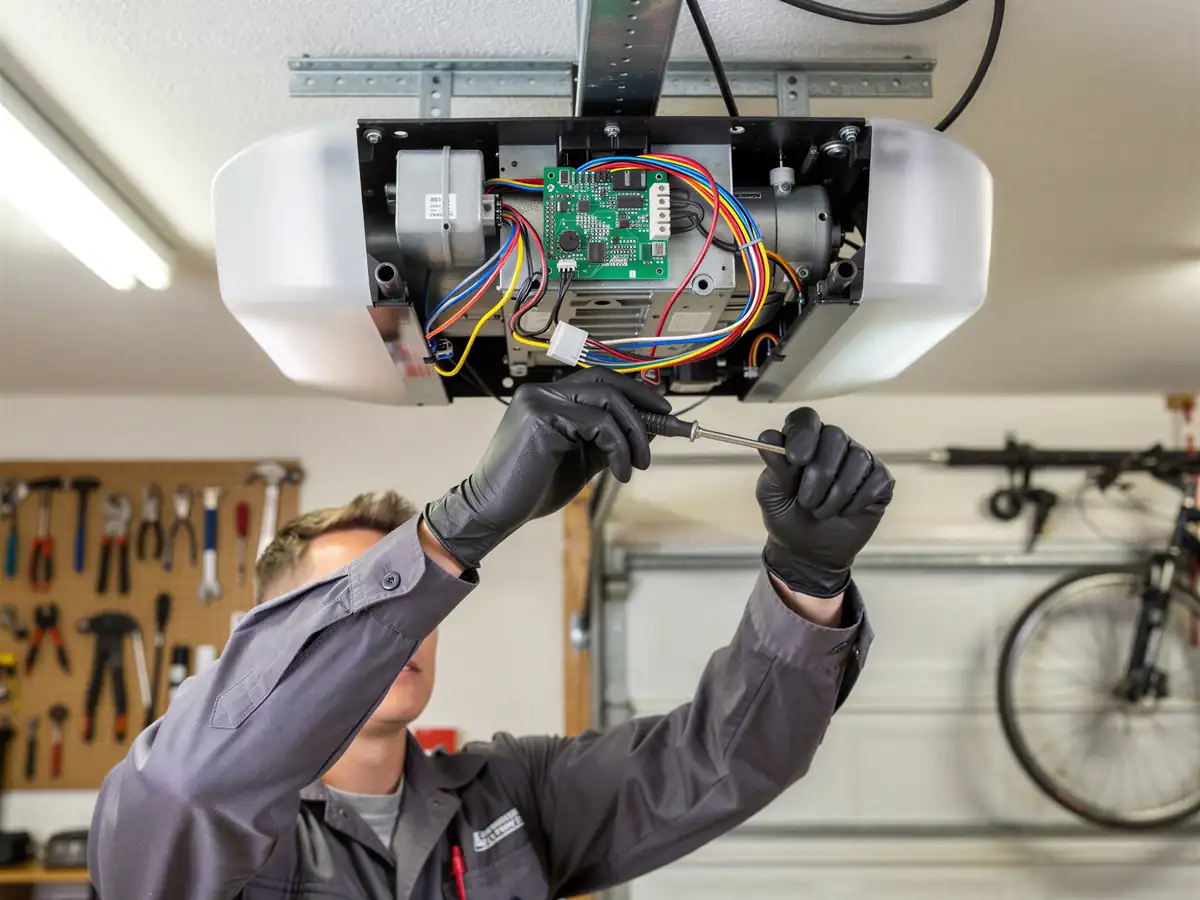
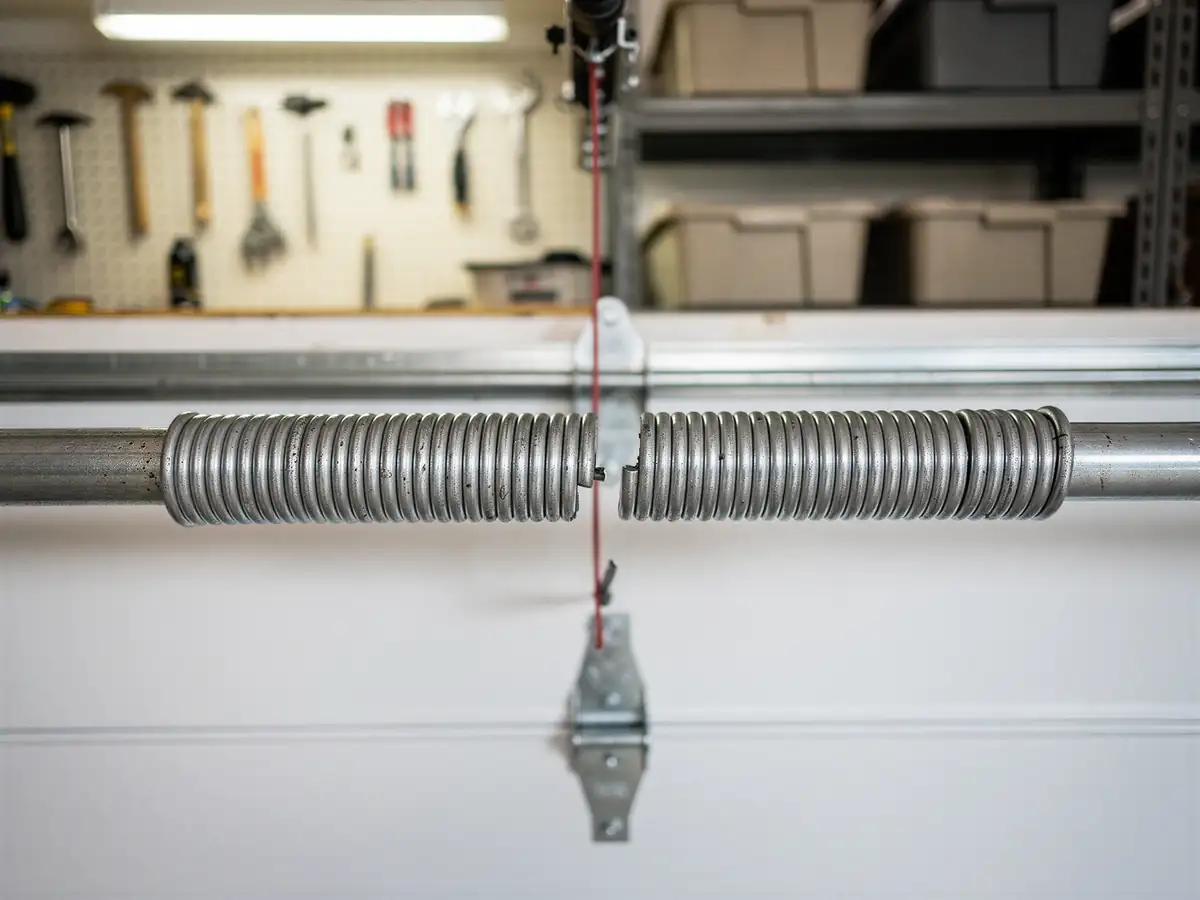
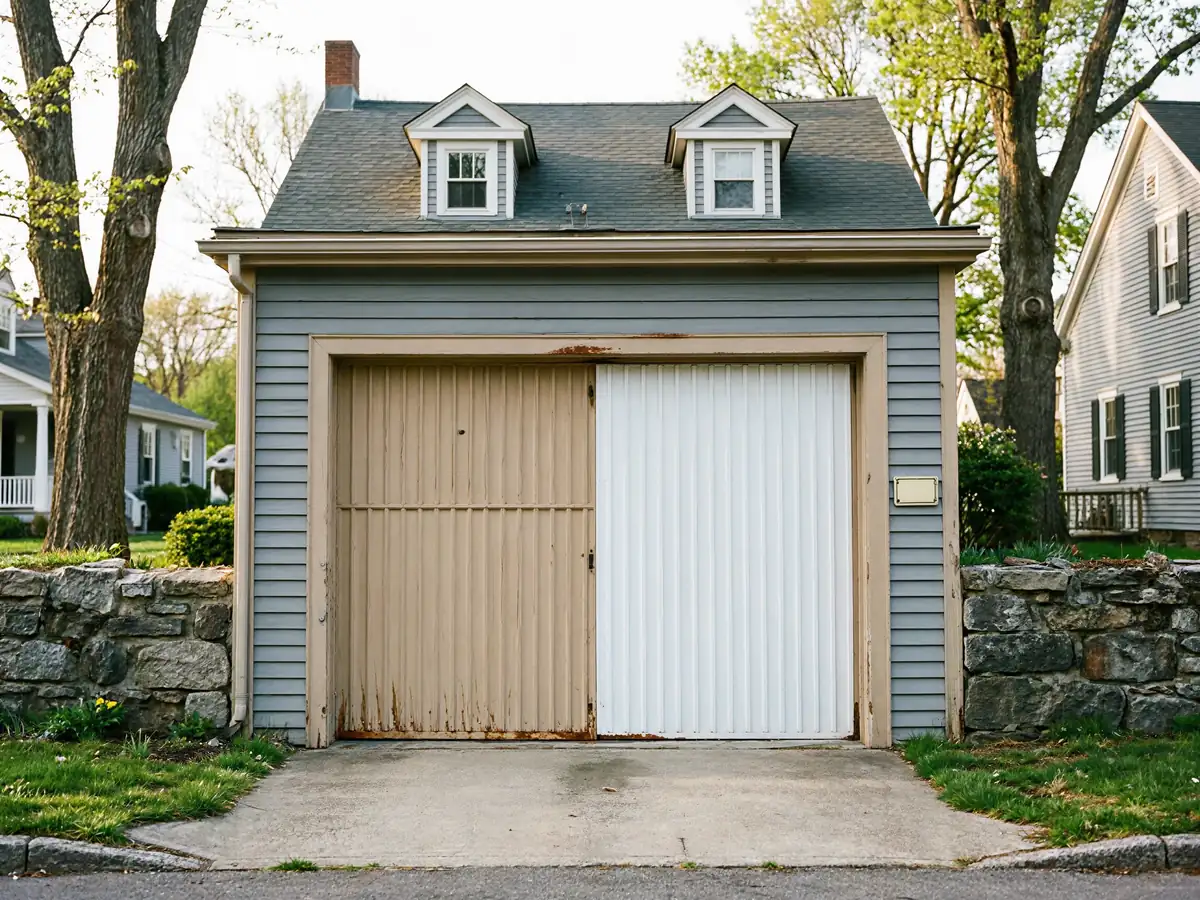
Lawson Heights houses mostly date to around 1960, a decade past the service area's overall median build year of 1950. That later construction usually means steel sectional doors rather than the older one-piece slab doors we still find on Greensburg's 1940s and 50s blocks, and it usually means torsion spring setups instead of the side-mounted extension hardware common on the oldest stock. The failure pattern follows the hardware. On a 1960-era torsion door, the most common issues we see are worn end bearings, a spring losing tension unevenly, and track brackets that have shifted slightly after sixty-plus years of seasonal expansion and contraction. Openers on these houses have usually been replaced once or twice already, so chain wear and worn gear sets on the opener itself show up as often as anything on the door hardware. None of this is unusual for a house this age - it's just a different failure list than you'd get on an older slab door, and worth knowing before you call in a part number that doesn't fit.
How Long It Takes
A straightforward maintenance visit on a 1960s-era torsion door usually runs under an hour once the tech is on site - balance check, lubrication, hardware tightening, a look at the cables and rollers. Add travel from Greensburg and the appointment window is naturally a bit longer than it would be for a job inside the city itself, which is part of why we schedule these rather than treat them as drop-in work. If the visit turns up something beyond routine wear - a bearing that needs replacing, an opener gear set that's chewed down - we'll tell you on the spot whether that's a same-visit fix or a return trip, since not every part is something we carry on the truck for every call. Nobody wants a tech standing around waiting on a part that isn't there, so we'd rather be straight about it than pad the first visit.
How We Fix It
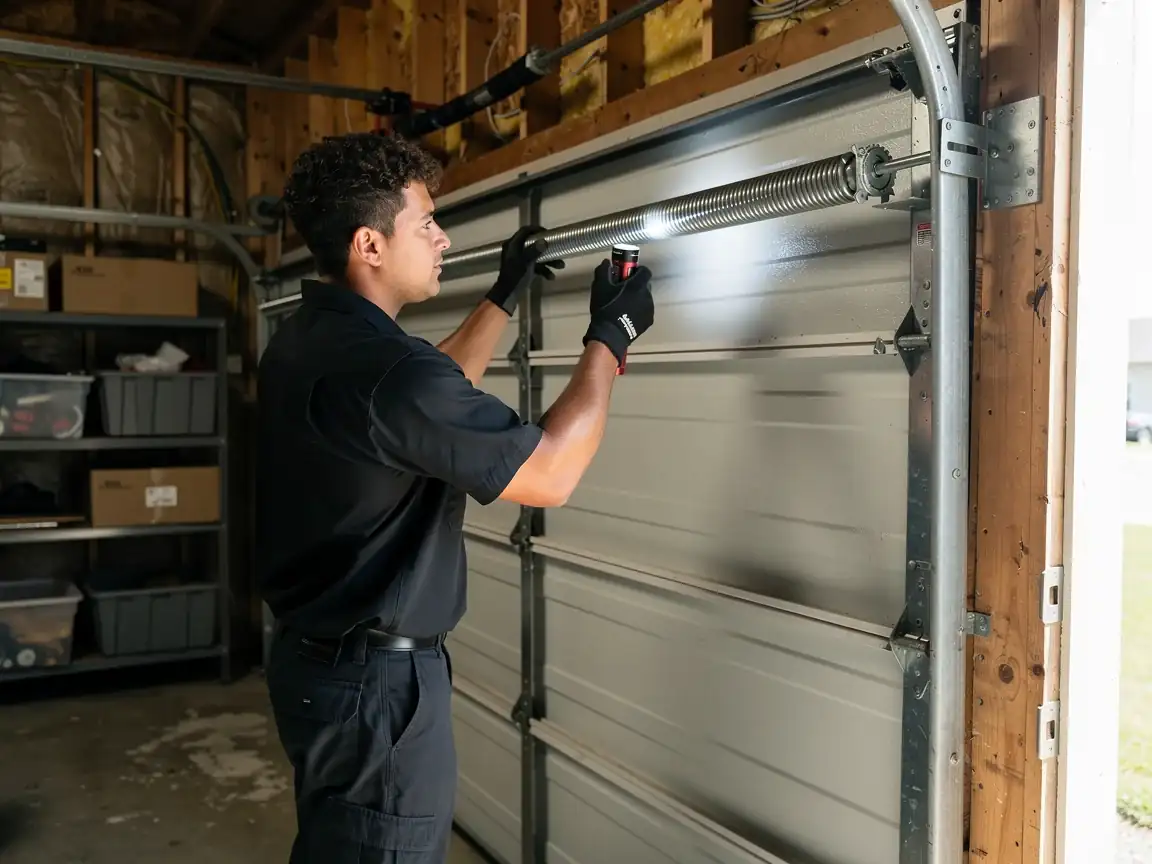
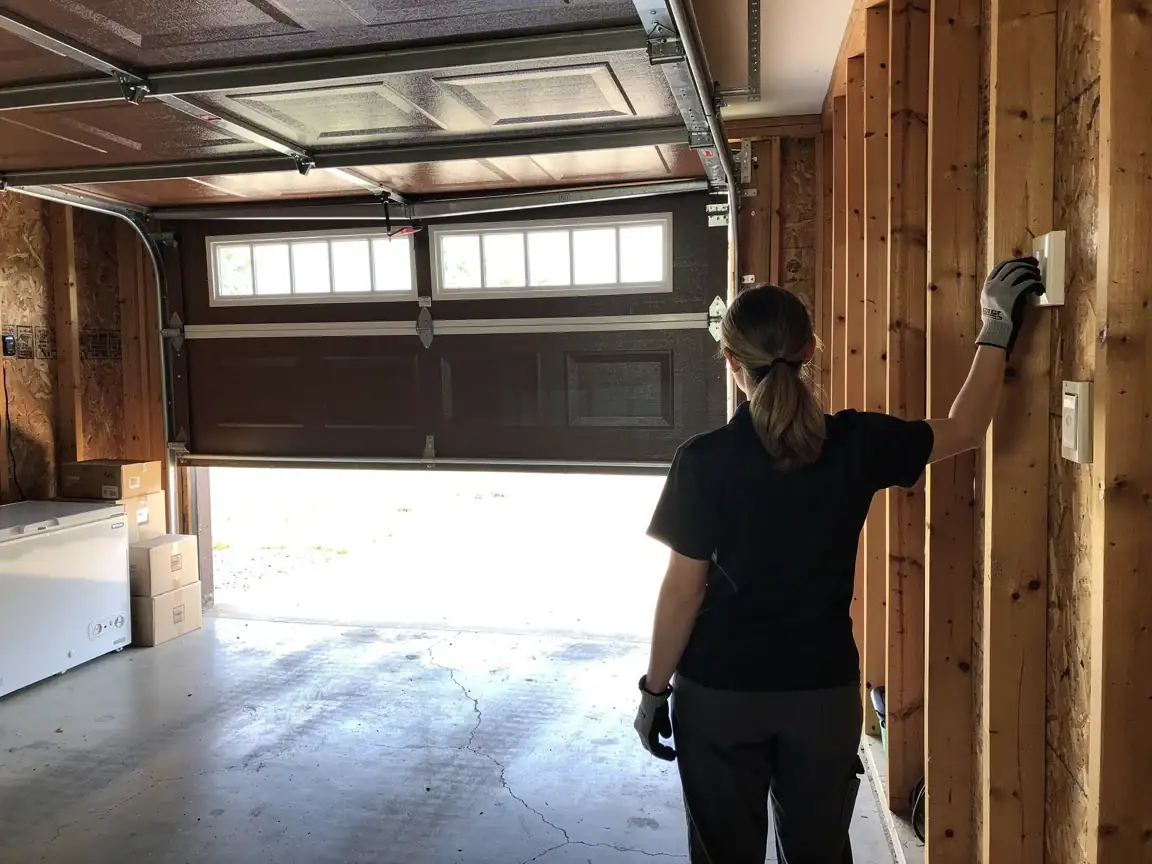
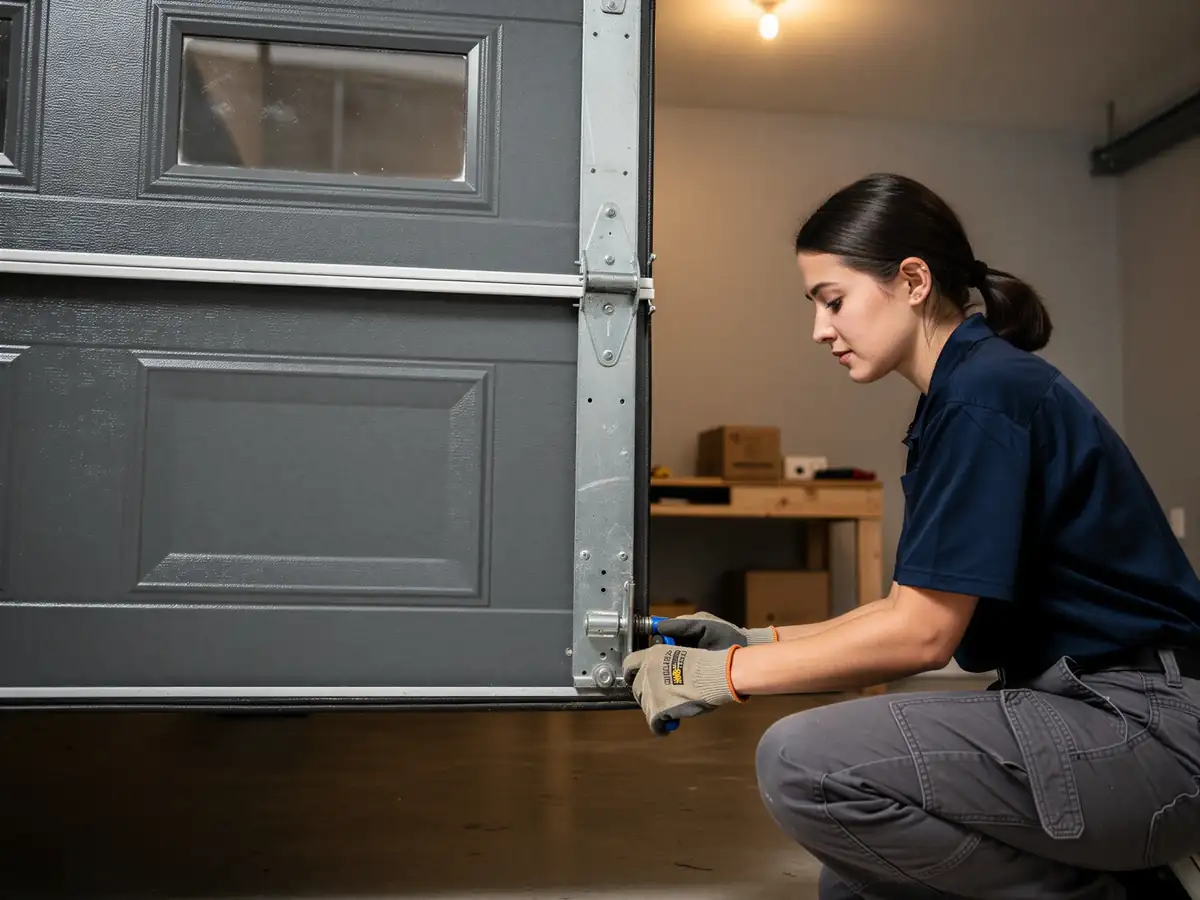
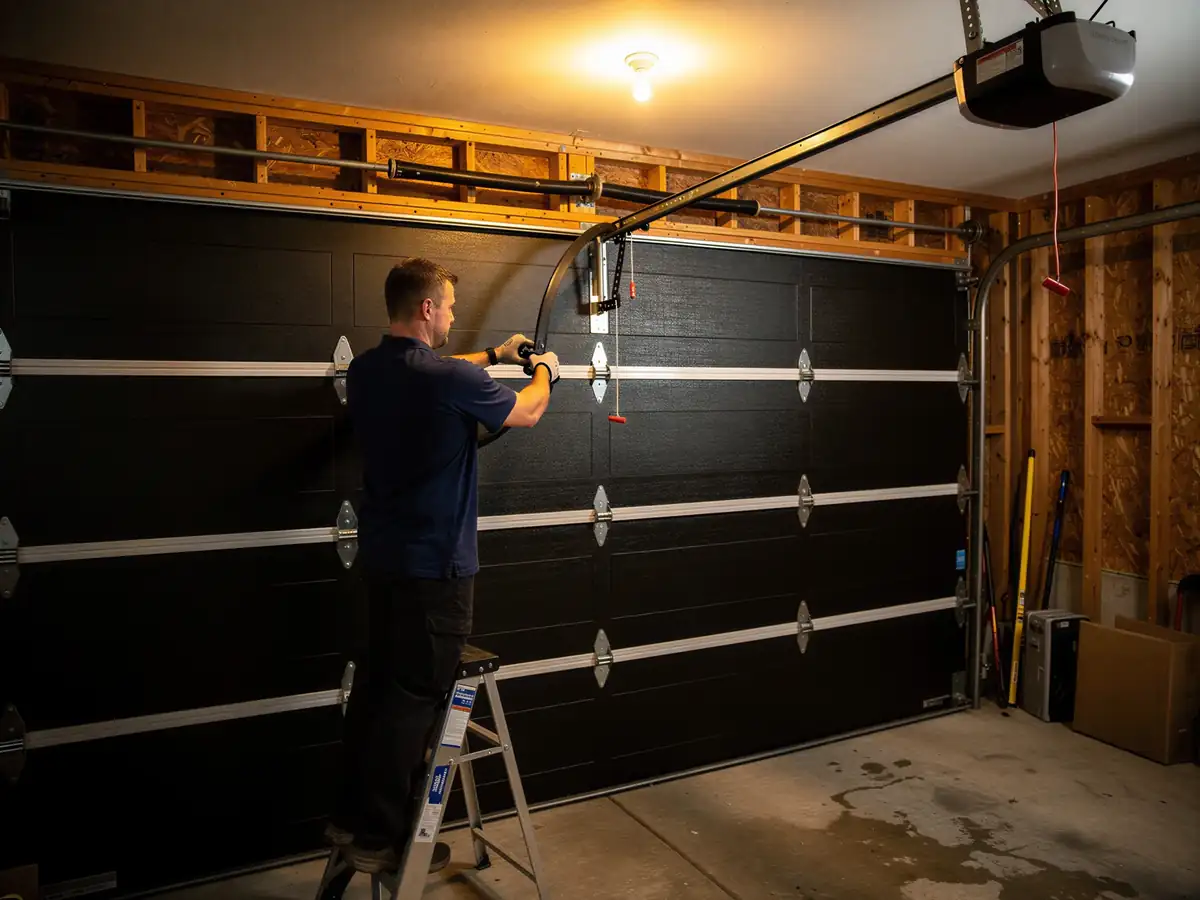
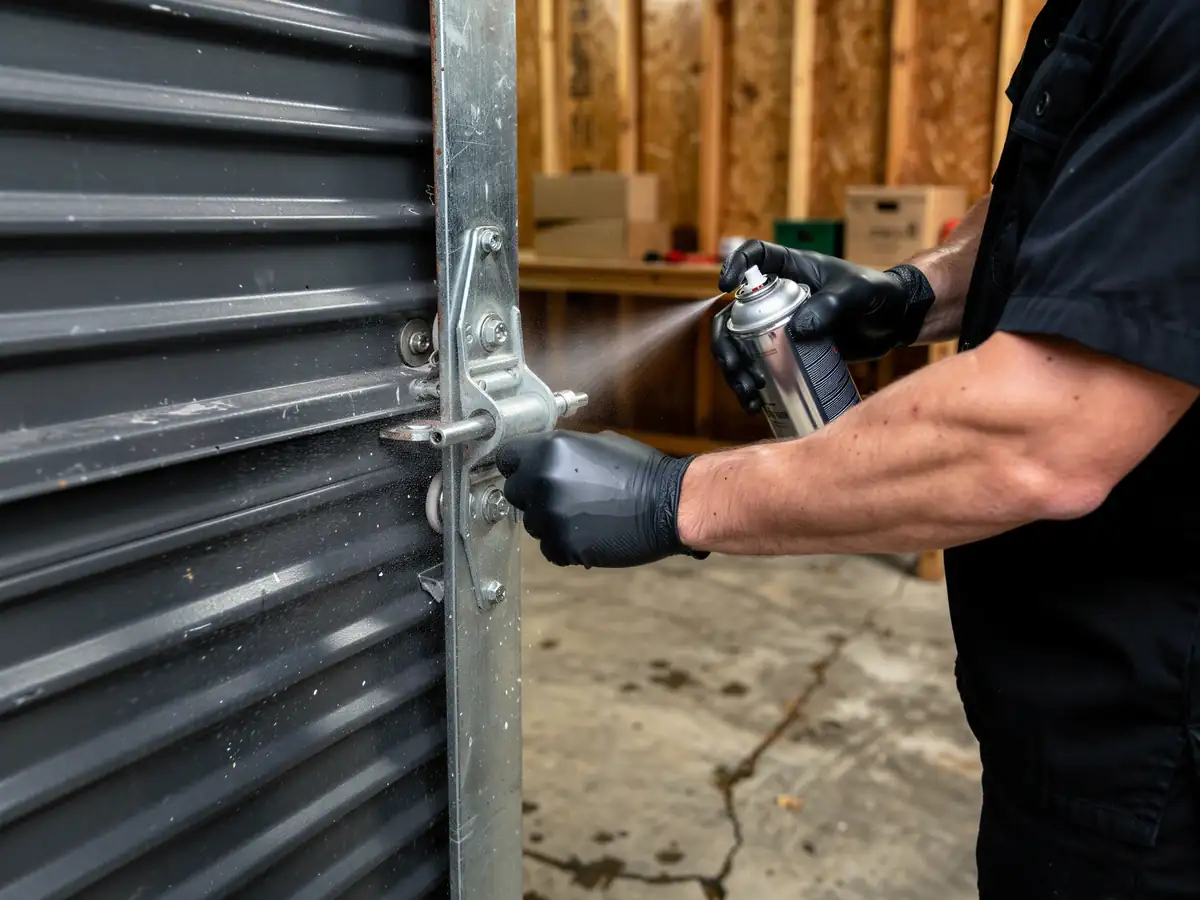
On the roughly 1960-built stock common in Lawson Heights, maintenance starts with checking spring tension and balance, since torsion springs on houses this age are often original or one replacement in, and uneven wear between the two springs on a double door is the single most common thing we correct. From there it's track alignment, roller and hinge lubrication, and a check of the bottom bracket and cables for fraying - all more relevant on a sectional steel door than on the older one-piece doors we see elsewhere in the service area. We also check the opener's force settings and travel limits, since a door that's slightly out of balance puts extra strain on the opener motor over time, and that's the kind of thing that shortens an opener's life quietly, without ever throwing an obvious fault. We don't replace parts that don't need it - if a spring still tests within range, we leave it and note it for next time.